By Eleanor E | Individual Giving Executive
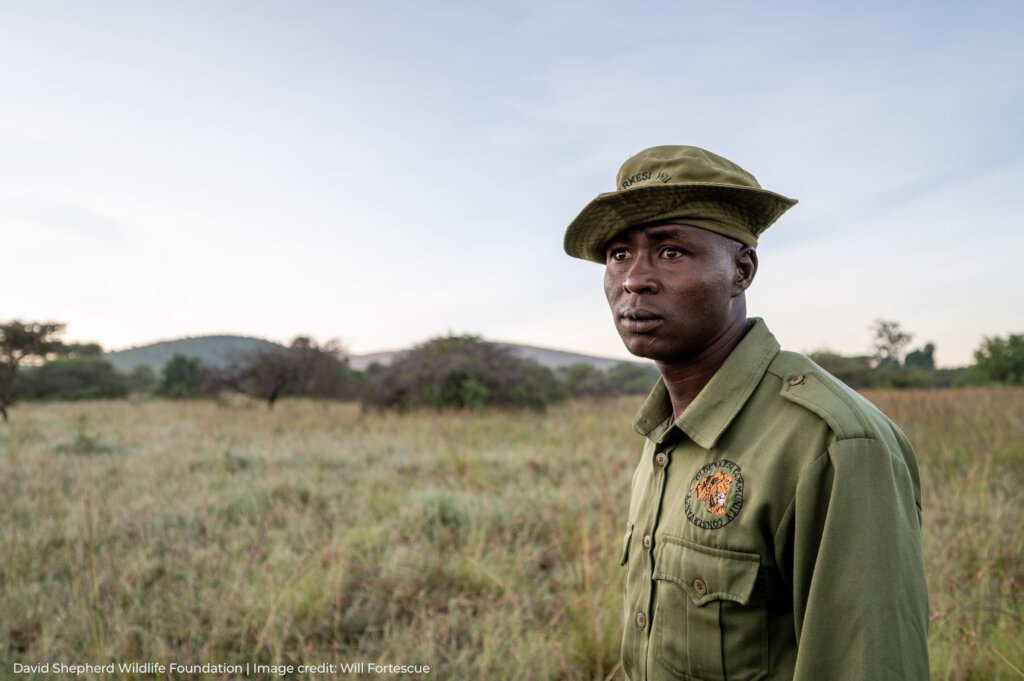
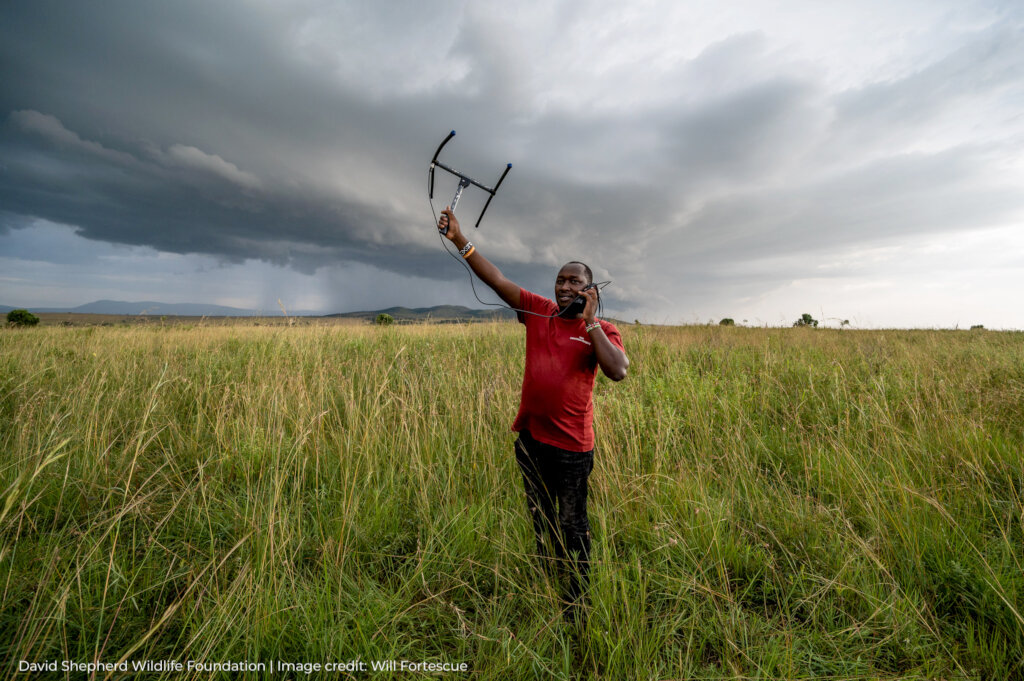
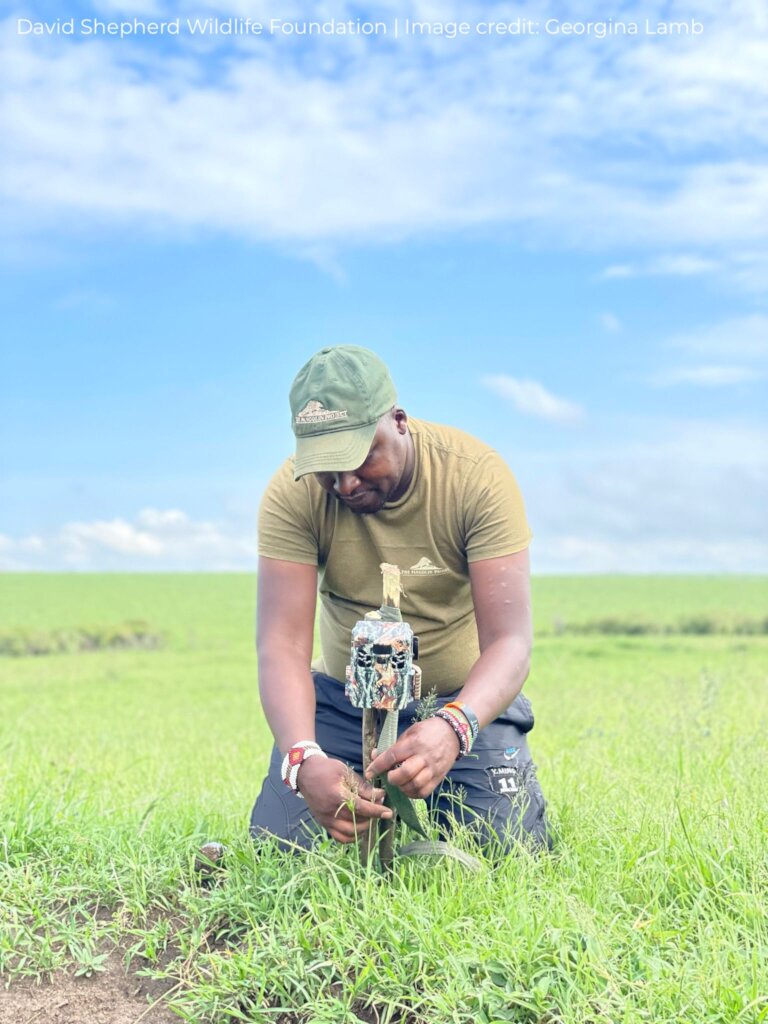
In Kenya, DSWF remain dedicated to protecting the habitats of pangolins and supporting conservation initiatives with our boots on the ground partners, particularly focusing on the protection of one of the last remaining populations of giant pangolins in Kenya.
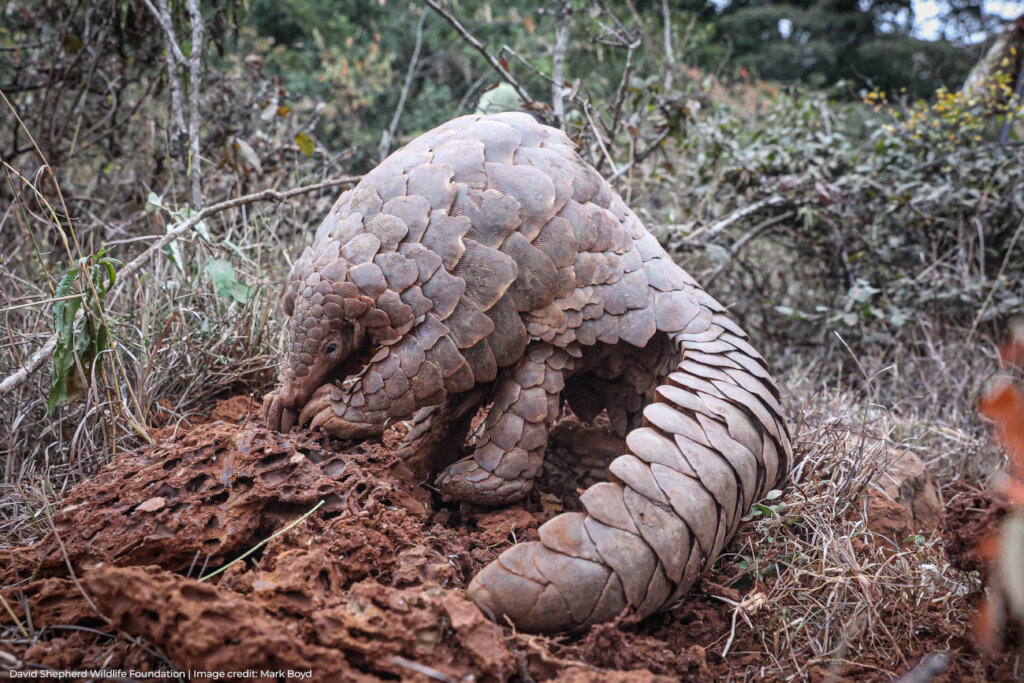
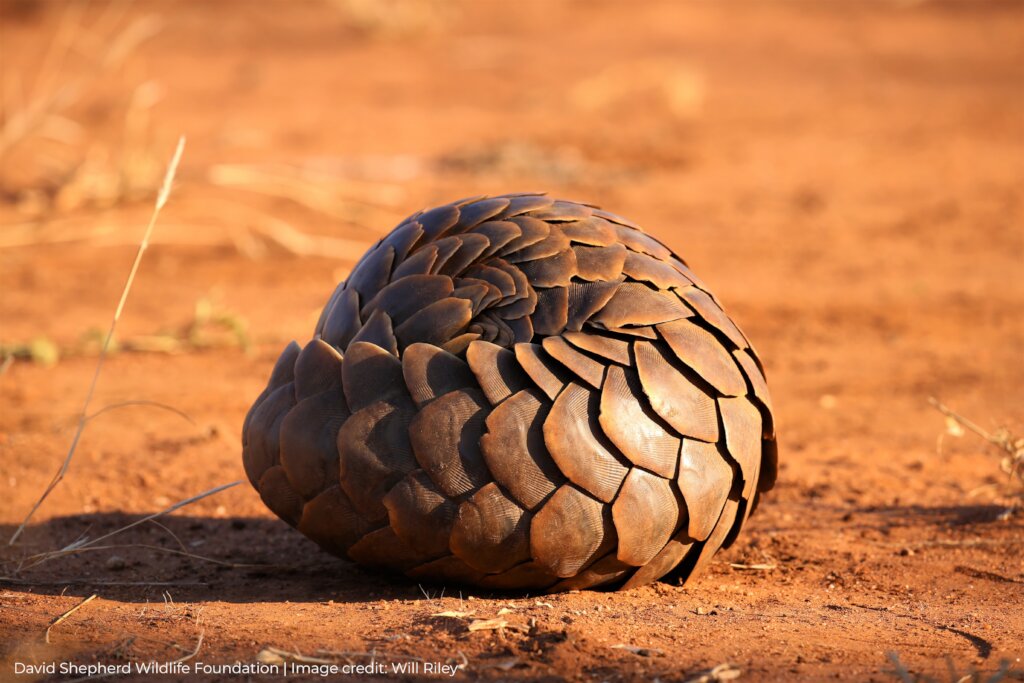
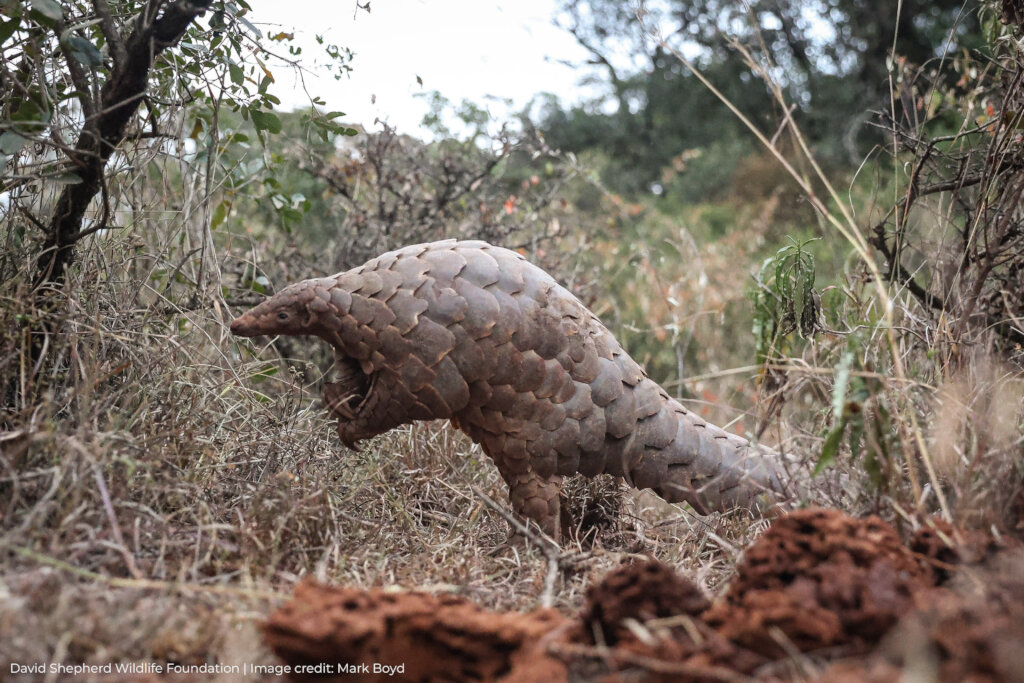
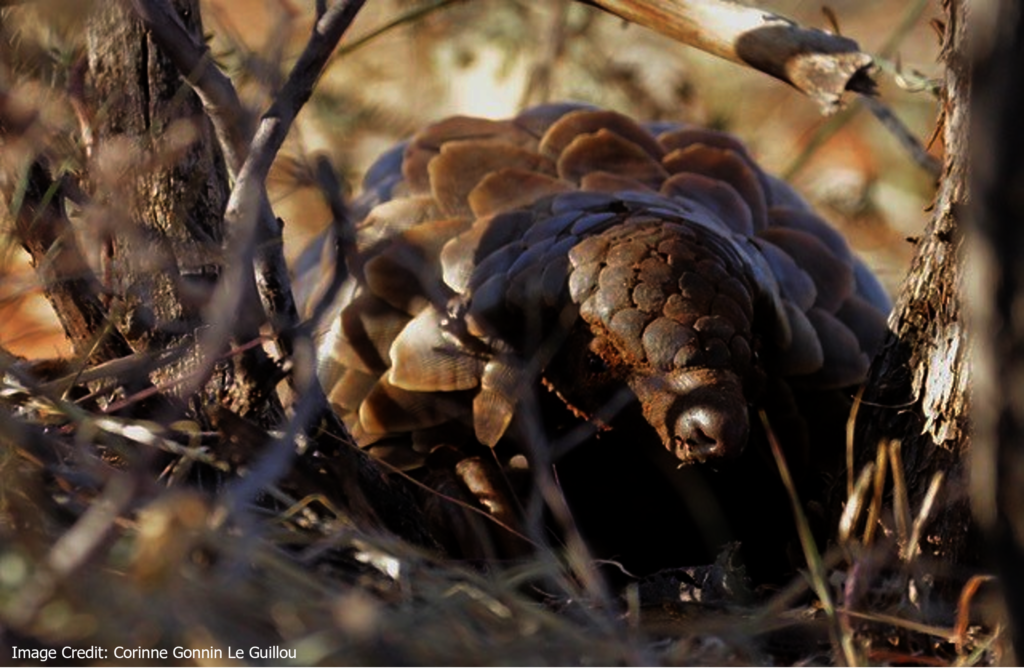
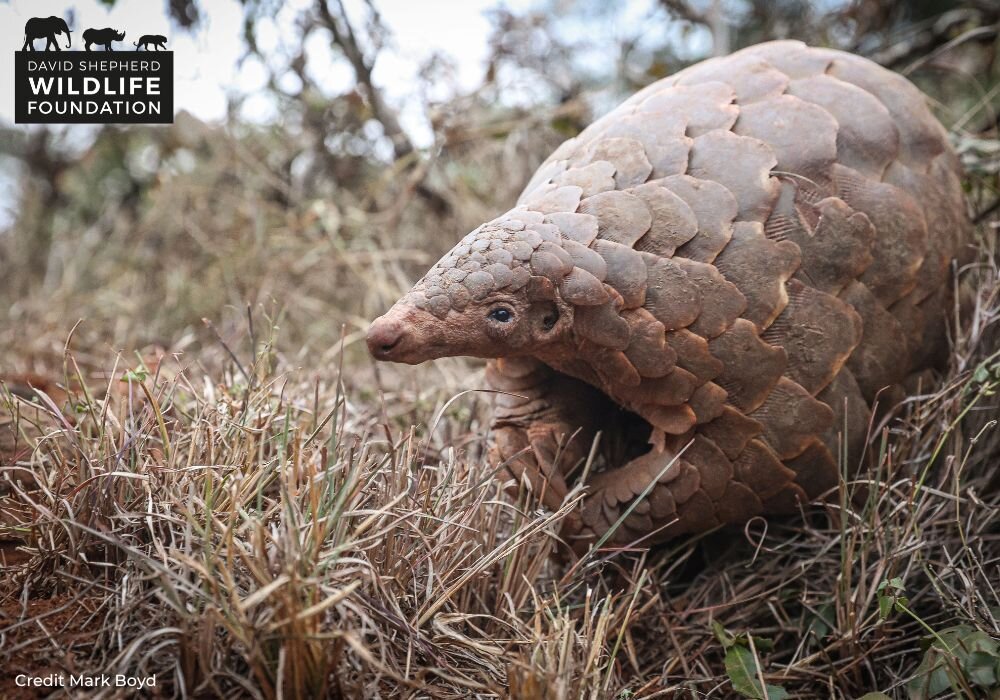
Electric fences continue to pose a significant threat to the survival of giant ground pangolins within our partner’s operational area, with fatal incidents occurring relatively frequently. Pangolin sightings are not a common occurrence due to their elusive nature, but two were spotted in April. The first was spotted near to an electric fence and not in any immediate danger, however by the time our partners responded to the call that a second pangolin had been spotted dangerously close to a fence, the pangolin had sadly already been caught in the fence and died as a result. Landowners residing alongside wildlife are increasingly erecting electric fences to protect their agricultural crops and livestock from wildlife damage, as well as to ensure human safety from species such as elephants. While intended as deterrents, these fences inadvertently become lethal traps for pangolins, as they push through fences to access ant and termite nests within their home range. Once initially electrocuted, pangolins instinctively try to defend themselves by curling into a ball, often around the lowest electrified strand. The act that they believe will protect them from harm is what ultimately leads to the repeated shocks, resulting in their death.
Despite the challenges associated with these electric fences, new sightings of giant ground pangolins bring us hope. Although live pangolin pups have yet to be observed, promising signs indicate that the population is reproductively active. Observing pangolin pups in their natural habitat is an incredibly rare occurrence; this is primarily attributed to the solitary, nocturnal nature of these animals. Pangolins often retreat into burrows or dense vegetation during daylight hours, making them challenging to spot. There are a few ways that our partner’s may be able to speculate reproductive success in a pangolin population. These include sightings of pregnant or lactating females, the presence of juvenile pangolins of varying ages, and observations of increased activity during breeding seasons. Further confirmation may come from the potential discovery of nesting or birthing sites, which further contribute to understanding the reproductive success and long-term viability of pangolin populations.
While the situation remains concerning, the discovery of new individuals fuels our determination to bolster our efforts and expand initiatives aimed at ensuring the survival and repopulation of this critically endangered species. As always, thank you for your generous support in providing a more sustainable future for the pangolins and the communities that live alongside them.
Stay up to date with our work and how your generous support is making a difference, receive exciting wildlife conservation stories and hear about forthcoming campaigns, fundraising initiatives, and events: Sign Up
Project reports on GlobalGiving are posted directly to globalgiving.org by Project Leaders as they are completed, generally every 3-4 months. To protect the integrity of these documents, GlobalGiving does not alter them; therefore you may find some language or formatting issues.
If you donate to this project or have donated to this project, you can receive an email when this project posts a report. You can also subscribe for reports without donating.



Support this important cause by creating a personalized fundraising page.
Start a Fundraiser