By Eleanor E | Individual Giving Executive
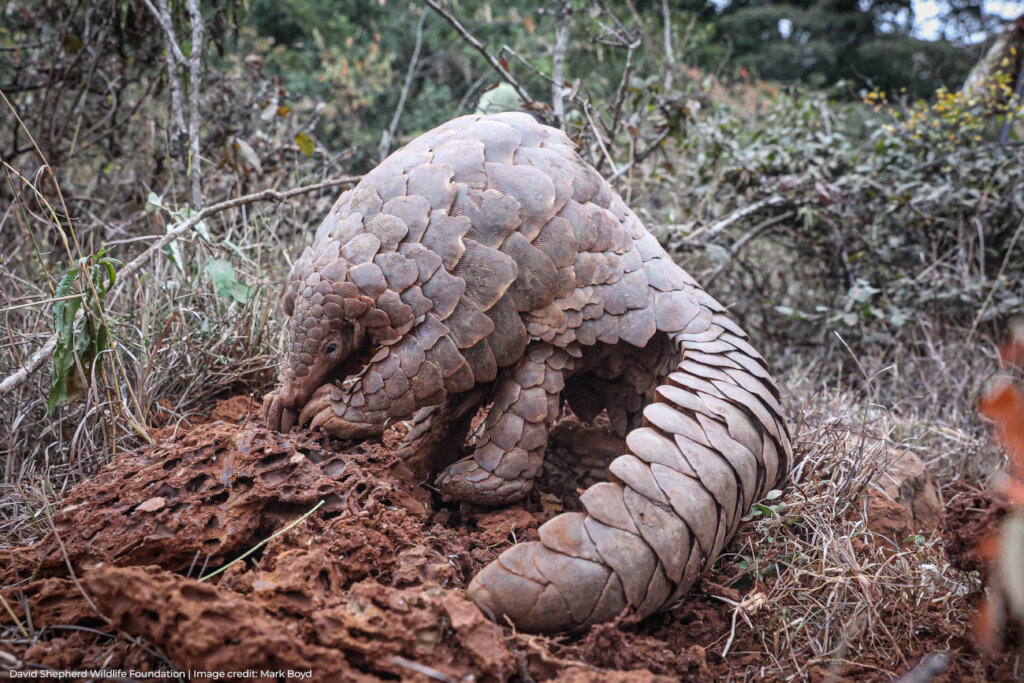
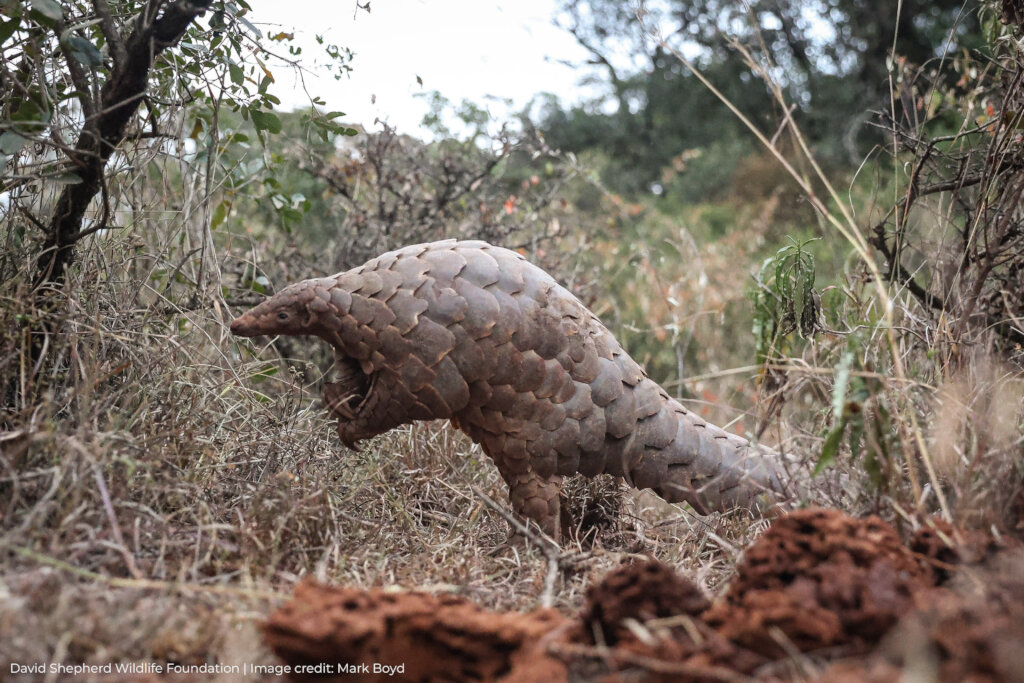
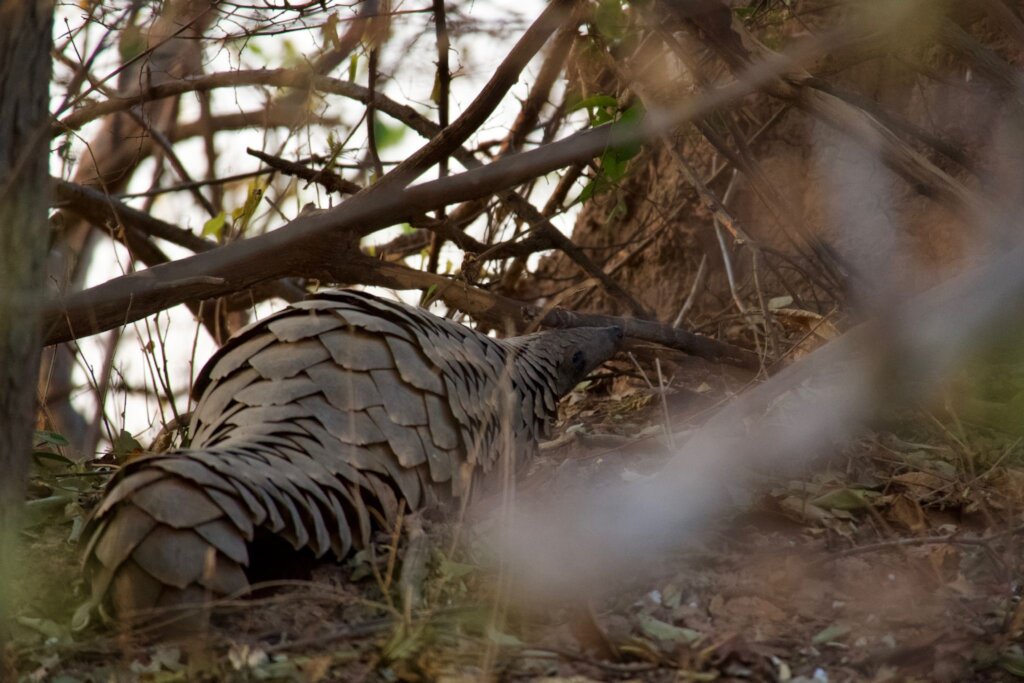
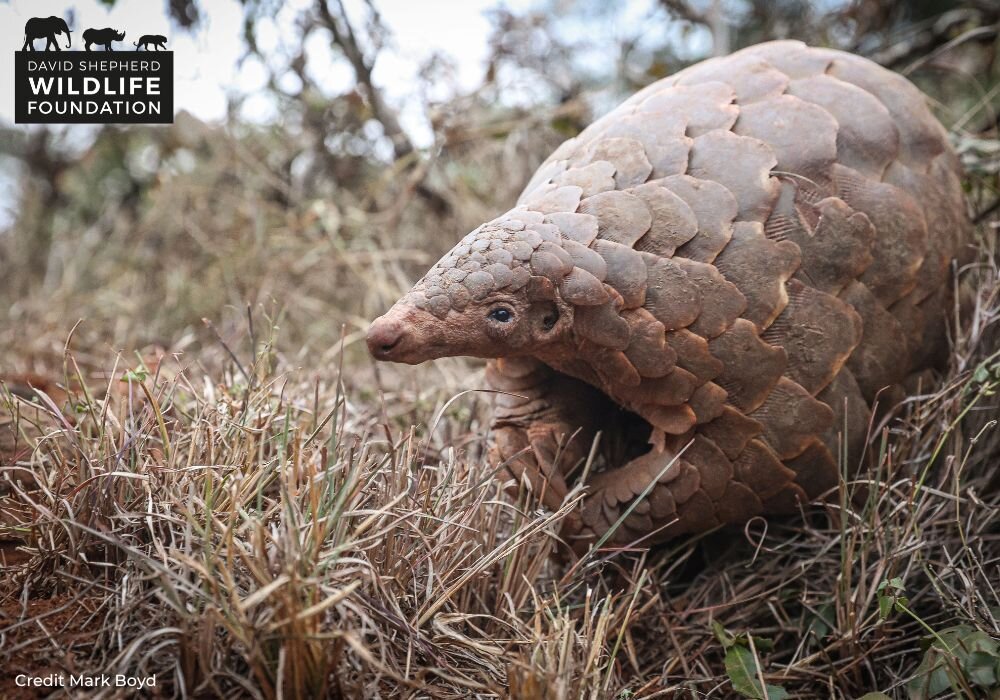
In August 2024, David Shepherd Wildlife Foundation (DSWF) launched an innovative new campaign focused on raising awareness about the plight of pangolins through the use of advanced AI technology. The campaign, which provides a unique and immersive perspective, captures the harrowing journey of a pangolin as it is caught by poachers, trafficked, and ultimately brought to a market where live animals are kept in poor conditions before being sold. Pangolins, prized for their scales—made of keratin, the same material as human fingernails—are highly sought after in traditional medicine practices in parts of Asia, and their meat has become a delicacy in some regions.
Pangolins hold the unfortunate distinction of being the world’s most trafficked mammal, with an estimated one million taken from the wild in the past decade. This equates to approximately 300 pangolins every day. Experts warn that without urgent conservation action, pangolins could face extinction within the next decade. DSWF have been actively involved not only in supporting frontline projects but also in influencing international policies to safeguard the future of these remarkable animals.
Pangolins are notably difficult to keep or raise in captivity, with very few successes recorded. As a result, all pangolins found in trade are sourced from the wild, exacerbating the threat to their survival. With Asian species already severely depleted, African species are increasingly being targeted, including the elusive giant pangolin. In Africa, pangolins are further endangered by the bushmeat trade and by the growing demand from international markets.
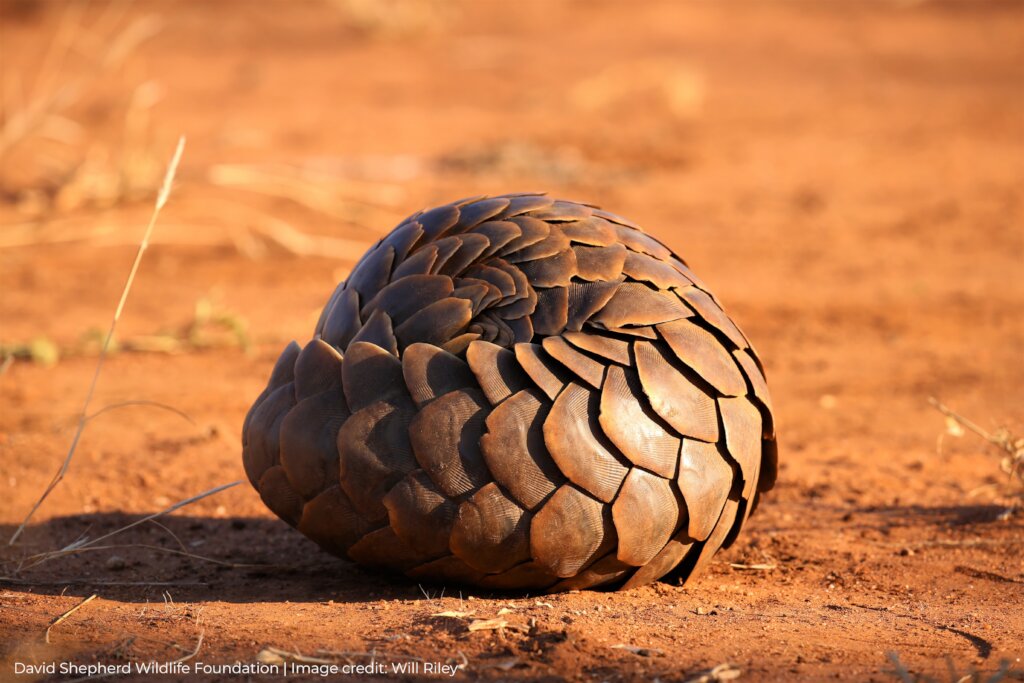
DSWF, alongside our project partners, have undertaken crucial interventions to protect pangolins, including the rescue of two giant pangolins from potentially fatal encounters with electric fences in Kenya. Electric fences, while intended to protect crops and livestock, can be deadly for pangolins, whose instinct to curl into a ball when threatened leads to repeated and often fatal electric shocks. Tragically, other pangolins have not been as fortunate, with several found dead near these fences, their scales removed, presumably for sale.
Efforts to safeguard the remaining pangolin population in this region are ongoing. DSWF has supported the engagement of landowners, protected significant areas of forest habitat, and removed critical threats, including portions of electric fencing. Through this work, we are helping to develop community governance systems and alternative livelihoods, aiming to ensure that those living alongside wildlife can benefit from conservation.
Despite these efforts, challenges remain. While progress has been made in de-electrifying fencing and protecting habitats, the erection of new fences and the reluctance of some landowners to engage in conservation pose ongoing risks. DSWF is exploring alternative strategies, such as the development of "pangolin-friendly" fencing, and remains committed to securing additional land for conservation, restoring forest habitats, and fostering community governance. As a result of these actions, Jackson, a local farmer, turned off the lower lines of his electric fence after learning about the specific threats these fences pose to pangolins. This small yet significant change has helped reduce the danger to pangolins while still protecting his crops and livestock.
As we continue this vital work, we recognise the growing demands on operational capacity and the need for increased funding to sustain these efforts. The recent campaign highlights the urgency of reducing threats to pangolins and the importance of ongoing support at both local and international levels to ensure the survival of this endangered species.
As always, thank you for your generous support in providing a more sustainable future for pangolins, and the communities that live alongside them.
Stay up to date with our work and how your generous support is making a difference, receive exciting wildlife conservation stories and hear about forthcoming campaigns, fundraising initiatives, and events: Sign Up
Project reports on GlobalGiving are posted directly to globalgiving.org by Project Leaders as they are completed, generally every 3-4 months. To protect the integrity of these documents, GlobalGiving does not alter them; therefore you may find some language or formatting issues.
If you donate to this project or have donated to this project, you can receive an email when this project posts a report. You can also subscribe for reports without donating.



Support this important cause by creating a personalized fundraising page.
Start a Fundraiser