By Eleanor E | Individual Giving Executive
As we move into the spring of 2025, we are pleased to share the ongoing success of our pangolin conservation efforts in Kenya, made possible by your generous support.
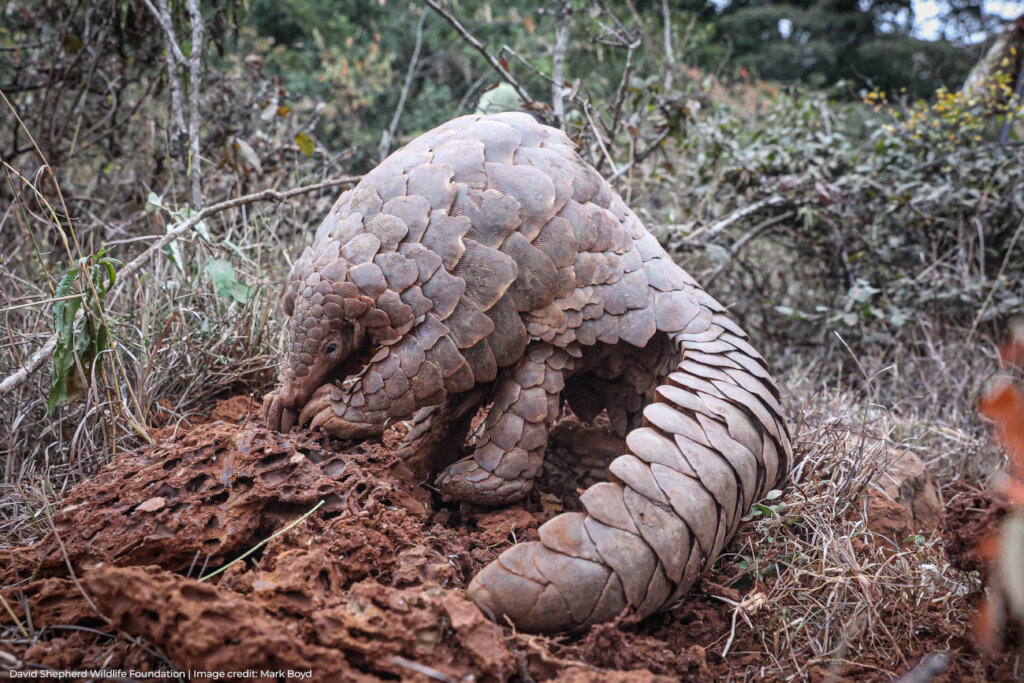
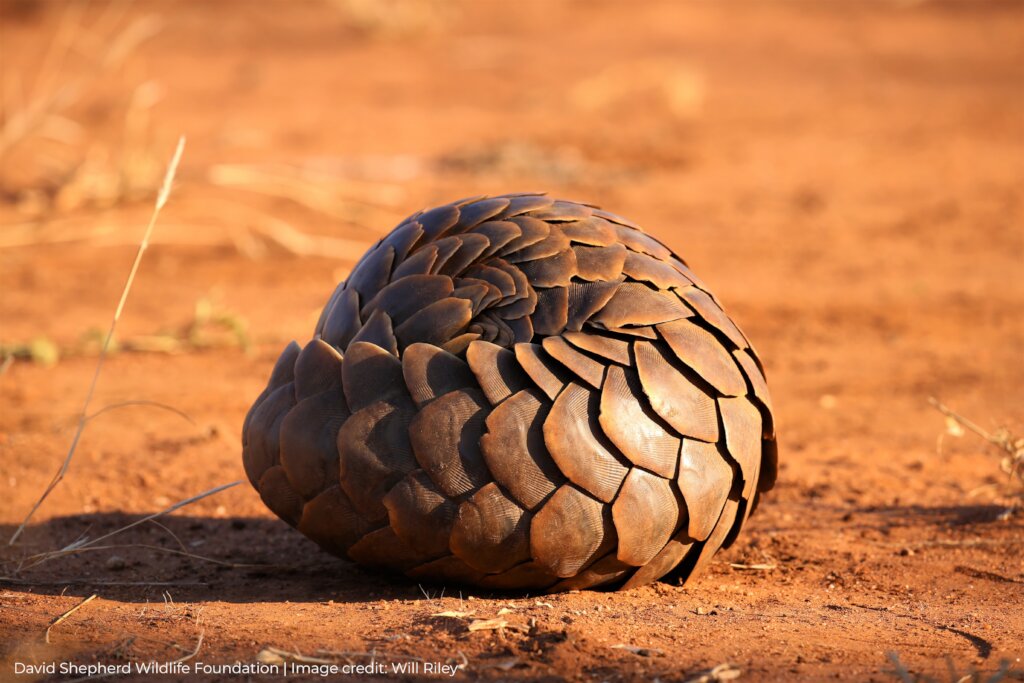
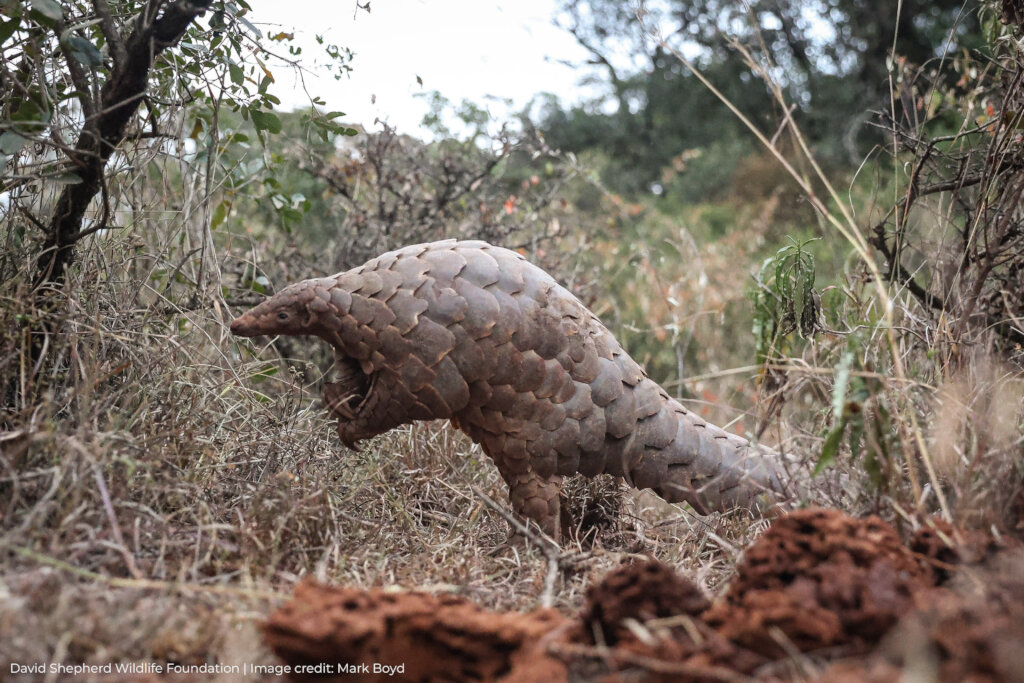
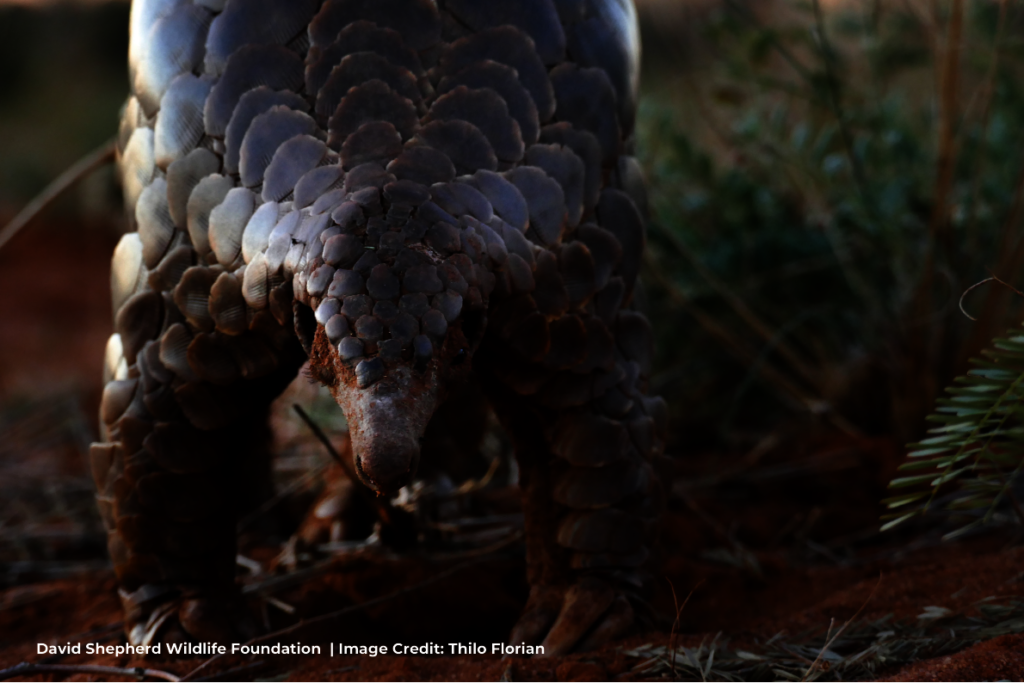
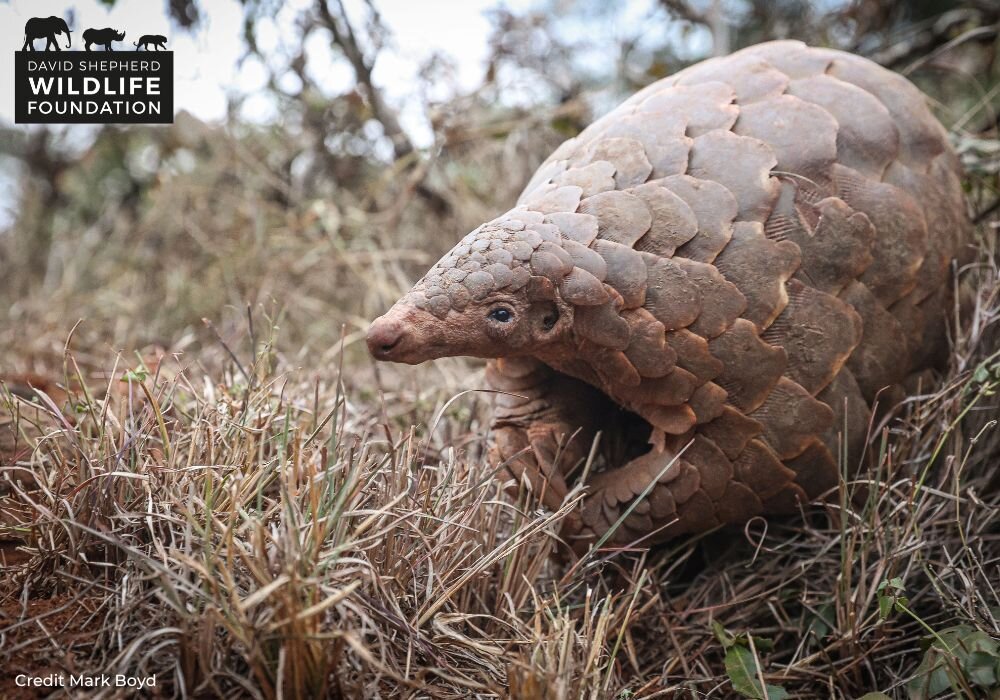
DSWF continues to support vital conservation initiatives in Kenya, focused on protecting pangolins and restoring 10,000 hectares of forest. This ambitious plan aims to secure 5,000 hectares of land in 2025 and complete a continuous 10,000 hectares by 2027. The project is one of the largest reforestation efforts in the country, with a focus on improving the environment for the giant pangolin population, which is currently estimated at just 12-30 individuals. The goal is to increase their numbers to between 67-90 by 2029. This project is of national and international importance, not only for its ecological impact but also for the economic benefits it brings to local communities through long-term land leases. These leases offer community members direct financial benefits while ensuring the protection of the forest.
Through this partnership, DSWF is helping to eliminate charcoal production and remove 90km of electric fencing by 2026, which will further improve the landscape for wildlife. The project also aims to engage at least 70% of local households in reforestation activities, such as tree planting and removing electric fencing. These efforts will create a sustainable future for both the local communities and the wildlife that depend on the forest.
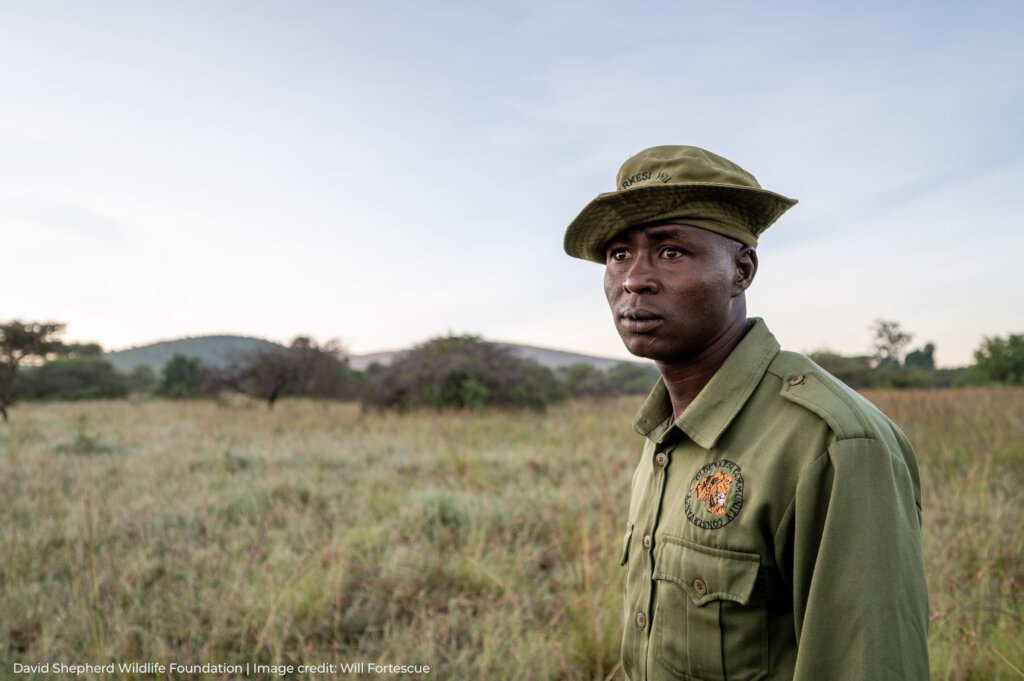
To strengthen the conservation efforts, DSWF will support the salary of the Field Operations and Security Manager, who will oversee ranger patrols and ensure the removal of electric fencing. DSWF supported rangers will be equipped with modern tools such as Earth Ranger software and drones to detect and respond to threats, including tree cutting and charcoal production. The team will work closely with the Kenya Wildlife Service to respond to wildlife casualties and other emergencies.
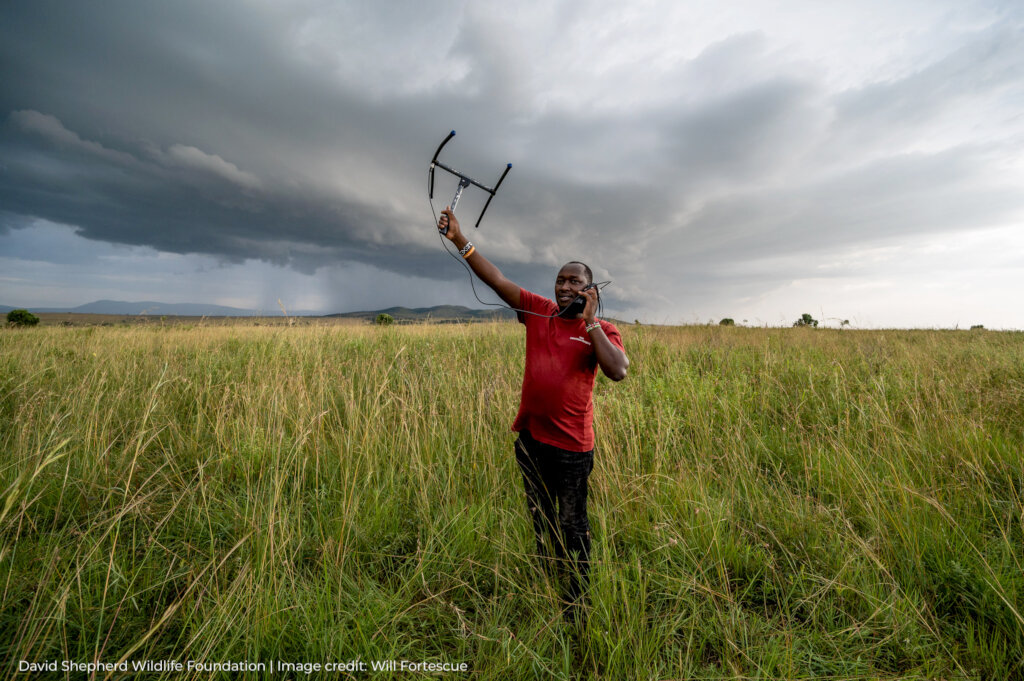
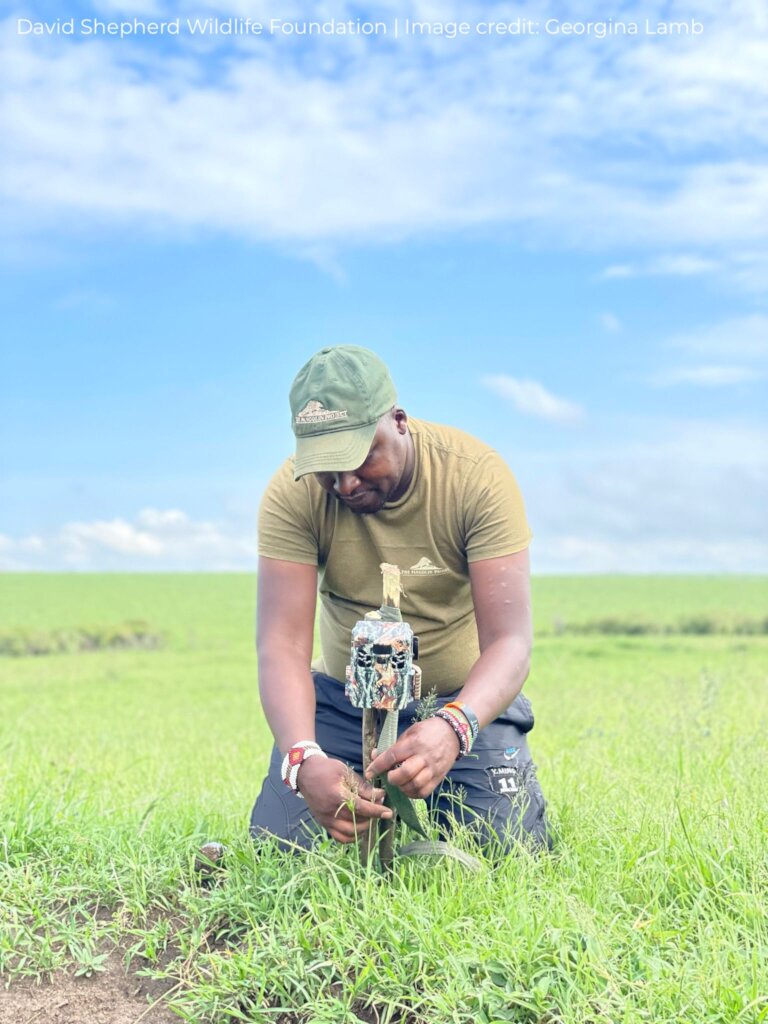
In addition to these efforts, our partners will continue to monitor the giant pangolin population using camera traps, with 120 locations to be surveyed. The team will also restart a tagging programme to fit pangolins with satellite and tracking devices, ensuring their movements are closely monitored. This data will be essential for understanding the species’ needs and ensuring their long-term survival in the wild. In 2025, the monitoring team will also expand its efforts to track broader biodiversity, gathering valuable information to help inform conservation strategies for years to come.
Your continued support is instrumental in ensuring the success of these critical conservation initiatives, and we are deeply grateful for your commitment to protecting pangolins and their ecosystems. Together, we are helping safeguard the future of this iconic species.
Project reports on GlobalGiving are posted directly to globalgiving.org by Project Leaders as they are completed, generally every 3-4 months. To protect the integrity of these documents, GlobalGiving does not alter them; therefore you may find some language or formatting issues.
If you donate to this project or have donated to this project, you can receive an email when this project posts a report. You can also subscribe for reports without donating.



Support this important cause by creating a personalized fundraising page.
Start a Fundraiser