By Eleanor E | Individual Giving Executive
As summer takes hold across rhino landscapes in both Africa and Asia, we are proud to share the latest progress from the field, made possible by your generous support.
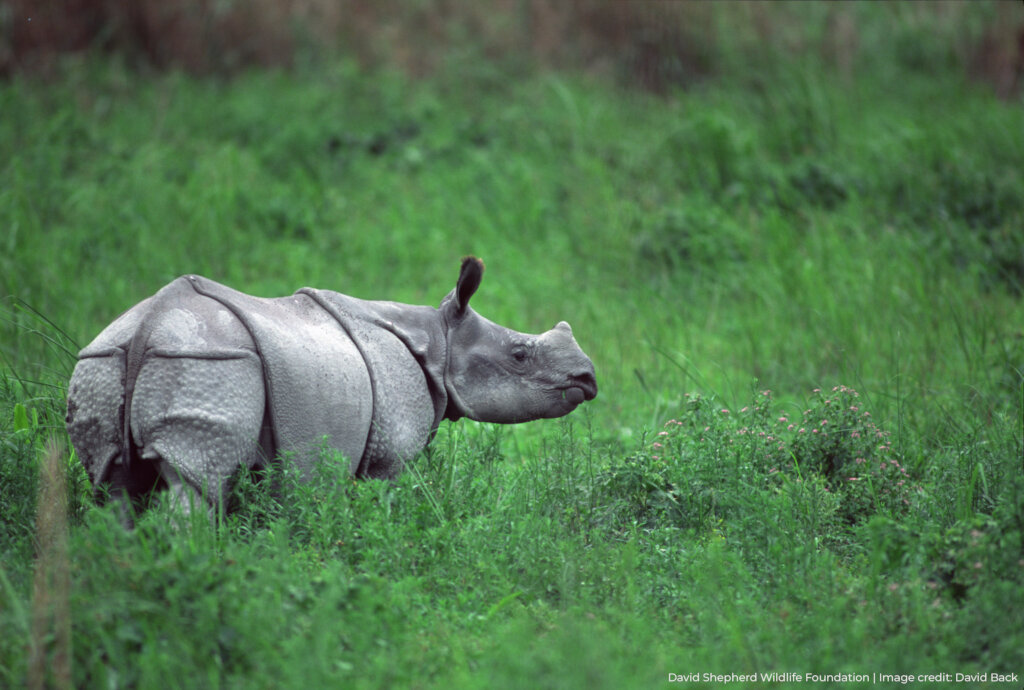
In India, outreach and education remain key to long-term rhino conservation. Through our partners, the “Rhino Goes to School” initiative has recently reached over 250 students in the Kaziranga landscape, nurturing a new generation of wildlife guardians. Meanwhile, a summer nature camp in Orang Tiger Reserve has brought 50 students together for a week of learning and exploration, coinciding with celebrations for Van Mahotsav, India’s national tree-planting festival, where children took part in reforestation efforts and received seedlings to plant at home.
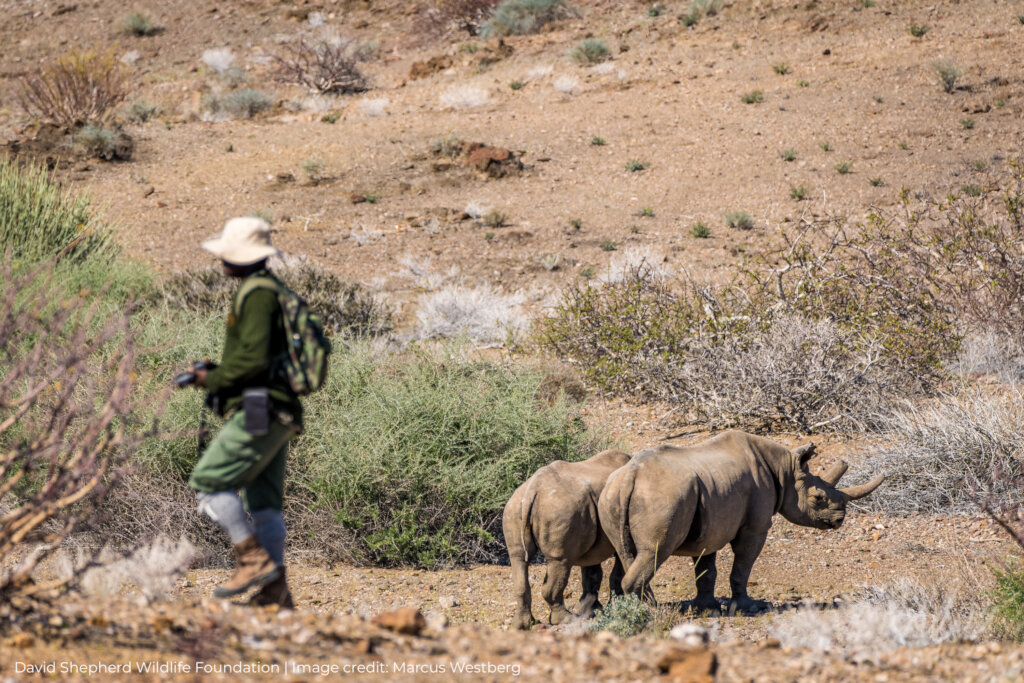
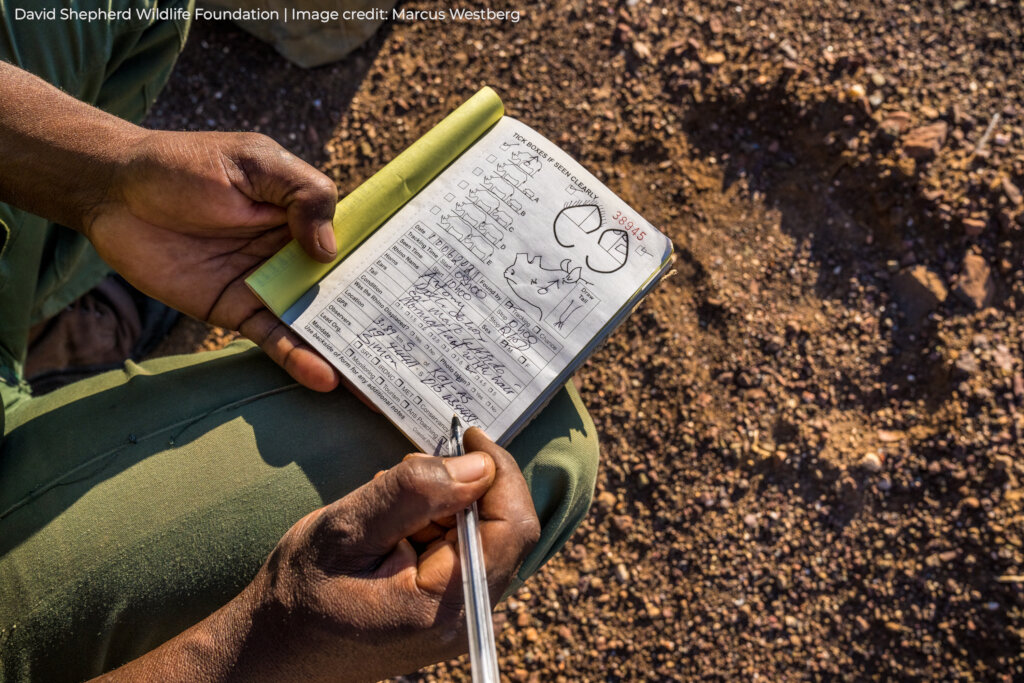
On the frontlines of rhino protection, our four DSWF-supported K9 sniffer dog units continue to play a vital role. Each team made up of a highly trained dog and their dedicated handler is now strategically stationed in key rhino-bearing areas across Assam. These include Orang National Park, Pobitora Wildlife Sanctuary and multiple ranges of Kaziranga National Park. Working alongside forest officials, police and the Special Rhino Protection Force, these K9 units carry out joint patrols and enforcement operations, helping deter illegal activity and respond rapidly when threats emerge.
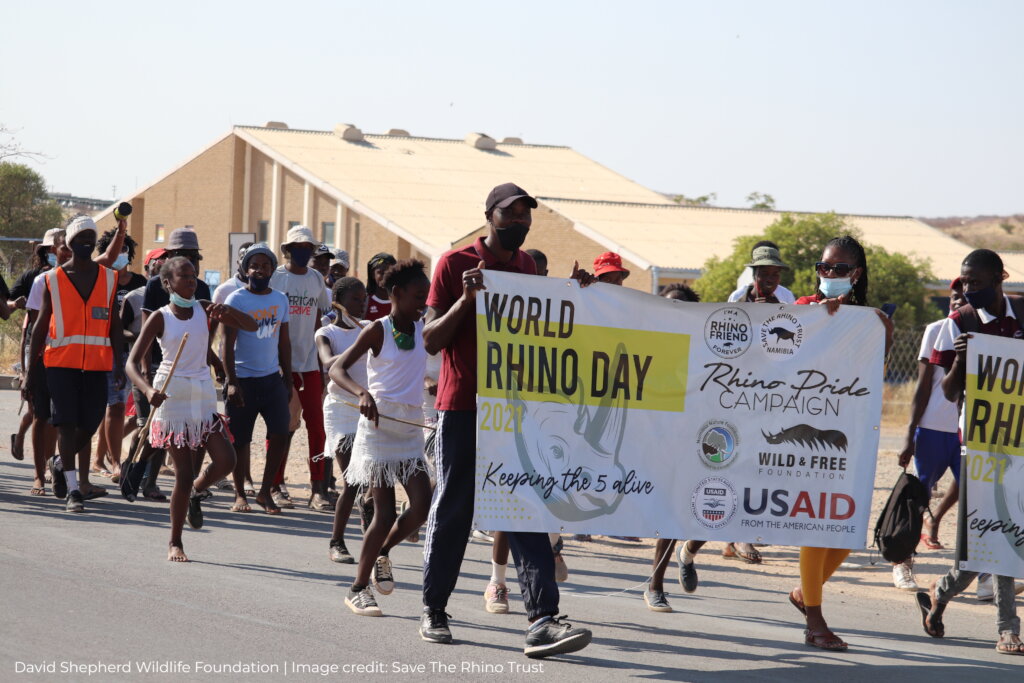
Across the globe in Namibia, the year began with significant and unexpected change. Long-standing funding from the United States was suddenly withdrawn from our project partners, leaving a considerable gap in their operational income, especially for vehicle and patrol costs. This funding had underpinned core elements of our partner’s rhino protection for over a decade, and its loss signals a broader trend in global conservation finance that demands urgent attention. In the context of conservation - the world is in the midst of a biodiversity crisis and a sixth mass extinction - a huge, coordinated, international funding effort is required to help meet this profound challenge.
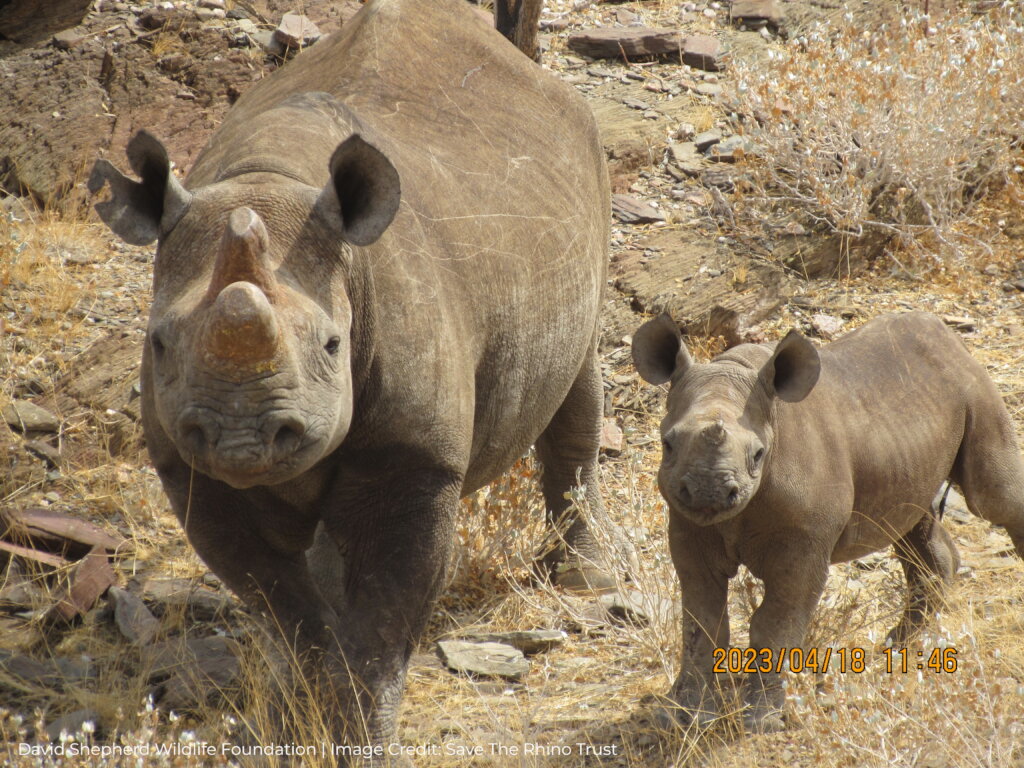
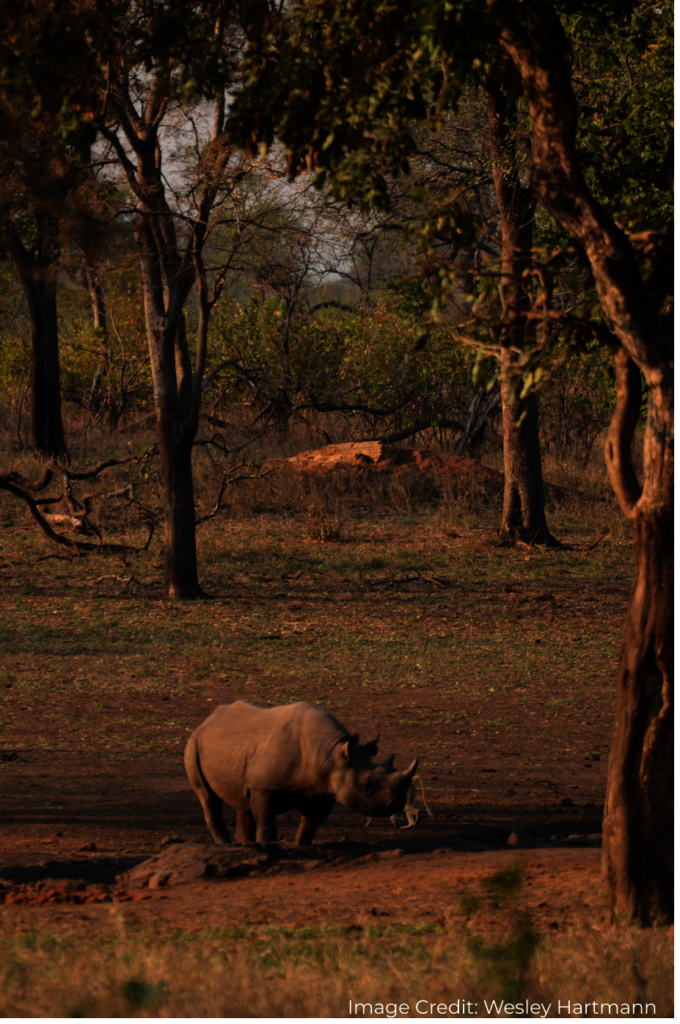
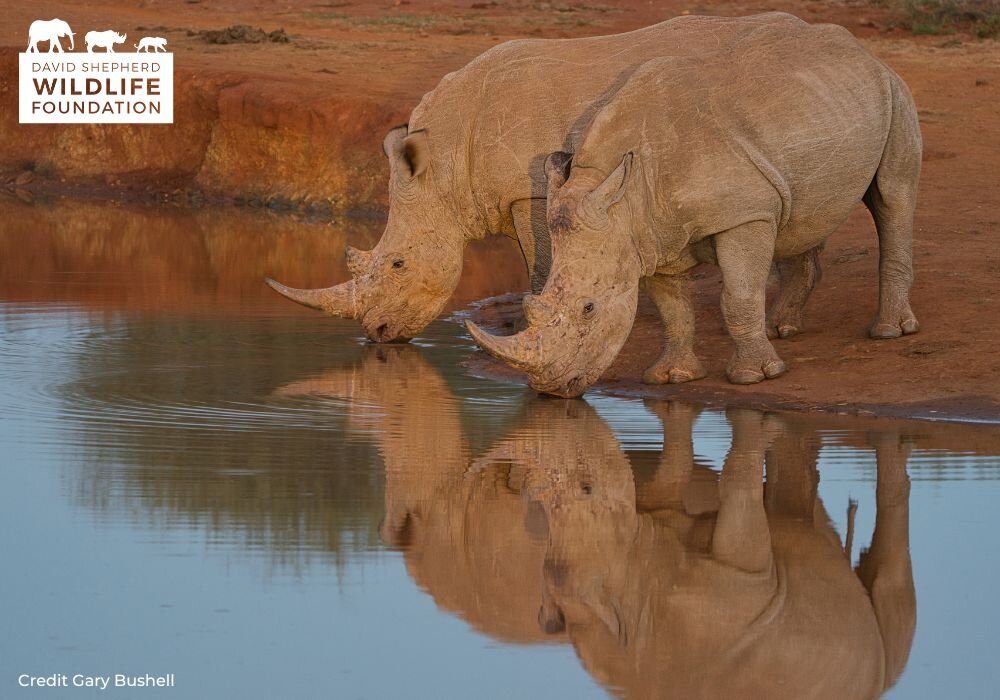
Yet amid these challenges, nature offered a moment of reprieve. In March, the western Kunene region experienced its heaviest rainfall in more than ten years. After over a decade of below-average rainfall, the drought-stricken landscape was finally replenished. Wildlife had been struggling, and our partner’s 2024 population assessment confirmed a worrying decline among the desert-adapted rhino population. But this extraordinary rainy season has brought new hope. With food and water availability greatly improved, we anticipate a surge in rhino births by late 2025 and into 2026 - a much-needed boost for this iconic population.
None of this work would be possible without you. From rebuilding after funding shocks in Namibia, to planting seeds of awareness and security in Assam, your support is helping to protect rhinos at every stage of life, from the youngest calf to the oldest bull. Thank you for standing with us and for making a tangible difference for rhinos and the people working tirelessly to protect them.
Project reports on GlobalGiving are posted directly to globalgiving.org by Project Leaders as they are completed, generally every 3-4 months. To protect the integrity of these documents, GlobalGiving does not alter them; therefore you may find some language or formatting issues.
If you donate to this project or have donated to this project, you can receive an email when this project posts a report. You can also subscribe for reports without donating.



Support this important cause by creating a personalized fundraising page.
Start a Fundraiser