By Lis Speight | Communications Manager
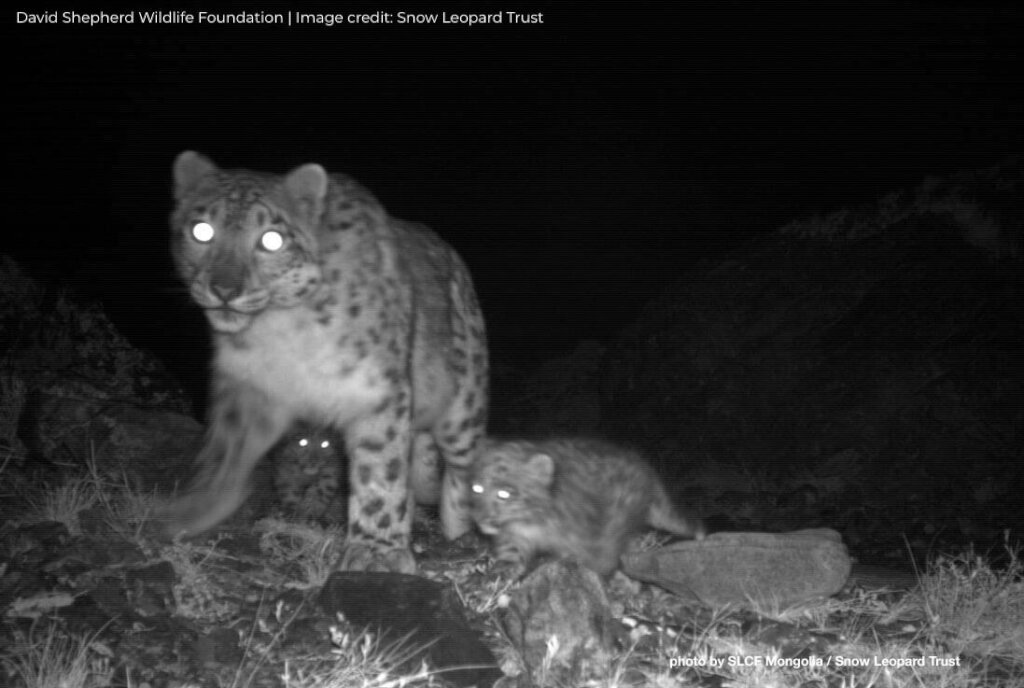
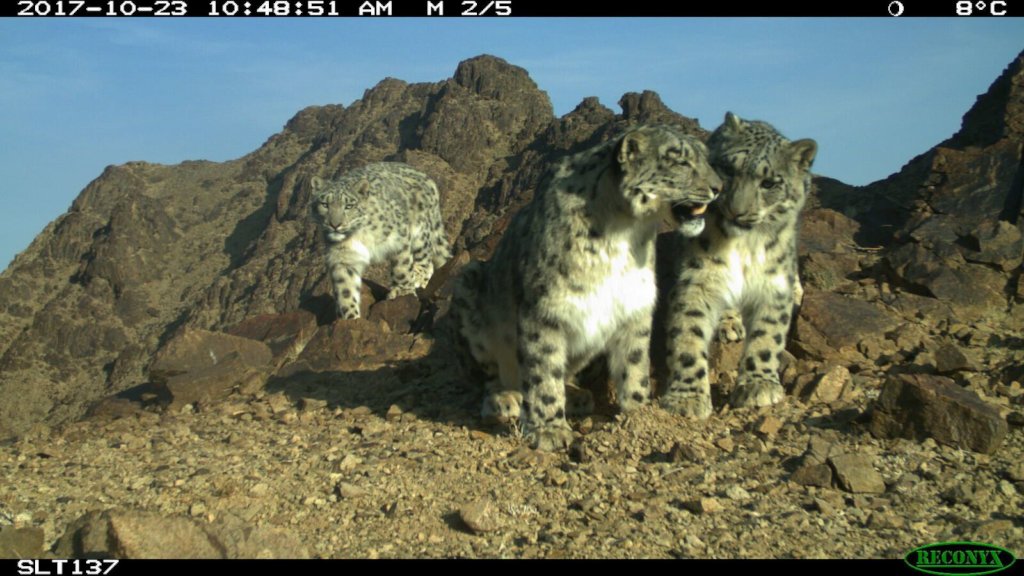
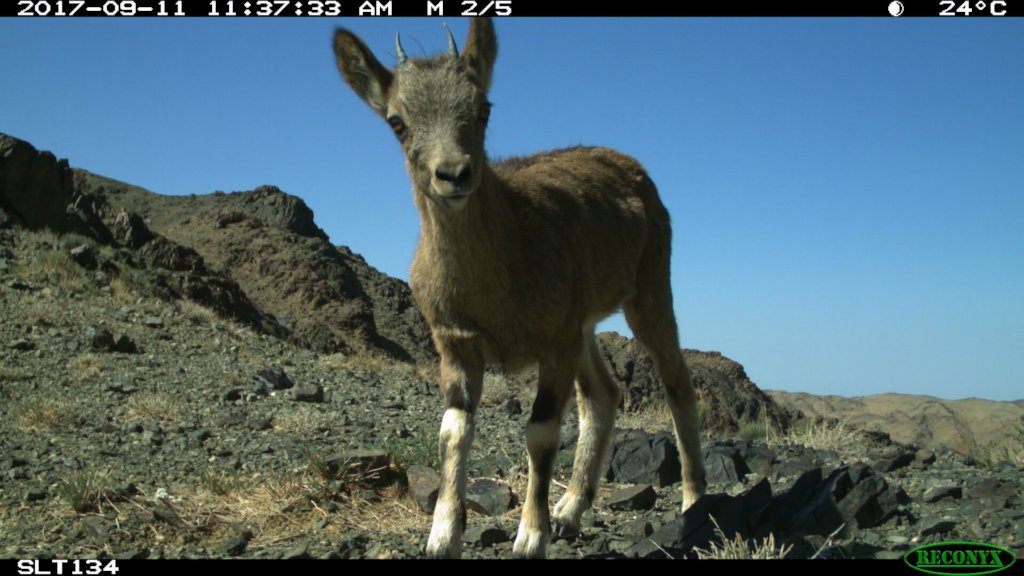
Tracking collars and camera traps are vital tools used by our project partners in Mongolia, to monitor populations of snow leopards and also their wild prey – Siberian ibex.
They are used by team at the Snow Leopard Trust (SLT) to expand their scientific understanding of these incredible big cats and the ibex, in order to better implement effective conservation measures.
The long-term goal is to analyse camera trap photos to gain an understanding of snow leopard population dynamics in multiple mountain ranges of South Gobi, while also looking for evidence of snow leopard migration between these mountain ranges.
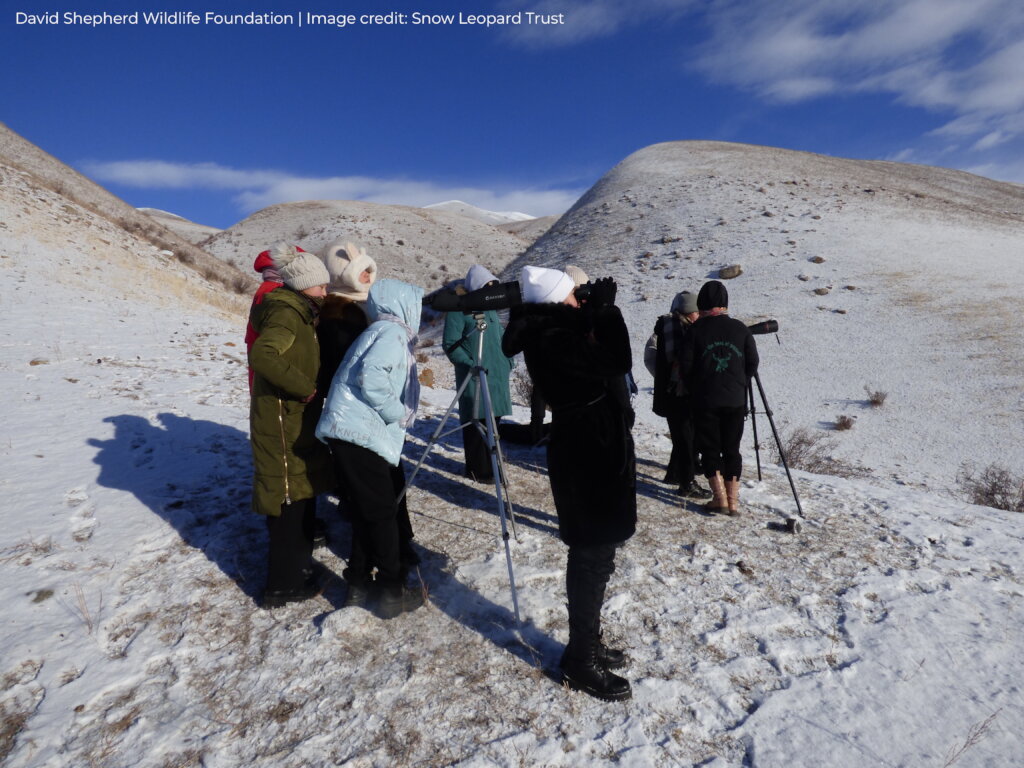
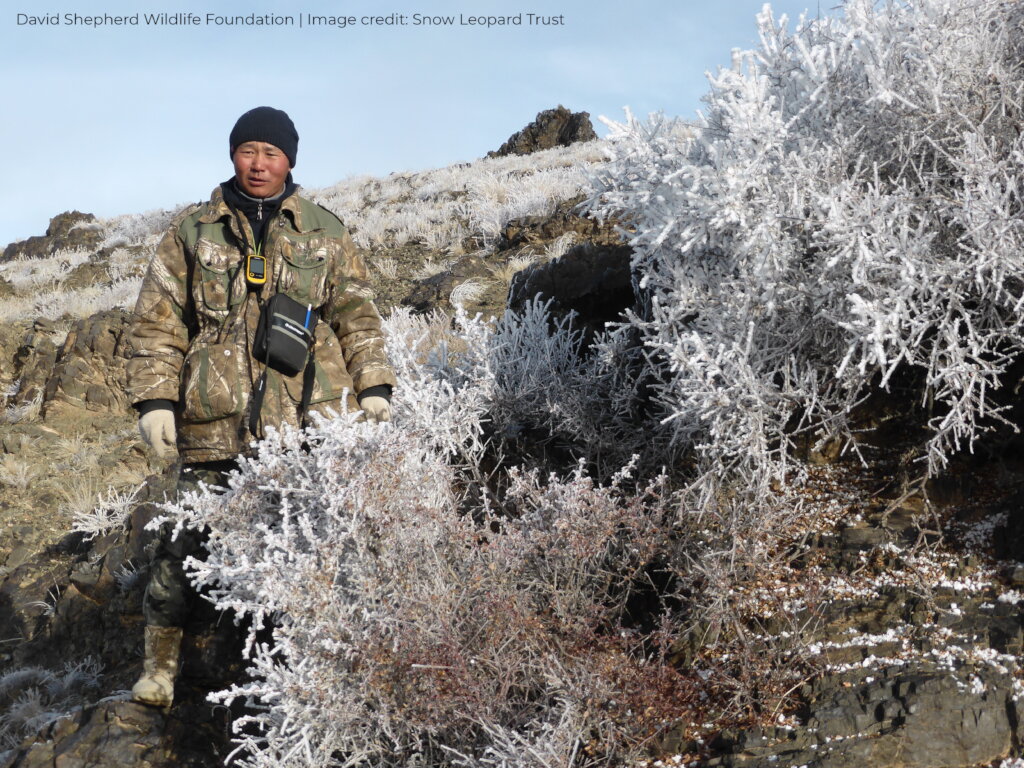
DSWF's continuing support of the study has helped SLT to train national park and volunteer rangers, and environmental specialists to assist in camera trap surveys.
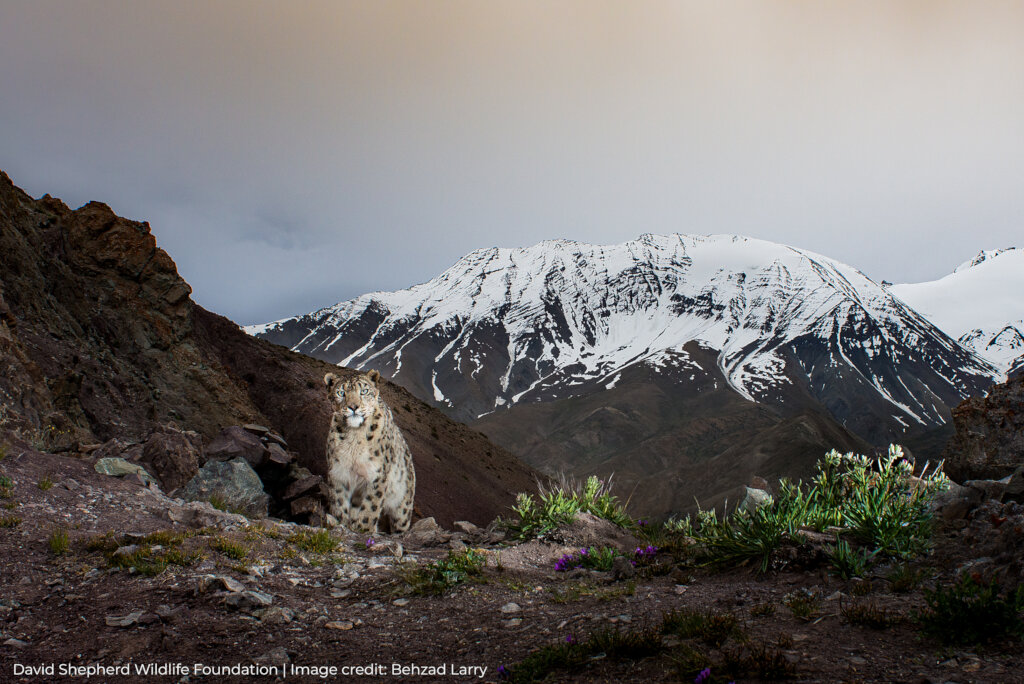
Five years of camera trap data gathered by our project partners now shows a stable population of 12-14 adult cats, which is encouraging news.
However, if snow leopards are to thrive, the survival and recovery of populations of their primary prey, the ibex, is vital. The SLT team is aiming to place tracking collars on up to 10 ibex annually for the next three years, to track their movements in the same way as the collared snow leopards.
There is currently little data on ibex ecology, habitat use, and distribution patterns necessary for their conservation. The team hopes to track the movement of the ibex in the same way as the snow leopards, to enable effective conservation efforts.
This is great news and thanks in part to YOUR on-going commitment to saving snow leopards – thank you!
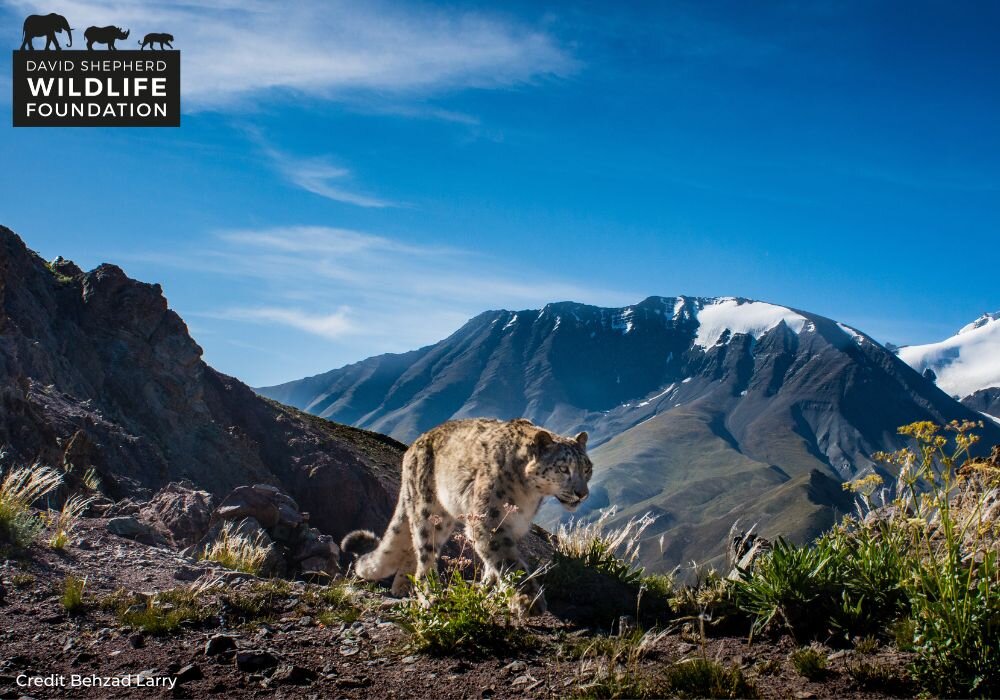
The snow leopard is an elusive member of the big cat family living in the remote mountain ranges of central Asia. It is now endangered, with experts estimating that numbers in the wild are as low as 3,500-6,500. They are killed by local herdsmen to protect their flocks and their fur and body parts sold to the fur and traditional Chinese medicine trades.
Look out for our future updates on how your donations are helping to save this endangered species. Click here to find out more about our work protecting snow leopards.
Project reports on GlobalGiving are posted directly to globalgiving.org by Project Leaders as they are completed, generally every 3-4 months. To protect the integrity of these documents, GlobalGiving does not alter them; therefore you may find some language or formatting issues.
If you donate to this project or have donated to this project, you can receive an email when this project posts a report. You can also subscribe for reports without donating.



Support this important cause by creating a personalized fundraising page.
Start a Fundraiser