By Lis Speight | DSWF's Marketing and Communications Manager
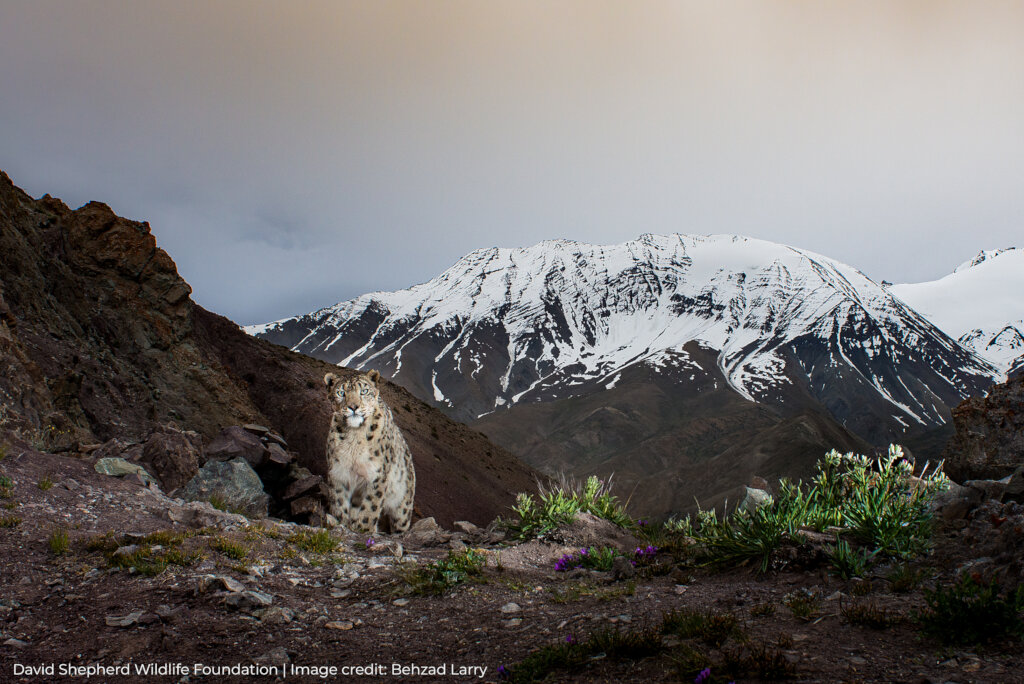
The David Shepherd Wildlife Foundation’s (DSWF) work funding snow leopard research and monitoring programmes is having a real impact on the species in Mongolia. In this report we are delighted to share with you some exciting new developments from our project partners the Snow Leopard Trust (SLT).
Some of the biggest news is that the Tost Nature Reserve is now officially totally free from mining licences. Mining is one of the biggest threats to the snow leopard, because of loss of habitat and human conflict.
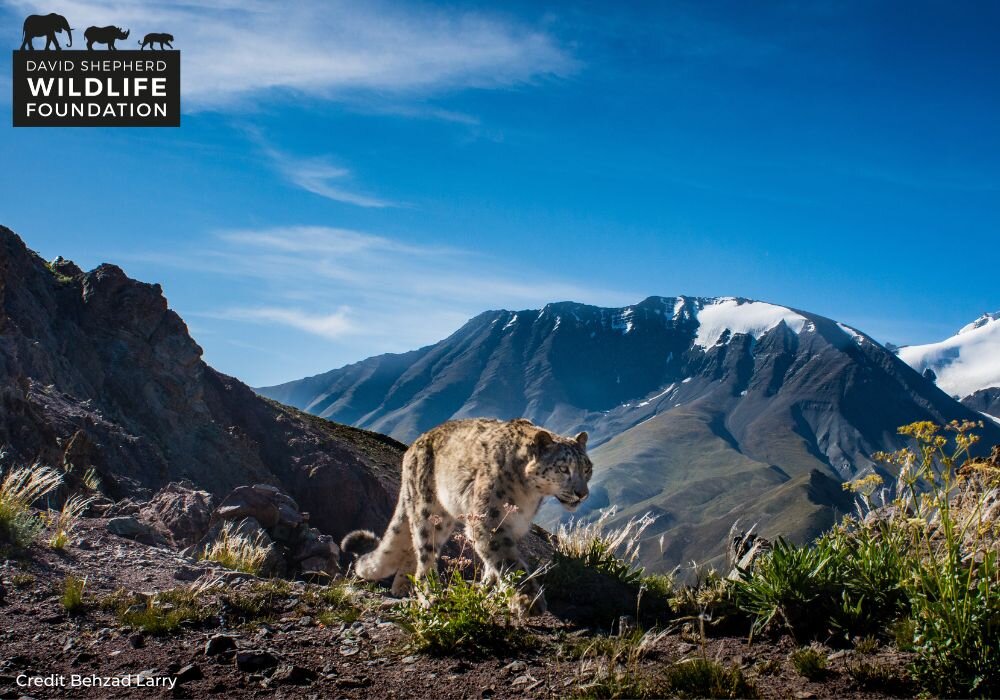
In April 2016, DSWF funding helped create the first Nature Reserve specifically for snow leopards. Situated in the Tost Mountains in Mongolia’s South Gobi, the reserve is a bridge between two existing Protected Areas and has created one of the world’s largest continuous protected snow leopard habitats.
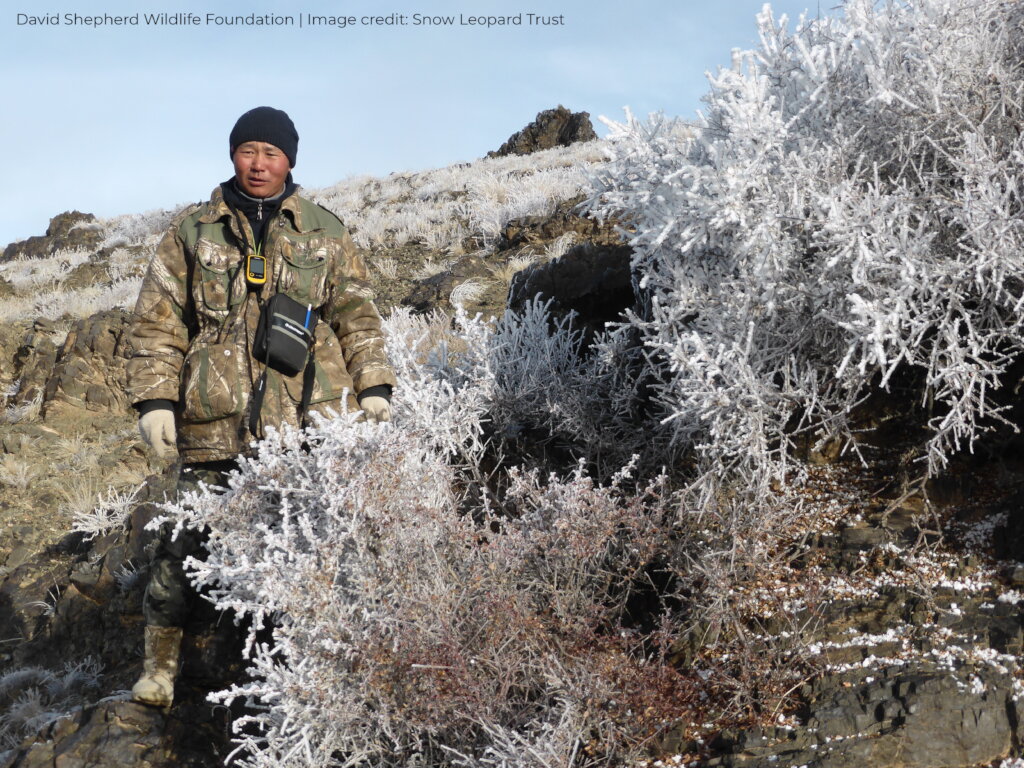
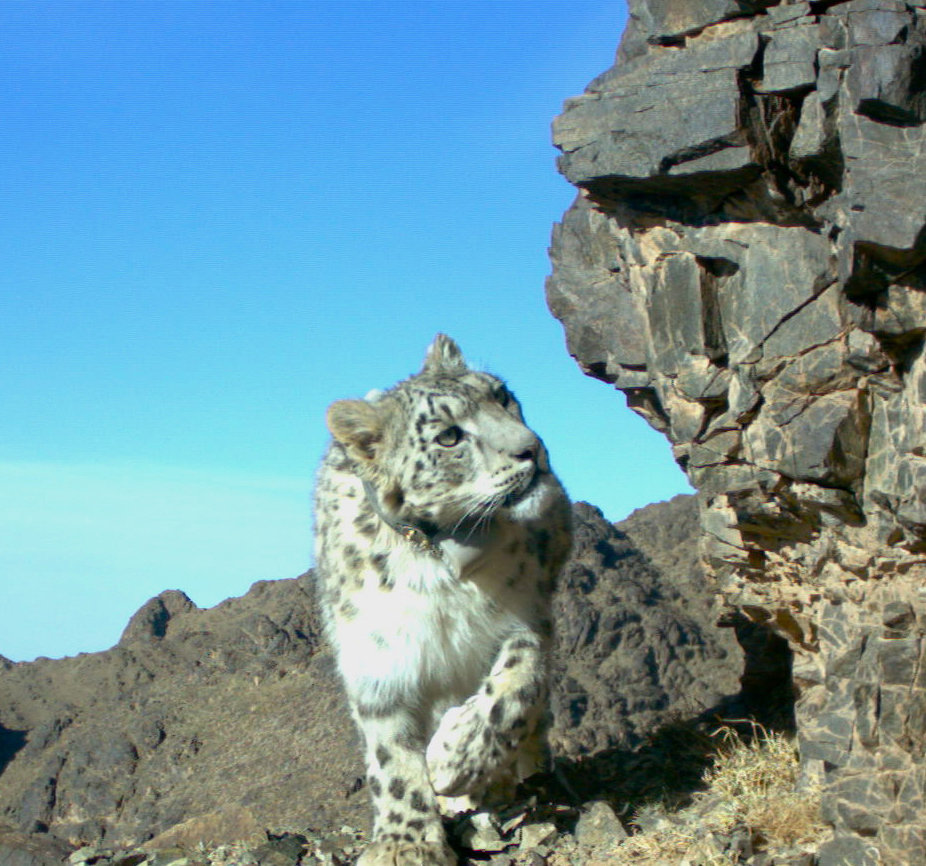
However, it's taken until now to get every last mining licence revoked/shut down. This is a huge step forward for snow leopard protection in this part of its range. Support from DSWF has also helped SLT continue its important GPS collaring of snow leopards, as part of a long-term ecological study in the Tost Mountains.
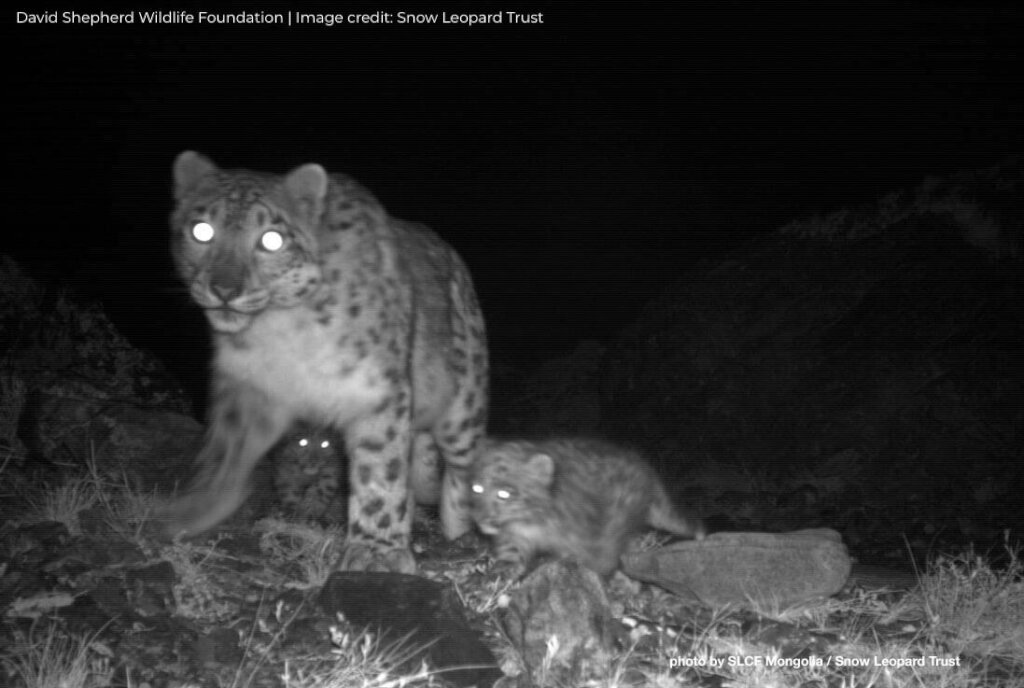
This season the SLT team collared a total of three snow leopards - two males and one female. One was the biggest snow leopard SLT has ever collared. Nicknamed "The Dude," until he gets an official name, the leopard was recently collared in October 2018 and weighed in at 53.8 kilos.
"As far as we know, he is the biggest snow leopard ever caught and weighed with proper methods," said Orjan Johansson, SLT’s lead collaring expert. SLT now has six cats currently "on air", sending back GPS data about their movements across the landscape.
One of the females collared is Dagina, who is the longest-ever studied snow leopard. At nine years old, she is still going strong, and contributing to cutting-edge science.
SLT’s Assistant Director of Science, Gustaf Samelius said: "In summer 2018, we visited two locations where Dagina had taken down a prey animal on the very edge of the mountains. We expected to find carcasses of ibex or argali. But what we found surprised us: Dagina had killed and eaten two black-tailed gazelles.
“As far as we know, this is the first time a snow leopard has been documented to have hunted this ungulate species. Black-tailed gazelles mostly live in the steppe, and rarely venture into the mountains.”
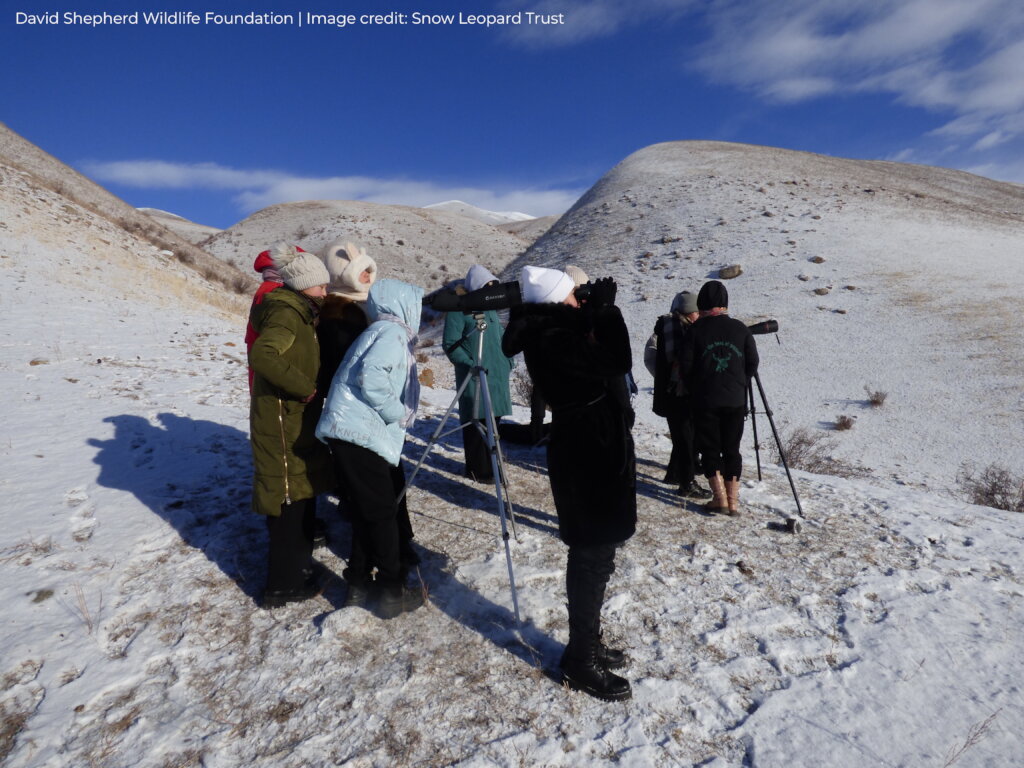
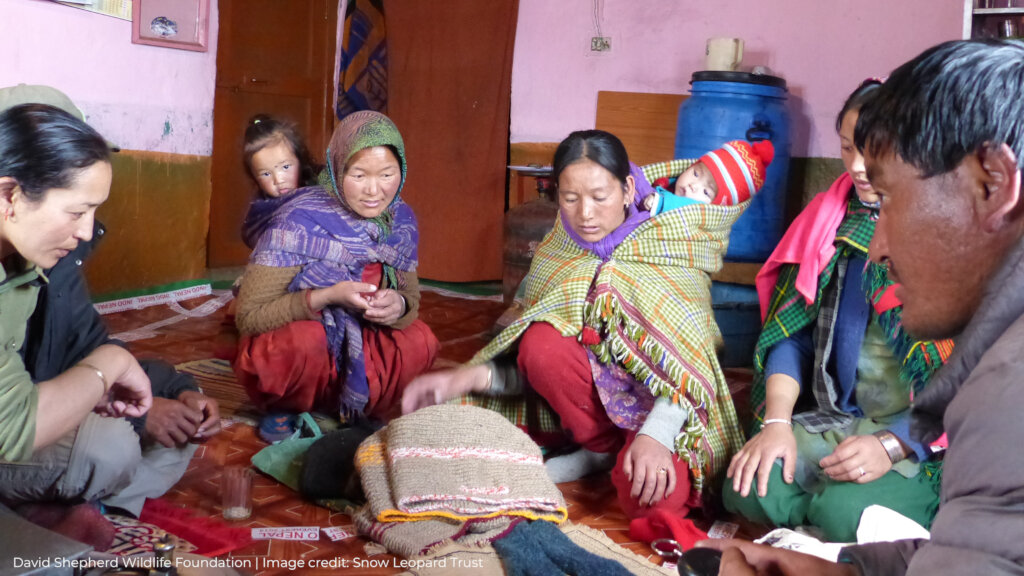
DSWF’s funding of SLT’s work is helping to create better understanding of the needs of these endangered animals. SLT is also working with the community to raise awareness and provide alternative livelihoods, to generate wider understanding and tolerance of this beautiful big cat.
This is all great news and thanks in part to YOUR on-going commitment to saving snow leopards – thank you! Look out for our future updates on how your donations are helping to save this beautiful endangered species.
Click here to find out more about our work protecting snow leopards.
Links:
Project reports on GlobalGiving are posted directly to globalgiving.org by Project Leaders as they are completed, generally every 3-4 months. To protect the integrity of these documents, GlobalGiving does not alter them; therefore you may find some language or formatting issues.
If you donate to this project or have donated to this project, you can receive an email when this project posts a report. You can also subscribe for reports without donating.



Support this important cause by creating a personalized fundraising page.
Start a Fundraiser