By Jo B | Senior Fundraising Executive
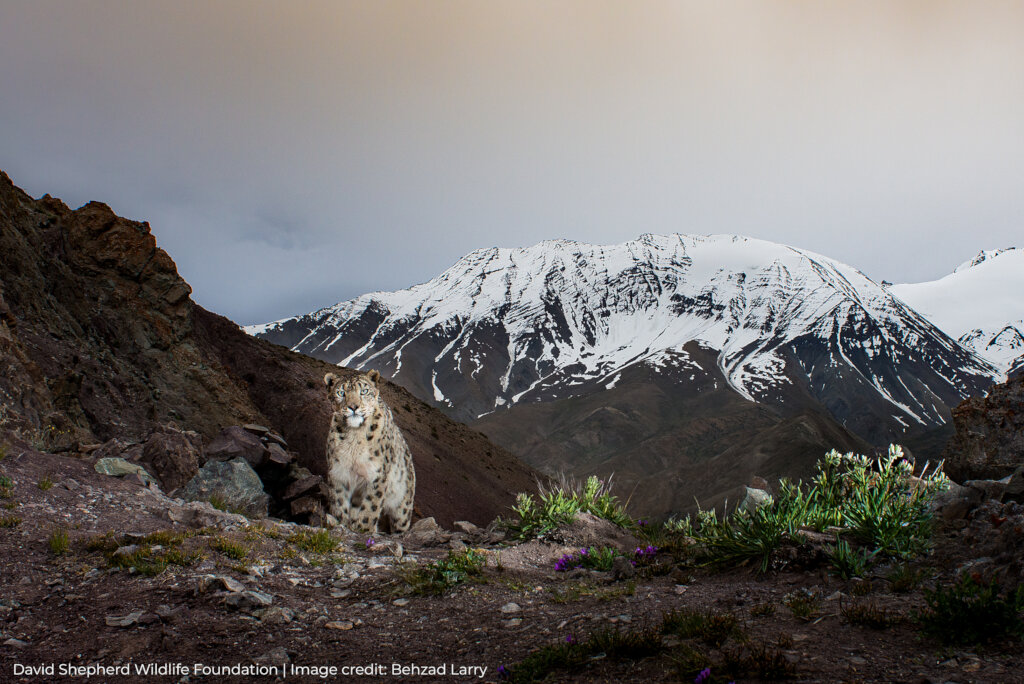
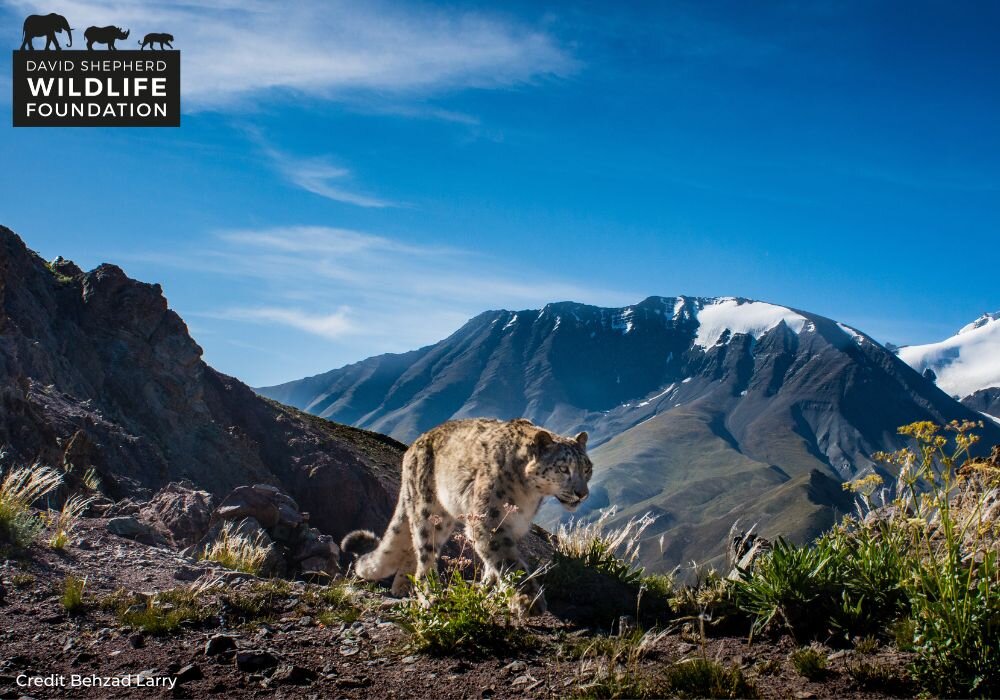
The snow leopard is a flagship species for conservation in the mountains of south-central Asia and is classified as vulnerable on the IUCN Red List. Snow leopards are shy, elusive, and one of the least studied of the big cats.
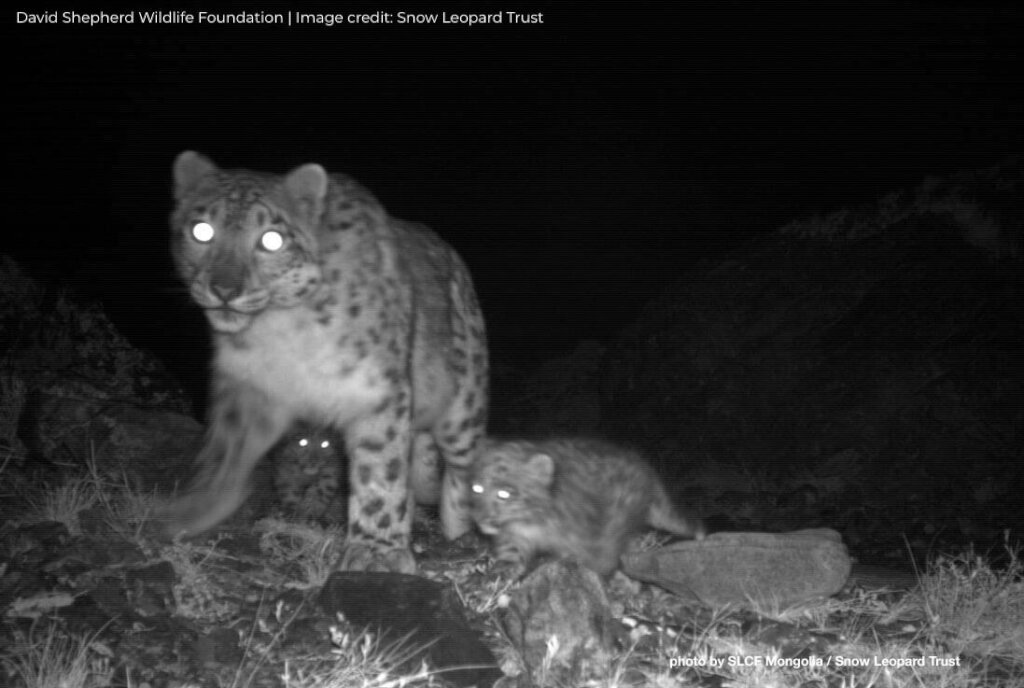
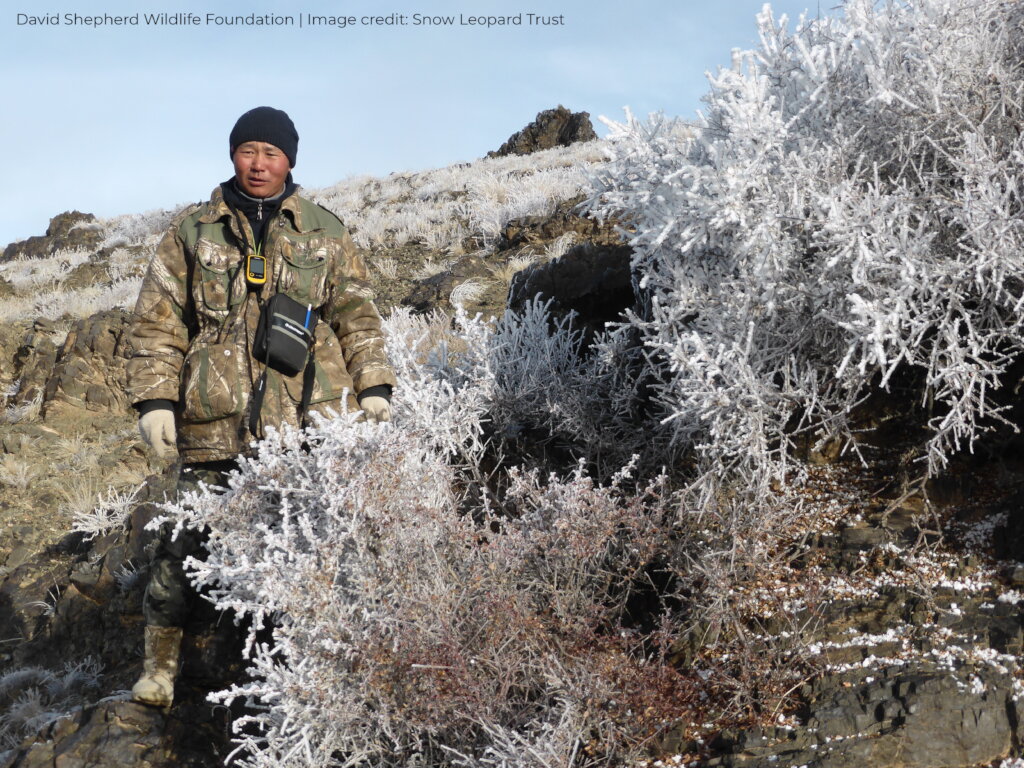
Mongolia’s snow leopard population, based on extensive population monitoring and camera surveys, is estimated at 953. Our ground-based conservation partners are primarily monitoring four snow leopard populations in South Gobi, totalling roughly 80 adults. In the Tost-Tosonbumba Nature Reserve, they continue to monitor and conduct research on several multi-generational families of snow leopards thanks to both GPS-collaring and camera trapping.
Through this long-term ecological study of snow leopards in Mongolia, which started in 2008, our partners have now published 33 scientific papers – making a huge contribution to our understanding of these big cats. Five papers were published in 2022 alone, focusing on important topics such as snow leopard ecology and behaviour, risks and disease, and best practices on snow leopard research and conservation.
With DSWF’s continued support, our partners aim to strengthen their long-term ecological study of wild snow leopards in southern Mongolia. Plans for 2023 include two GPS-collaring seasons that will involve the capture, collaring and release of snow leopards and ibex. Snow leopard surveys will be carried out using camera traps over ~8,000 km2 of the South Gobi, where the cameras can be rotated between different mountains throughout the year. Wild ibex and argali population assessments will also be conducted to gain a better understanding of the populations of important snow leopard prey species.
Education and Community
Snow leopards and people share space, which can lead to human-wildlife conflict, including predation of livestock by snow leopards. Sadly, this can often lead to retaliatory killings of snow leopards by herders and farmers after conflict arises.
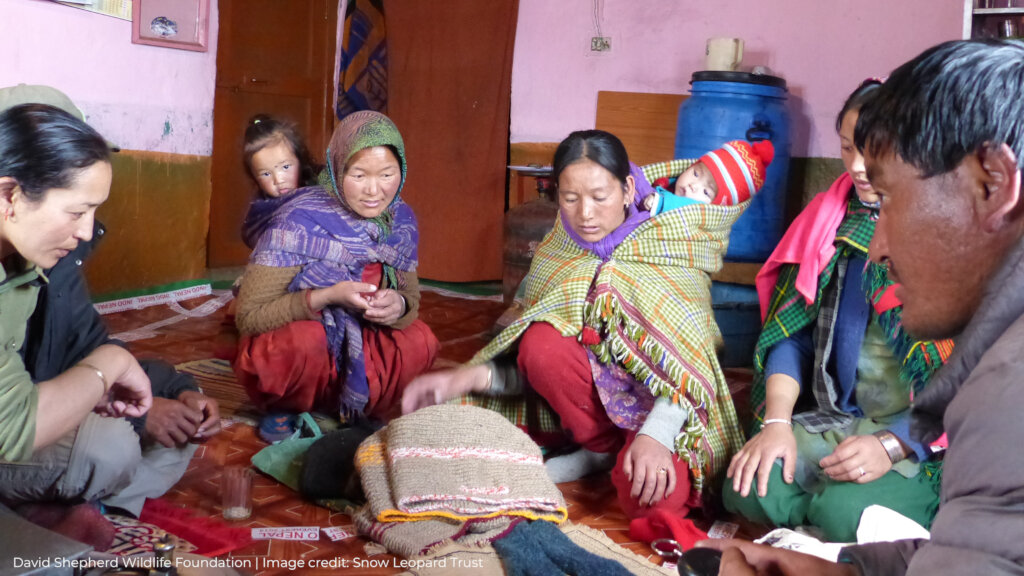
There is a continual need to work with communities so that people act in ways beneficial for snow leopards, and that they also benefit from protecting them. DSWF continues to support a community-based handicraft program called Snow Leopard Enterprises, which helps provide women living in herder communities with additional income and increases empathy and understanding for snow leopards. This programme was created in direct response to herder needs and is reinforced by conservation agreements that protect snow leopards and their wild prey.
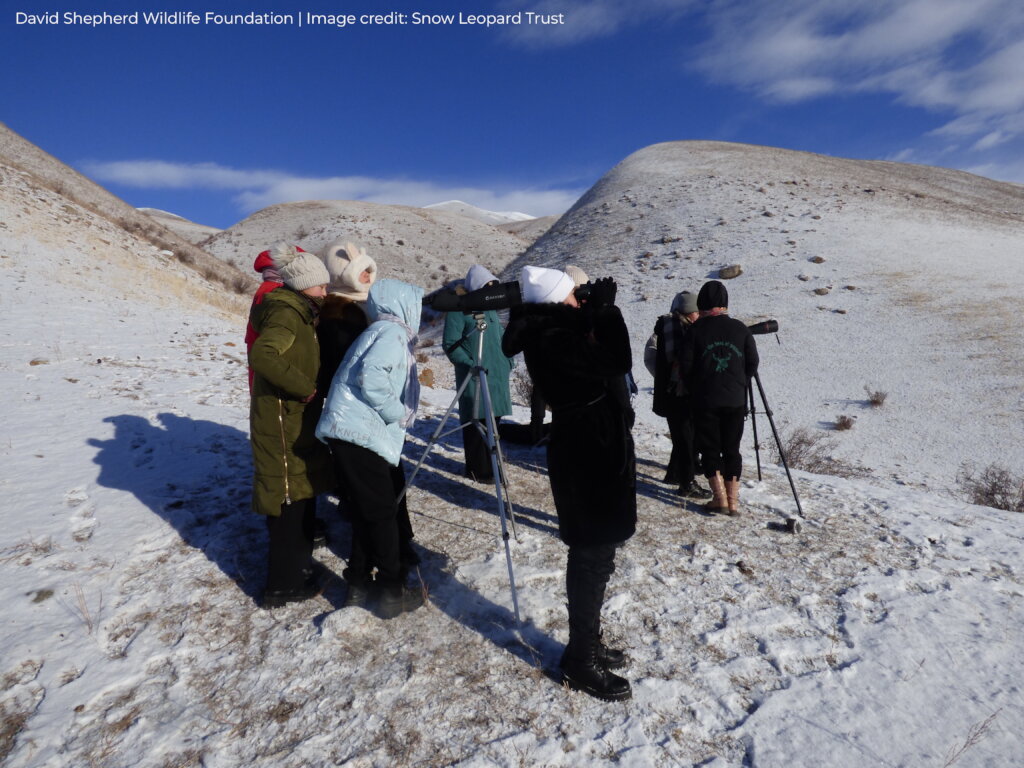
In 2018, David Shepherd Wildlife Foundation funded the launch of an environmental education programme in Kyrgyzstan and have continued to support it since. In remote mountain communities, children are rarely exposed to formal conservation education, and if there are such classes in school, they are often disconnected from the local ecology. The education programme has been hugely successful in combatting this and improving conservation awareness. Since the programme started, our partners have been able to:
Many of the programme activities engage children in conservation actions that directly benefit their households, communities, and environment – such as planting and protecting trees, and disposing of leaves by composting instead of burning.
This year, with your support, DSWF will continue to provide funds to grow the education programme, work closely with communities to provide sustainable livelihoods and foster peaceful co-existence and support the ongoing long term ecological study and monitoring of snow leopards in Mongolia and Kyrgyzstan.
Stay up to date with our work and how your generous support is making a difference; receive exciting wildlife conservation stories and hear about forthcoming campaigns, fundraising initiatives and events: Stay In Touch
Project reports on GlobalGiving are posted directly to globalgiving.org by Project Leaders as they are completed, generally every 3-4 months. To protect the integrity of these documents, GlobalGiving does not alter them; therefore you may find some language or formatting issues.
If you donate to this project or have donated to this project, you can receive an email when this project posts a report. You can also subscribe for reports without donating.



Support this important cause by creating a personalized fundraising page.
Start a Fundraiser