By Jo B | Senior Fundraising Executive
David Shepherd Wildlife Foundation (DSWF) has worked with frontline conservation partners in Mongolia and Kyrgyzstan for more than two decades, helping shape programmes that will safeguard the snow leopard’s future.
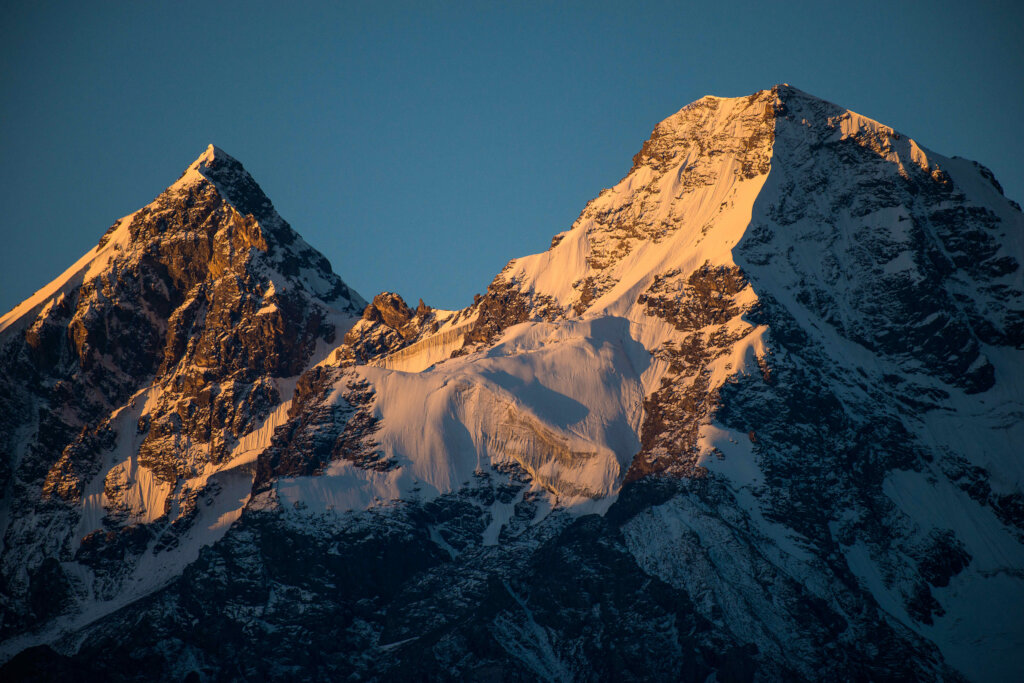
One of the most pressing threats to snow leopards is climate change. This is no longer a distant threat, as temperatures are rising in Asia’s high mountains – also called the Third Pole. This high mountain habitat is warming at a faster rate than lower elevation areas in the Northern Hemisphere. This increase will impact the entire ecosystem, including vegetation and prey populations while glacial retreat could disrupt the water source for countless animals and hundreds of millions of people. In Mongolia, rapidly rising temperatures are turning fertile grazing land into desert, reducing the size and quality of habitat for snow leopards and their prey, and increasingly forcing the cats into contact with communities.
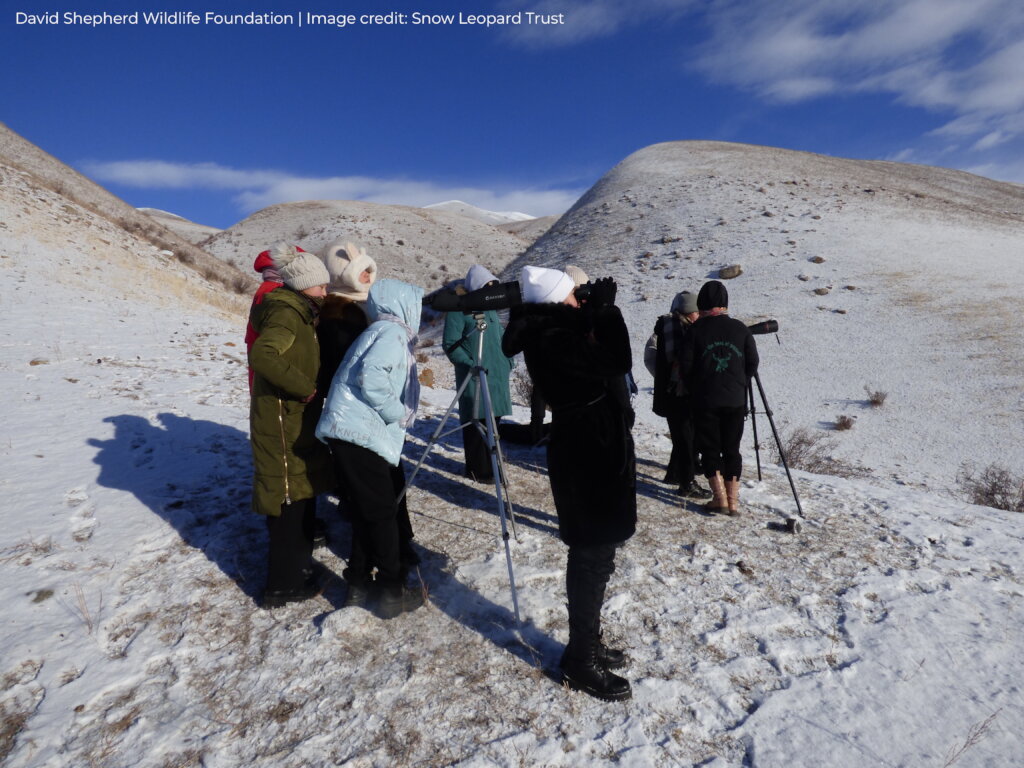
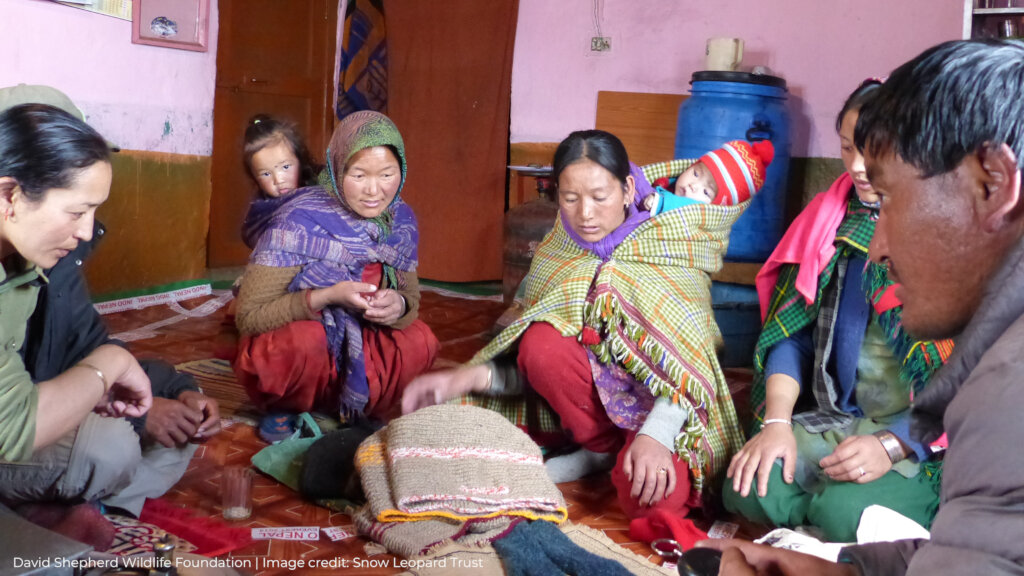
Our team in the field addresses these threats every day and works hard to conserve vital snow leopard habitat, whilst educating communities on the importance of the environment and how we can all work together to protect it. Communities in Kyrgyzstan rely on livestock for their livelihoods and are among the most vulnerable to the impacts of climate change. Local communities have shared their observations of climate change, including the lack of water due to sparse precipitation, the decrease in glaciers, and the increase in temperature. Climate change is also increasing the frequency and severity of mass die-offs of livestock and wildlife caused by severe weather conditions.
Over the past five years, with DSWF’s support our partners in the field have worked with communities to set up climate-resilient livelihood opportunities that protect habitats from environmental degradation and to provide funds for community-led conservation initiatives. Communities are now seeing profits from their livelihood initiatives and have identified priority projects for conservation.
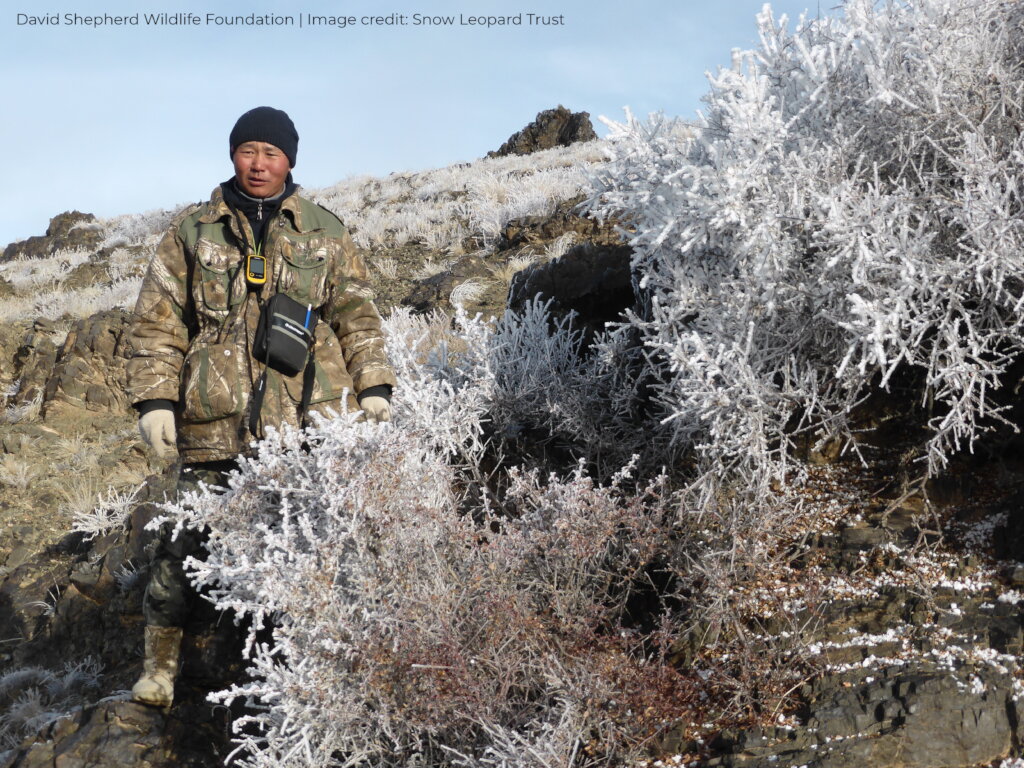
Research into the snow leopard prey base is essential to their survival. Our partners launched a study this year on Goitered gazelle numbers in the Tost-Tosonbumba Nature Reserve in Mongolia, due to recent evidence of snow leopards preying upon them. Our partners successfully trained eight rangers and specialists to complete the survey of gazelle in the reserve. With support from DSWF, community rangers from Tost also interviewed 49 mountain herders, who have lived in the region for decades and can provide insights into the changes in wildlife populations. The results of this ongoing study so far are that the populations of gazelle are increasing in the area, which is great news for the species and for snow leopards.
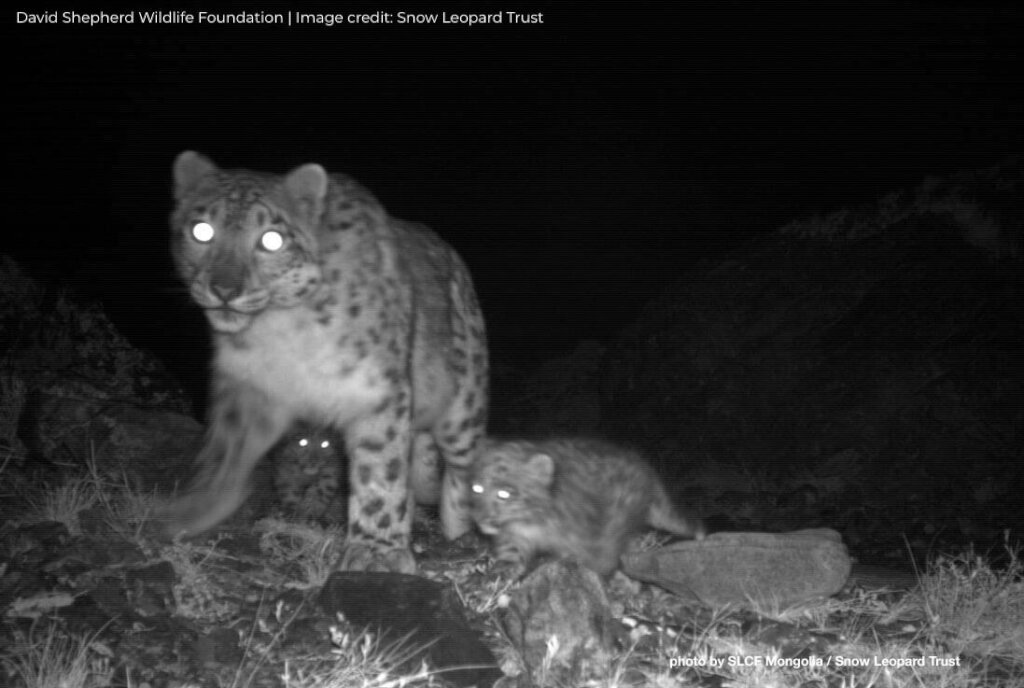
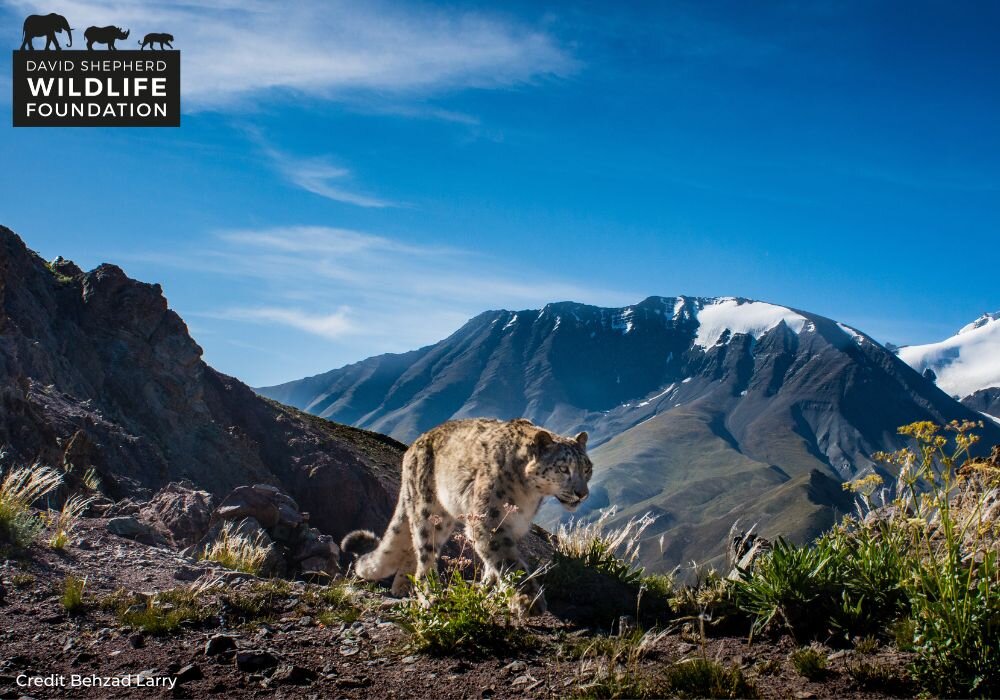
In addition, our partners have recently successfully collared three snow leopards and three ibex in Mongolia with DSWF’s support and are now able to generate maps of the collared individuals and their movements, for monitoring purposes. The team also completed snow leopard surveys over an area of 6,000 km2 (using 150 camera traps) in the Tost Mountains and surrounding areas, to analyse the snow leopard population.
To complete a robust national snow leopard population estimate for Kyrgyzstan, data capture is required from the last remaining unsampled region of the country, the Besh Aral Reserve – which is within the West Tien Shan Mountains. Despite being a global biodiversity hotspot, the distribution and abundance of snow leopard in these mountains is poorly known. The team in the field have started to assess the status and abundance of snow leopards in the reserve, identify the needs and opportunities for future conservation action, and create a conservation action plan for West Tien Shan’s snow leopard habitats. The team will conduct camera trapping and undertake ‘threats and needs’ assessments in collaboration with the region’s local communities. By publishing a robust estimate of the snow leopard population for Kyrgyzstan, this will allow for systematic monitoring and evaluation of conservation actions for the long-term protection of snow leopards in the country.
Thanks to your support, we can continue to fund our ground-based conservation partners vital work in protecting snow leopards and the environment they reside in.
Project reports on GlobalGiving are posted directly to globalgiving.org by Project Leaders as they are completed, generally every 3-4 months. To protect the integrity of these documents, GlobalGiving does not alter them; therefore you may find some language or formatting issues.
If you donate to this project or have donated to this project, you can receive an email when this project posts a report. You can also subscribe for reports without donating.



Support this important cause by creating a personalized fundraising page.
Start a Fundraiser