By Camilla Capel | Development Executive
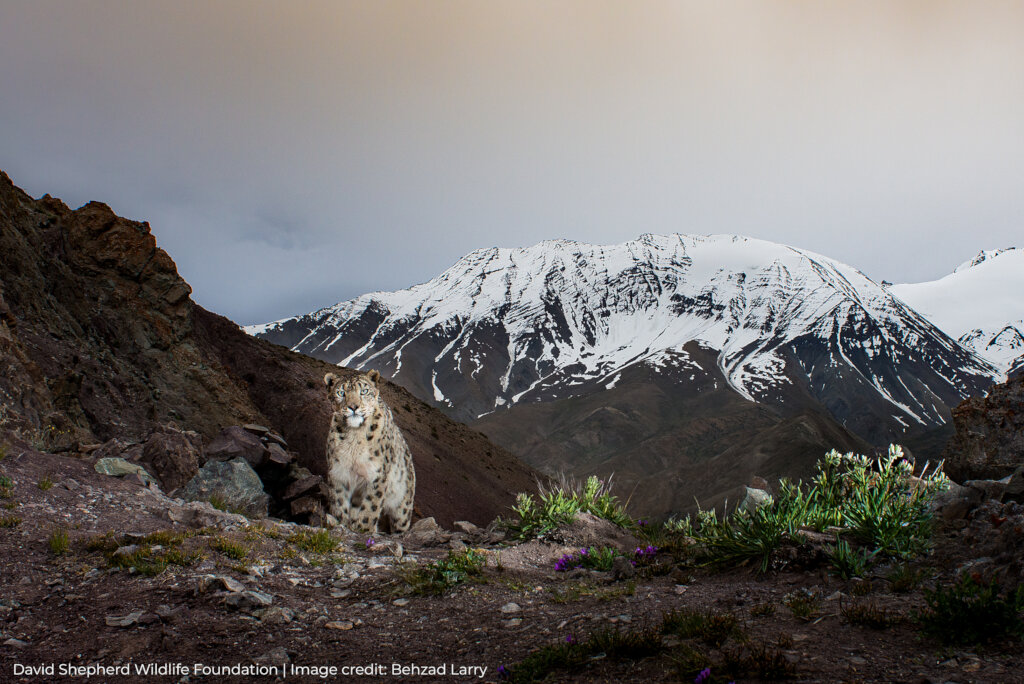
As the year gets underway and spring approaches, our conservation field partners in Mongolia and Kyrgyzstan are already delivering results for snow leopards and the mountain communities that share their ranges.
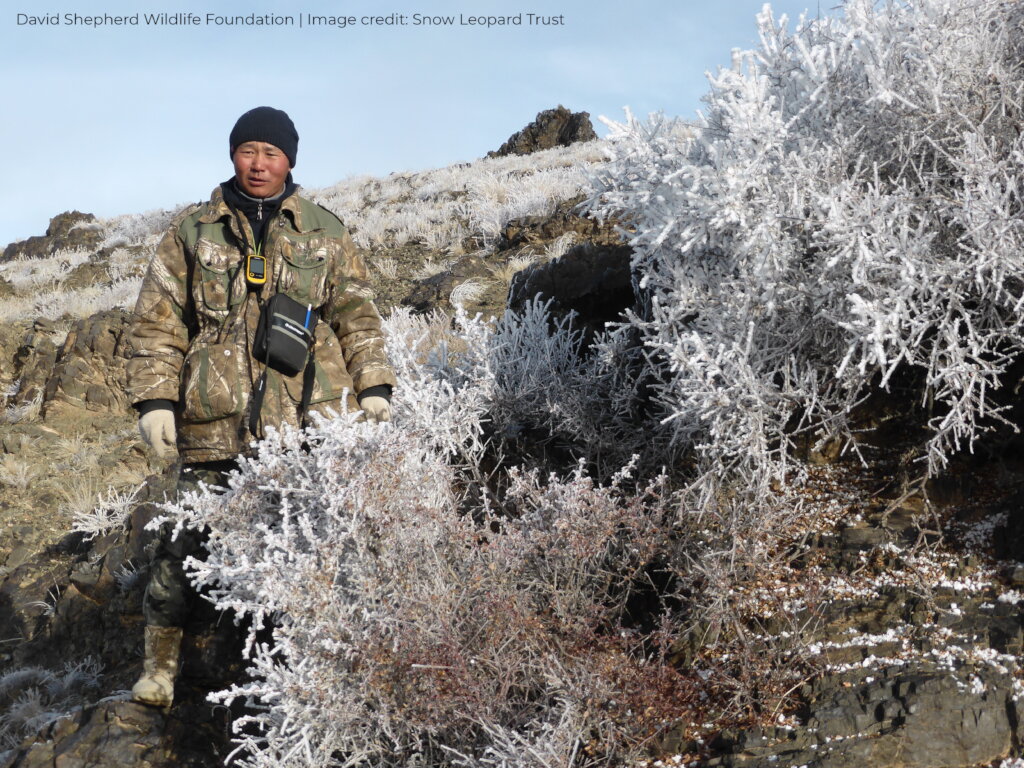
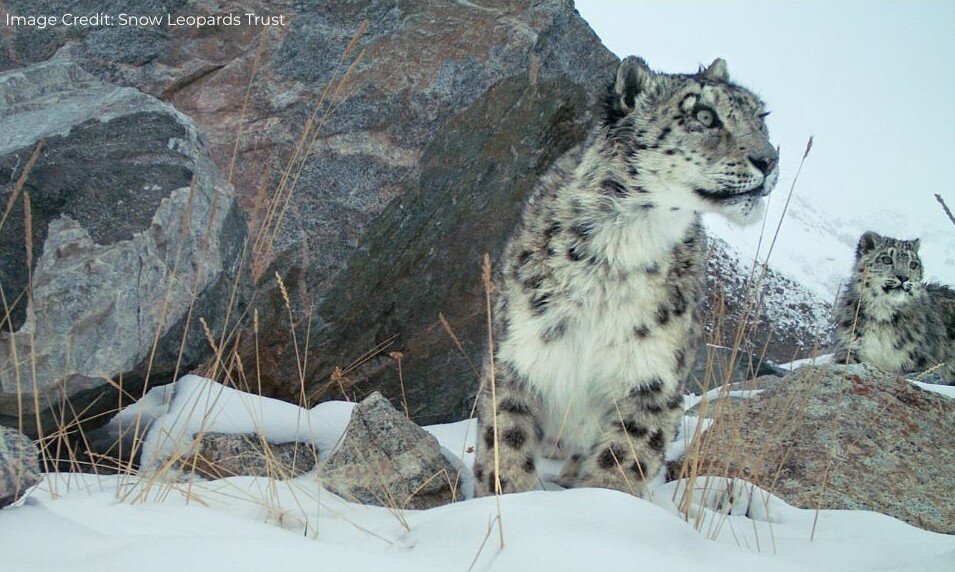
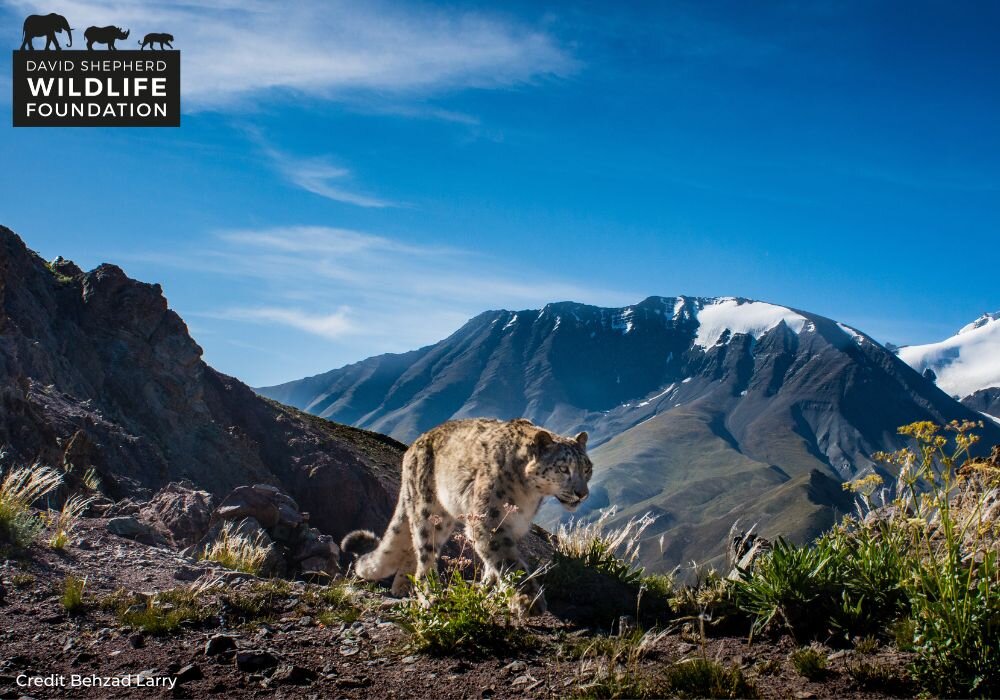
In Mongolia, our field partners are tracking seven GPS-collared snow leopards and one ibex in the Tost Mountains. This long-term study has followed 45 individual cats across generations since 2009, giving us rare insight into how these incredible animals live and move through the wild.
In Kyrgyzstan, our partners are currently reviewing camera trap data from the Sarychat-Ertash Nature Reserve. Early results suggest a stable population of 11 to 22 adult cats, and the reserve continues to be the most important protected area for snow leopards in the country.
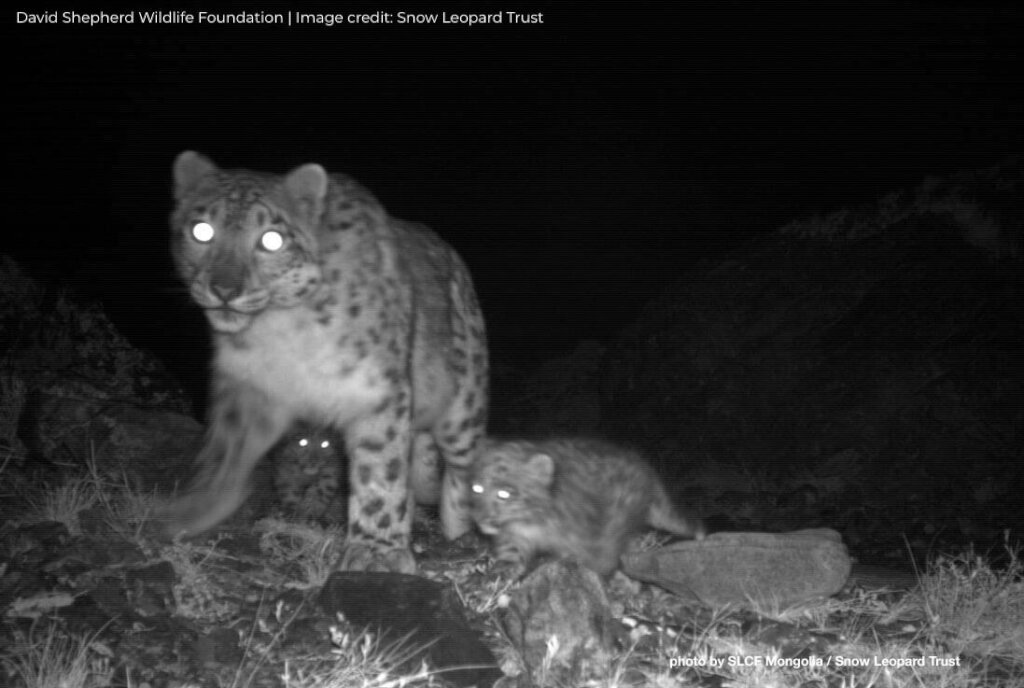
February marks the peak of mating season across the high mountains of Central Asia. Observations from our field partners’ senior scientists are helping the team prepare for cub season, expected in May and June.
In the Tost Nature Reserve, researchers are also looking at how snow leopard mothers build and store energy in the weeks leading up to birth. This work is helping them understand the strategies that give cubs the best chance of surviving their earliest months.
Looking ahead, your contributions are supporting a landscape-level approach that brings scientific research together with community-led education.
Empowering the Next Generation
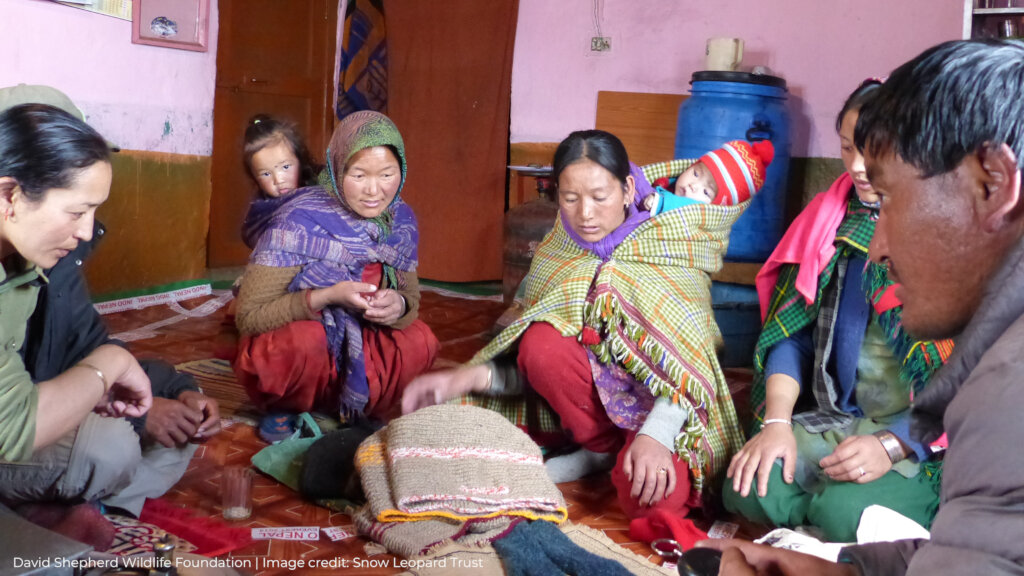
Our field partners are helping children in remote areas connect with the unique biodiversity on their doorstep—supporting a future generation of “ecological custodians”.
In Kyrgyzstan our partners are engaging students from 23 rural schools. Seventh-grade students take part in WhatsApp-based activities, with monthly challenges (like building home compost pits) that make conservation something the whole family can get involved in.
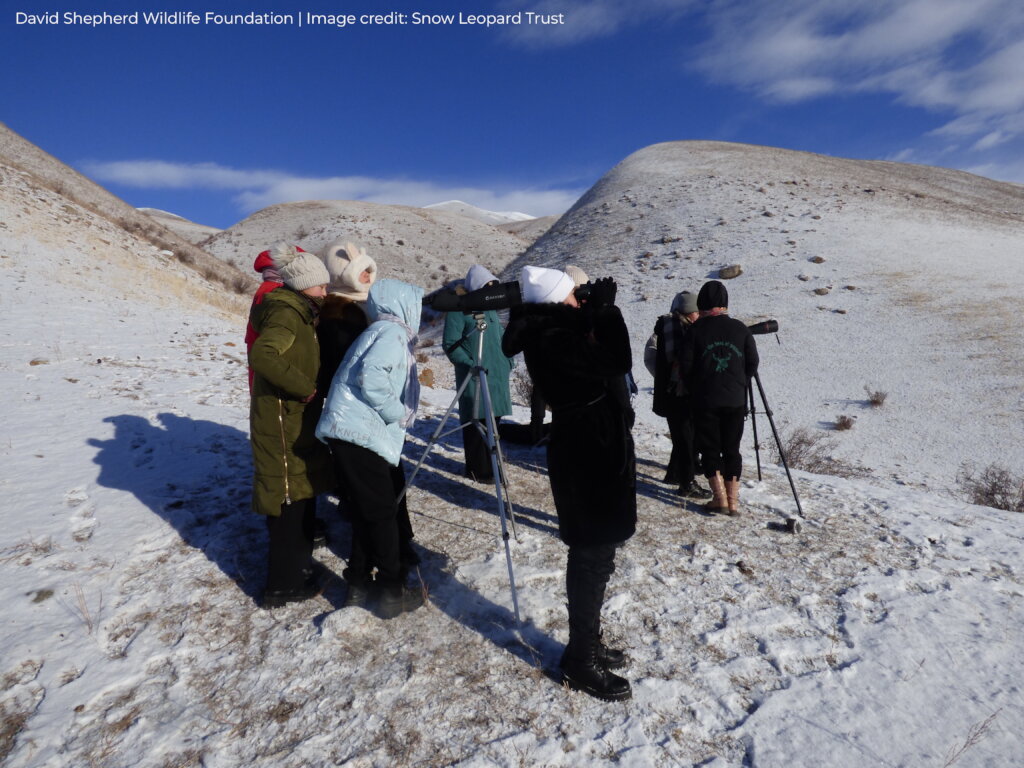
This summer, 80 students will take part in an intensive camp at the Shamshy WildlifeSanctuary. They’ll learn practical field skills such as using telescopes and setting up salt licks for wild prey like ibex.
In Mongolia, in Uvs Province, our partners are launching a new initiative to train 12 teachers to lead nature excursions—bringing hands-on outdoor learning to more than 100 local students.
Using Science to Secure Habitats
Our conservation field partners use robust data to build the evidence needed to create new protected areas—and to strengthen and expand the ones that already exist. More camera traps are being deployed across the remote Pamir Alai landscape. Now, only 20% of this vital habitat is protected; this research will help support protected-area expansion and better land management.
Looking ahead our partners are aiming to collar up to four more snow leopards in the Tost region so we can better understand cub survival, reproductive rates, and predation patterns. They are also exploring the impacts of “dzuds” (extreme winter die-offs), which have recently caused major losses of livestock and wildlife in both Mongolia and Kyrgyzstan.
With an estimated 879 cats in Mongolia and 200 to 400 in Kyrgyzstan, every student reached and every cat tracked makes a difference. Your support helps secure a safer future for snow leopards, alongside the communities that share their mountain home.
Thank you for standing with these incredible animals.
Project reports on GlobalGiving are posted directly to globalgiving.org by Project Leaders as they are completed, generally every 3-4 months. To protect the integrity of these documents, GlobalGiving does not alter them; therefore you may find some language or formatting issues.
If you donate to this project or have donated to this project, you can receive an email when this project posts a report. You can also subscribe for reports without donating.



Support this important cause by creating a personalized fundraising page.
Start a Fundraiser