By Vicky Flynn | Communications Manager
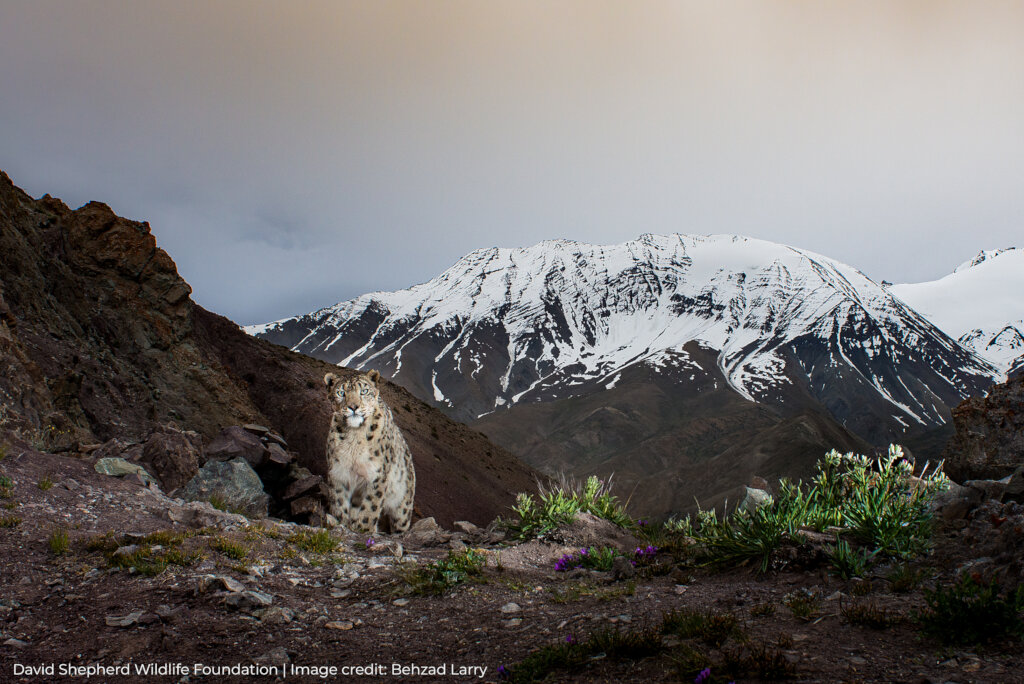
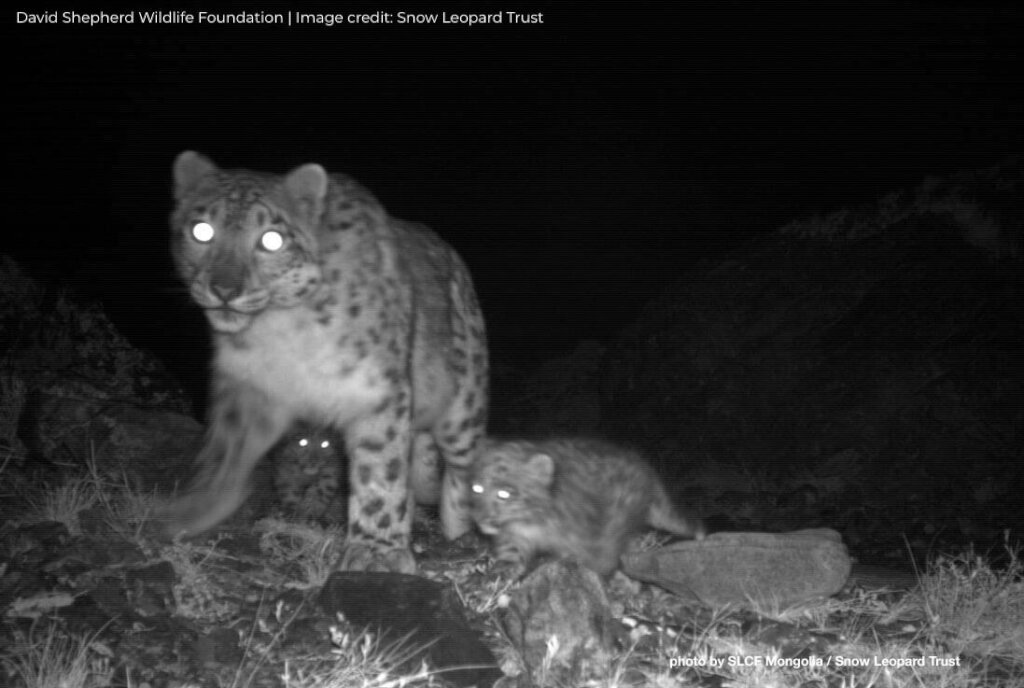
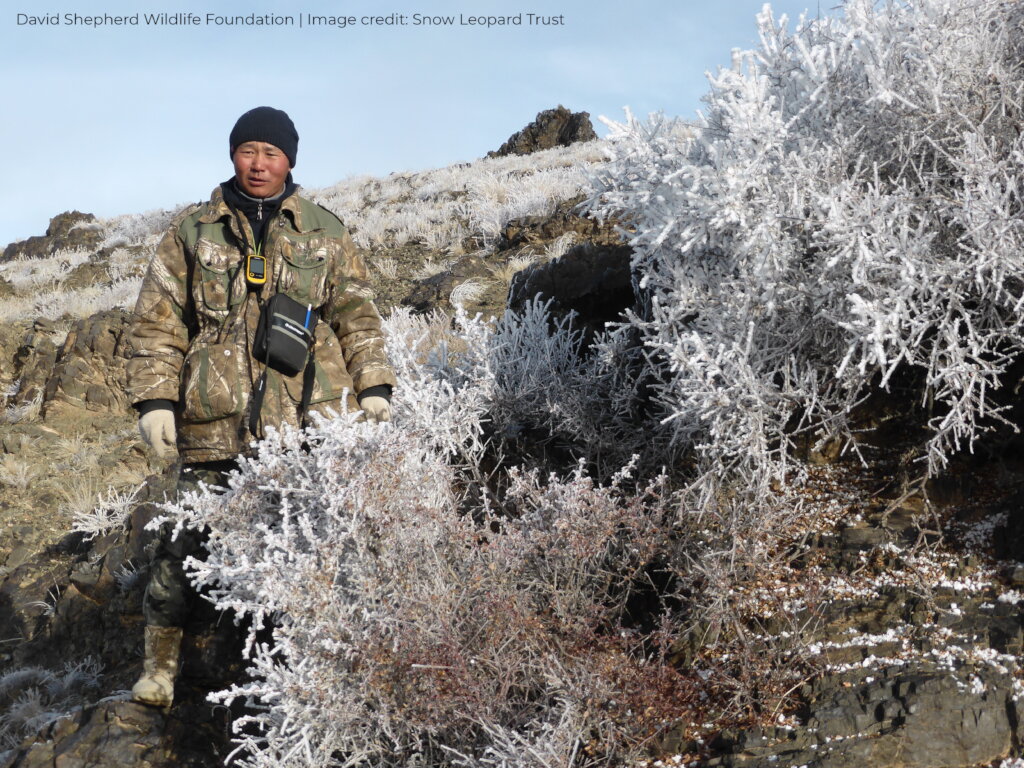
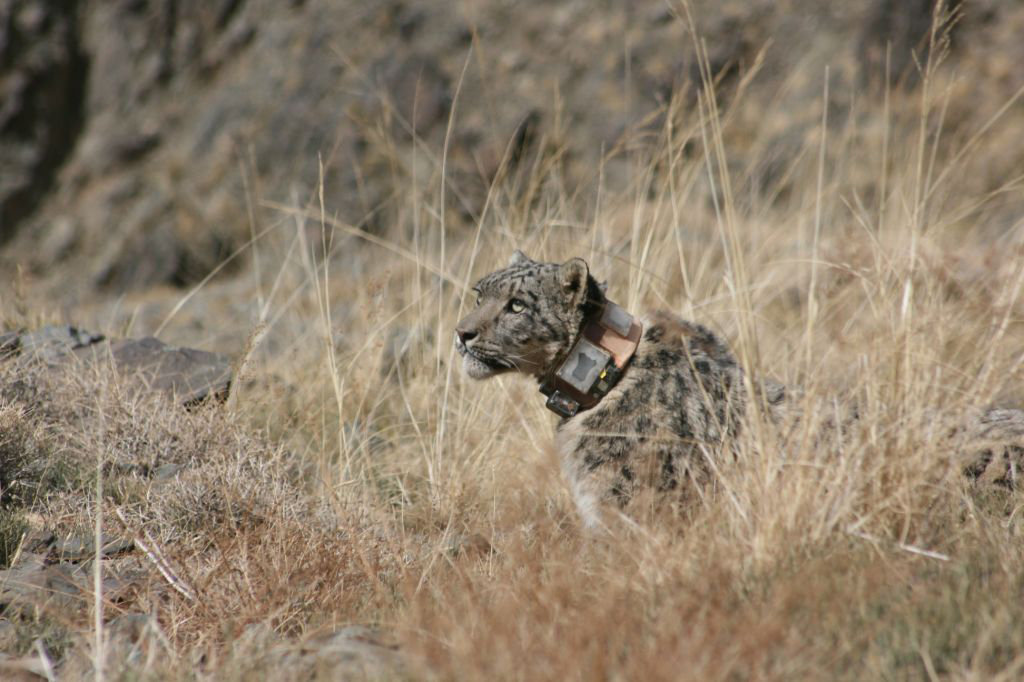
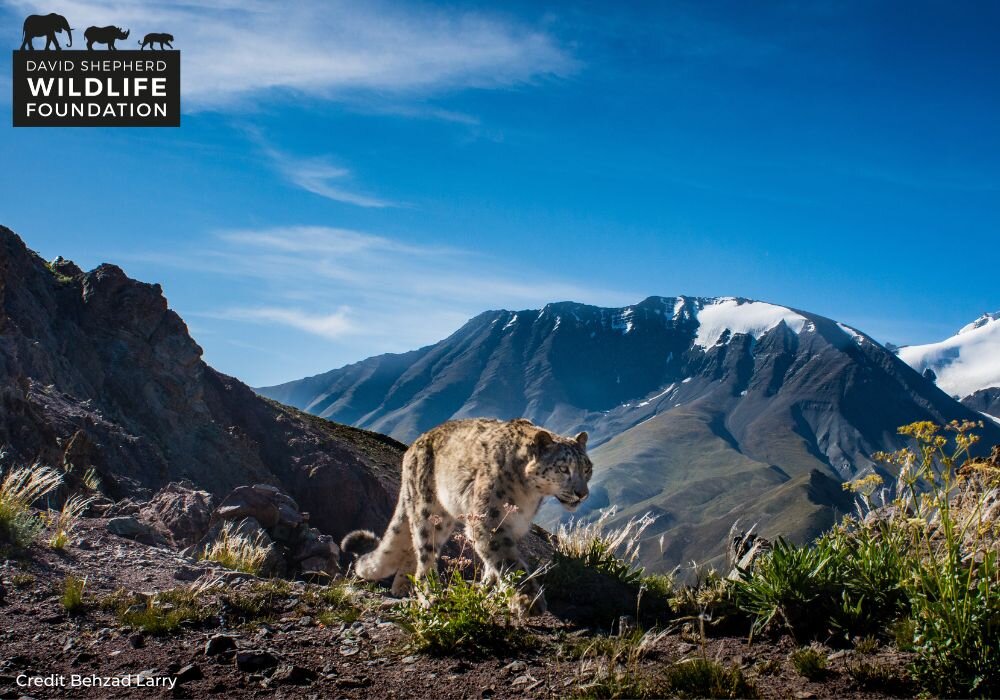
Since 2008 the David Shepherd Wildlife Foundation has helped collar and track 20 wild snow leopards in Mongolia - an amazing feat for snow leopard science.
Using the data from the GPS collars, the research team has been able to calculate average home range sizes finding that females use approximately 130 square km and male cats c. 220 square km. What's more, the researchers have found that up to 40% of all protected areas across the snow leopard's range are too small to support these endangered cats.
"Our results show that the snow leopards have a substantially larger spatial need than previously thought," says the study's lead scientist. "These home ranges are between six and 44 times larger than earlier studies had indicated."
The study also found very little overlap in home ranges of adult cats of the same sex, suggesting that snow leopards are largely territorial.
To frame their findings in the context of conservation, the research team compared average snow leopard home ranges to all 170 official, state-sanctioned protected areas within the cats habitat.
"Forty percent of these protected areas are smaller than an average male home range - so are too small to host even one breeding pair of snow leopards," they concluded.
The findings made one thing very clear: protected areas alone will not be enough to save the snow leopard.
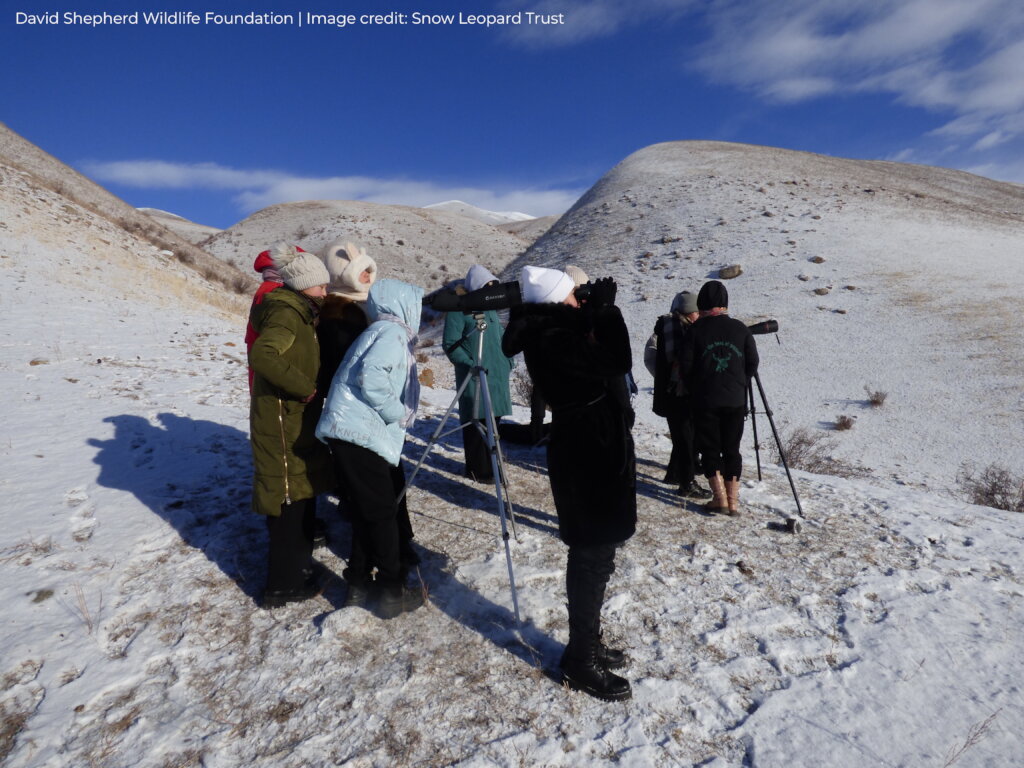
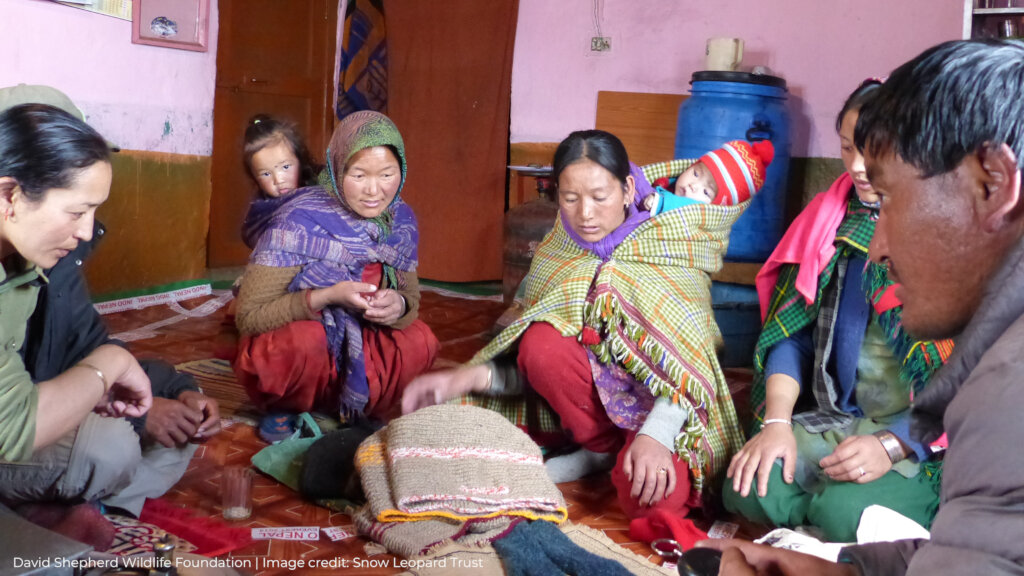
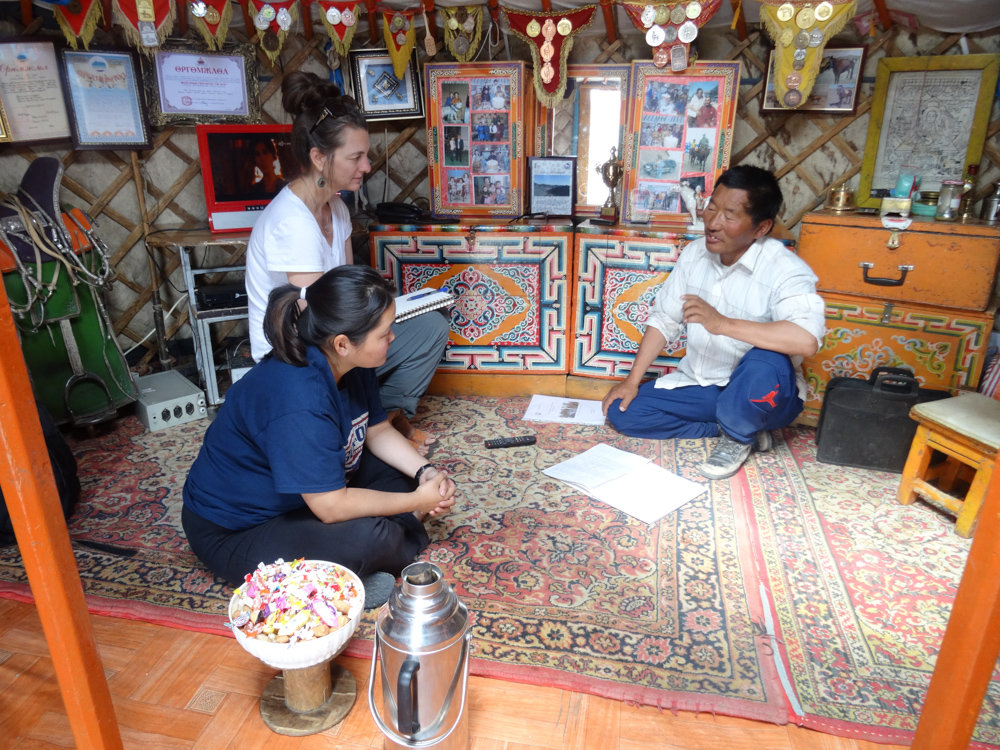
More than ever, the data underscores the importance of community-based conservation programmes that can extend beyond the protected areas to the larger landscape.
The David Shepherd Wildlife Foundation was key to this recent research but has, for over 20 years, championed the community-based programmes that help expand the protection for snow leopards beyond the protected areas. With your ongoing support we can expand these areas - both protected and community-based - to ensure the long-term survival of one of the world's most beautiful and elusive big cats.
Thank you for helping us broaden our understanding and the methods of protecting snow leopards in Mongolia. It is only through the combination of solid science and continued community outreach that we can provide a safe future for snow leopards both in Mongolia and across their entire range.
Project reports on GlobalGiving are posted directly to globalgiving.org by Project Leaders as they are completed, generally every 3-4 months. To protect the integrity of these documents, GlobalGiving does not alter them; therefore you may find some language or formatting issues.
If you donate to this project or have donated to this project, you can receive an email when this project posts a report. You can also subscribe for reports without donating.



Support this important cause by creating a personalized fundraising page.
Start a Fundraiser