By Jayne Horswill | Project Leader
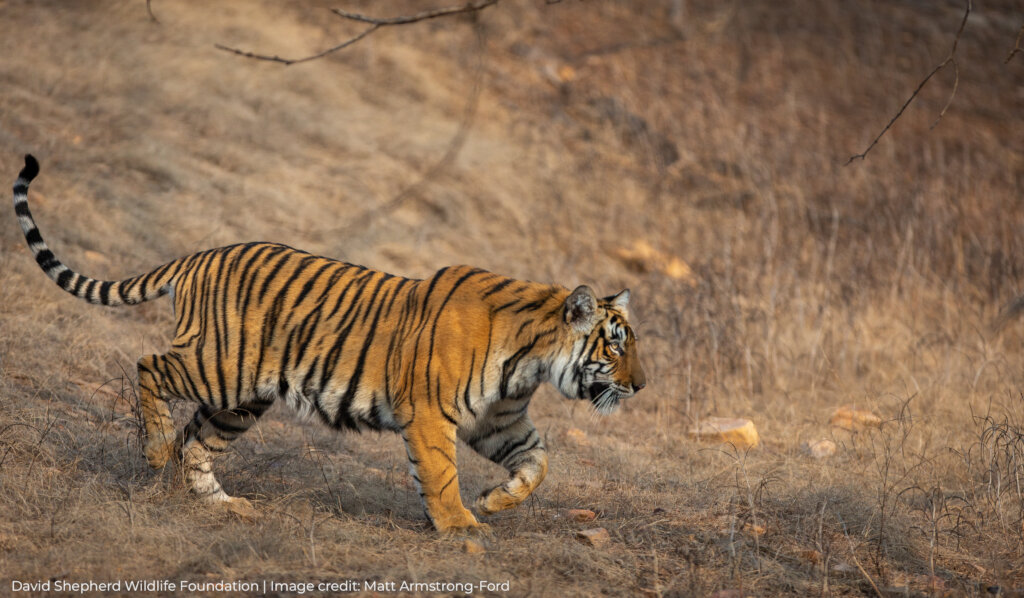
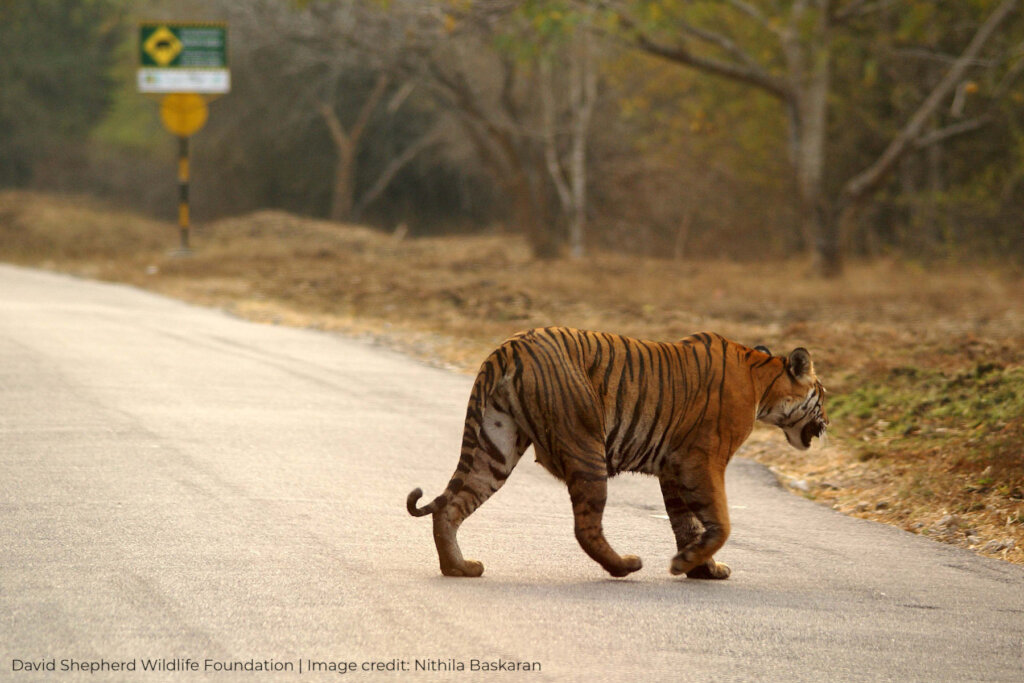
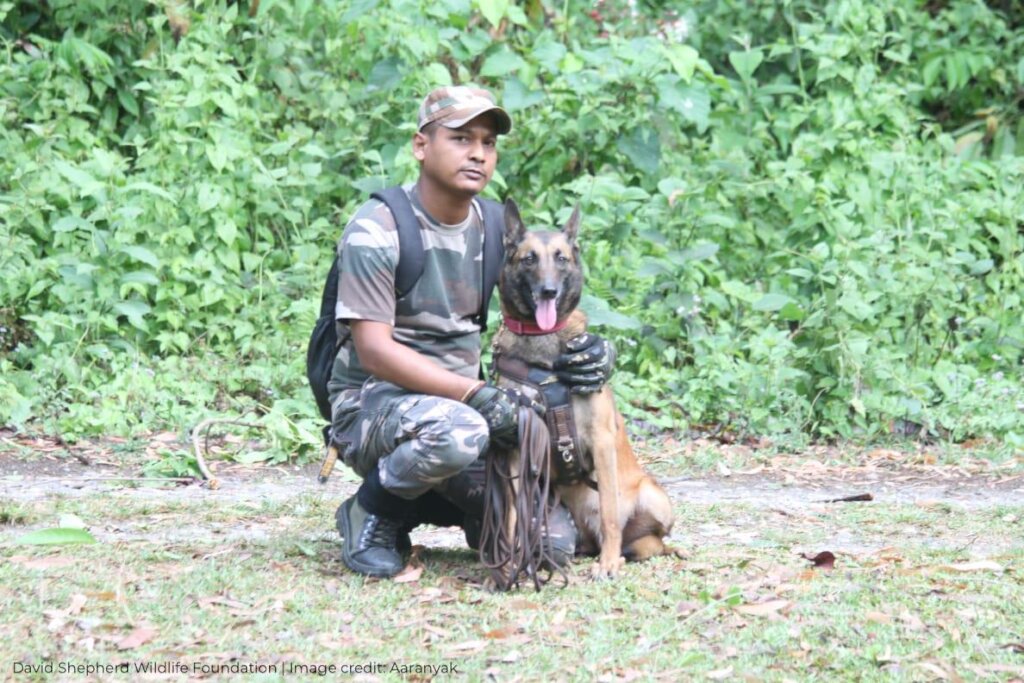
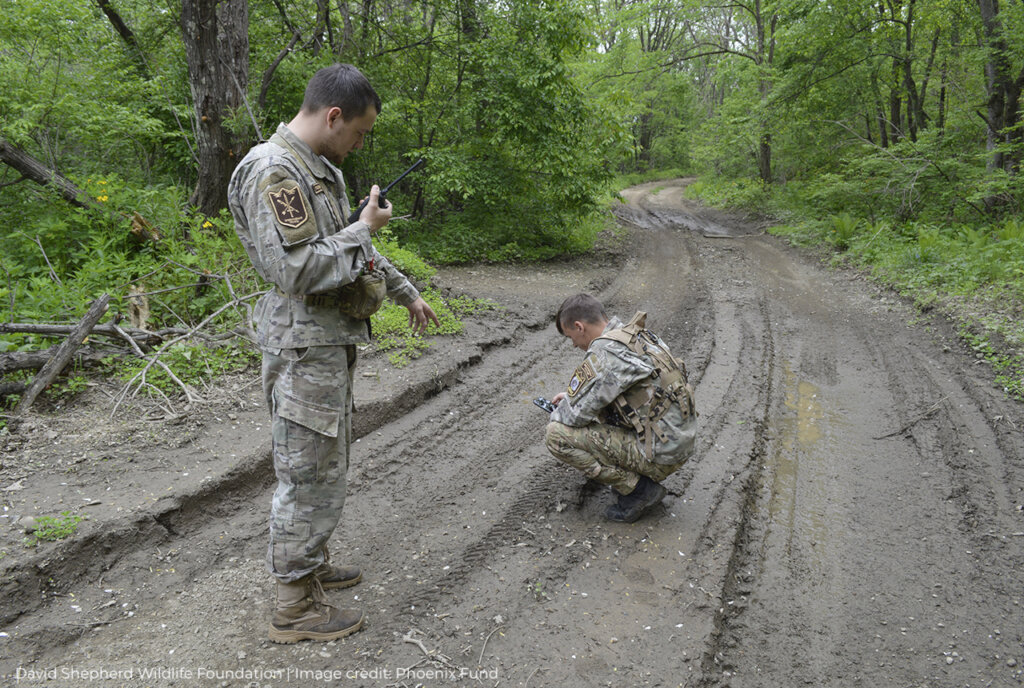
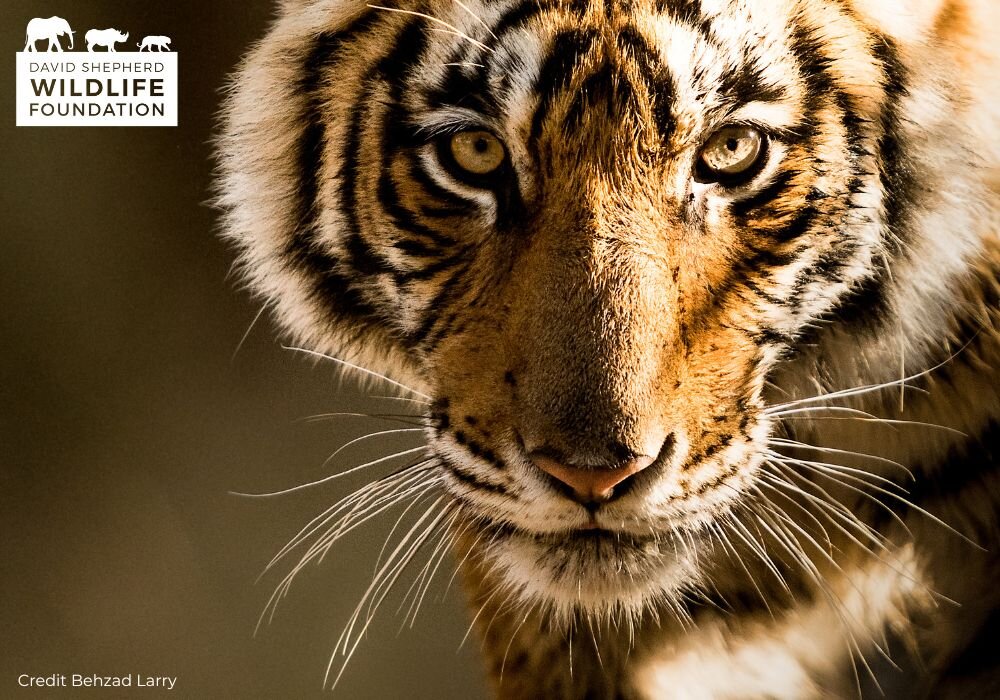
Thank you for donating to our Protecting Tigers project. Your support helps to fund David Shepherd Wildlife Foundation (DSWF)'s ground-based conservation partners who work tirelessly to ensure the continued survival of tigers in the wild. Operating to support key tiger populations across Russia, Thailand and India, our work ensures the survival of tigers in the wild in some of the world’s most important and remote habitats.
A more unusual issue and indirect threat which our ground based-conservation partners have had to address over the last year in their protection of the wild Amur tiger in Russia has been the outbreak of a dangerous animal virus. An outbreak of African Swine Fever (ASF), caused by a virus which infects domestic and wild pigs, has sadly put the tigers at risk due to ever-increasing closeness of wild animals and human settlements.
Whilst ASF is not a threat to human health and cannot be transmitted to people, it poses a very serious threat to wild boars, which are a main food source for the Amur. As wild boar mortality increases, the predators who eat them as a main food source are at an ever-growing risk from the disease. ASF has been found in five districts in Primorye, a prime amur tiger landscape where we work. The issue has become so serious that the Prime Minister of Russia himself called a meeting in late September to find a solution to the problem and is something our partners on the ground are following with a very close eye.
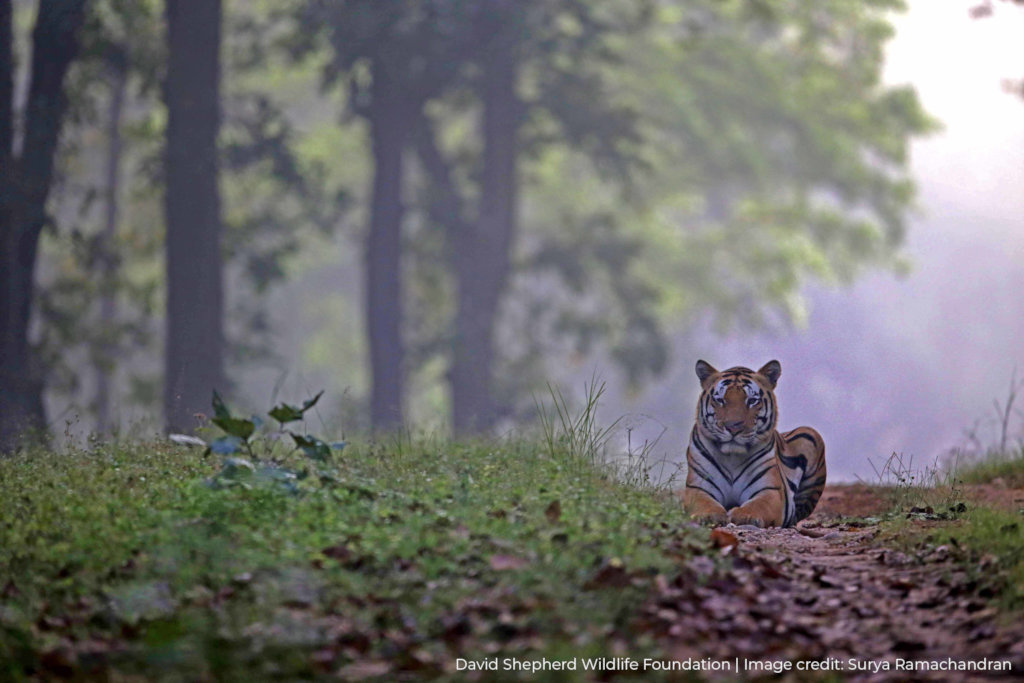
With as few as 500-600 Amur tigers left in the world, any external or even indirect threat puts the species at risk, something which we try hard to mitigate, but with human populations exploding and rapidly expanding into wilderness territories, the interaction between wild species and humans is becoming more and more prevalent.
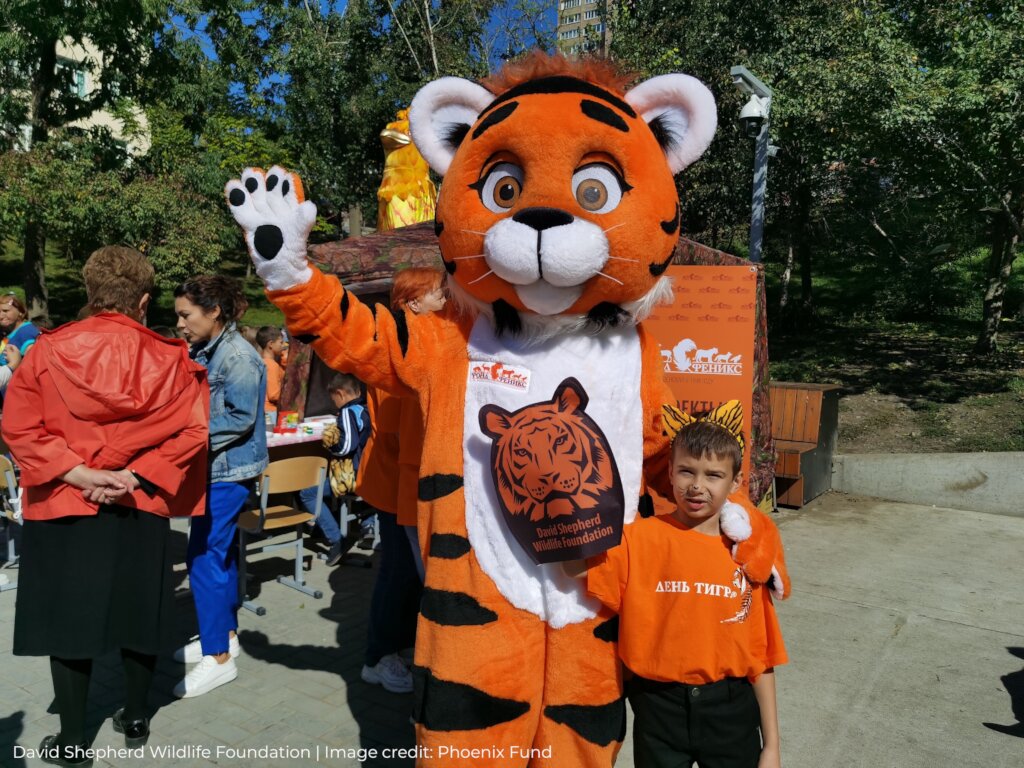
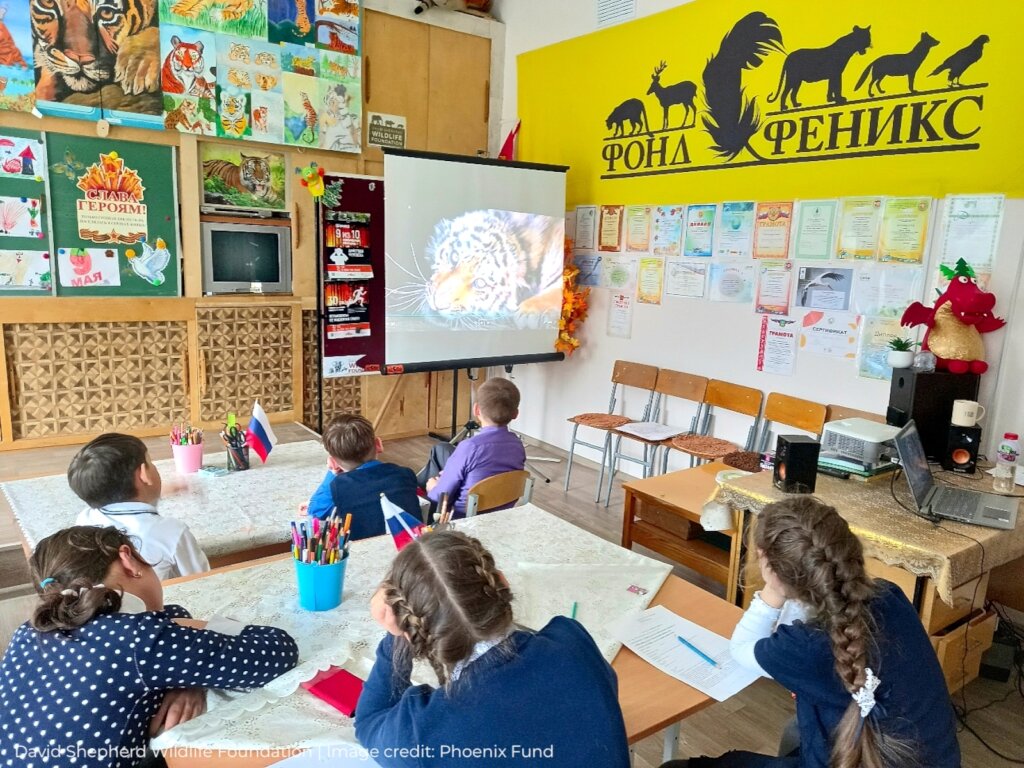
On a more positive note and at the same location in Russia, we can proudly share that just under 1,500 children in the local area attended e lessons supported by DSWF over the last 6 months which helps instil a positive relationship and understanding between tigers and humans. By ensuring children are taught the positive benefits of protecting and ensuring the safety of wild animals and their local, native habitats, tigers and many other animals have a much higher chance of survival.
Thanks to your donation, these activities can continue, protecting the endangered Amur tiger in its natural habitat and ensuring the protection for years to come.
Links:
Project reports on GlobalGiving are posted directly to globalgiving.org by Project Leaders as they are completed, generally every 3-4 months. To protect the integrity of these documents, GlobalGiving does not alter them; therefore you may find some language or formatting issues.
If you donate to this project or have donated to this project, you can receive an email when this project posts a report. You can also subscribe for reports without donating.



Support this important cause by creating a personalized fundraising page.
Start a Fundraiser