By Camilla Capel | Development Executive
Holding the line for recovering tiger populations
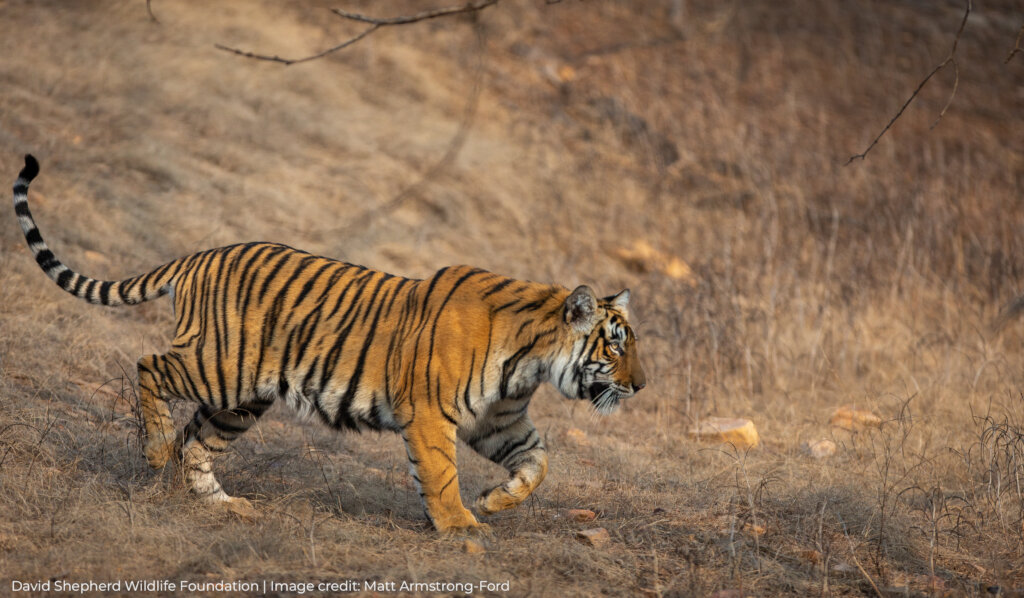
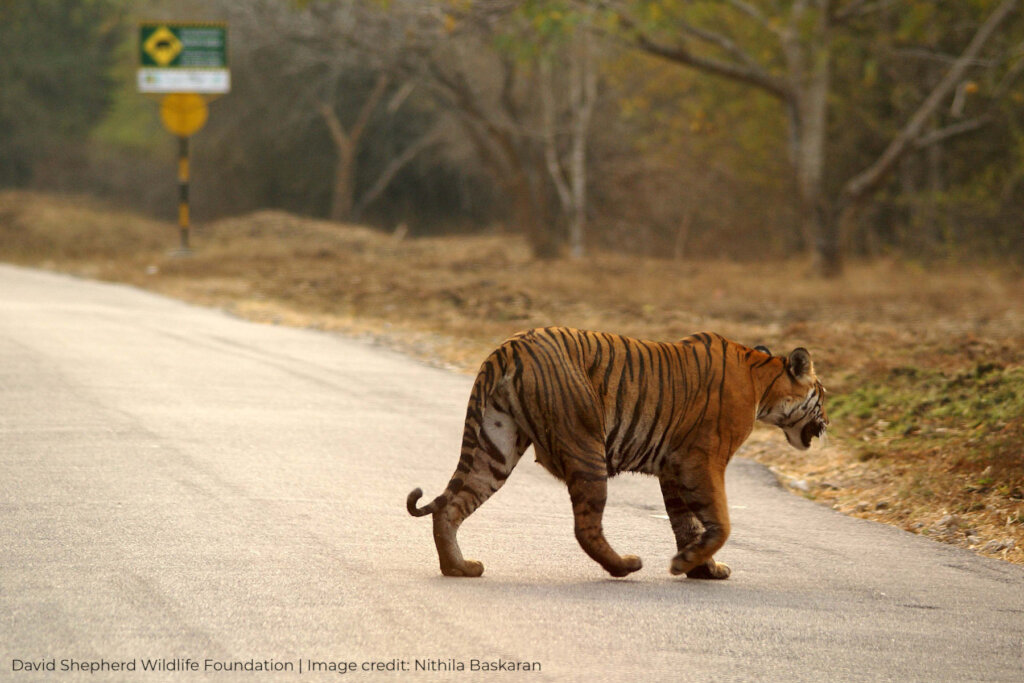
Tiger conservation is a long term commitment. Even when numbers begin to recover, protection cannot stop. This year, your support has helped keep that recovery on track in India and Thailand, where education, law enforcement, monitoring and community engagement all play a vital role in securing a future for tigers.
India: education and enforcement in Assam
In Assam, tigers are protected as part of our conservation partner's wider programme to safeguard both greater one-horned rhinos and tigers. The reporting year showed how conservation is strongest when protection and education work hand in hand.
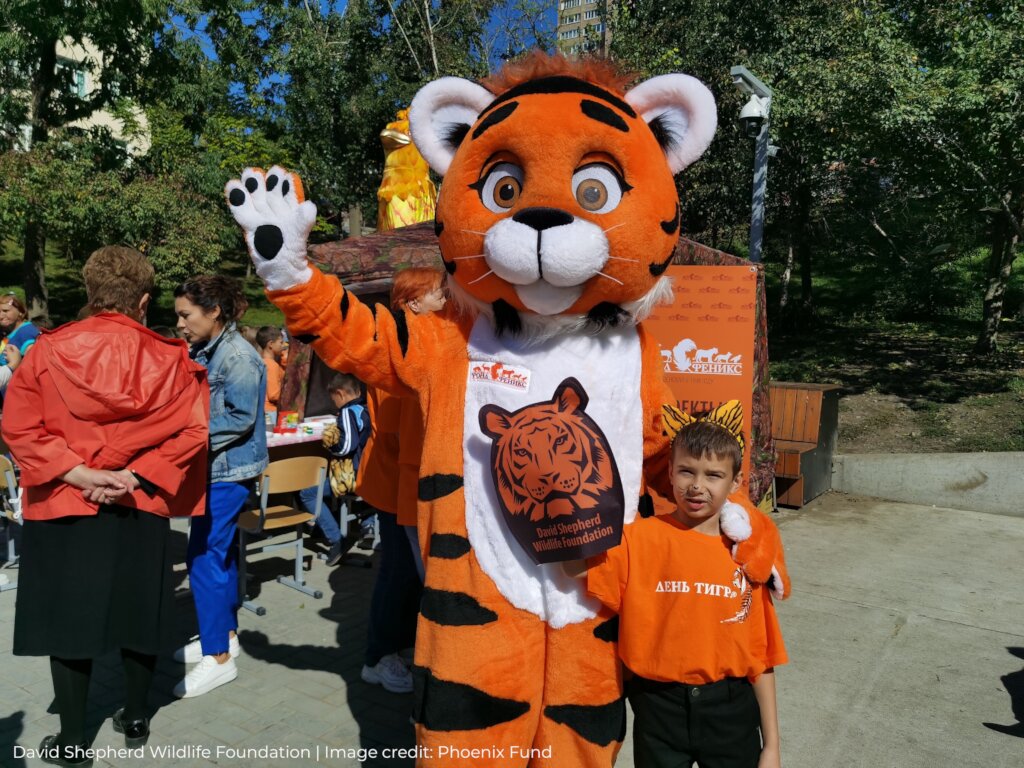
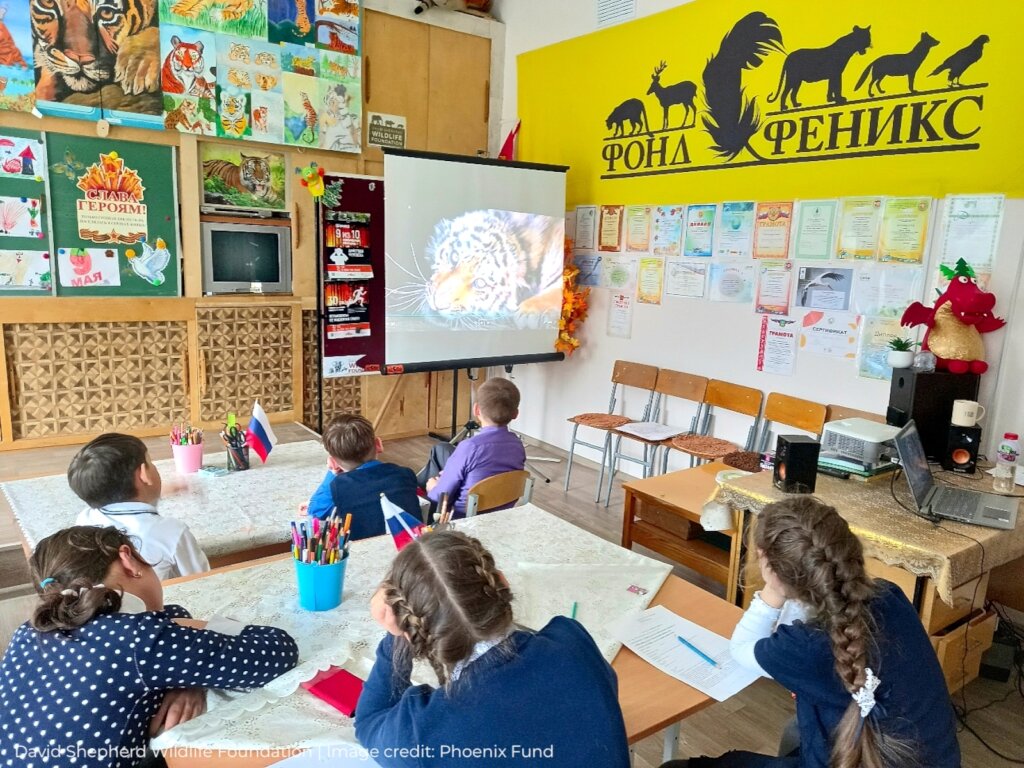
Aaranyak delivered 40 "Rhino and Tiger Go to School" programmes, reaching 6,650 students across 53 schools and 65 villages near protected areas. Through these sessions, young people learned about rhino and tiger conservation, the importance of coexistence and the role they can play in protecting the natural world. Eco-clubs, gardening projects, tree planting and community action activities helped turn learning into practical action.
Residential nature camps provided deeper experiences for older students. A total of 130 students took part in the Orang Nature Camp and Nature Orientation Initiative, while a further 100 participants attended the Summer Nature Camp. Many alumni have gone on to volunteer with Aaranyak, share conservation messages and launch their own environmental initiatives within their communities.
Alongside this work, DSWF funding helped strengthen frontline protection. Equipment was provided for 270 Village Defence Patrol members and fuel support enabled rangers to continue operations in Pobitora Wildlife Sanctuary. Together, these efforts contributed to 31 poacher apprehensions, nine weapons being seized and eight convictions or prosecutions.
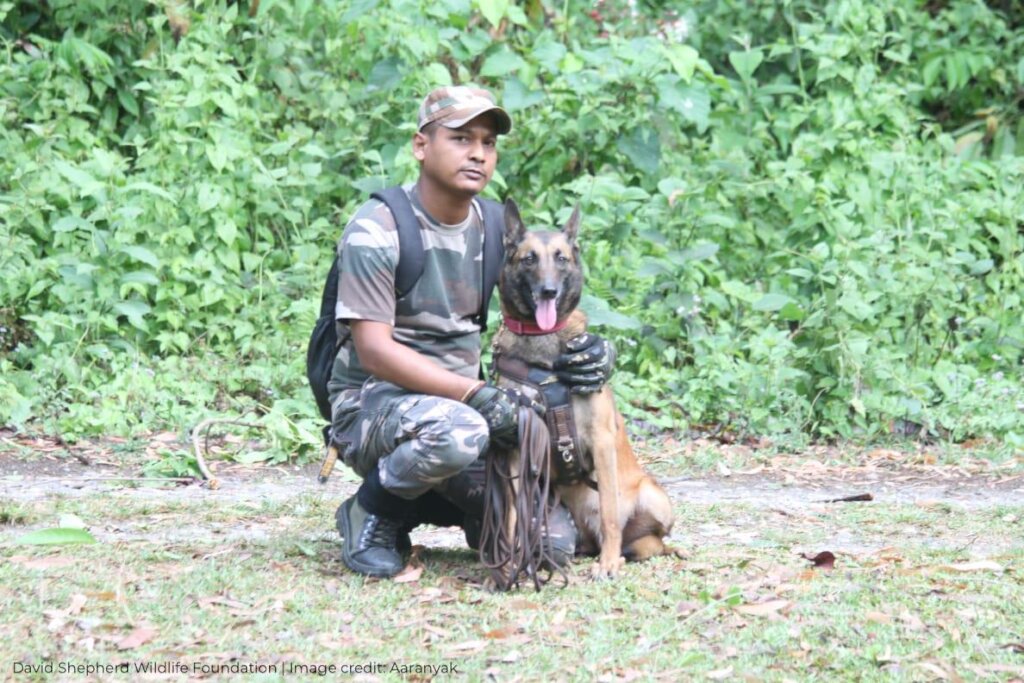
DSWF also helped maintain four K9 sniffer dog units, whose specialist skills continue to support anti-poaching operations and wildlife crime investigations across Assam. The project further strengthened enforcement through four legal orientation workshops attended by 210 police, forest, judicial and border security officials.
Thailand: protecting a fragile recovery
In Thailand, our conservation partners continue to work within the Dong Phayayen-Khao Yai World Heritage Site, one of the most important remaining strongholds for the endangered Indochinese tiger.
Conservation efforts have helped the landscape's tiger population recover from just six detected individuals at the start of the programme to an estimated 20 to 30 tigers today. While hugely encouraging, this recovery remains fragile and depends on continued protection.
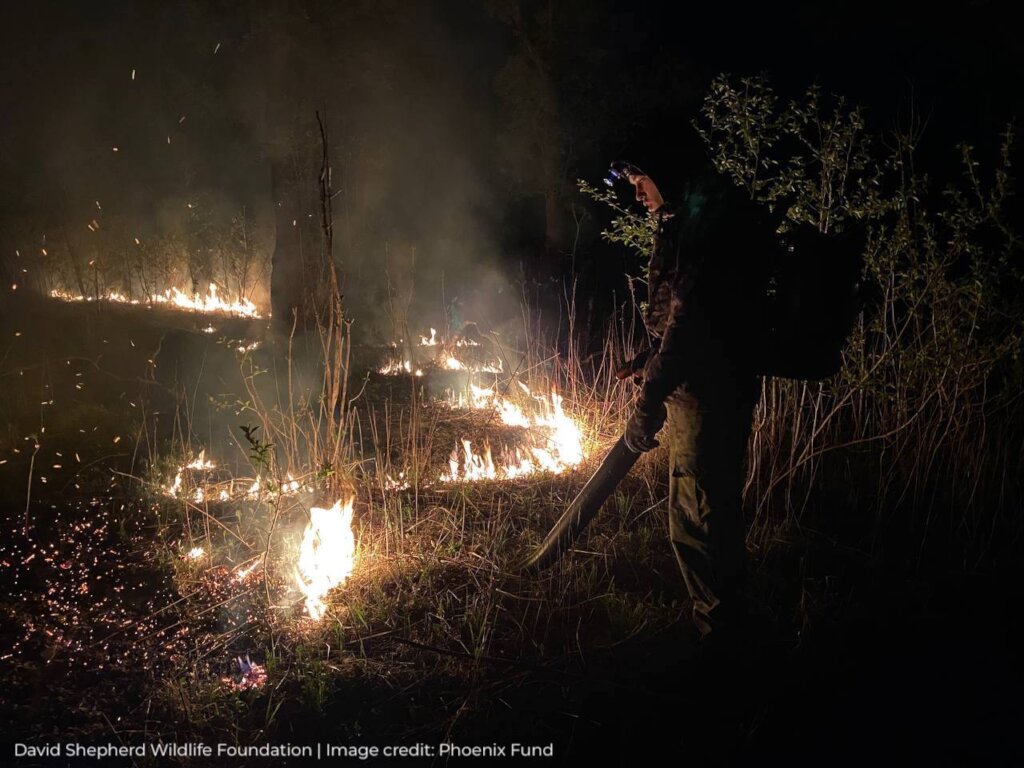
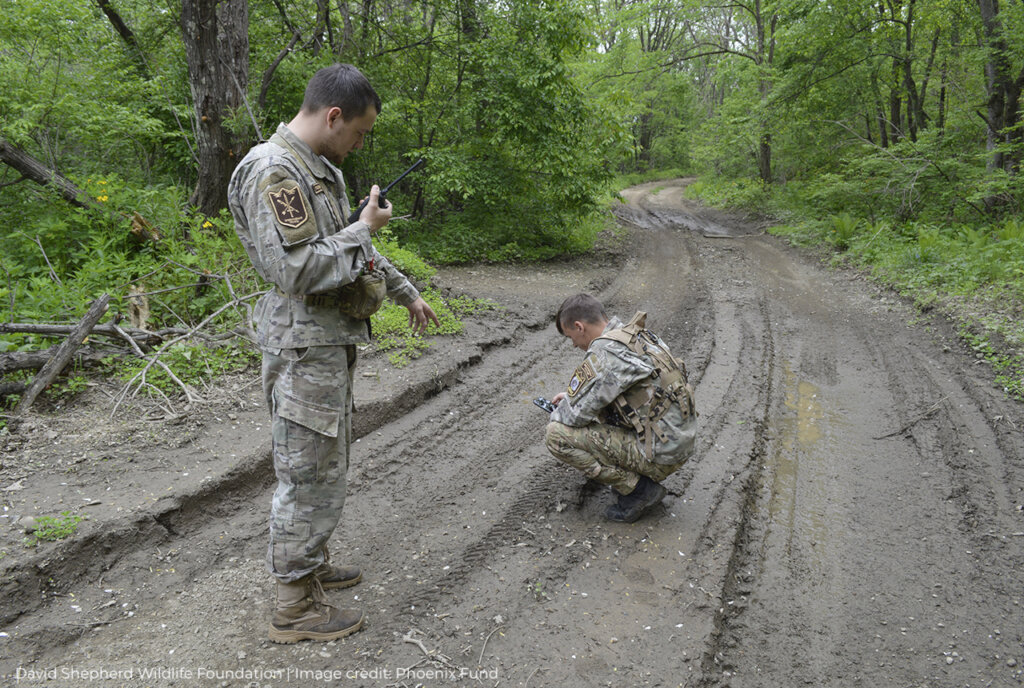
Over the past year, frontline law enforcement remained a major focus. Rangers covered approximately 42,000 kilometres, apprehended 52 poachers, seized 21 firearms and secured 36 successful convictions and prosecutions, helping to reduce threats to both tigers and their prey.
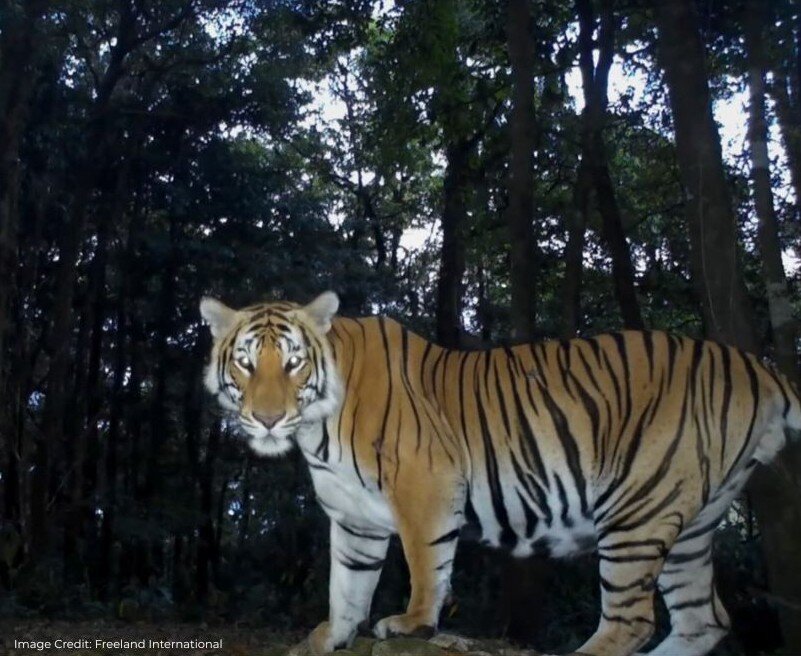
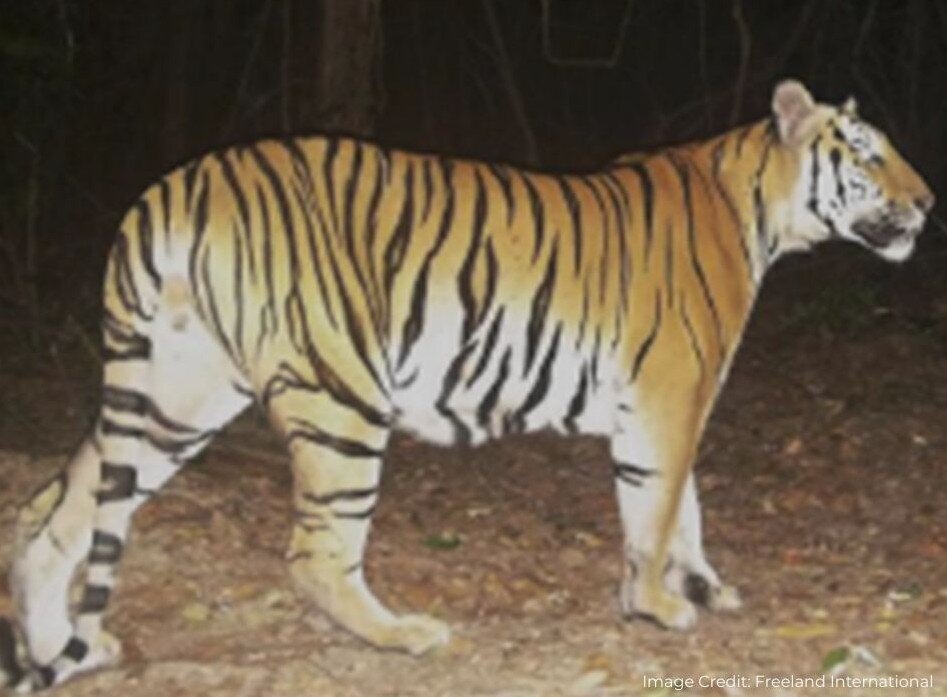
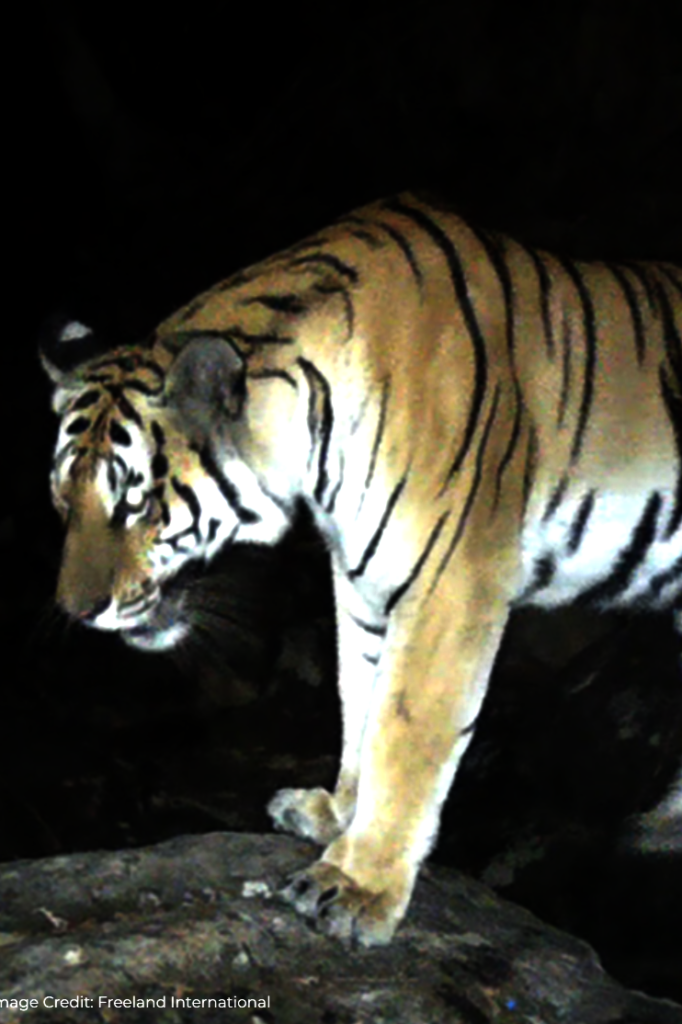
Monitoring also continued at scale. Freeland conducted 18 wildlife surveys, deployed 252 camera traps and generated 15,713 camera-trap days. During the reporting period, 16 individual tigers were positively identified, providing encouraging evidence that the population continues to persist and expand.
Equally important was the work with local communities. Outreach activities reached 1,036 students across 15 schools, including 116 students directly supported by DSWF, and engaged 431 villagers in 12 communities. These programmes focused on reducing poaching, encouraging coexistence and building local support for conservation.
The year also brought significant challenges. Escalating border tensions and military conflict between Thailand and Cambodia disrupted transboundary conservation cooperation, restricted access to some field sites and led to widespread landmine deployment. As a result, work in affected areas is currently on hold.
Looking ahead
Your support is helping protect tiger recovery where it matters most: on patrol routes, in courtrooms, through camera traps and in the minds of young people growing up alongside tiger habitat. Thank you for helping ensure that the progress made for tigers today can continue into the future.
By Camilla Capel | Development Executive
By Camilla Capel | Fundraising and Events Executive
Project reports on GlobalGiving are posted directly to globalgiving.org by Project Leaders as they are completed, generally every 3-4 months. To protect the integrity of these documents, GlobalGiving does not alter them; therefore you may find some language or formatting issues.
If you donate to this project or have donated to this project, you can receive an email when this project posts a report. You can also subscribe for reports without donating.



Support this important cause by creating a personalized fundraising page.
Start a Fundraiser