By Vicky Flynn | Head of Communications
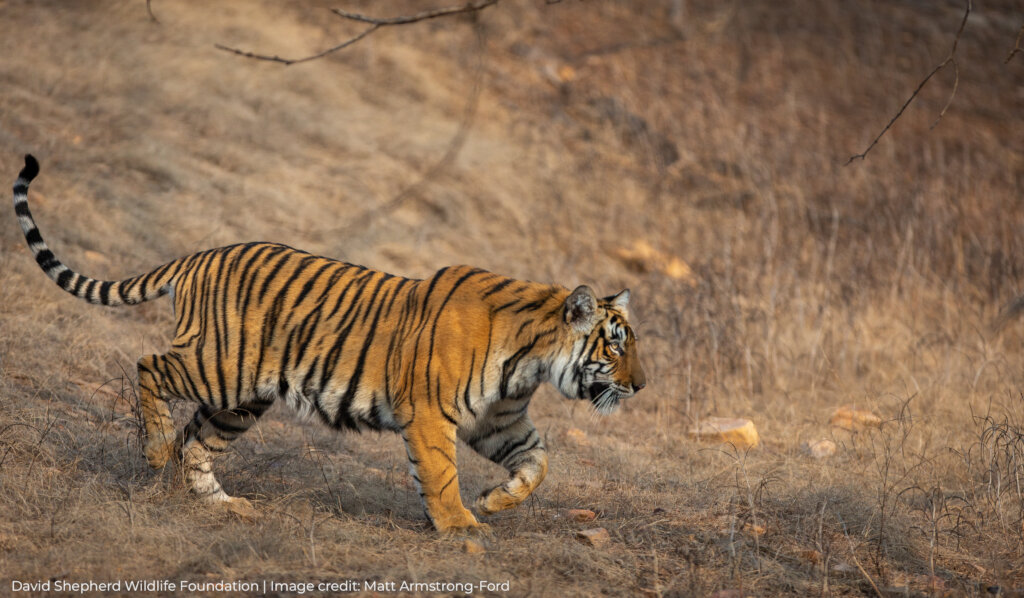
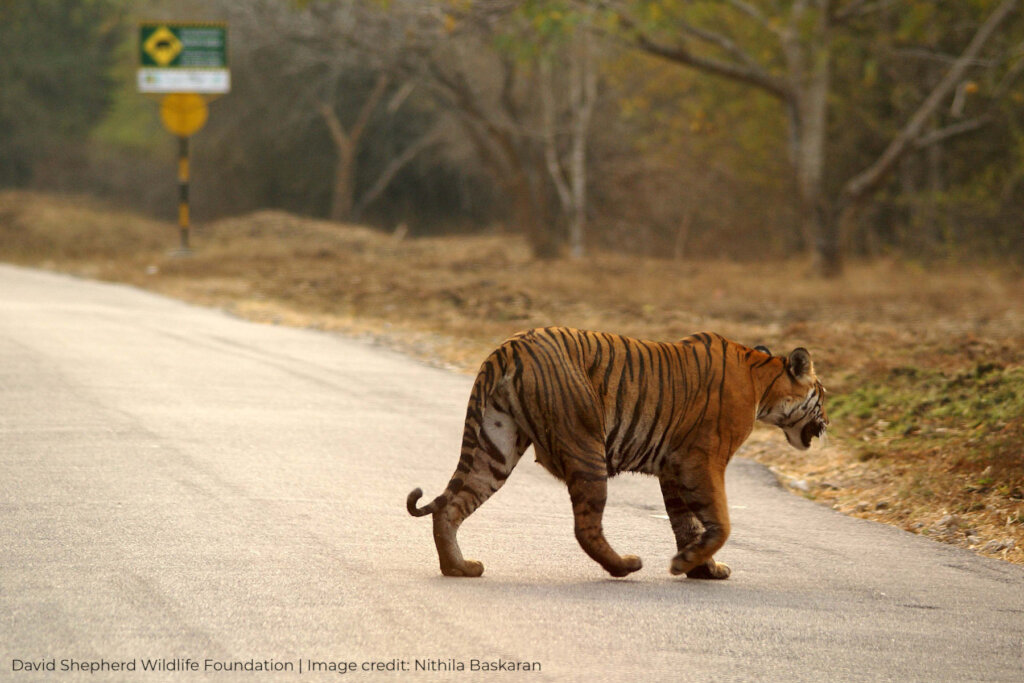
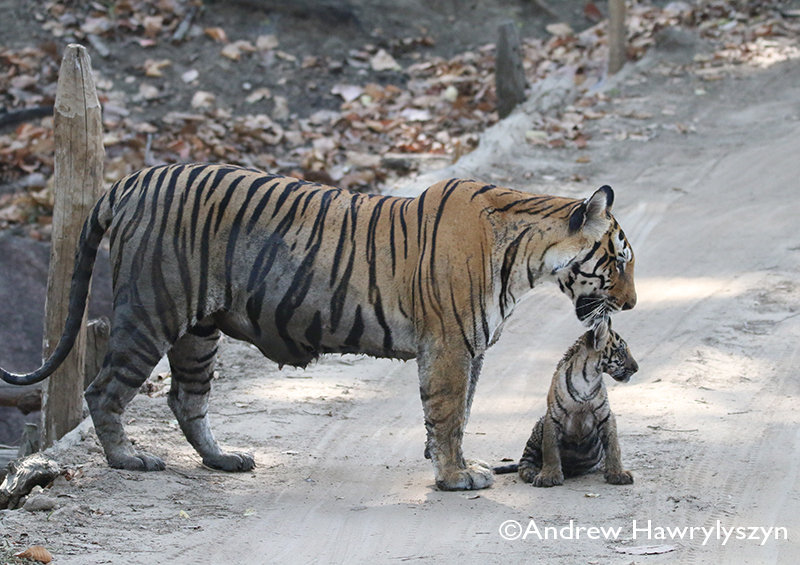
Tigers have always been part of the fabric of Indian society. Revered as gods for their life-giving presence - a presence that protects vital forests, water courses and, in turn, a myriad of other species - tigers have always held a special place among those who live close to them.
But, increasing pressure on tiger habitats and the illegal trade in tiger parts is pushing tigers towards extinction and those who once protected and reverred them are sometimes tempted by the short-term rewards that poaching can bring.
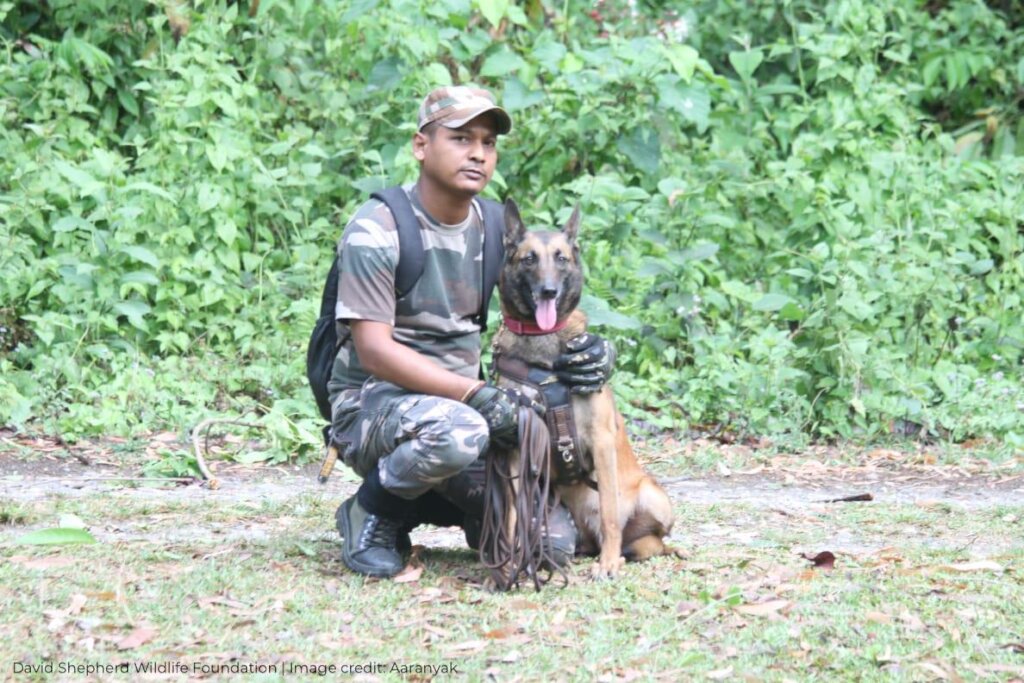
Key to our tiger protection work in Assam is engaging the local community, including ex-poachers and providing alternative streams of income to try and dissuade communities from hunting.
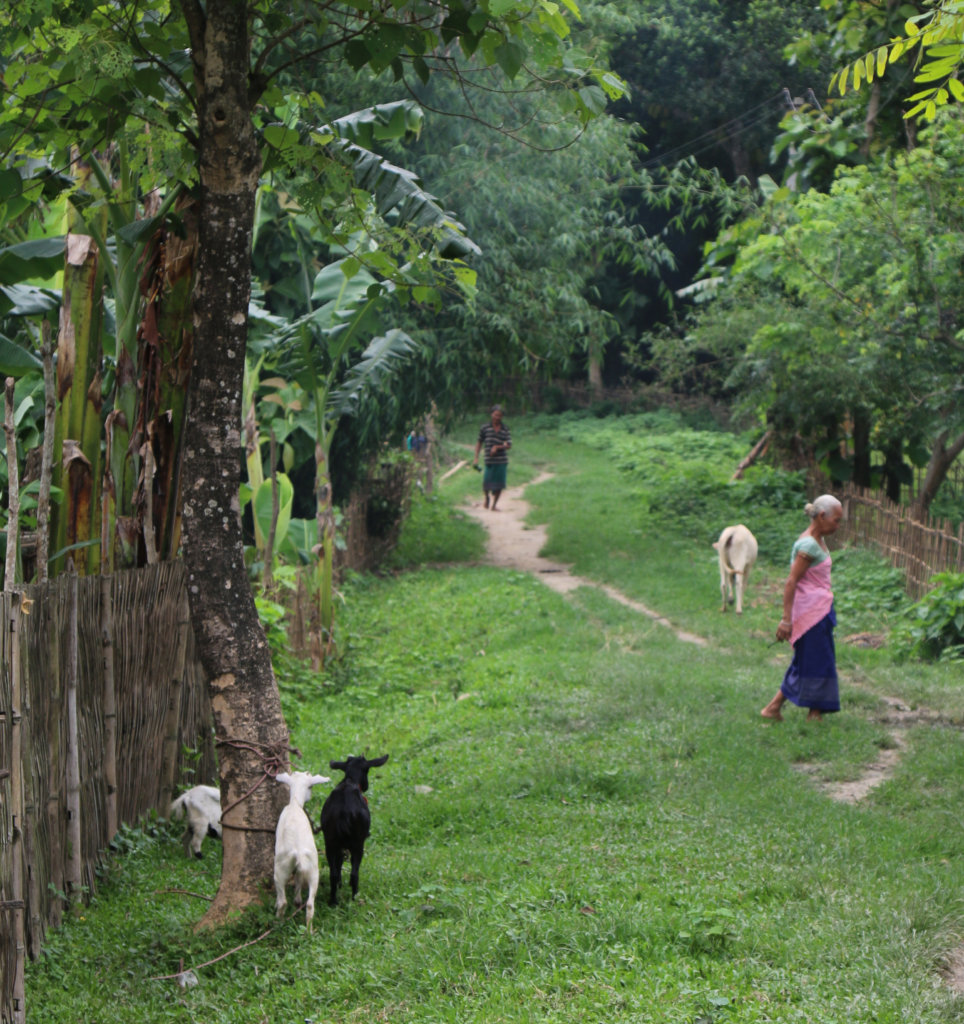
One of these schemes is the goat scheme. This really simple programme works by donating two goats - a male and a female - to a family. When the goats breed two kids must be returned to the scheme to be given to another family. The remaining goats can be kept for breeding, milk or to sell thus providing the family with an on-going, sustainable income.
The scheme started in 2015 with 40 goats and focused on the Karbi Hill Tribe. With a stong hunting tradition the aim was to move the tribe away from their regular hunting - which was depleting key prey sources for tigers - and to give them an alternative and sustainable living.
As well as providing the goats your support helps cover vaccinations and four monthly visits to check on the health of the animals. As the scheme grows it will embrace over 300 families and greatly reduce the loss of prey species available for the precious tigers populations in the area.
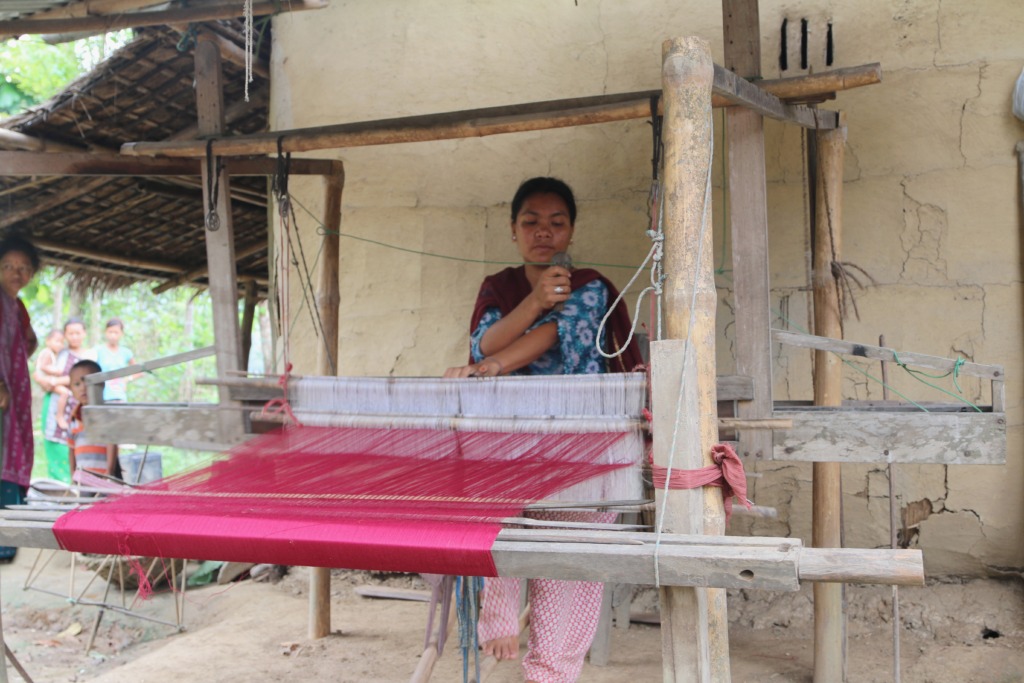
This same tribe has also been provided with a loom and training so that the women can weave traditional cloth that can be sold in the local markets.
Together we are providing the tools that are literally weaving tigers back into the heart of society. So, a huge thank you from the team for helping us make these simple schemes so effective in protecting one of the world's most iconic animals.
Links:
Project reports on GlobalGiving are posted directly to globalgiving.org by Project Leaders as they are completed, generally every 3-4 months. To protect the integrity of these documents, GlobalGiving does not alter them; therefore you may find some language or formatting issues.
If you donate to this project or have donated to this project, you can receive an email when this project posts a report. You can also subscribe for reports without donating.



Support this important cause by creating a personalized fundraising page.
Start a Fundraiser