By Katie Lindqvist | Intern in ASTRA
This summer, I had the opportunity to spend several weeks as an intern at ASTRA. I arrived in Belgrade hoping to contribute to the organization's work, and ended up leaving with a much deeper understanding of human trafficking and the importance of victim-centered support. Before arriving at ASTRA, I was familiar with human trafficking as a global issue through news articles and my previous studies. Seeing how these issues are addressed in practice, however, was an entirely different experience.
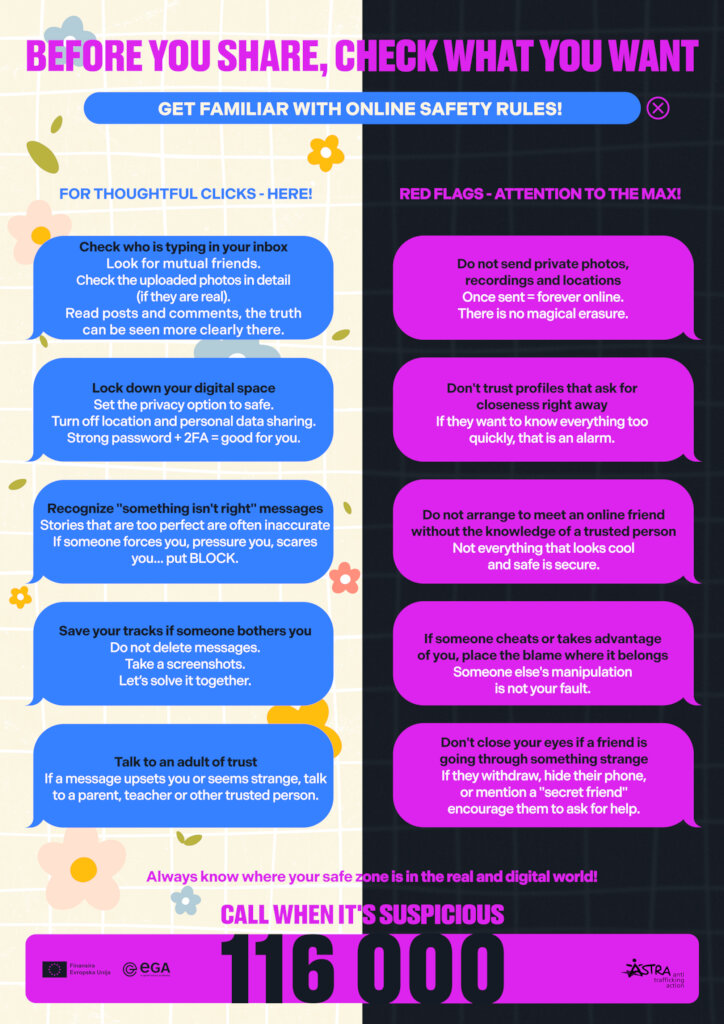
Throughout working with ASTRA, I witnessed how much patience, empathy, and cooperation are required to support people who have experienced exploitation and violence. I also learned firsthand how every aspect of ASTRA’s work is interconnected, with each area playing an important role in tackling such a complex issue. During my internship, I primarily contributed to ASTRA's prevention and awareness-raising work by researching educational materials, developing content for social media, and preparing materials that could be adapted for Serbian audiences.
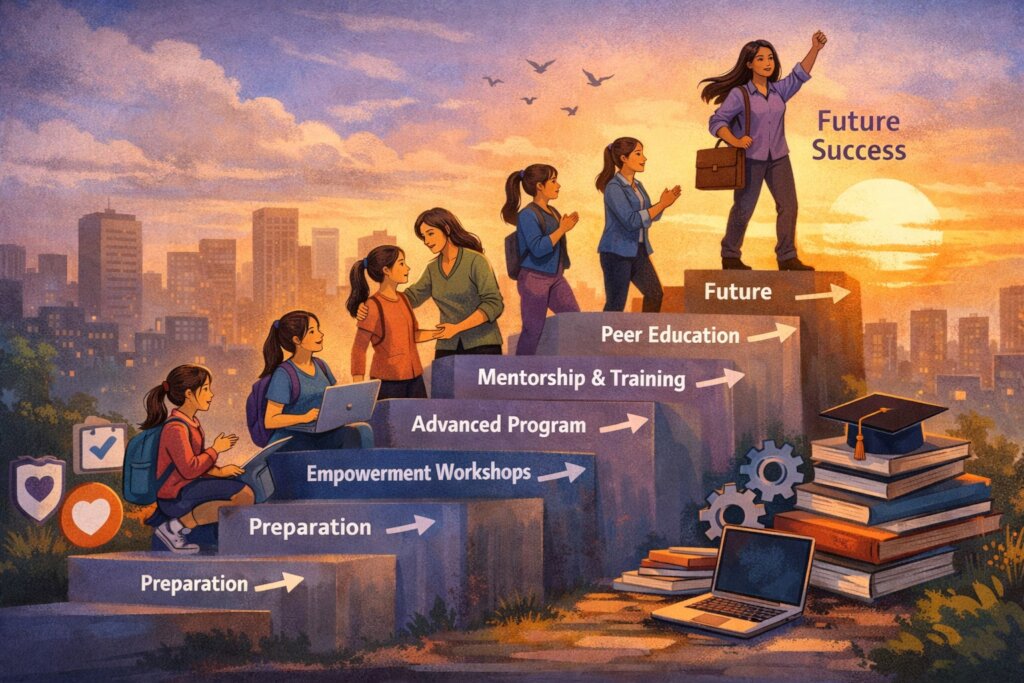
I also had the opportunity to observe one of ASTRA's workshops for girls living in alternative care. Seeing the team's approach in creating a safe space where young people could openly discuss topics such as online safety, relationships, and recognizing manipulation was one of the most meaningful experiences throughout my time at the organization. It emphasized that prevention is not only about sharing information, but also about building trust, encouraging critical thinking, and helping young people feel empowered to seek support when they need it.
One of the aspects of ASTRA that impressed me most was the team's dedication. No matter what they were working on, every task was approached with professionalism and genuine care for the people behind each case. That commitment was reflected in ASTRA's holistic approach to its work. Rather than responding only after exploitation has occurred, the organization works across every stage: preventing violence through education, supporting victims through recovery, advocating for systemic change, and strengthening cooperation between institutions. Seeing these different areas of work come together gave me a deeper understanding of what effective human rights work looks like in practice.
I am incredibly grateful to everyone at ASTRA for welcoming me into their team, generously sharing their knowledge, and allowing me to learn and contribute to such meaningful work. They showed me how research, communication, and advocacy can make a tangible difference when combined with compassionate, survivor-centered support. I leave with new skills and experiences, but also feeling inspired by the commitment and resilience of the people who make ASTRA's work possible every day.
Thank you to everyone who supports ASTRA through GlobalGiving. Your generosity helps ensure that victims receive the support they need, that prevention reaches children and communities before harm occurs, and that organizations like ASTRA can continue their important efforts in making the world a safer place.
By Marija Vukasinovic | SOS Consultant
By Danijela Nikolic | SOS consultant
Project reports on GlobalGiving are posted directly to globalgiving.org by Project Leaders as they are completed, generally every 3-4 months. To protect the integrity of these documents, GlobalGiving does not alter them; therefore you may find some language or formatting issues.
If you donate to this project or have donated to this project, you can receive an email when this project posts a report. You can also subscribe for reports without donating.



Support this important cause by creating a personalized fundraising page.
Start a Fundraiser