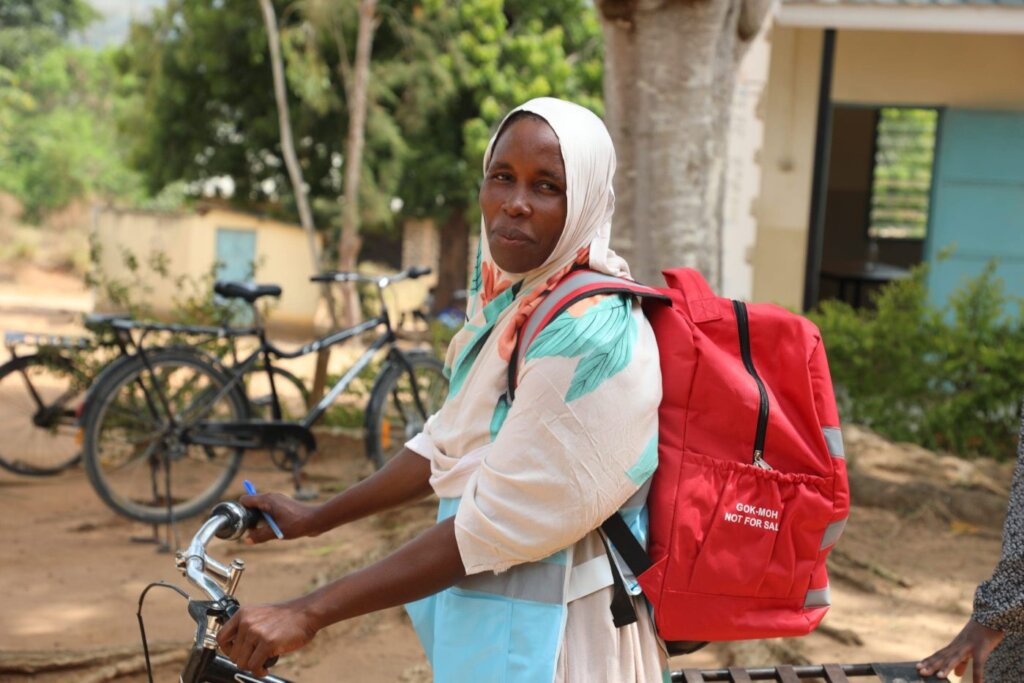
In rural Nigeria, many health workers walk long distances, sometimes over 10 km daily to reach patients. This delay limits care for pregnant women, children, and those with urgent health needs. Providing bicycles will cut travel time, expand the number of households visited, and improve response during emergencies. With 100 bicycles, health workers can reach patients faster, reducing preventable deaths linked to distance and delayed care.
Rural communities in Nigeria face limited access to health services because health workers lack transport. Many travel long distances on foot under harsh conditions, reducing the number of patients they can reach each day. Pregnant women, children, and people with chronic illness are most affected. This transport barrier contributes to preventable deaths and delays in lifesaving care. Without bicycles, health workers cannot reach those in need quickly or efficiently.
Providing bicycles will allow 100 rural health workers to travel faster and cover larger areas. With reliable transport, they can make more home visits, carry medical supplies, and respond quicker to emergencies. Bicycles are low-cost, durable, and easy to maintain, making them well-suited for rural terrain. This project will reduce the time wasted on long walks and expand access to timely health care for communities in need.
With bicycles, health workers will reach more patients daily, reduce delays in treatment, and expand coverage of maternal, child, and general health care. Families in remote areas will gain regular access to trained health workers, improving survival rates for preventable conditions. Over time, bicycles will serve as lasting tools that strengthen rural health delivery, creating healthier communities where distance no longer keeps families away from care.



Support this important cause by creating a personalized fundraising page.
Start a Fundraiser