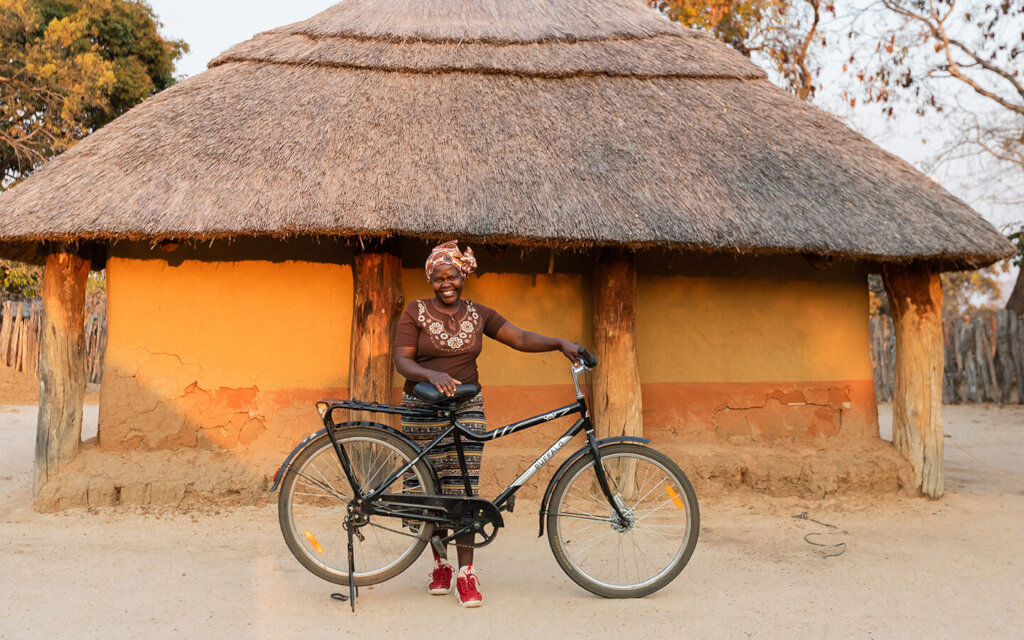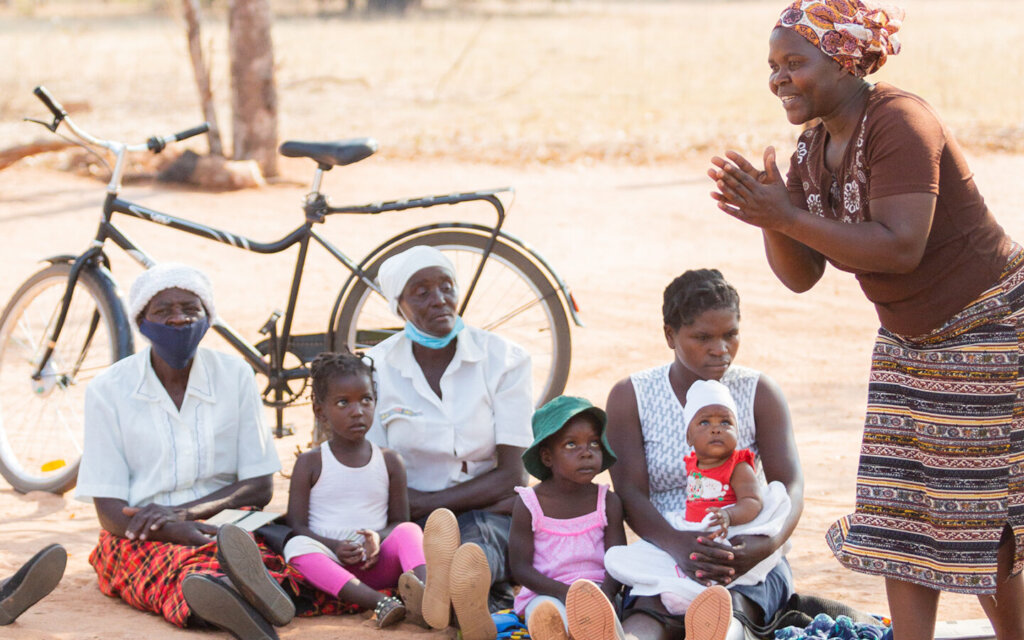
In rural Nigeria, midwives often walk long distances to reach pregnant women in scattered communities. This limits timely care, leading to delays in safe deliveries and postpartum visits. Providing 50 bicycles to midwives will reduce travel time, increase the number of women they can attend to, and lower risks during childbirth. With faster mobility, more mothers and newborns will access care, reducing maternal and infant deaths in underserved villages.
Rural midwives in Nigeria face long, exhausting walks to reach expectant mothers. Some cover 5-10 kilometers daily on foot, often carrying supplies by hand. This delays prenatal care, makes emergency response difficult, and increases the risk of maternal and newborn deaths. Without reliable transport, midwives are limited in how many women they can reach in a day, leaving many mothers without skilled care during pregnancy and childbirth.
By providing 50 bicycles, midwives will be able to travel faster, carry basic delivery supplies, and reach more women in remote villages. This mobility will shorten response time during labor emergencies, improve attendance at antenatal visits, and allow for timely postnatal follow-ups. The bicycles will also reduce fatigue for midwives, enabling them to expand their service coverage and care for more mothers and babies within their communities.
With bicycles,midwives can consistently reach pregnant women in distant villages, leading to safer births and healthier infants. Later on, this project will build stronger community trust in midwives and reduce reliance on unsafe traditional practices.Increased access to skilled care can lower preventable maternal & newborn deaths while improving early child health. The bicycles, with proper maintenance, will serve midwives for years,extending the project's impact beyond the first 50 recipients.



Support this important cause by creating a personalized fundraising page.
Start a Fundraiser