Project Report
| Mar 13, 2013
30% bonus TODAY!
By Kathryn McKissick | Secretary of the Board of Directors
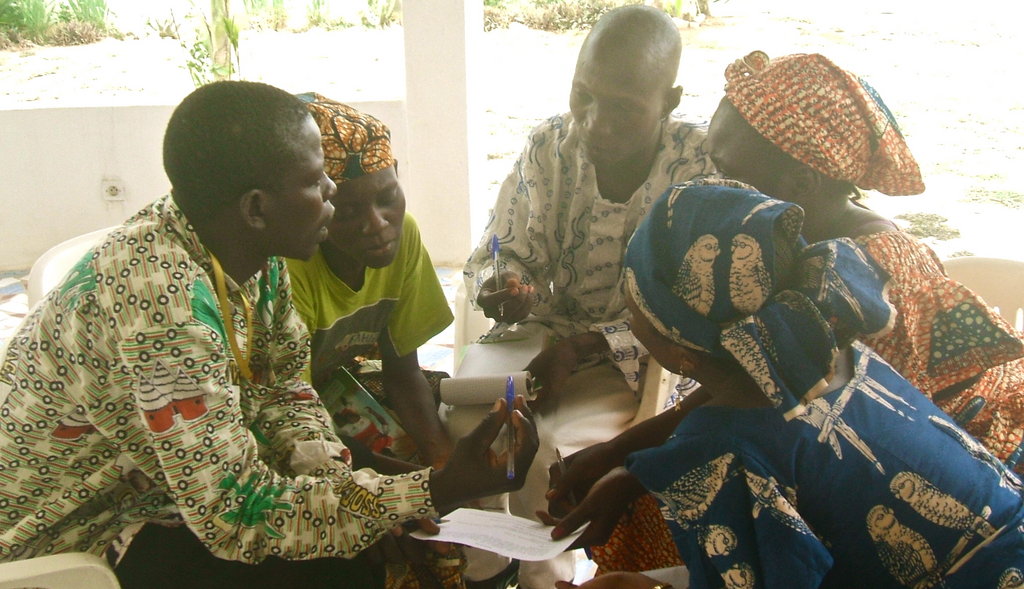
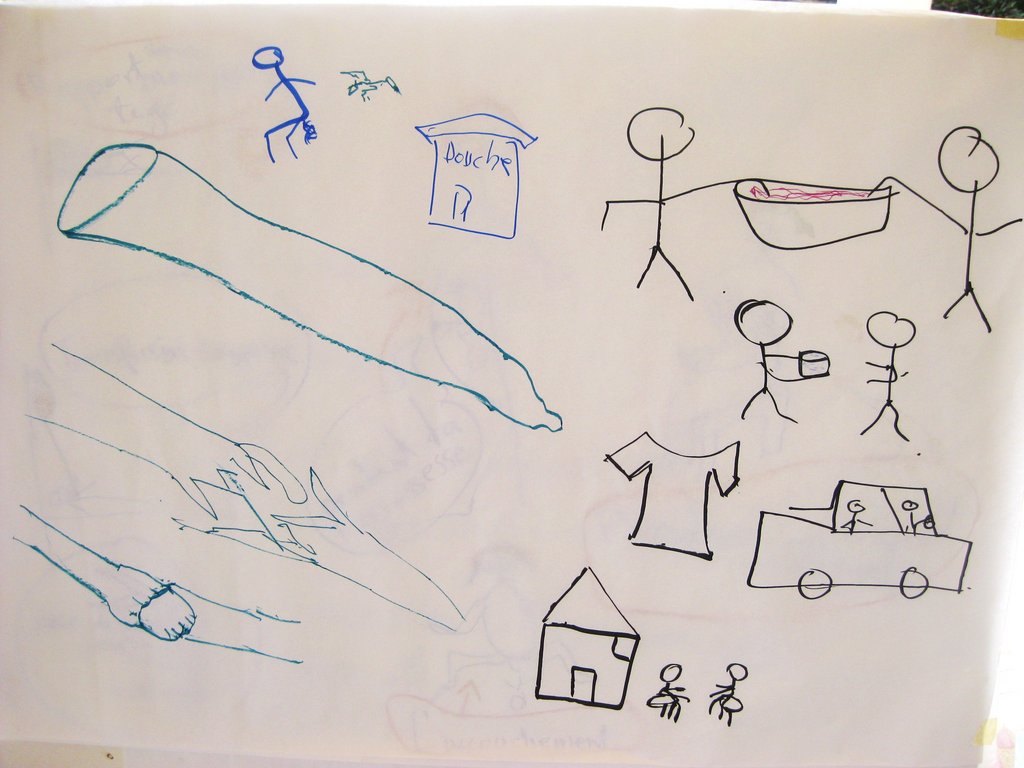
![Campaign "Lutte Contra la Stigmatisation"]()
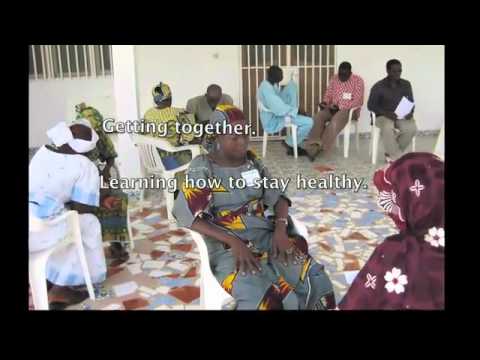
Campaign "Lutte Contra la Stigmatisation"
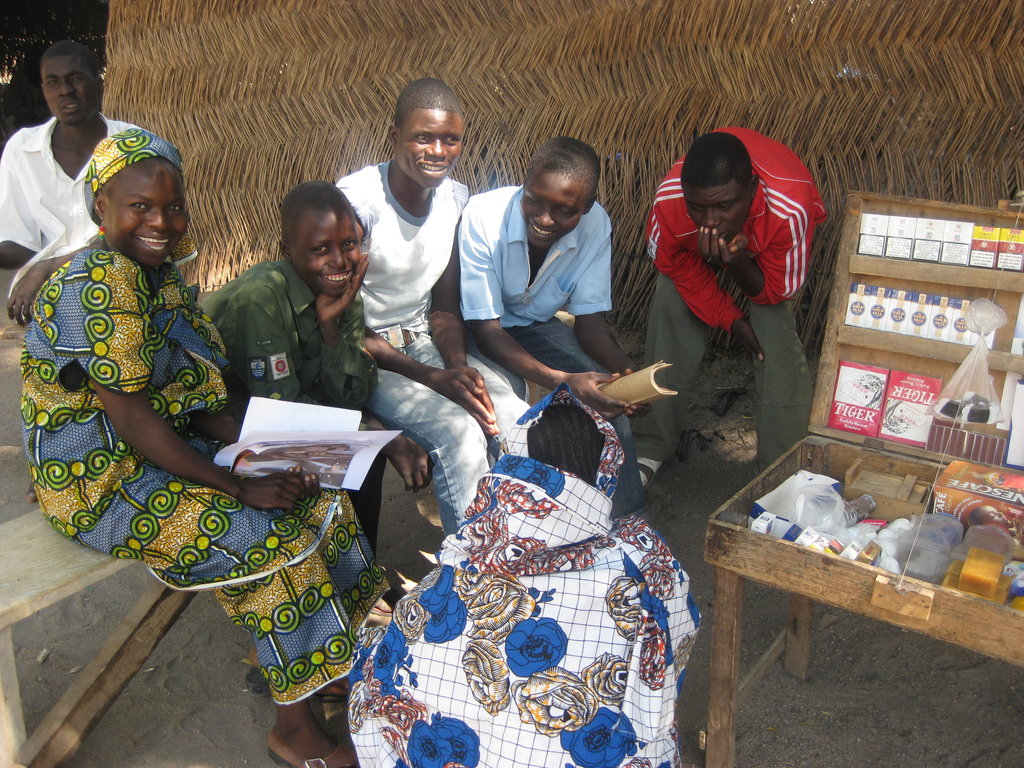
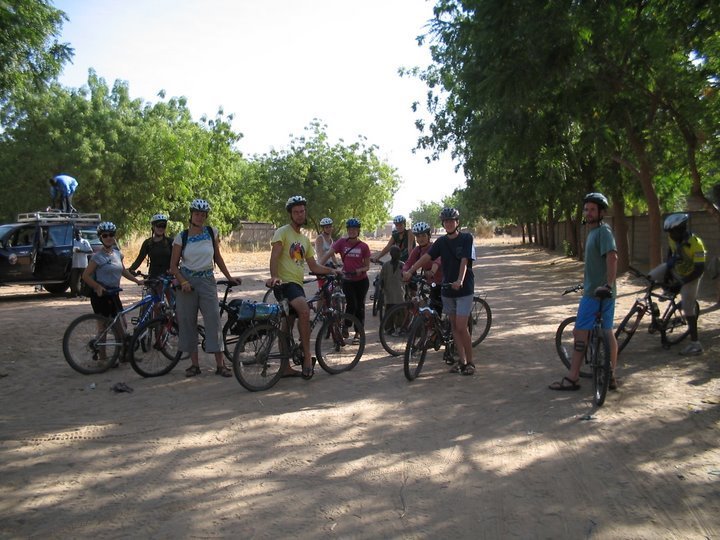
Bonus Day is today, and we want you to help keep our Peer Educators “rolling!” $99 won’t “brake” the bank but will “steer” Peer Educators out to remote villages which rarely benefit from HIV education and outreach. It takes many hours (sometimes an overnight trip) for Peer Educators to walk out and back - but with a bike they can visit several villages in just a few hours, sharing important information about HIV/AIDS prevention to hundreds of people who otherwise wouldn't benefit from the education. Empower a Peer Educator with a bike and you’re breaking the “cycle” of HIV/AIDS in Cameroon!
![Share on Twitter]()
![Share on Facebook]()
Jan 24, 2013
Rapport Annuel 2011 d'EFA - En Francais
By Kayt McKissick | Secretary, Board of Directors
Bonjour les amis,
J'ai le plaisir de vous partager le rapport annuel 2011 d'EFA International en francais. Merci a tous ceux qui ont contribué à l'excellent travail et le succès continu de l'EFA International. Nous vous remercions de votre soutien continu. Bientôt, nous allons poster quelques vidéos afin que vous puissiez voir et entendre l'impact positif de votre soutien auprès des membres du réseau Youth Empowerment eux-mêmes. Eux et nous, vous remercie de votre soutien continu.
Bonne année 2013!
Hello friends,
I am pleased to share with you the 2011 Annual Report of EFA International in French. Thank you to all those who contributed to the excellent work and continued success of EFA International. Soon we will post some videos so you can see and hear the impact of your support from members of the Youth Empowerment Network themselves. They, and we, thank you for your continued support.
Happy New Year 2013!
Attachments:
![Share on Twitter]()
![Share on Facebook]()
Oct 17, 2012
What Your Funds Have Helped Us Accomplish + 2011 Annual Report is now available online!
By Dana Allen-Greil, Rachel Deussom, Kayt McKissick | Board of Directors
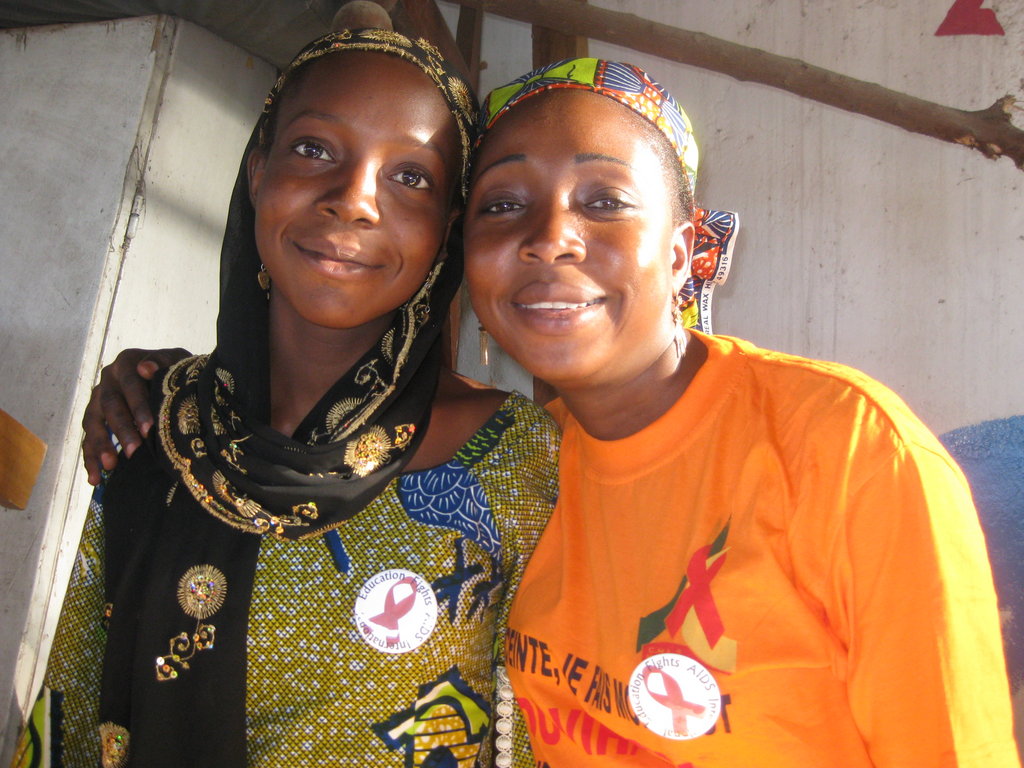
For over half a decade, EFA International has responded to its mission of promoting the successful future of young men and women who are touched by HIV. We are grateful to donors like you for the financial support that has enabled recent successes in our three core program areas:

- 9 HIV-positive associations throughout the Far North of Cameroon received professional skills support.
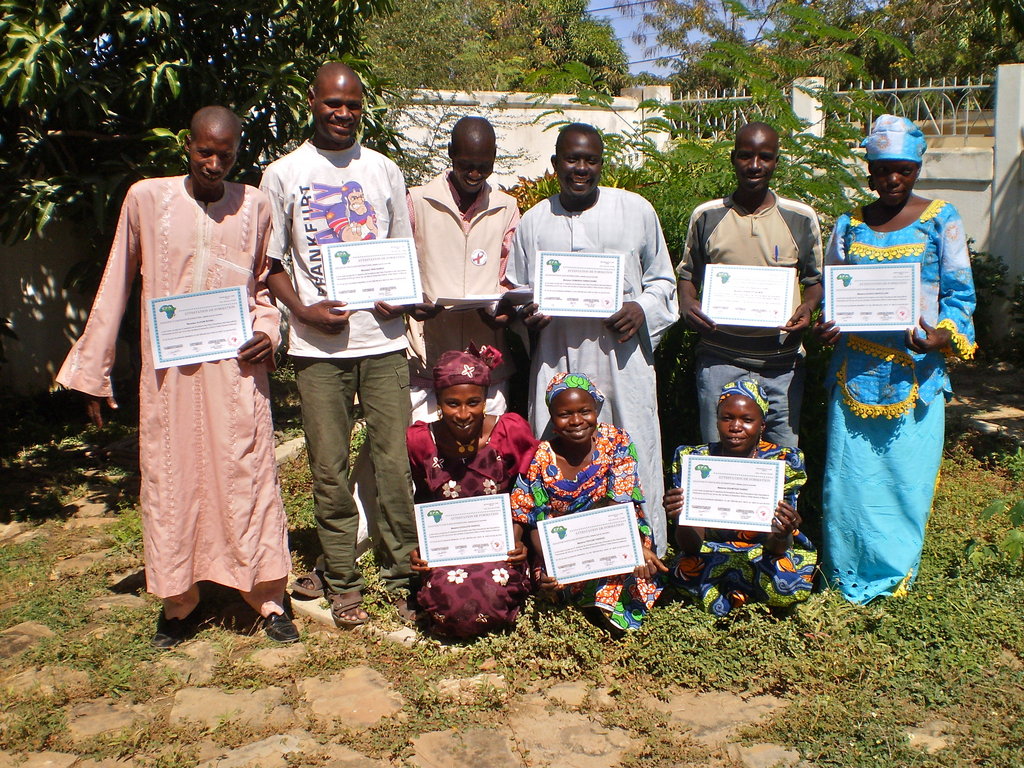
- 38 new peer educators were trained in HIV prevention education and community mobilization.
- 8,000 community members were reached by 50 peer educators trained in sexual and gender-based violence prevention and gender equality through a TrustAfrica grant.
- 18,600 men, women, and youth received prevention education messages during 129 outreach sessions in communities vulnerable to HIV and AIDS due to low levels of education, socioeconomic status, and gender dynamics.

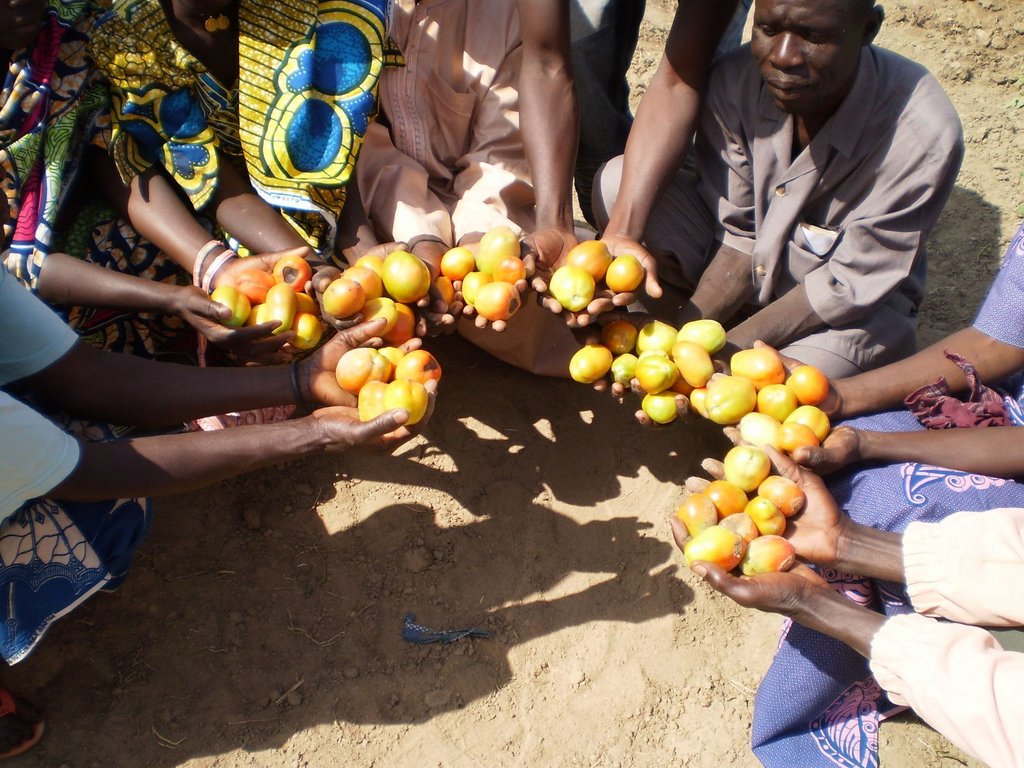
- Helped EFA-supported associations conduct profitable and productive income generating activities, with funding through the UNDP.
- Supported Circle of Love, a program for vulnerable HIV-positive women to cover costs and improve access to necessary medical diagnostics related to their HIV status.
- Worked closely with the regional directorate of the Ministry of Health, where EFA-supported associations are building partnerships with local health centers to ensure the quality and continuum of care provided to people living with HIV/AIDS.

- Our technical assistants supported new associations to better manage their activities and guided their integration into the Youth Empowerment Network.
- Our Coordination Committee continued to serve as an important advocacy and exchange forum for young people living with HIV in the region.
- Our Youth Empowerment Network expanded across Northern Cameroon with 4 new groups established or in training in 2011.


Download the 2011 Annual Report (PDF) to learn more about EFA's recent accomplishments, including:
- Building capacity and professional skills for youth associations
- Expanding HIV peer education
- Reaching out to communities
- Income generating activities
- Creating a multimedia resource center
Links:
![Share on Twitter]()
![Share on Facebook]()