By Cara Myers | Director of Development and Innovation
BIG ANNOUNCEMENT!
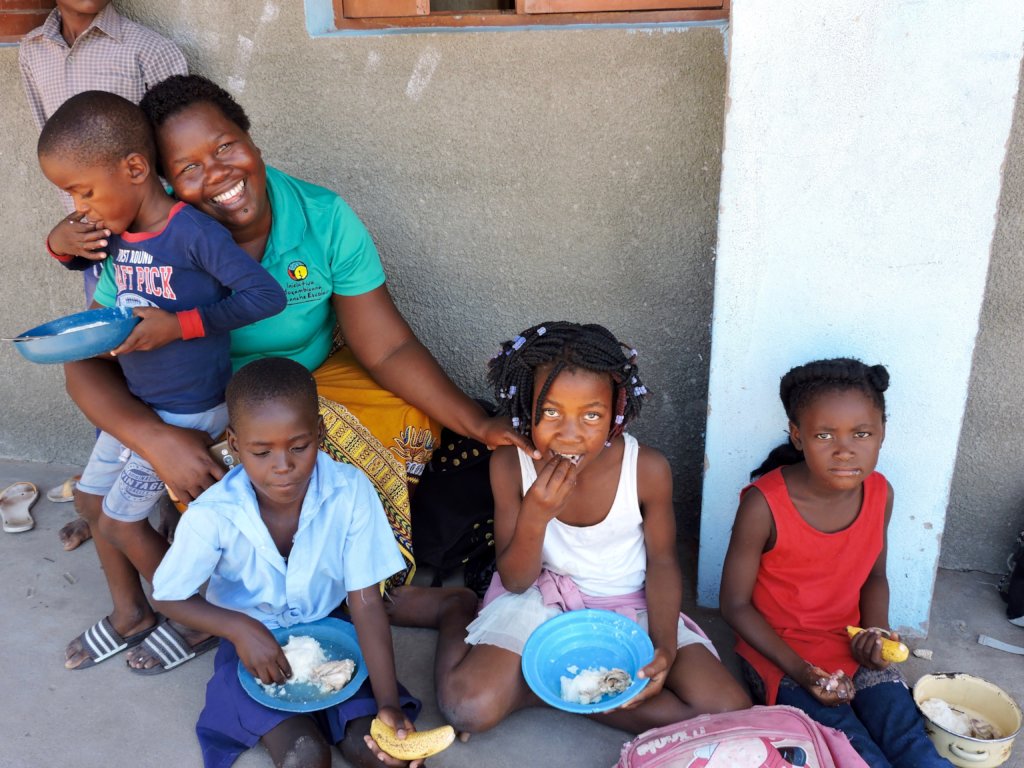
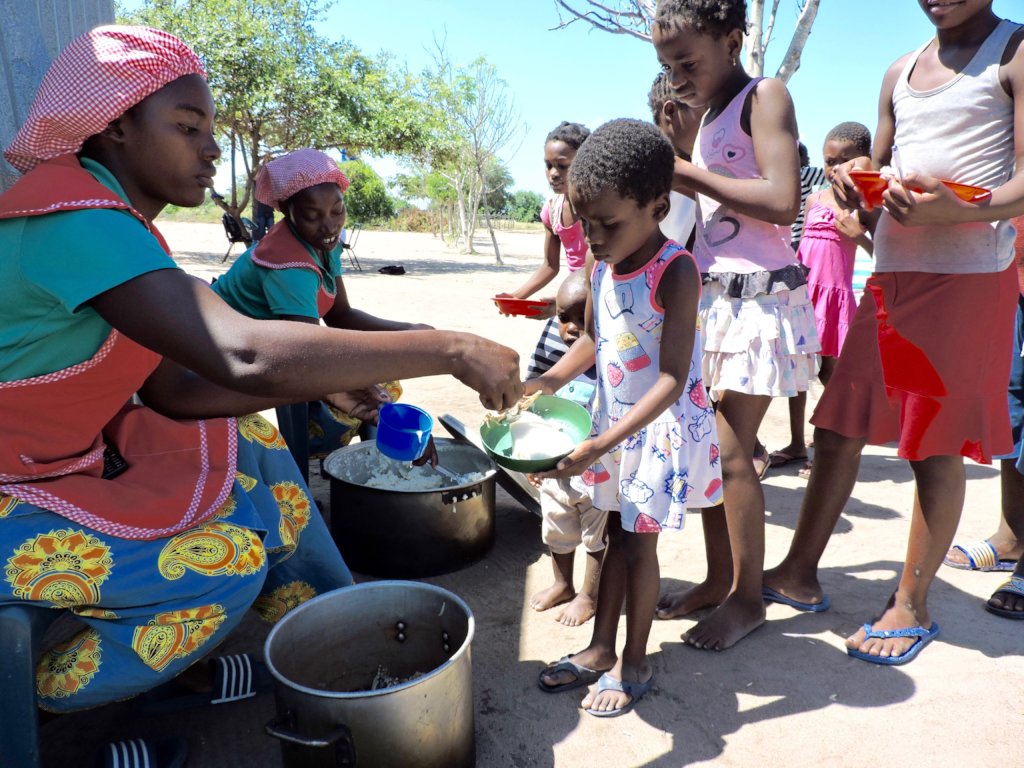
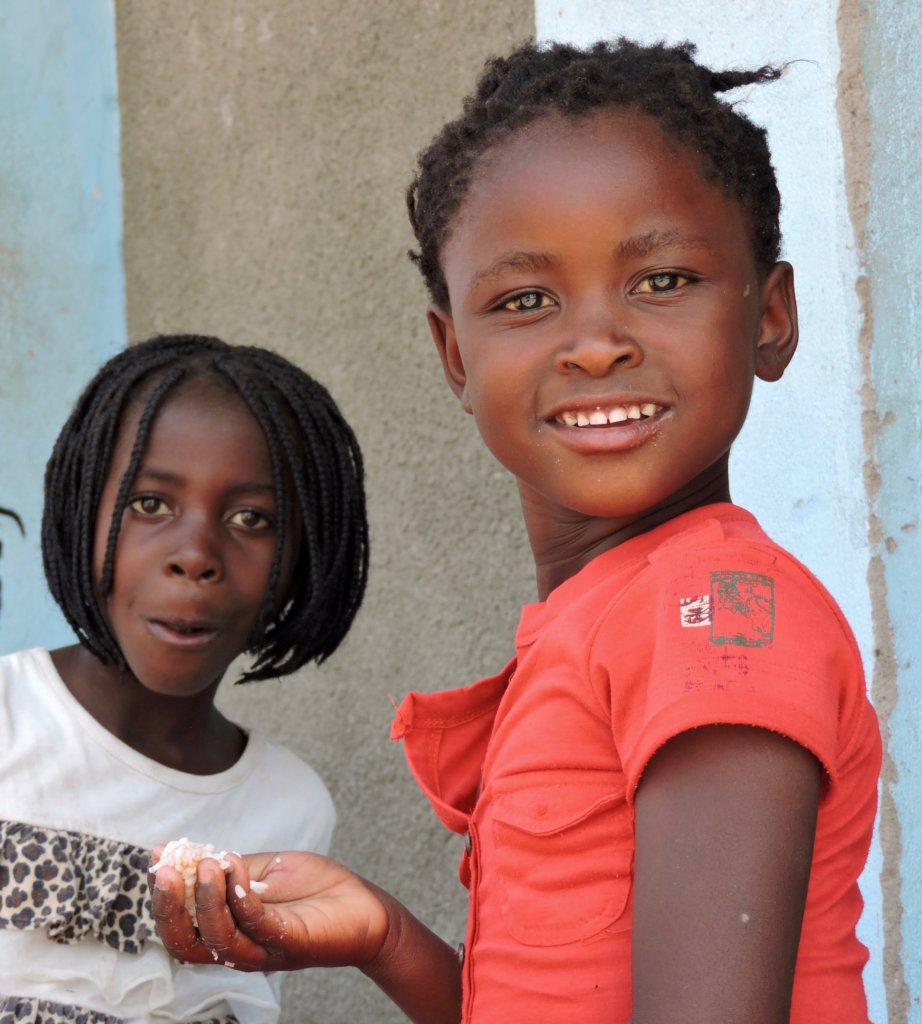
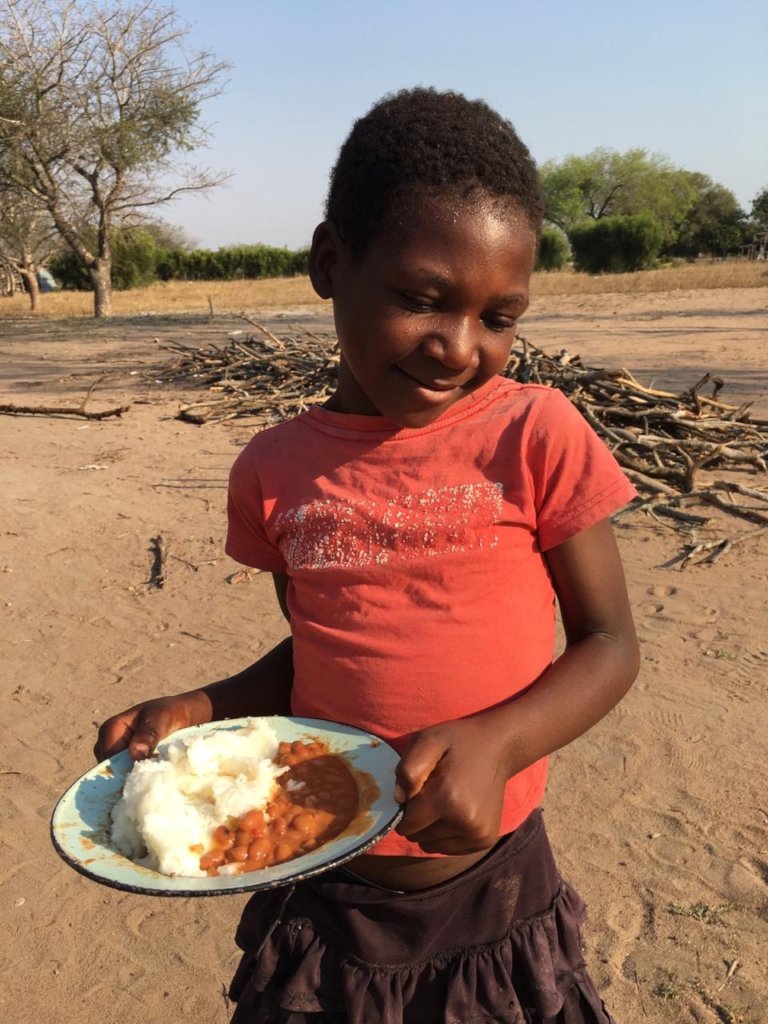
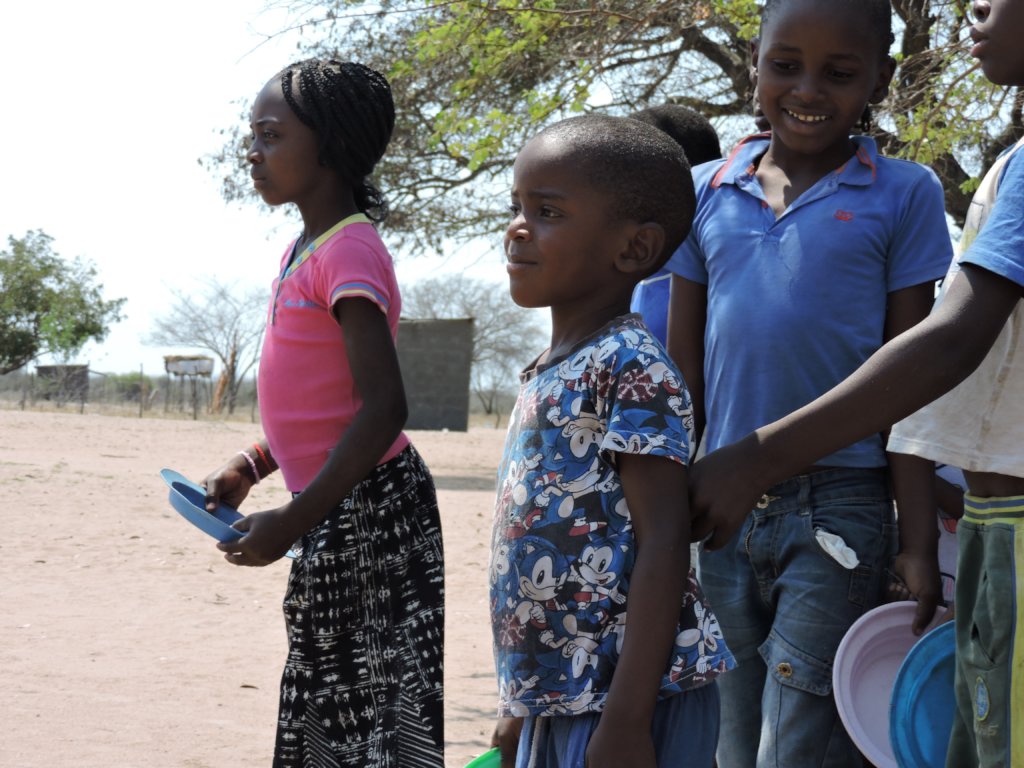
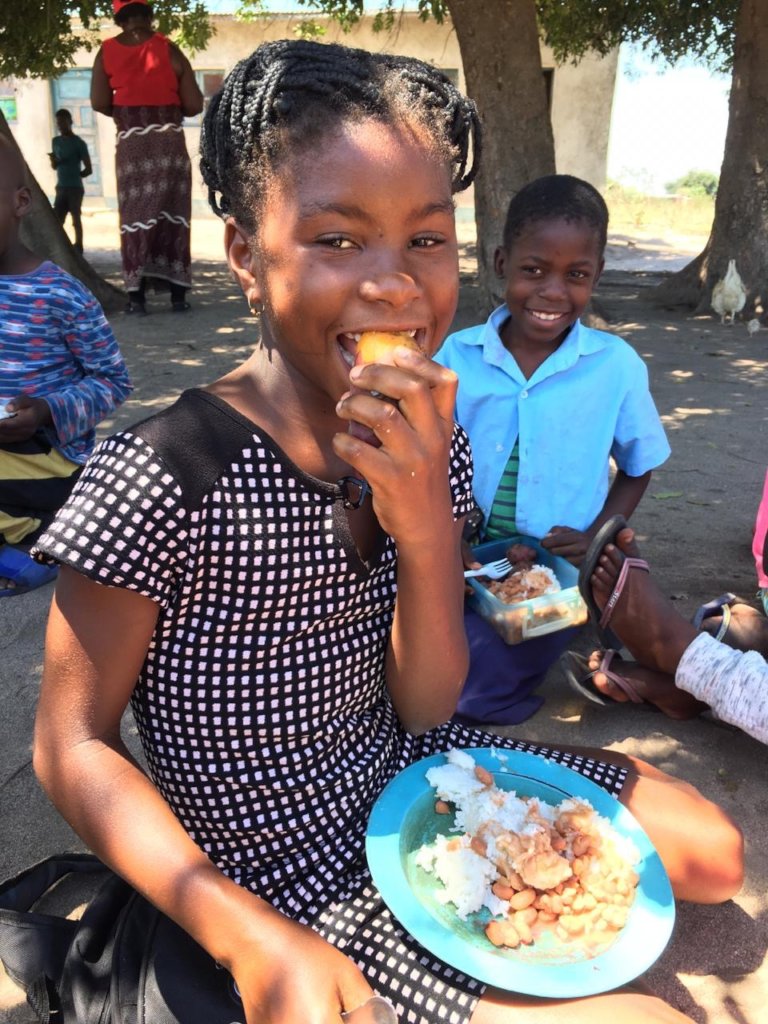
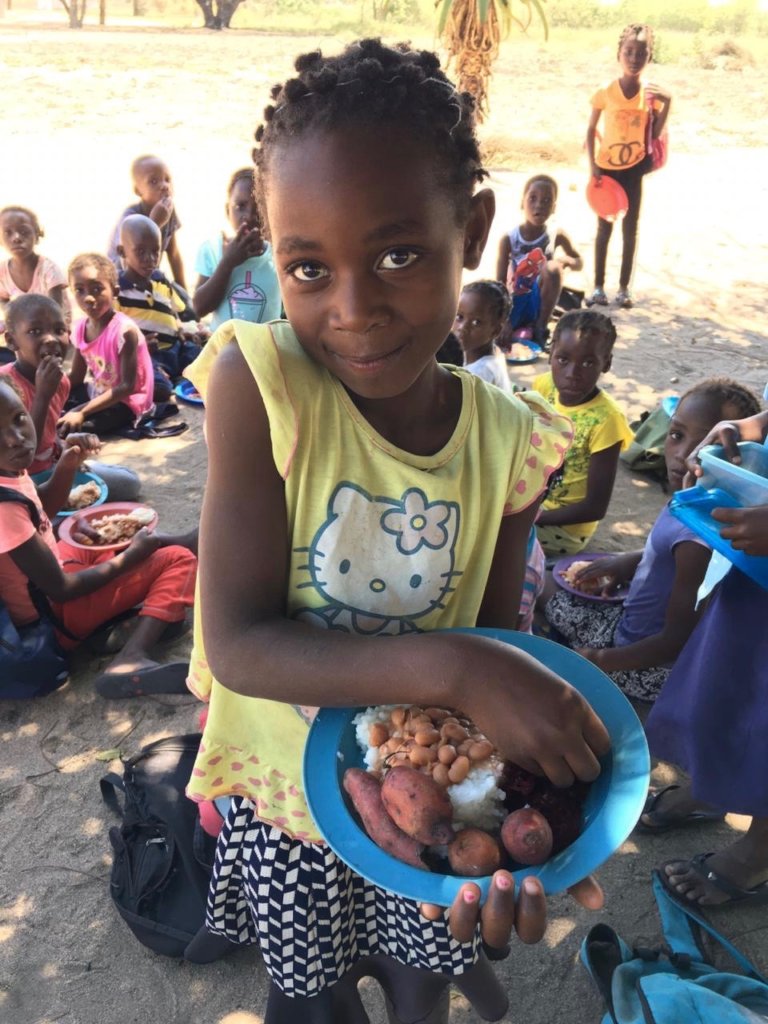
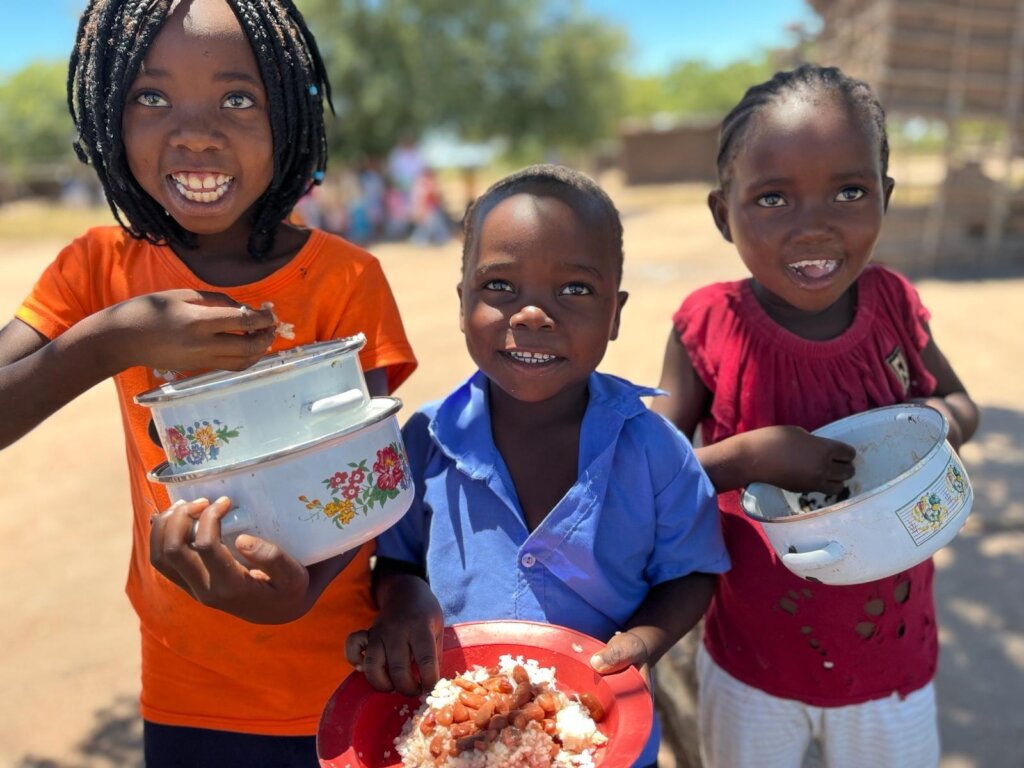
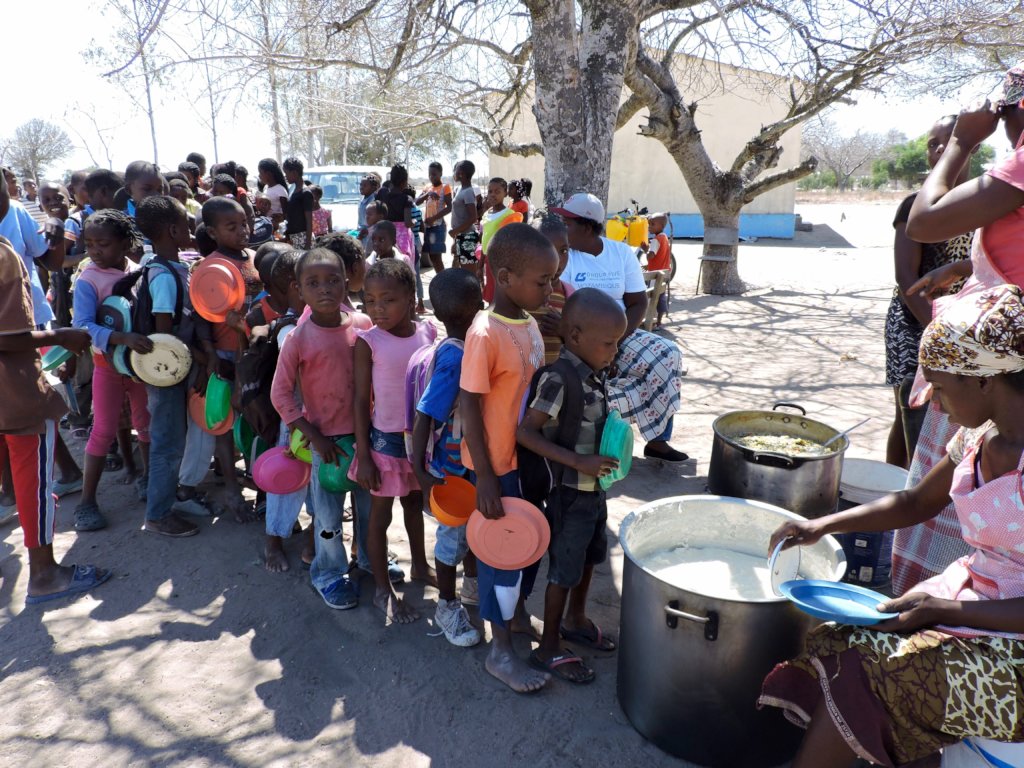
MSLI has officially launched a new partnership to expand our school lunch program to over 5,500 MORE kids in Mabalane District!
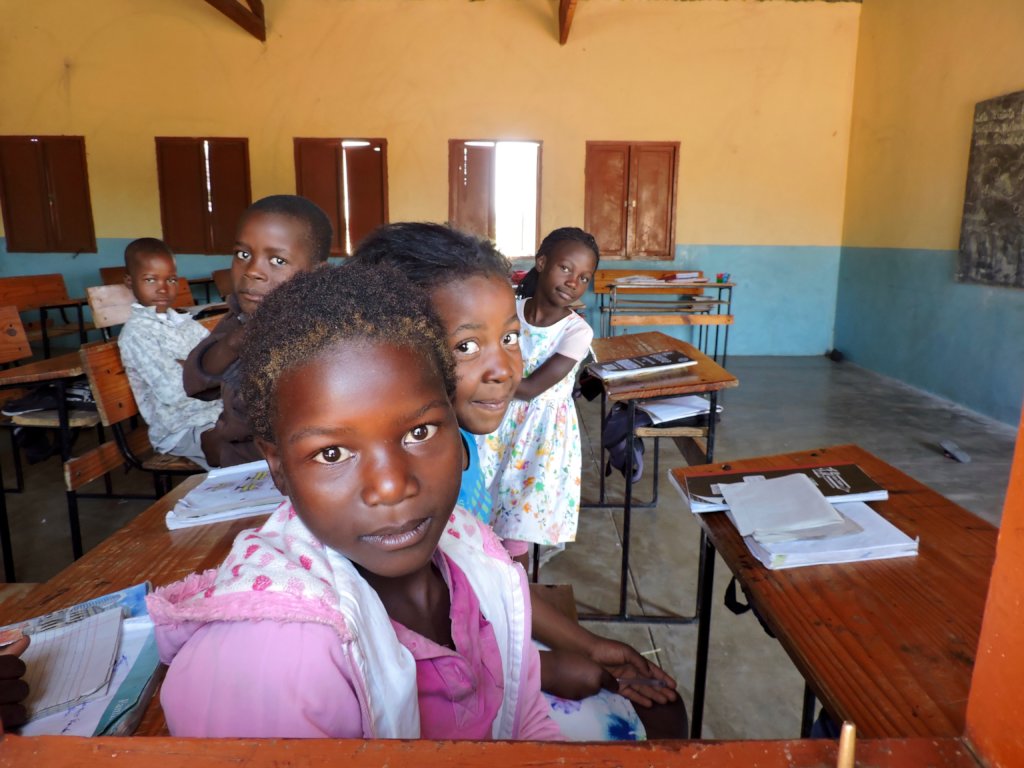
Thanks to the generous support and partnership of Mary's Meals, a non-profit organization that supports school feeding programs in 17 countries around the world, over the last two months MSLI has rapidly expanded the reach of our school lunch program -- providing school lunches across 38 rural schools in Mabalane District.
This expansion of MSLI's school lunch program just so happens to coincide with our 8-year anniversary of serving school meals in Mozambique! Over these past 8 years, we have consistently provided school lunches to vulnerable kids. Every time that we have grown to include a new school, we have never gone back! Not only has this been great for the kids, it has also helped MSLI build our capacity as an organization - developing our human resources, testing new things, iterating, and learning. The consistent support of small donors has been essential to get us to where we are now so that we have the ability to partner with a big organization like Mary's Meals to start rapidly scaling the school lunch program.
What is Mabalane District like?
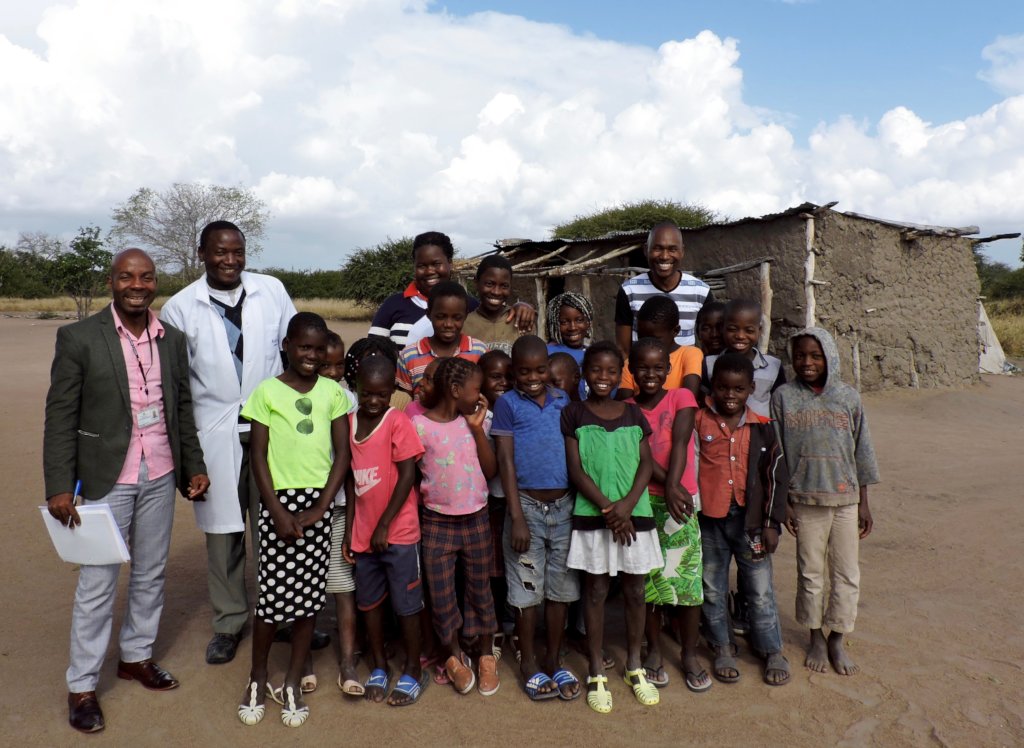
Under our school lunch program expansion, MSLI will now be working in Mabalane District as well as Chokwe District (our headquarters). Mabalane District neighbors Chokwe, but is more rural and less developed. There is a single paved road in the entire district, and it takes approximately 1.5 hours to drive from Chokwe town to Mabalane town (the center of the district) along this paved road. Mabalane District is characterized by an arid climate, and the majority of families are pastoralists (herding cattle and goats), as well as making charcoal to sell. Villages are located in remote areas, often along a river or other body of water. Transportation is very limited, and when the MSLI team visited the villages to scope out the new area, we often didn't see another vehicle the entire day.
Education in Mabalane District
There are very low levels of economic development in Mabalane District, and the primary school is often the only government/public service in a given community. Overall, children in the rural communities achieve very low levels of education, with a steep drop off in the number of students enrolled at school after the third grade. Boys as young as 9-years old drop out to be cattle herders, either for their own family or as child labor for other families. Girls have less pressure to drop out in grades 3-6, but once they are adolescents, they are likely to marry early. In conversations with teachers, they told us that the children only really start to have a handle on the Portuguese language by the 4th grade, meaning that actual learning is quite limited. Teachers have a hard time advancing with the curriculum when students do not attend regularly. Many teachers said that attendance can be as low as 50-75% by the second trimester. MSLI hopes to change that by the introduction of the school lunch program!
Project reports on GlobalGiving are posted directly to globalgiving.org by Project Leaders as they are completed, generally every 3-4 months. To protect the integrity of these documents, GlobalGiving does not alter them; therefore you may find some language or formatting issues.
If you donate to this project or have donated to this project, you can receive an email when this project posts a report. You can also subscribe for reports without donating.



Support this important cause by creating a personalized fundraising page.
Start a Fundraiser