By Jason Graber | Resource Development Officer
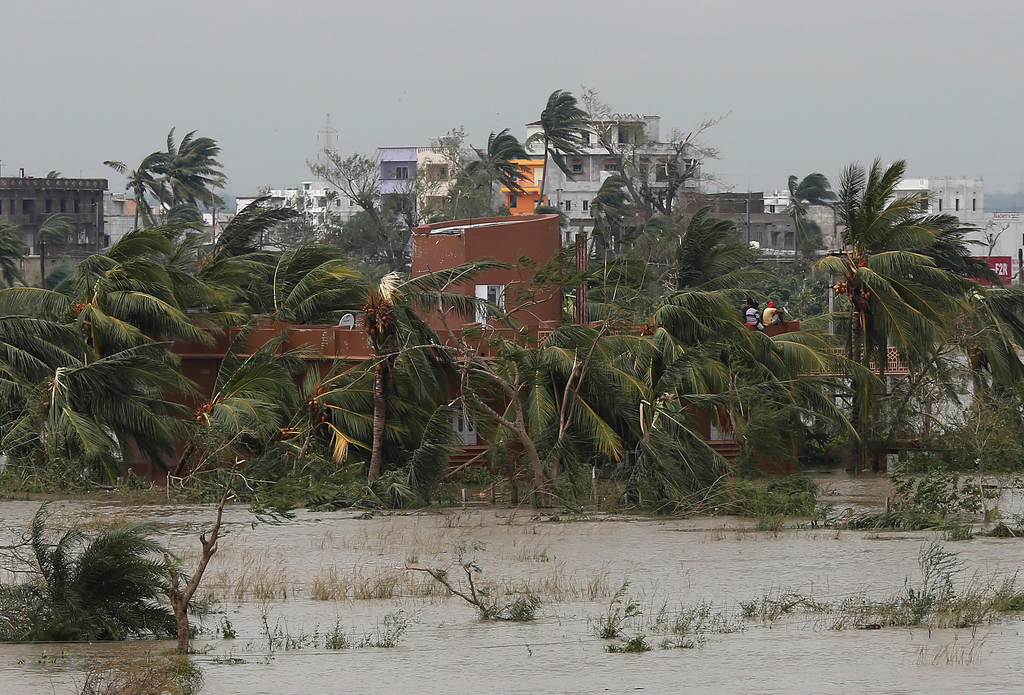
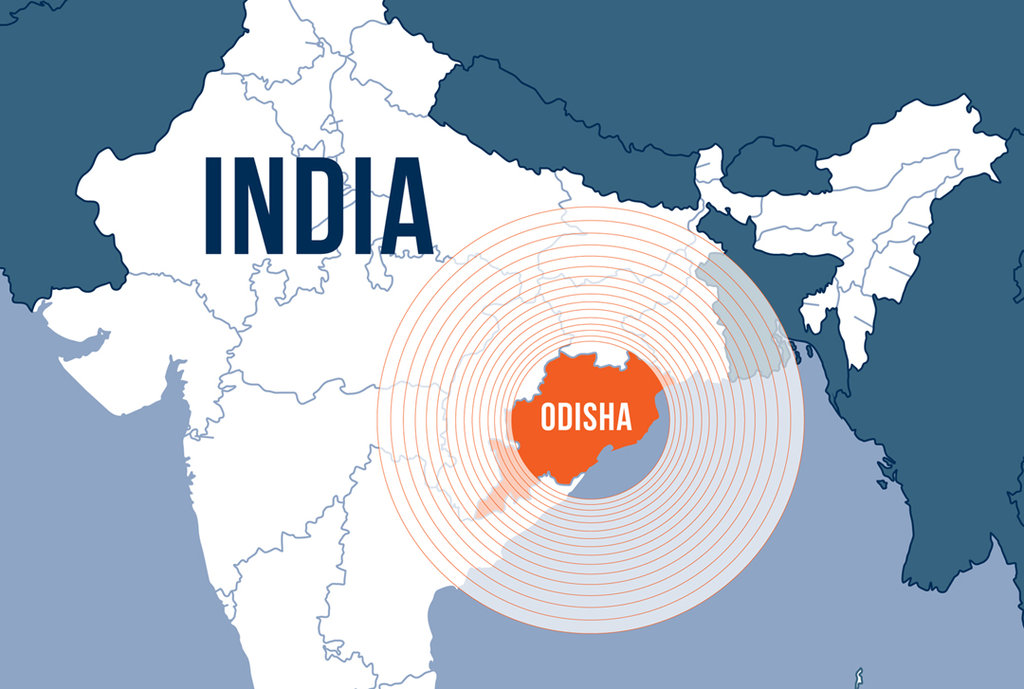
Background: International Medical Corps’ Emergency Response Team arrived in India within 24 hours following the landfall of Cyclone Phailin, a catastrophic storm roughly the size of Hurricane Katrina, which struck India’s eastern coast on October 12, 2013. Cyclone Phailin's winds reached gusts of 125 miles per hour and storm surges of ten feet inundated the districts of Balasore, Mayurbhanj, Bhadrak and Jajpur in Odisha State. Before the storm, the government pre-emptively evacuated nearly one million people across the two most affected states of Odisha (873,000) and Andhra Pradesh (100,000). While authorities put the death toll from the massive storm at 30 - far fewer than feared - more than 12 million people were affected by the cyclone. In its wake, Cyclone Phailin left wide-scale crop destruction, contaminated water supplies, the threat of disease and a devastated infrastructure.
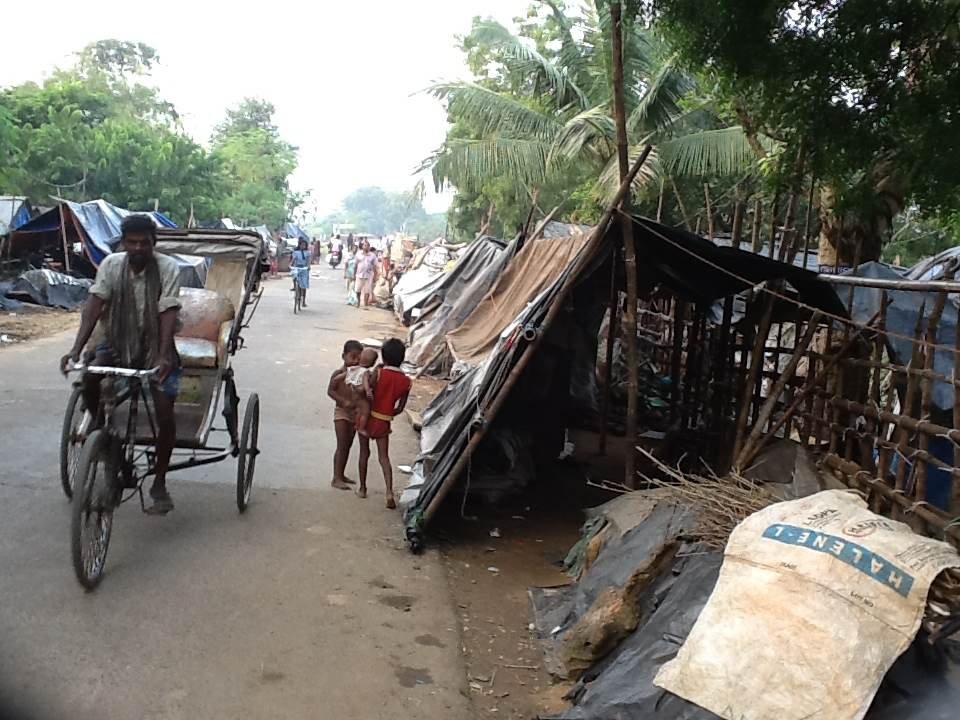
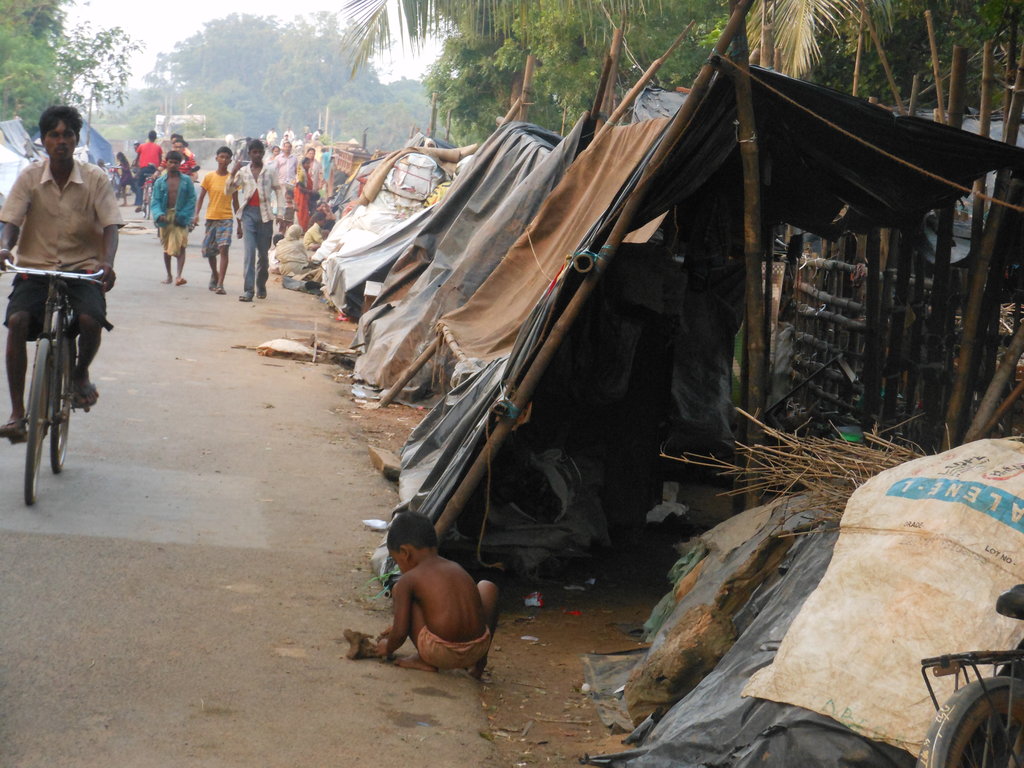
Hundreds of thousands of people returned to their homes to find them damaged or completely destroyed, while flooding caused by the storm contaminated water supplies and caused an increase in upper respiratory infections, skin diseases, and a steep increase in cases of diarrhea. These diseases were in danger of spreading quickly at overcrowded evacuation centers that often had poor sanitation conditions.
Initial Emergency Response Activities: International Medical Corps began its emergency response in Odisha where an estimated 200,000 people were stranded due to flooding in two of the hardest-hit districts: Balasore and Mayurbhanj. Many communities in Balasore were not prepared for the continuous rain that flooded 1,725 villages, affecting 348,778 people and over 260 square miles of crops. In Mayurbhanj, the destruction was similarly devastating, with floods affecting 737 villages, 342,260 people, and over 200 square miles of crops.
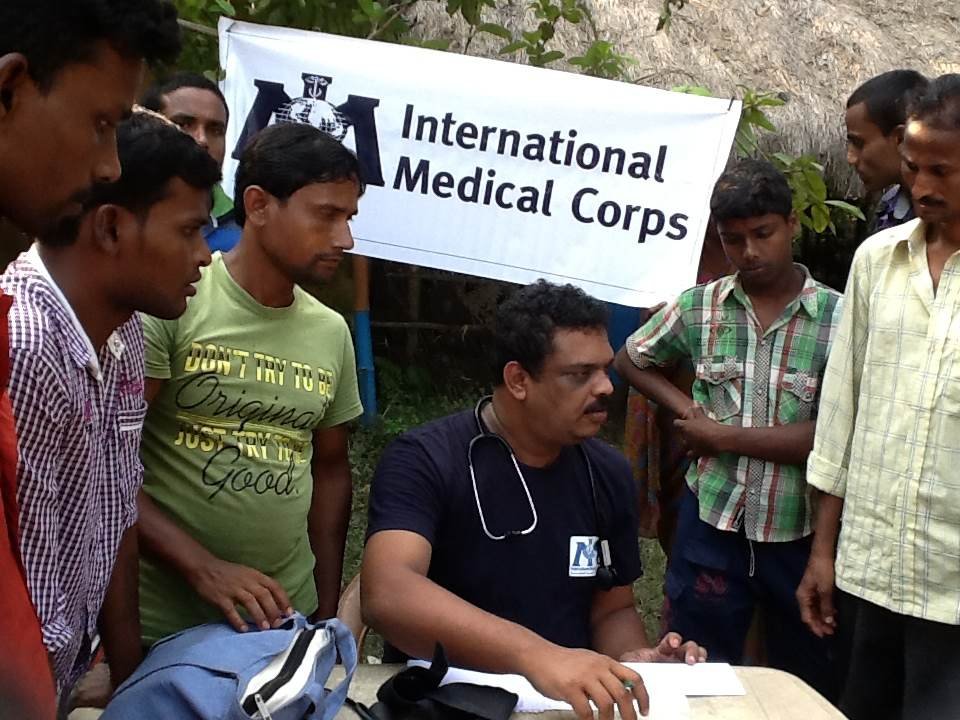
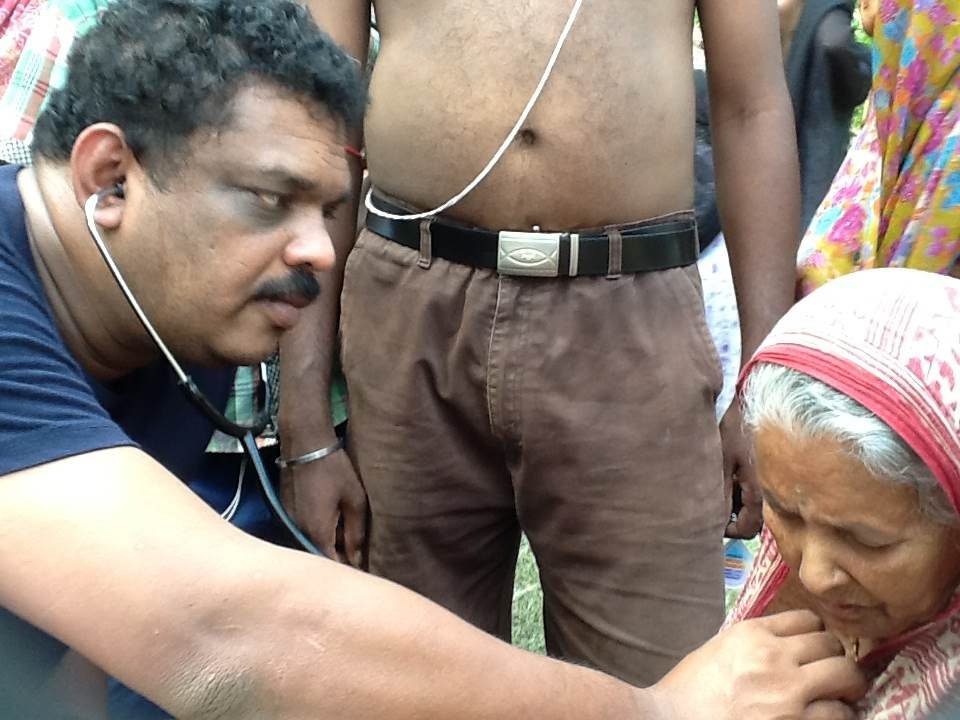
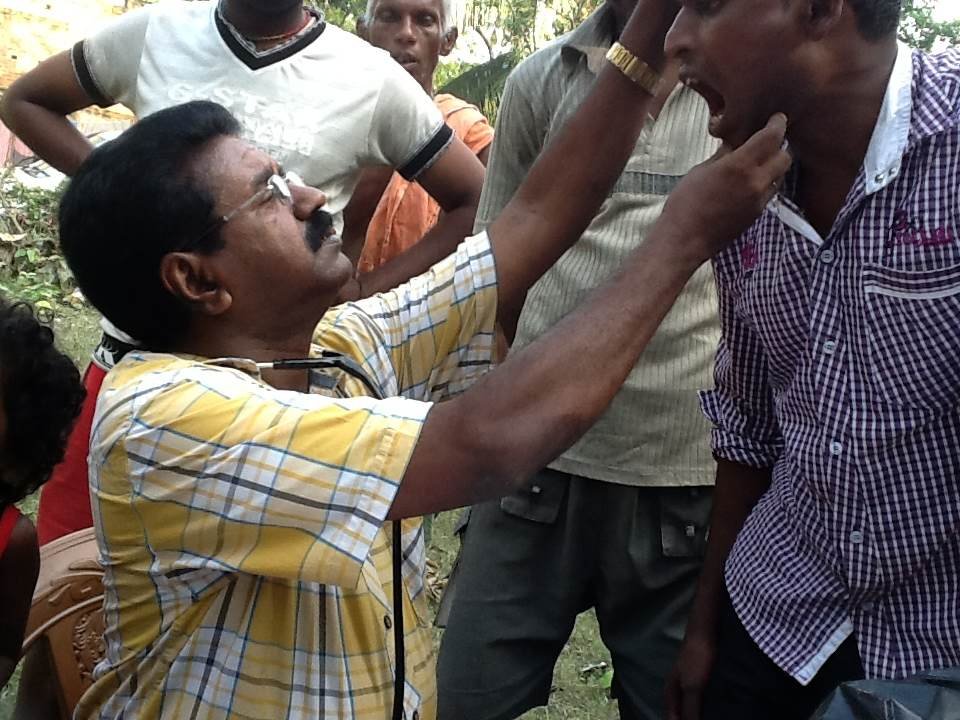
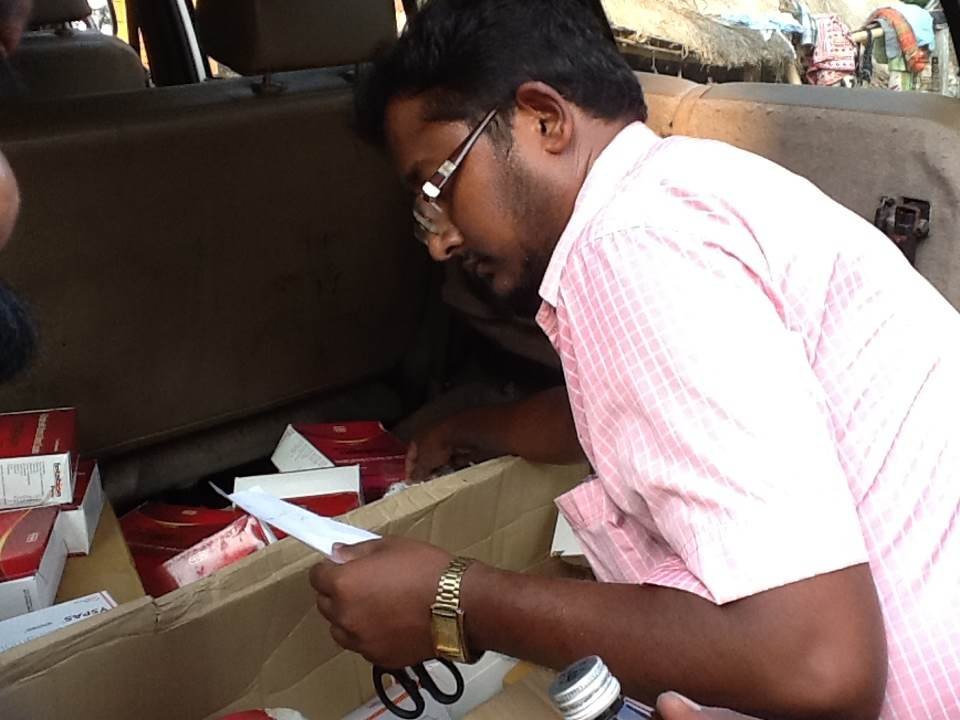
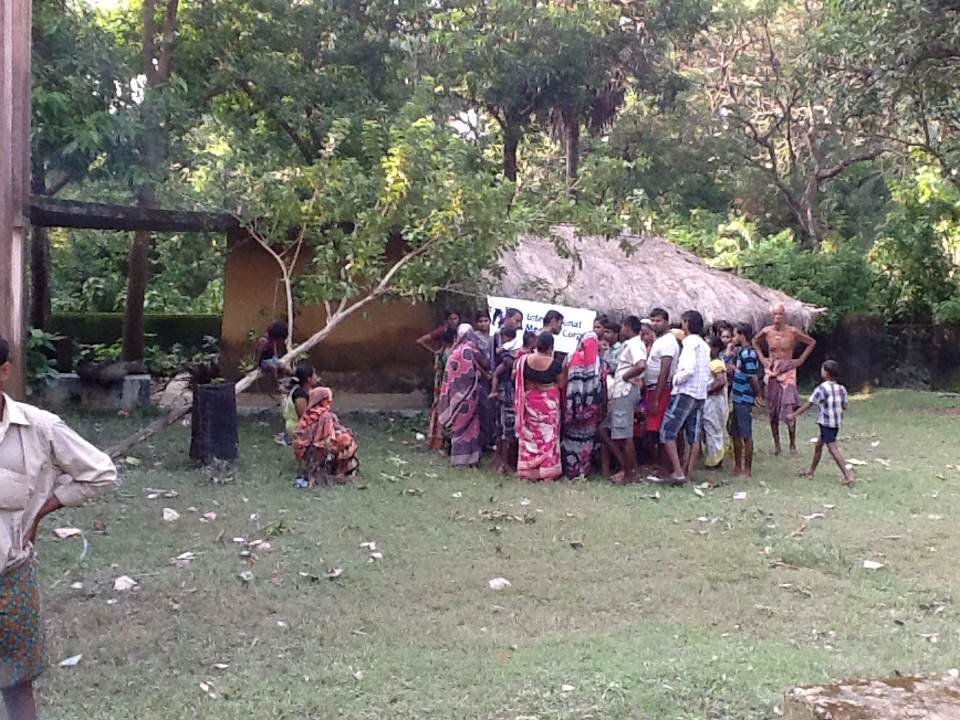
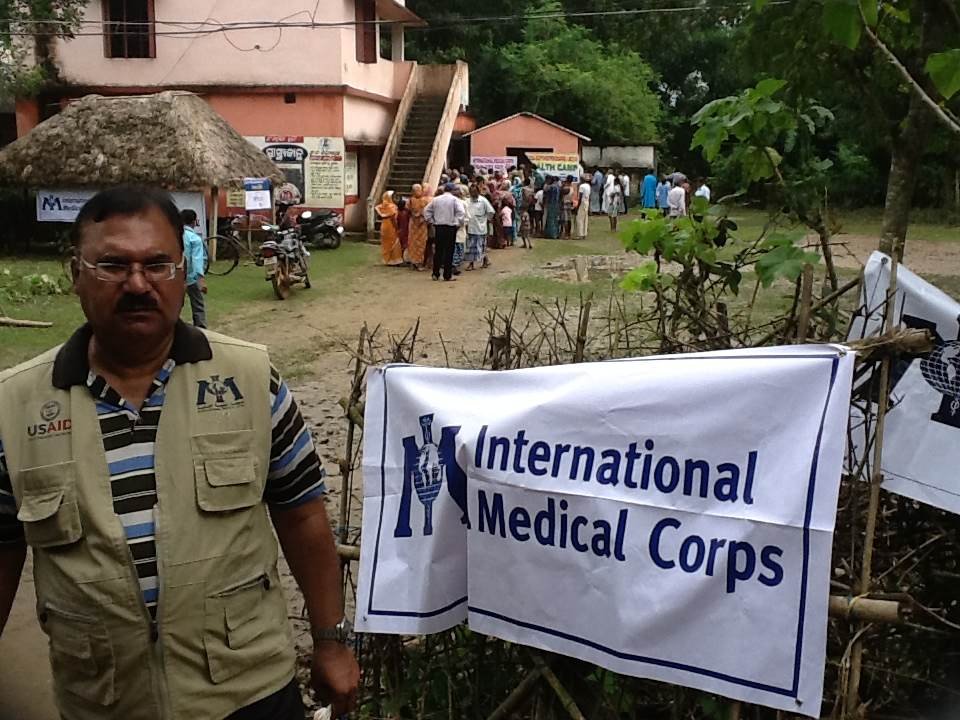
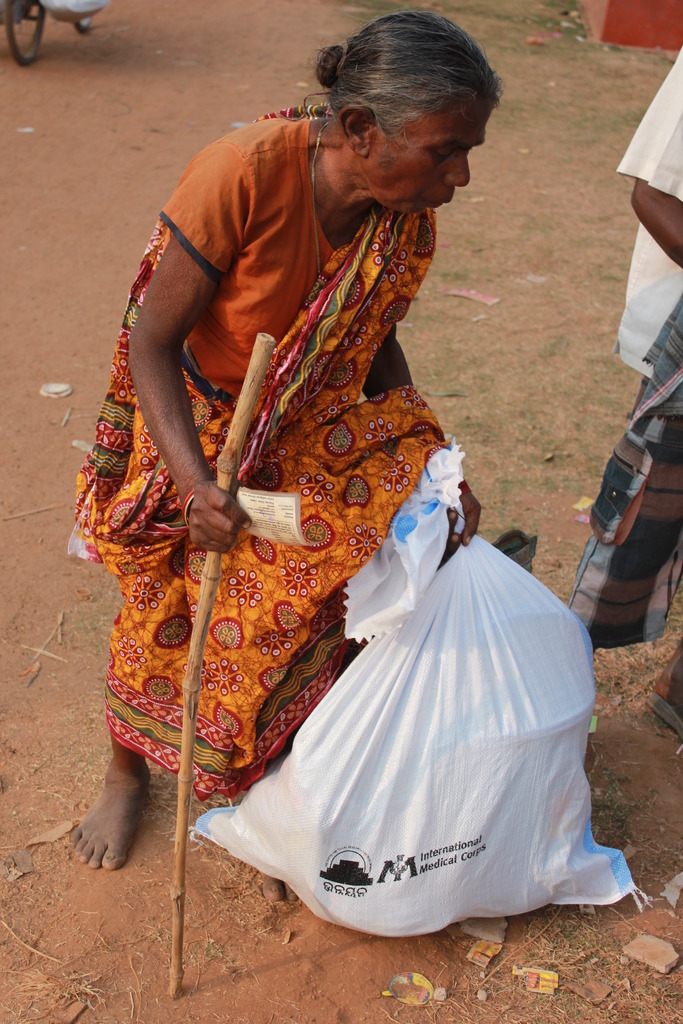
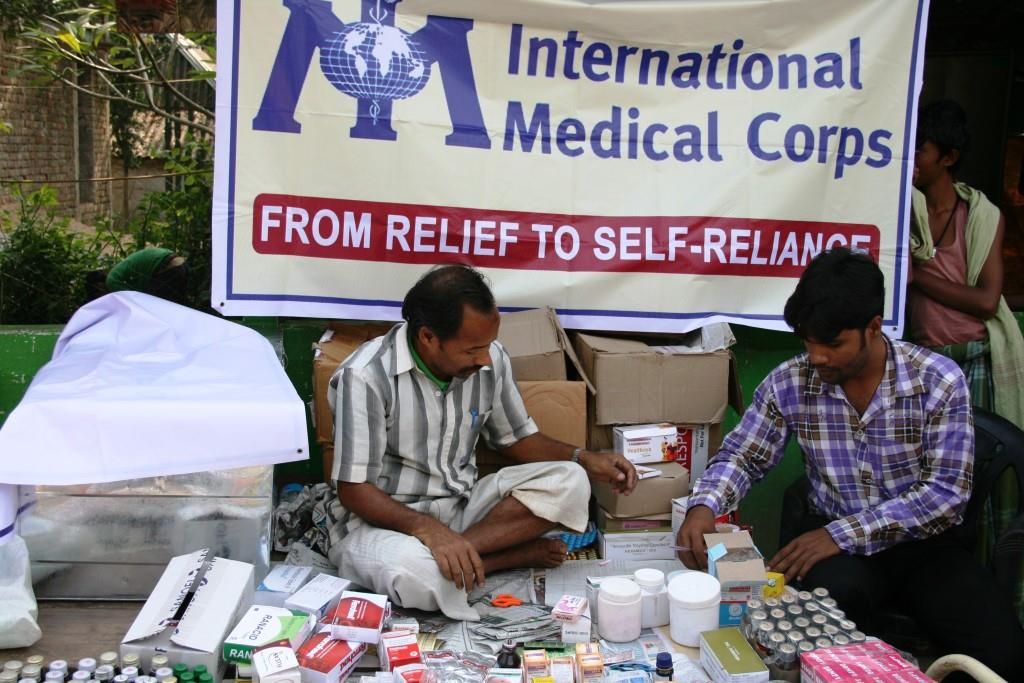
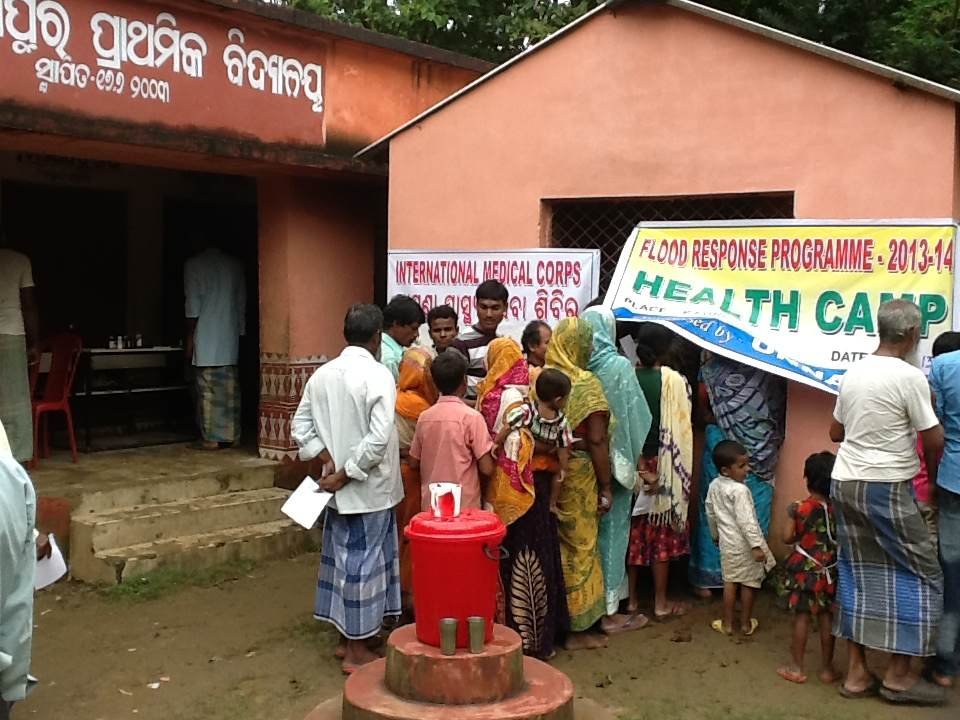
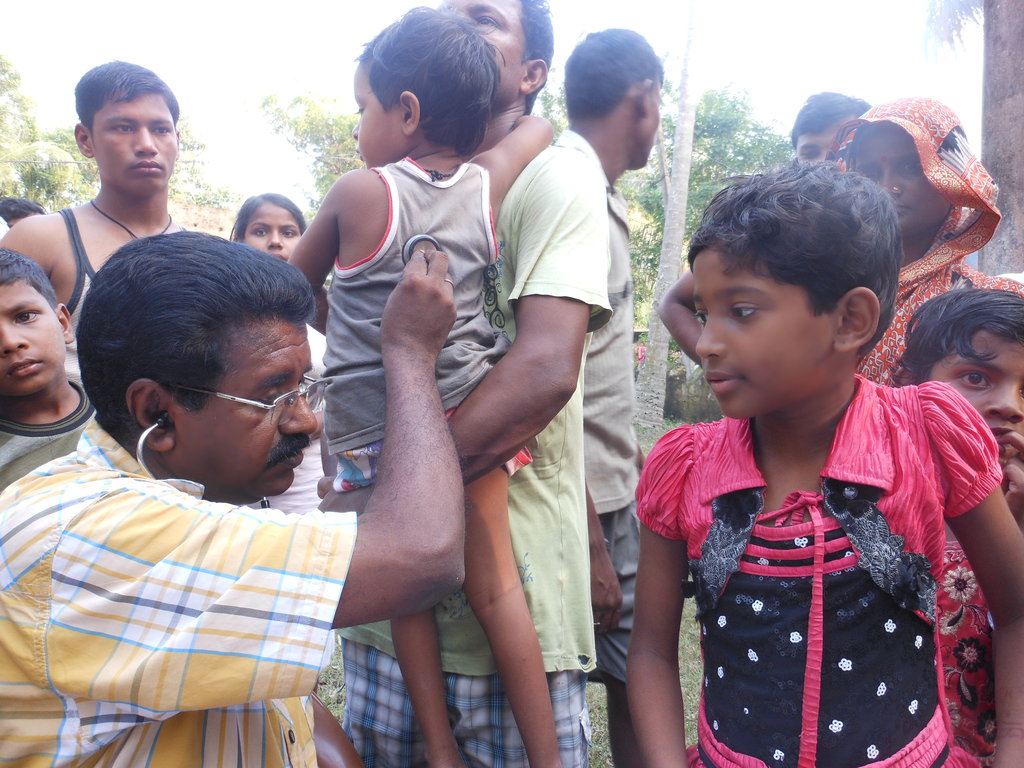
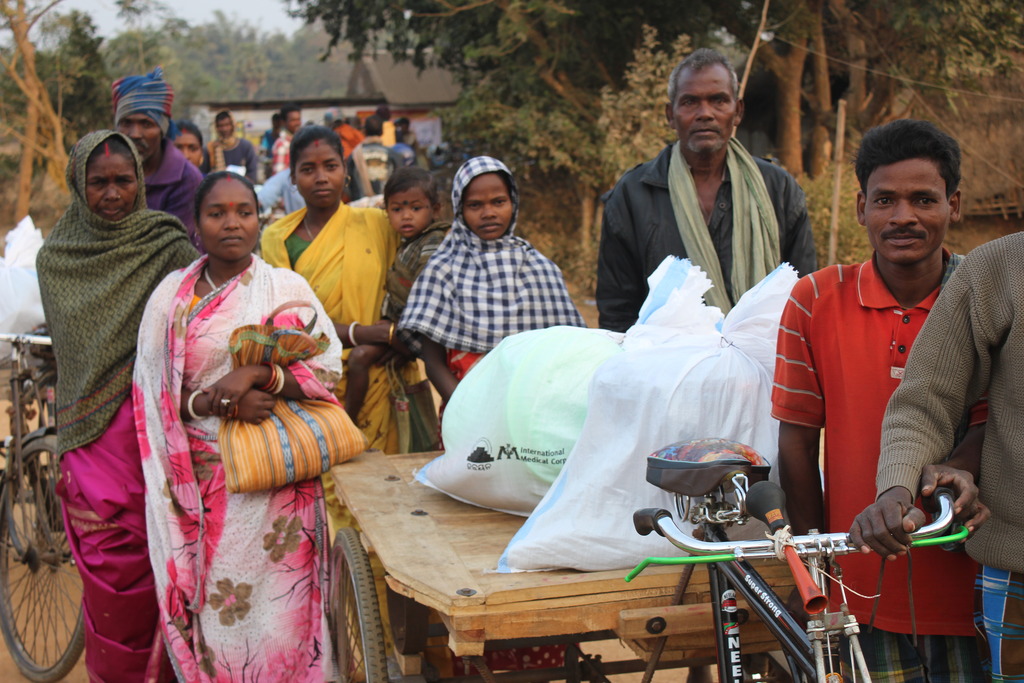
In partnership with the Chief District Medical Officers and local health authorities, International Medical Corps’ Emergency Response Team deployed mobile medical units to more than 38 villages marooned by the cyclone in Balasore and Mayurbhanj and provided more than 24,000 critically-needed primary healthcare consultations. Working through local partners, International Medical Corps also distributed 900 hygiene kits to 5,000 people that included sanitary and non-food items, such as, soap, laundry detergent, mosquito nets and water containers, to thwart the spread of communicable disease.
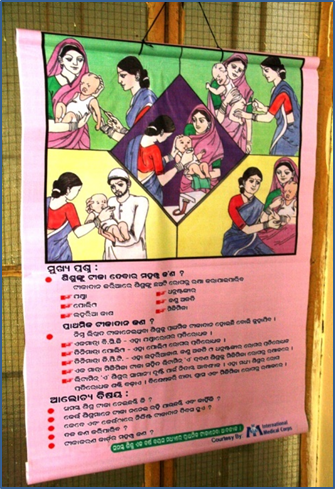
In support of the Government of Odisha’s nutrition program targeting children and pregnant and lactating women, International Medical Corps provided information, education and communication materials to the Balasore District Welfare Office as much of their awareness materials were damaged in the floods. International Medical Corps’ Emergency Response team delivered materials on the importance of breastfeeding and vaccinations for newborns, and monitoring weight and nutrition of their children, that will be provided to the government-supported nutrition centers all over Balasore district.
International Medical Corps’ Emergency Response Team continued to provide emergency healthcare to communities recovering from the disaster throughout November, and completed its last mobile medical unit operations on November 30 in order to transition to early recovery and longer-term development programs.
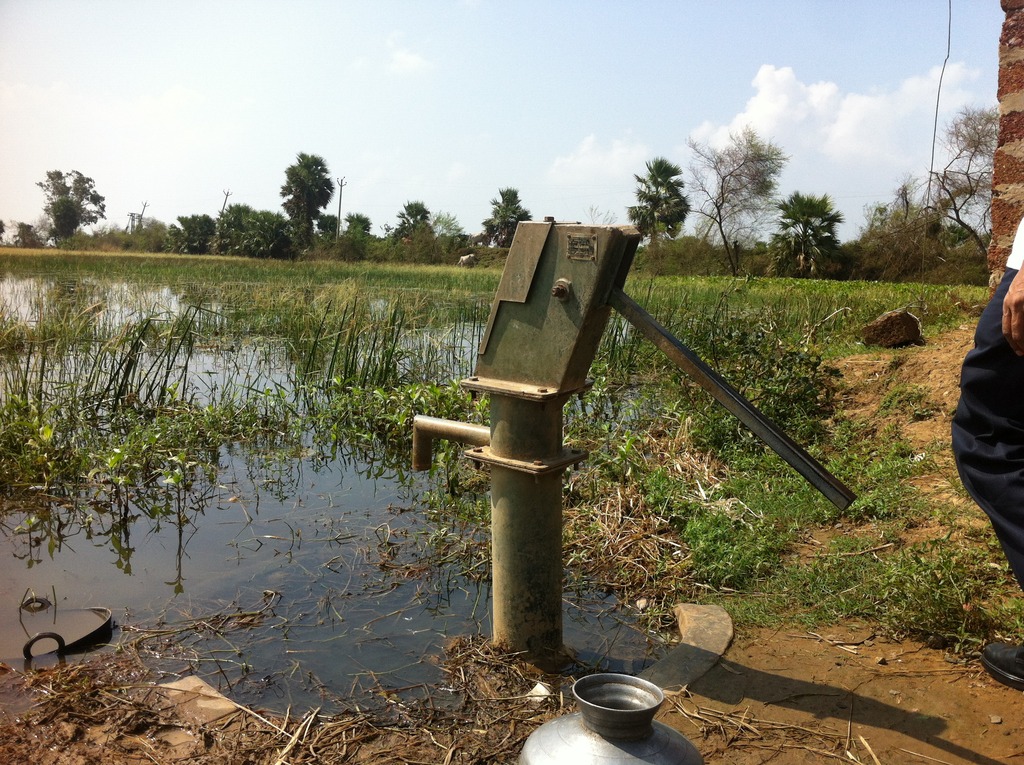
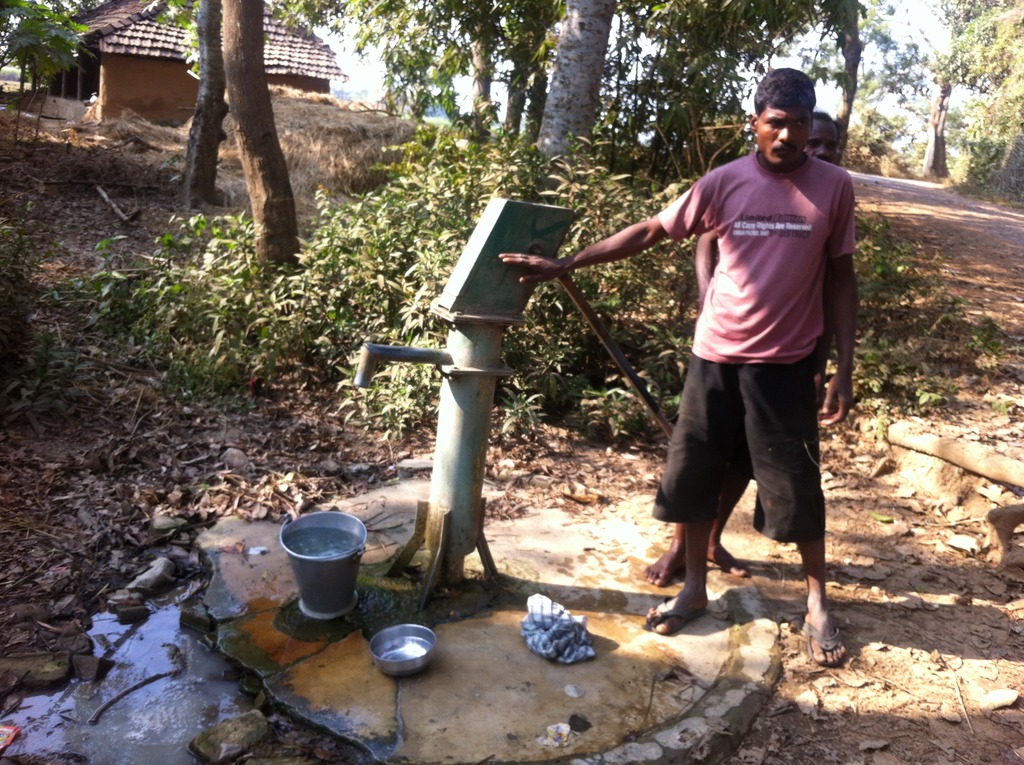
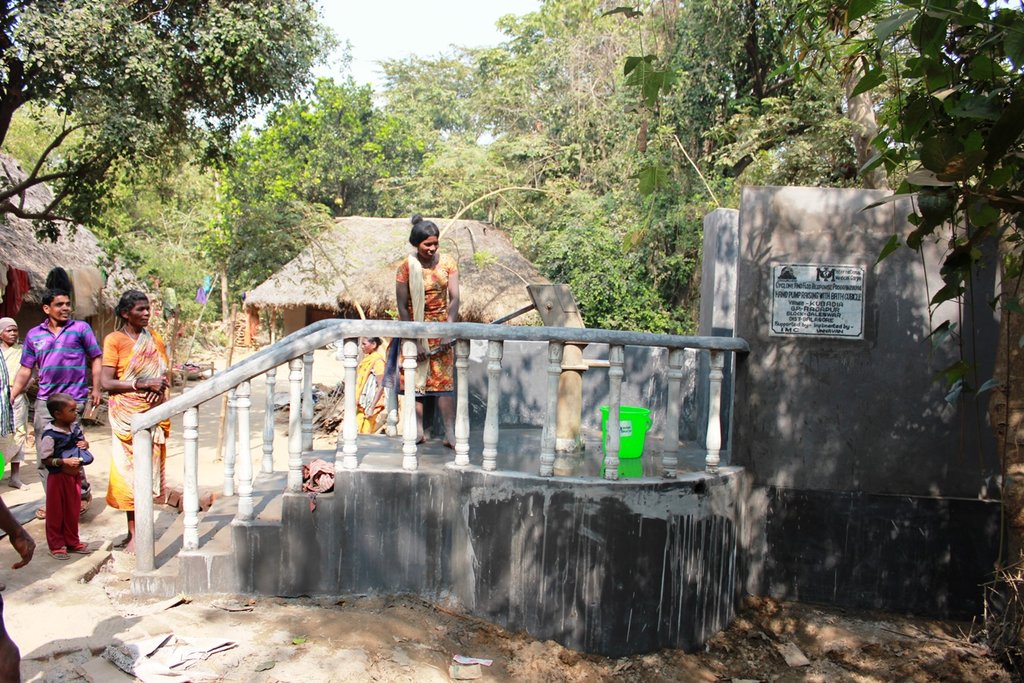
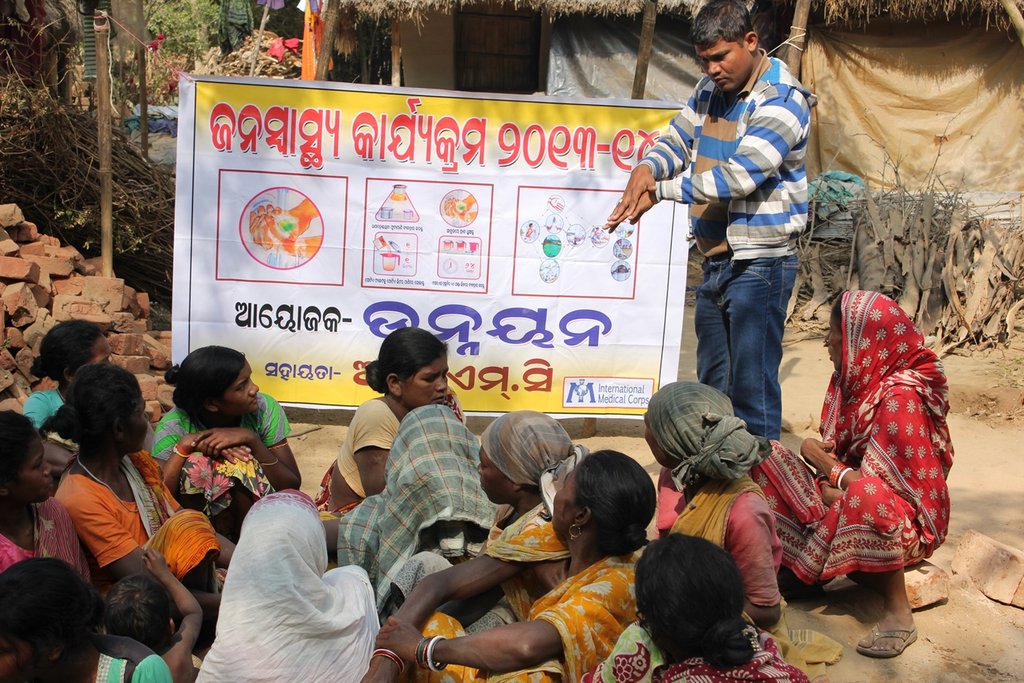
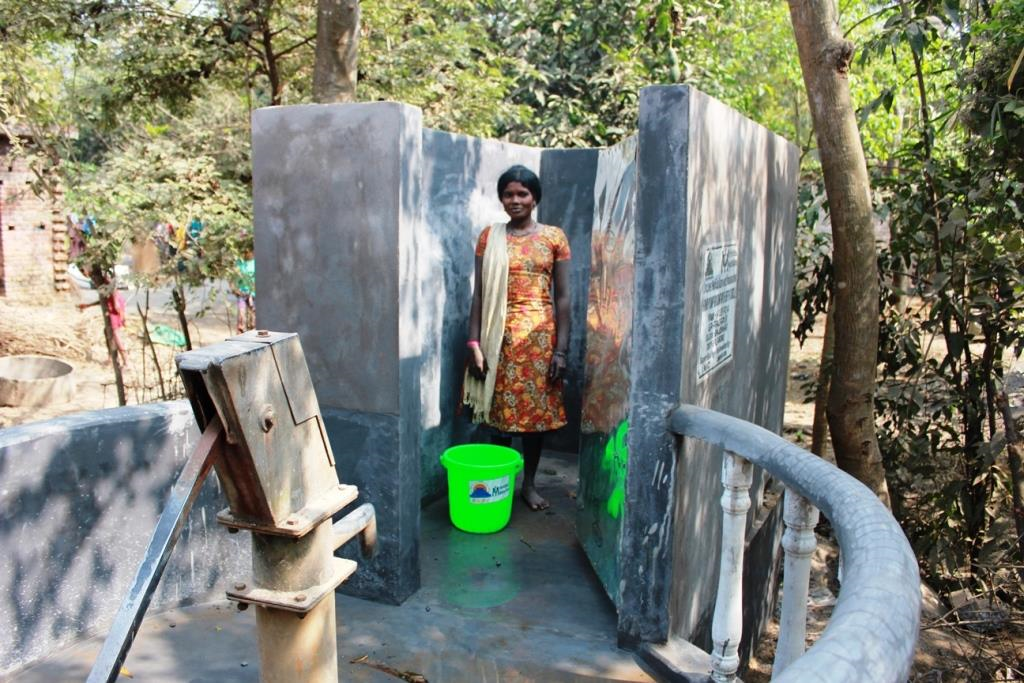
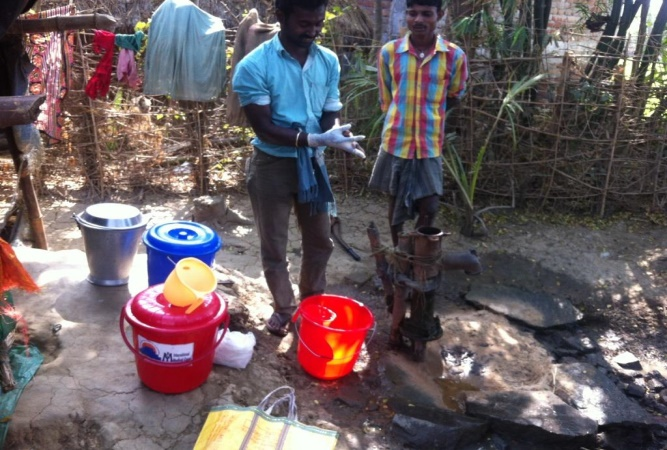
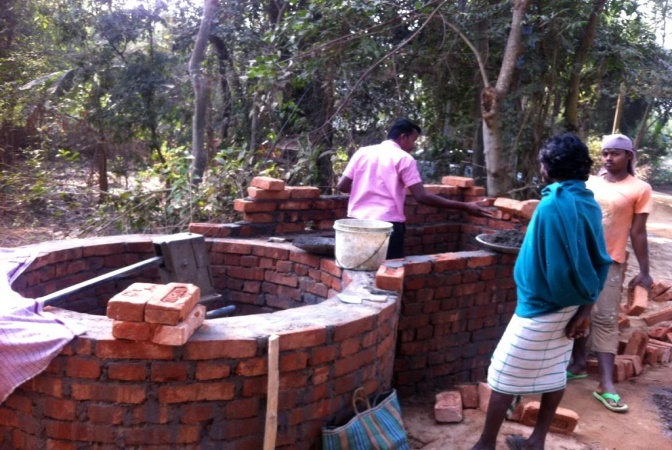
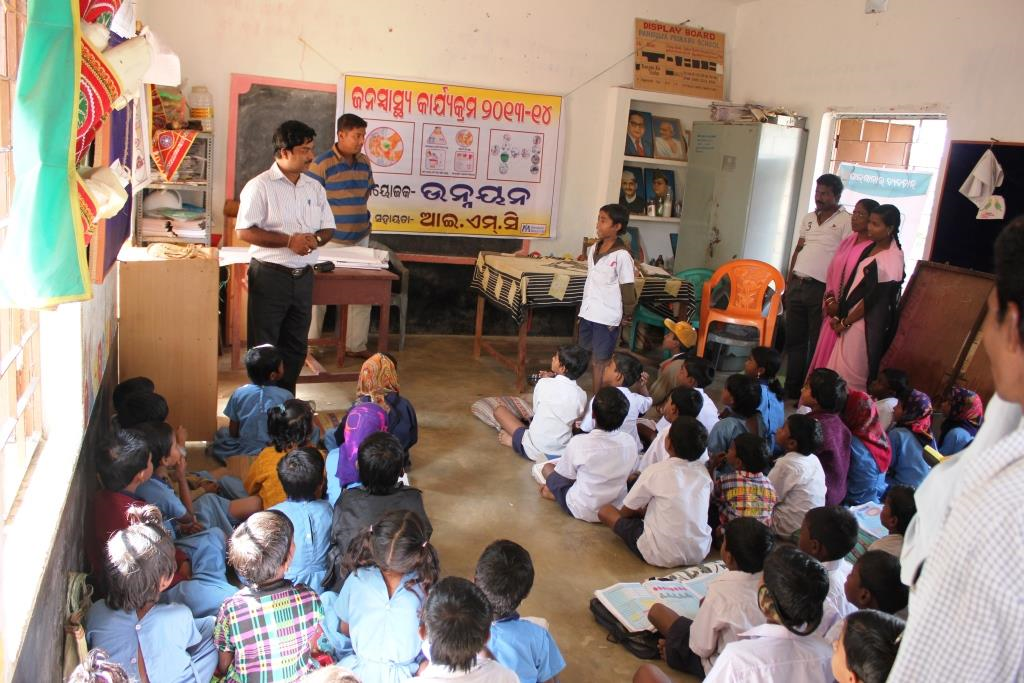
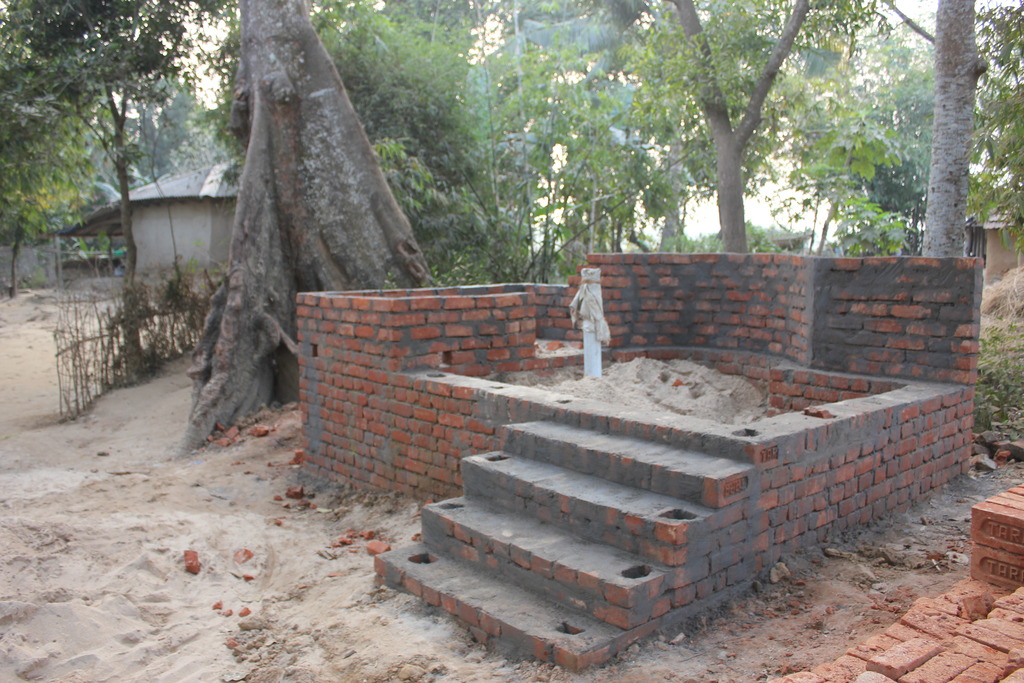
Building Back Better with Local Partners: Working with its local partner, Unnayan, International Medical Corps focused its efforts on reducing future disaster risks, specifically related to the water supply and the links between hygiene and health. Using a comprehensive approach that includes rehabilitation of water sources, construction of hygiene facilities, stockpiling and dissemination of hygiene supplies, and hygiene education and promotion, International Medical Corps and Unnayan worked to ensure that families and communities are prepared to protect water sources and thwart the spread of communicable diseases before and after a disaster strikes.
Conclusion: In the weeks following Cyclone Phailin, International Medical Corps transitioned from emergency response primary health care activities to restoring capacity and building self-reliance in storm-ravaged areas by developing solutions to mitigate destruction from future storms, helping local communities to become their own, best First Responders. While no area is immune to the damage that can be unleashed by a storm of Cyclone Phailin’s magnitude, families and communities can be equipped with the tools and knowledge in areas such as water, sanitation and hygiene to prepare for future emergencies and recover more quickly. Support from Global Giving helped ensure that the people of India are more resilient and have the tools they need to prepare for future disasters. This project accomplished much more than origninally intended and is fully funded and complete!
By Jason Graber | Resource Development Officer
By Jason Graber | Resource Development Officer
Project reports on GlobalGiving are posted directly to globalgiving.org by Project Leaders as they are completed, generally every 3-4 months. To protect the integrity of these documents, GlobalGiving does not alter them; therefore you may find some language or formatting issues.
If you donate to this project or have donated to this project, you can receive an email when this project posts a report. You can also subscribe for reports without donating.