Project Partners: Street Children Empowerment Foundation (SCEF) and Rotary Club of Accra Airport (RCAA)
Project Timeline: January–June 2024 (Extension)
Program Objectives:
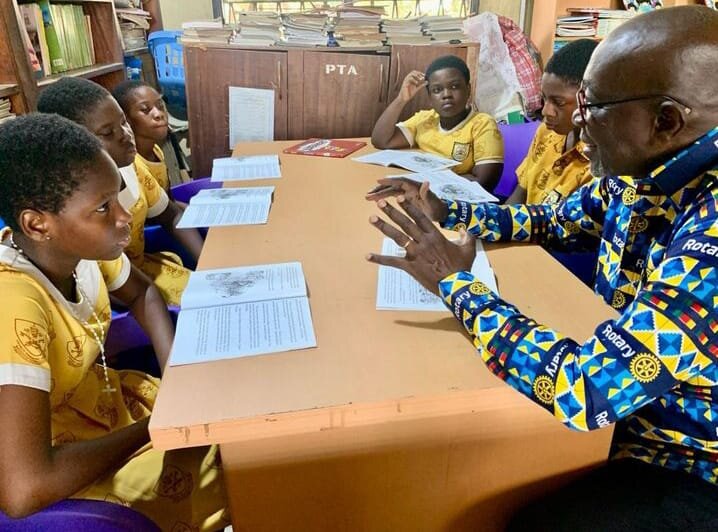
- Assign RCAA mentors to participating schools for support and monitoring.
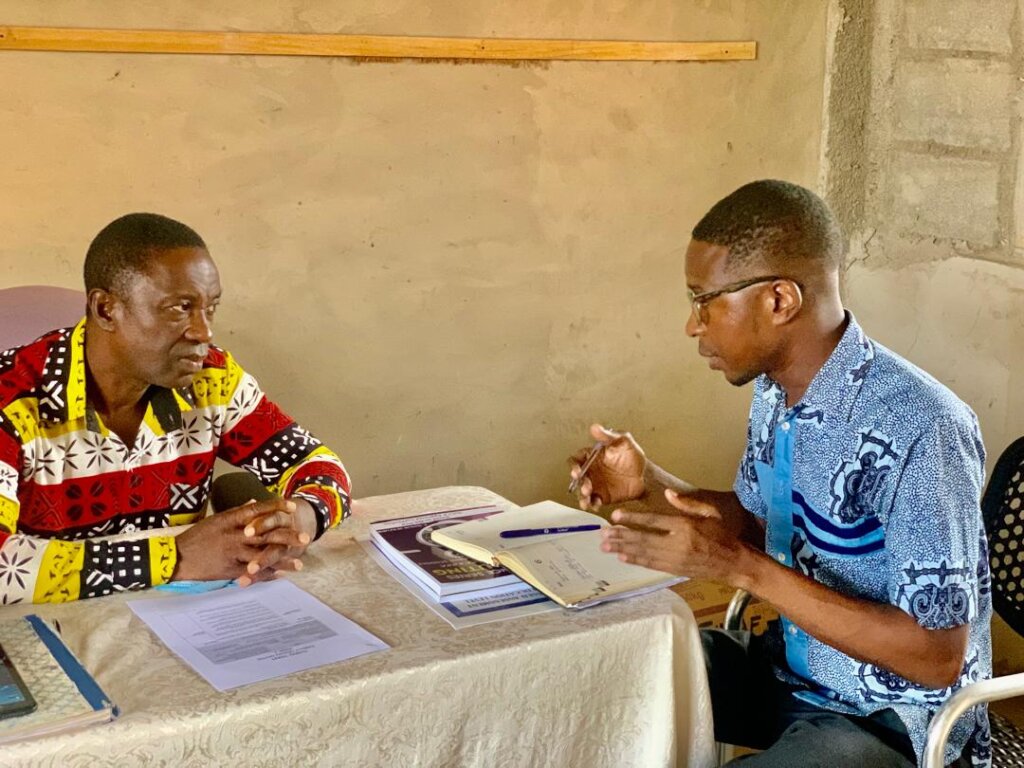
- Conduct regular monitoring to evaluate project impact.
- Provide refresher training for beneficiary schools.
- Increase project visibility through publicity efforts.
Key Outcomes:
- Strengthened partnerships between SCEF, RCAA, and schools.
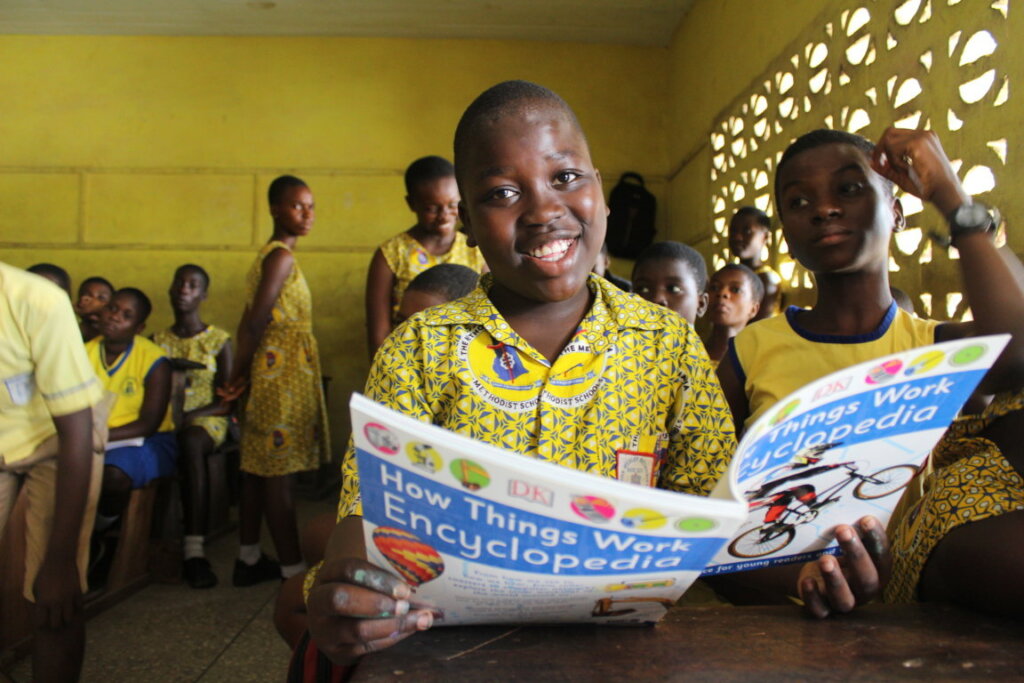
- Improved reading skills and educational outcomes.
- Increased community awareness and engagement.
Mentor-to-Read Phase:
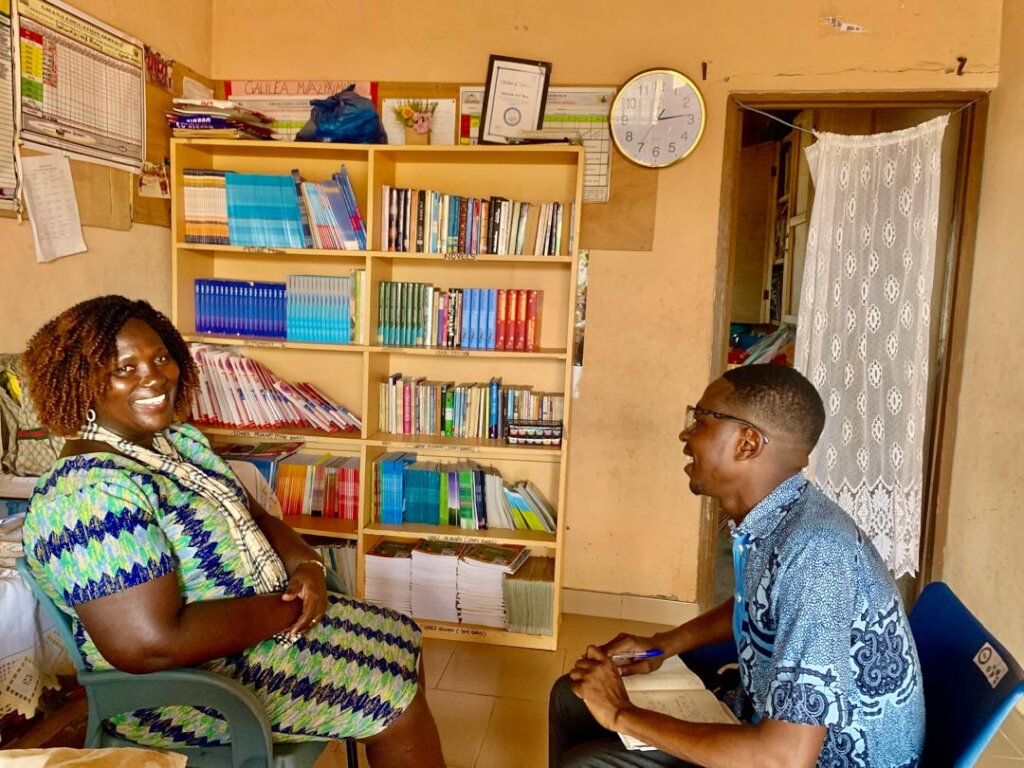
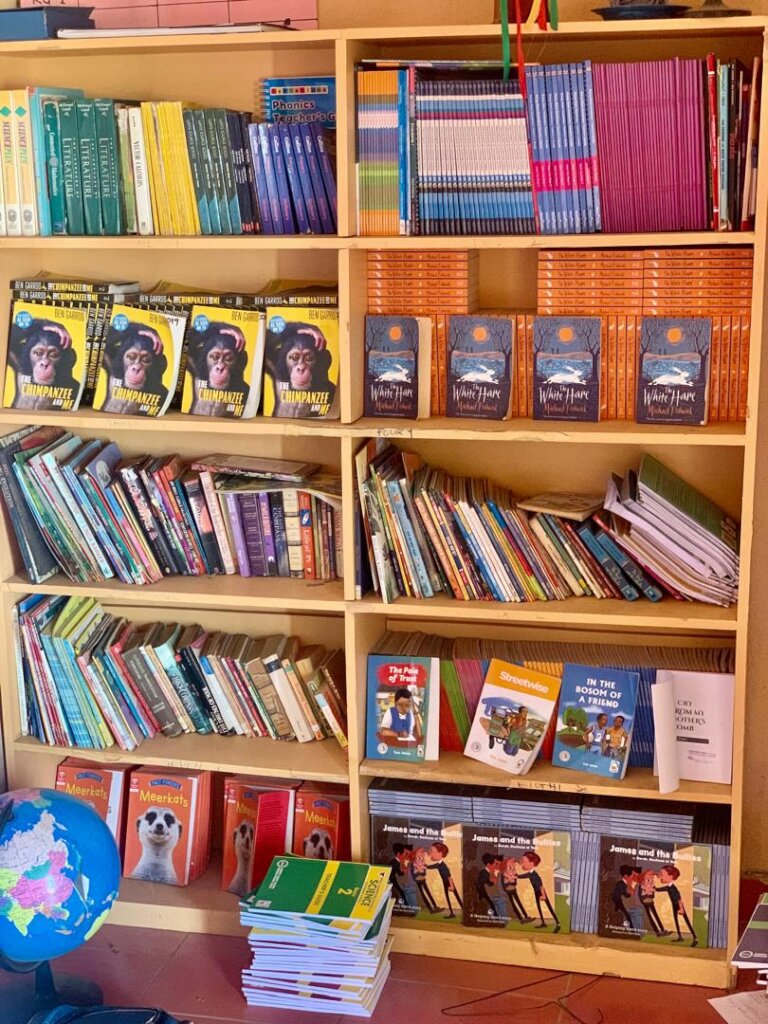
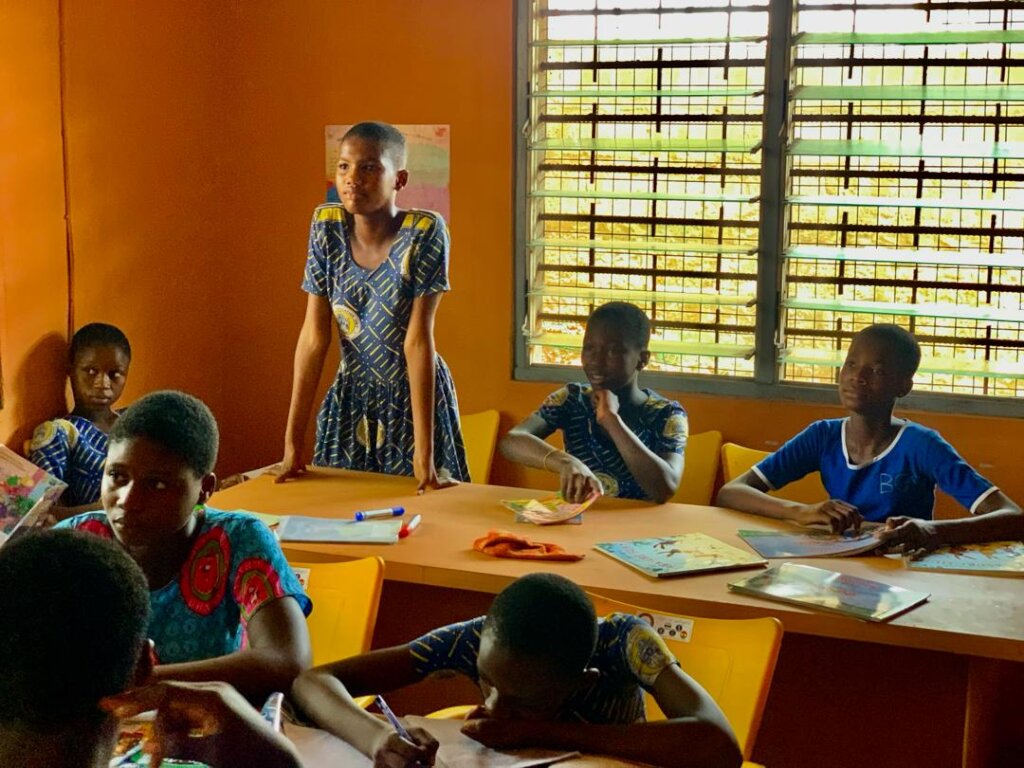
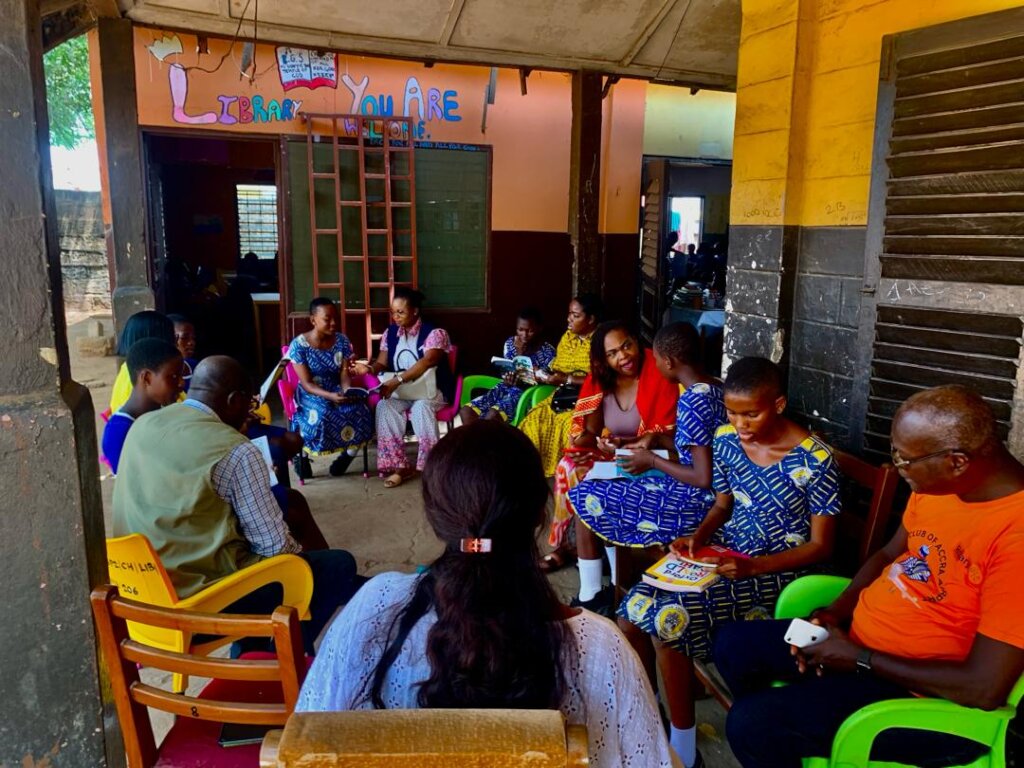
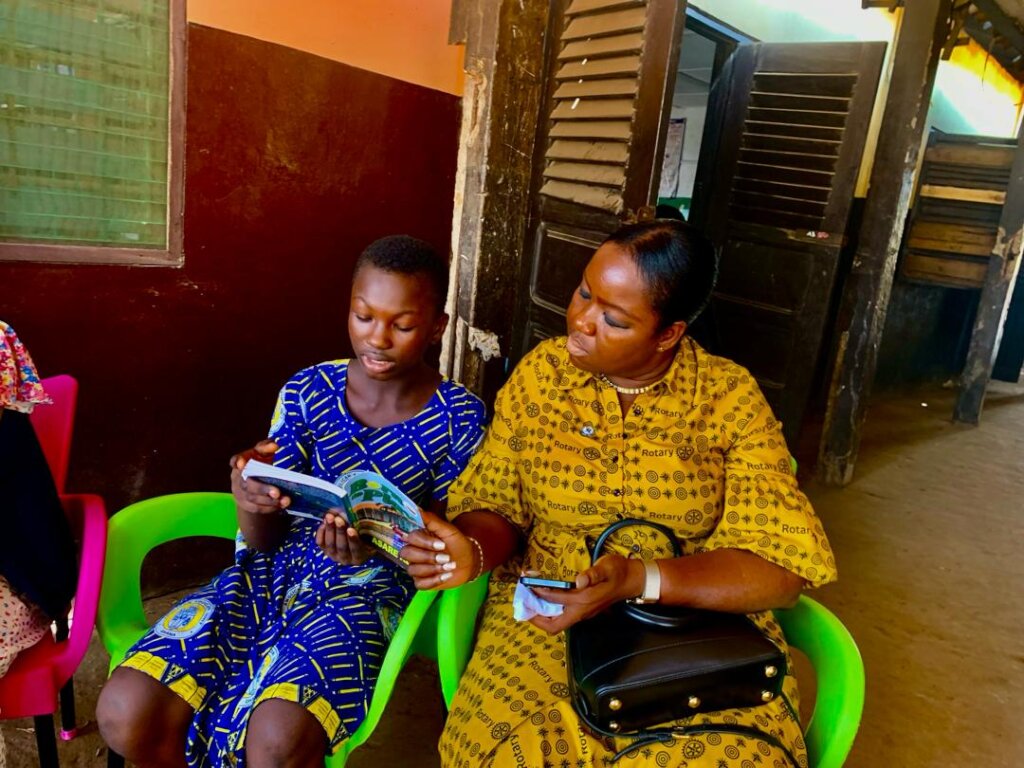
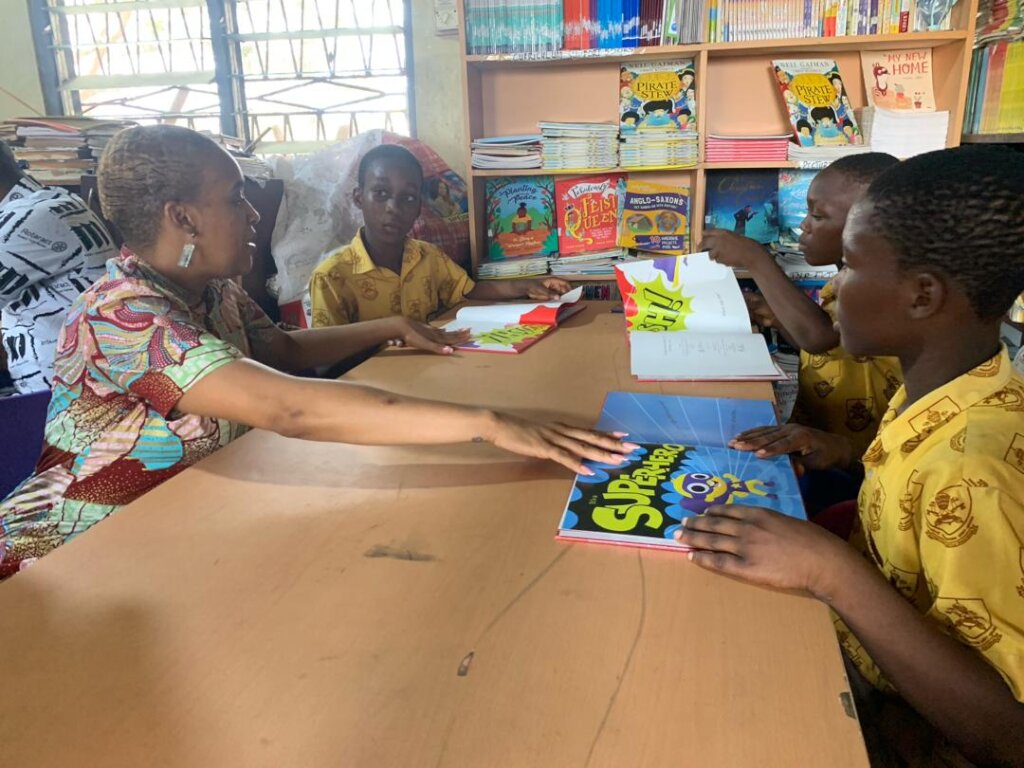
Initially delayed due to scheduling conflicts, the Mentor-to-Read phase began in February 2024 at Bishop Girls School. During this visit, Rotary members assessed library operations and addressed the challenge of an overheated library by donating funds for fans. Subsequent mentoring activities at Martyrs of Uganda School identified similar challenges, such as limited library space and a lack of fans.
Challenges:
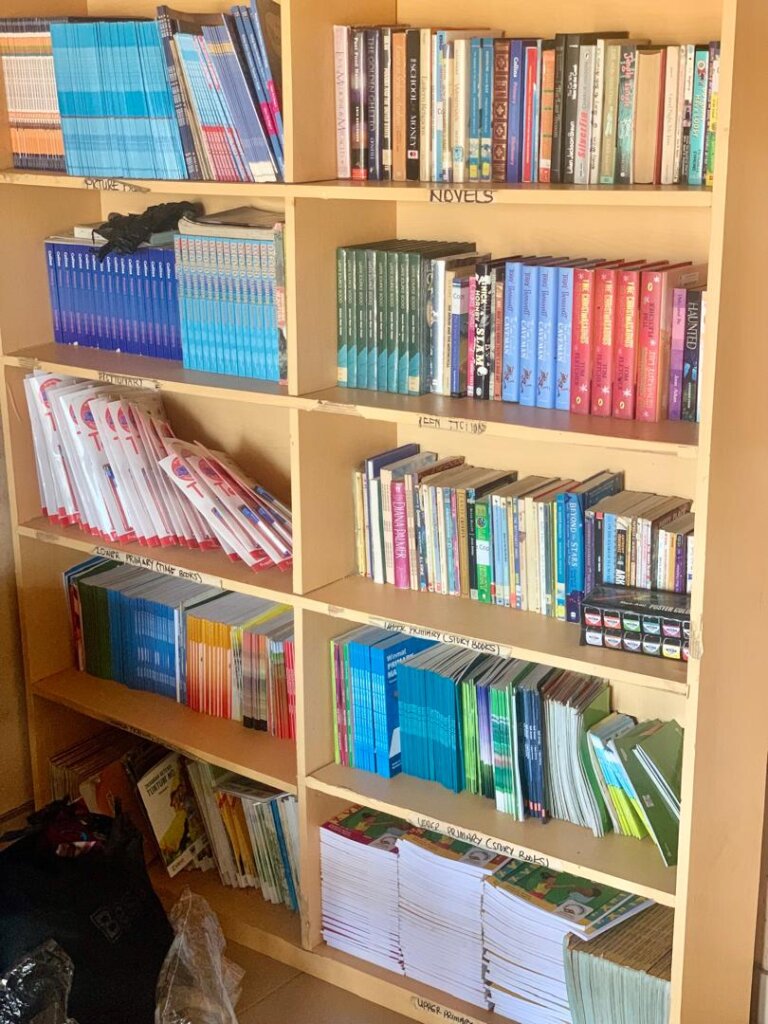
- Library conditions (lack of fans and small spaces) hindered comfortable reading.
- Staff transfers disrupted library management in some schools.
Monitoring Findings:
A comprehensive evaluation of 16 schools in Accra Metro revealed active lending and accession registers in 13 schools. However, incomplete records in three schools were attributed to staff transfers. SCEF provided on-site support to resolve these issues. In Ga South, teacher and librarian transfers created knowledge gaps, affecting library management in seven schools.
Accra Metro (13 Schools):
- 13 schools with active lending and accession registers.
Ga South (10 Schools):
- Knowledge gaps due to staff transfers impacted library management.
Addressing Challenges & Sustainability:
SCEF has initiated capacity-building programs, including on-site and virtual training for new and existing school staff. Digital copies of library management manuals will be distributed to all participating schools.
Publicity:
In June 2024, a campaign was launched on platforms such as LinkedIn, Facebook, and Instagram to raise awareness and showcase the project’s impact.
Conclusion:
Despite initial setbacks, the Reading Is Basic Phase 02 project made significant strides in improving reading habits and fostering educational growth. Ongoing mentoring, monitoring, and capacity-building efforts ensure the project’s sustainability and long-term success.