By OLIVIER cIZA | PROJECT LEADER
Save Life Make difference Bujumbura 13/10/2024
Bujumbura burundi
savelifemakedifference@gmail.com
www.savelifemakediffernce.com
0025771452395
Subject: Environmental protection (Protection de l'environnement)
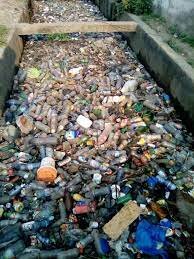
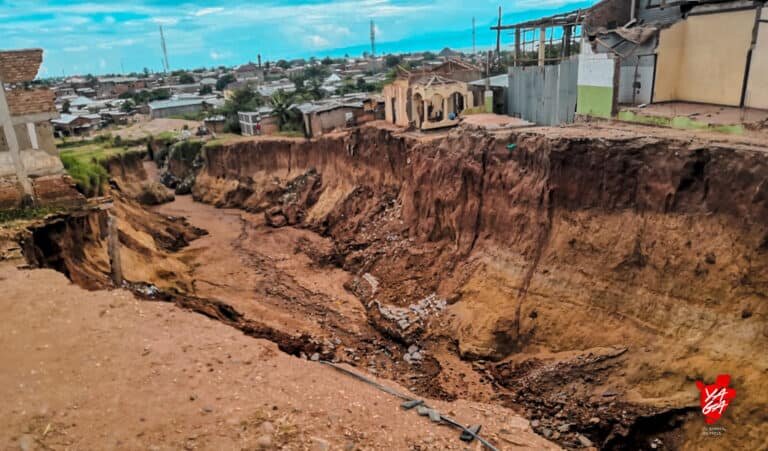
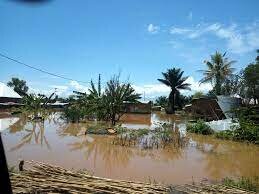
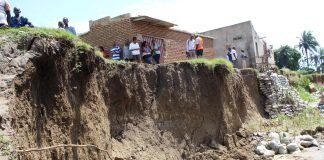
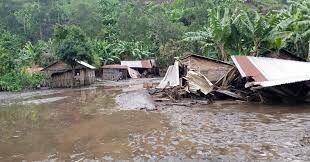
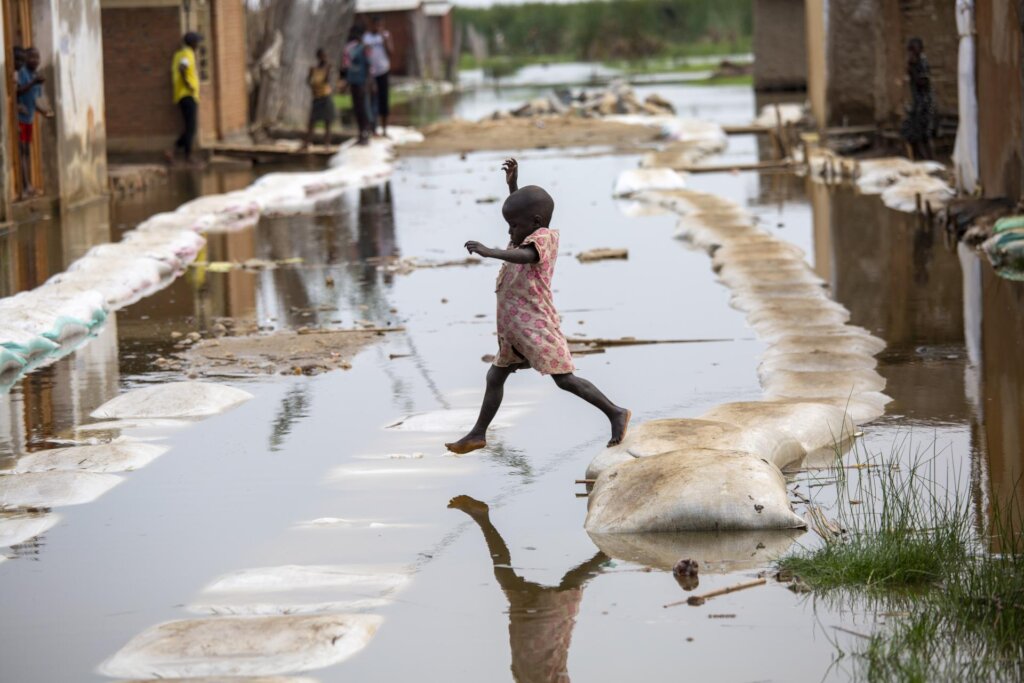
Burundi is one of the most densely populated countries in the world and is vulnerable to flooding. The project was designed to address urgent flood control needs in Bujumbura, compounded by frequent flooding risks due to climate change and the recent risk of rising water levels in Lake Tanganyika. It will finance urgent rehabilitation and dredging of rivers that flow through the city and provide more permanent protection against flooding of the lake and rivers in areas with high economic activity and vulnerable populations.
It will also protect key infrastructure to prevent disruption to the city’s water supply. "The project comes at the right time, given the increase in urban flooding in Burundi due to climate change. These floods affect a large part of the population and cause a loss of income for economic growth each year. The project will support key institutions to improve urban management with the objective of reducing flood risks while providing better early warnings and improving the capacity of public institutions and communities to respond to disasters", declared Resident Representative of the association save life make difference in Burundi (SALIMADI) during the visit to the population affected by the flood.
Since the beginning of the project save life make difference has already received a sum of $715 raised of $200,000 goal it means that we still need resources for our Projects to progress.
We have a plan to start this year 2025 with a large sum to start very early at the beginning of the year.
Salimadi still encourages our donors to continue to support us so that our association continues to survive, and we thank very much the people who help us with all their heart.
Since the early 1990s, Burundi has experienced repeated periods of socio-political tensions, characterized by violent conflicts within the population, thus positioning the country as a fragile state and one of the poorest countries in the world.
Until the early 1990s, Burundi’s economic growth outpaced that of sub-Saharan Africa, and its GDP per capita was almost 50 percent higher than in 1960. The outbreak of war in 1993 led to a collapse in GDP, which has not recovered its pre-conflict level since then. While sub-Saharan Africa has been booming since the early 2000s, Burundi has stagnated (Figure ES .1). In per capita terms, growth has averaged a paltry 1.1 percent per year over the past decade, which seems insufficient to bring about any improvement in living conditions. By 2024, GDP per capita was lower than it was in the early 1970s.
The geographic disparity in poverty is likely related to the structure of economic growth. Economic growth has benefited almost entirely and uniquely Bujumbura and some urban areas, where most of the expanding sectors are concentrated. Prosperous sectors include services, which expanded by 7.1 percent per year from 2015 to 2024, and, to a lesser extent, small-scale industries, which grew by 5.7 percent per year over the same period. Imbalances in international aid appear to contribute to geographic disparities in poverty, as the western provinces have likely received greater support than the rest of the country. The spatial distribution of poverty echoes the inequalities observed across geographic regions. The Gini coefficient of real monthly consumption per capita indicates that Burundi’s overall inequality level stands at about 37.3, below the SSA average of 45.1 as well as the low-income country average of 40 . However, Burundi’s positive picture of moderate inequality hides large disparities in well-being across population groups. Inequalities between rural and urban areas are quite deep and are mainly driven by large differences in household livelihood endowments. Specifically, urban households are better off than their rural counterparts because they have better access to basic services and infrastructure (such as electricity, health, markets, and roads), higher education, and means of communication and transportation. These differences are particularly large for the lowest-income segments of the population. There are also significant inequalities between households located in the West and South of Burundi and those located in the Centre-East and North of the country. These inequalities are mainly due to differences in access to basic services and infrastructure, followed by differences in education and asset ownership. These divergences appear to contribute significantly to the wealth gap.Poverty is associated with agricultural employment, larger households, lower education, limited access to infrastructure, and migrant status. Households with large numbers of children, members with disabilities, or headed by single/widowed women are more likely to fall into poverty. Poor households have an average of 6.1 members, compared to 6.4 for extremely poor households and 5.2 for households above the poverty line. The poorest households also have a higher number of dependents and children under 14 years of age compared to non-poor households, a gap that has been widening since 2006. The dependency ratio is 53 percent, compared to 47 percent for non-poor households. In addition to household size, the age of the household head is also associated with poverty. The poverty rate for households with younger heads (aged 15-35) is 15 percent lower, as they have fewer children. In addition, households headed by women are poorer, as long as the woman is single or widowed. Women who are married or in a common-law relationship are likely to receive additional financial support from their male partners, and thus experience lower levels of poverty. Finally, households with members who are disabled or incapacitated, mostly due to war injuries, have a poverty rate 3 percent higher, with a higher percentage in southern and western Burundi. Lack of access to higher education, infrastructure, basic services, and durable goods appear to be the norm among poor households. Poor households often have low levels of education: 66 percent of these households have a head of household who has no formal education. Poverty among university graduates is virtually non-existent, suggesting that this level of education is not accessible to poor households. More than 80 percent of heads of poor households are self-employed or employed in the agricultural sector, a sector characterized by high poverty rates. In addition, the poorest 40 percent of the population lack access to basic infrastructure and services. On average, only 4 percent of the 40 have access to electricity, sanitation, good sewerage connections, and garbage collection. Access to safe drinking water is more encouraging, covering 72 percent of the poor, but most of the population must obtain water from outside the home. Ownership of assets, such as mobile phones, electricity, refrigerators, televisions, or DVD players, is associated with lower levels of poverty. This review was made by the Save Life Make Difference association at the beginning of 2022,
The Save Life Make Difference Association (SALIMADI), established in 2022, helps low-income people by providing grants and low- or zero-interest loans for projects and programs that stimulate economic growth, reduce poverty, and improve people’s lives.
SAve Life make difference
Olivier Ciza
legal representative
13/10/2024
Project reports on GlobalGiving are posted directly to globalgiving.org by Project Leaders as they are completed, generally every 3-4 months. To protect the integrity of these documents, GlobalGiving does not alter them; therefore you may find some language or formatting issues.
If you donate to this project or have donated to this project, you can receive an email when this project posts a report. You can also subscribe for reports without donating.



Support this important cause by creating a personalized fundraising page.
Start a Fundraiser