By OLIVIER C | Project Leader
Save Life Make Difference
Bujumbura Burundi
savelifemakedifference@gmail.com
Sub: Project report
Burundi: Country Environmental Analysis
Document Type
Report
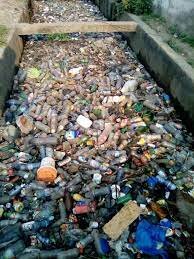
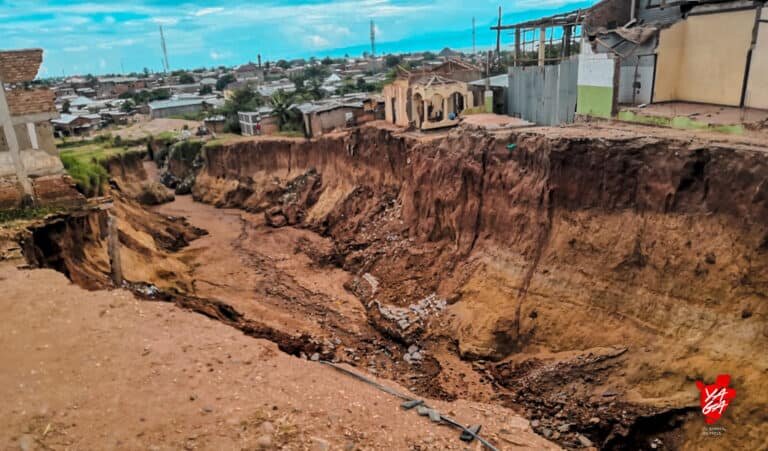
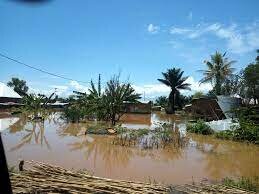
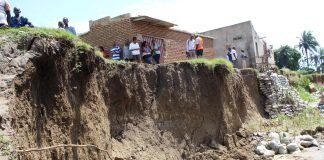
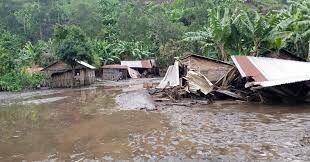
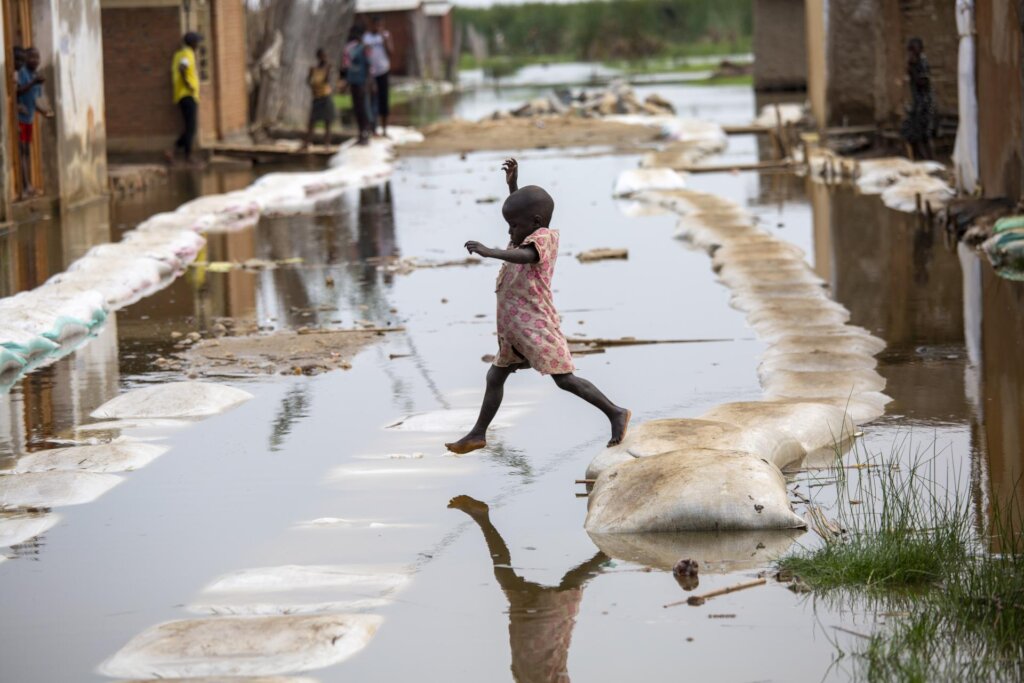
In recent decades, Burundi’s economic growth has relied on the continued exploitation of its natural capital, resulting in considerable degradation of its natural environment. The main driver of this degradation has been rapid population growth. Vast areas of forest have been cleared for crops to feed the growing population, and poor agricultural practices have damaged soil fertility and integrity. Water resources have also been degraded, affecting various sectors, particularly public health. In addition, the use of biofuels continues to expose the population to severe indoor air pollution. Climate change is exacerbating these situations, particularly the frequency and severity of natural disasters. In the absence of appropriate institutional mechanisms, the environment has not been taken into account in the dynamics of economic expansion. In addition, environmental degradation and, consequently, the scarcity of resources have generated conflicts which, combined with the country’s fragility, have in turn aggravated environmental degradation.
The World Bank has undertaken with the Government of Burundi a Country Environmental Analysis (CEA), the first step in supporting Burundi’s transition to inclusive and sustainable development. As a first step, the CEA studies the context and the basic conditions of the environmental problems that will need to be considered. It then describes the main forms of environmental degradation observed in Burundi and the monetary measures to highlight the economic cost of environmental deterioration. The CEA then establishes a geographical overlap between the concentration of poverty and environmental degradation. Climate change has further exacerbated the situation, leaving the poor even more vulnerable to shocks.
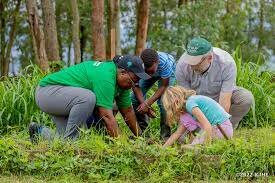
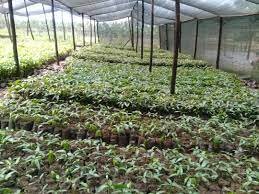
The report finally proposes a set of recommendations adapted from the diagnosis presented in its first part. It underlines the importance of a holistic approach at the landscape level to better address environmental problems and strengthen the resilience of the environment and communities. Highlighting the simplest practical options, the report presents programmes to combat deforestation, land degradation, indoor air pollution, water pollution and natural disaster management in the face of global climate change.
These proposed programmes can be implemented through a combination of government-led policy initiatives and a bottom-up, community-based framework. These recommendations also serve to prepare the country to implement its nationally determined contribution (INDC) for climate change mitigation and adaptation.
Aichi targets
15.2. At least 15 per cent of degraded ecosystems are restored, contributing to climate change mitigation and adaptation, and to combating desertification
Since the start of the project we are facing new challenge of lack of money. We still working to get money to complete our target,
We have hoep to get more support in this year 2025
Save Life make Difference
Bujumbura Burundi
19/02/2025
Project reports on GlobalGiving are posted directly to globalgiving.org by Project Leaders as they are completed, generally every 3-4 months. To protect the integrity of these documents, GlobalGiving does not alter them; therefore you may find some language or formatting issues.
If you donate to this project or have donated to this project, you can receive an email when this project posts a report. You can also subscribe for reports without donating.



Support this important cause by creating a personalized fundraising page.
Start a Fundraiser