By OLIVIER | Project Leader
Save Life Make Difference
Bujumbura burundi
savelifemakedifference@gmail.com
71452395
Sub: Project report
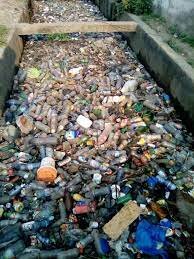
An innovative approach to sustainability combines three distinct efforts: recycling plastic into oil, repurposing it into construction materials like cobblestones, and planting trees to offset environmental impact. This integrated strategy offers multiple environmental and economic benefits.
Recycling plastic into oil
This process, known as pyrolysis, breaks down plastic waste into hydrocarbon fuels.
How it works: Plastic is heated to high temperatures in a sealed, oxygen-free reactor. This causes the polymer chains to break down into oil and gas. The resulting "pyrolysis oil" can be used as a fuel or as a raw material for new plastics.
Benefits: It reduces the need for landfills and incinerators, recovers energy from waste, and offers a potential alternative to fossil fuels.
Challenges: The process is energy-intensive, and some environmental and technical concerns remain. Critics argue it perpetuates fossil fuel use and can release pollutants if not managed properly.
Recycling plastic into cobblestones
Plastic waste can be combined with other materials to form durable and eco-friendly building products.
How it works: Startups melt down shredded plastic and mix it with sand or other materials. The mixture is then compressed into molds to create paving stones, bricks, and tiles.
Benefits: These cobblestones are significantly more durable than cement, resist breakage during transport, and can last for decades. Some products are also lighter and easier to install, reducing energy consumption during construction.
Companies: Companies like Zelij Invent (using 80% plastic waste) and TileGreen (using recycled plastic bags) are actively producing these materials.
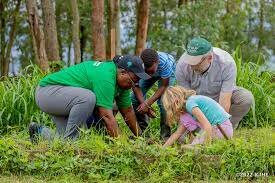
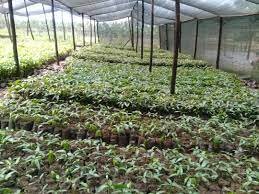
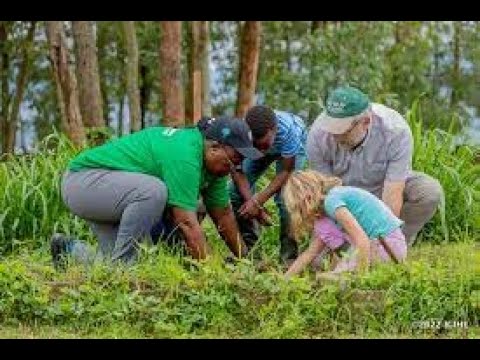
Planting trees
Tree-planting is a critical component of environmental remediation that complements the recycling efforts.
How it works: Reforestation and afforestation programs plant new trees in deforested areas to restore ecosystems and combat climate change.
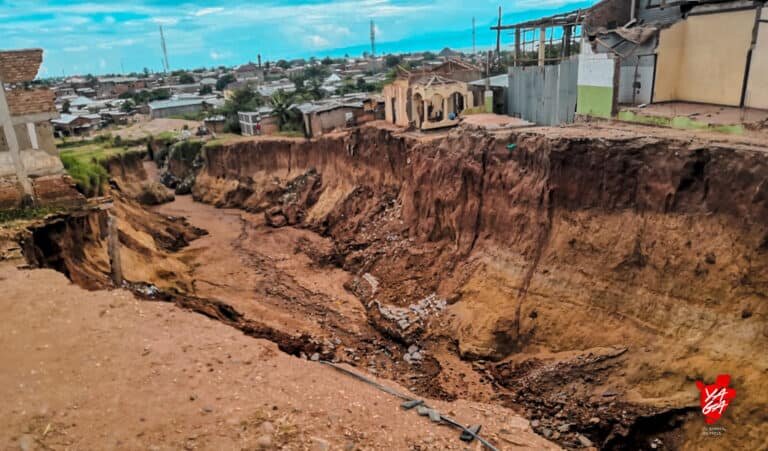
Benefits: Trees absorb carbon dioxide, improve air quality, restore biodiversity, and help prevent soil erosion.
Effectiveness: Organizations like Regreener, Trees for All, and One Tree Planted focus on projects that ensure long-term impact by selecting native species and involving local communities.
Integrated approach
Projects in places like Burundi and the Democratic Republic of Congo have combined these solutions to maximize their impact.
Goal: The aim is to create a circular economy where waste is minimized and resources are reused. Plastic waste is diverted from landfills to create valuable products and fuel, while reforestation projects restore the local ecosystem.
Example: A project on GlobalGiving aims to recycle plastic into oil and cobblestones while also planting trees to manage waste and combat climate change.
The lack of support for projects combining recycling plastic to oil, cobblestones, and tree planting is likely due to various challenges, including the high cost and technical complexity of plastic-to-oil conversion, the potential generation of toxic byproducts, the need for large-scale infrastructure, and the fact that plastic-to-cobblestone applications are limited to non-heavy traffic areas. Additionally, projects can face issues with public education, stakeholder engagement, and the inconsistent supply of suitable plastic waste, which hampers the ability to scale up and gain broad support.
Challenges with plastic-to-oil conversion
High costs: The process requires significant initial investment in pyrolysis machines.
Technical complexity: Pyrolysis requires precise control and can be energy-intensive.
Toxicity: The process can produce dangerous byproducts that must be properly managed.
Feedstock uncertainty: The process relies on the consistent availability and type of plastic waste.
GHG uncertainty: There is a lack of consensus on the net greenhouse gas emissions benefits of pyrolysis oil production.
Challenges with plastic-to-cobblestones
Limited application: These cobblestones are best suited for non-traffic areas like walkways due to their lower compressive strength compared to traditional materials.
Performance: Their performance may vary depending on the plastic type and the specific mix used.
Challenges with tree planting
Resource requirements: Tree planting requires land, water, and ongoing maintenance.
Scalability: While tree planting is vital, it can be a slow process to see significant environmental impact on a large scale.
General challenges for the combined project
Logistical challenges: Gathering, sorting, and transporting plastic waste is a major hurdle, especially in developing regions.
Public support and education: A lack of public understanding of the benefits of these programs, and the importance of proper waste segregation, can hinder participation.
Lack of infrastructure: The necessary infrastructure for collecting, sorting, and processing the different waste streams is often lacking.
Economic viability: The project must be economically sustainable in the long term, but the costs associated with each component, coupled with potential market price fluctuations for products, can be a significant challenge
Save Life Make Difference
Bujumbura burundi
27/10/2025
Project reports on GlobalGiving are posted directly to globalgiving.org by Project Leaders as they are completed, generally every 3-4 months. To protect the integrity of these documents, GlobalGiving does not alter them; therefore you may find some language or formatting issues.
If you donate to this project or have donated to this project, you can receive an email when this project posts a report. You can also subscribe for reports without donating.



Support this important cause by creating a personalized fundraising page.
Start a Fundraiser