By Olivier | PROJECT LEADER
Project Report: Turning Plastic Waste into Oil, Cobblestones & Green Spaces
PROJECT REPORTRecycling Plastic Waste into Oil and Cobblestones & Planting Trees1. Project Title
Turning Plastic Waste into Resources: Plastic-to-Oil, Plastic Cobblestones & Tree Planting Initiative
2. Project Overview
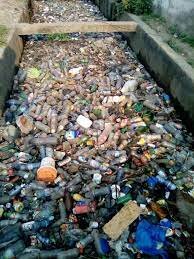
Plastic pollution is one of the major environmental challenges facing communities around the world. Large quantities of plastic waste end up in streets, landfills, rivers, and oceans, creating serious environmental and public-health concerns.
This project aims to reduce plastic pollution by collecting and recycling waste plastic into useful products such as fuel/oil and durable cobblestones, while also using part of the project’s resources to plant trees and restore green spaces.
The project combines waste management, recycling, environmental protection, job creation, and community participation into one sustainable initiative.
3. Problem Statement
Millions of tons of plastic waste are produced every year, while a significant portion is poorly managed or discarded into the environment. Plastic can remain in the environment for hundreds of years and can contaminate land and waterways.
At the same time, many communities need affordable construction materials and more trees and green spaces.
Our project addresses these challenges by:
4. Project Objectives
The main objectives are to:
5. Proposed ActivitiesA. Plastic Collection
The project will establish collection points and organize community clean-up activities. Plastic waste will be collected from households, businesses, schools, streets, and other suitable locations.
Collected plastic will be transported to a designated processing facility.
B. Sorting and Processing
Plastic waste will be sorted according to type and quality. Suitable materials will be cleaned, shredded, and prepared for recycling.
Materials that cannot safely or economically be processed through the project's systems will be directed to appropriate recycling or waste-management partners.
C. Plastic-to-Oil
The project will investigate and, subject to appropriate engineering, environmental approvals, and regulatory requirements, use pyrolysis or another suitable technology to convert certain types of waste plastic into hydrocarbon products.
The system will be designed around environmental controls, worker safety, emissions management, and responsible handling of by-products.
The resulting products would be assessed for appropriate industrial or energy applications in accordance with local regulations and technical standards.
D. Plastic Cobblestones
Suitable plastic waste can be processed into durable plastic-based construction products, including cobblestones or paving materials.
These products can potentially be used for:
Products will be tested for strength, durability, safety, and suitability before being used in construction.
E. Tree Planting
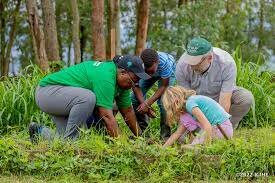
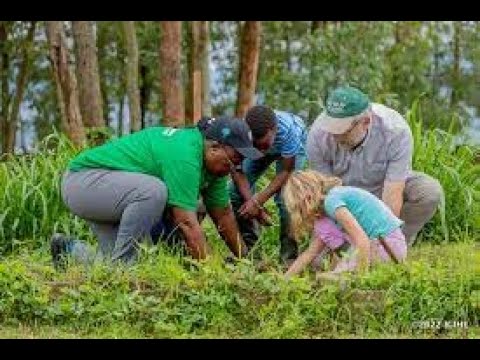
A portion of the project's resources will support tree planting in schools, communities, public spaces, and other suitable areas.
Tree-planting activities will include:
6. Environmental and Social Benefits
The project is expected to generate several benefits:
Environmental benefits
Social benefits
Economic benefits
7. Fundraising Status
Fundraising goal: $200,000
Amount raised so far: $816
Percentage of goal reached: 0.408%
Remaining target: $199,184
The initial funds demonstrate community interest in the project. Additional funding is required to establish collection systems, obtain appropriate equipment, conduct technical studies, develop processing capacity, implement environmental and safety measures, and launch tree-planting activities.
8. Proposed Use of Funds
The final budget will be developed following technical assessments and supplier quotations. Funding is expected to support areas such as:
9. Implementation Plan
Phase 1 — Planning and Feasibility
Phase 2 — Collection & Community Mobilization
Phase 3 — Recycling & Production
Phase 4 — Tree Planting
Phase 5 — Expansion
10. Expected Results
The project will measure its impact using indicators such as:
11. Sustainability
The project is designed to become increasingly self-sustaining through the sale of recycled products and partnerships with businesses, municipalities, environmental organizations, and other stakeholders.
Revenue generated from recycling activities can be reinvested into:
12. Conclusion
The Turning Plastic Waste into Resources project provides an opportunity to transform an environmental problem into a source of economic and social value.
By combining plastic collection, recycling, cobblestone production, responsible plastic-to-oil technology, and tree planting, the project seeks to create cleaner communities while promoting a circular economy.
With a fundraising goal of $200,000, the project has already raised $816, demonstrating an initial commitment toward the vision. With the support of donors, businesses, government agencies, environmental organizations, and community members, the initiative can develop into a scalable model for reducing plastic pollution and creating greener, more sustainable communities.
Funding Goal: $200,000
Raised: $816
Remaining: $199,184
Our vision is simple: collect waste, create value, restore nature, and build a cleaner future.
Save Life Make Difference
12/09/2026
Project reports on GlobalGiving are posted directly to globalgiving.org by Project Leaders as they are completed, generally every 3-4 months. To protect the integrity of these documents, GlobalGiving does not alter them; therefore you may find some language or formatting issues.
If you donate to this project or have donated to this project, you can receive an email when this project posts a report. You can also subscribe for reports without donating.



Support this important cause by creating a personalized fundraising page.
Start a Fundraiser