Recycling plastic to oil,cobblestones, plant trees

by Save life make difference
Play Video
Recycling plastic to oil,cobblestones, plant trees

Project Report | Sep 14, 2026
Turning Plastic Waste into Resources

By Kaneza M | PROJECT LEADER

TURNING PLASTIC WASTE INTO RESOURCESPlastic-to-Oil, Plastic Cobblestones & Tree Planting Initiative

Organization: Save Life Make Difference
Project Date: 12 September 2026
Funding Goal: USD 200,000
Amount Raised: USD 816
Amount Remaining: USD 199,184
Funding Progress: 0.408%

Project Vision

“Collect Waste. Create Value. Plant Trees. Build a Cleaner Future.”

Prepared by:
Save Life Make Difference

Date: 12 September 2026

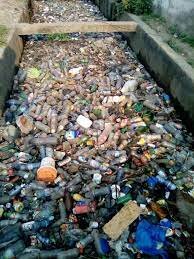
Plastic pollution is one of the major environmental challenges facing communities around the world. Large quantities of plastic waste end up in streets, landfills, rivers, and oceans, creating serious environmental and public-health concerns.

This project aims to reduce plastic pollution by collecting and recycling waste plastic into useful products such as fuel/oil and durable cobblestones, while also using part of the project’s resources to plant trees and restore green spaces.

The project combines waste management, recycling, environmental protection, job creation, and community participation into one sustainable initiative.

3. Problem Statement

Millions of tons of plastic waste are produced every year, while a significant portion is poorly managed or discarded into the environment. Plastic can remain in the environment for hundreds of years and can contaminate land and waterways.

At the same time, many communities need affordable construction materials and more trees and green spaces.

Our project addresses these challenges by:

  • Collecting and diverting plastic waste from the environment.
  • Converting suitable plastic waste into useful products.
  • Producing plastic-based cobblestones and other construction materials.
  • Exploring safe and properly regulated plastic-to-oil technology.
  • Planting trees and creating greener communities.
  • Creating employment and income opportunities through recycling activities.
  • Educating communities about responsible waste management.

4. Project Objectives

The main objectives are to:

  1. Reduce plastic pollution by collecting and recycling waste plastic.
  2. Convert plastic waste into valuable resources, including cobblestones and, where technically and legally appropriate, oil/fuel products.
  3. Reduce the amount of plastic sent to landfills or dumped in the environment.
  4. Plant trees to improve air quality, biodiversity, shade, and community environments.
  5. Create green jobs and livelihood opportunities through collection, sorting, processing, and manufacturing.
  6. Educate local communities, schools, businesses, and organizations about plastic recycling.
  7. Build a financially and environmentally sustainable recycling model that can expand to other communities.

5. Proposed ActivitiesA. Plastic Collection

The project will establish collection points and organize community clean-up activities. Plastic waste will be collected from households, businesses, schools, streets, and other suitable locations.

Collected plastic will be transported to a designated processing facility.

B. Sorting and Processing

Plastic waste will be sorted according to type and quality. Suitable materials will be cleaned, shredded, and prepared for recycling.

Materials that cannot safely or economically be processed through the project's systems will be directed to appropriate recycling or waste-management partners.

C. Plastic-to-Oil

The project will investigate and, subject to appropriate engineering, environmental approvals, and regulatory requirements, use pyrolysis or another suitable technology to convert certain types of waste plastic into hydrocarbon products.

The system will be designed around environmental controls, worker safety, emissions management, and responsible handling of by-products.

The resulting products would be assessed for appropriate industrial or energy applications in accordance with local regulations and technical standards.

D. Plastic Cobblestones

Suitable plastic waste can be processed into durable plastic-based construction products, including cobblestones or paving materials.

These products can potentially be used for:

  • Walkways
  • Community paths
  • Garden areas
  • Selected low-traffic paving applications
  • Public-space improvements

Products will be tested for strength, durability, safety, and suitability before being used in construction.

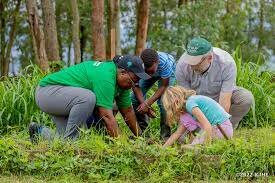
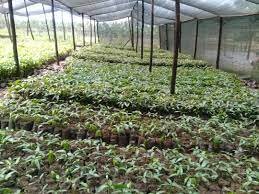
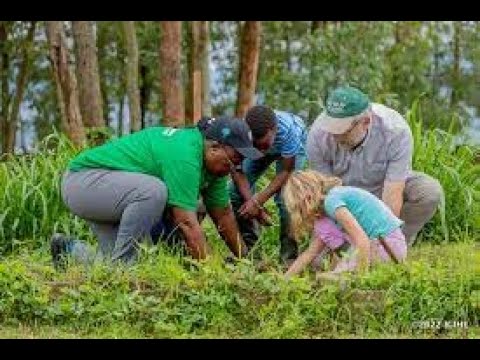
E. Tree Planting

A portion of the project's resources will support tree planting in schools, communities, public spaces, and other suitable areas.

Tree-planting activities will include:

  • Selecting appropriate tree species.
  • Preparing planting locations.
  • Planting seedlings.
  • Providing water and protection during establishment.
  • Monitoring survival rates.
  • Replacing failed seedlings where necessary.

6. Environmental and Social Benefits

The project is expected to generate several benefits:

Environmental benefits

  • Less plastic waste in the environment.
  • Increased recycling and resource recovery.
  • Reduced pressure on landfills.
  • Cleaner streets and public spaces.
  • Increased tree cover and green areas.
  • Greater public awareness of environmental responsibility.

Social benefits

  • Community participation in environmental activities.
  • Cleaner and healthier neighborhoods.
  • Educational opportunities for young people.
  • Development of recycling skills.
  • Potential employment and income opportunities.

Economic benefits

  • Creation of products from waste materials.
  • Potential revenue from recycled products.
  • New opportunities for waste collectors and recycling workers.
  • Development of a scalable circular-economy business model.

7. Fundraising Status

Fundraising goal: $200,000

Amount raised so far: $816

Percentage of goal reached: 0.408%

Remaining target: $199,184

The initial funds demonstrate community interest in the project. Additional funding is required to establish collection systems, obtain appropriate equipment, conduct technical studies, develop processing capacity, implement environmental and safety measures, and launch tree-planting activities.

8. Proposed Use of Funds

The final budget will be developed following technical assessments and supplier quotations. Funding is expected to support areas such as:

  • Plastic collection and transportation
  • Sorting, cleaning, and shredding equipment
  • Cobblestone production equipment and molds
  • Technical studies and testing
  • Plastic-to-oil feasibility, engineering, and environmental controls
  • Facility preparation and utilities
  • Worker training and protective equipment
  • Tree seedlings, planting, watering, and maintenance
  • Community education and awareness
  • Monitoring, reporting, and project administration
  • Contingency and maintenance costs

9. Implementation Plan

Phase 1 — Planning and Feasibility

  • Conduct technical and environmental assessments.
  • Identify suitable technologies.
  • Establish partnerships.
  • Obtain necessary permits and approvals.
  • Develop detailed financial and operational plans.

Phase 2 — Collection & Community Mobilization

  • Establish collection points.
  • Begin community clean-up campaigns.
  • Train collection and sorting teams.
  • Develop partnerships with businesses, schools, and local organizations.

Phase 3 — Recycling & Production

  • Install and test recycling equipment.
  • Begin processing suitable plastic waste.
  • Produce and test plastic-based cobblestones.
  • Develop and assess the plastic-to-oil component where approved and technically viable.

Phase 4 — Tree Planting

  • Identify suitable planting locations.
  • Purchase appropriate seedlings.
  • Organize community planting events.
  • Monitor and maintain planted trees.

Phase 5 — Expansion

  • Measure project results.
  • Improve operations based on performance.
  • Expand collection networks.
  • Increase production capacity.
  • Establish additional community partnerships.

10. Expected Results

The project will measure its impact using indicators such as:

  • Kilograms/tons of plastic collected.
  • Kilograms/tons of plastic recycled.
  • Number of cobblestones or other products manufactured.
  • Quantity of hydrocarbon products recovered, where applicable.
  • Number of trees planted.
  • Tree survival rate after 6 and 12 months.
  • Number of people trained.
  • Number of jobs or income opportunities created.
  • Number of households, schools, and businesses participating.
  • Reduction in plastic waste entering uncontrolled disposal sites.

11. Sustainability

The project is designed to become increasingly self-sustaining through the sale of recycled products and partnerships with businesses, municipalities, environmental organizations, and other stakeholders.

Revenue generated from recycling activities can be reinvested into:

  • Expanding plastic collection.
  • Maintaining equipment.
  • Creating additional jobs.
  • Planting more trees.
  • Community environmental programs.
  • Expanding recycling operations to additional locations.

12. Conclusion

The Turning Plastic Waste into Resources project provides an opportunity to transform an environmental problem into a source of economic and social value.

By combining plastic collection, recycling, cobblestone production, responsible plastic-to-oil technology, and tree planting, the project seeks to create cleaner communities while promoting a circular economy.

With a fundraising goal of $200,000, the project has already raised $816, demonstrating an initial commitment toward the vision. With the support of donors, businesses, government agencies, environmental organizations, and community members, the initiative can develop into a scalable model for reducing plastic pollution and creating greener, more sustainable communities.

Funding Goal: $200,000
Raised: $816
Remaining: $199,184

Our vision is simple: collect waste, create value, restore nature, and build a cleaner future.


Save Life Make Difference

Share on Twitter Share on Facebook

About Project Reports

Project reports on GlobalGiving are posted directly to globalgiving.org by Project Leaders as they are completed, generally every 3-4 months. To protect the integrity of these documents, GlobalGiving does not alter them; therefore you may find some language or formatting issues.

If you donate to this project or have donated to this project, you can receive an email when this project posts a report. You can also subscribe for reports without donating.


Sign up for updates

Organization Information

Save life make difference

Location: Bujumbura - Burundi
Website:
Facebook: Facebook Page
X / Twitter: Profile
Project Leader:
SAVE LIFE MAKE DIFFERENCE
Bujumbura , Bujumbura Burundi

Learn more about GlobalGiving

Teenage Science Students
Vetting +
Due Diligence

Snorkeler
Our
Impact

Woman Holding a Gift Card
Give
Gift Cards

Young Girl with a Bicycle
GlobalGiving
Guarantee

Get incredible stories, promotions, and matching offers in your inbox

WARNING: Javascript is currently disabled or is not available in your browser. GlobalGiving makes extensive use of Javascript and will not function properly with Javascript disabled. Please enable Javascript and refresh this page.