By Fernando Perez-Ordoyo | Head of International Corporate Alliances
In 2026, the Spanish Red Cross continues to rely on its Disaster Response Emergency Fund (DREF) as one of its most important humanitarian tools. The DREF provides immediate funding so that Spanish Red Cross can act without waiting for external donations or lengthy appeals.
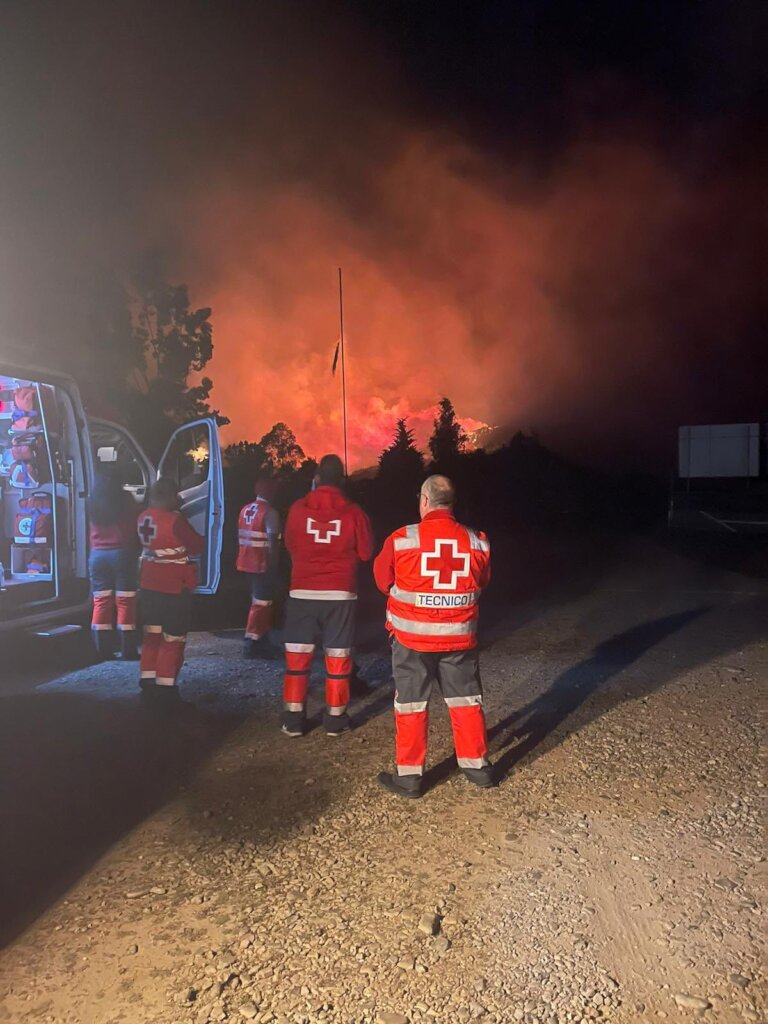
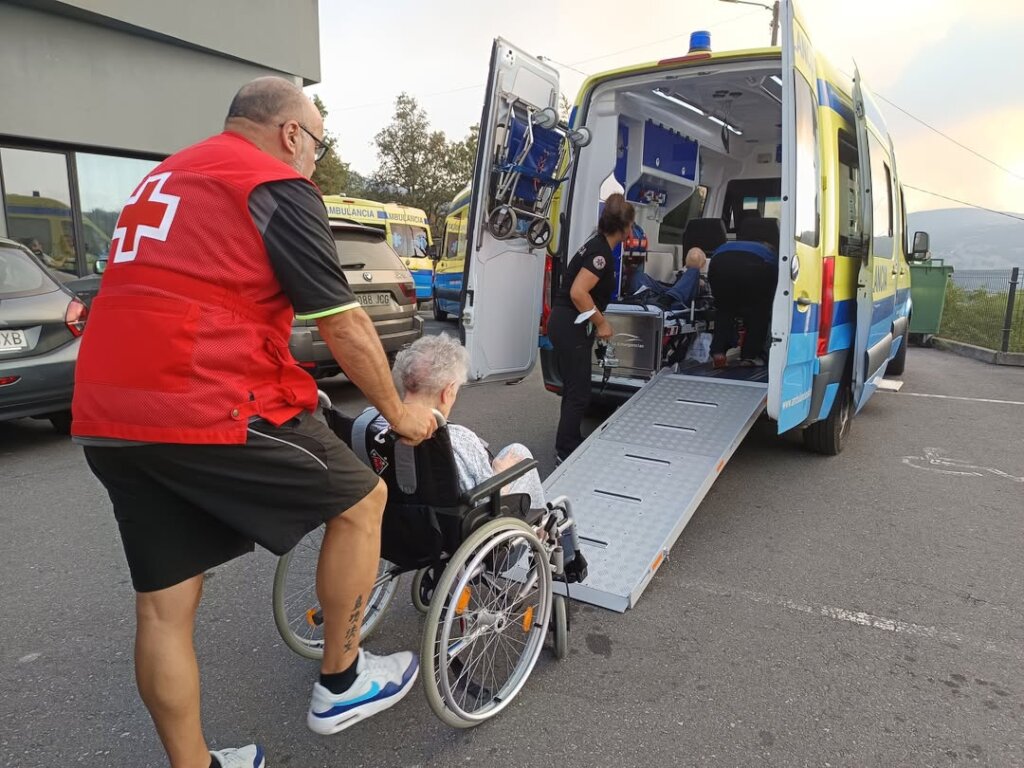
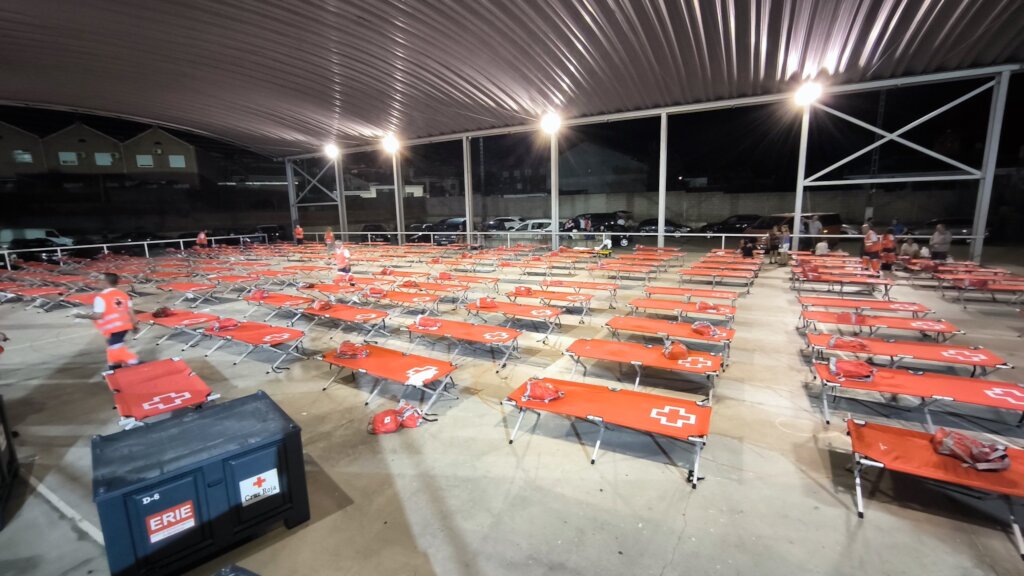
What makes the DREF particularly valuable is its speed and flexibility. When a flood, epidemic, drought, cyclone, population movement, or other emergency occurs, local Red Cross teams can access funding almost immediately. This allows them to deploy volunteers, distribute relief items, provide emergency health services, support shelter activities, and deliver cash assistance when people need it most. The fund is designed to ensure that humanitarian action begins in hours or days, not weeks.
A defining feature of the 2026 approach is its emphasis on locally action. Funds allow responses that are tailored to local realities and community priorities.Localization remains at the heart of the DREF strategy because local actors are usually the first to respond and the last to leave when a crisis unfolds.
Another important evolution of the fund in 2026 is the growing focus on anticipatory action. Traditionally, humanitarian assistance has been mobilized after a disaster occurs. The DREF increasingly supports actions taken before predictable hazards strike. For example, when reliable forecasts indicate severe flooding, storms, heatwaves, or drought, funding can be released in advance to protect livelihoods, reinforce community preparedness, pre-position relief supplies, and reduce the overall impact of the disaster. This shift reflects a broader recognition across the humanitarian sector that acting early saves lives and reduces costs.
The 2026 plan also responds to a challenging environment. Humanitarian needs continue to rise while funding is under increasing pressure. In this context, the DREF is a mechanism that combines efficiency, accountability, and evidence-based decision-making. The organization is focusing on strengthening compliance, improving operational quality, and ensuring that rapid action is matched by transparency and measurable impact.
Looking more broadly, the DREF is not a new instrument. Since its creation in 1979, it has supported humanitarian responses around Spain and helped dozends of thousand of people. In recent years, it has financed responses to disease outbreaks, floods, hurricanes, droughts, and complex emergencies across every Spanish regions. In 2026, the fund remains one of the Spanish Red Cross main vehicles for translating humanitarian principles into immediate action at community level.
In essence, the DREF serves a simple but vital purpose: it gives the Spanish Red Crossthe ability to act first, rather than fundraise first. In a country where emergencies are becoming more frequent and complex, the fund provides the speed, flexibility, and local ownership needed to protect vulnerable communities before, during, and immediately after a crisis.
By Fernando Perez-Ordoyo | Head of International Corporate Alliances
Project reports on GlobalGiving are posted directly to globalgiving.org by Project Leaders as they are completed, generally every 3-4 months. To protect the integrity of these documents, GlobalGiving does not alter them; therefore you may find some language or formatting issues.
If you donate to this project or have donated to this project, you can receive an email when this project posts a report. You can also subscribe for reports without donating.


Support this important cause by creating a personalized fundraising page.
Start a Fundraiser