By Robin Van Loon | Executive Director
Dear friends of Camino Verde,
It’s been a few months since we last reached out, but it may feel like ages have gone by. We sincerely hope that you, the members of our dear community of Green Road Walkers across the globe, are staying safe, healthy, and well.
In this quarter’s report, we return to deep questions about how human beings can live in harmony and balance with the great web of life – questions that directly informed Camino Verde’s creation and strategies. Grounded in reciprocity we explore what it means to try to give back.
Afterward, we’ll dive in with a dynamic show-and-tell: a vibrant program update that comes as a countdown of special things you might not know about Camino Verde. Get ready for some epic reveals.
If anything you read here moves you, please donate to Camino Verde today. With ecosystems and native communities around the world under pressure and threat like never before, your contribution can truly help move the needle toward creating the kind of world we all want to live in.
We are grateful for your support.
In reciprocity,
Robin Van Loon

Reciprocity: How do we give back?
It’s one of the oldest questions humans have asked since time immemorial. Given that we receive so much, how do we give something back in a way that honors the gift?
How do we show, in our actions as in our thoughts and intentions, that the kindness and sustenance we receive are acknowledged adequately?
Can we at least attempt to remain in equilibrium with the generous sources of life and the abundance we experience? How can we hope to give something meaningful back, when what we receive is so very precious?
From honoring the bodily sacrifice of the plants and animals that feed us, to thanking the ancestors for paving the way, to making thoughtful offerings to the Earth in humble recognition of Her splendid provisioning – we humans have always looked for ways to take a step beyond just simple thanks. We have always yearned for balance and “right relationship” with the givers of life.
In Camino Verde’s home turf in Peru, since ancient times this searching question has been addressed in the concept of ayni or sacred reciprocity. From the Quechua, the principle of ayni is both spiritual and social in nature. Ayni says, “Today for you, tomorrow for me.” On some of the most ancient Peruvian temple walls, this principle is expressed in a symbol of crossed hands. To this day, communal work activities in many rural Andean and Amazonian communities are organized around the ayni system.


These values are as relevant now as they ever were. In our world today, under the weight of the challenges we face, sometimes it can be easy to ignore the gift, to fail to see and to acknowledge all we receive, let alone to ask how we can give something back.
And yet it’s still possible to do so. Rituals of reciprocity – and their simple daily practice – are still available to us, and they still feel good. They heal, in that they restore balance. It makes us more whole, to try to see all that we receive, and to make a sincere attempt to give back.
But how do we go about this? The ways are as diverse as we are; there is no one size fits all answer. We can still thank our ancestors for their sacrifices; we can still “say grace” over the food that feeds us. And we can all find ways to act selflessly for its own sake, to be of service not for a karmic kickback or satisfaction for ourselves, but because we recognize that, sometimes mysteriously, sometimes invisibly, we too have also been served.
Candidly, Camino Verde was born from the intention to return something meaningful to the givers of timeless gifts. The direct experience of the Amazon’s wonders, the bounty and kindness of the forest and its ancient lifeforms, is what inspired us to try to do something on the forest’s behalf. We ask, if the plants that feed and shelter and heal us could speak, what would they request in return for the medicines and foods they render unto us so selflessly?
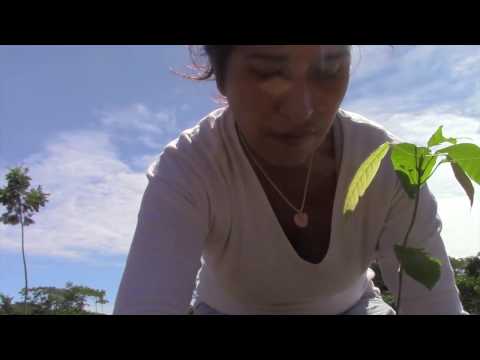
This is what initially set us on the path of planting in 2007: the desire to help the species, the life forms, that are so helpful to us. In our case, it was the great trees. These masters of generosity, who build soils, provide habitat and nutrition for fungi and animals like us, the ones who spin the very air we breathe. The intention –both selfless and selfish– to give something back to the trees is what got us started, and it’s what keeps us going.
As is life’s wont, reciprocity isn’t just a binary feedback loop. Across a diverse biosphere with a multitude of interacting organisms, reciprocity grows in concentric rings and chains, an interplay of ripples and echoes that influence each other in all directions. As a result, the seeds we sow over here may very well have an impact far beyond our own limited reach.
As we endeavor to honor the gift of the trees by returning something in kind, we at Camino Verde have been moved and touched by you, our friends and collaborators, contributors and supporters, who have told us over the years that for some of you, we are one of the vehicles by which you enact your reciprocity.
It gladdens us to be a conduit through which many of you seek to give back to Mother Earth. It humbles us and makes us want to honor the gifts that you give, your selfless and caring contributions, by doing the most meaningful and effective work we possibly can. The hundreds of thousands of trees Camino Verde planted? We’ve planted them together. It’s thanks to your giving back that we can give back.
CV works among the trees, and we work among the people in the trees, the Indigenous nations and communities who have kept the forests alive and healthy for thousands of years. This seems to be the best way, the most sensible way, for us to direct our impact today. If the original people of this landscape are on board with our initiatives, then we must be doing something right.
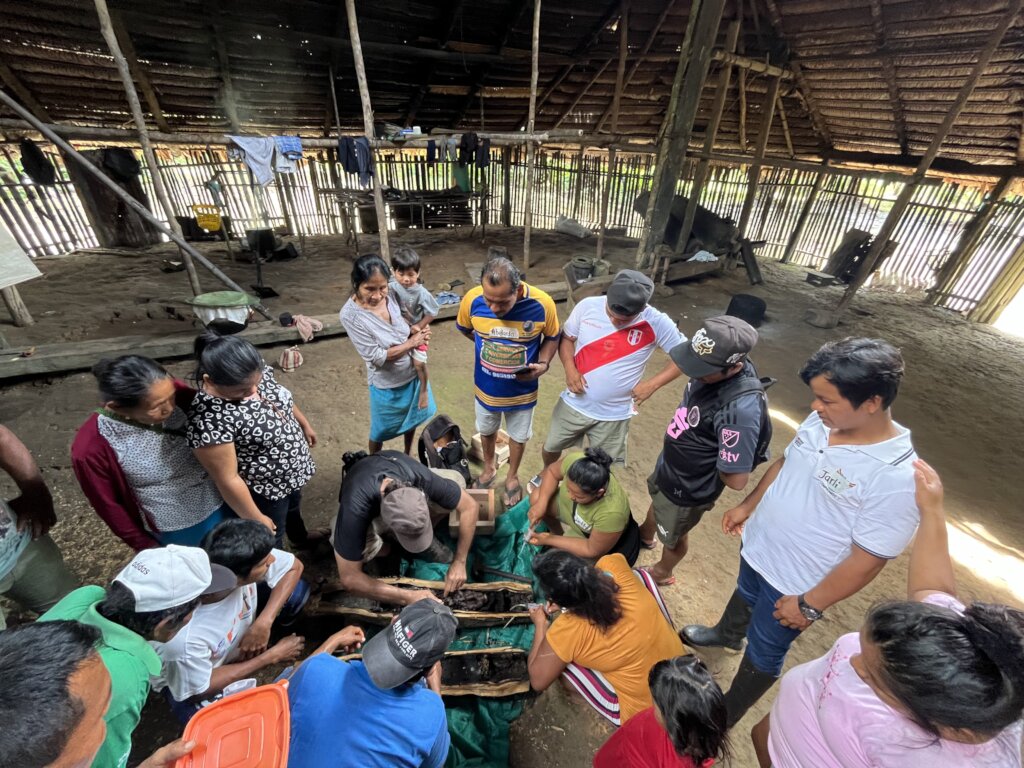
The nearly 200 families in 11 native communities with whom we plant trees and raise bees may be a drop in the ocean. But, for them as for us, what we’re doing is working, and that’s no small thing. The seed that we’ve nurtured and grown, now is a vibrant tree.
It saddens me to say that Camino Verde is in a lean time. 2025 has been a hard year for so many of us; we know CV is not unique in its struggle. Environmentalists, like Indigenous and marginalized people the world over, must get creative like never before, just to survive. In order to be resilient, we’re diversifying, we’re doubling our efforts – and we’re learning to take a risk and ask for support when we need it.
And so I’m reaching out to ask for your help.
If each person reading this report contributes a hundred dollars, Camino Verde will be able to see the year through and start 2026 on strong, steady footing – ready to deploy more seeds in new communities and grow the ripples of our reach. Of course, I know that we don’t all have a hundred dollars to give, but believe me that every single gift counts. And if you’re able to give more than a hundred, we appreciate it so very deeply.
If you are able, if you are called, donate to Camino Verde today. On the donation form, you’ll notice there’s a place to write us a comment; so, please, let us know what you’re reciprocating – in memory of whom, inspired by or in thanks to what, are you called to give something back. We can’t wait to hear from you.
A final, important question to add: what are you giving to, when you go to give something back? What world are you building, what are you helping to live?
Read on to learn more about the latest and greatest work of Camino Verde in the Peruvian Amazon and beyond. We’re sharing some incredible updates in the section below about all we’re able to do thanks to you. Please check it out, to know what you’re nurturing.
We are grateful for your support! Thank you for helping us give something back.


Top Ten things you might not know about CV
For this quarter’s updates, we’re structuring things as a countdown. Here are the Top Ten things you may not know –but we think you should– about Camino Verde’s mission and programs. We hope you’ll learn something new about the impact you’re helping us make.
And please, let us know what it is! We always love to hear from you, and we’re excited to find out what you hadn’t known about us before checking this out. Make sure to read to the end; like all Top Tens, this one gets better and better as you count down!
10. Seed Fair XXI
Coming this weekend, Camino Verde is proud to participate in the 21st Annual Fair for the Exchange of Seeds and Knowledge, held by local partner org, Association for Ecological Agriculture. Each year we show up in a big way for native biodiversity with seeds and seedlings of dozens of native tree species.

9. Indigenous Representation in the CV Team
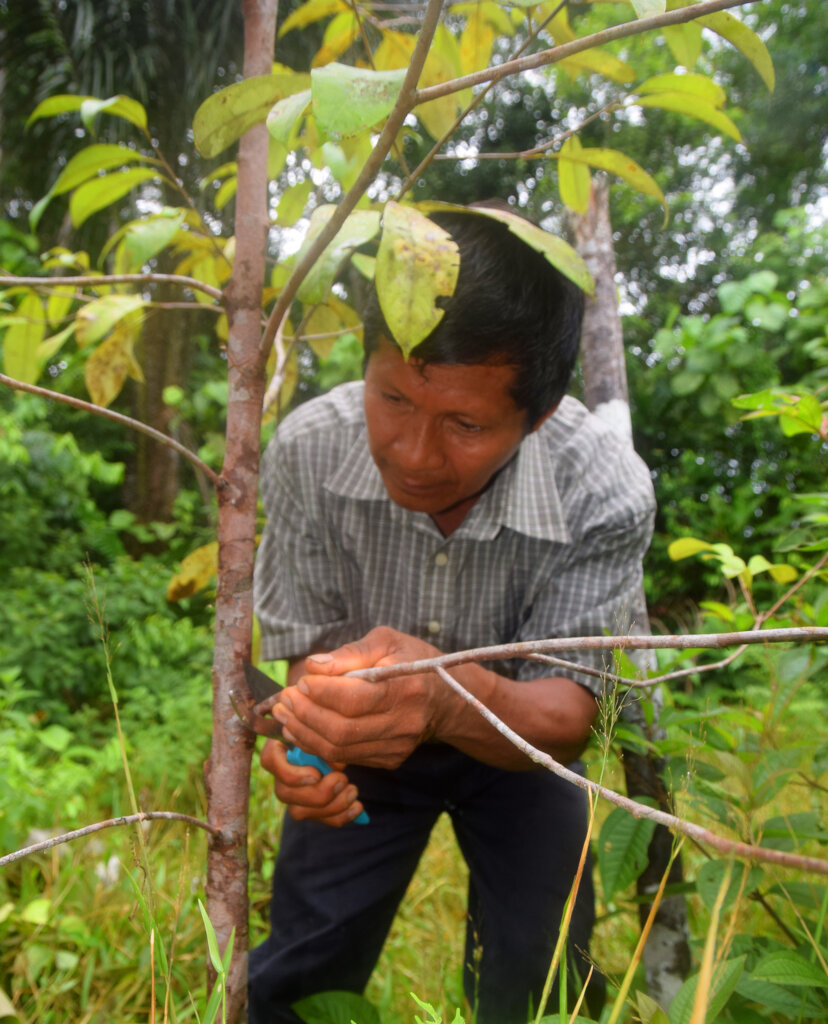
Did you know? Of the 15 staff members who make up our agroforestry field teams in Madre de Dios and Loreto, we are proud that over half (8) are from native communities. That means representatives of the Shipibo and Bora nations make up over a third of CV’s total staff (currently consisting of 23 members). This is in addition to the 180 families in 11 native communities who are our partners in tree planting and beekeeping programs.
8. Yearlong Volunteers
Since the very beginning, CV has hosted volunteers and interns at our reforestation centers. But in these nearly 18 years, we had never once had a volunteer for a full year – until now! In 2025, we have two of them. We are thrilled to welcome Luca and Jarven, from the German volunteer placement program of the NGO ADRA.
7. CV Tree Nursery Workshops
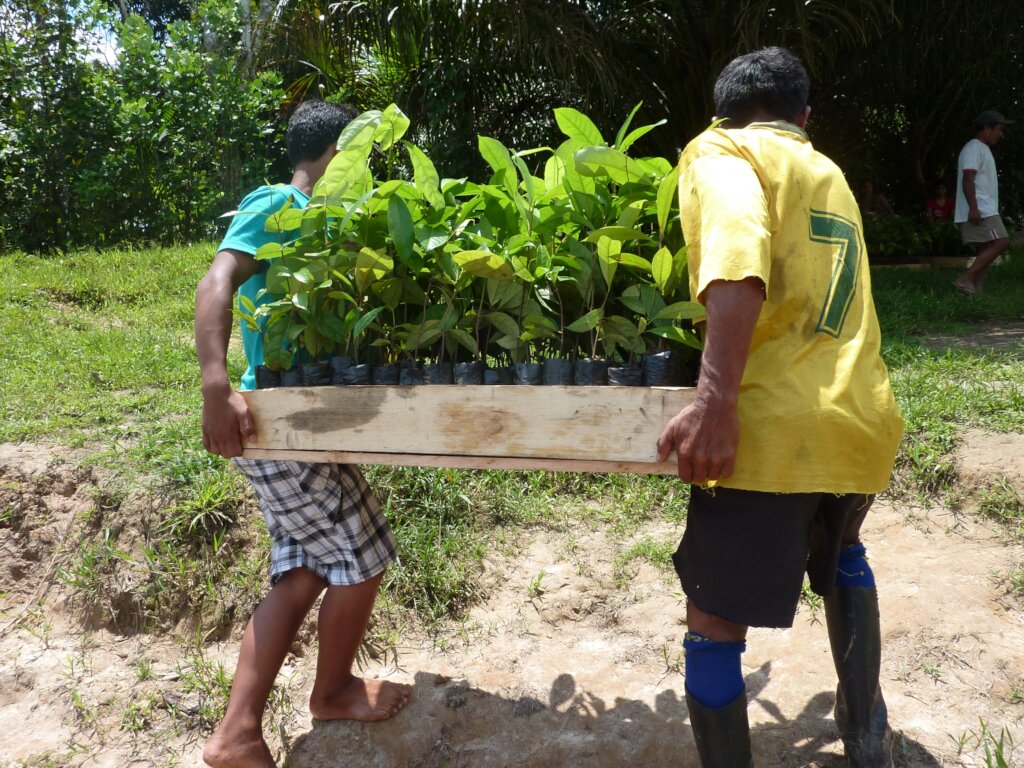
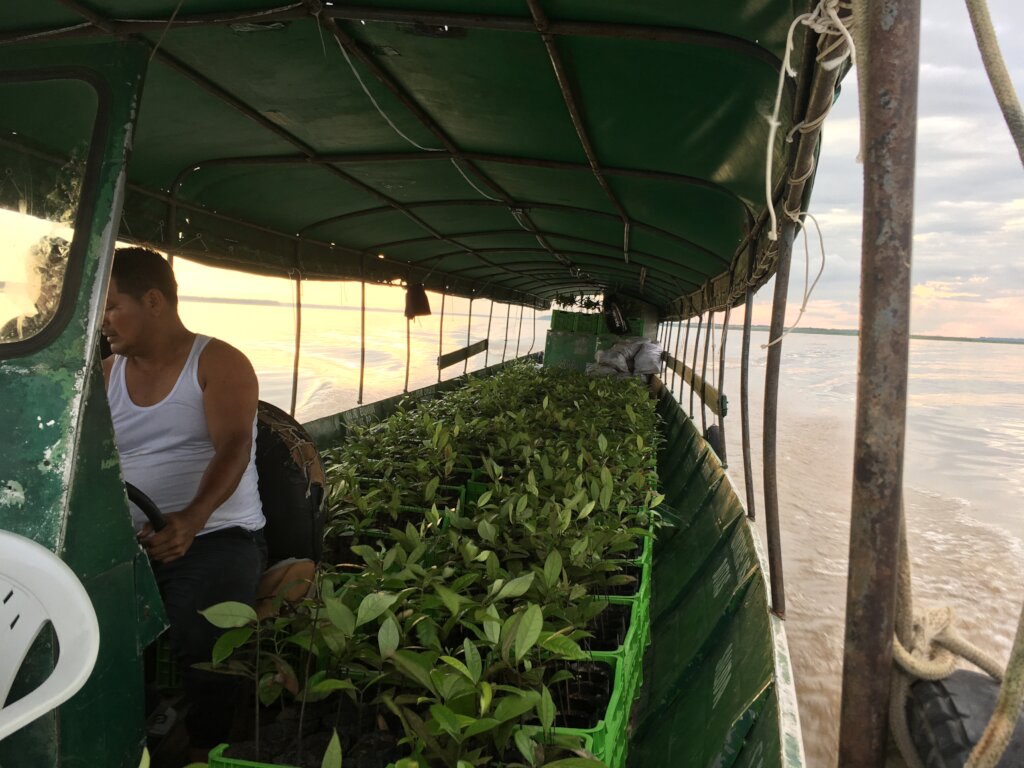
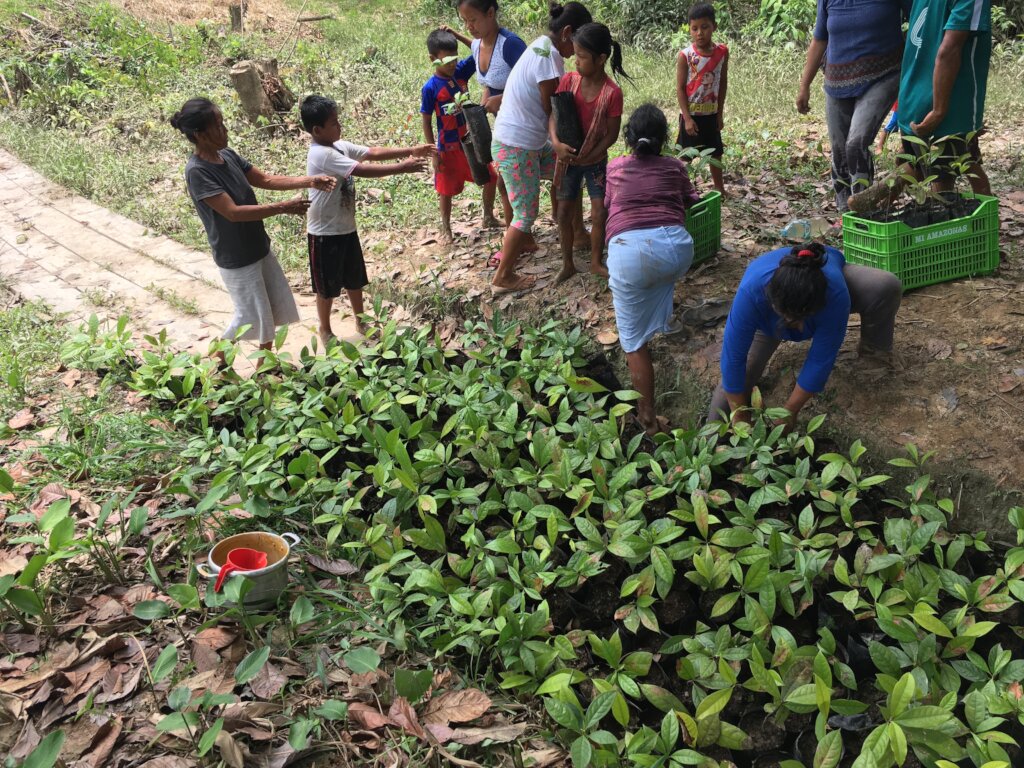
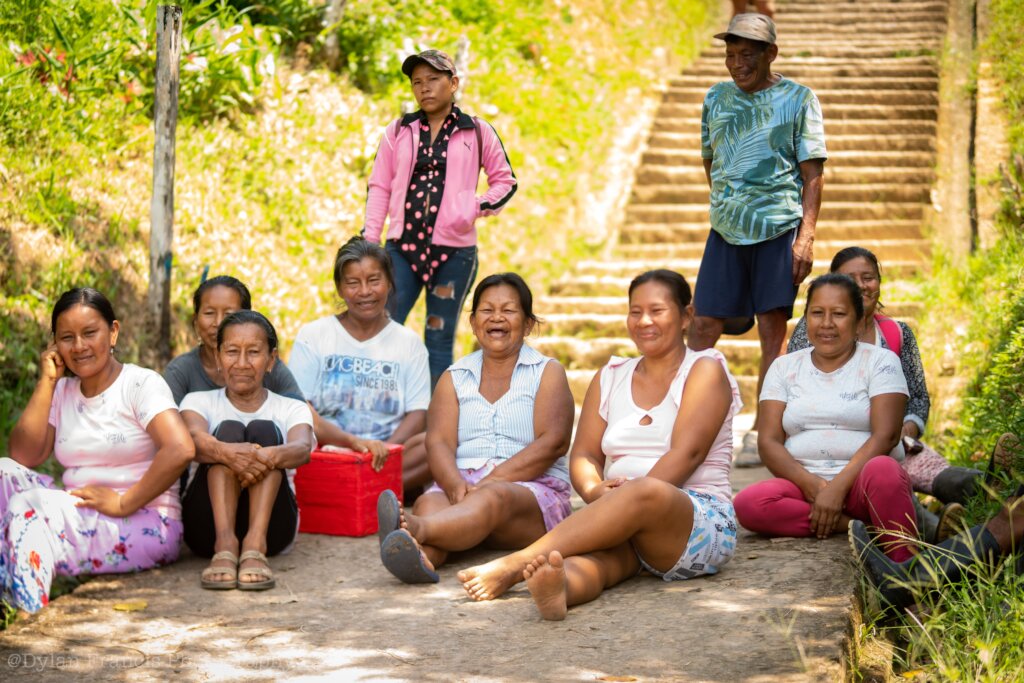
In 2024 and 2025, CV has provided tree nursery trainings to hundreds of participants in the Madre de Dios and Loreto regions. At our La Joya Center and at local schools, our workshops focus on training local and Indigenous women to raise tree seedlings.
6. Rosewood In Vitro Propagation
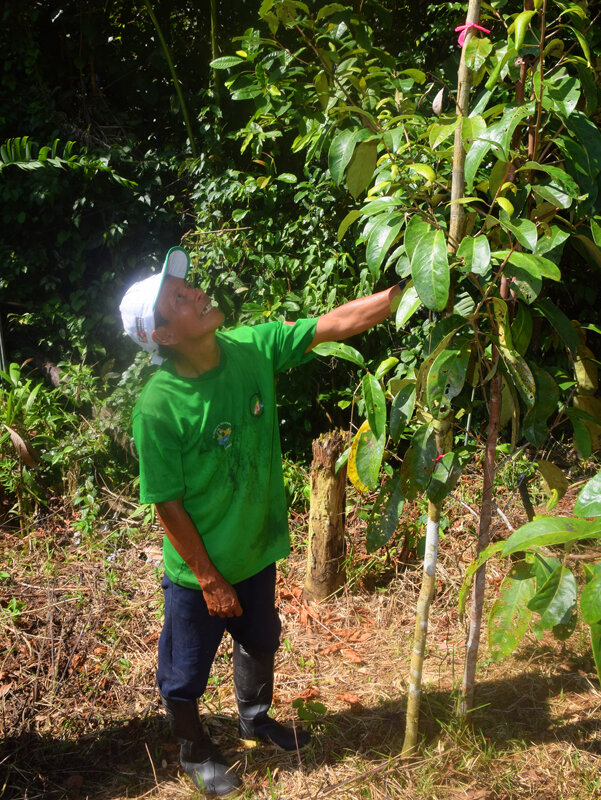
Our ambitious planting of the highly endangered rosewood tree continues! With seed sources scarce and dwindling in the wild, CV turned to vegetative and in vitro propagation to break the seed bottleneck. After years of trying, we are finally seeing exciting results in both the in vitro lab and the vegetative propagation beds. Patience is paying off!
5. Team Evolutions
Everyone who has visited CV in the past 4 years will be sad to learn that beloved Volunteer Coordinator Mauricio Arhuire has moved on to his next great professional chapter. He will be missed! We wish Mauri well as he pursues a new and exciting career path – and look forward to welcoming in our next Caminante Verde teammate. Stay tuned!

4. CV’s First Tree Nursery in a Native Community Turns One
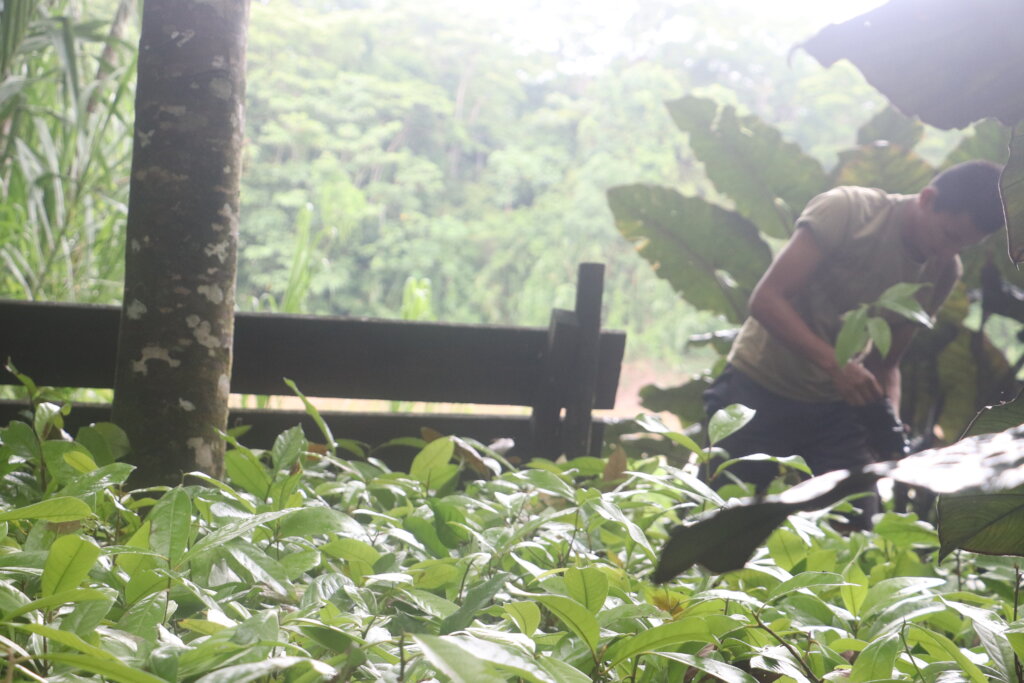
After years of developing tree planting agroforestry programs in the native communities of the Ampiyacu basin, we are thrilled to celebrate the first year of operation of our first-ever community tree nursery. The “Communal Nursery” has already produced thousands of seedlings of dozens of species – and hosted paid internships for three women community members learning the A to Z of tree nursery management. This makes two nurseries in two regions where CV offers paid internships to Indigenous women, helping grow the next generation of local tree nurserywomen in the Peruvian Amazon.
3. Camino Verde in Kenya
We’re going back to East Africa! As a member of Regenerative Farms, Camino Verde will present our replicable models of community-based native species agroforestry for the production of non-timber forest products in Kenya. You may recall that last year, Programs & Strategies Manager Clemencia Pinasco represented CV at the Global Landscapes Forum in Nairobi. Now, in January 2026, she and ED Robin Van Loon will return to share our experience at the Drylands Natural Resource Centre.
2. 2nd National Melipona Bees Congress
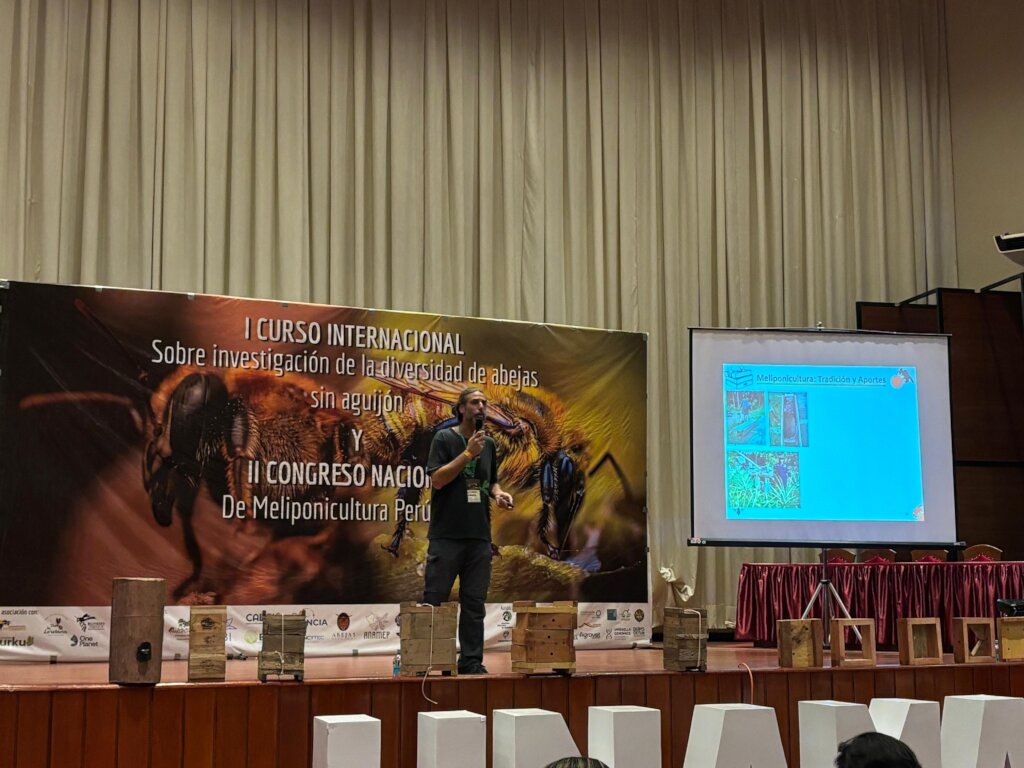
Last month, Puerto Maldonado’s UNAMAD University hosted Peru’s 2nd National Congress for stingless Melipona bees. CV was a member of the planning committee, and our Loreto Regional Coordinator Carlos García led our team’s participation in seminars, plenaries, and practicums. CV’s reforestation centers are home to over 40 hives representing a dozen native species of medicinal honey-producing stingless bees. But this is nothing compared to our partners from 11 native communities, whose hives number in the hundreds! Coming soon: a Melipona Beekeeping Manual produced for community members by CV and ally NGOs the Chaikuni Institute and One Planet.

1. Distillation in the Communities!
Drumroll please… Over 12 years since we first planted rosewood trees in a native community, CV is now establishing a distillation plant for the production of rosewood essential oil in one of our partner communities. In close collaboration with Conservation International and Yaguas National Park (one of Peru’s few natural protected areas with an Indigenous director), the distillation plant will allow rosewood farmers to retain more added value and build new technical skills locally.
There you have it – our Top Ten news items. Thanks for reading! Look forward to more, in our next report before year’s end.
Project reports on GlobalGiving are posted directly to globalgiving.org by Project Leaders as they are completed, generally every 3-4 months. To protect the integrity of these documents, GlobalGiving does not alter them; therefore you may find some language or formatting issues.
If you donate to this project or have donated to this project, you can receive an email when this project posts a report. You can also subscribe for reports without donating.



Support this important cause by creating a personalized fundraising page.
Start a Fundraiser