By Audrey Lin | Project Manager
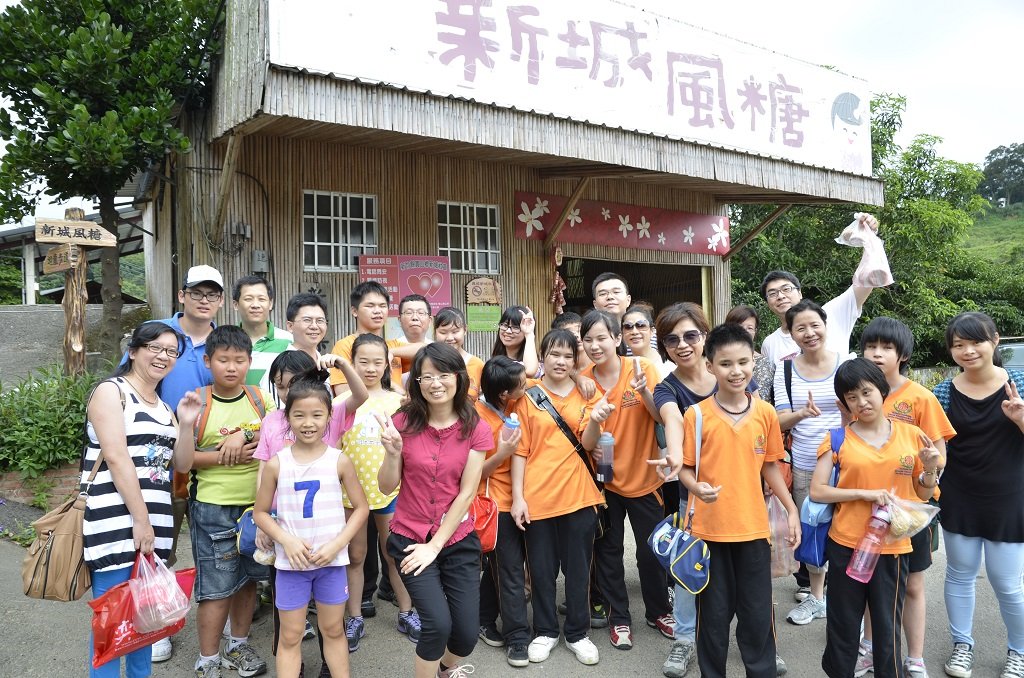
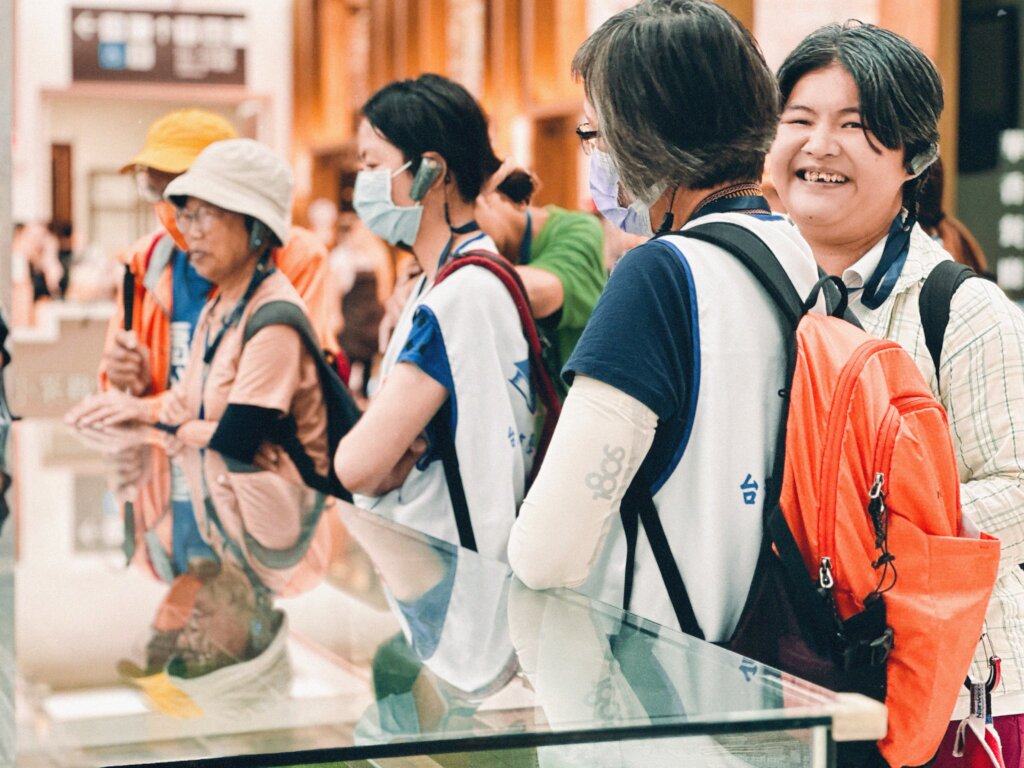
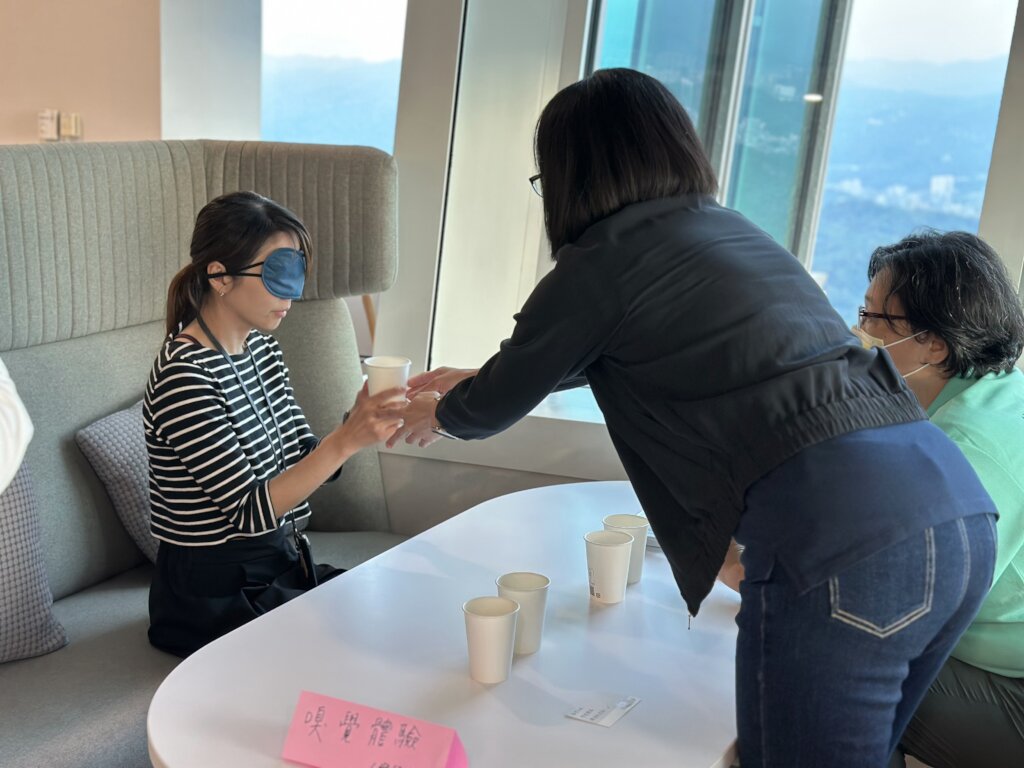
The Lifestyle Appreciation Season invites you to explore the world through your senses—taste, hearing, touch, and smell. This season, we accompany our visually impaired friends on a journey to fully savor the subtle beauty of life.
1. Exploring the Aroma: The First Herbal Ball Experience
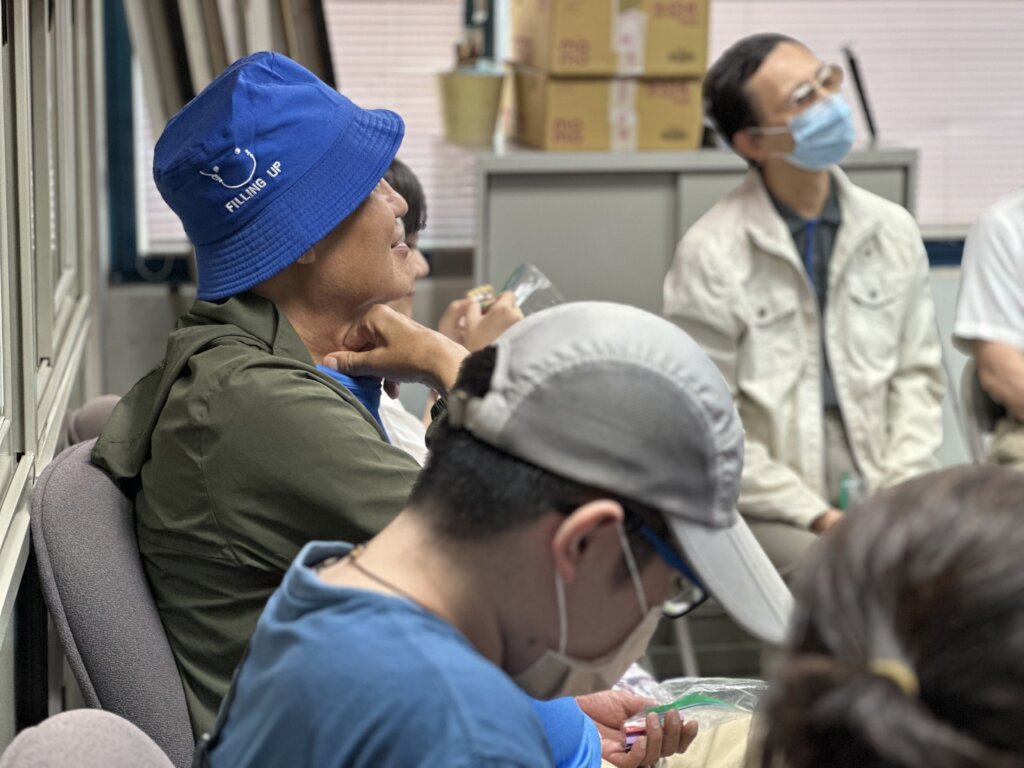
This was our first time combining meditation and herbal balls in the same class—sounds incredibly therapeutic and relaxing, doesn’t it? The day was truly filled with curiosity and joy.
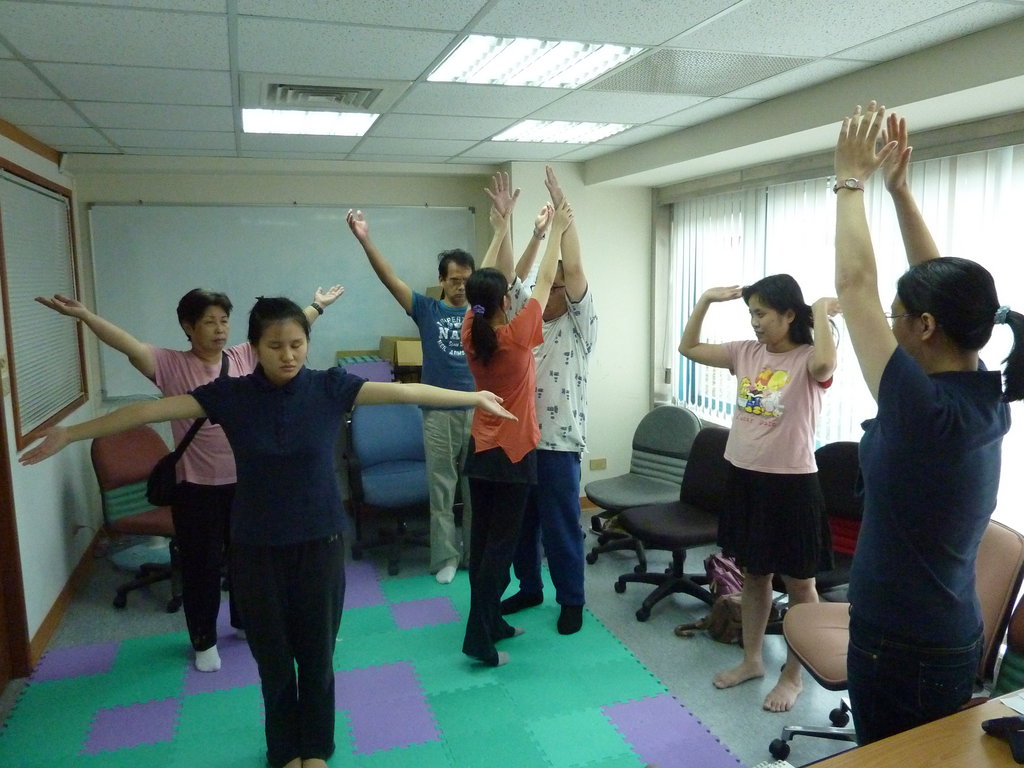
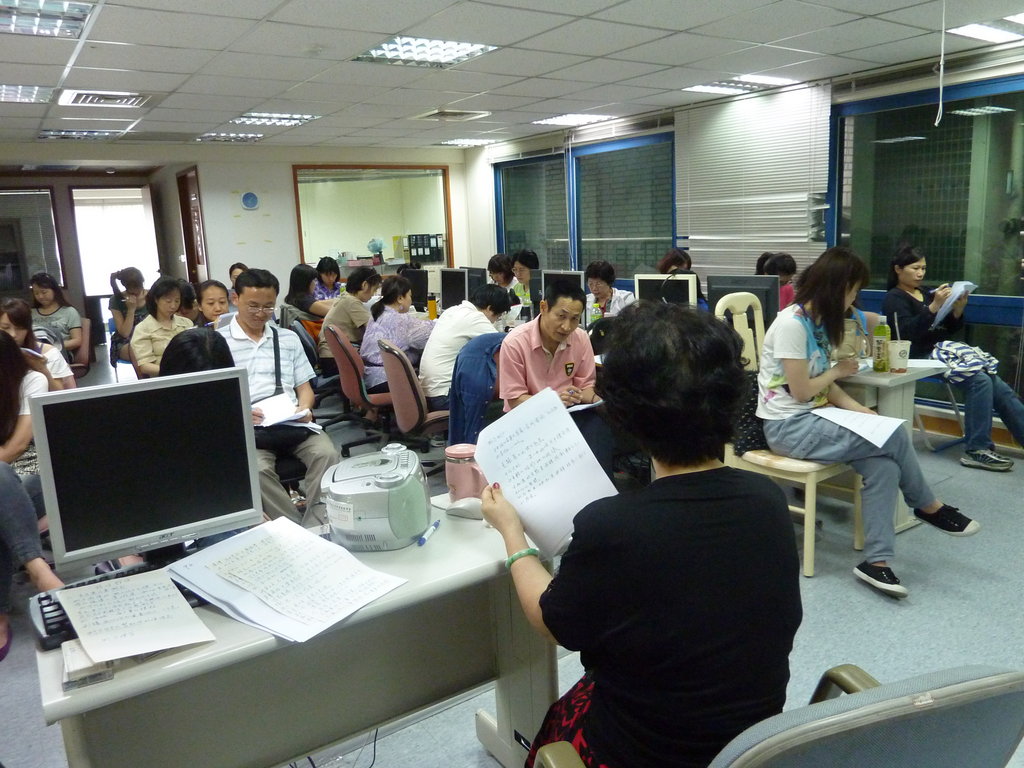
We began with a warm-up of mindfulness exercises. The teacher guided everyone to move slowly, focusing on their breath and bodily sensations. Some participants whispered, “My shoulders feel so heavy, as if I’ve been carrying bricks all day.”
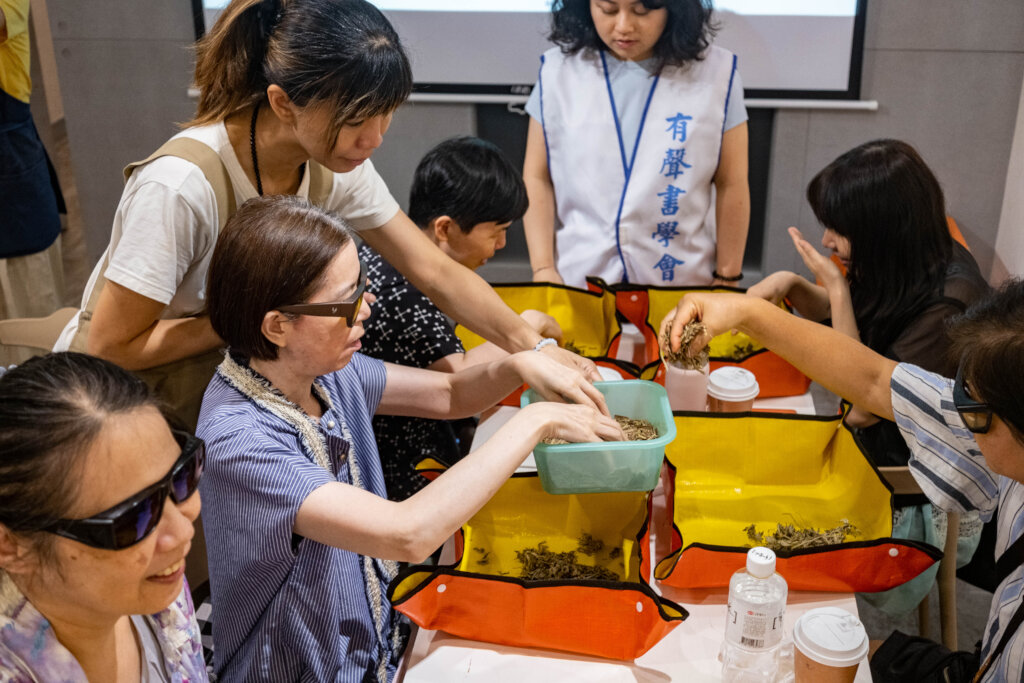
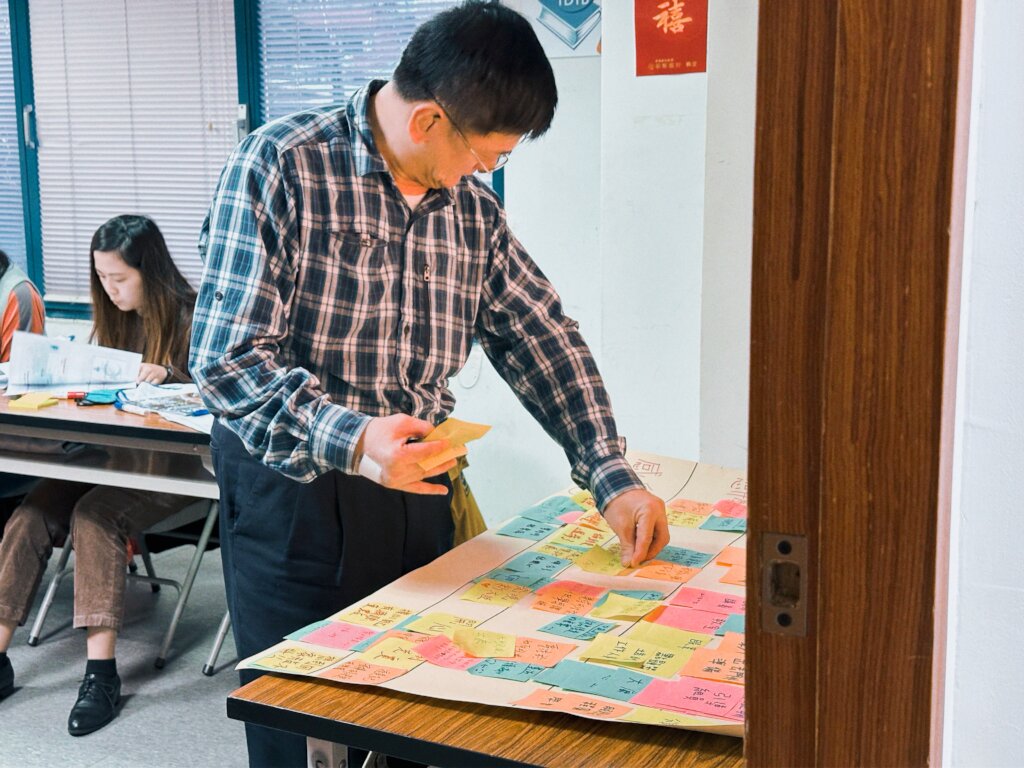
Next, the afternoon activity was the highlight: DIY herbal ball making. The teacher laid out a table full of herbs, including lemongrass, sedge, and slices of ginger, instantly filling the classroom with their fragrant aroma. Students and volunteers formed small groups to discuss which herbs to choose. Some carefully selected scents, while others joked, “This one smells so unique—just like my personality!”
When the grass-scented massage sticks were used to massage shoulders and necks, a soothing aroma and deep sense of relaxation filled the room. Some participants even set up mini massage stations on the spot, helping volunteers massage each other’s shoulders.
2. Painting from the Heart – Tote Bag Art Session
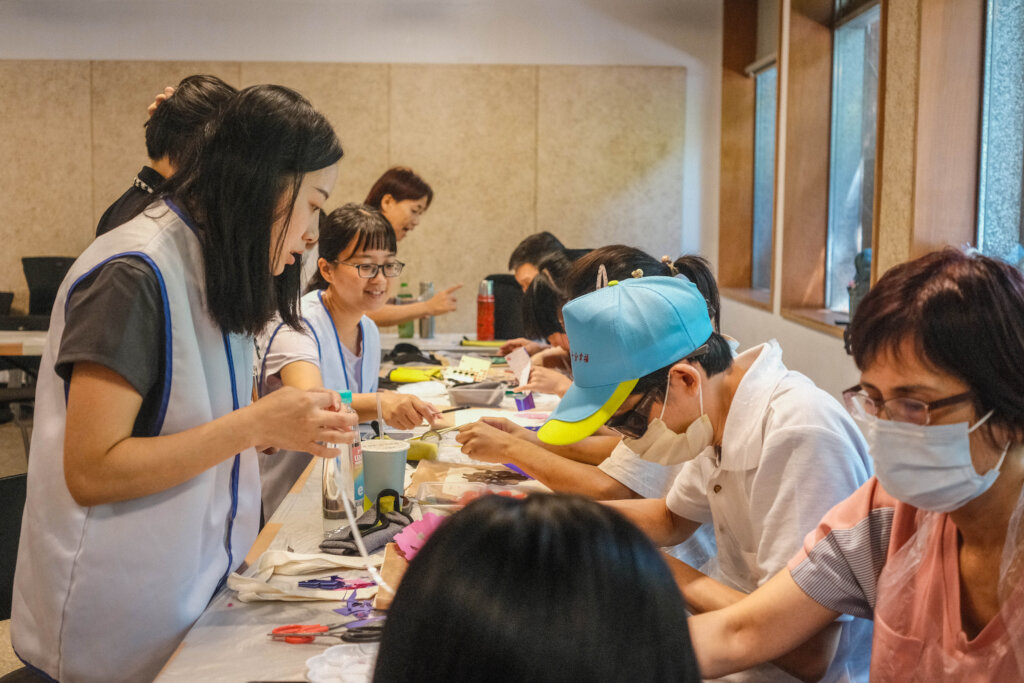
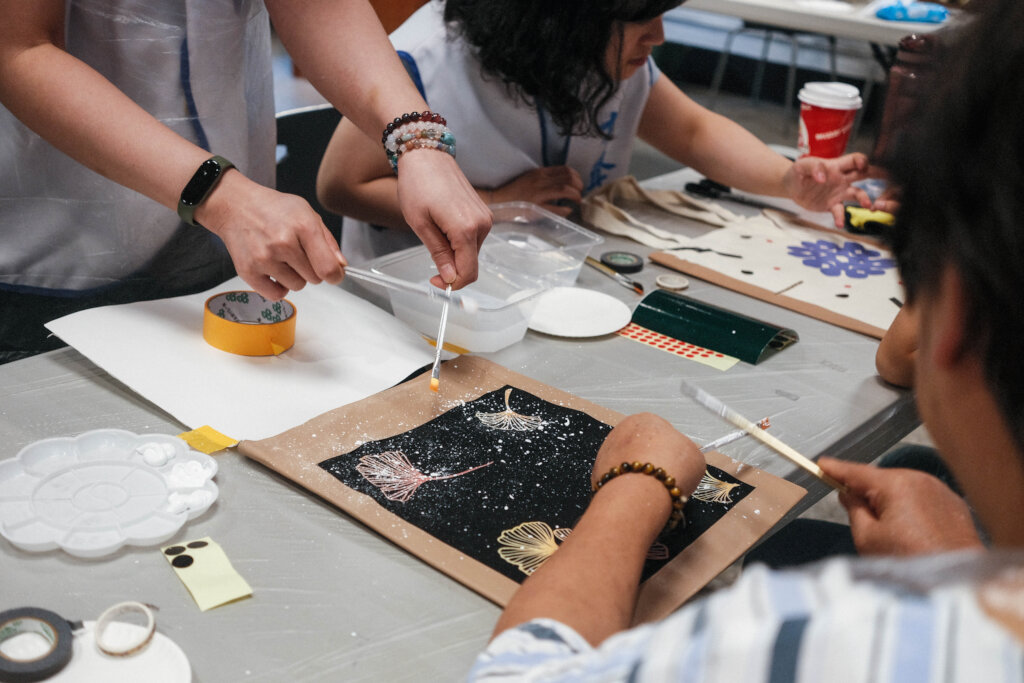
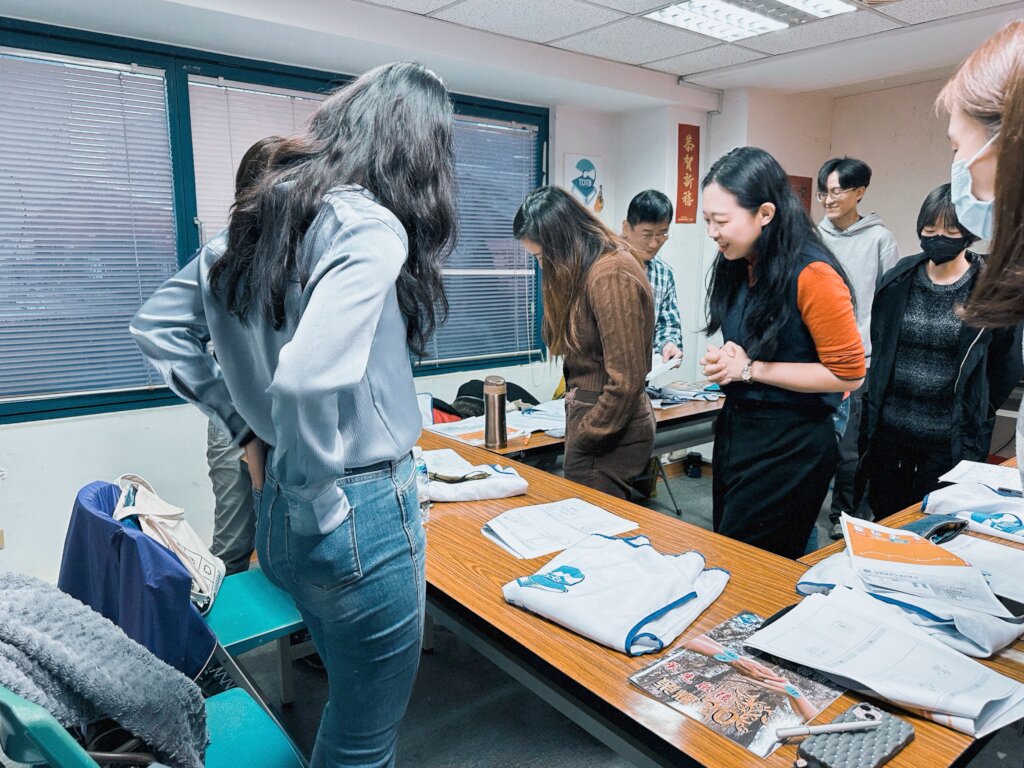
In the afternoon, the artist guided everyone to paint on bags. The table was filled with paints, brushes, bags, and small tools. For the visually impaired, color is experienced not through sight, but through touch, memory, smell, and verbal description. Some participants preferred to paint directly on the fabric with their fingers; others relied on verbal guidance from volunteers to create their patterns, while some explored the paint with brushes, letting the white color splatter across the bag like snow. When the artworks were completed, it was evident that each piece uniquely reflected the individuality and creativity of its creator.
3. Exercise Without Limits– Group Fitness Classes for the Visually Impaired
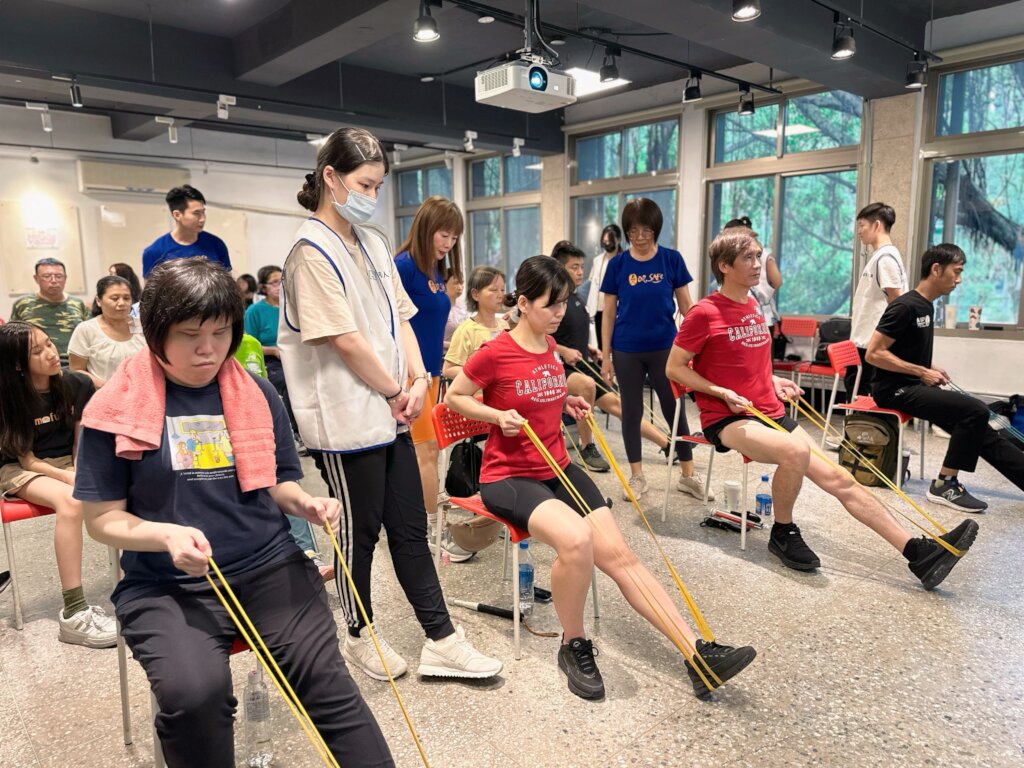
This year, we specifically divided our exercise classes into "Beginner" and "Intermediate" levels, allowing each visually impaired participant to choose the class that best suits them. The beginner class focuses on building muscle strength using plastic bottles, while the intermediate class incorporates resistance bands to offer more challenging exercises. Each session progresses from head-and-neck relaxation and warm-ups to home-based muscle training, ultra-slow jogging, and ends with a cool-down wrap-up.
The course also featured several particularly touching stories.
One student, who had participated in our class last year and had been exercising consistently since then, returned this year still full of enthusiasm. His dedication was deeply moving and inspiring for both staff and coaches.
Another student said, "Using resistance bands, my body started to feel warm after just ten minutes!" A completely blind gentleman in his fifties demonstrated remarkable agility, immediately adapting to any changes in the instructor’s directions and completing every movement with a bright smile.
4. Special Course: Synthetic Biology Group Class
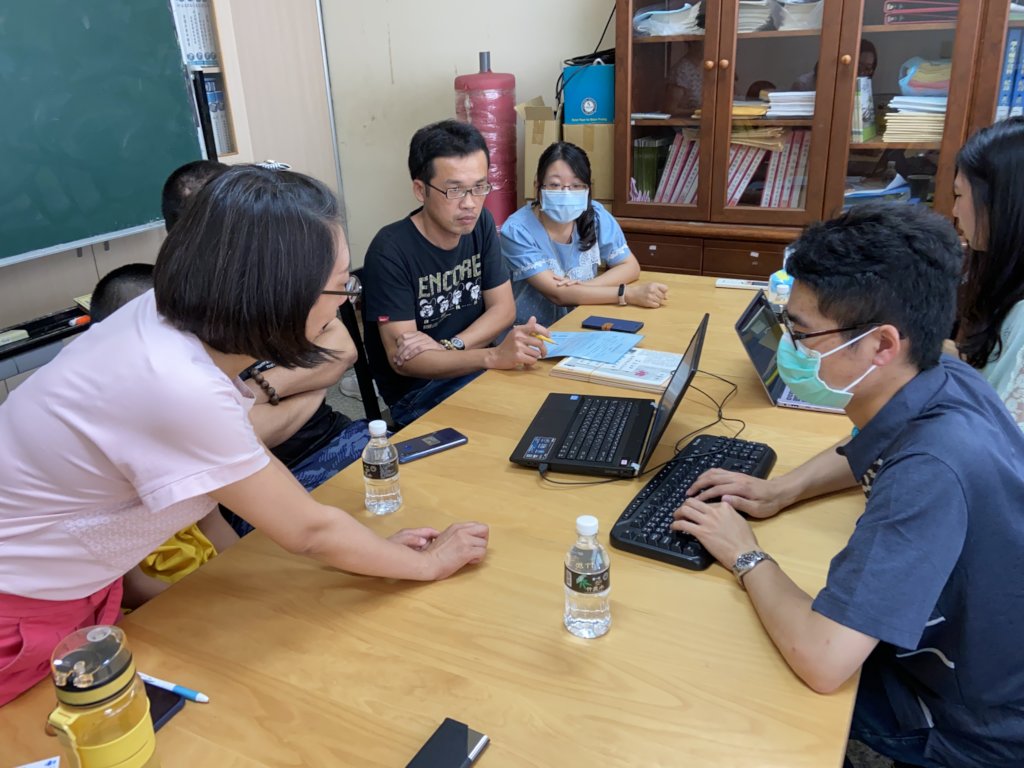
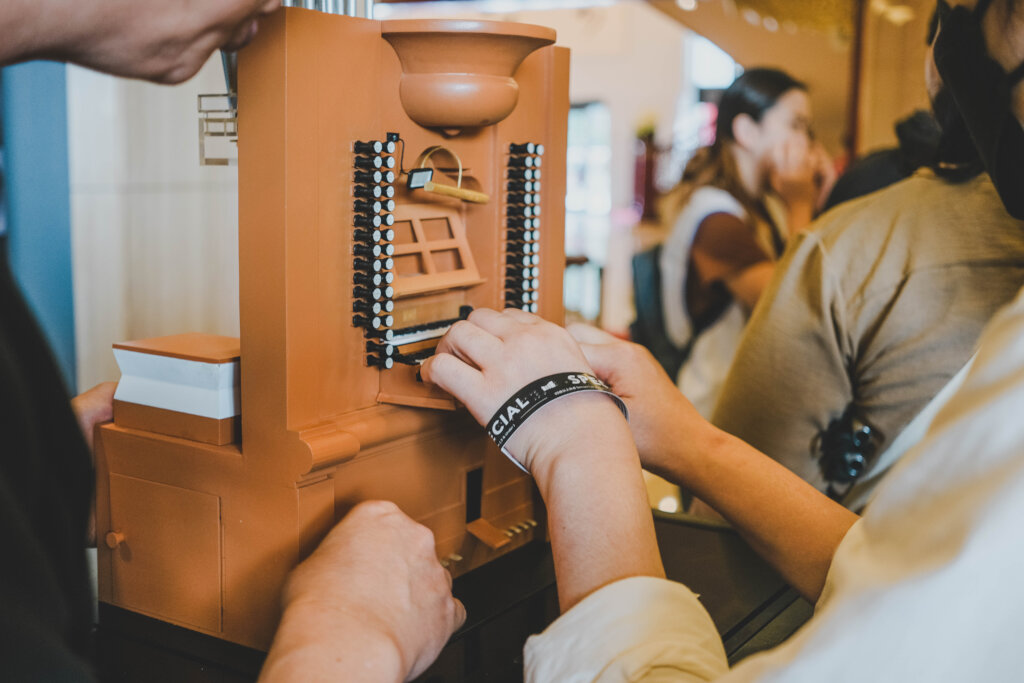
This quarter, TDTB organized a special course, the "Synthetic Biology Group Class," in collaboration with the Kang Chiao International School Synthetic Biology Club. Promoting the positive impact of engineering science to the public has always been the the Kang Chiao International School Synthetic Biology Club's mission.
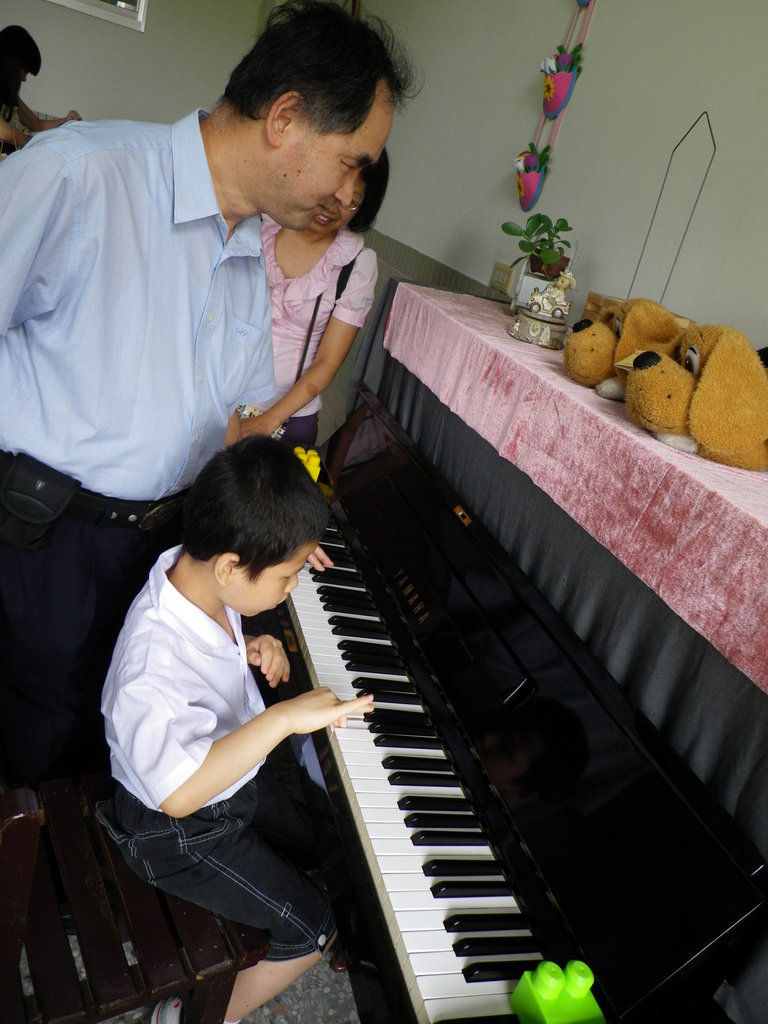
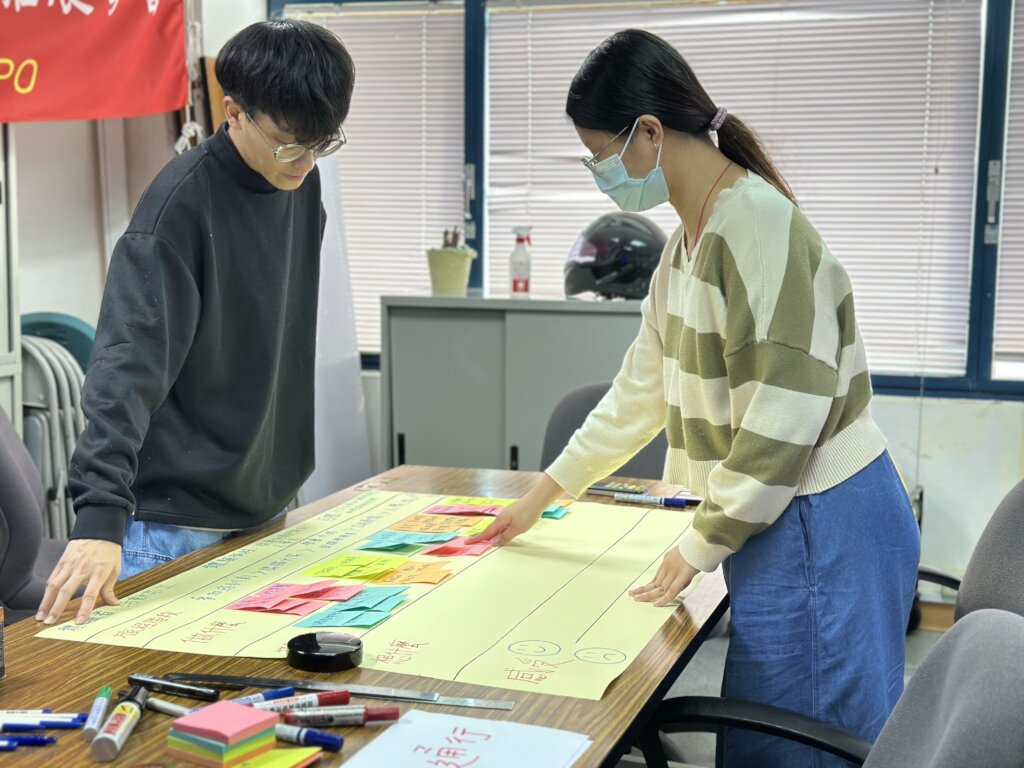
Recent breakthroughs in RPE65 clinical case studies in Taiwan have brought new hope to the visually impaired, inspiring the planning of this special project for the club members. In the light of this, the members explored ways to integrate these scientific concepts with tactile experiences. After continuous discussions and hands-on trials, they ultimately chose a LEGO building blocks activity as the core teaching material, directly engaging participants’ sense of touch. Through assembling the LEGO blocks, visually impaired participants can experience and simulate the logical concepts of genetic engineering firsthand.
5. Learning Without Age Limits – One-on-One Information Class
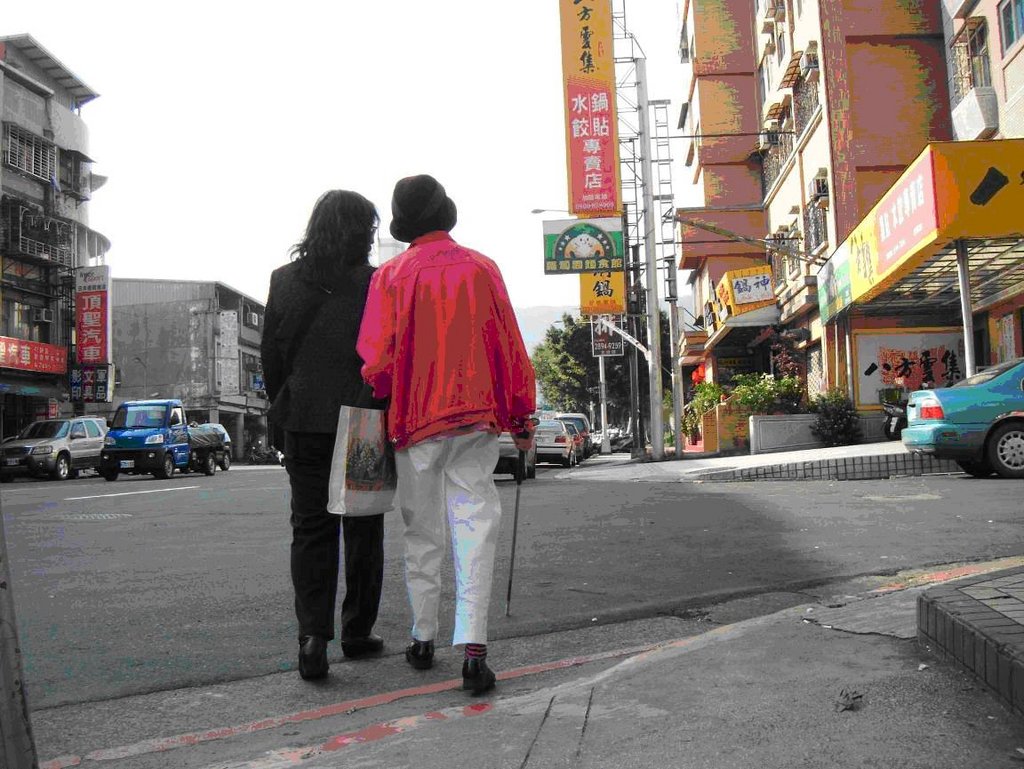
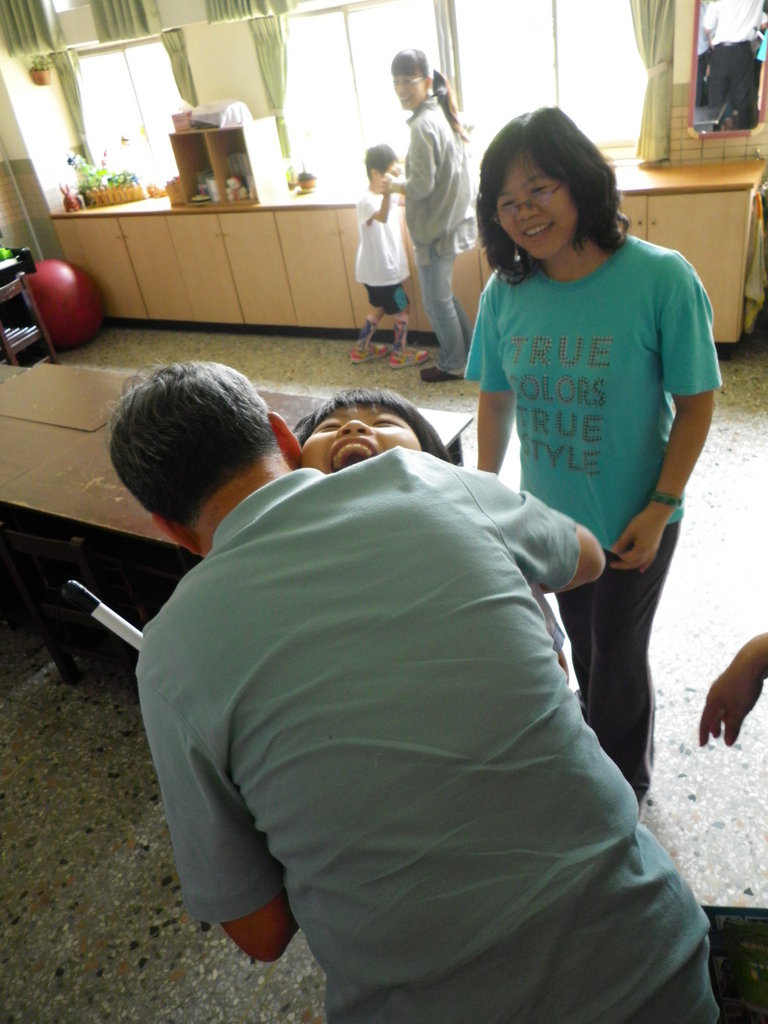
The first time we met Uncle Chiu, he walked into the classroom leisurely, using his white cane and cheerfully said, “Hi everyone, I’m 70 years old, but I still want to keep learning new things.”
He is the chairman of an NPO dedicated to serving the visually impaired. For many years, he prioritized securing resources for others over his own needs. Now, he has decided to give himself the opportunity to learn.
Uncle Chiu smiled and said, “Although I’m getting older, I want to keep up with the times so I can walk alongside my friends. I don’t want to stop here.”
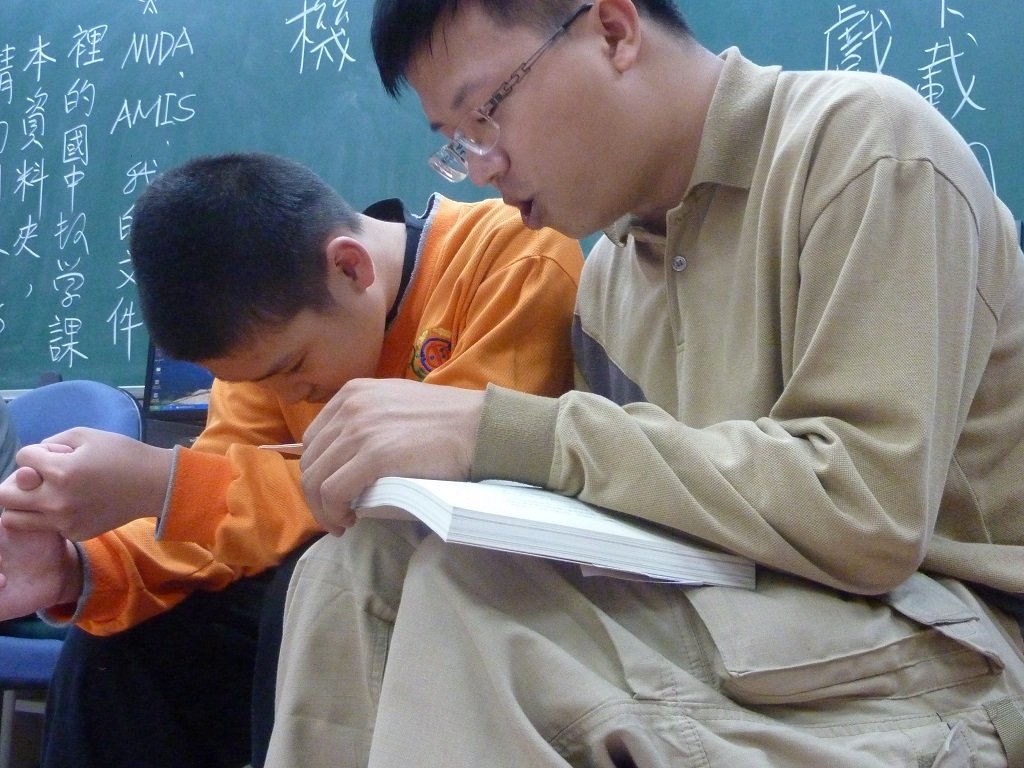
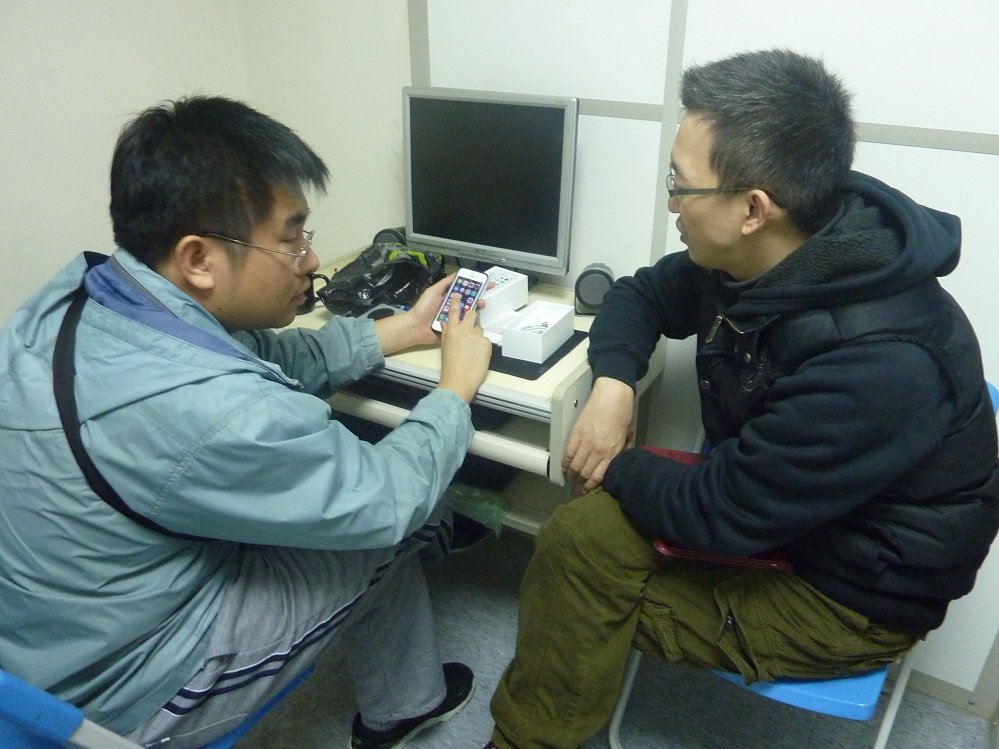
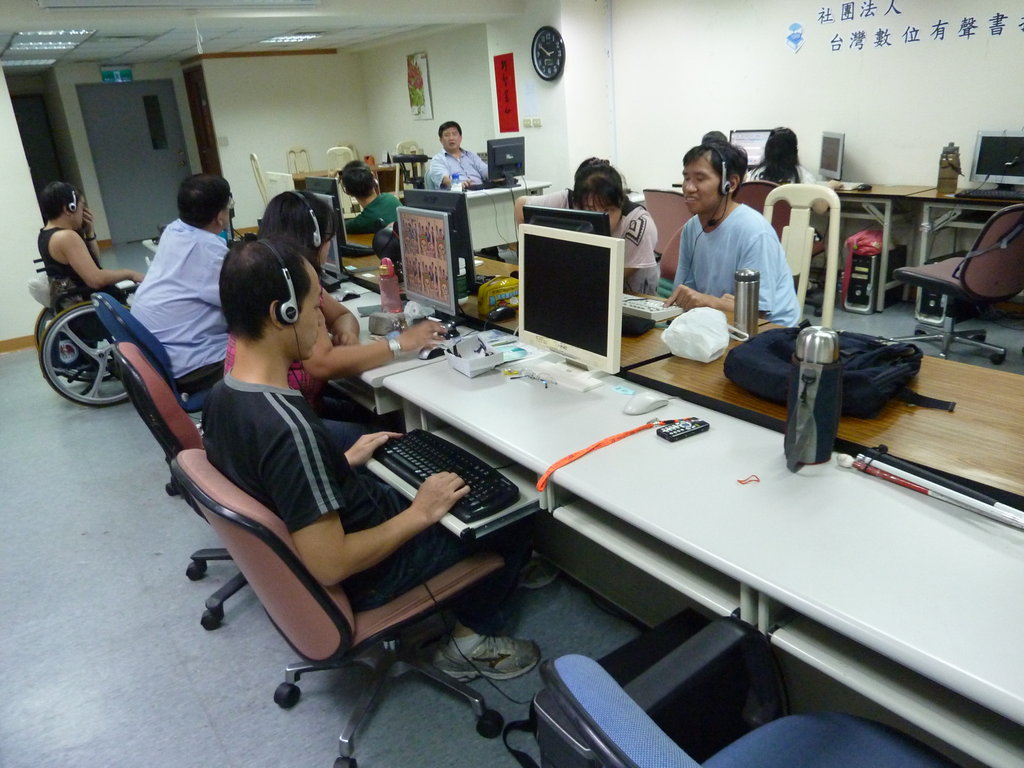
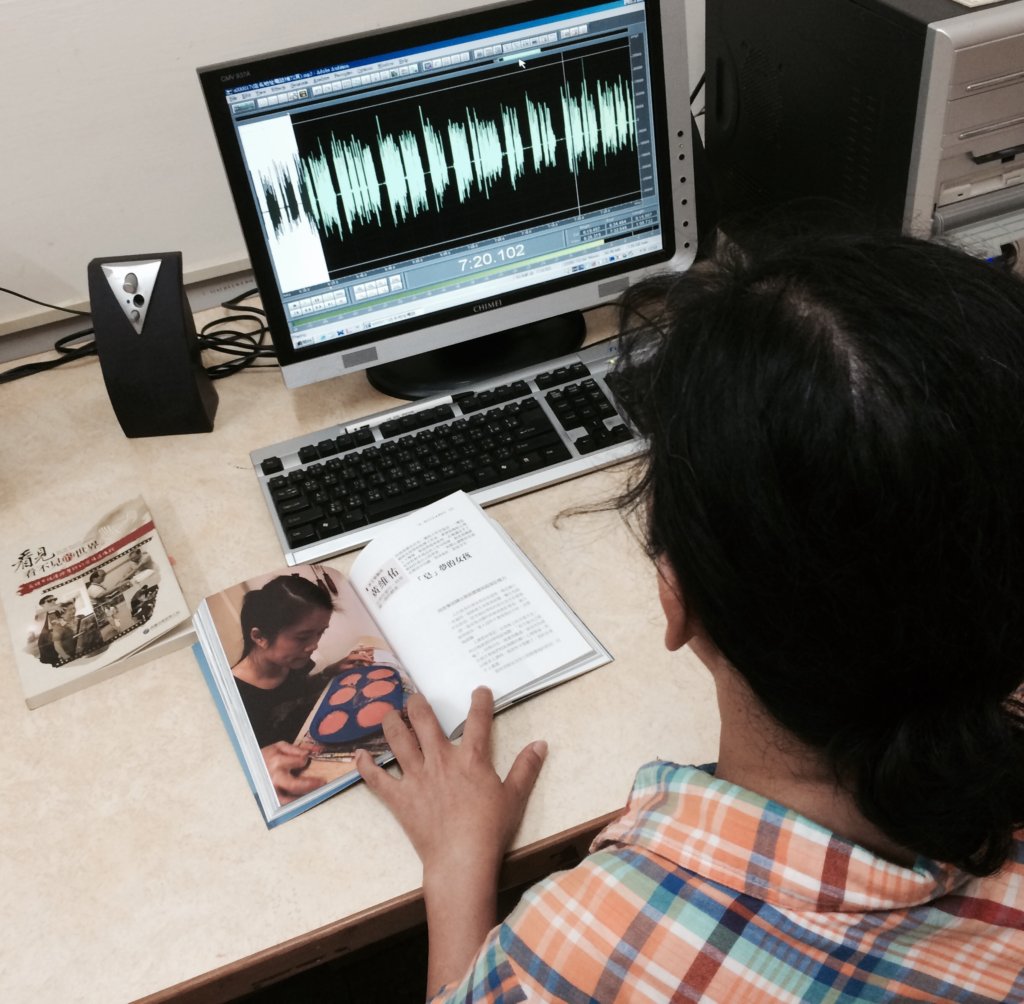
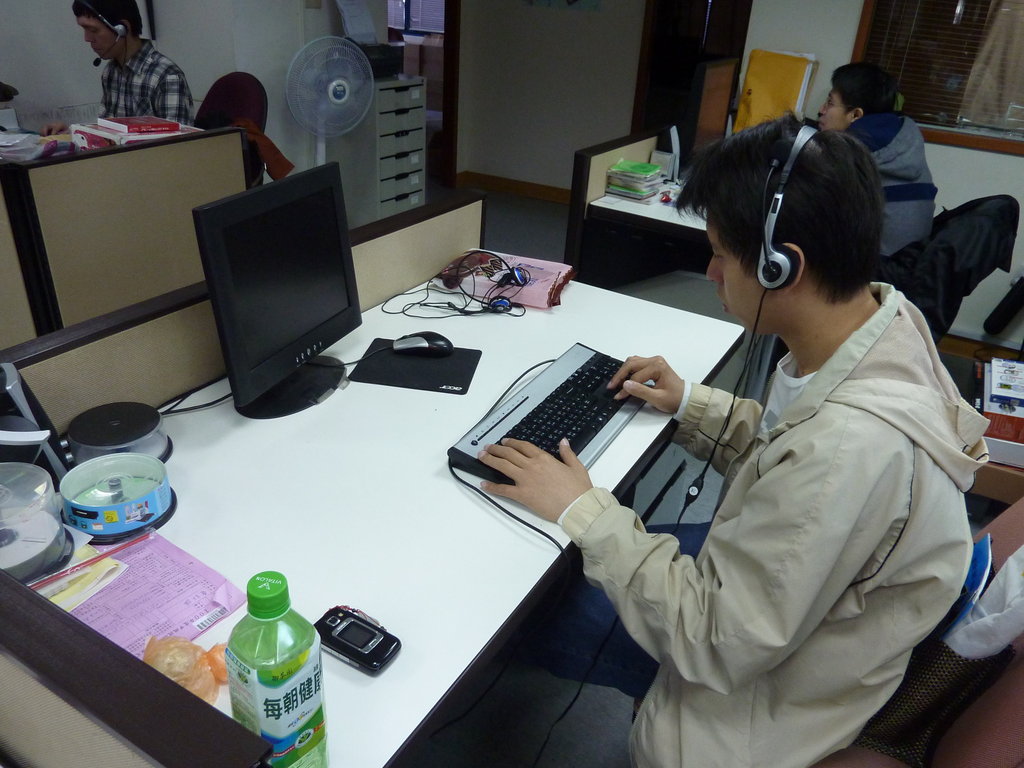
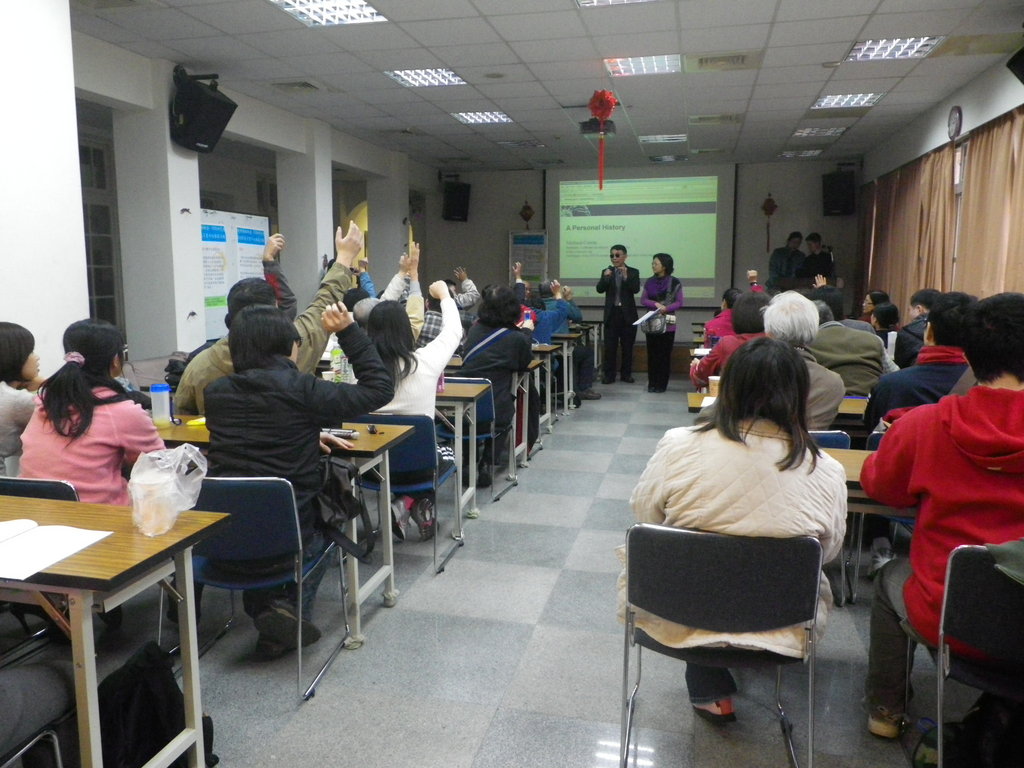
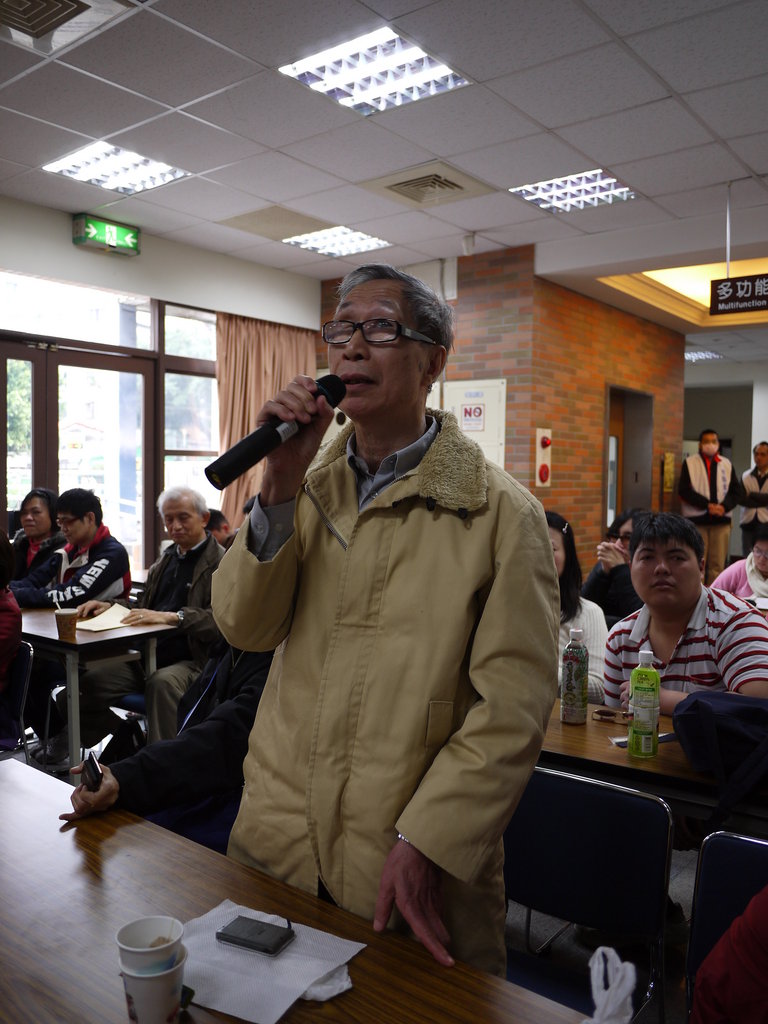
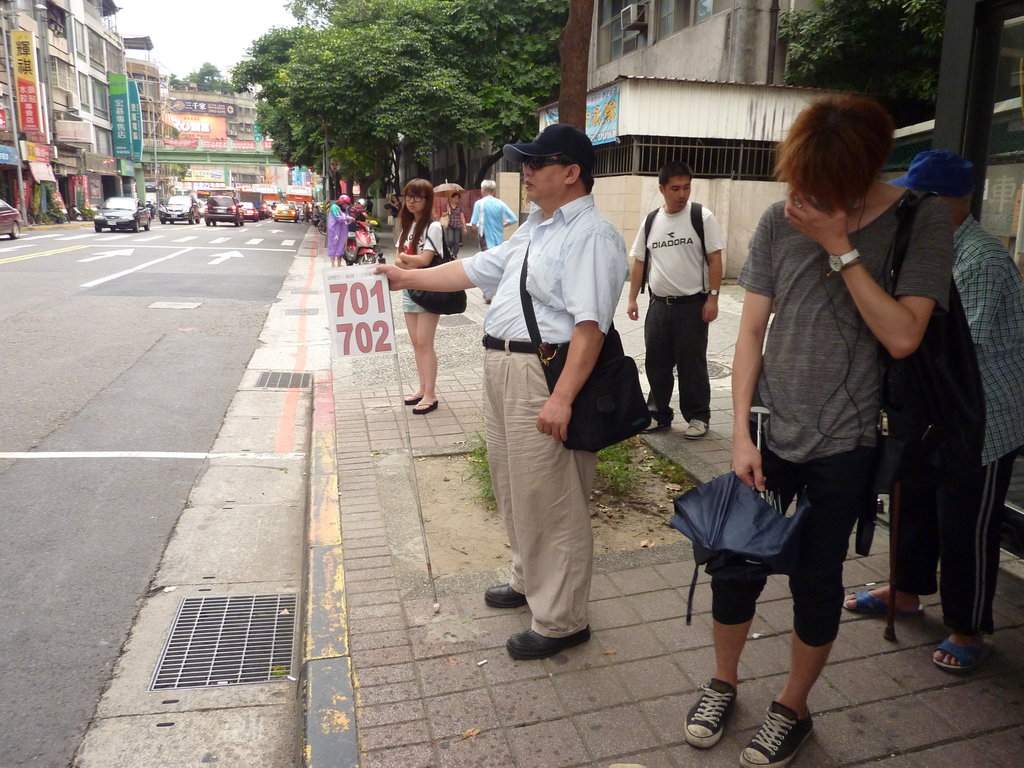
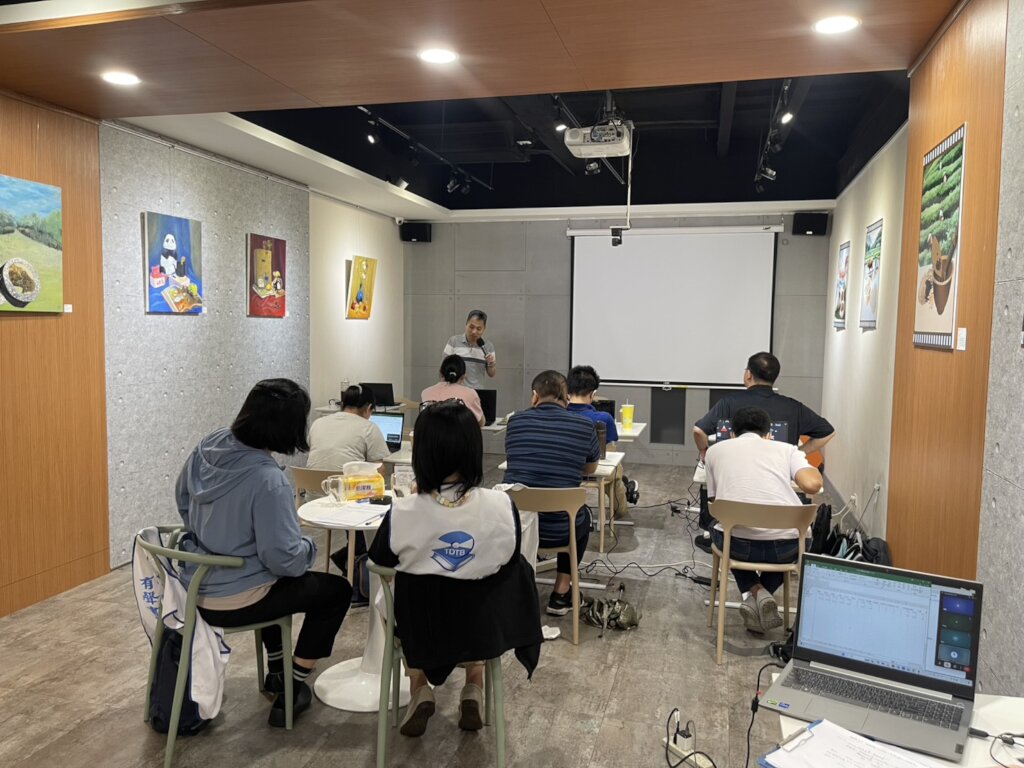
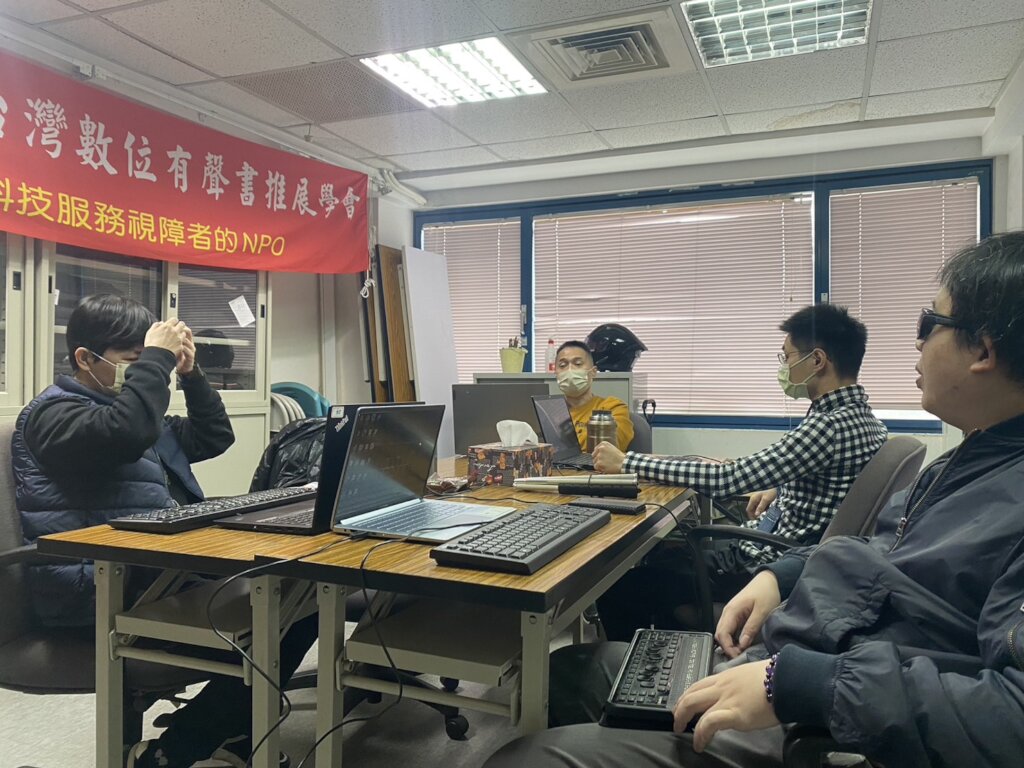
He enrolled in our one-on-one information class. While the learning content may seem simple, it presents real challenges for many visually impaired people, such as checking bus schedules independently or posting on Facebook to share daily life and feelings.
He diligently attends weekly classes and repeatedly practices the skills. After a few weeks, Uncle Chiu can check bus arrival times on his own and proudly share posts on Facebook. These achievements not only give him greater independence but also bring peace of mind to his family.
Links:
By Audrey Lin | Project Manager
By Audrey Lin | Project Manager
Project reports on GlobalGiving are posted directly to globalgiving.org by Project Leaders as they are completed, generally every 3-4 months. To protect the integrity of these documents, GlobalGiving does not alter them; therefore you may find some language or formatting issues.
If you donate to this project or have donated to this project, you can receive an email when this project posts a report. You can also subscribe for reports without donating.



Support this important cause by creating a personalized fundraising page.
Start a Fundraiser