By Audrey Lin | Project Manager
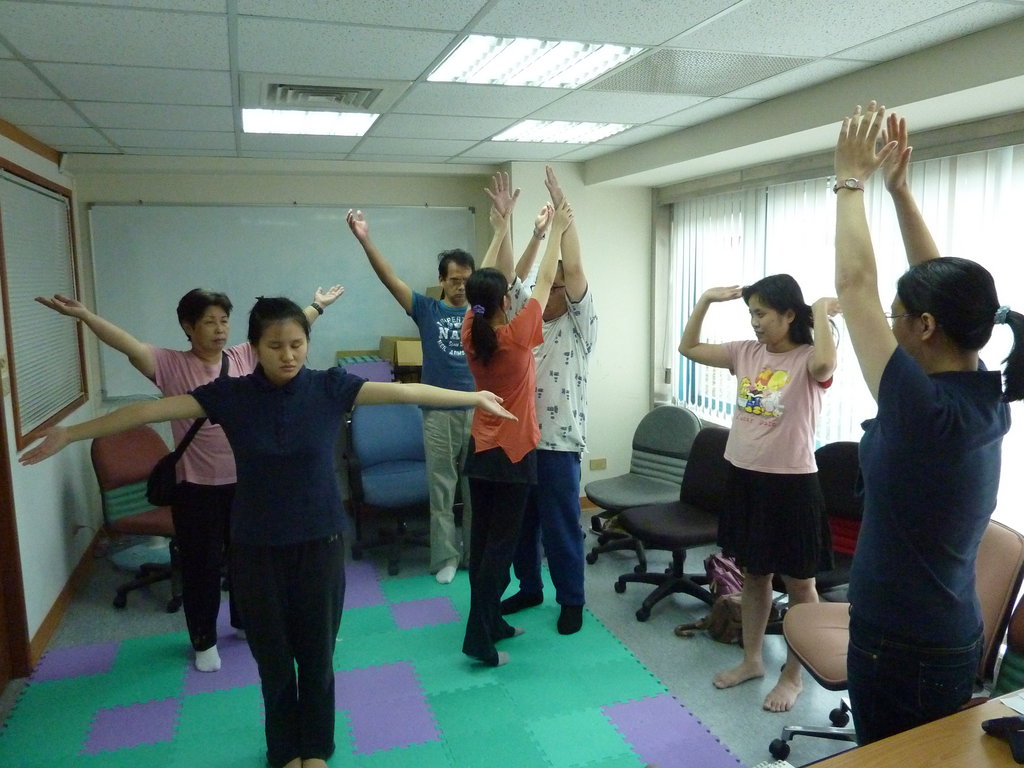
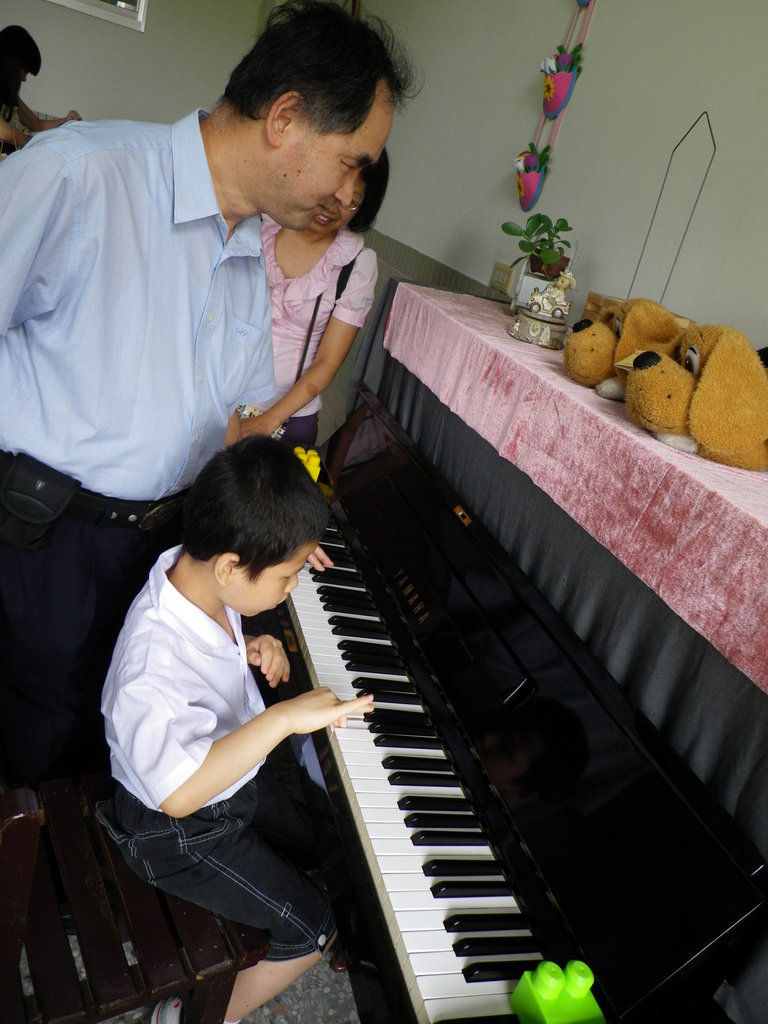
At some point, we've all thought about learning a new skill. At first, it may be nothing more than a vague idea. But without consistent practice, it's easy to remain exactly where you started. What truly turns an idea into reality is repeated effort and regular practice. In this quarter's report, we'd like to share how people with visual impairments have gradually developed their skills, gained confidence, and empowered themselves to keep moving forward.
1. Financial Literacy Board Game Workshop
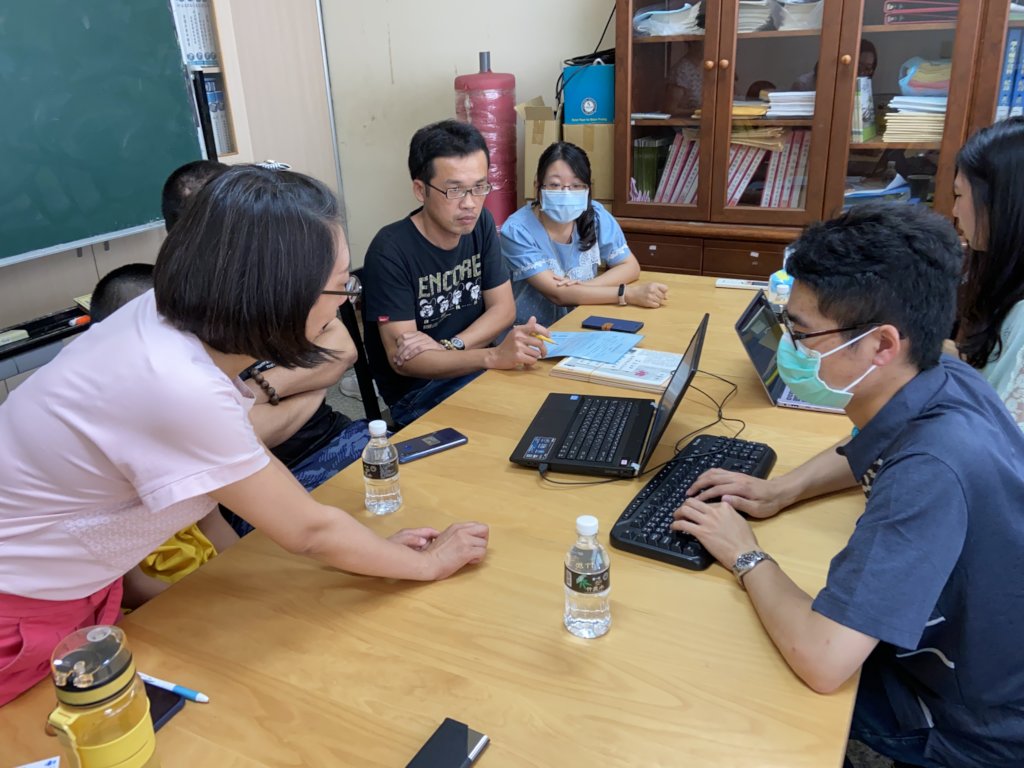
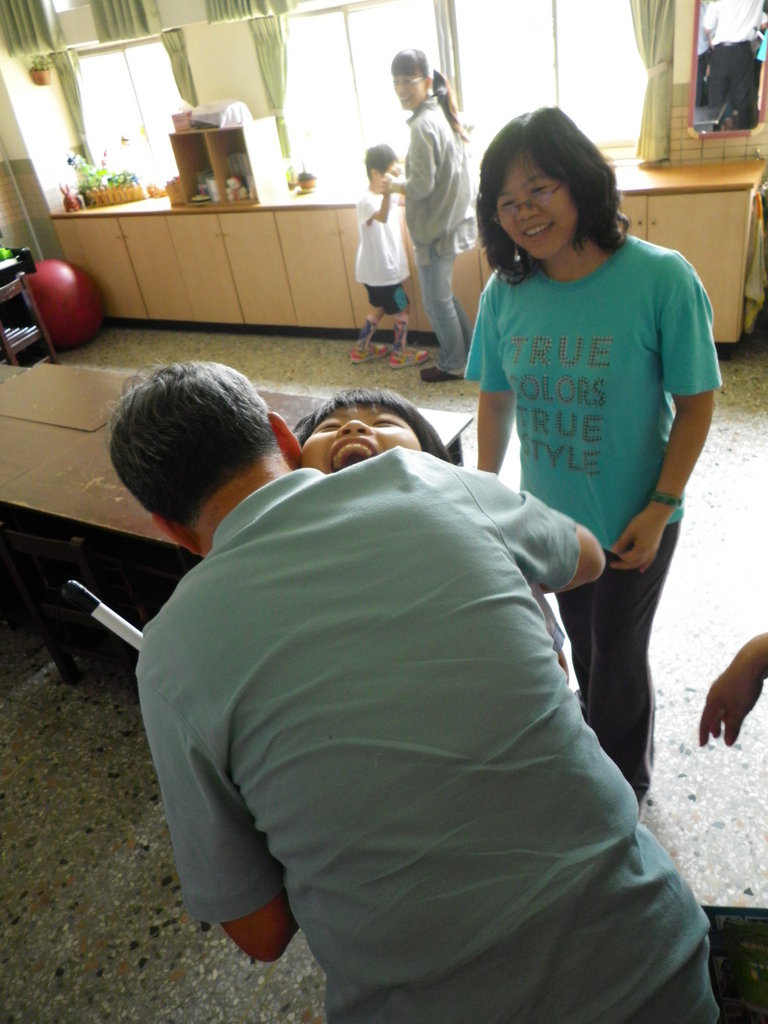
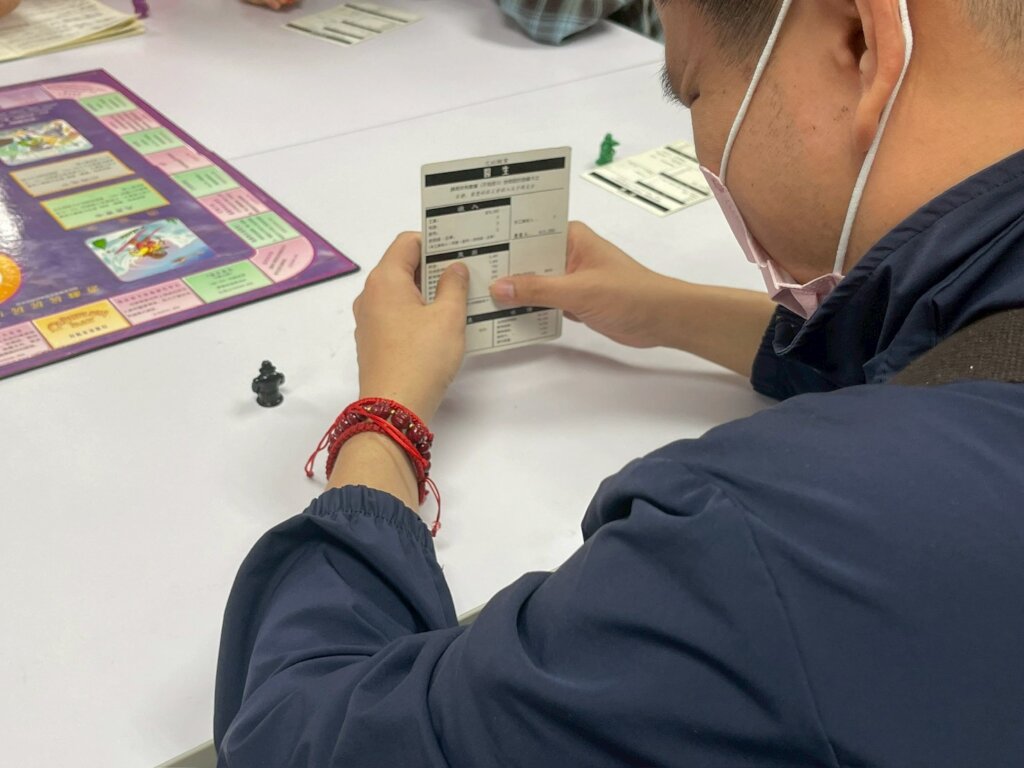
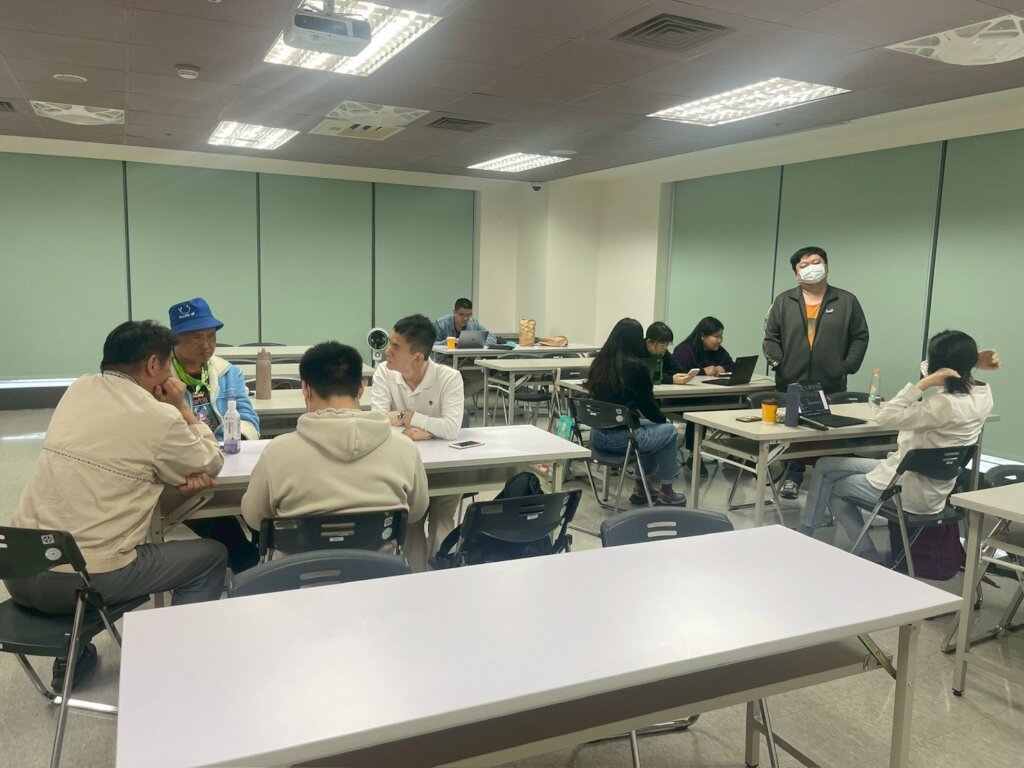
Financial literacy board games have long been used as an engaging way to teach financial concepts. This year, we partnered with an experienced financial literacy instructor to introduce them into our training program for people with visual impairments. Through this interactive approach, participants embarked on a six-month journey of learning, practicing, and applying financial skills in their daily lives.
During the game, participants made every decision on their own and saw how each choice could affect their future. The game offered a safe environment where they could explore different investment strategies and learn from the outcomes of their decisions. They also learned that maintaining a stable cash flow is just as important as growing their assets.
One participant had just made an investment decision when they drew the “Unemployment” card, suddenly facing financial pressure. Meanwhile, another participant made a seemingly risky decision, but careful planning and prudent financial management led to a positive outcome.
The board game encouraged participants to discuss various strategies and learn from others. In the process, they not only developed financial management skills but also built stronger connections with one another.
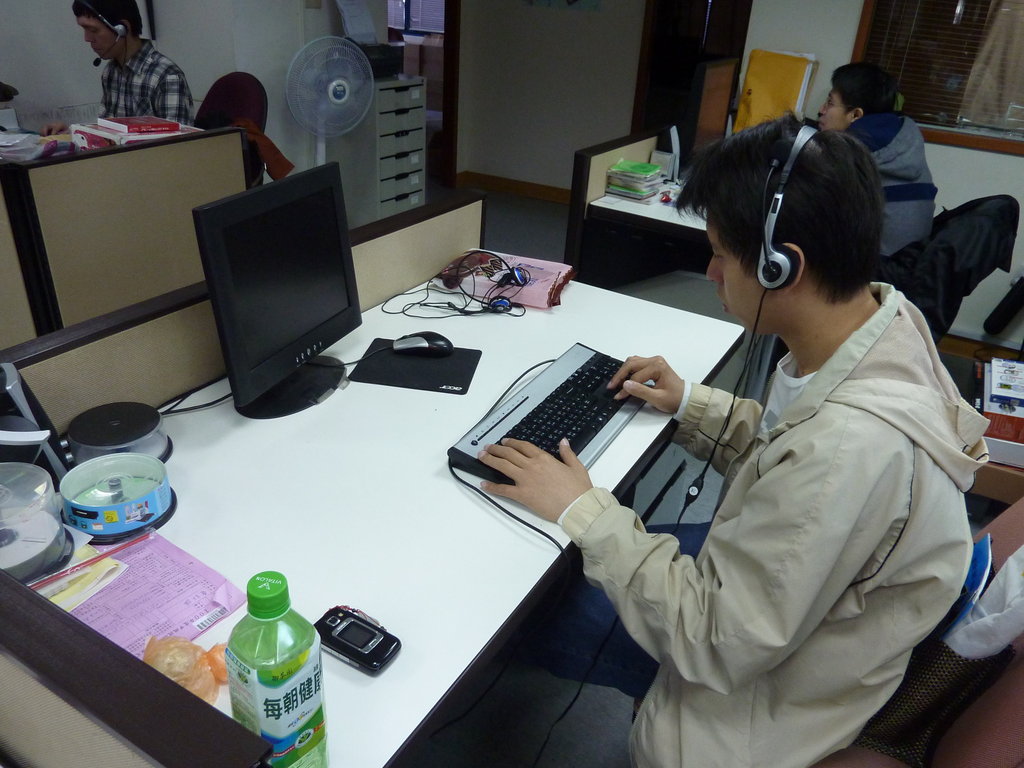
2. 10-Week Typing Skills Practice Program
In the past, at the end of each year, we invited people with visual impairments from across Taiwan to participate in a digital literacy competition. Through information search tasks and typing tests, we were able to see the progress they had made and the skills they had developed over time.
However, after organizing this event year after year, we noticed participants those who felt ready and confident were more likely to join the competition, while others who were still in the early stages of their learning journey might hesitate to step outside their comfort zones and take on the challenge, as the competitive nature of the event could create additional pressure for them. It became even more important to support those who had not yet gained confidence in their abilities and help them develop the habit of consistent practice.
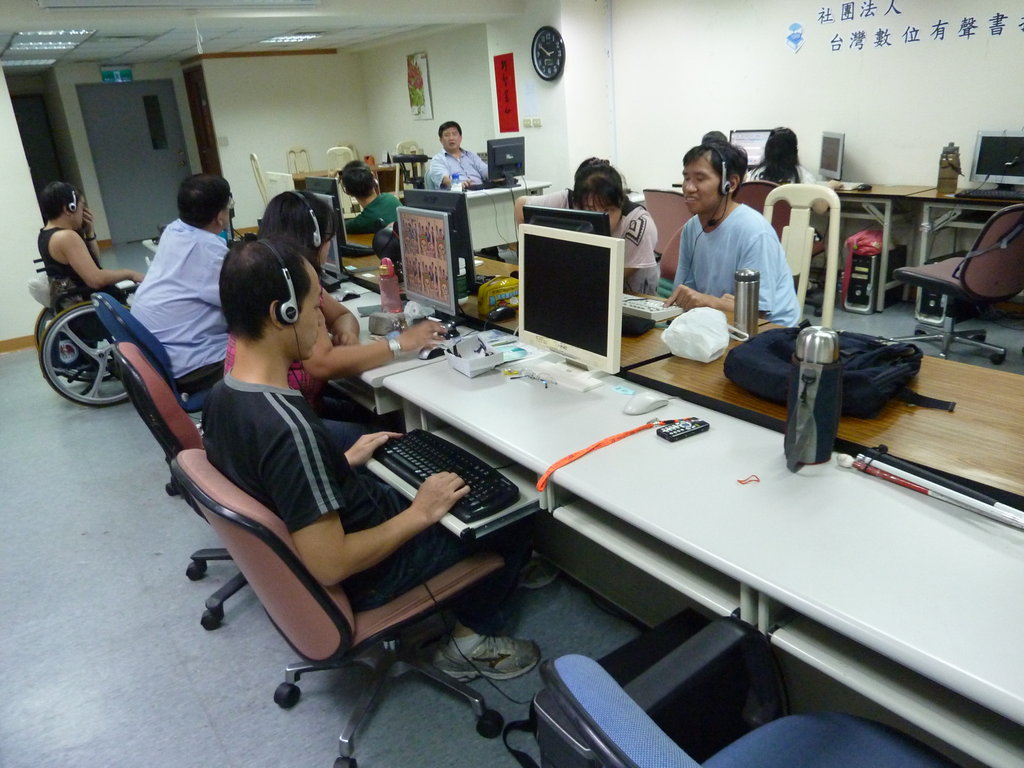
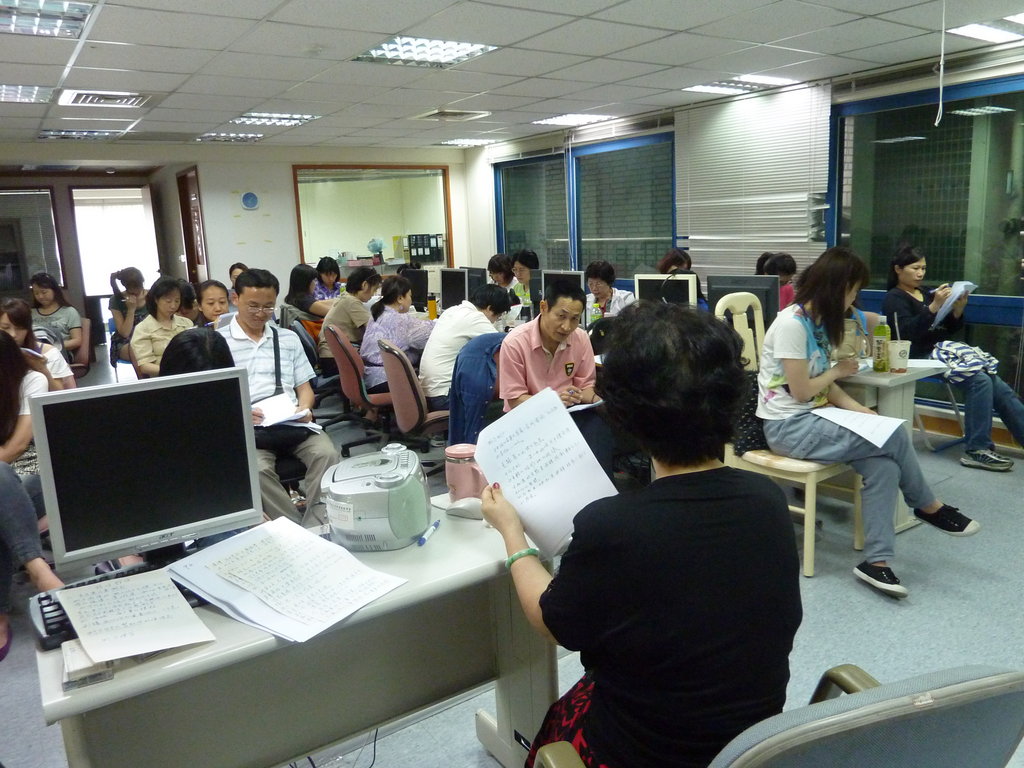
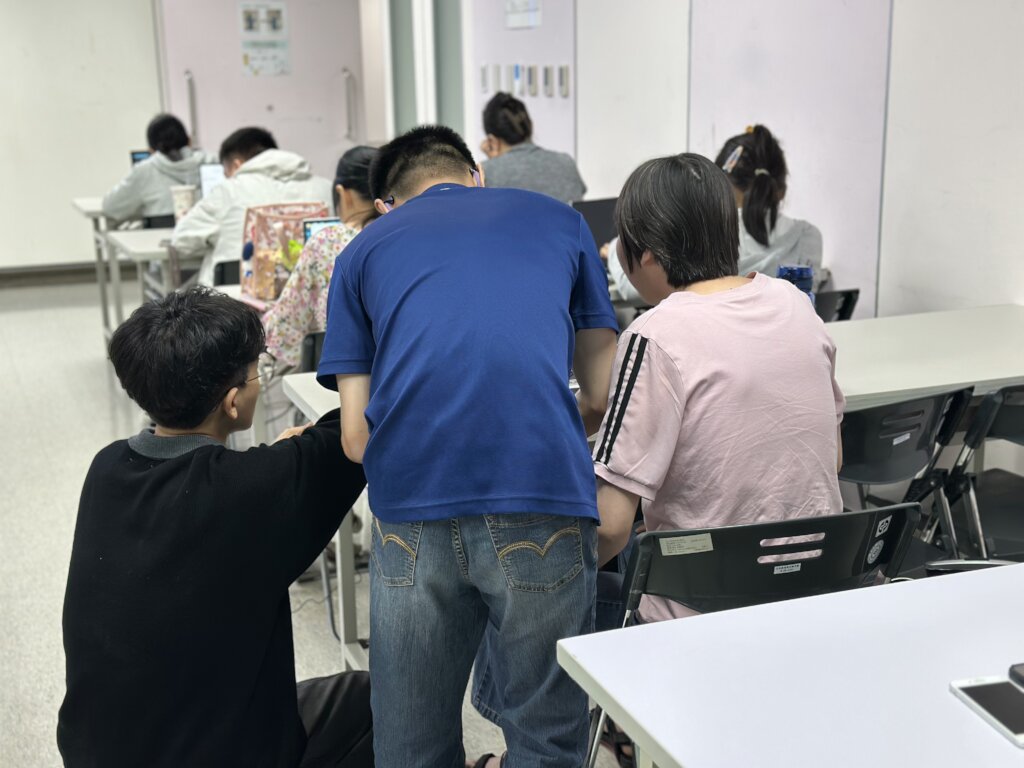
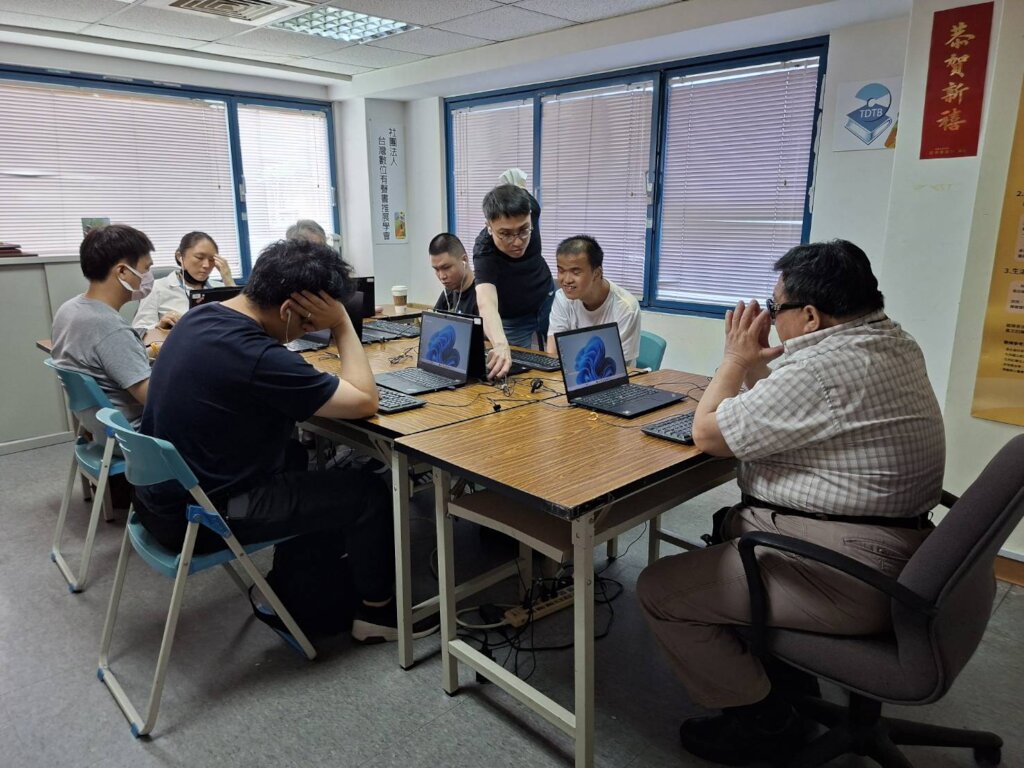
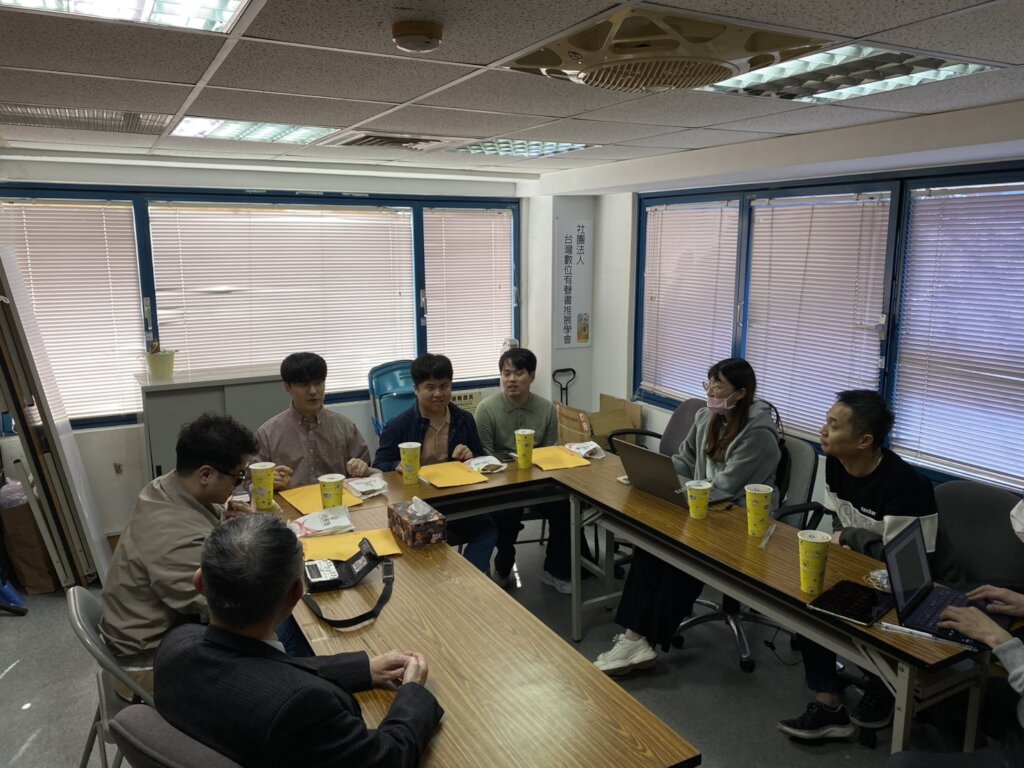
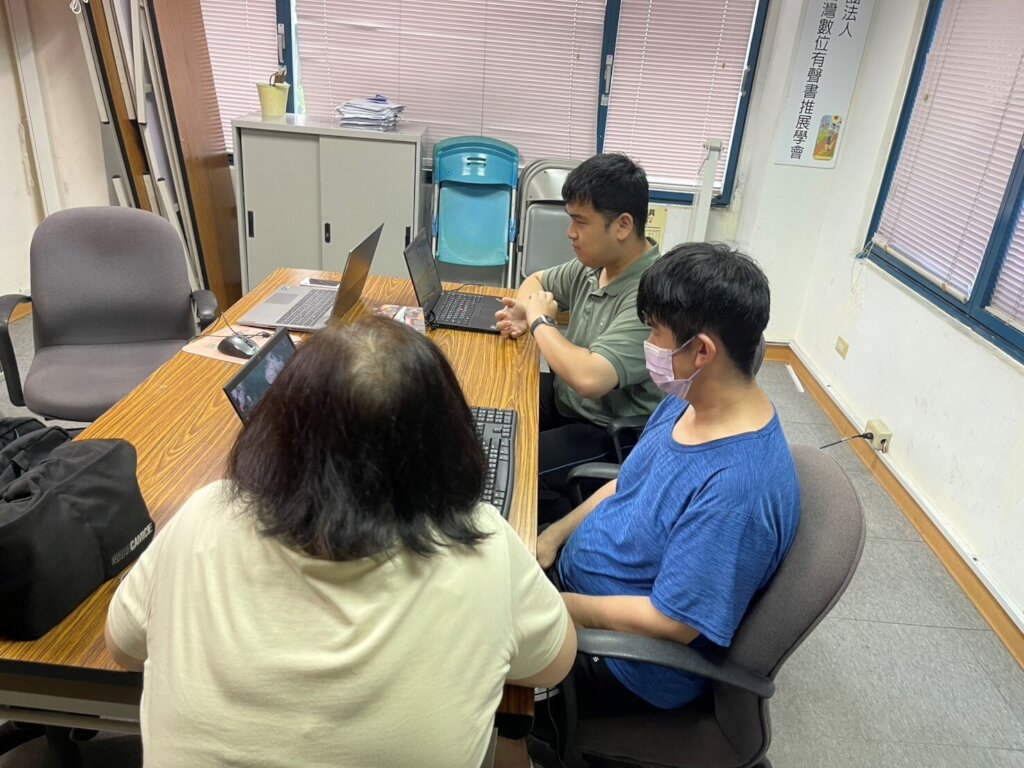
This year, we transformed the competition into a 10-Week Typing Skills Practice Program. Through daily typing practice, participants gradually made typing a part of their daily routine. In addition to regular classes, we introduced "Coffee Chat" for the first time. We wanted typing practice to be more than just a solitary and repetitive task. Instead, we hoped it would become a journey of building skills and confidence through learning together. During each Coffee Chat session, participants shared the challenges they encountered and discussed possible solutions with one another. Along the way, participants realized they were not the only ones facing challenges. They gradually shifted from struggling on their own to supporting each other.
3. Visually Impaired Computer Instructors Earn Generative AI Certification
Our visually impaired computer instructors completed the Generative AI Certification course offered by the Institute for Information Industry and successfully earned their certifications!
TDTB has always been dedicated to providing services for people with visual impairments, including assistive technology training, DAISY audiobook production, and app accessibility testing. Therefore, as frontline instructors, it is important for us to keep pace with the rapid development of AI.
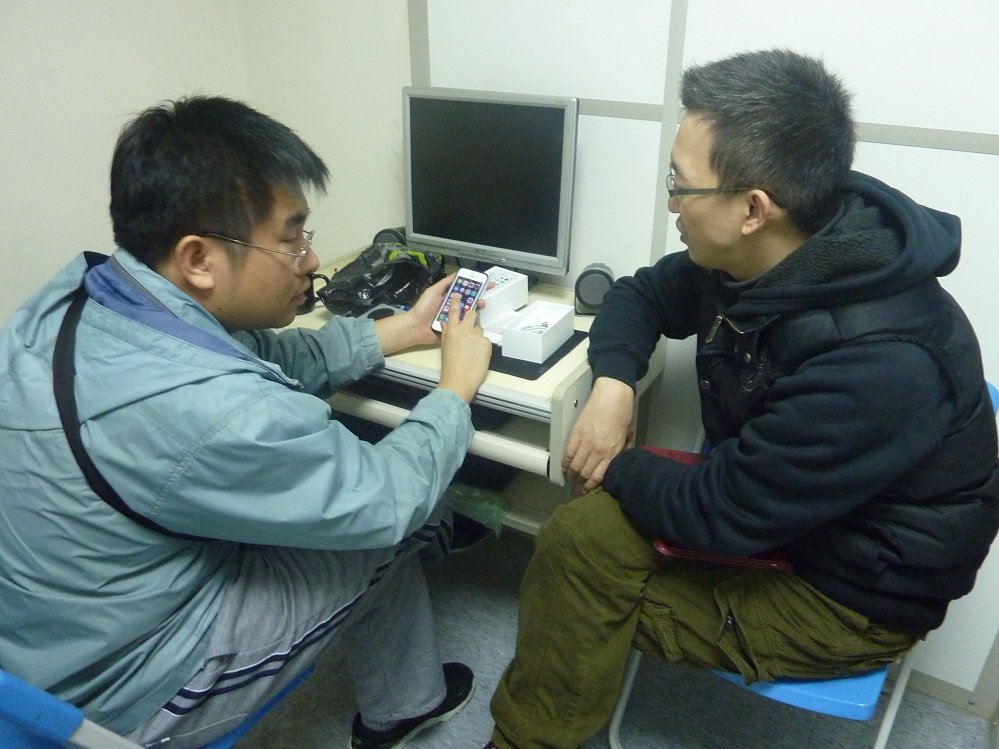
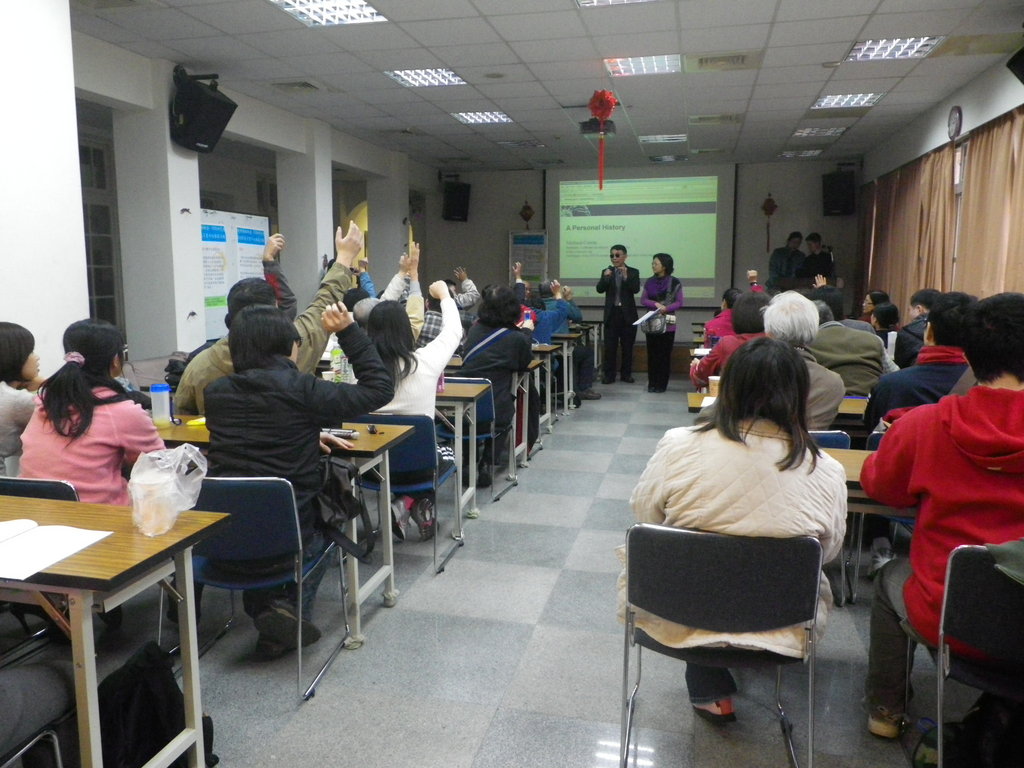
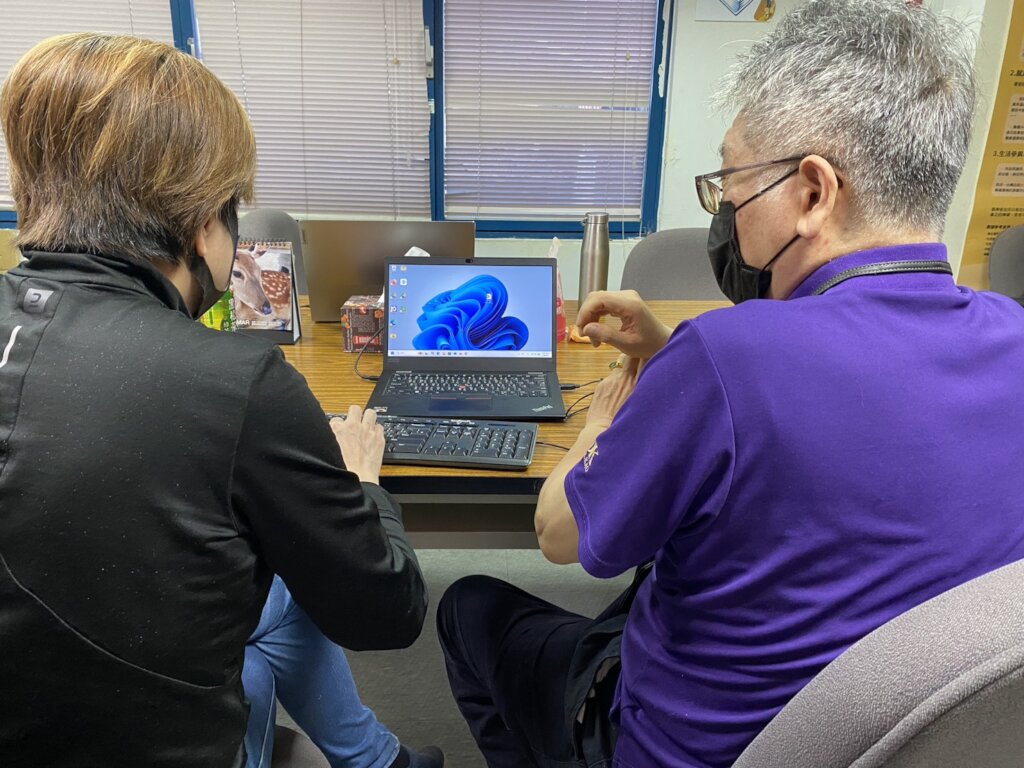
The participants in this certification program were all visually impaired instructors from TDTB. During the course, they learned the basic concepts and practical applications of generative AI and began applying these skills to their daily work. In the future, our instructors will share these new insights and tools with the visually impaired, helping more people benefit from digital technology.
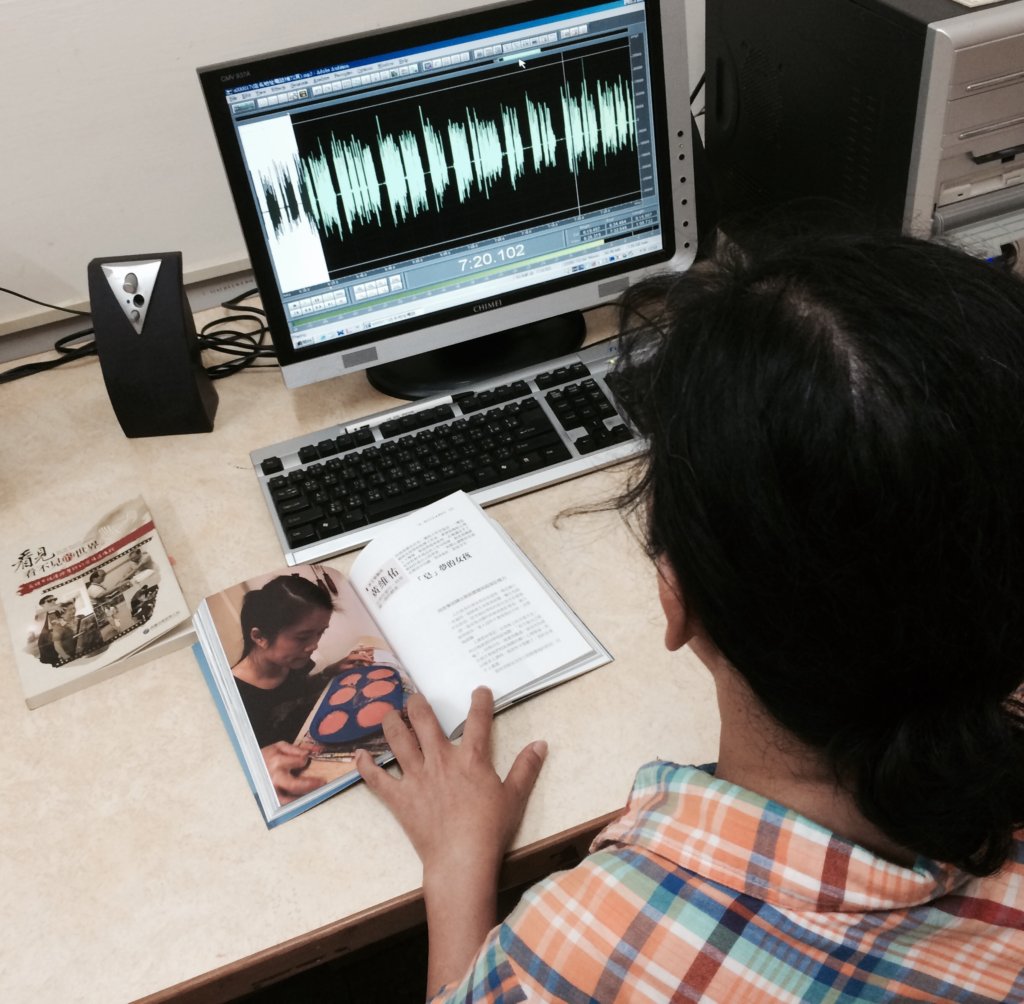
4. Rediscovering Independence Through One-on-One Digital Literacy Training
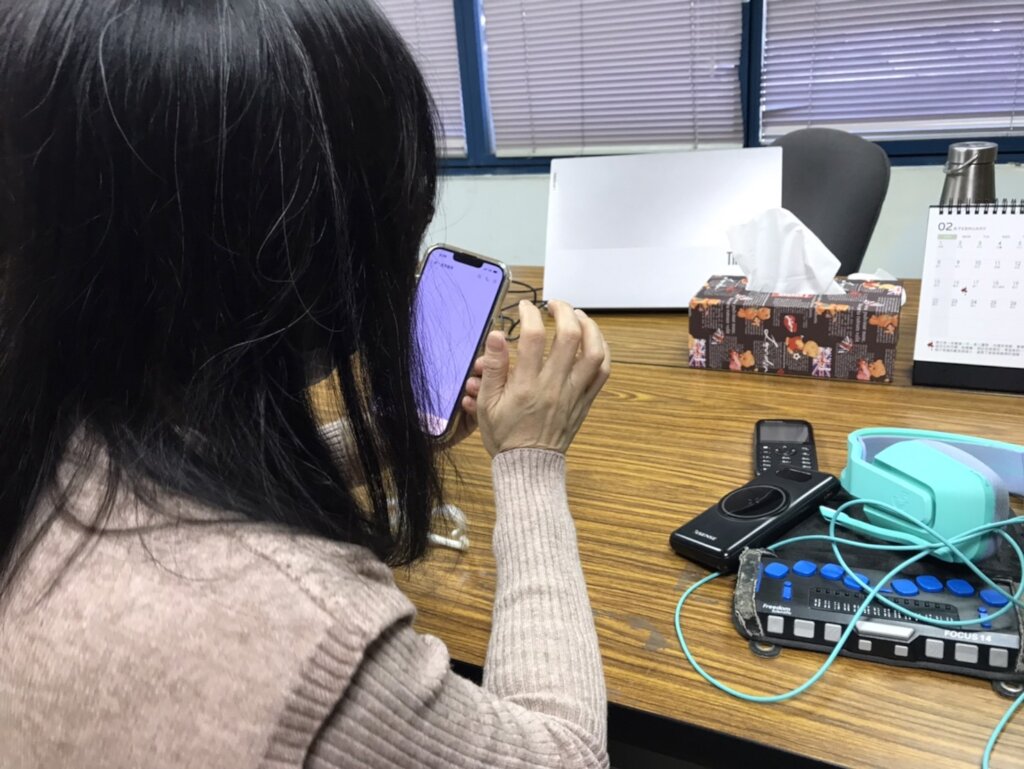
Ling was a translator who had published numerous best-selling books. After losing her sight, the first thing that came to her mind was not “I don’t know what to do,” but rather, “I want to rebuild my life and adapt to my new reality as soon as possible.”
When we first met Ling, she said that her biggest worries were her future and how she would care for her elderly mother. The transition from relying on sight to using hearing to navigate daily life was more difficult than she had imagined. However, she faced these challenges with grace and without complaint.
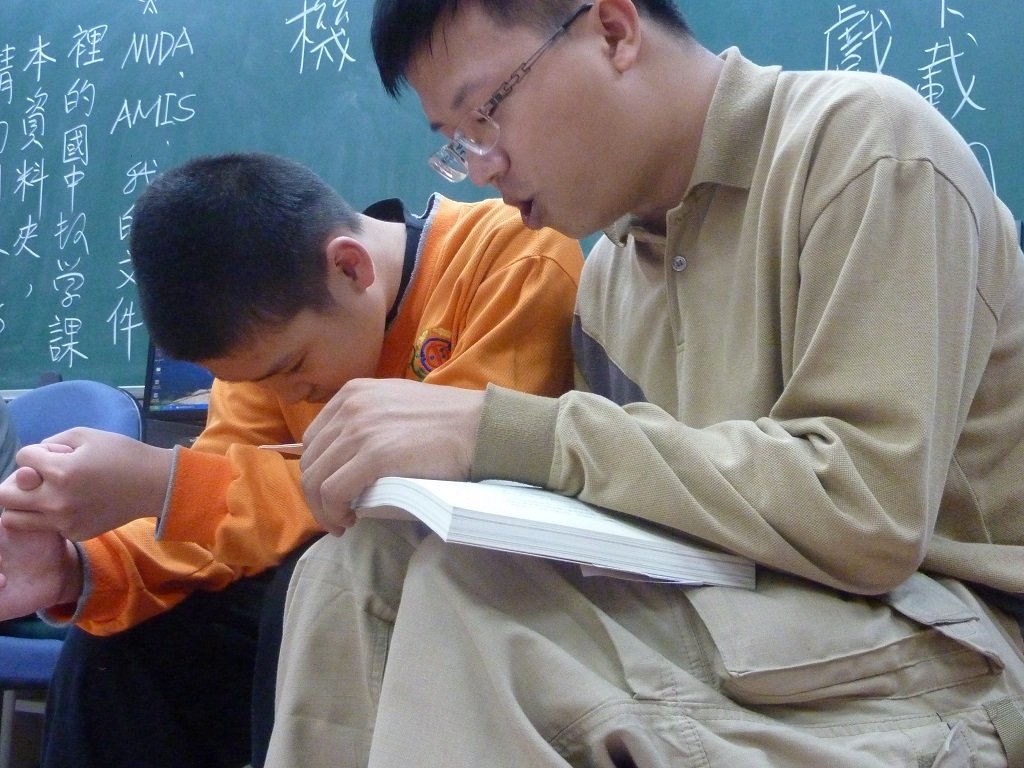
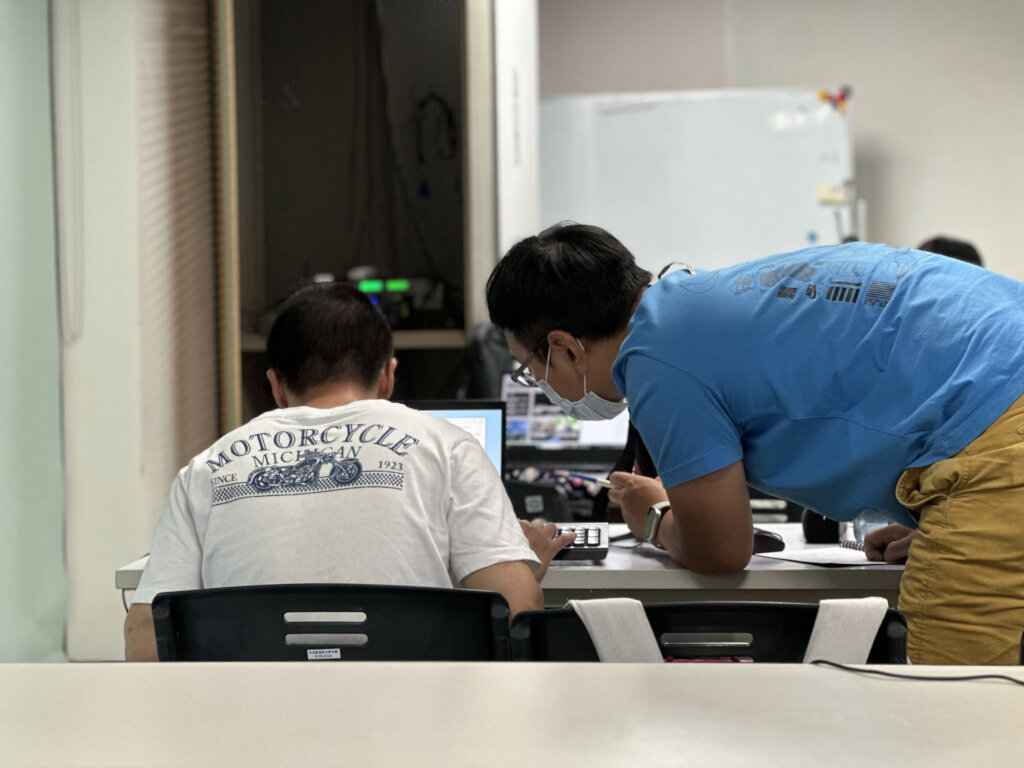
Ling proactively reviews the teaching materials after each class and brings specific questions to the next session. Her dedication to learning has deeply impressed her instructor. Now, Ling is already familiar with common shortcut keys and the keyboard layout. Next, we will move on to learning how to use Word, Excel, and online reading software together. Her goal is clear: to regain the ability to read and write, and eventually return to her original career path.
Links:
By Audrey Lin | Project Manager
By Audrey Lin | Project Manager
Project reports on GlobalGiving are posted directly to globalgiving.org by Project Leaders as they are completed, generally every 3-4 months. To protect the integrity of these documents, GlobalGiving does not alter them; therefore you may find some language or formatting issues.
If you donate to this project or have donated to this project, you can receive an email when this project posts a report. You can also subscribe for reports without donating.



Support this important cause by creating a personalized fundraising page.
Start a Fundraiser