By Azeem Christopher | Project Leader
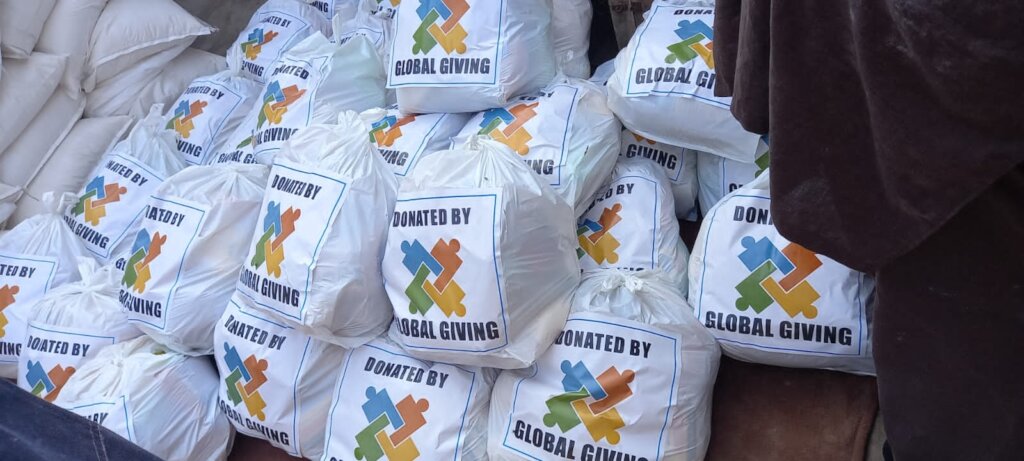
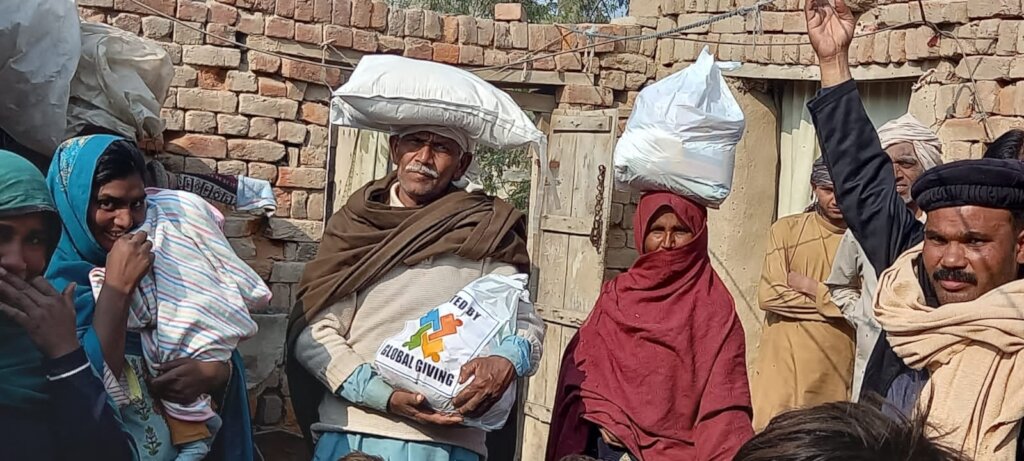
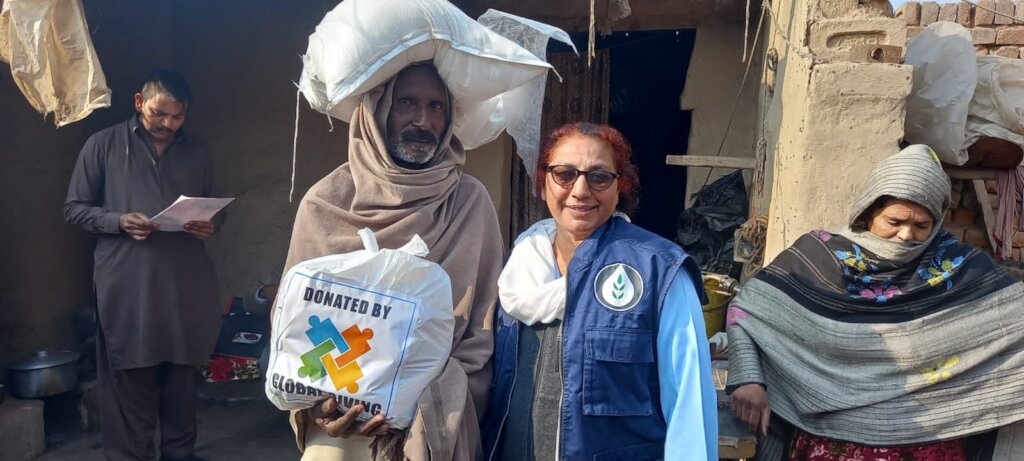
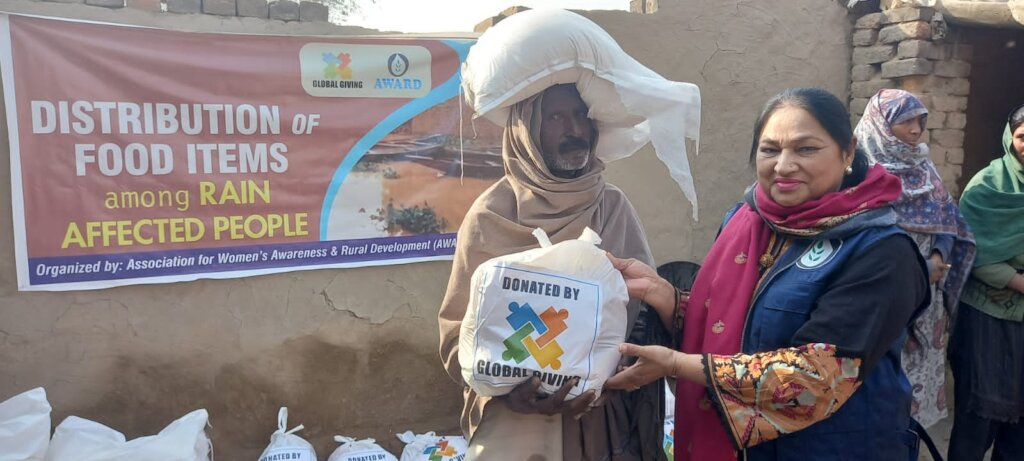
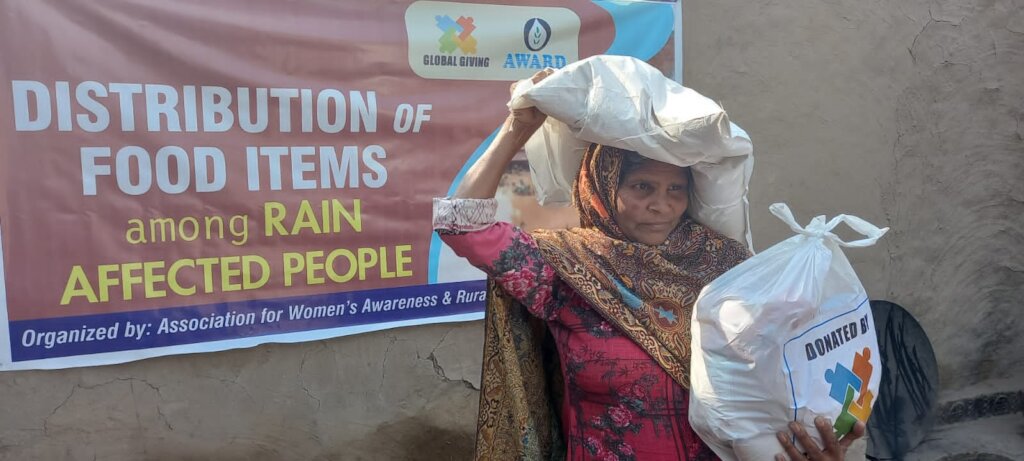
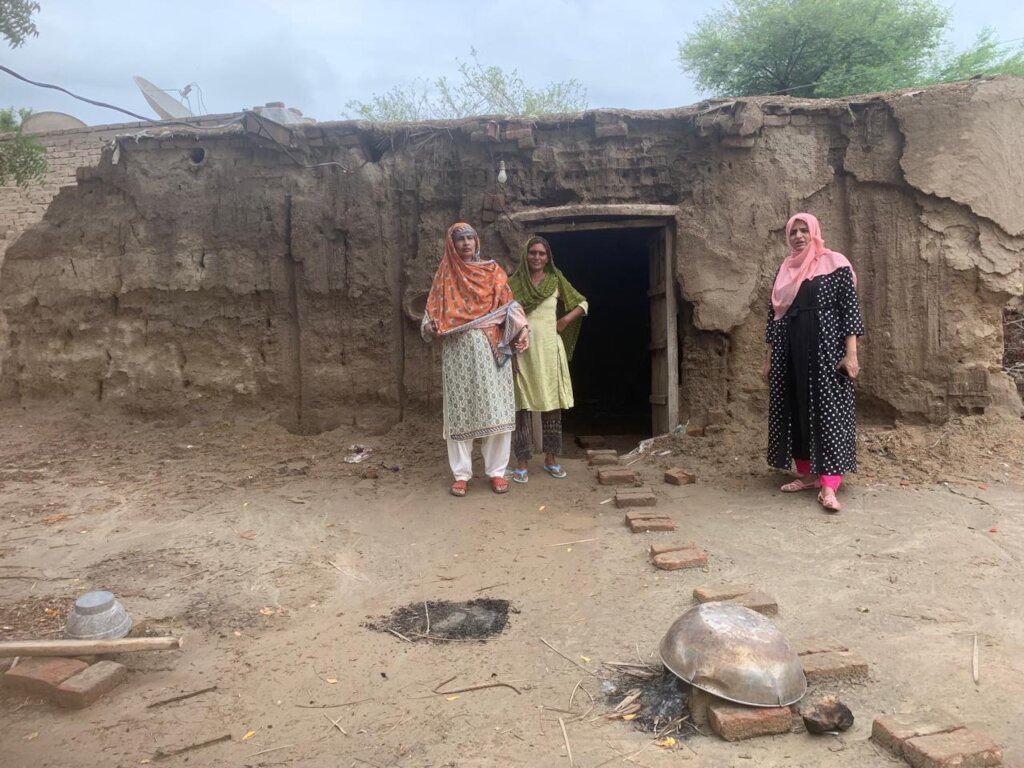
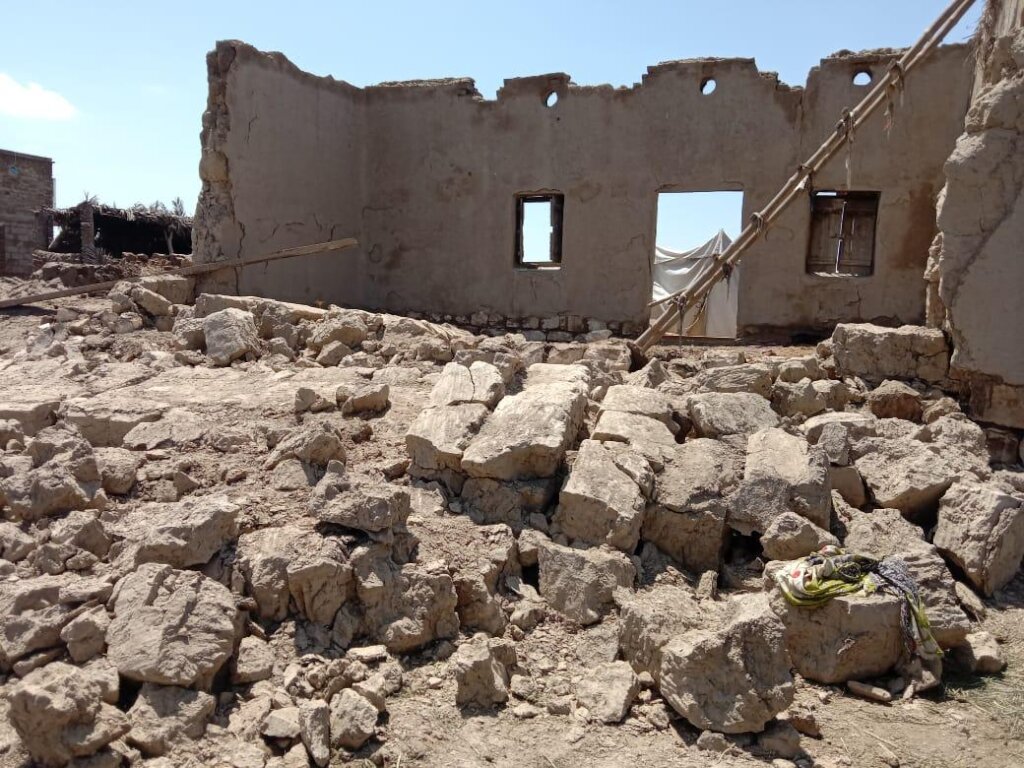
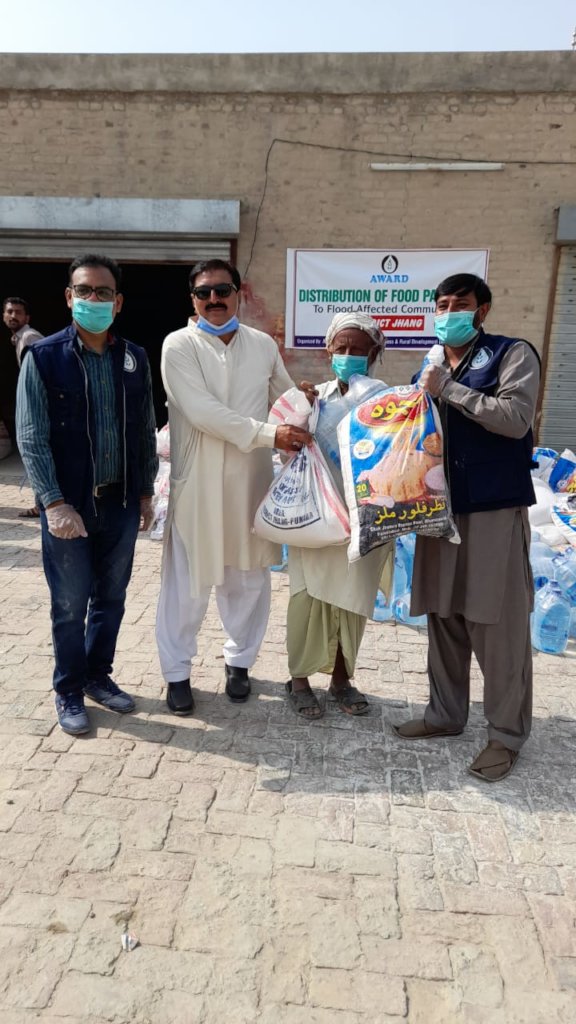
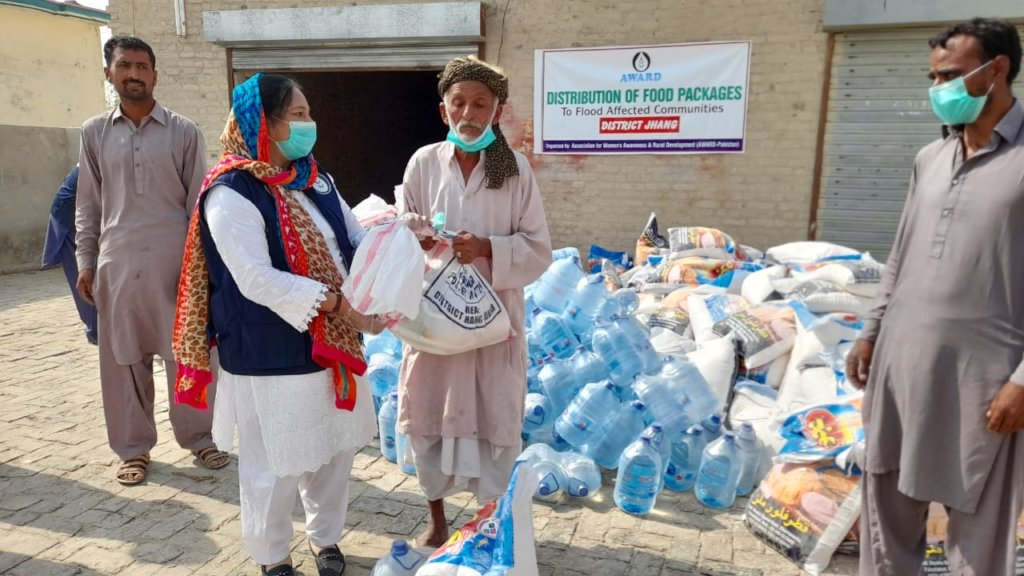
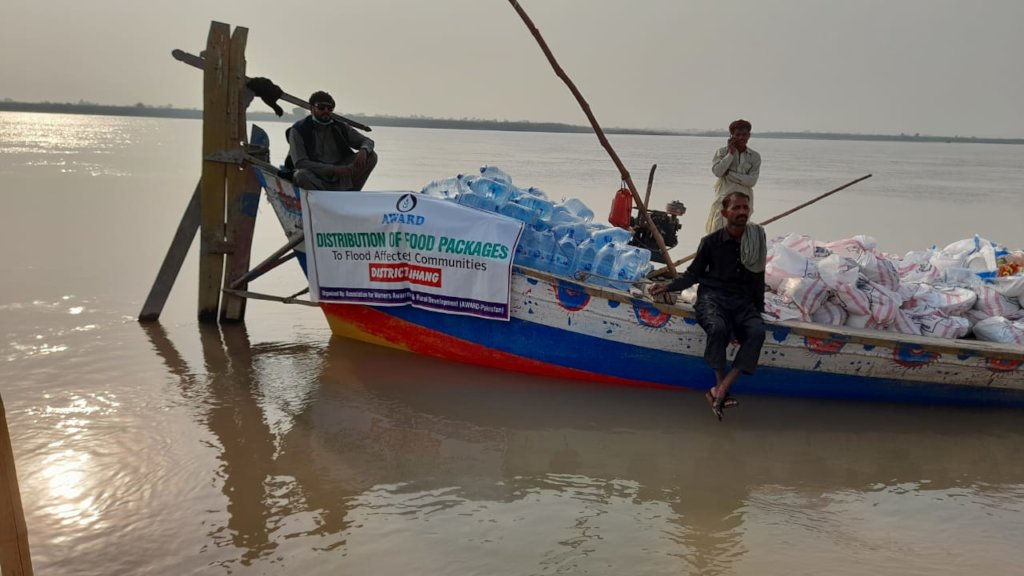
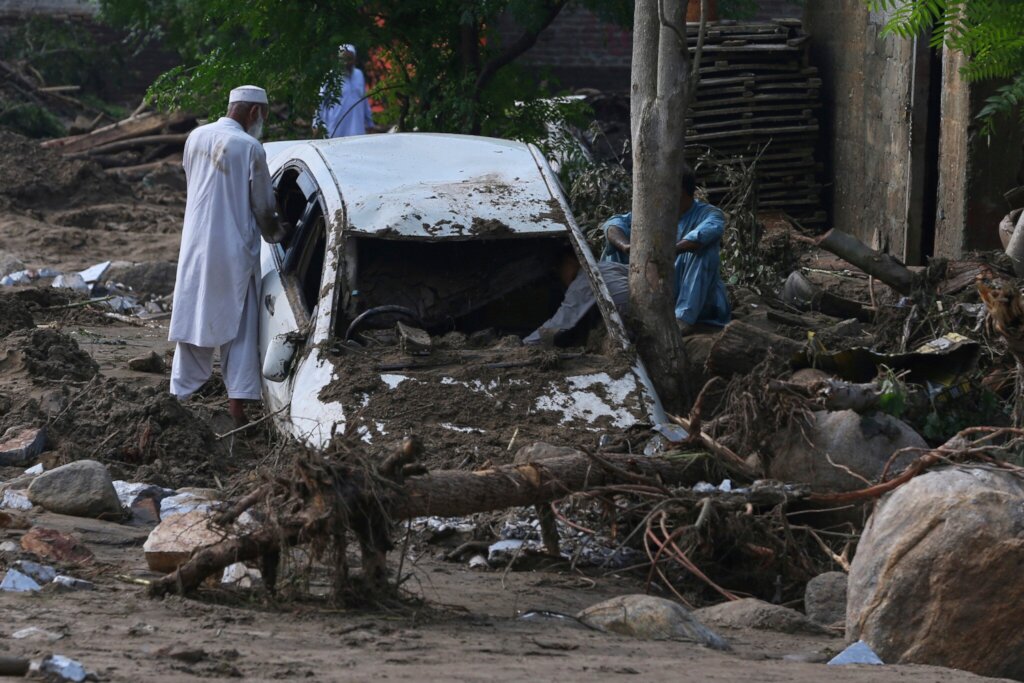
Disaster Risk Reduction (DRR) project was implemented by AWARD Pakistan in the year 2020-2021 in 15 areas of Kot Addu District Muzzafargarrh, The project was funded by GlobalGiving. The funds raised under this project were added up in the main project and the major intervention of the project which are mentioned below;
Due to the COVID-19 consecutive lockdowns, the number of target areas for the Disaster Risk Reduction Program was reduced to 15 from 24.
1. Basti Vehniwal
2. Basti Tullana
3. Basti Muradwala
4. Basti Darmanwala
5. Basti Nawan
6. Basti Halla
7. Basti Hassanwala
8. Basti Mochaniwala
9. Basti Malhay
10. Basti Litan
11. Basti Kachiwala
12. Basti Ganjarrwala
13. Basti Talliwala
14. Basti Nabiwala
15. Basti Gurdywala
Meeting with the Key Stakeholders of the target areas:
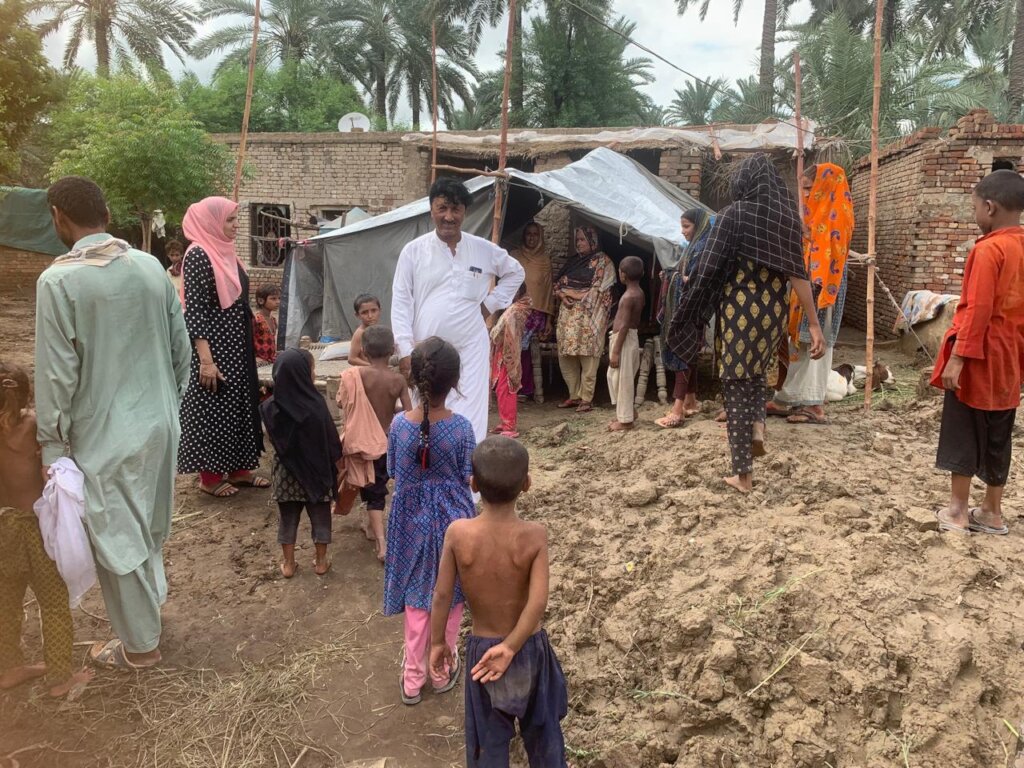
The AWARD team met the key stakeholders of the 15 target areas. The stakeholders included the community leaders especially women leaders, religious Leaders, Political leaders, beneficiaries and male heads of the few families. The team briefed them about the project and its objectives, interventions, self-help base activities and overall impact of the project. All the stakeholders ensured their cooperation and support throughout the project and gave AWARD a green signals to go ahead.
DRR Training Seminars:
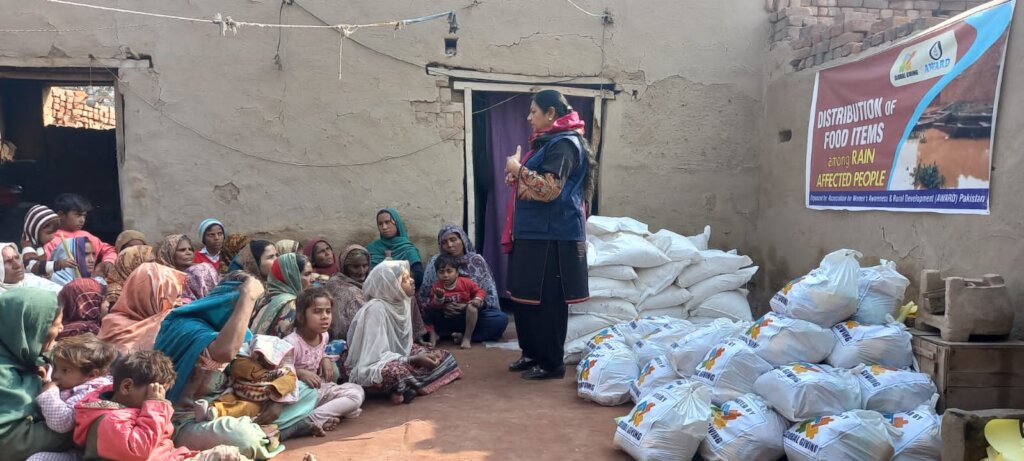
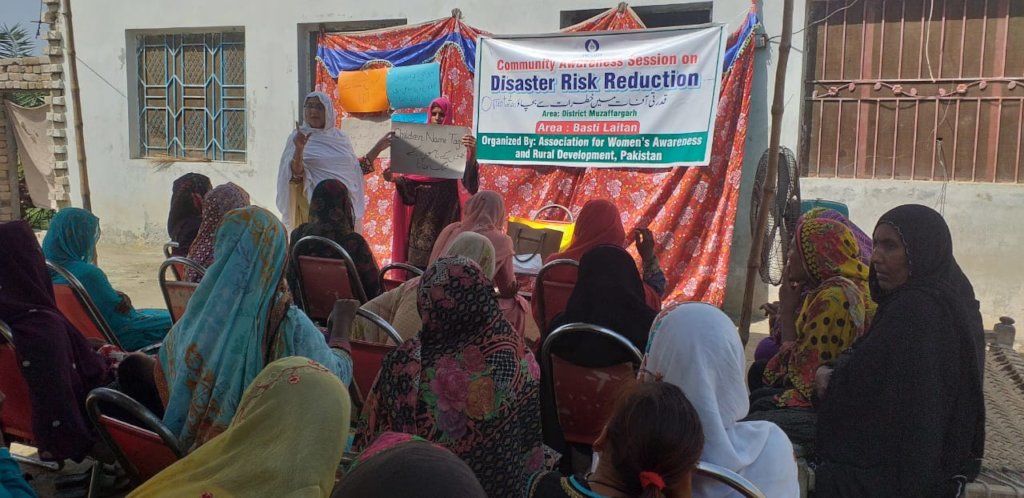
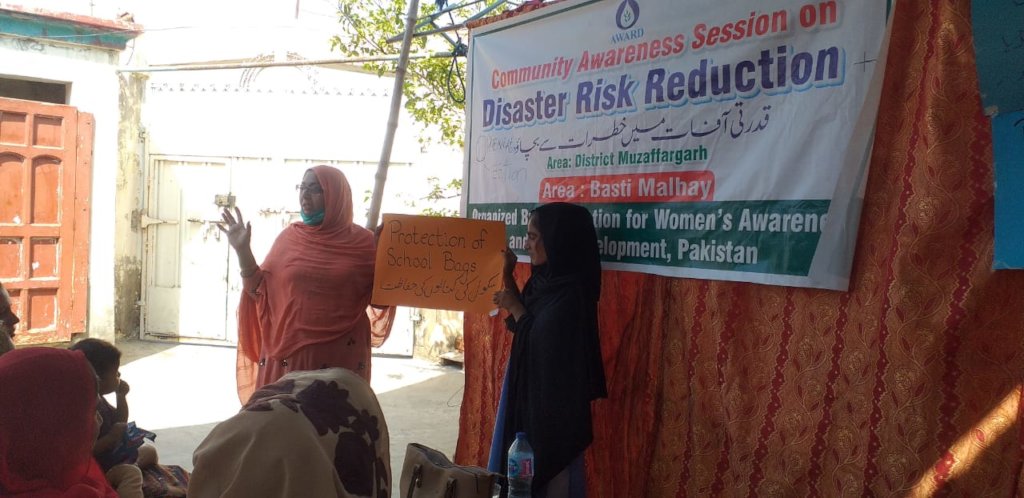
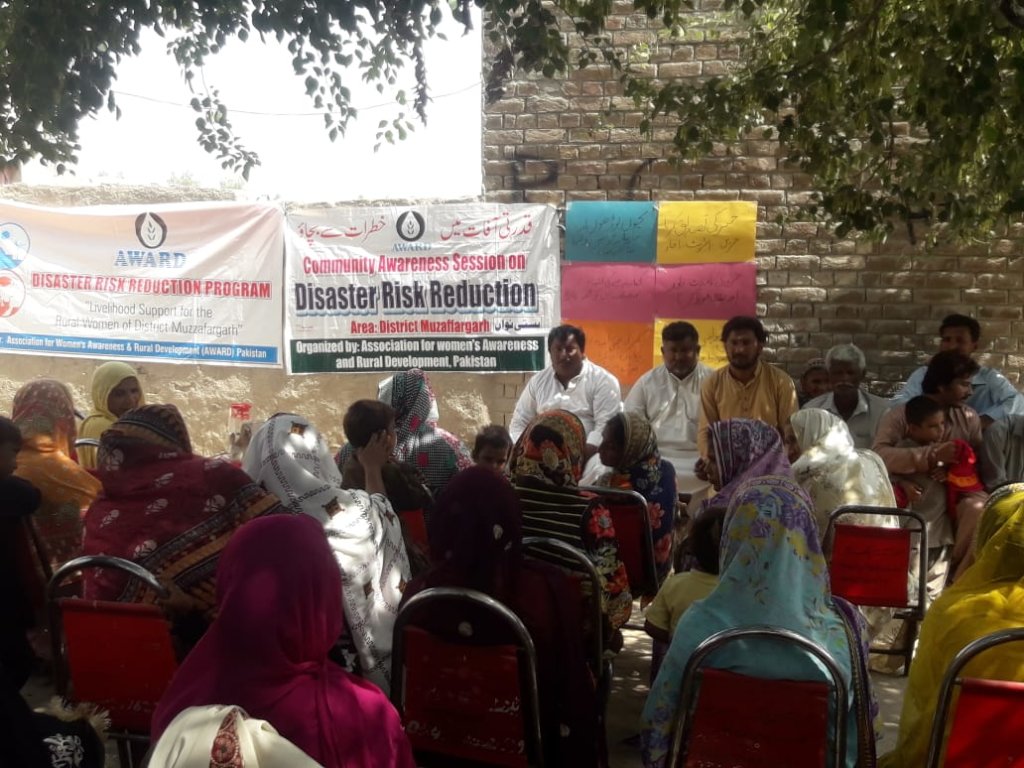
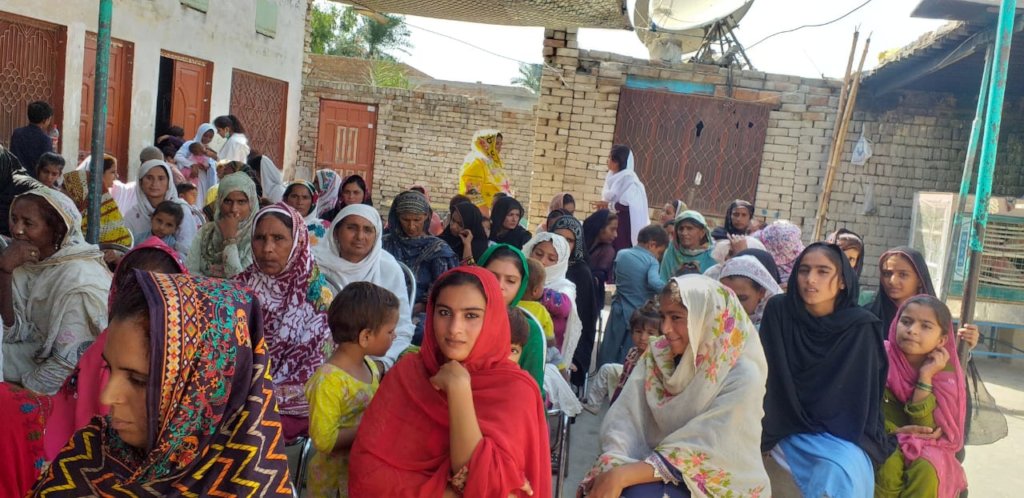
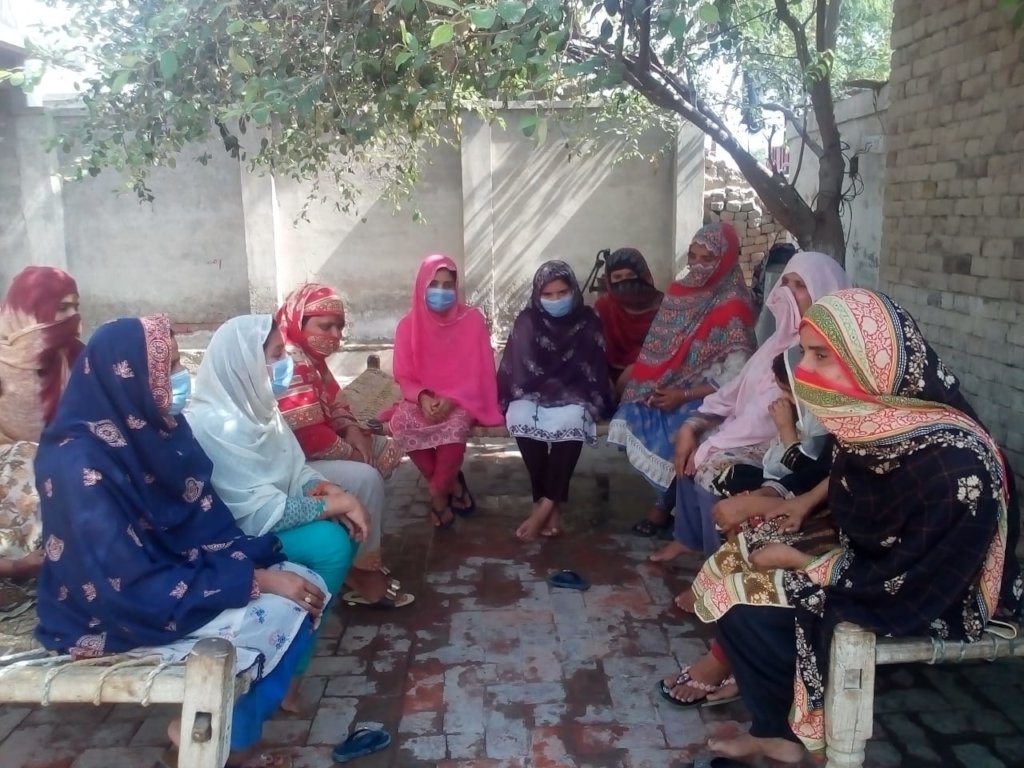
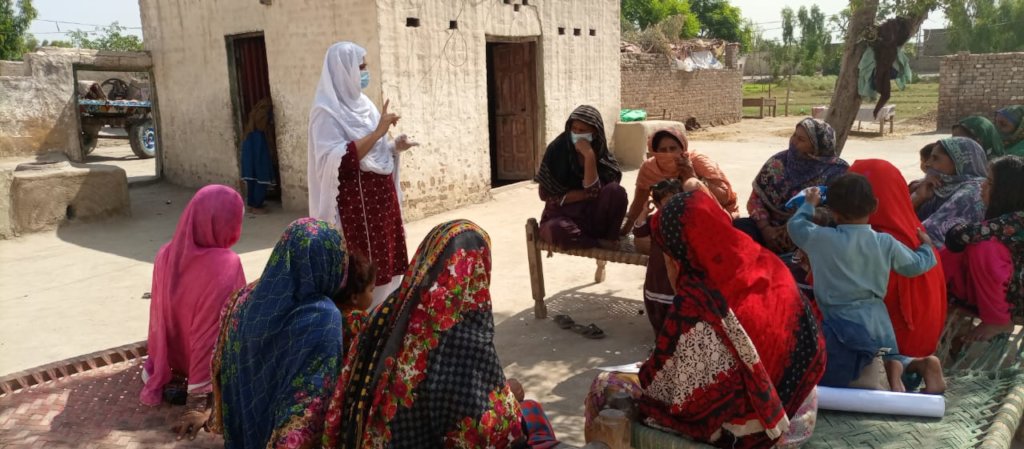
After getting the consent from the stakeholders of 15 areas, AWARD team conducted 15 DRR Trainings Seminars in 15 Target areas in the month of March, April, August, September, October, November of the year 2020 to build up the resilience of the communities to minimize and to reduce the risks of the losses of life and assets. Nearly 1000 community members especially women participated in these 15 sessions. AWARD social Mobilization team of District Muzzafargarh led all the training sessions. They introduced AWARD and its DRR Program (aims and objectives) to the participants. The content of the session were as follows:
a) What is a disaster, its types, and its risks?
b) Preparations for disaster.
c) Risk management.
d) Activities after the disaster.
e) Action Plan with the communities.
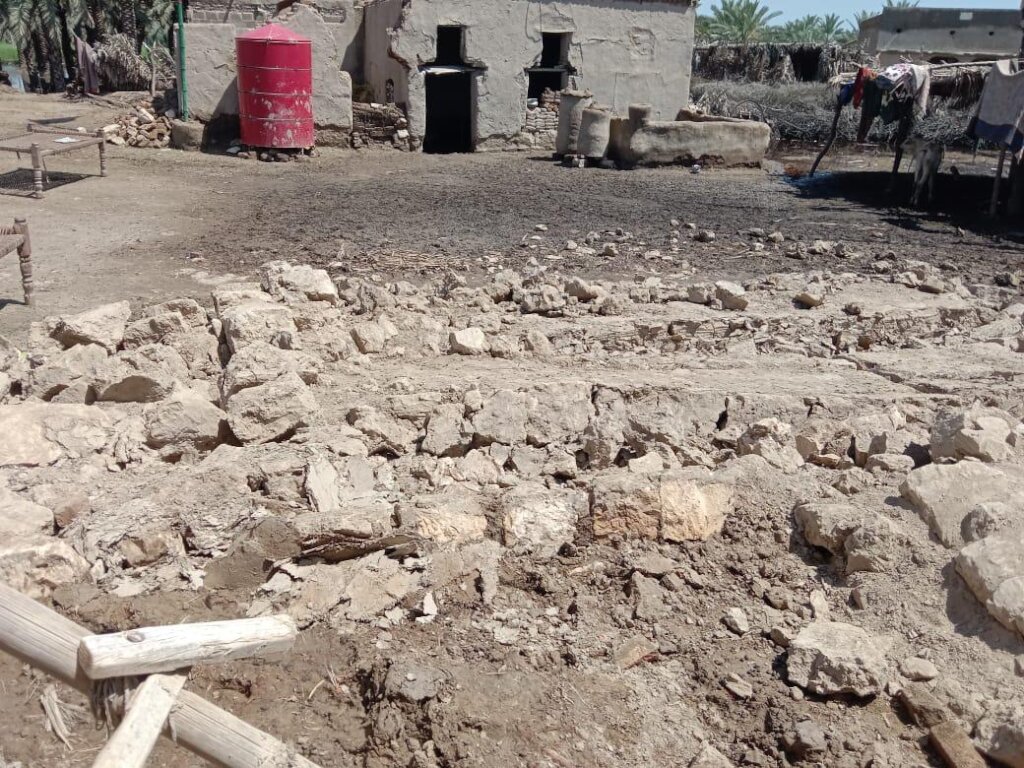
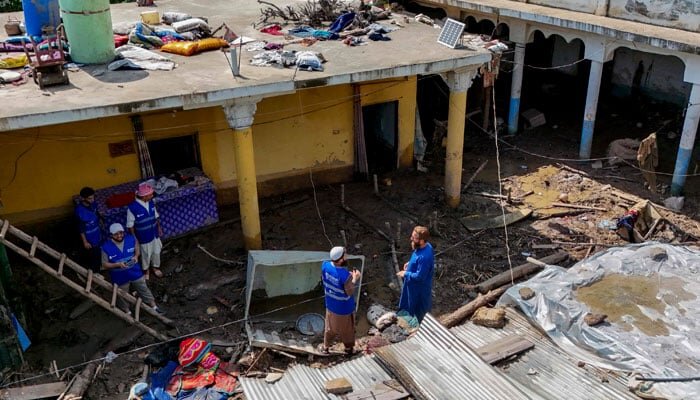
Later, the participants were also asked about their losses and damages during the flood. The facilitators gave useful information to the participants about preparations for disasters i-e; how to arrange and save their expensive belongings and precious lives. A number of successful community protective measures models were also shared with communities to improve their understanding and knowledge.
At the end, the social mobilizers helped the community members in developing a preventive action plan for their respective target areas, which was discussed during the Disaster Risk Reduction Sessions. The action plan consisted of the following points.
a) Announcement in Local Mosques.
b) To build small mud hills around the houses and colonies.
c) Saving important documentation.
d) Collection of Dry Ration.
e) Shifting Old, Disables, Children and Livestock to Safe places.
f) Switching off the electric sockets.
g) Analysis of the surroundings during and after flood.
h) Team building.
i) Communication with the Local Development Committees (LDC's)
The participants also asked questions from the social mobilizers , which were answered in a simplest way. The community appreciated AWARD for its support and effort and for reaching out to them.
By Azeem Christopher | Project leader
By Azeem Christopher | Program Leader
Project reports on GlobalGiving are posted directly to globalgiving.org by Project Leaders as they are completed, generally every 3-4 months. To protect the integrity of these documents, GlobalGiving does not alter them; therefore you may find some language or formatting issues.
If you donate to this project or have donated to this project, you can receive an email when this project posts a report. You can also subscribe for reports without donating.