By Bismark Wordui | Project Lead
1. Reflecting on Rescue Efforts
January 2026 marked a quiet month for rescues, with no new children rescued directly from the streets. However, this time was not wasted. The team seized the opportunity to reassess the evolving patterns of hazardous child labor and understand where children are now living and working. During field visits to areas like Makola and Adabraka, it became clear that children were no longer easily found in open market spaces, as they had been in previous years. Instead, they were spotted in more hidden locations: business premises, coastal and shoreline areas, and behind Bishop Mixed.
This shift in location required a change in our approach. Instead of focusing solely on areas like Makola, which remained an important location, the team recognized the need for more targeted rescue efforts. Market queens, key figures in the community, were identified as potential partners who could help alert the team when children were at risk. Additionally, the Sahara area in Adabraka was recognized as a new focal point for rescue work, expanding our reach to better support vulnerable children in these areas.
2. Rehabilitation: Laying the Foundation for Learning and Healing
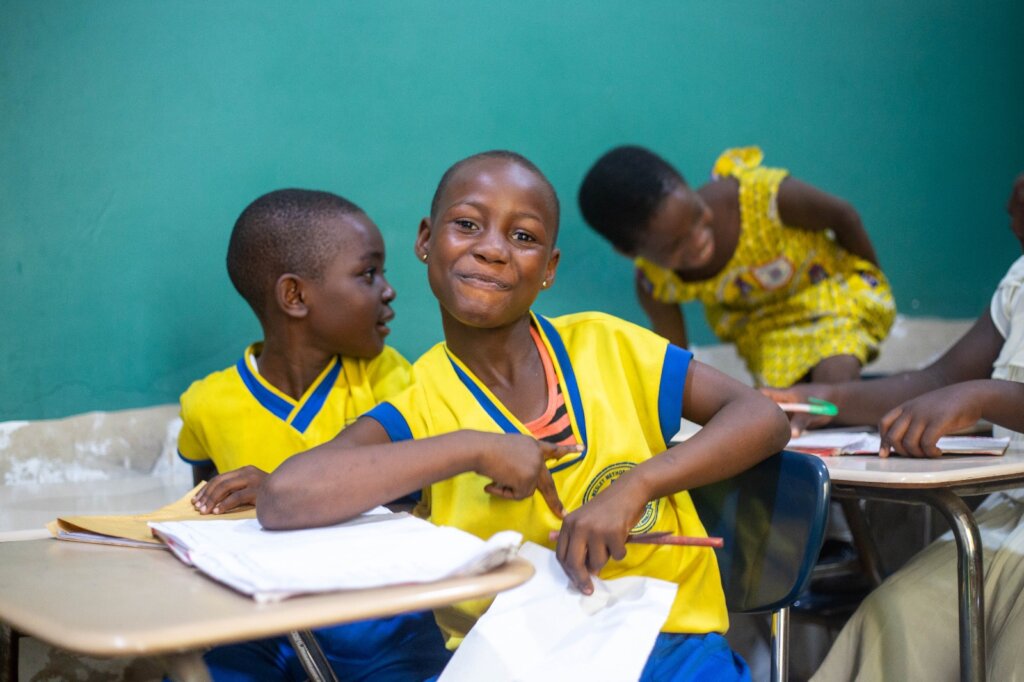
January was primarily dedicated to preparing for the rehabilitation classes that officially began on January 27, 2026. This phase is critical not only because it introduces children to formal education but also because it addresses the trauma and instability many have faced. At CHaW, rehabilitation starts with emotional and psychosocial support, ensuring that children feel safe and supported before diving into academics.
The rehabilitation process focuses on creating a safe and welcoming learning environment, where children can gradually build trust with caregivers and staff. Once settled, children will be introduced to basic skills like reading and numeracy, alongside life skills such as communication and self-care. Creative, play-based activities will also be included to help them engage and learn in a way that is both educational and therapeutic.
However, challenges arose during the reintegration phase, as two children withdrew from school during the month. This highlighted the importance of involving caregivers more actively in the reintegration process. Without full support from families, it’s difficult for children to succeed academically. Consequently, efforts to verify contact details and increase caregiver engagement in follow-ups have been intensified to improve the chances of sustained success for the children.
3. Empowering Parents: Building Financial Stability
The engagement of parents continues to be a key focus. In January, a parent engagement session was held to address the economic challenges families face. During the session, it became apparent that many parents are struggling with unemployment, which directly impacts their ability to support their children both financially and emotionally.
Discussions centered around savings habits and potential income-generating opportunities. Parents were introduced to small-scale business ideas that could be initiated with limited capital, such as liquid soap production, tie-and-dye, meat pie production, and other simple ventures. To help parents put these ideas into practice, a soap-making training has been scheduled for February 11, 2026, as the first step towards building financial independence. This initiative will not only reduce financial stress at home but also provide parents with the tools to support their children’s long-term stability.
4. Supporting Young Adults: A Step Toward Independence
The Plus 18 programme continues to support young adults as they transition into independence. This month, thirteen beneficiaries were reviewed, and their progress shows resilience and growth. Some have already achieved significant milestones, such as being enrolled at the Accra Rehabilitation Centre or preparing for vocational training. Others have taken steps toward rebuilding their lives after facing adversity—one beneficiary is exploring cosmetology training after leaving an abusive relationship, while another has qualified for the Immigration Service and is awaiting a medical review.
Each story reflects the hard work and determination of these young adults to create a better future for themselves. These achievements are a testament to the support CHaW provides as they take their first steps toward self-sufficiency and success.
5. The Learning Hub: An Ongoing Source of Support
The Learning Hub continues to be an important space for children to learn and grow beyond the classroom. In January, the Learning Hub maintained consistent attendance, with activities designed to support children’s development in areas like life skills, decision-making, and values.
One notable addition to the Learning Hub was the introduction of educational movie sessions. These weekly or bi-monthly sessions use storytelling and visual learning to facilitate discussions around life skills, values, and decision-making. While attendance has fluctuated due to school schedules and family responsibilities, the Learning Hub remains a stable and trusted space for children to engage with one another and grow outside traditional academics.
6. Strengthening Community Partnerships
Community engagement continued to be a cornerstone of the CHaW Programme in January. Efforts to build stronger partnerships with organizations like NHIA, Theos Medical Concierge, and New Order School are progressing. These partnerships are essential for ensuring that children have access to comprehensive services, including healthcare and education.
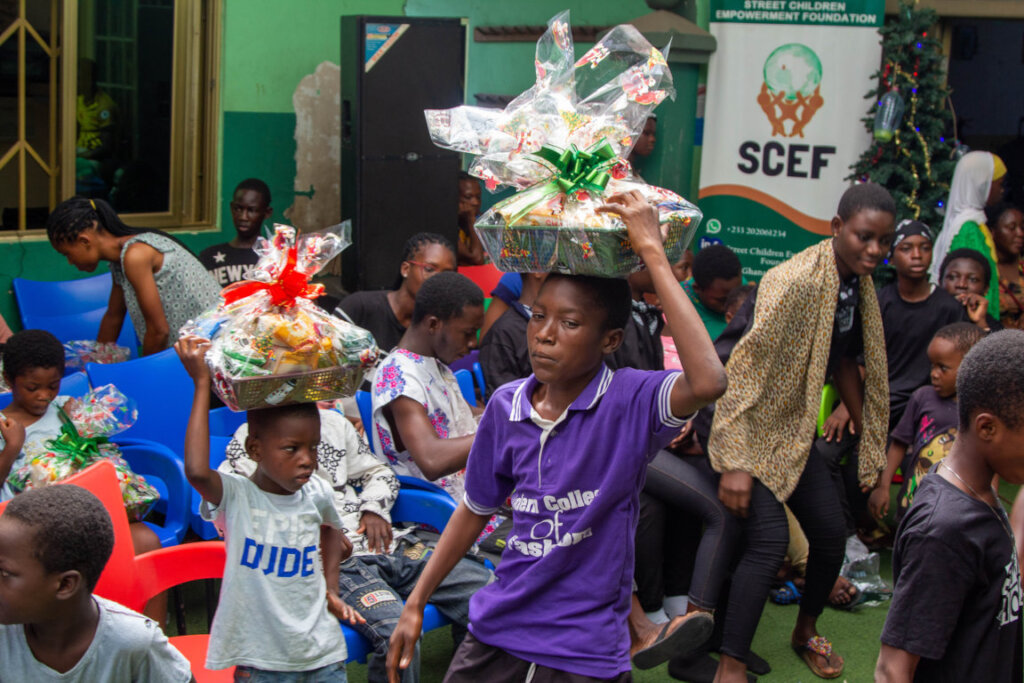
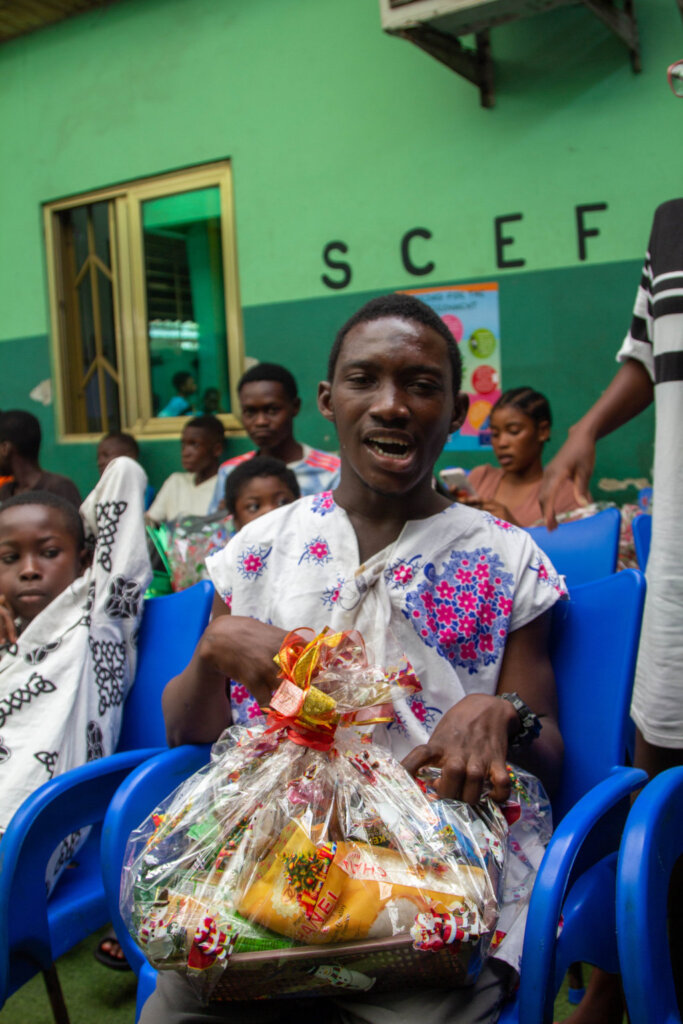
Additionally, preparations are underway for the “Sharing is Caring” initiative, an upcoming community outreach program aimed at strengthening the bond between the Smile House and the broader community. These efforts underscore the importance of working together to create a supportive network for vulnerable children.
Looking Ahead: The Path Forward
January was a month of important reflection and strategic planning. As we move forward into the year, our focus remains on:
Smarter, community-informed rescue efforts that adapt to the changing realities on the ground.
Continued support for rehabilitation, ensuring children have the emotional, academic, and life skills they need to succeed.
Strengthening family and caregiver involvement, so that reintegration is truly sustainable.
Empowering parents through small business training and financial independence.
Supporting young adults as they transition to independence and pursue their career aspirations. January reminded us that meaningful progress often happens in quiet, deliberate ways. While the actions we take may not always make headlines, they are crucial steps toward building systems that protect children and create lasting change.
Project reports on GlobalGiving are posted directly to globalgiving.org by Project Leaders as they are completed, generally every 3-4 months. To protect the integrity of these documents, GlobalGiving does not alter them; therefore you may find some language or formatting issues.
If you donate to this project or have donated to this project, you can receive an email when this project posts a report. You can also subscribe for reports without donating.



Support this important cause by creating a personalized fundraising page.
Start a Fundraiser