By pattrice jones | VINE Sanctuary co-founder & Coordinator
Greetings, and thank you again for your support of The Rooster Project here on GlobalGiving!
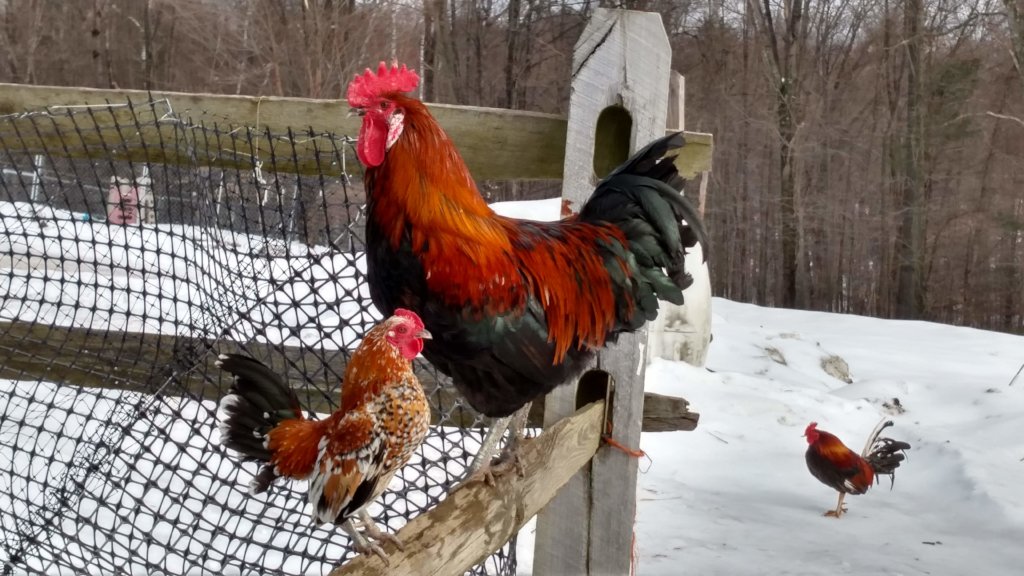
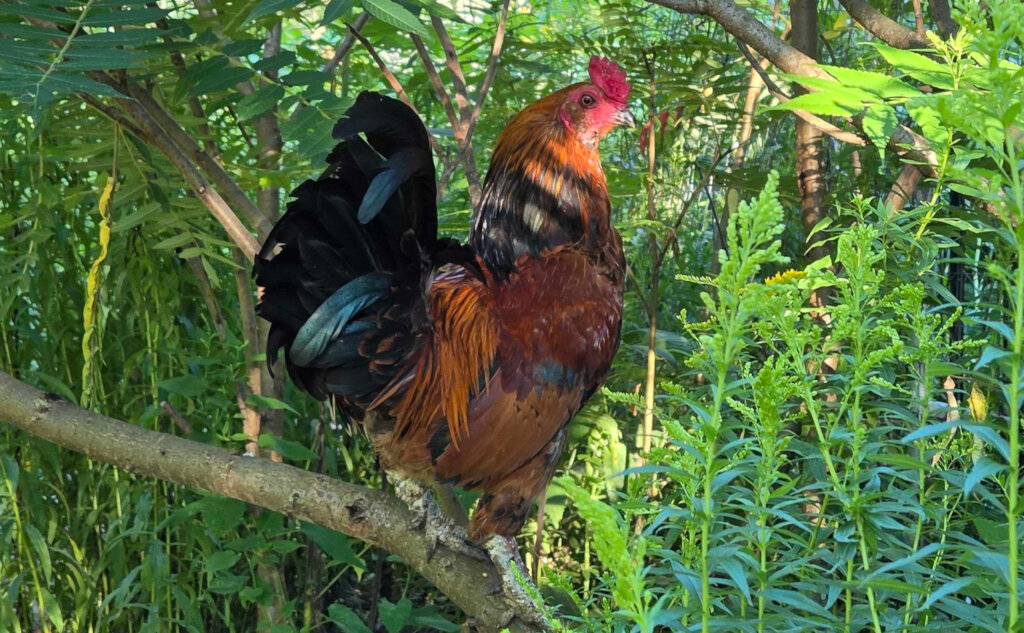
Last month, I had a fascinating conversation with a New York Times reporter. Several towns in Vermont and New Hampshire have recently passed rooster bans, and she wanted to talk to us to get the sanctuary side of the story—which is that all of us are always overwhelmed by rooster requests, the rooster bans do make that problem worse, but that the real solution is for people to stop buying chicks from hatcheries and develop truly bird-friendly hobbies instead of backyard hen-keeping.
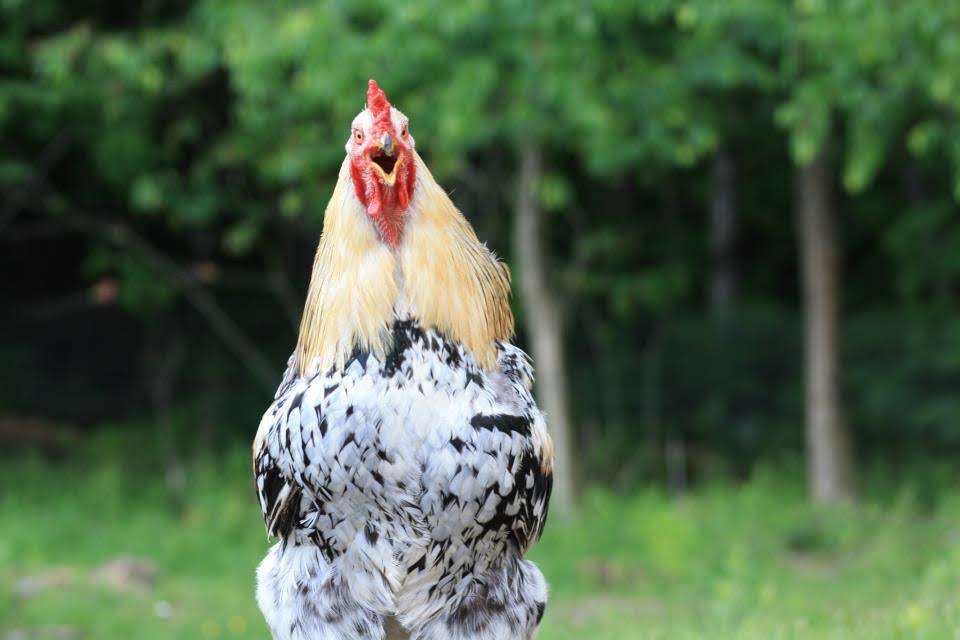
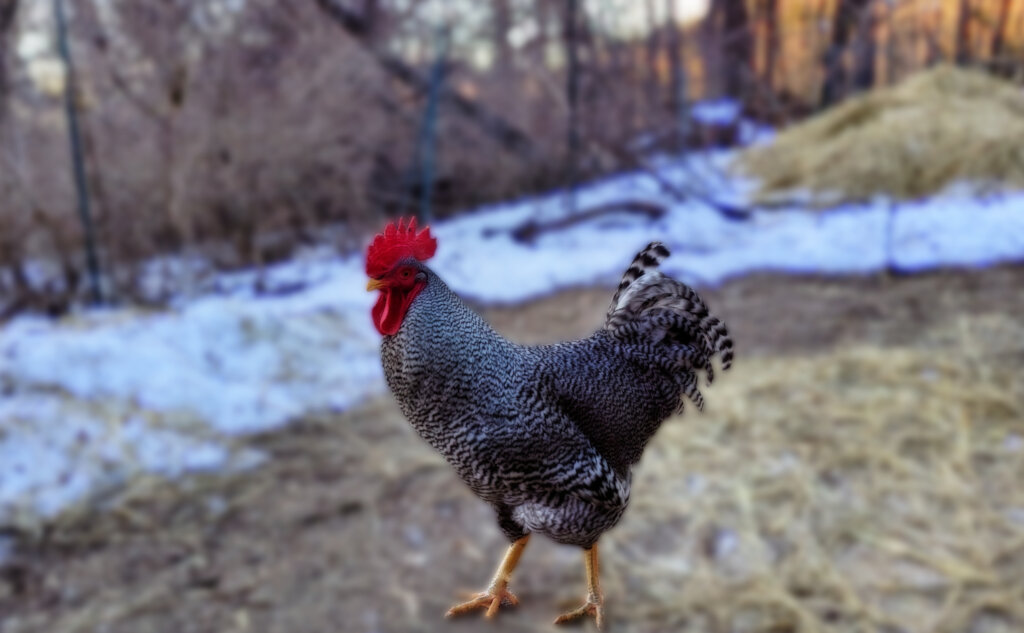
The reporter arrived near sunset, and so she shadowed me while I performed the nightly ritual of washing out water bowls and closing up coops for the night. Along the way, she met Pearly—a rooster whose story illustrates why town meetings about those rooster bans have been so contentious that a major newspaper decided to cover the story.
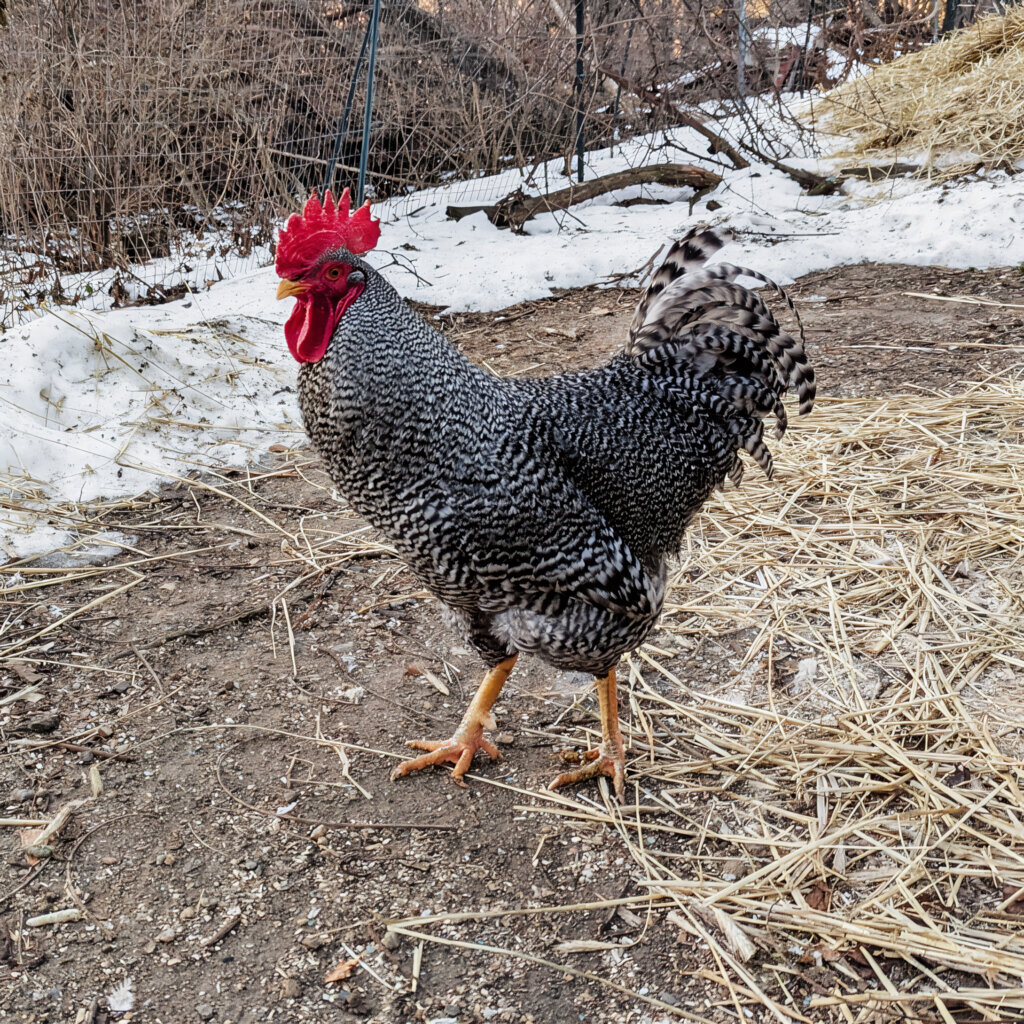
Pearly is a jolly, rolly-polly rooster with speckled black, white, and grey feathers. The person who surrendered him cried and cried as she handd him over to me because he was a beloved companion animal (or "pet") to her but the town had given her a deadline for getting rid of him.
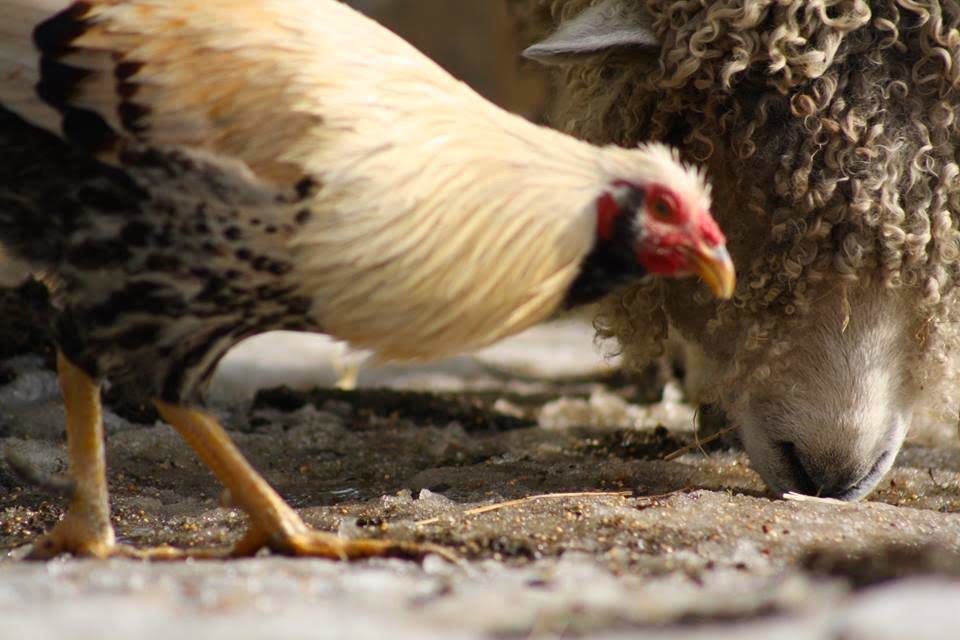
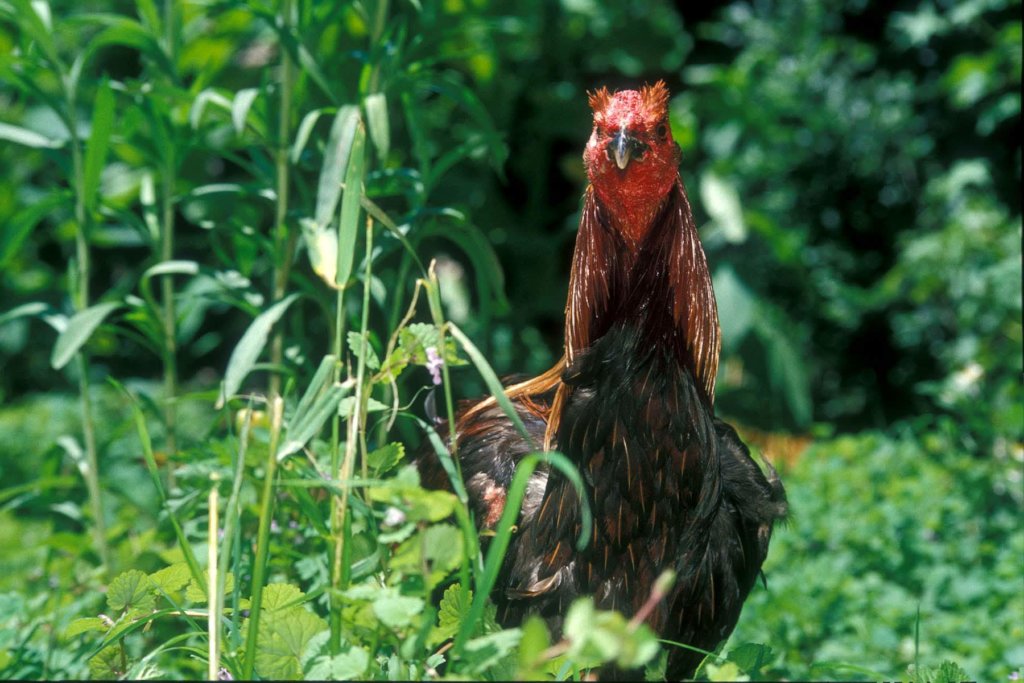
Even though she was working on a very focused story about a zoning issue, the reporter was fascinated by the sanctuary and asked many questions that took our conversation through our origins as a chicken sanctuary, our work rehabilitating former fighting roosters, and our efforts to undermine the gendered stereotypes about roosters, which hurt humans and animals alike by fostering false ideas about masculinity and violence.
It was fully dark by the time the reporter left. As we were saying goodbye at the gate, she remarked on how seemingly paradoxical it is that a sanctuary founded by lesbian feminists became such a strong advocate for male birds.I replied that it is funny but it also makes sense: The same stereotypes that harm roosters also harm women. And, of course, boys and men are also harmed by the demands of traditional masculinity. From that angle, it's not at all surprising that feminists figured out how to help roosters: It was our feminism that allowed us to see that they were being stereotyped in ways that hurt everybody.
If you're curious to kow more about that, you can read this chapter (free PDF) from my book, Bird's-Eye Views, which explains how rooster rehabilitation is an ecofeminist project.
I wish I could share the link for the article by the reporter who visited, but it hasn't been published yet. I'll be sure to include it in a future update!
In the meantime, THANK YOU AGAIN for your support for The Rooster Project and the roosters here at VINE Sanctuary! Times are tight for sanctuaries right now, and every dollar makes a difference!
By pattrice jones | VINE Sanctuary co-founder & Coordinator
By pattrice jones | Coordinator, VINE Sanctuary
Project reports on GlobalGiving are posted directly to globalgiving.org by Project Leaders as they are completed, generally every 3-4 months. To protect the integrity of these documents, GlobalGiving does not alter them; therefore you may find some language or formatting issues.
If you donate to this project or have donated to this project, you can receive an email when this project posts a report. You can also subscribe for reports without donating.



Support this important cause by creating a personalized fundraising page.
Start a Fundraiser