By Alexa Hancock | Project Leader
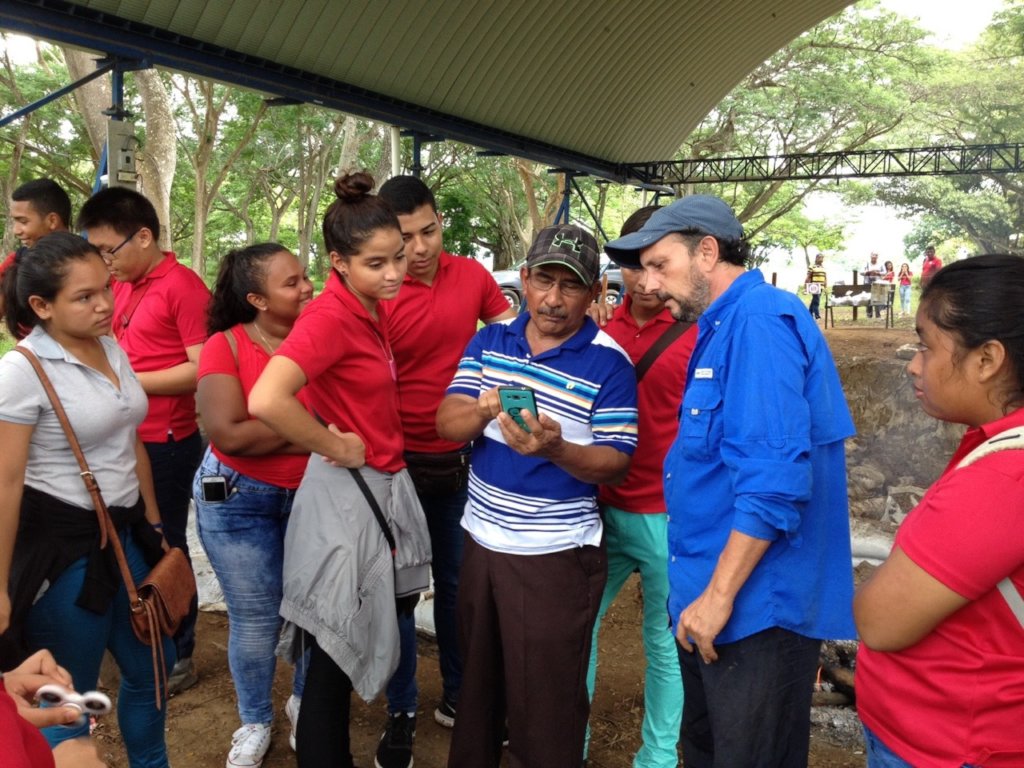
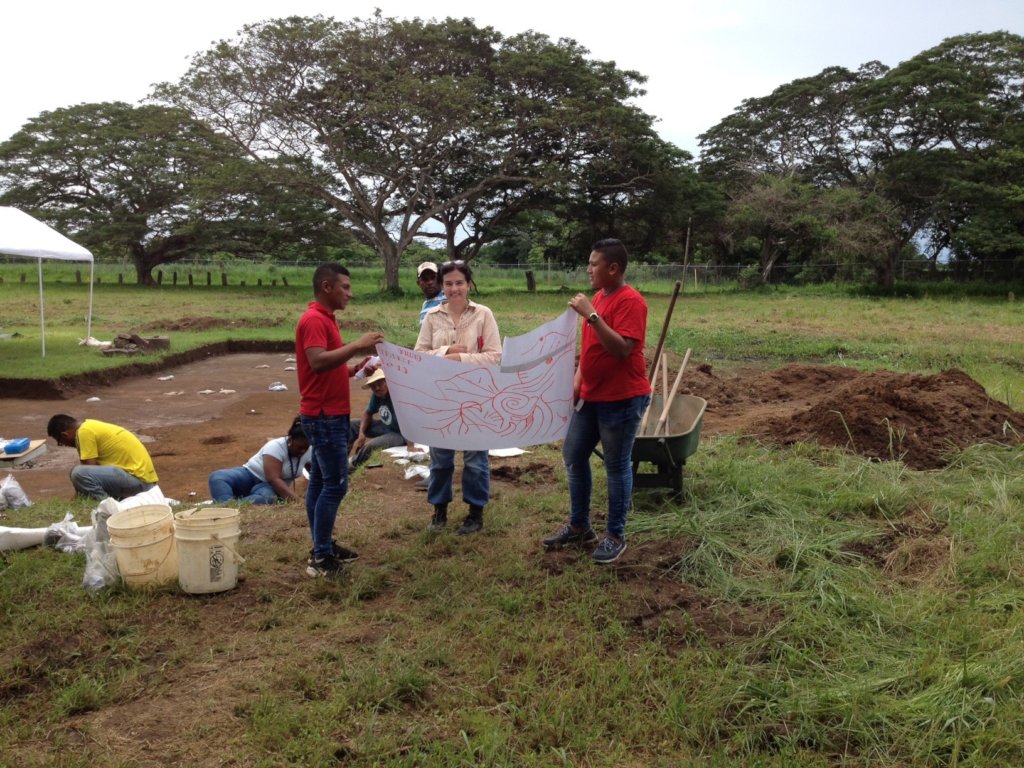
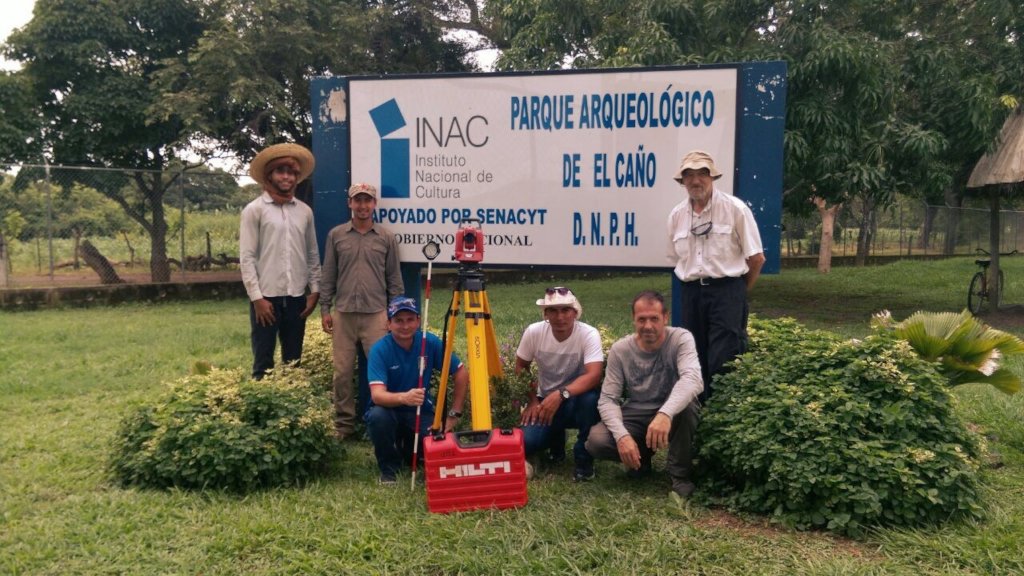
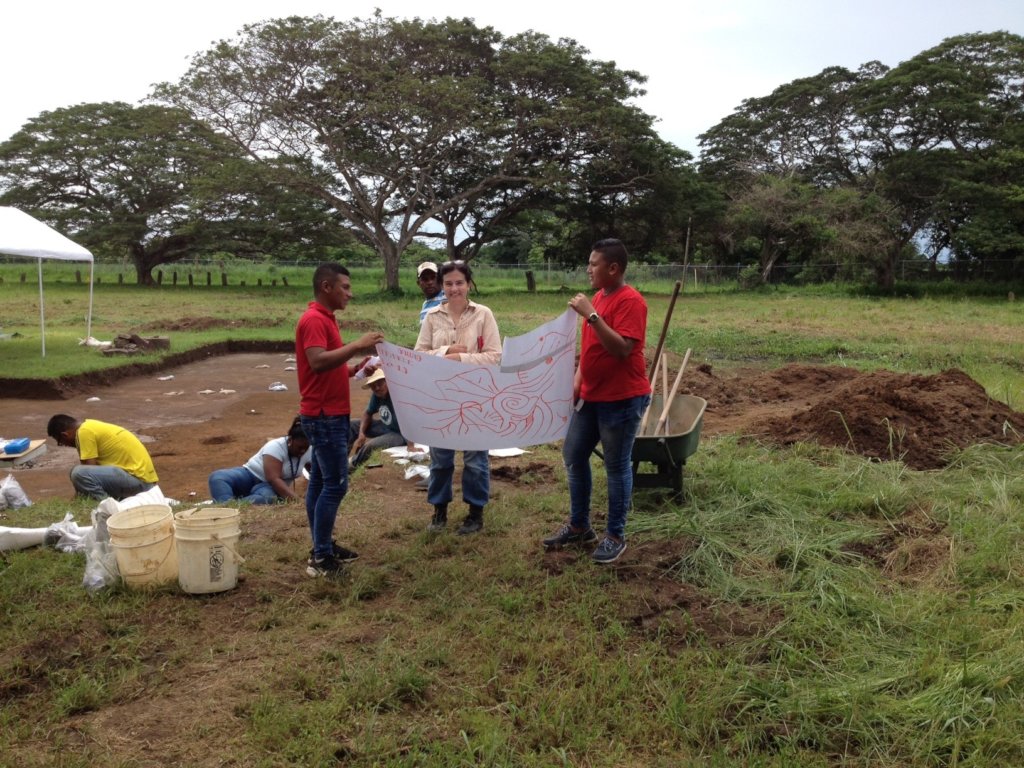
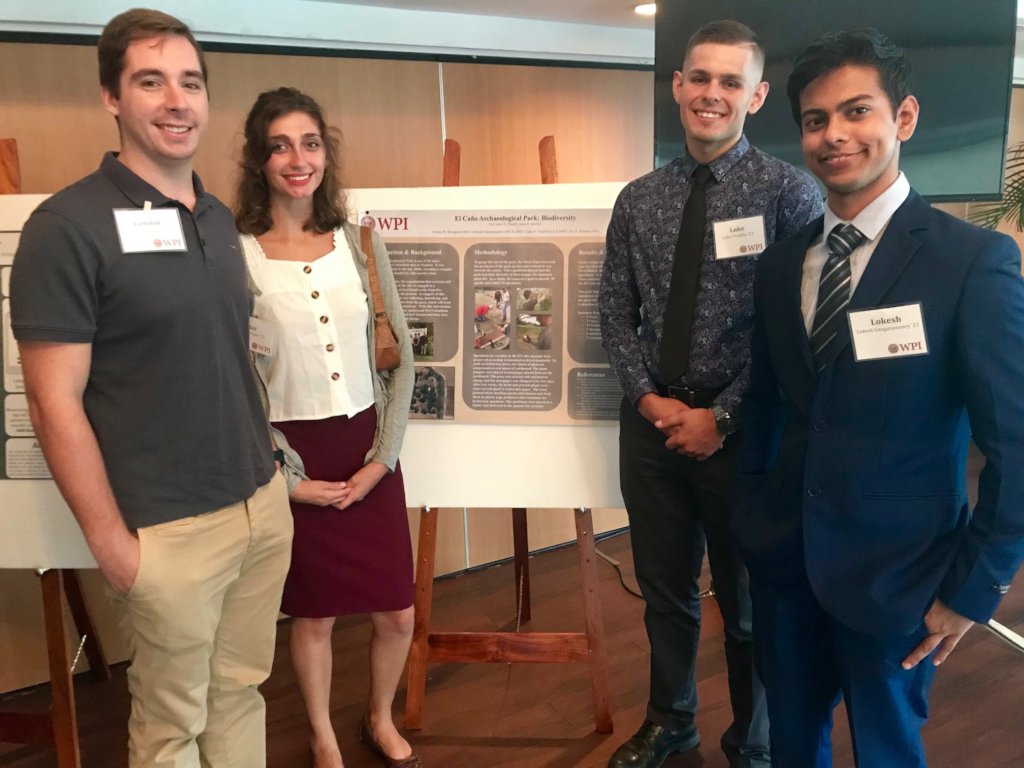
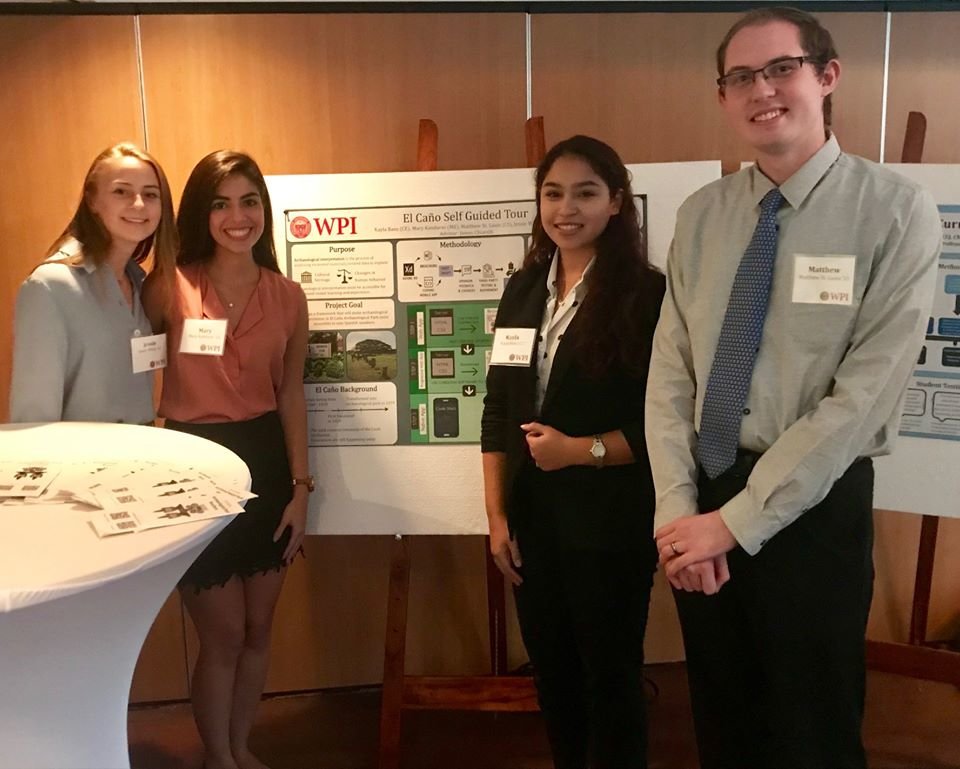
Since September, the two teams of four students each from the Worcester Polytechnic Institute (WPI) have completed their two projects involving the El Caño Archaeological Park. The projects consisted of the creation of a program of self-guided tour visits for English and French speakers and a study of the park's flora.
The students presented their projects and results to their WPI advisor, James Chiarelli, and to sponsors Rick Montanari of Footprint Possibilities, Inc. and Dr. Julia Mayo of the El Caño Foundation. At the end, all materials were delivered to Dr. Mayo.
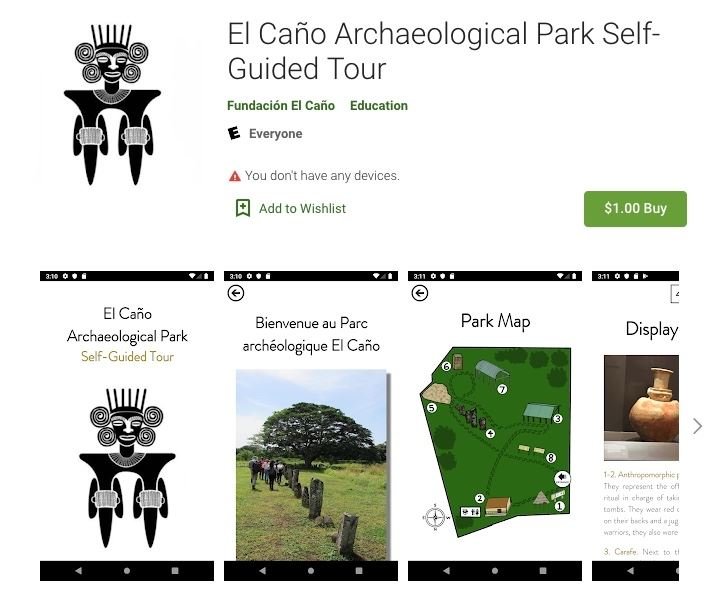
As a result of the work completed by the students, the Fundación El Caño team has better data related to the flora in the park. Additionally, there is now an online self-guided tour of the park and museum in the Android store availble in English and French. The tour application will soon be availble in the Apple store. The students also provided a tri-fold map with an abbreviated version of the information that is in the application to be availble for visitors who do not have a smart cellular phone.
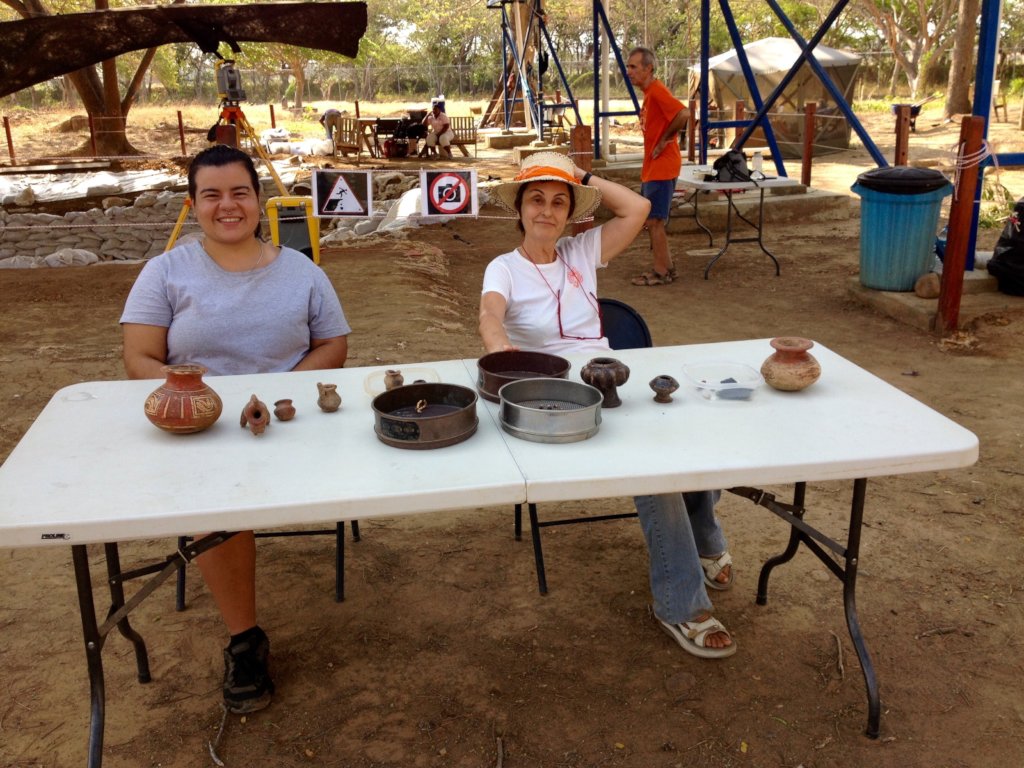
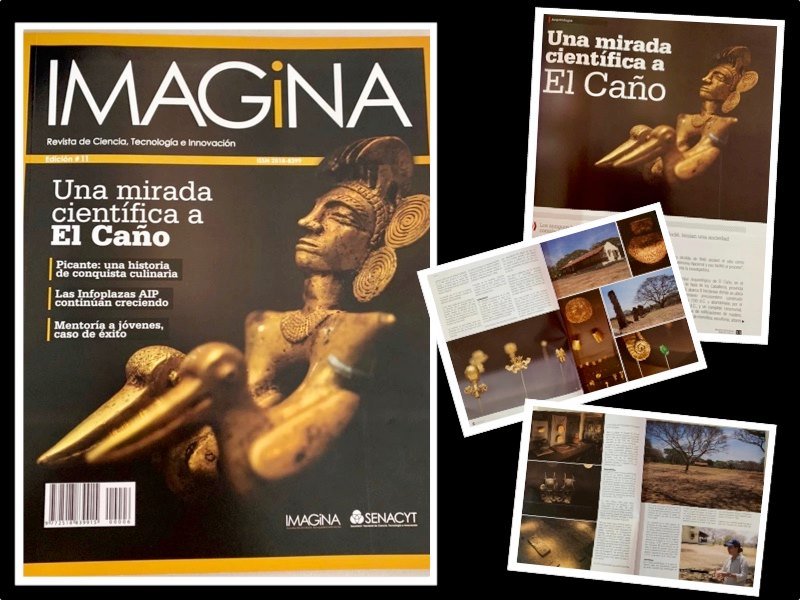
The National Secretariat for Science (SENACYT), Technology and Innovation publishes an magazine titled "IMAGINA". Edition 11 showcased the exhibition that Fundación El Caño prepared for the Archaeological Museum of El Caño and utilized the iconic artifact known as "The "Bird Man" for the cover. "The Bird Man" is an interesting and beautiful gold pendant discovered in the tomb T2 of the Necropolis of El Caño.
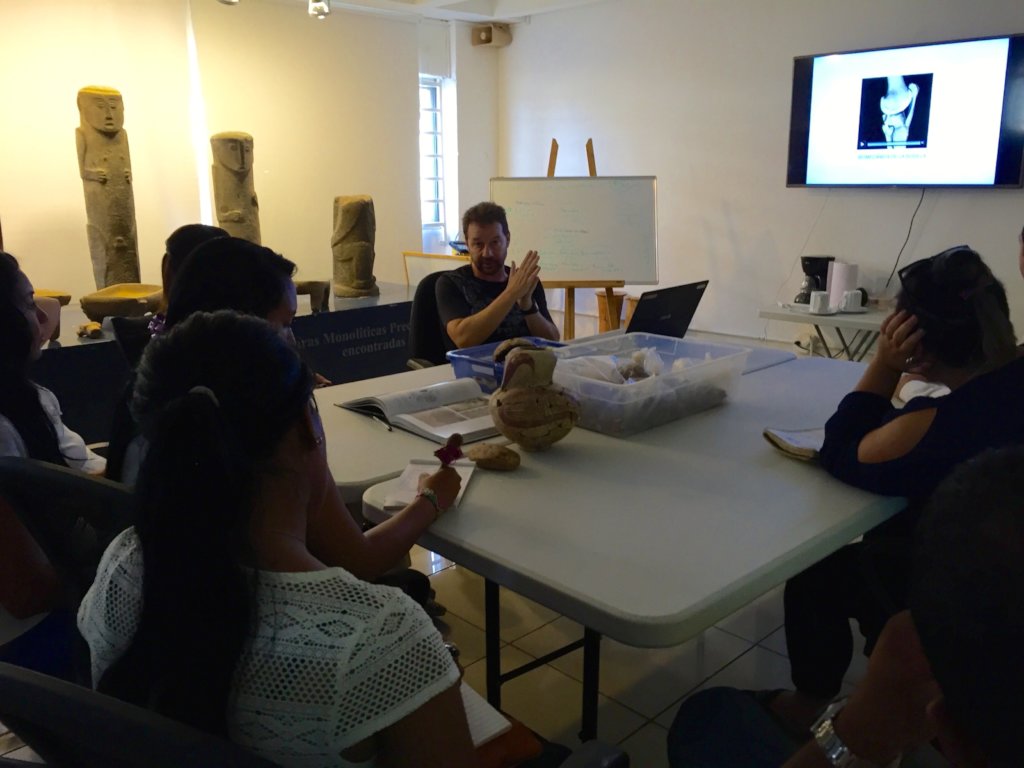
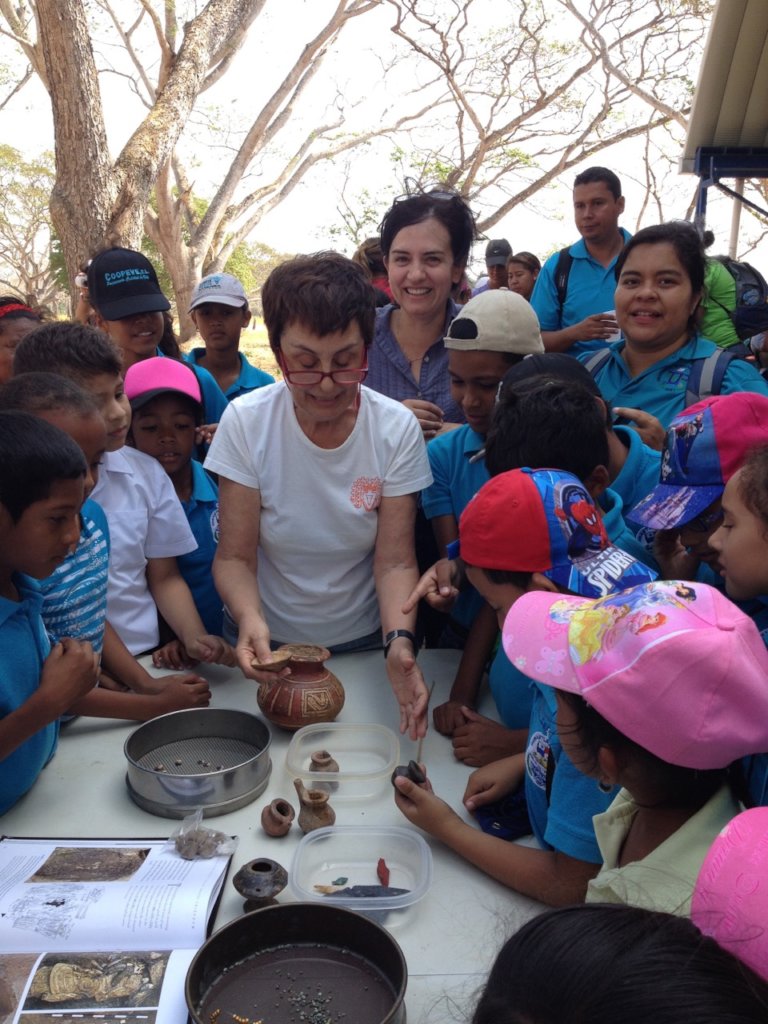
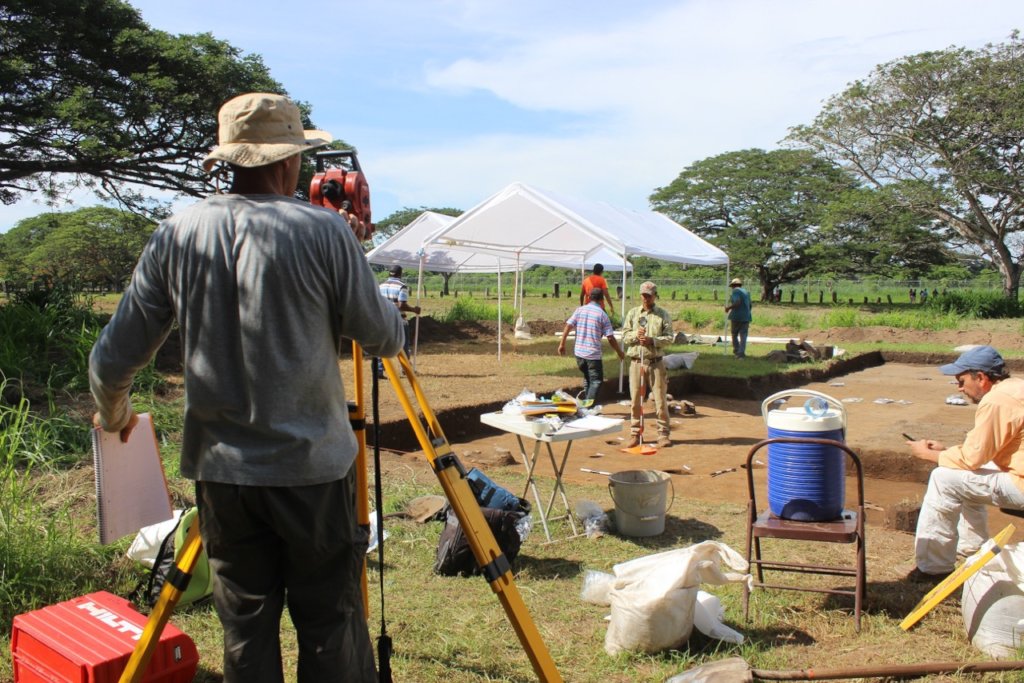
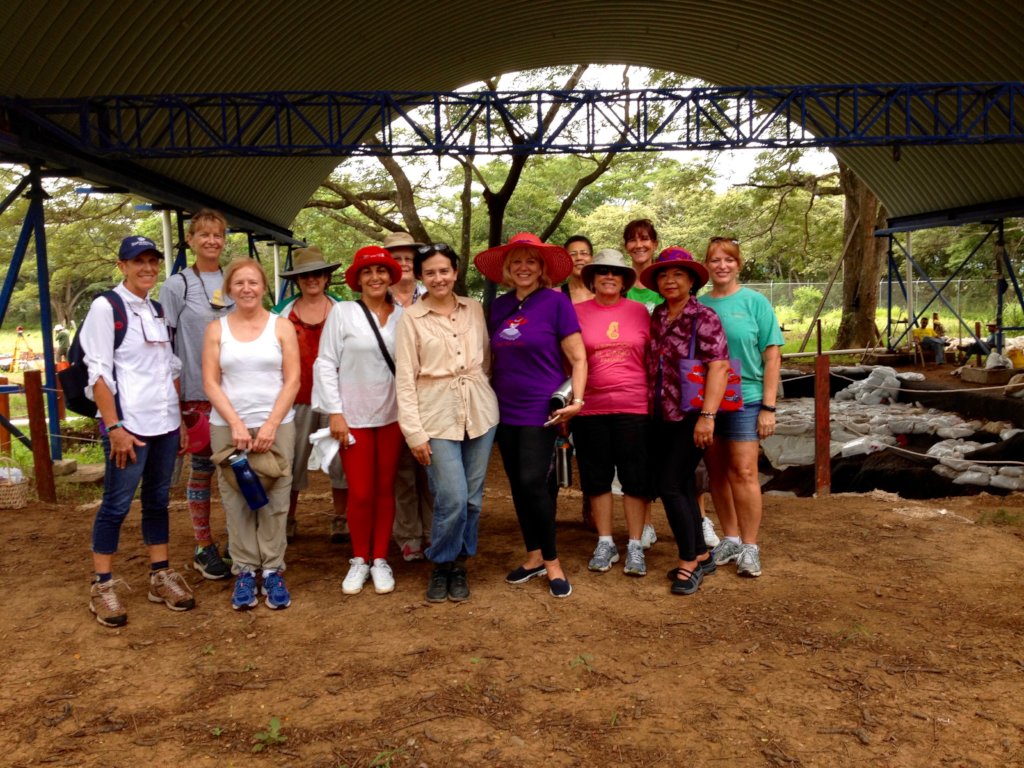
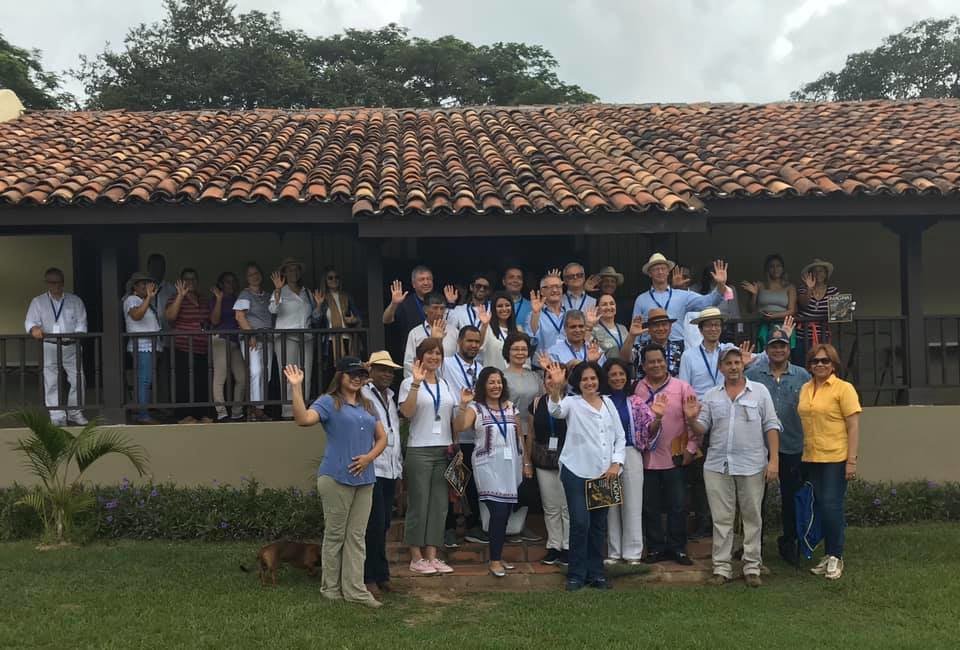
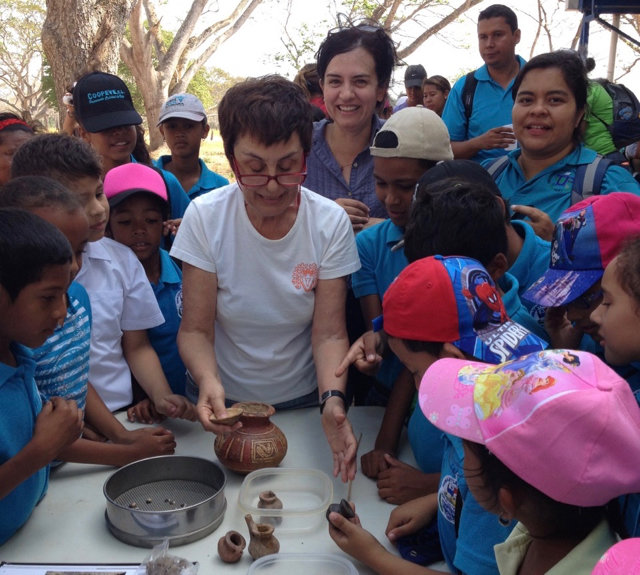
Fundación El Caño participated in an event organized by the Ministry of Foreign Affairs-Directorate of Protocol and State Ceremonial, Tourism Diplomacy "The Cutarra Experience". Fundación El Caño received 16 ambassadors from different countries, all stationed in Panama. Dr. Julia Mayo conducted a tour of the museum and park for them. These events help disseminate the information concerning the progress being made in El Caño.
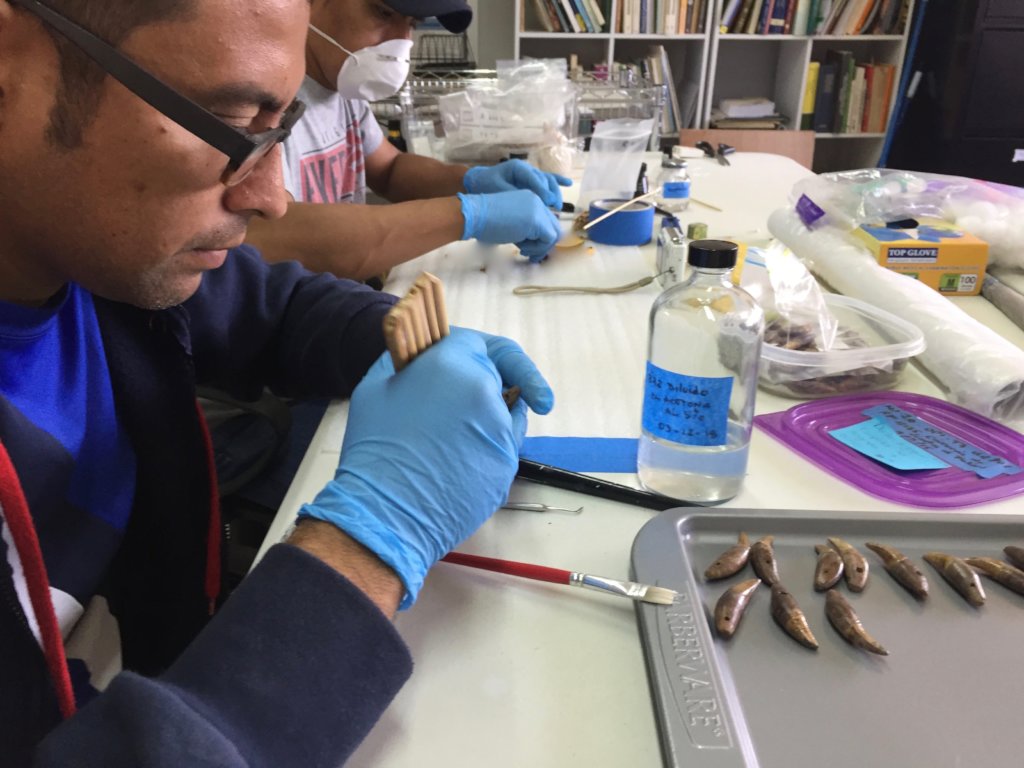
The January 2020 edition of "Journal of Archaeological Science" includes the article "Golden artefacts, resin figurines, body adhesives and tomb sediments from the pre-Columbian burial site El Caño (Gran Coclé, Panamá): Tracing organic contents using molecular archaeometry". This article was authored by several members of the Fundacion El Caño team and partners.
Project reports on GlobalGiving are posted directly to globalgiving.org by Project Leaders as they are completed, generally every 3-4 months. To protect the integrity of these documents, GlobalGiving does not alter them; therefore you may find some language or formatting issues.
If you donate to this project or have donated to this project, you can receive an email when this project posts a report. You can also subscribe for reports without donating.



Support this important cause by creating a personalized fundraising page.
Start a Fundraiser