By Alexa Hancock | Anthropologist
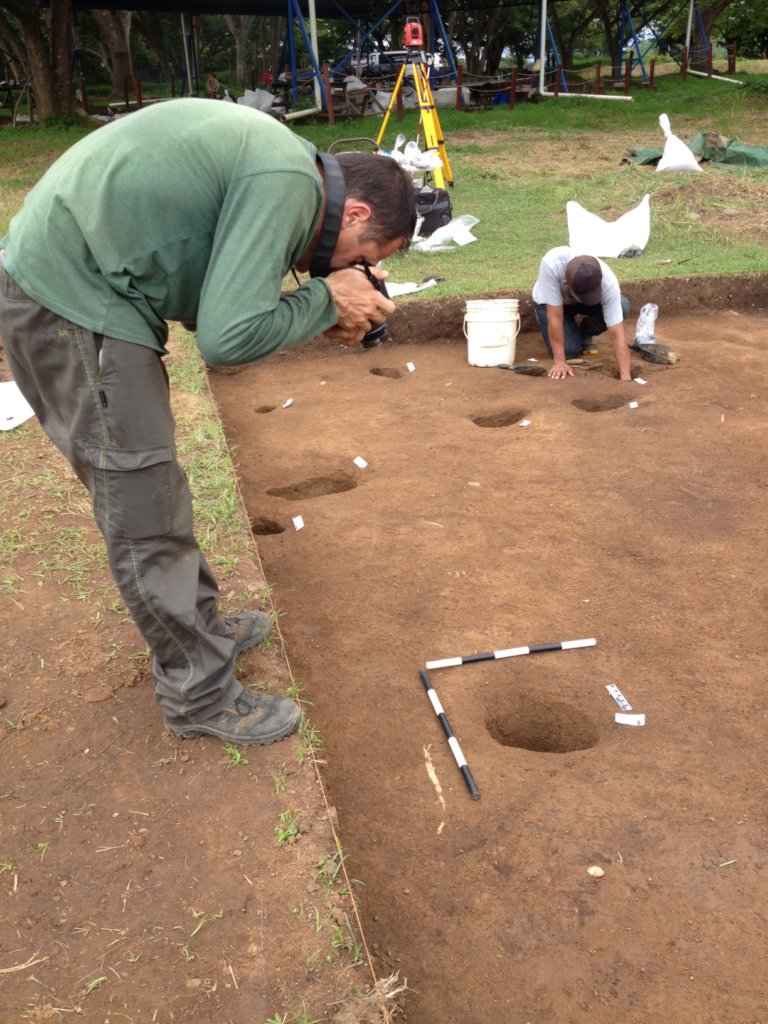
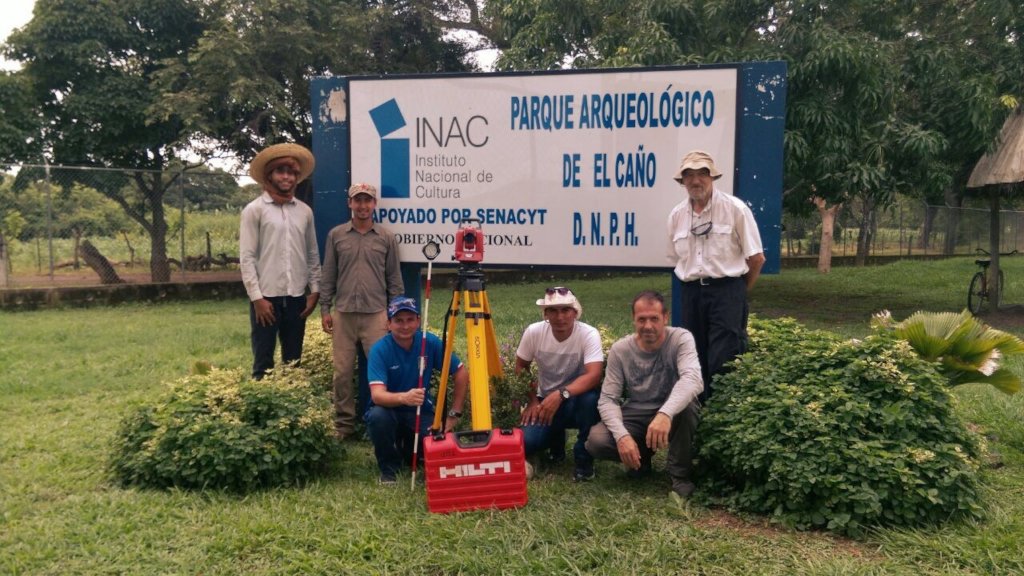
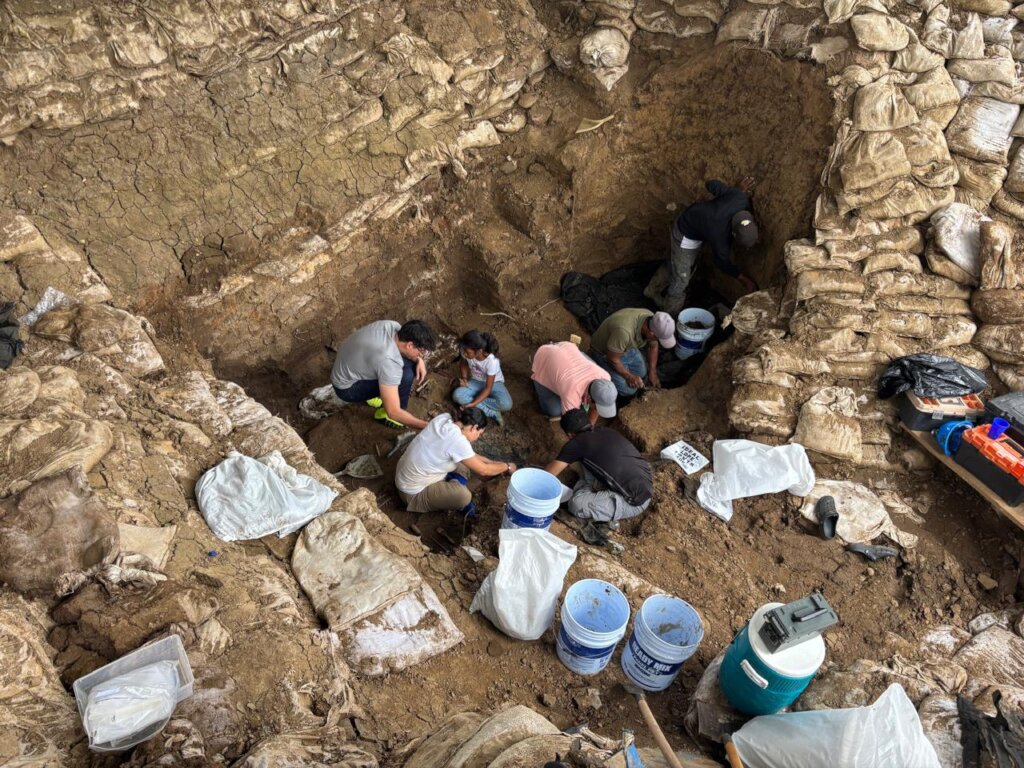
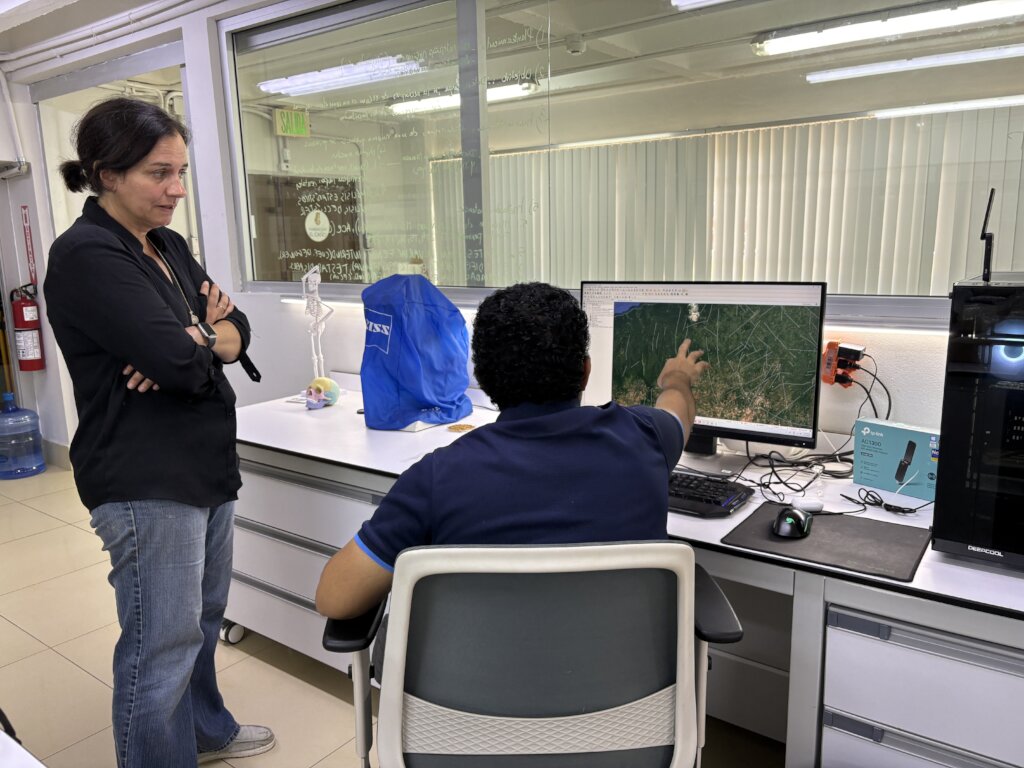
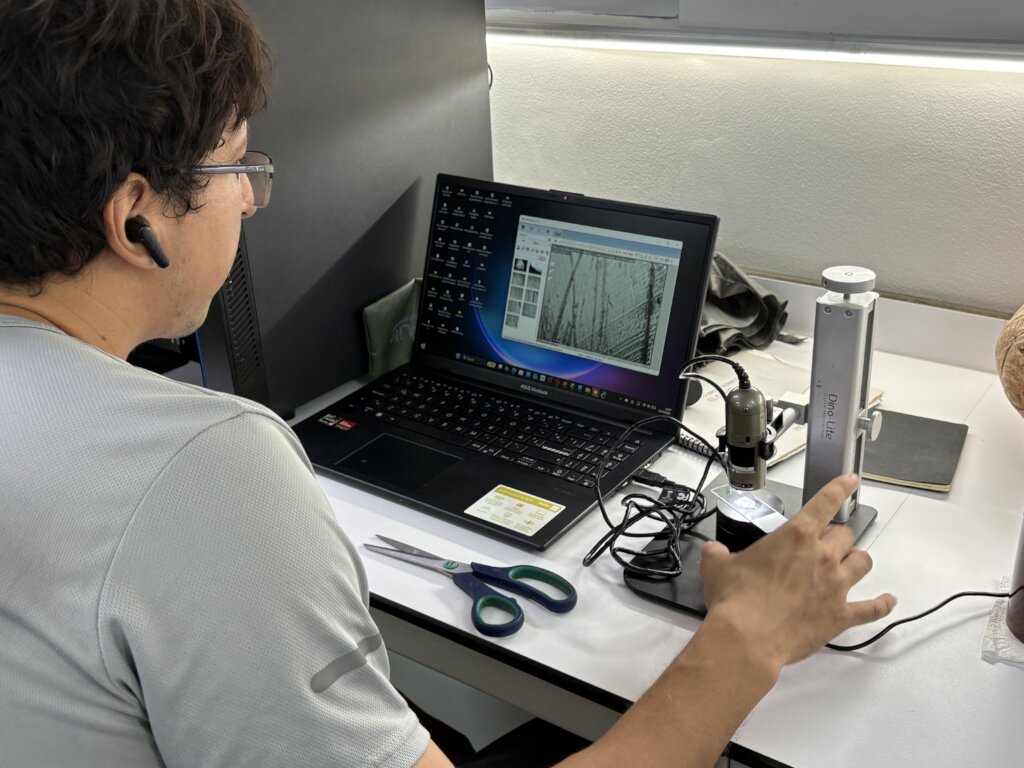
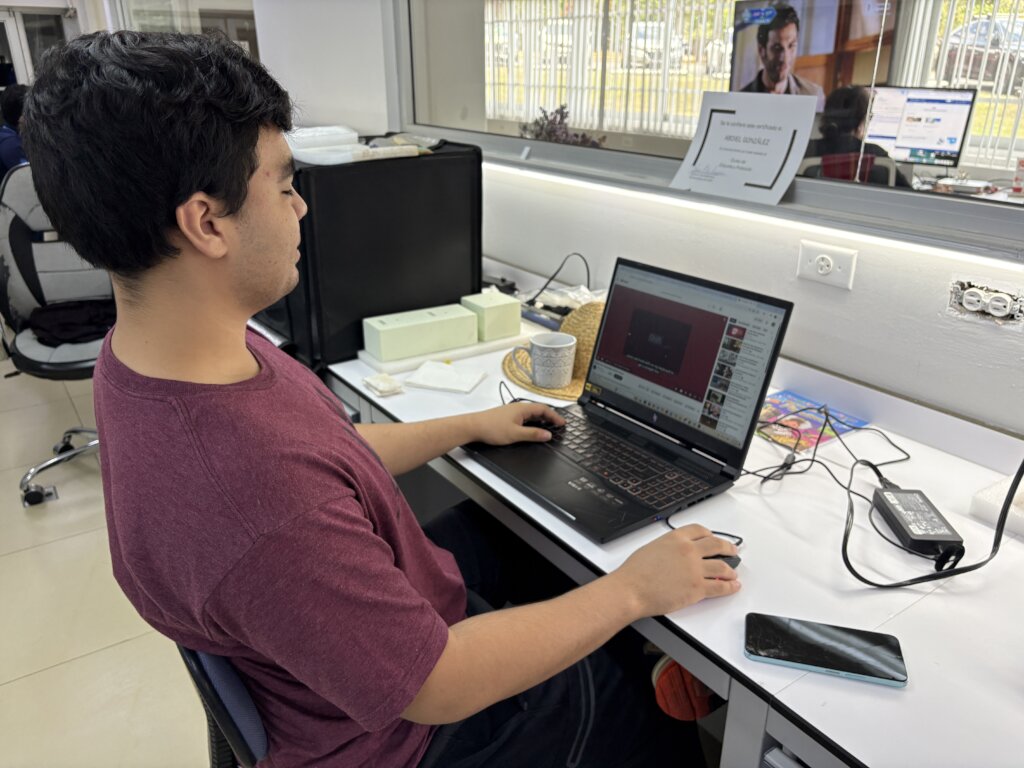
During this reporting period, Fundación El Caño continued to advance its research, conservation, education, community engagement, and institutional collaboration activities, while also strengthening the international visibility of the archaeological work carried out at El Caño.
Research and Academic Activities
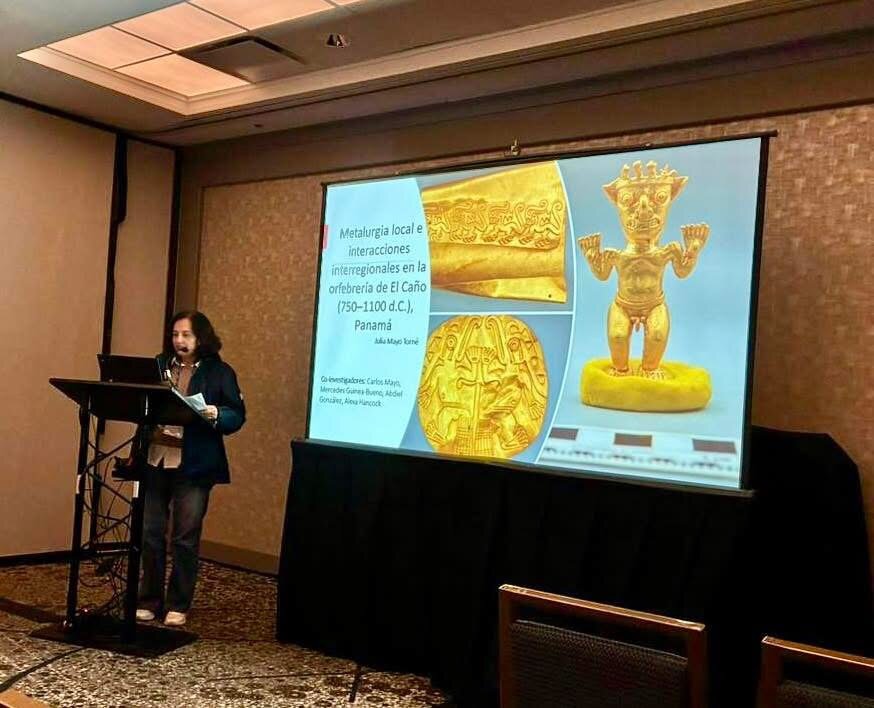
In May, Dr. Julia Mayo presented preliminary results at the Society for American Archaeology (SAA) meeting in San Francisco from a study examining the composition, technology, and stylistic characteristics of goldwork from El Caño and Sitio Conte in Gran Coclé, Panama, and comparing these materials with objects recovered from the Sacred Cenote of Chichén Itzá, Mexico. The research seeks to better understand interregional interaction between the Isthmian area and Mesoamerica during the period 750–1000 CE.
The study incorporates a comparative database integrating stylistic, technological, and compositional variables, including gold, silver, and copper content. The results identified significant internal variability and correspondences among the assemblages. Although Conte style predominates at El Caño and Sitio Conte, the collections also include Veraguas, International, Quimbaya, and Openwork styles. Compositional analysis further identified distinct groupings within individual styles, suggesting multiple sources or circulation networks for the metals. Particularly significant were Veraguas-style objects from El Caño and Sitio Conte characterized by low silver content, a pattern also identified among objects from the Cenote of Chichén Itzá.
The results support a model in which El Caño and Sitio Conte functioned as important centers for the concentration, selection, and redistribution of prestige goods originating in different parts of the Isthmo-Colombian region. These objects subsequently entered long-distance exchange networks extending toward the Maya region, where they could acquire new meanings through their incorporation into ritual contexts.
The Foundation's research also received international attention in May following the publication of an article in Phys.org highlighting research on emeralds recovered from elite burials at El Caño. The study, “Evidence of Emerald Long-Distance Exchange in the Isthmo-Colombian Area,” published in Latin American Antiquity, provides evidence that the emeralds were brought from Colombia centuries ago and contributes to a broader understanding of long-distance exchange networks in the ancient Isthmo-Colombian world.
Academic recognition of Fundación El Caño's research continued in June with the appointment of Dr. Julia Mayo to the Editorial Board of Latin American Antiquity, one of the leading journals in the field. She was also invited to join the Advisory Board of the Origins of Social Complexity Project (OSCP), an international academic research network dedicated to understanding the development of social complexity and the social processes associated with inequality, leadership, trade, warfare, ritual, and cooperation.
Conservation and Research Infrastructure
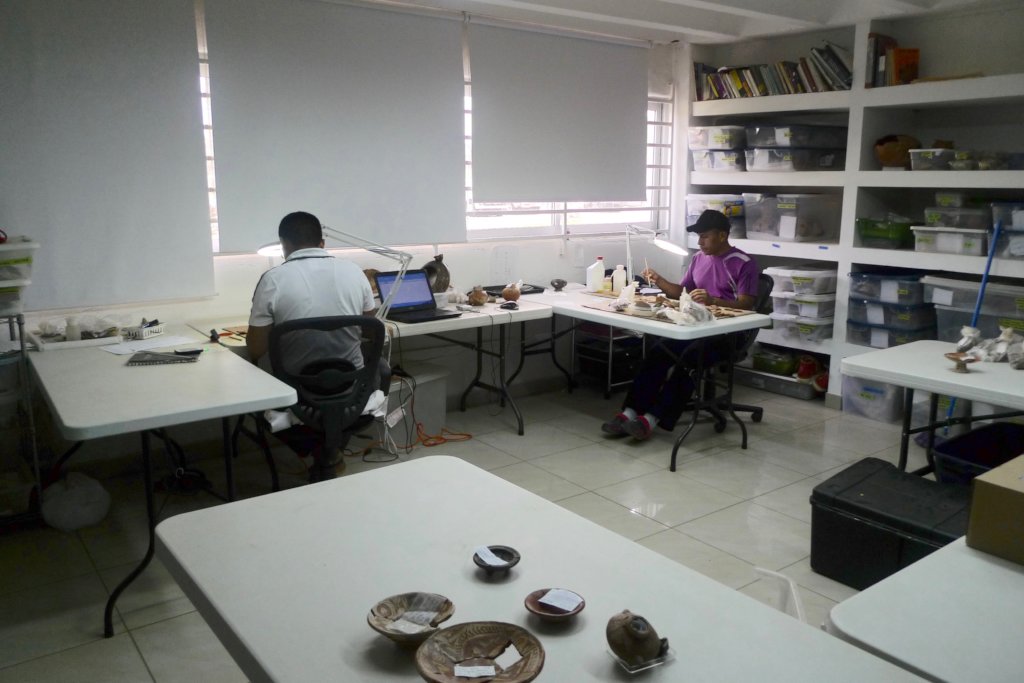
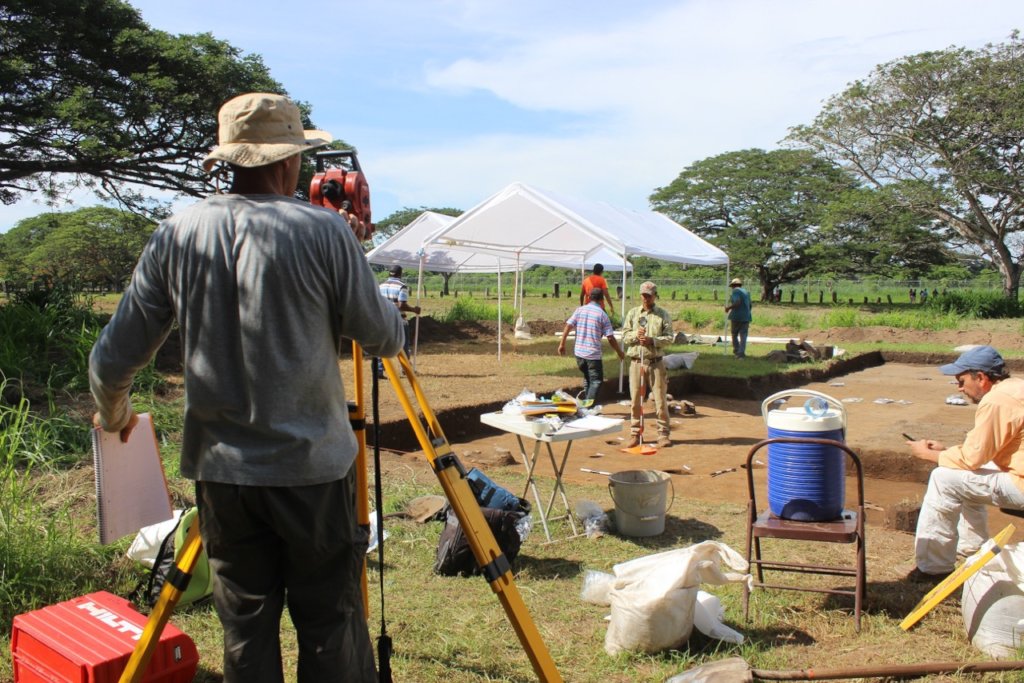
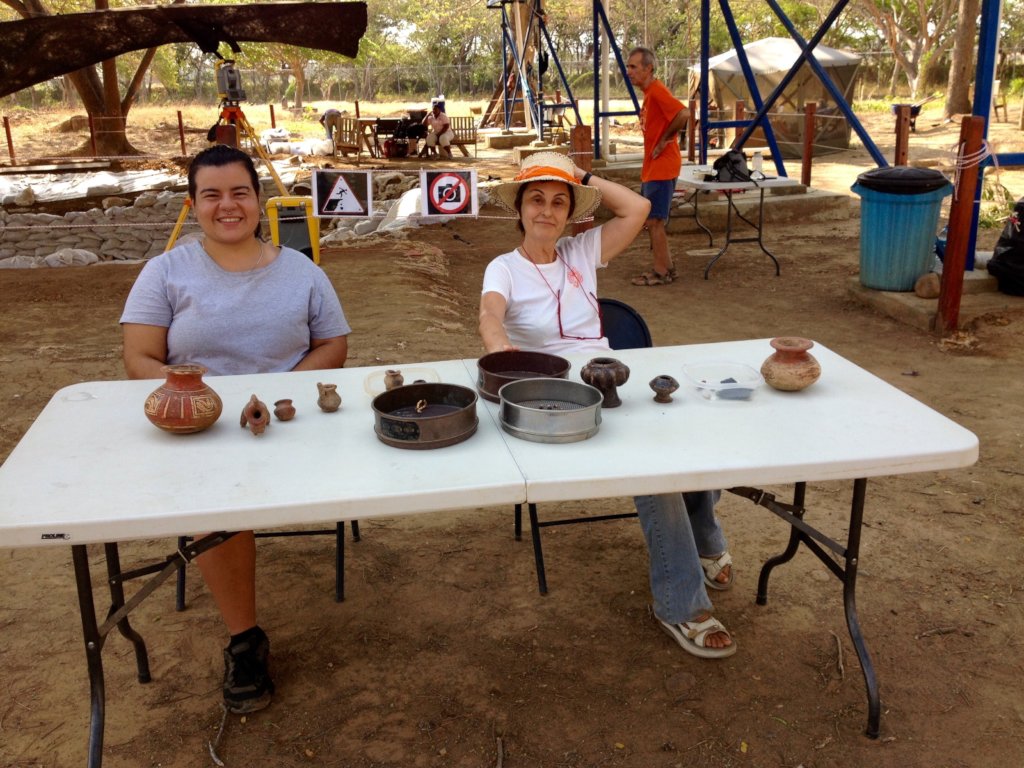
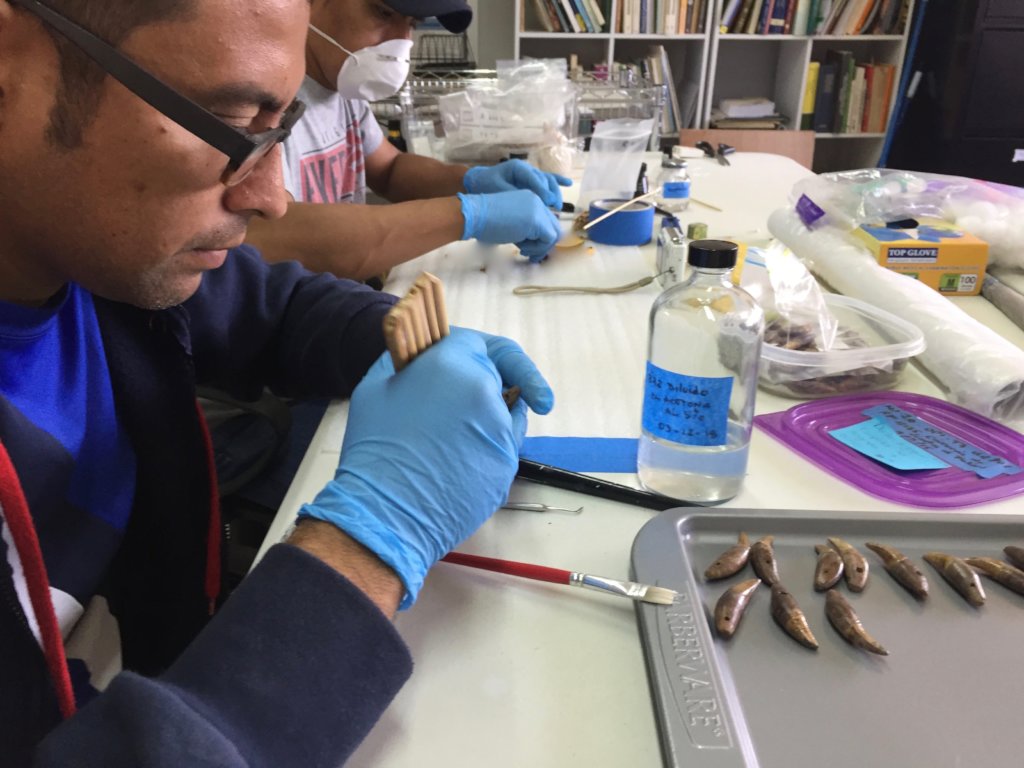
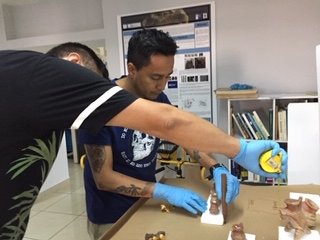
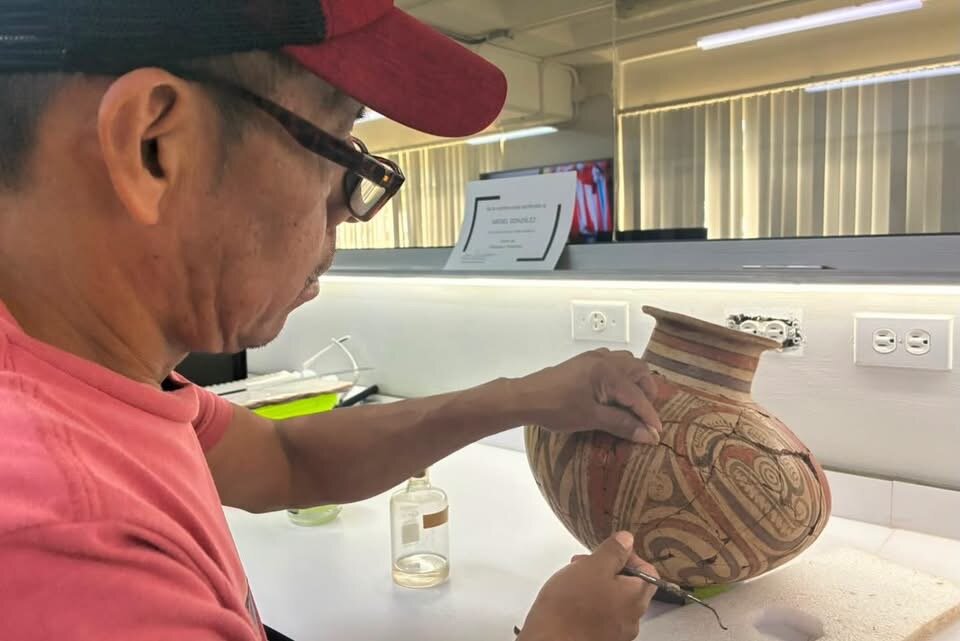
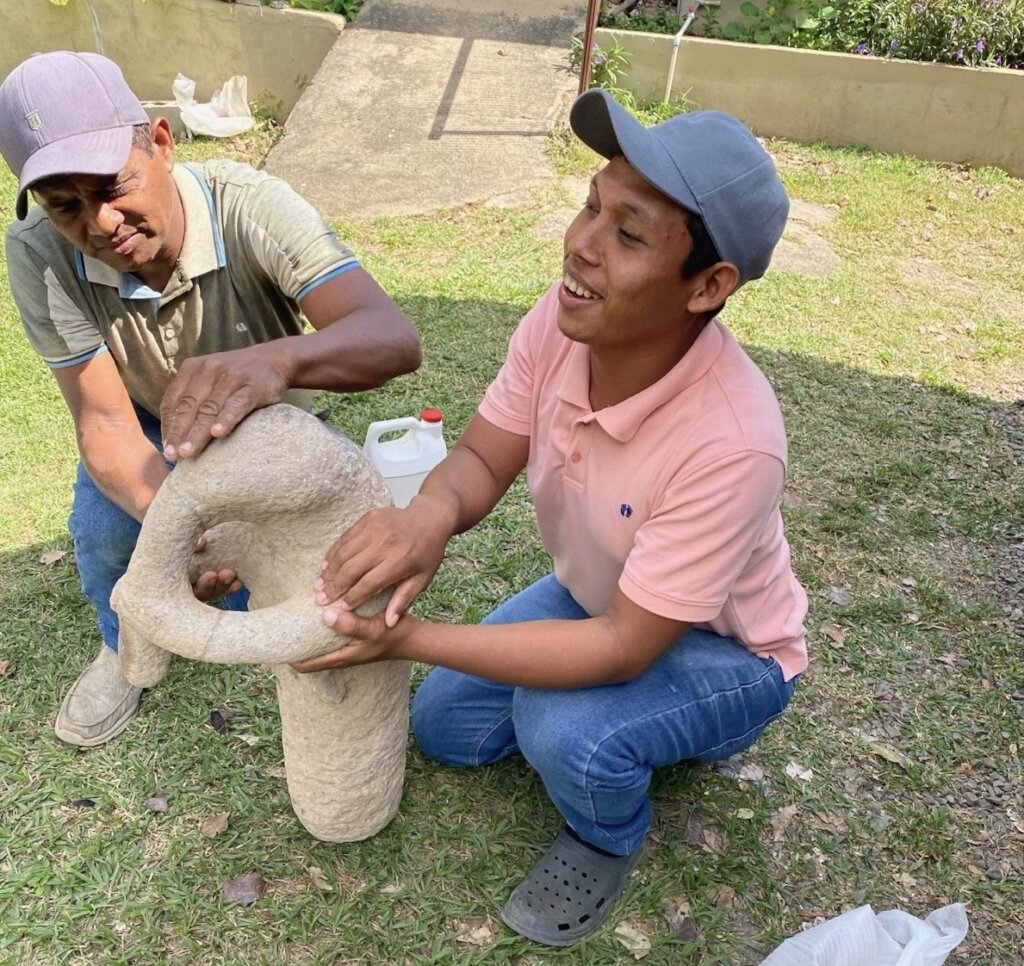
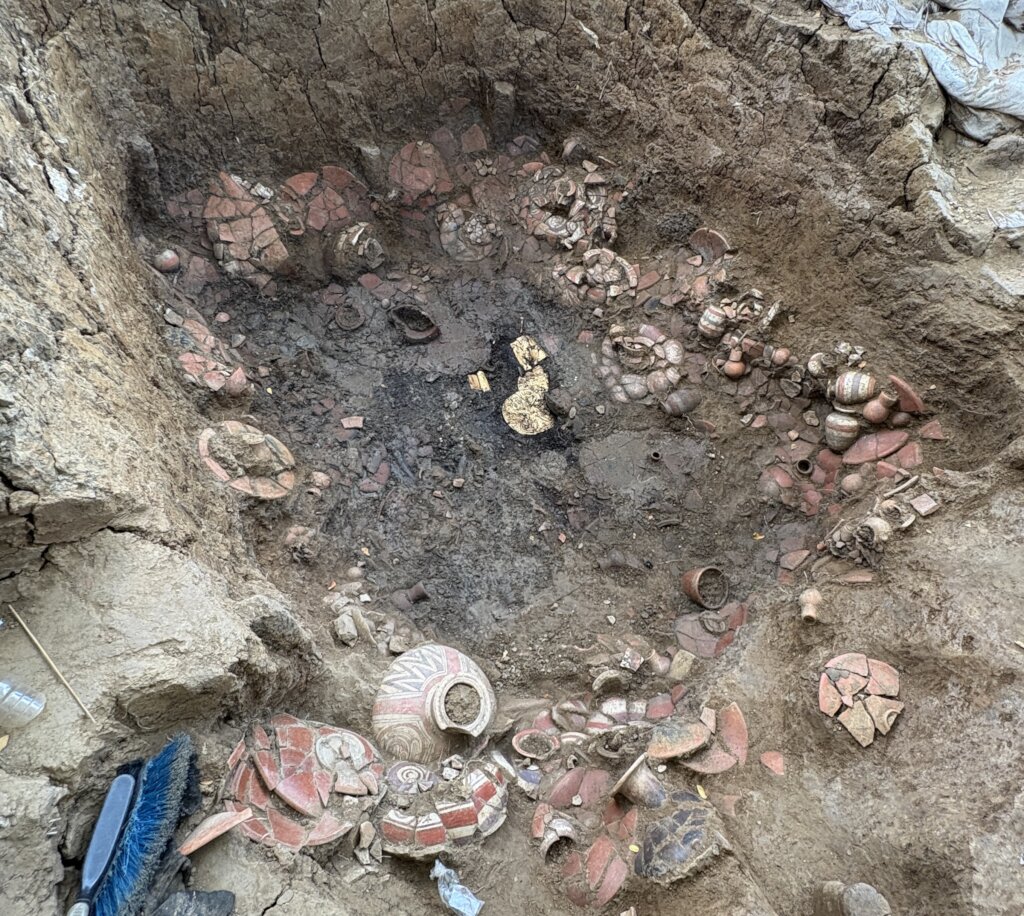
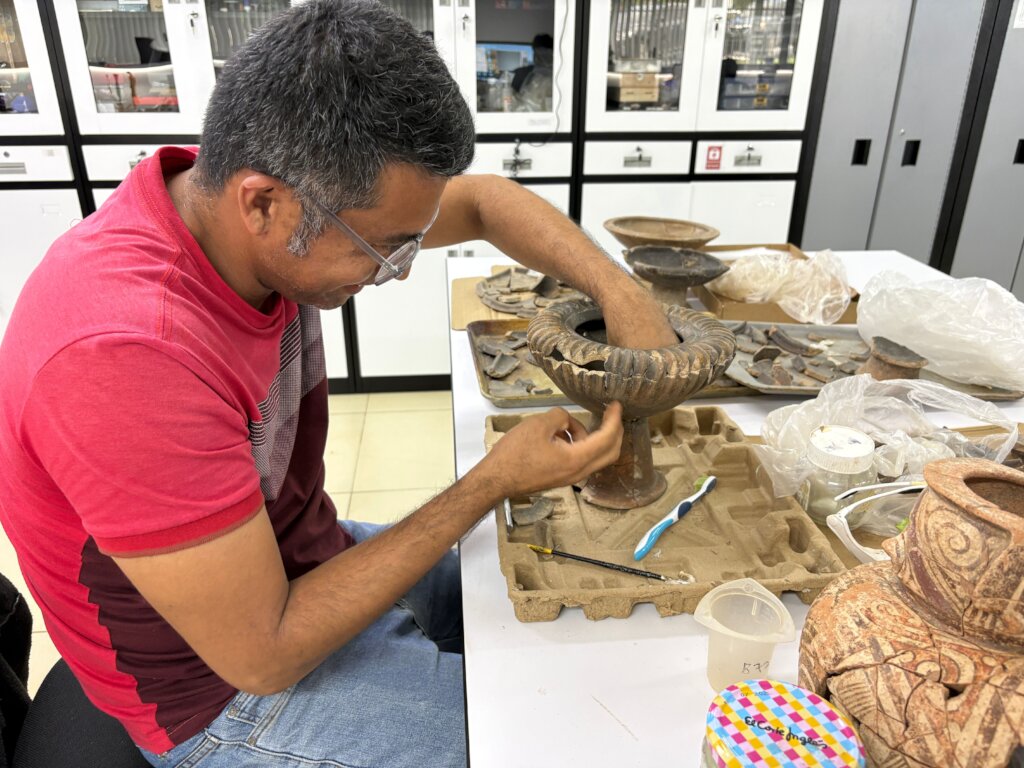
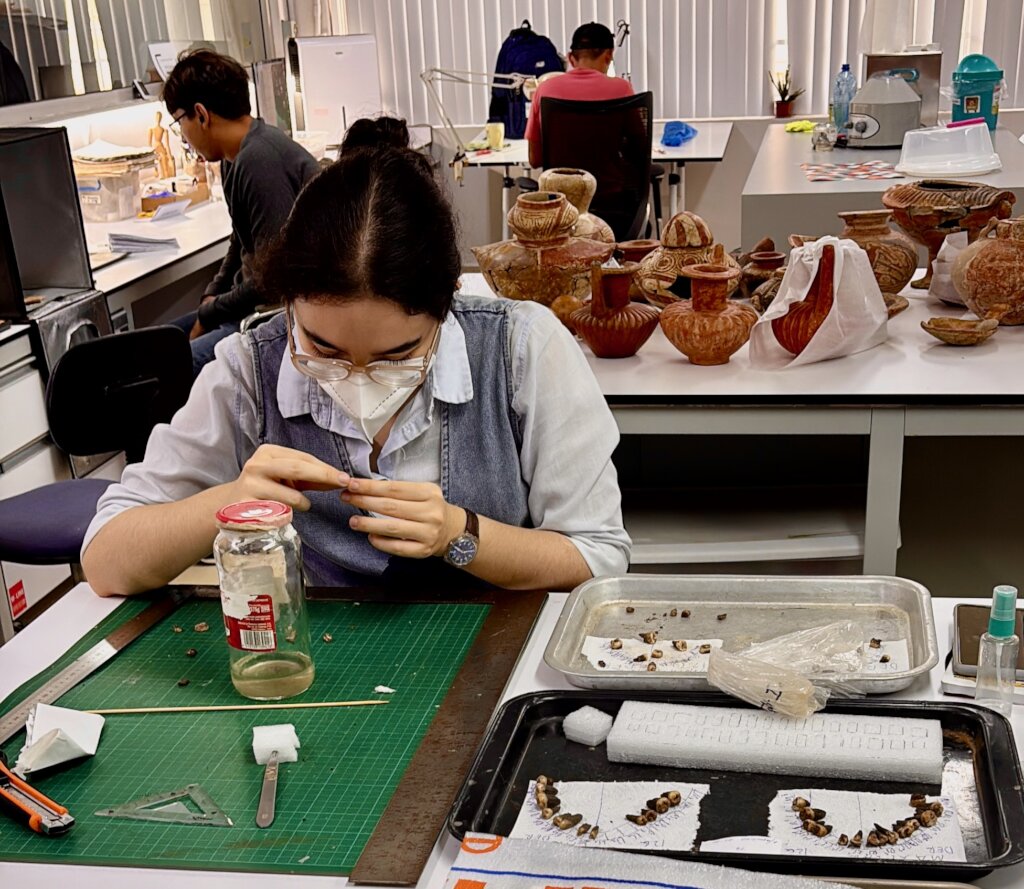
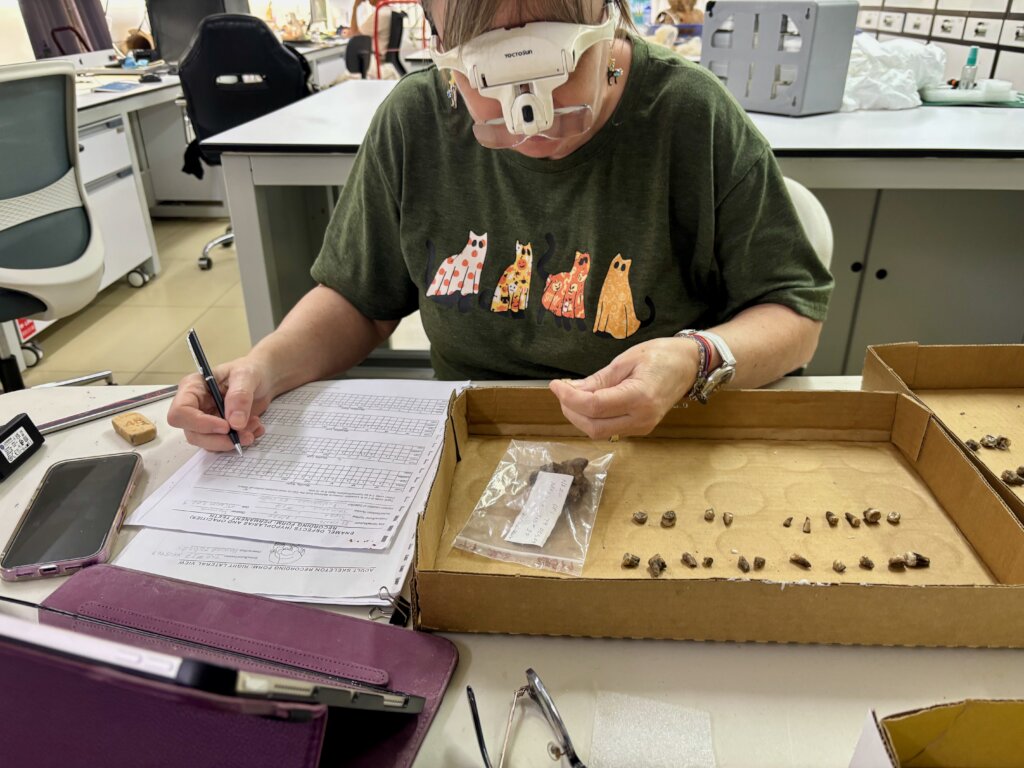
Conservation activities continued during the period, particularly the treatment of archaeological materials recovered during the 2026 field season. One example was registry #16474, recovered from stratigraphic level 600 of Tomb T3. The conservation process included initial field cleaning using brushes appropriate to the painted and fractured surfaces, followed by laboratory stabilization of the ceramic fragments with acrylic resins. Once stabilized, the fragments were reconstructed to recover the vessel's original form and received a final cleaning using distilled water and cotton swabs.
These activities form part of the Foundation's continuing effort to ensure that archaeological materials recovered through excavation are properly stabilized, documented, reconstructed, and prepared for future research and exhibition.
Community Engagement and Heritage Education
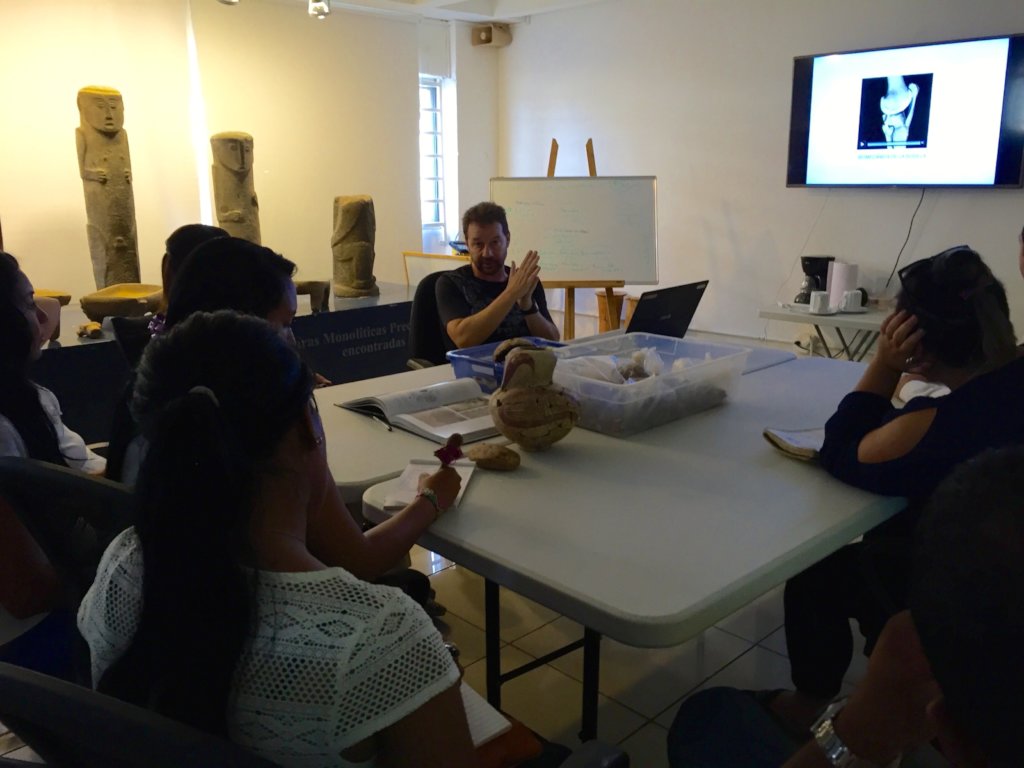
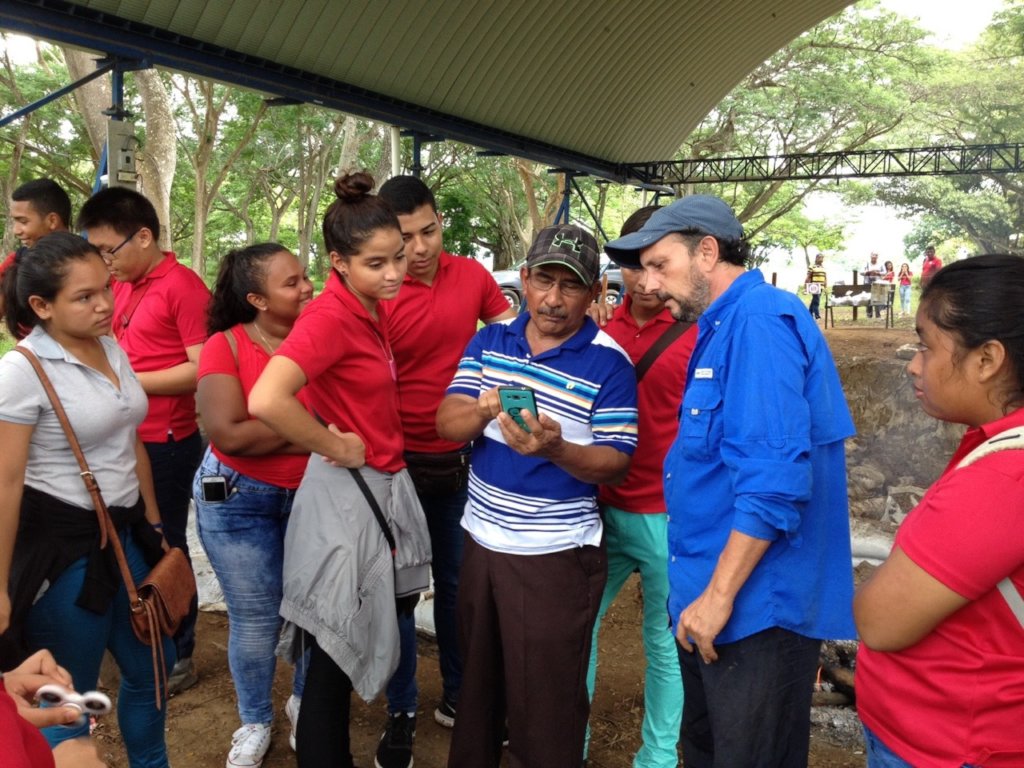
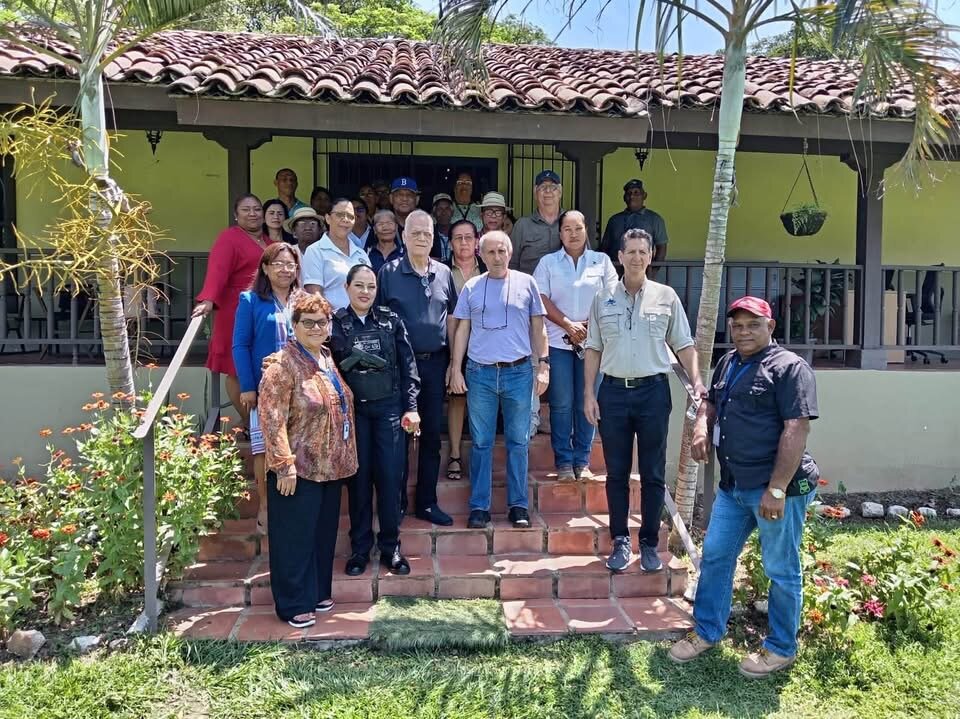
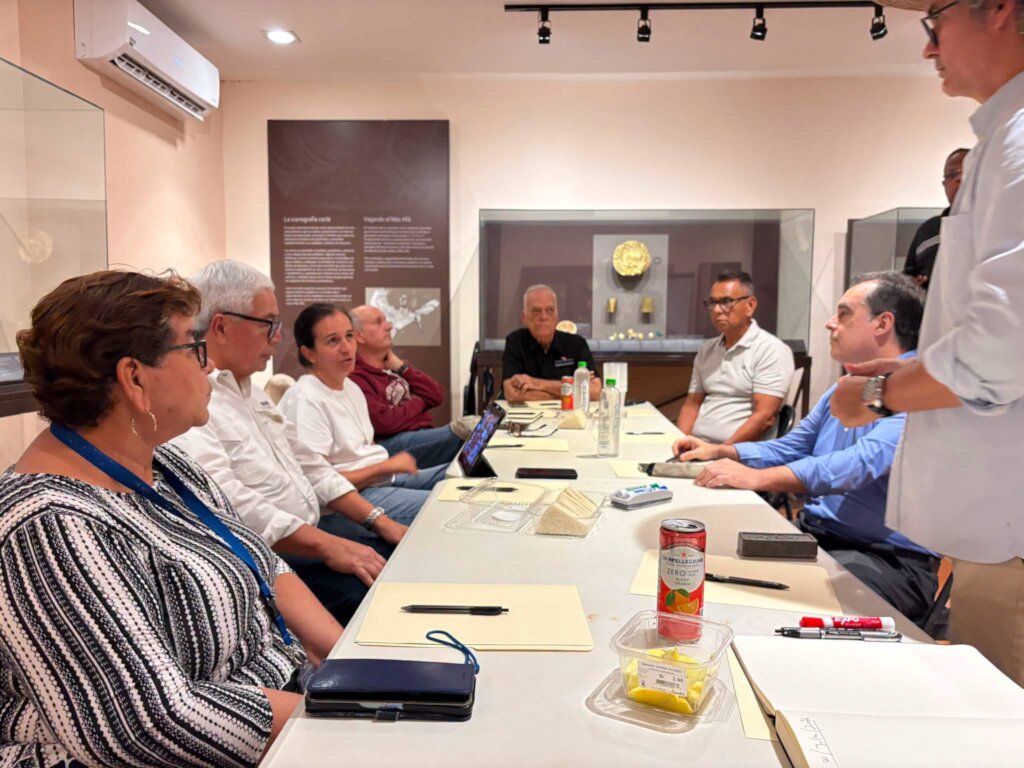
Community outreach and heritage education remained important components of the Foundation's activities. In June, the El Caño Archaeological Museum hosted a community workshop addressing illegal archaeological digging and the protection of El Caño's archaeological heritage. The event provided an opportunity to present research findings concerning illegal digging in the township and to discuss challenges associated with protecting the archaeological site.
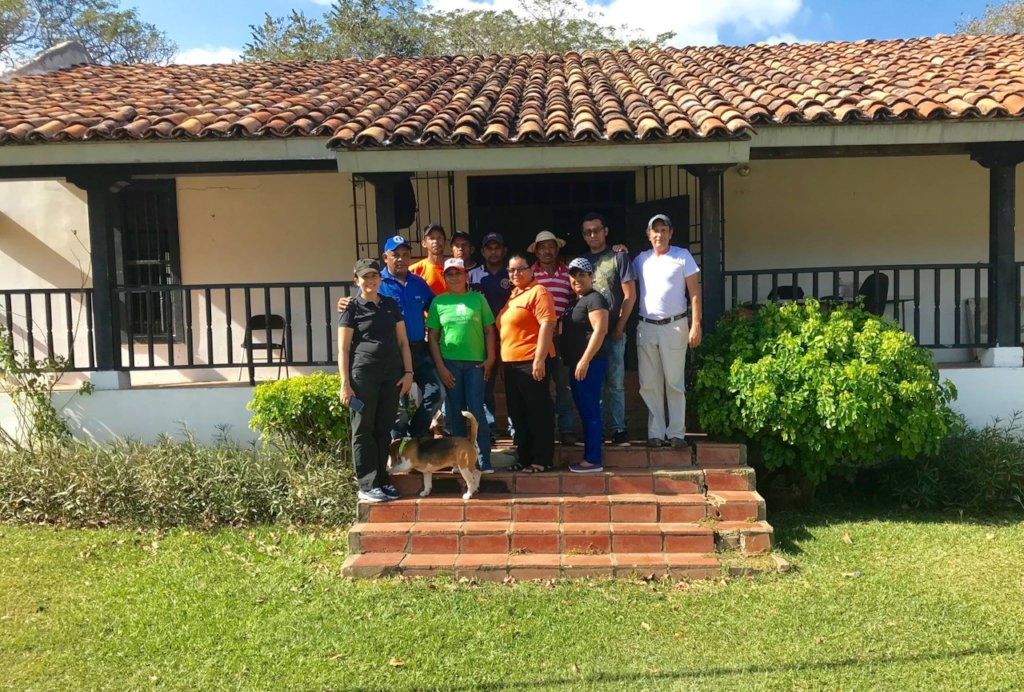
The workshop brought together community members, local authorities, institutional representatives, the Ministry of Culture, CALESA, and the National Police. Discussions addressed the legal framework for cultural heritage protection and possible strategies for improving the monitoring and conservation of the archaeological heritage of El Caño. A significant outcome was an agreement to establish an inter-institutional follow-up commission to maintain continuity on the proposals developed during the workshop, including preventive measures, heritage education, and coordinated monitoring and protection strategies.
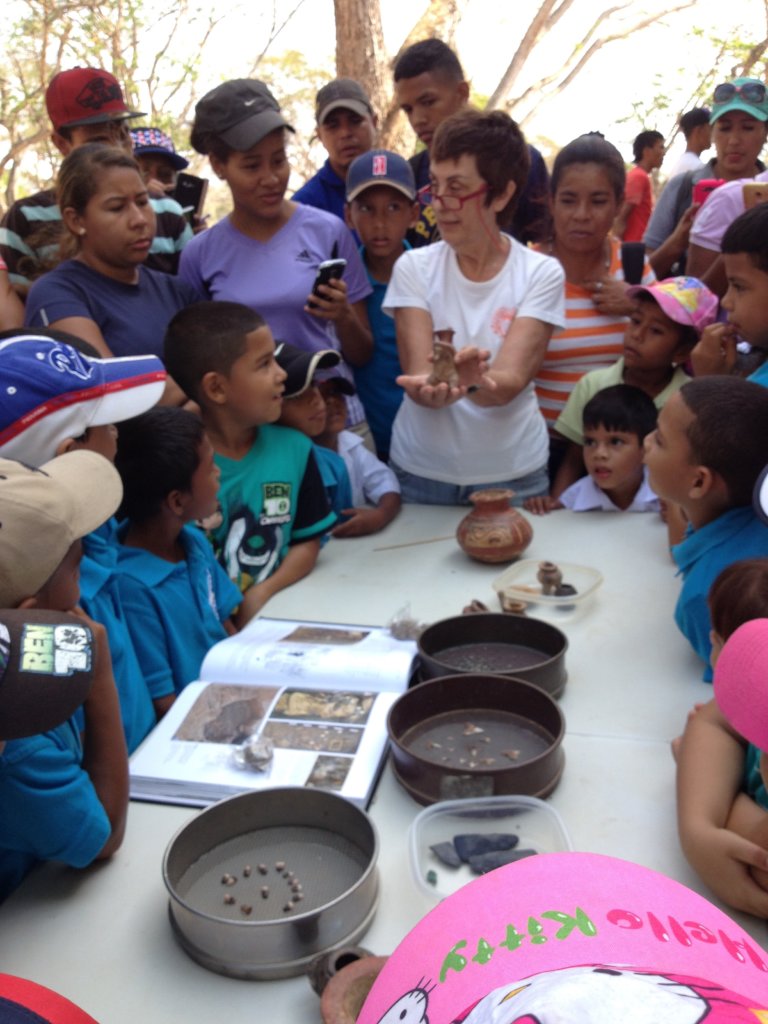
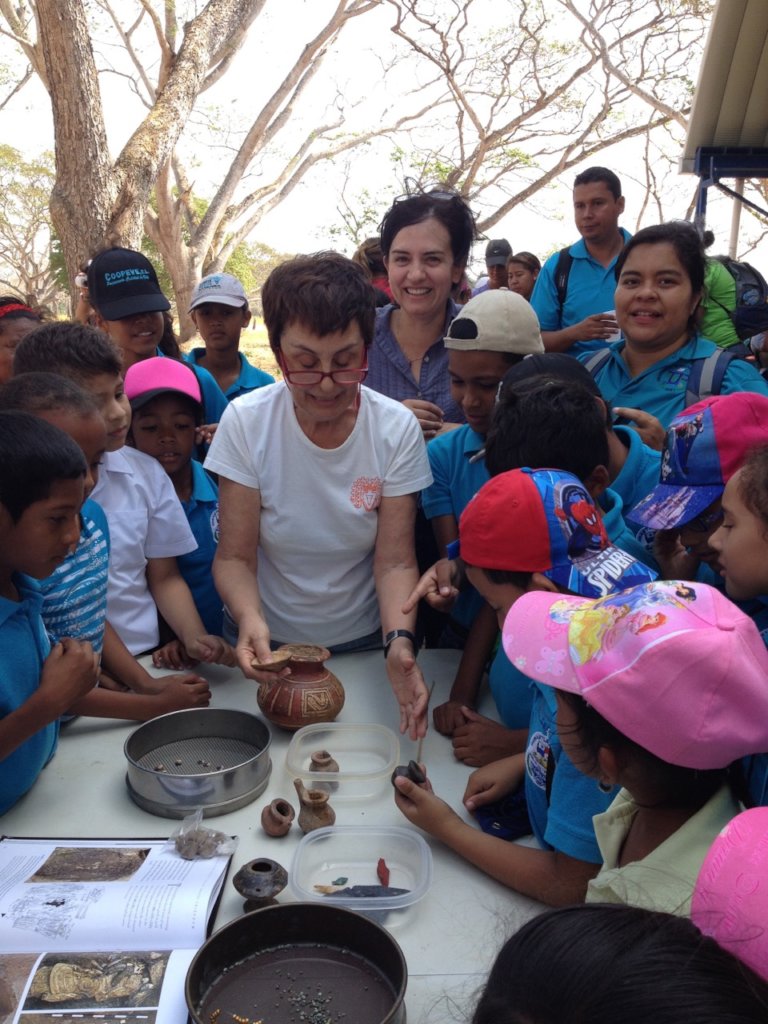
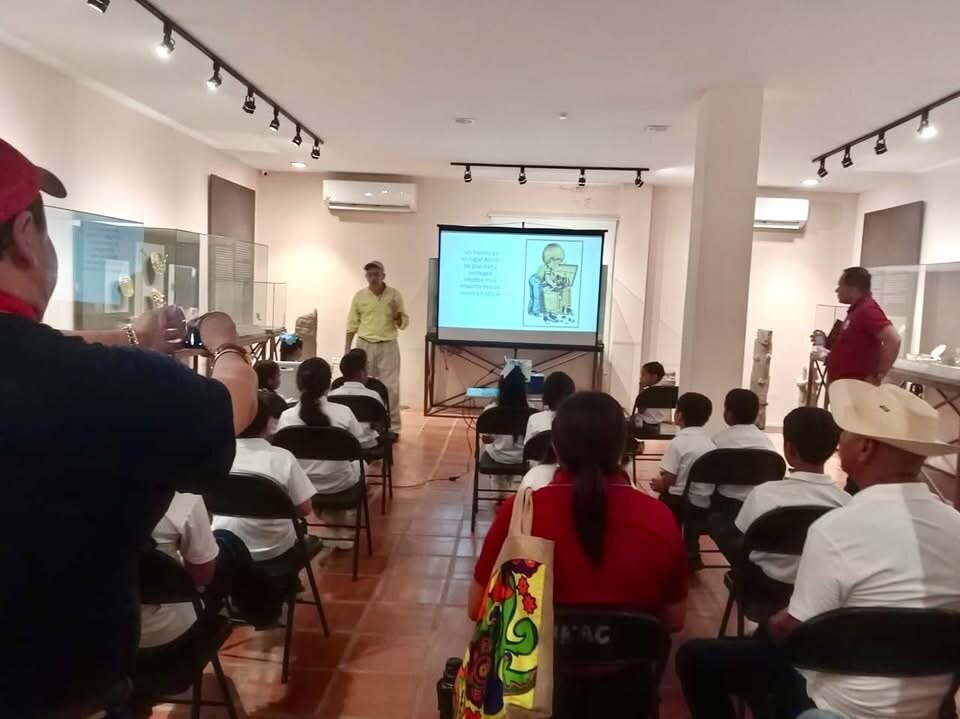
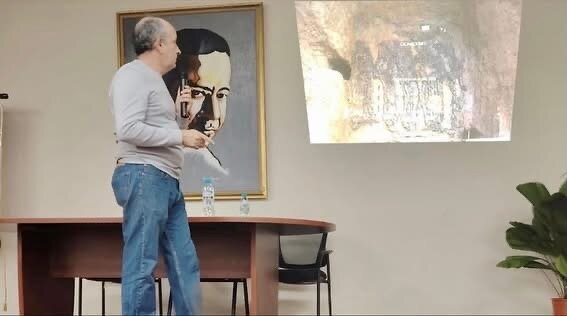
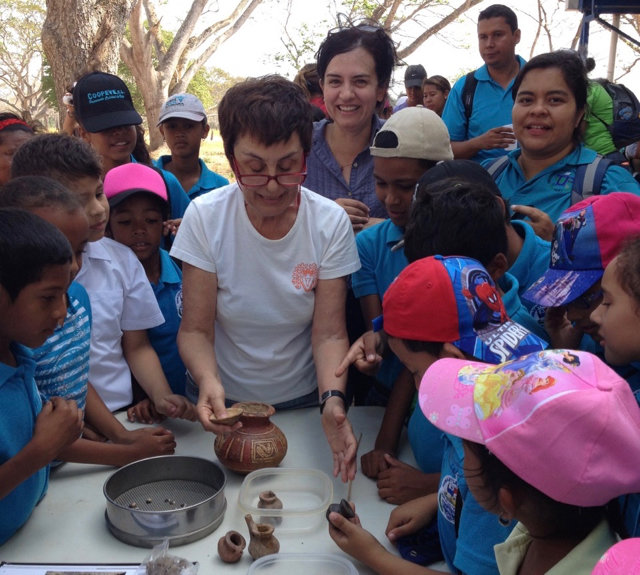
Educational activities also formed part of the celebrations surrounding International Museum Day. Dr. Carlos Mayo presented a talk, “Museums Uniting a Divided World,” to students of the Juan Sebastián Sucre School in El Caño. The program also included storytelling activities, a drawing competition, and guided tours. Students from the ISAIT School in Panama City, the University of Panama, and Scala de Arraiján participated in visits to El Caño Archaeological Park, with more than 500 students taking part in guided tours during the celebrations.
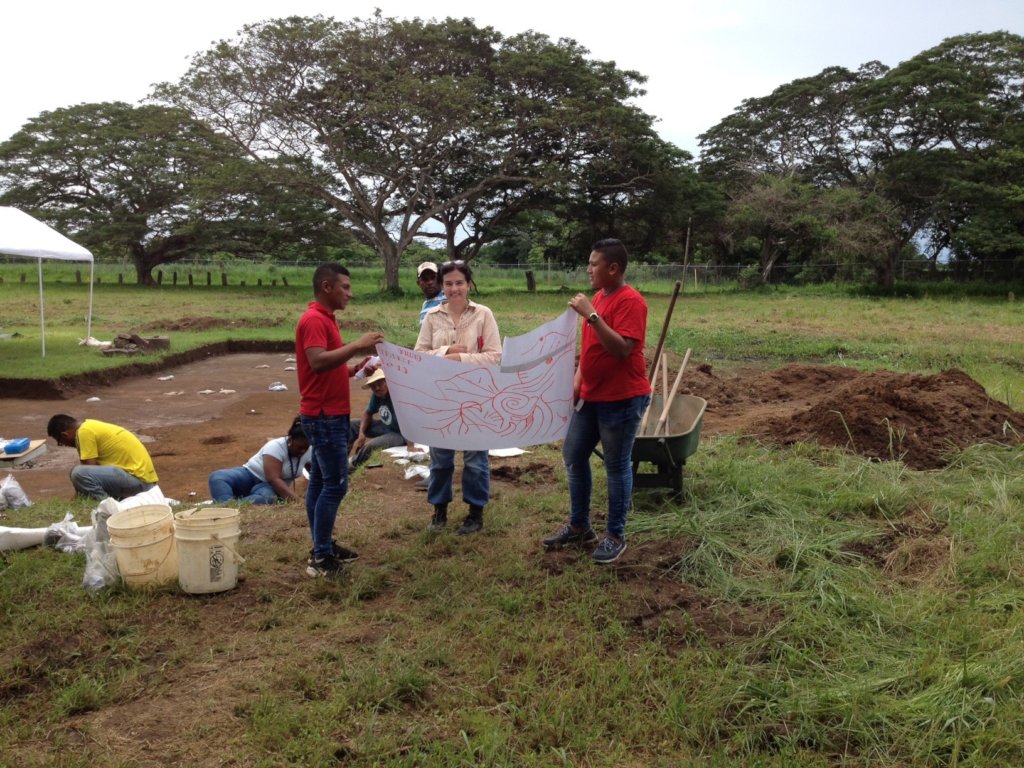
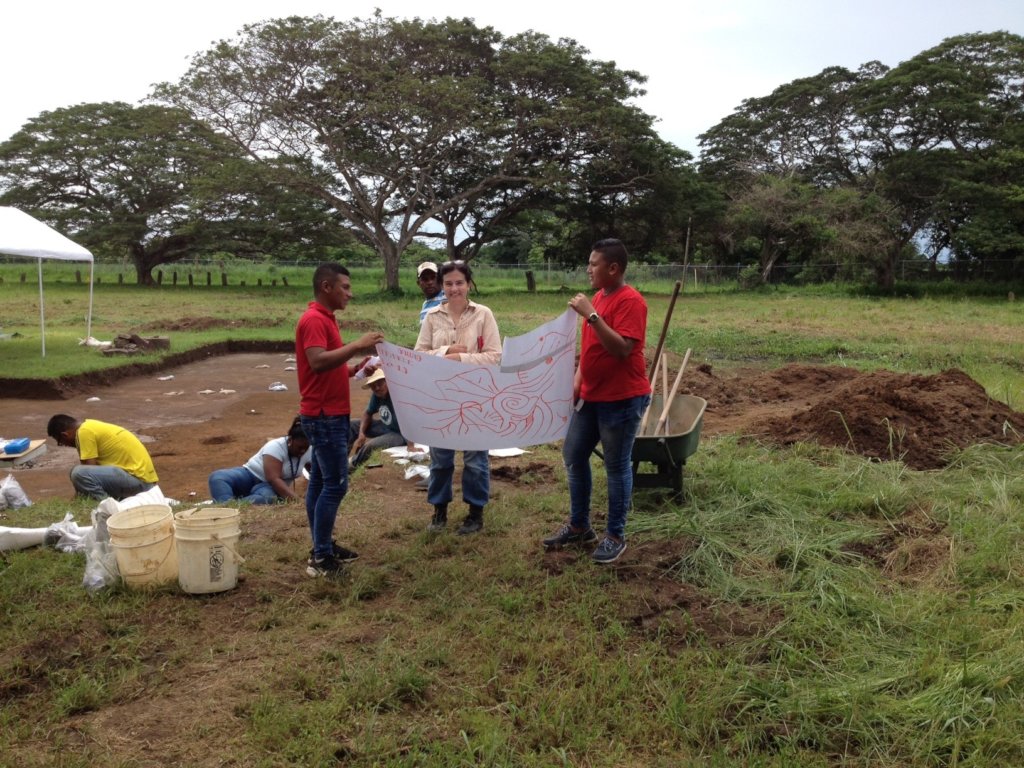
In July, educational outreach continued through a watercolor workshop conducted by Professor Juan Aguilar at the El Caño School. Students created paintings based on designs and motifs found on artifacts recovered from the tombs of the El Caño Necropolis, providing an opportunity to engage younger members of the community with the archaeological heritage of the region.
Institutional and Cultural Development
On July 21, Fundación El Caño participated in a meeting at the El Caño Archaeological Park Museum with representatives of the Ministry of Culture, the local community, and Fundación El Caño. The meeting focused on a project promoted by the Directorate of Creative Industries and supported by the Decentralization Program for the construction of an Interpretation Center and Community Market.
Fundación El Caño presented the objectives and progress of its El Caño Gold Museum project and discussed possible ways of coordinating the two initiatives. The proposed Interpretation Center and Community Market would emphasize the living cultural heritage of communities in the country's interior, including traditions, folklore, cuisine, crafts, and other cultural expressions, while also providing opportunities for local artisans and producers to reach visitors.
The El Caño Gold Museum, in contrast, is envisioned as a space dedicated to the conservation, research, and exhibition of the archaeological heritage of El Caño and to interpreting the region's pre-Hispanic history. Participants agreed that the two projects are complementary and that coordination between them could provide visitors with a more comprehensive experience by connecting archaeological heritage with the continuing cultural traditions and identity of local communities.
International Visibility and Collaboration
The work of Fundación El Caño also received broader public and international visibility during the reporting period. Copa Airlines' Panorama magazine featured an interview with Panamanian archaeologist Dr. Julia Mayo, highlighting her archaeological work at El Caño and its contribution to understanding the social organization, ritual traditions, and long-distance exchange networks of ancient societies in the Isthmus.
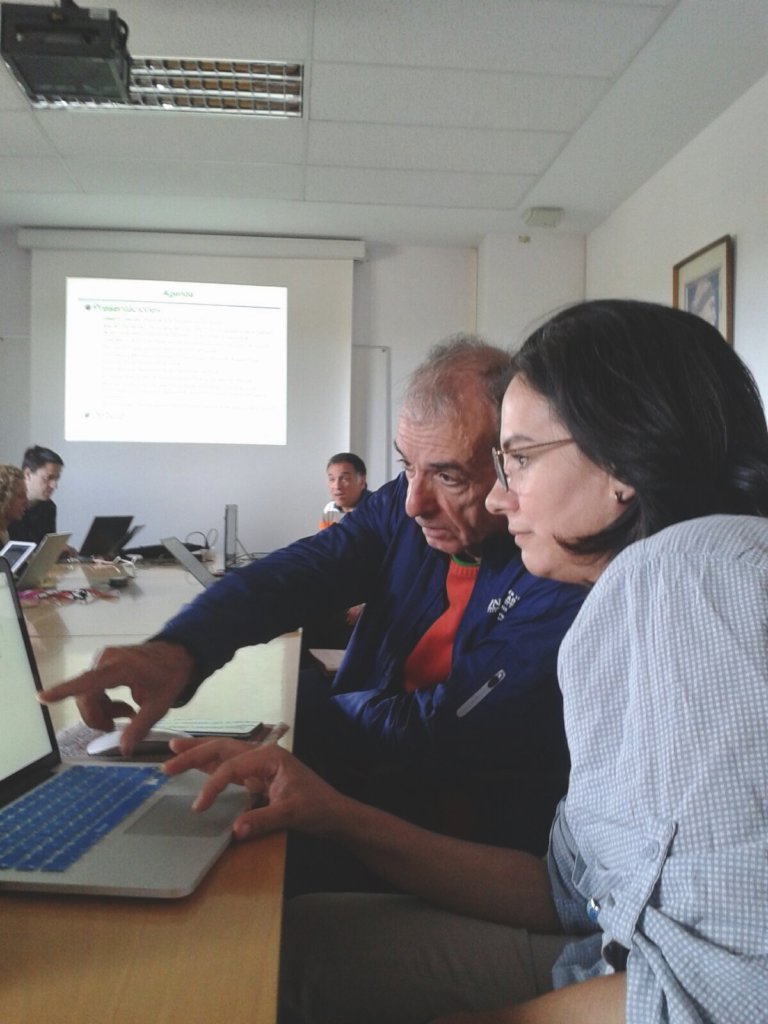
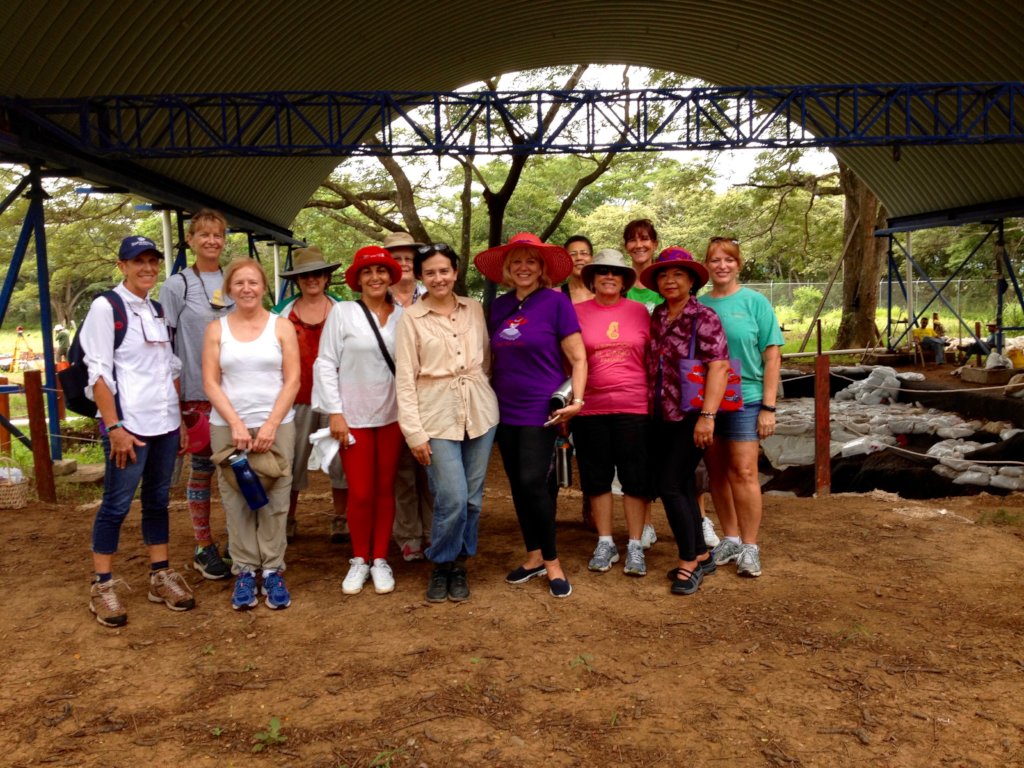
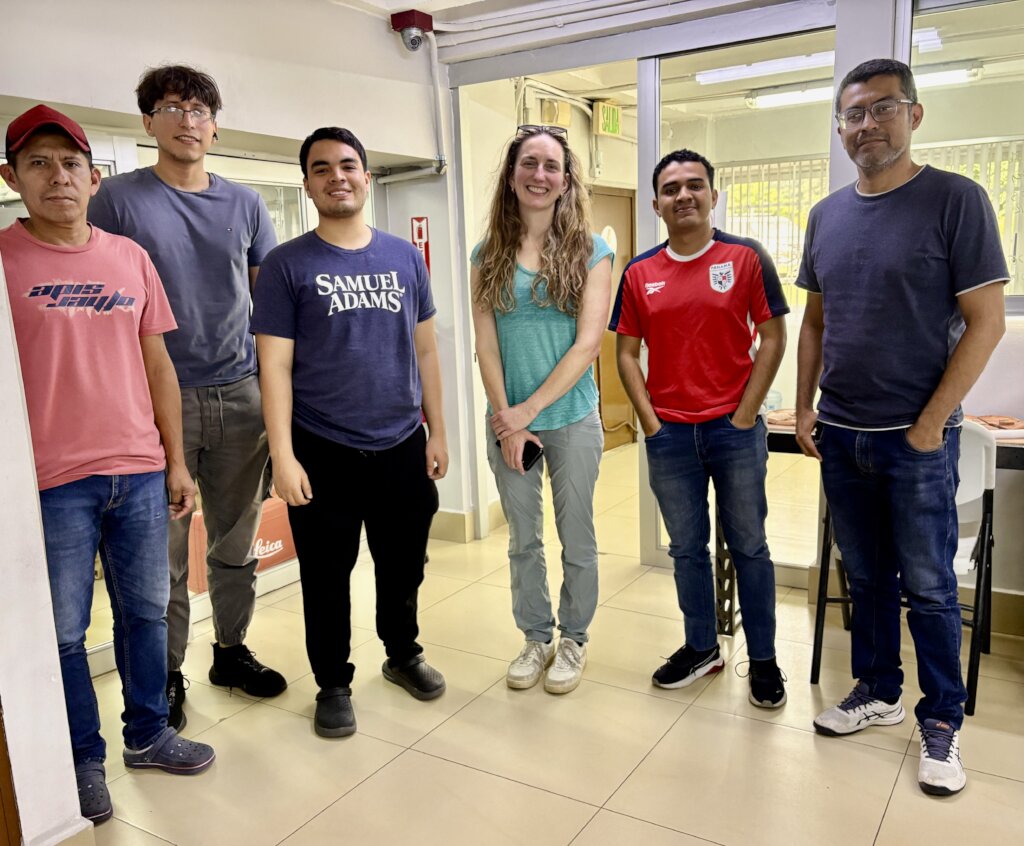
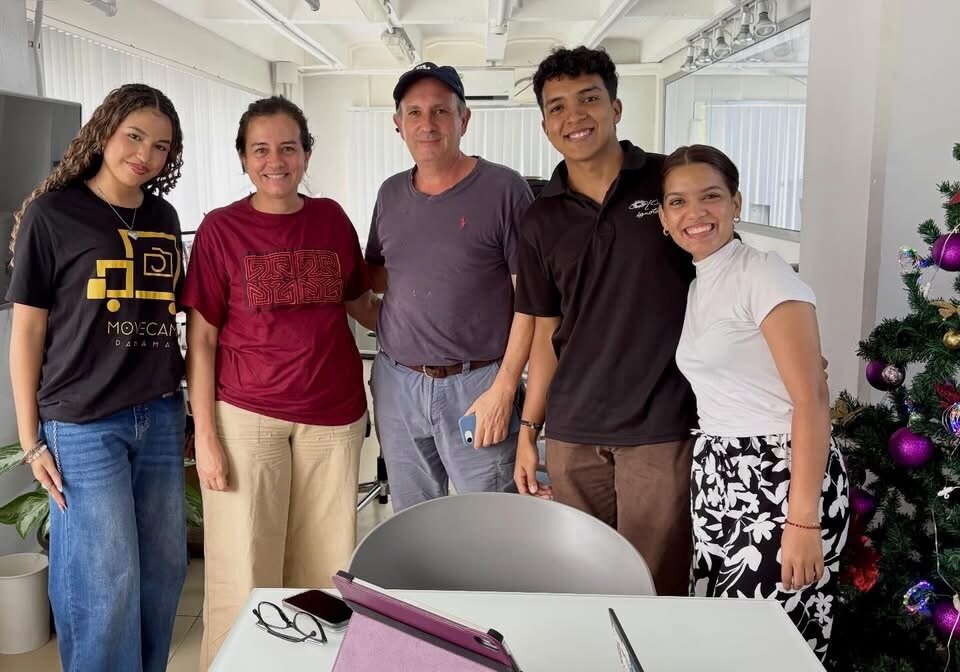
In August, the Foundation welcomed Dr. Anna Cohen, Undergraduate Program Director at Florida State University, whose research examines how ancient communities in the Americas responded to environmental and political change before European contact. During her visit, Dr. Cohen met with Drs. Julia and Carlos Mayo to discuss the possibility of establishing a hands-on archaeological training opportunity for Florida State University students at the El Caño Foundation in July 2027. She also met with University of Panama students conducting thesis research at the Foundation. The visit represents a potential expansion of the Foundation's international academic partnerships and opportunities for training the next generation of archaeologists.
Overall Progress
The reporting period was characterized by continued integration of research, conservation, education, community engagement, and institutional development. Research on the archaeological collections of El Caño continued to generate new insights into ancient exchange networks and interregional interaction, while conservation efforts ensured the stabilization and study of newly excavated materials.
At the same time, the El Caño Foundation strengthened its engagement with local communities through educational programs, museum activities, and discussions concerning heritage protection. New institutional and international relationships—including participation in academic advisory structures and discussions with Florida State University—also expanded opportunities for collaboration and training.
Together, these activities contribute to the Foundation's broader objective of preserving, researching, and communicating the archaeological heritage of El Caño while strengthening its role as a center for archaeological research, education, conservation, and community engagement.
By Alexa Hancock | Anthropologist
By Alexa Hancock | Anthropologist
Project reports on GlobalGiving are posted directly to globalgiving.org by Project Leaders as they are completed, generally every 3-4 months. To protect the integrity of these documents, GlobalGiving does not alter them; therefore you may find some language or formatting issues.
If you donate to this project or have donated to this project, you can receive an email when this project posts a report. You can also subscribe for reports without donating.



Support this important cause by creating a personalized fundraising page.
Start a Fundraiser