By Alexa Hancock | Anthropologist
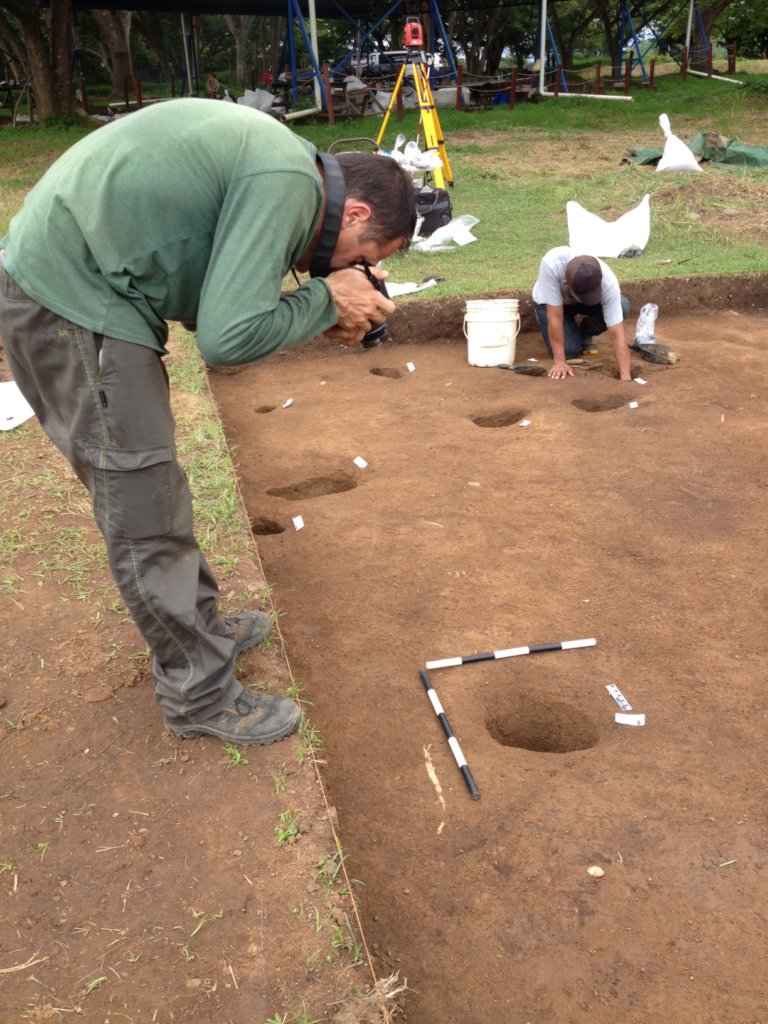
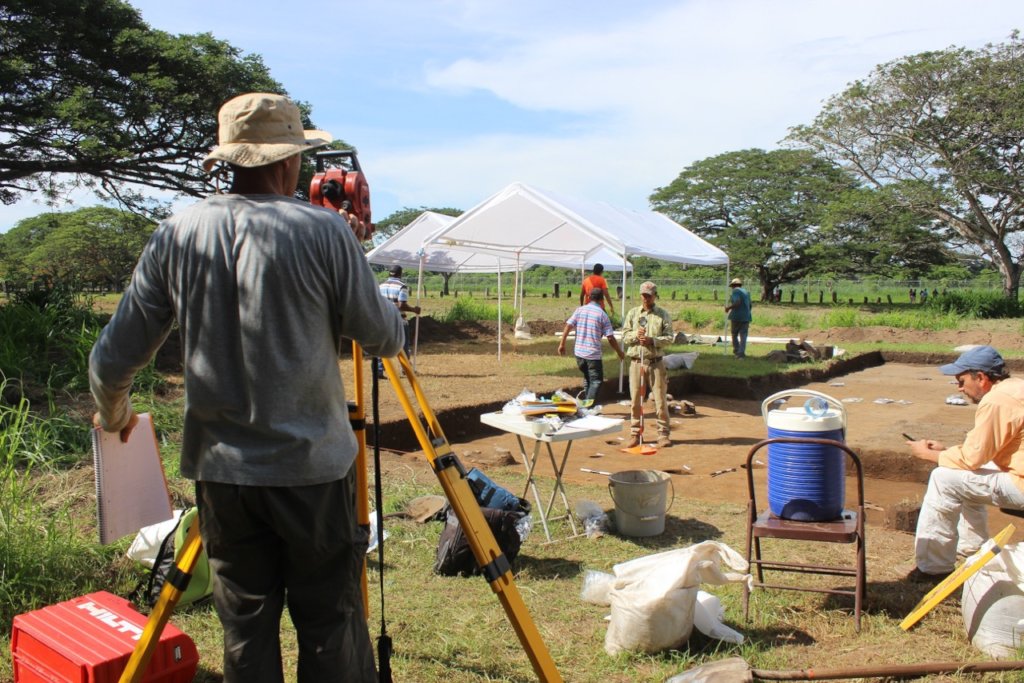
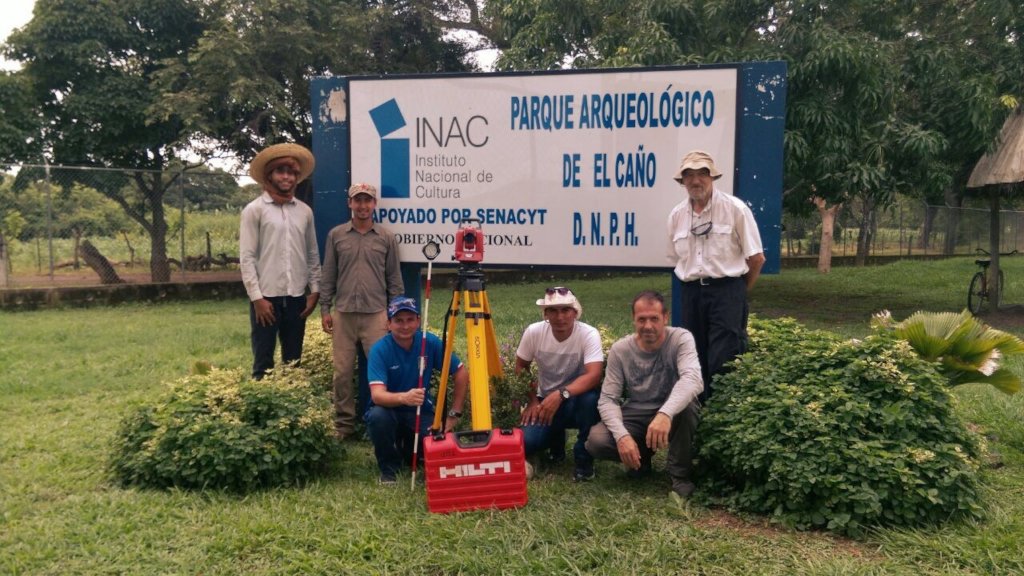
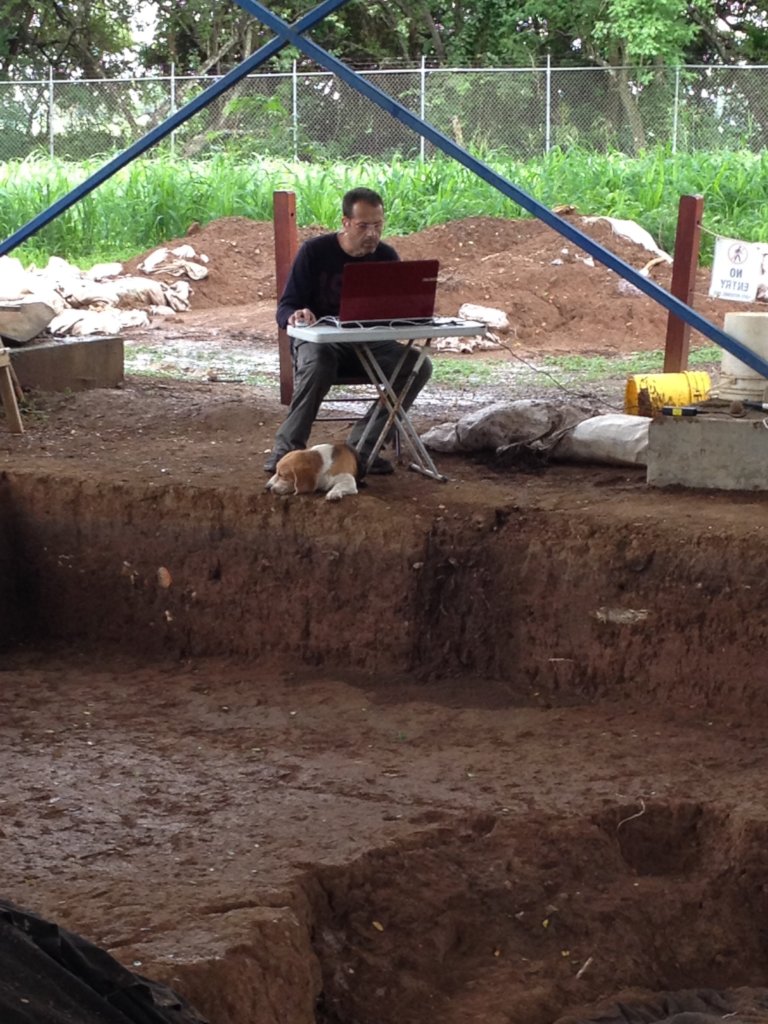
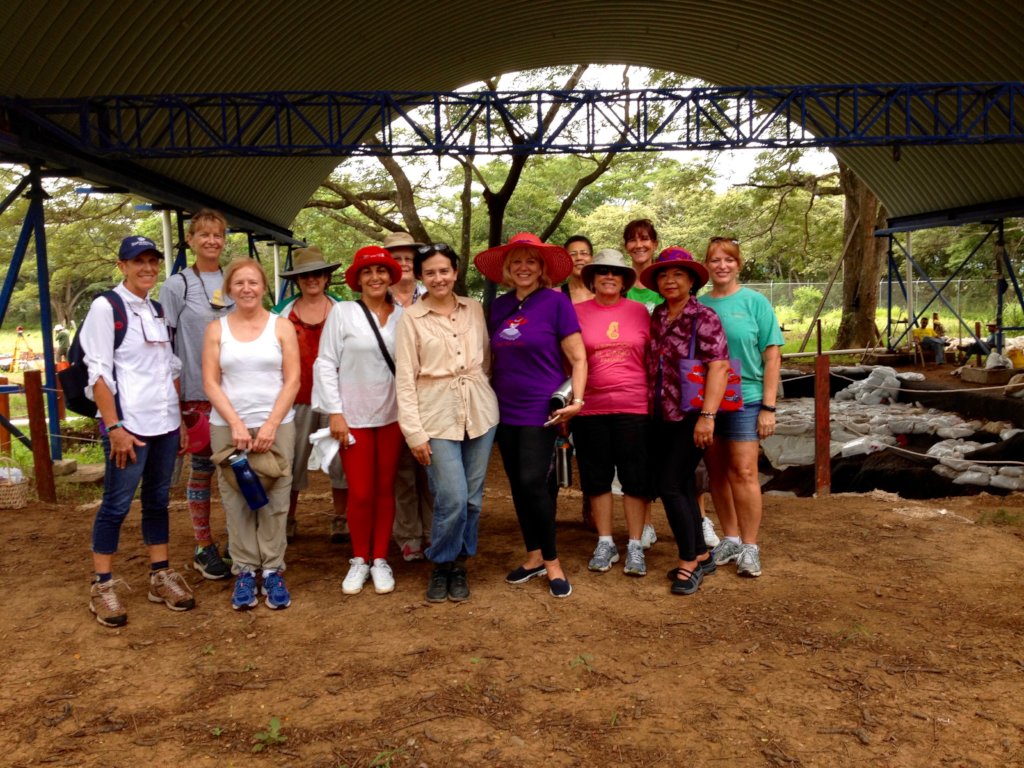
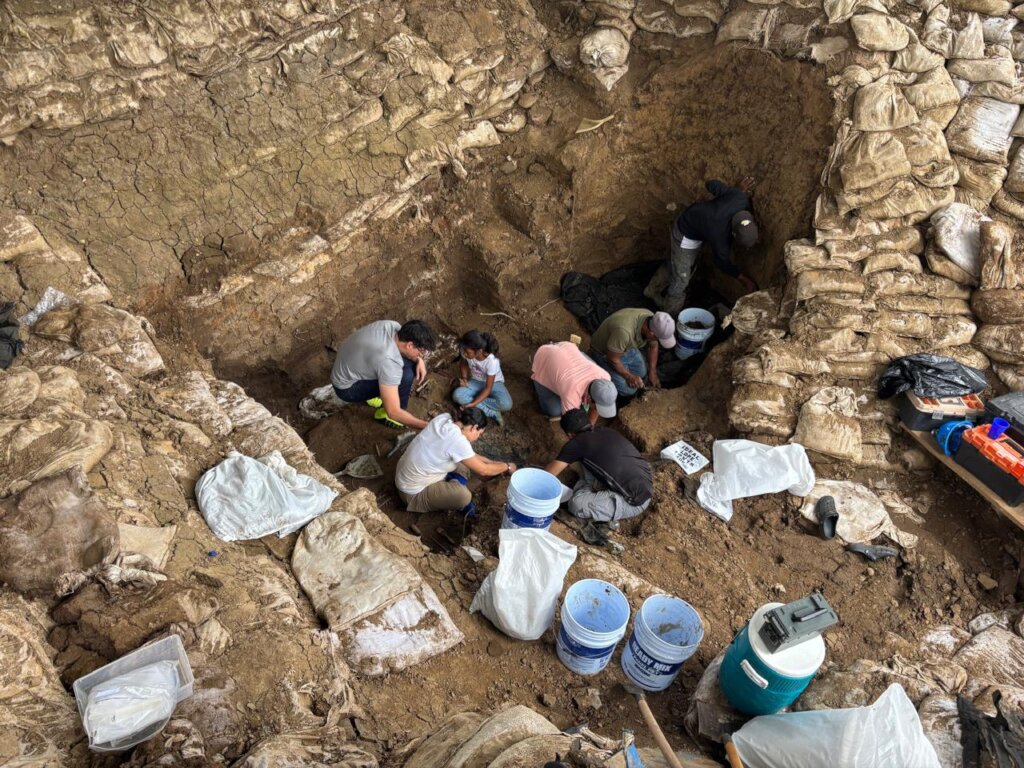
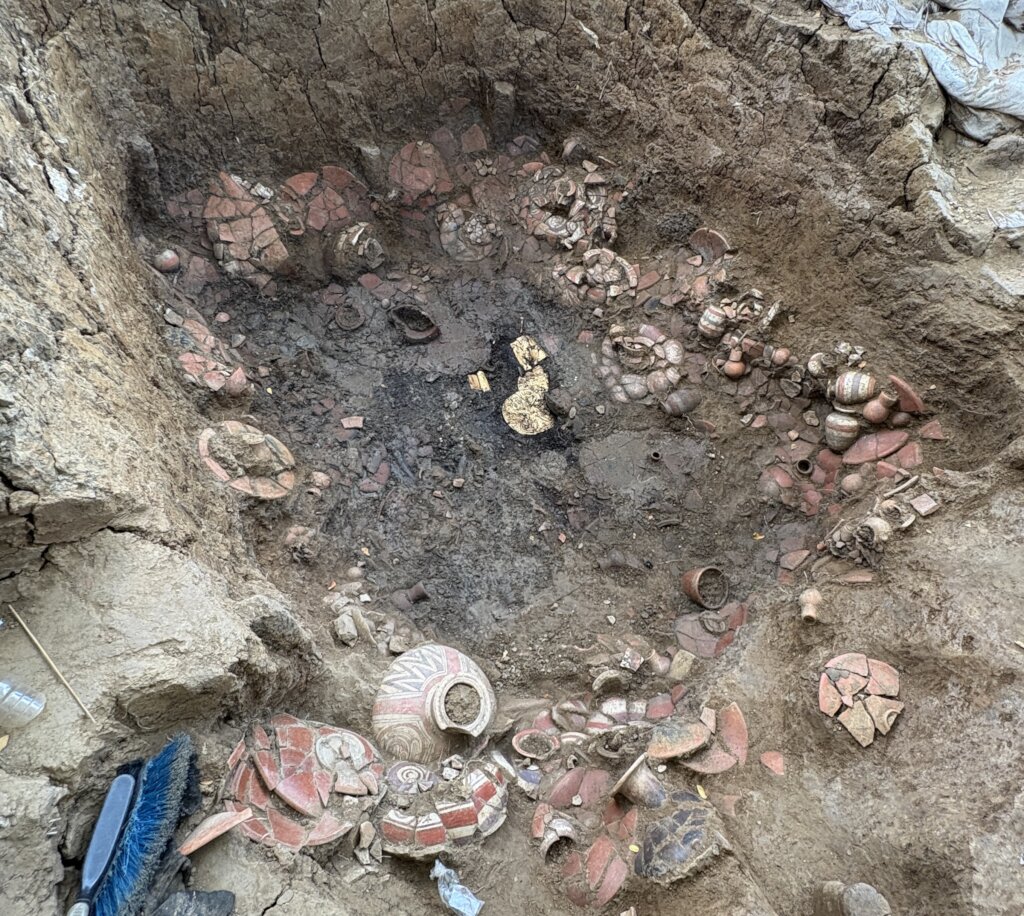
During the first quarter of 2026 the El Caño Foundation conducted the excavation of tomb 3 in the El Caño Necropolis. The team had begun excavaring tomb 3 in 2022 but closed it back once tomb 9 was discovered. The excavation was scheduled for mid January through mid March.
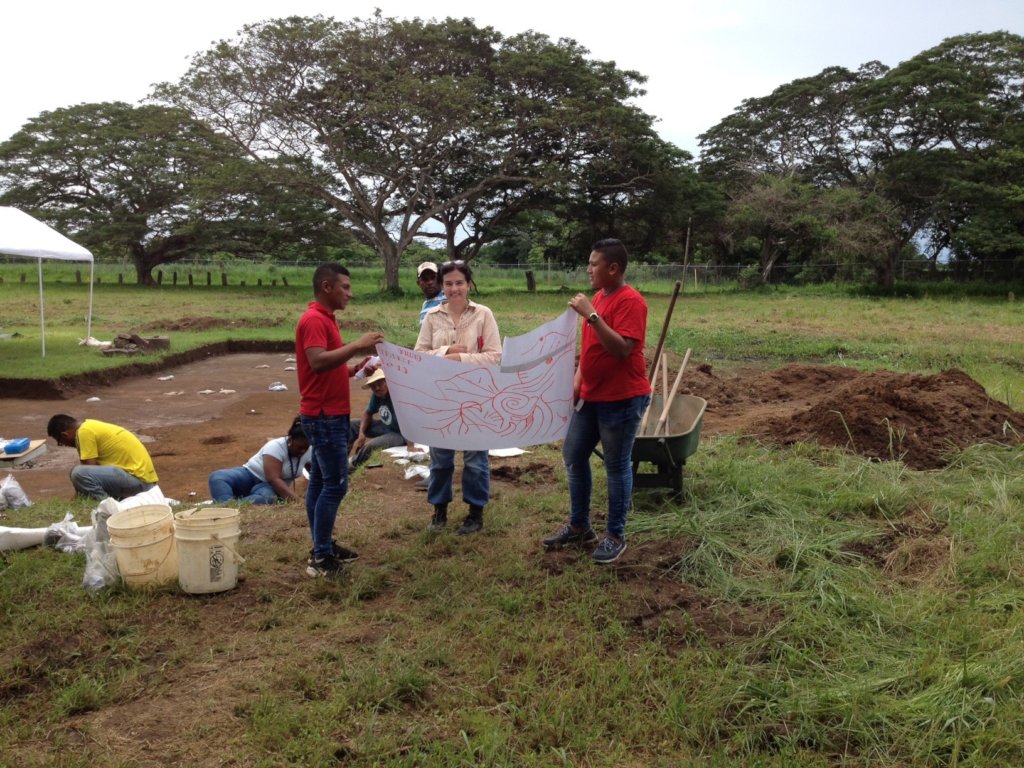
During the season several students participated in the excavation. The first student was a doctoral student. Kevin is currently pursuing his PhD at Michigan State University and earned his Master’s degree in Anthropology from the University of West Florida.Kevin’s research focuses on bioarchaeology, human osteology, dental anthropology, paleopathology, Indigenous populations of Latin America/Mesoamerica, mortuary studies, and the ritual use of human remains.
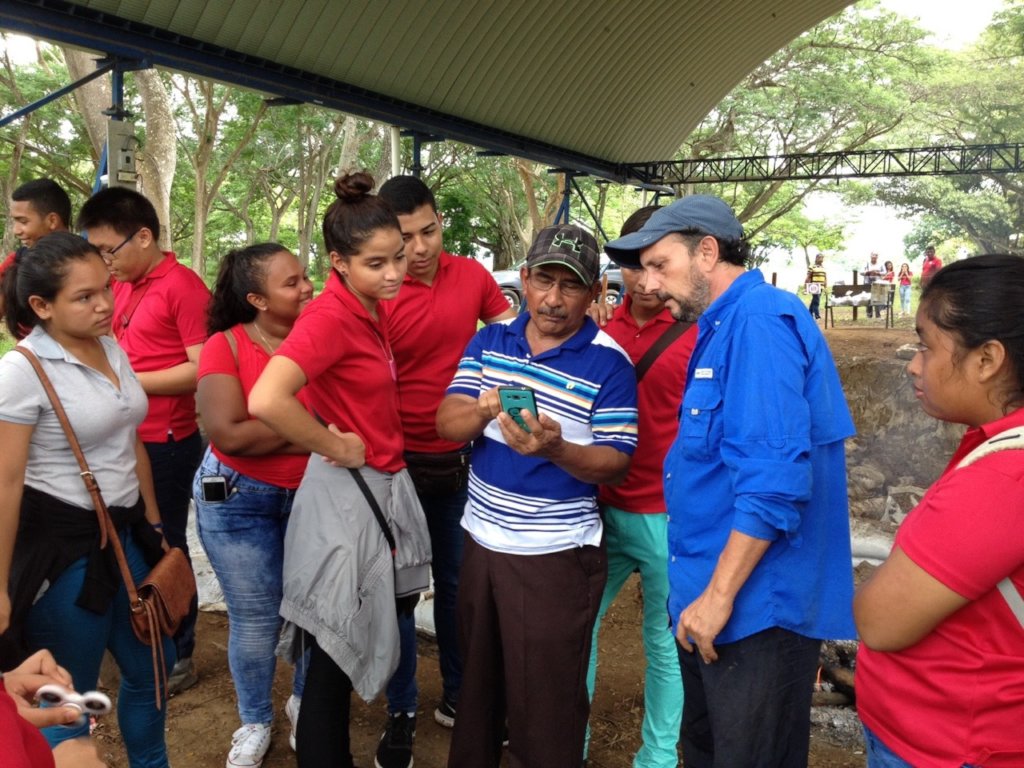
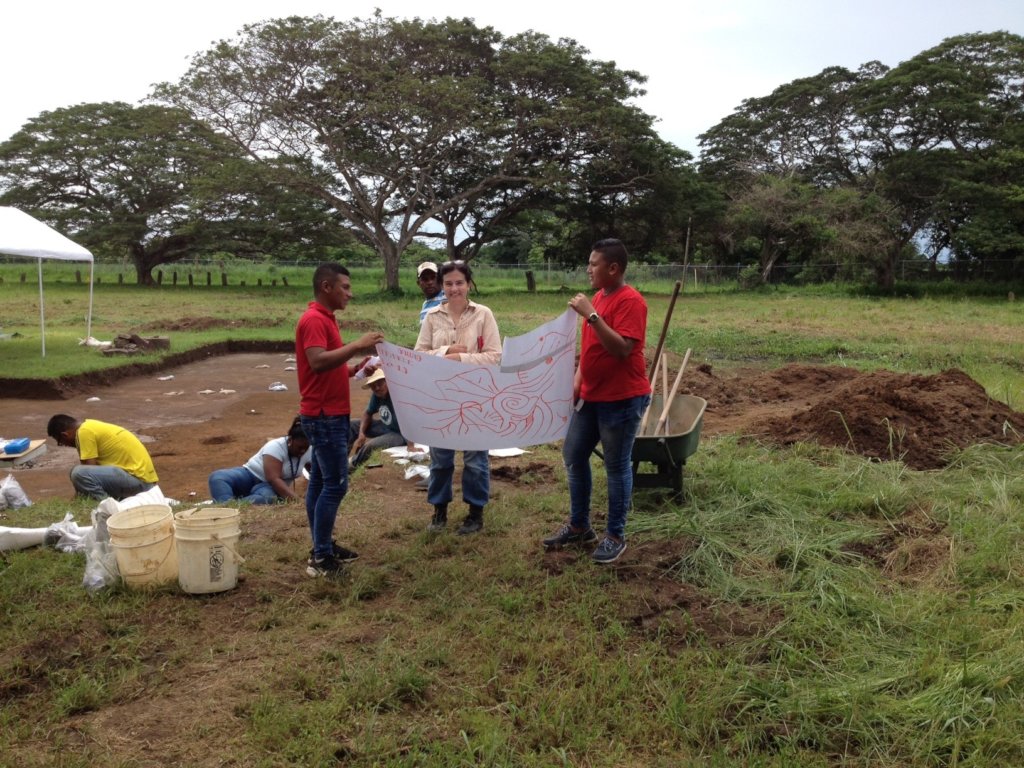
Two anthropology students at the Faculty of Humanities of the University of Panama, Michelle and Diego, had the opportunity to gain experience and put into practice the knowledge they had acquired in the classroom in the field of archaeology.
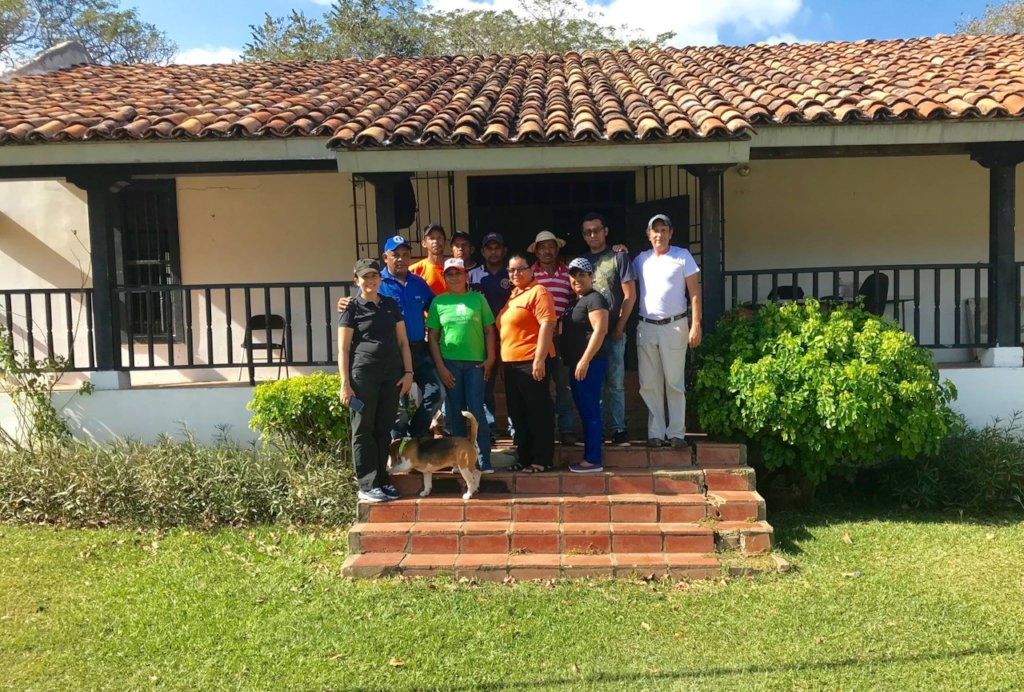
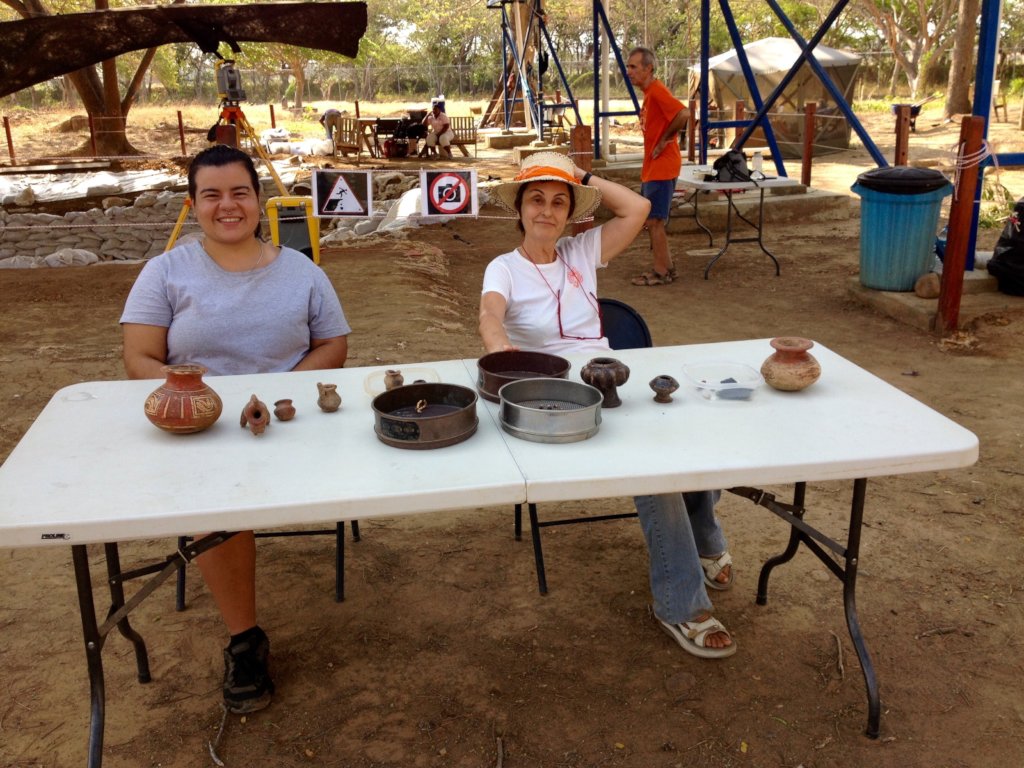
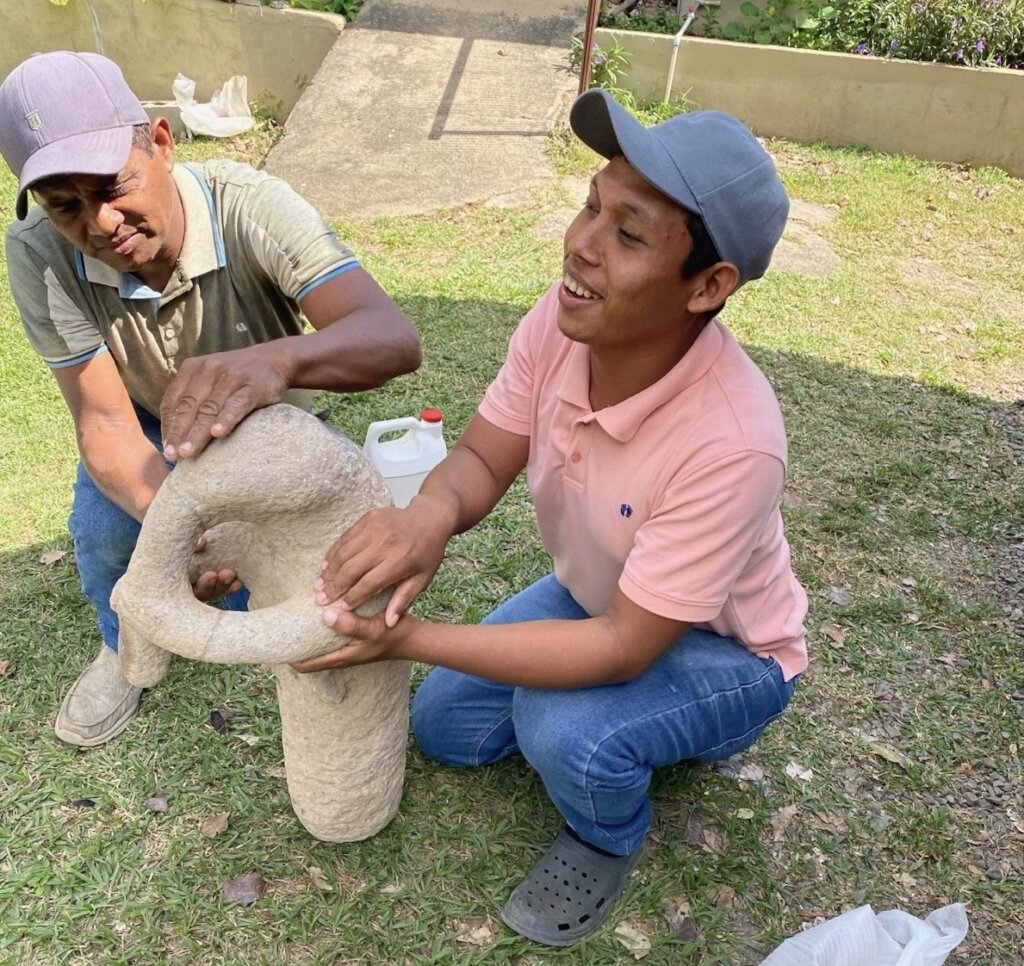
For many years, the El Caño Museum safeguarded six stone sculptures excavated in 1926 by American Hyatt Verrill from the necropolis’s monolith area. Although historically significant, these pieces were not on public display and had accumulated dirt and other residues. Contract laborers for the Foundation, Octavio, Armando, and Abdías carried out careful cleaning and basic conservation work to restore the sculptures. Believing these remarkable pieces deserved greater visibility, the El Caño Foundation provided the materials needed for their display and had a local blacksmith craft iron bases matching the style of the one already in the museum to properly support the sculptures. Today, all six sculptures are proudly on display, allowing visitors to appreciate the skill and artistry of the pre-Columbian creators who carved them centuries ago.
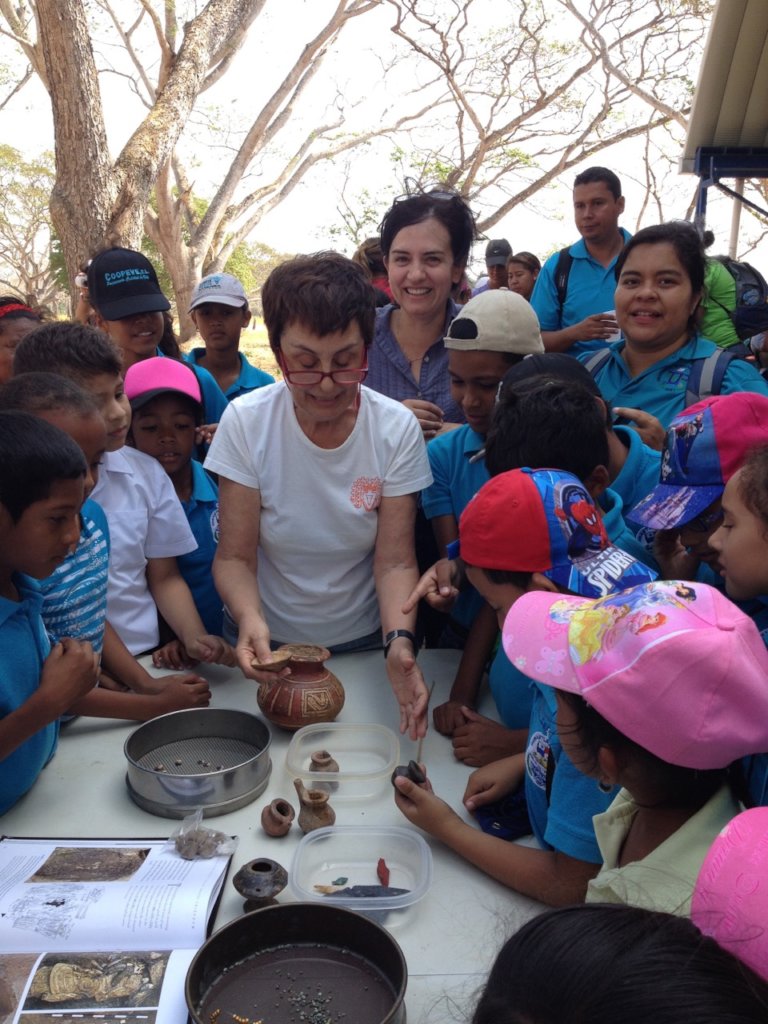
In Febrary the excavation unexpectedly reached a level in tomb 3 that contained a high status individual. An adult male was buried with grave goods that included two gold breastplates, a pair of gold earsticks and a pair of gold arm cuffs. The Minister of Culture of Panama, Maria Eugenia Herrera, joined the Foundation team during the excavation of the gold grave goods. The Foundation has partnered with the Minister to work on a dual pronged project to improve the access to and diffusion of the important information being uncovered about the people buried in El Caño. One part of the project is a refurbishment of the current museum in the El Caño Archaeological Park that will improve the building and include a new exhibition in the museum.
The second part of the project is long term. It involves the building of a gold museum in El Caño. The project has the goal of not only building a space to exhibit artifacts found in El Caño but to include artifacts from other sites in the Cocle province, such as Sitio Conte which was excavated in the 1930s. The building would also have areas to store artifacfs, lab space for the conservation of artifacfs and areas for cultural and educational activities.
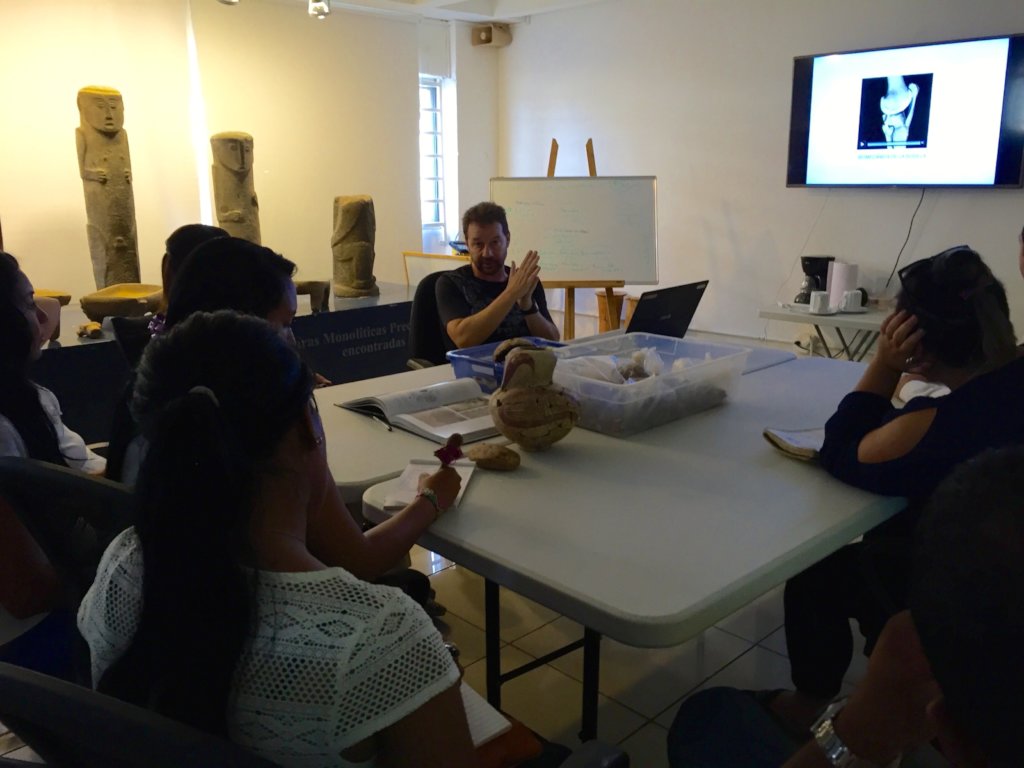
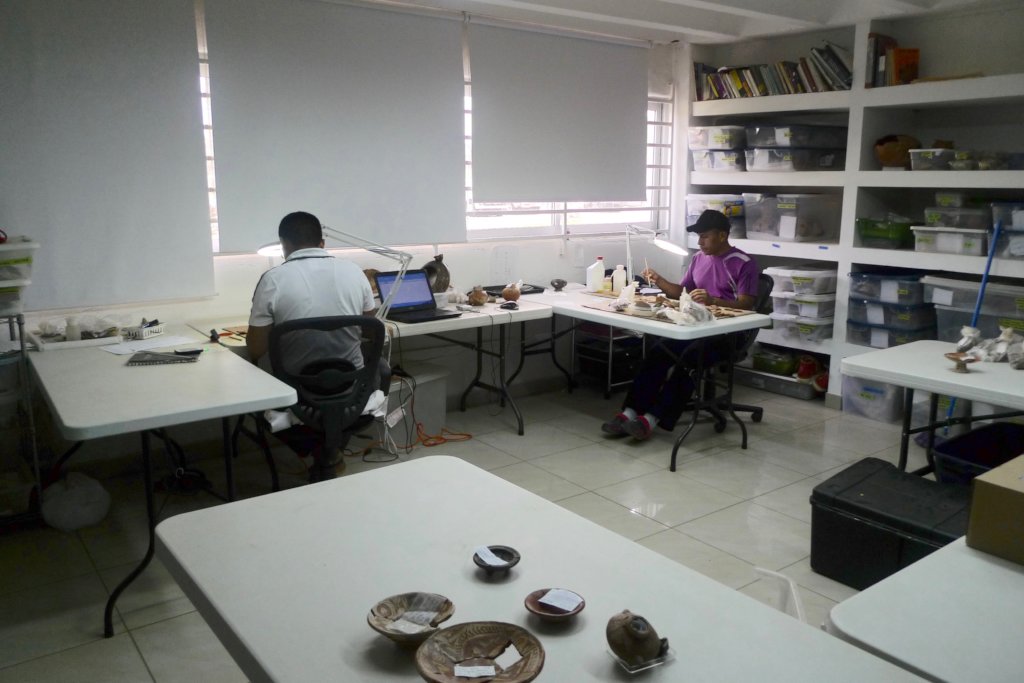
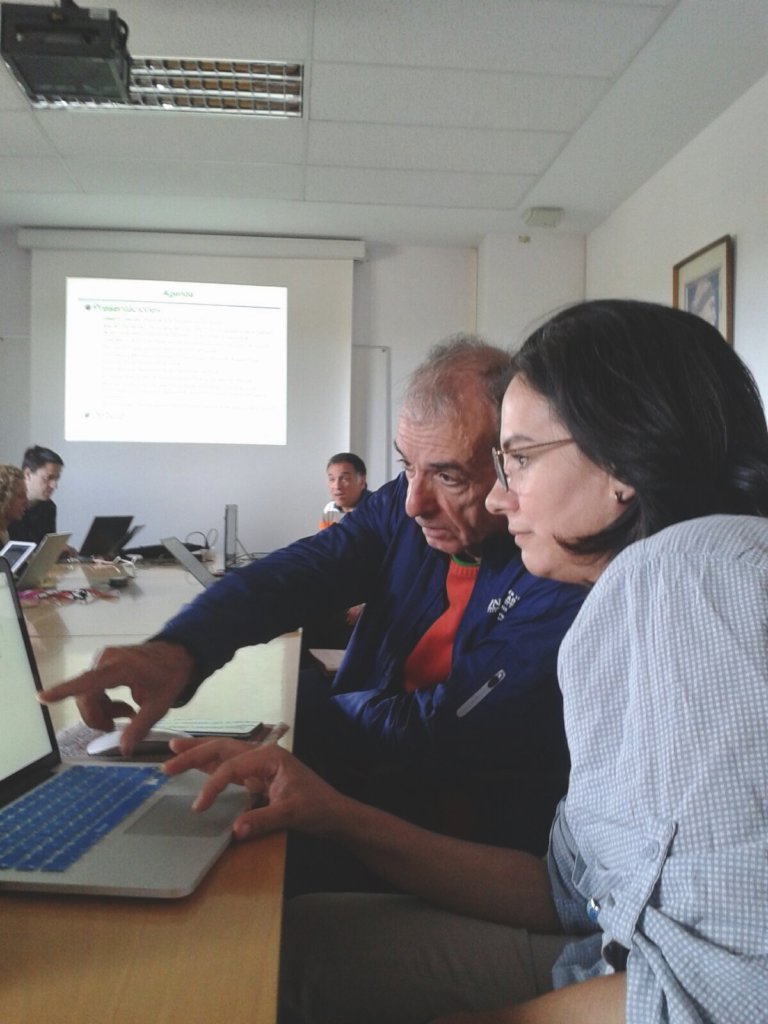
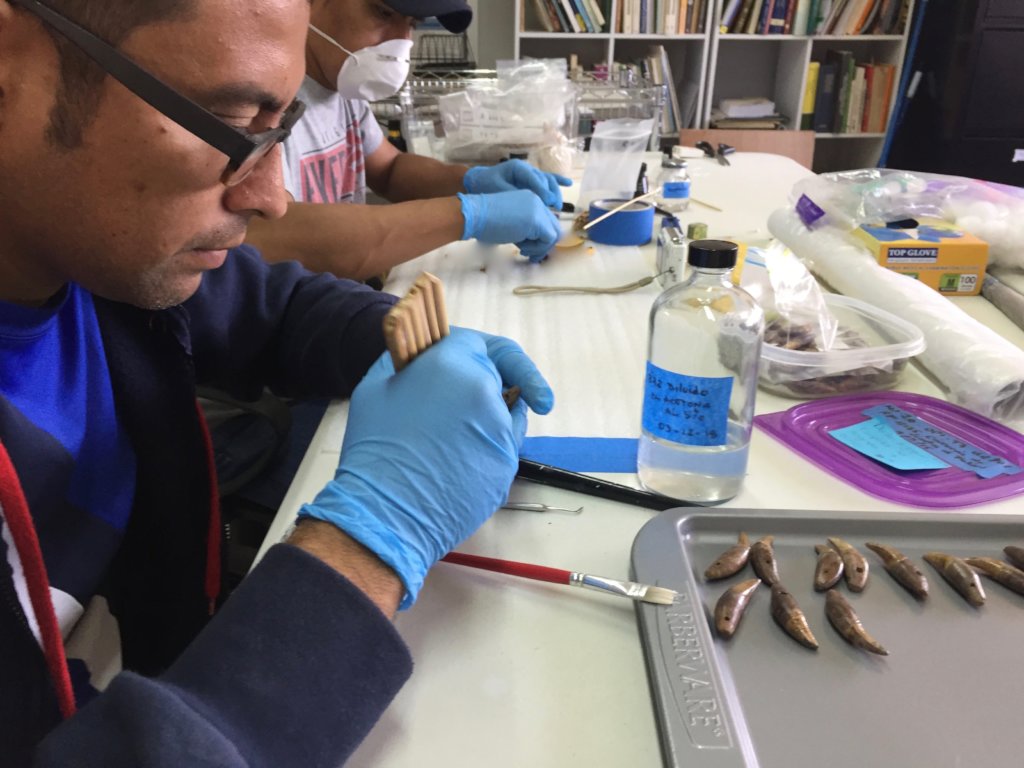
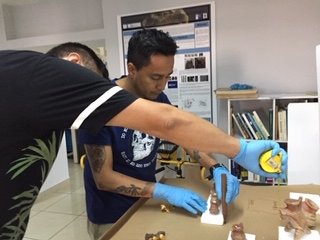
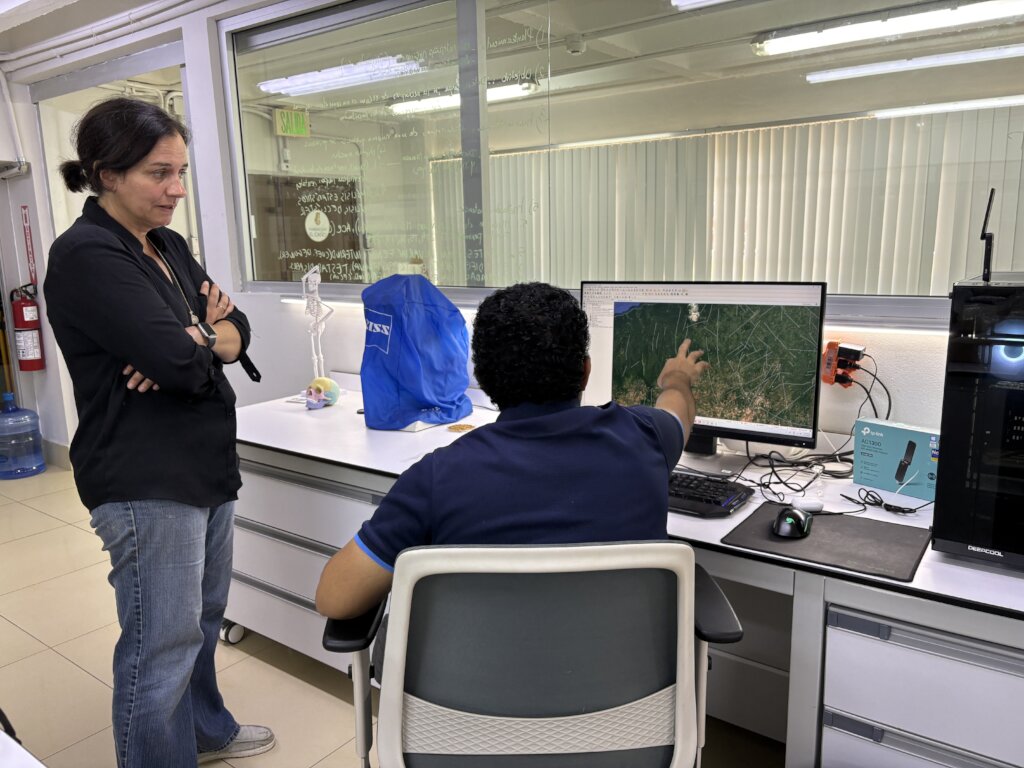
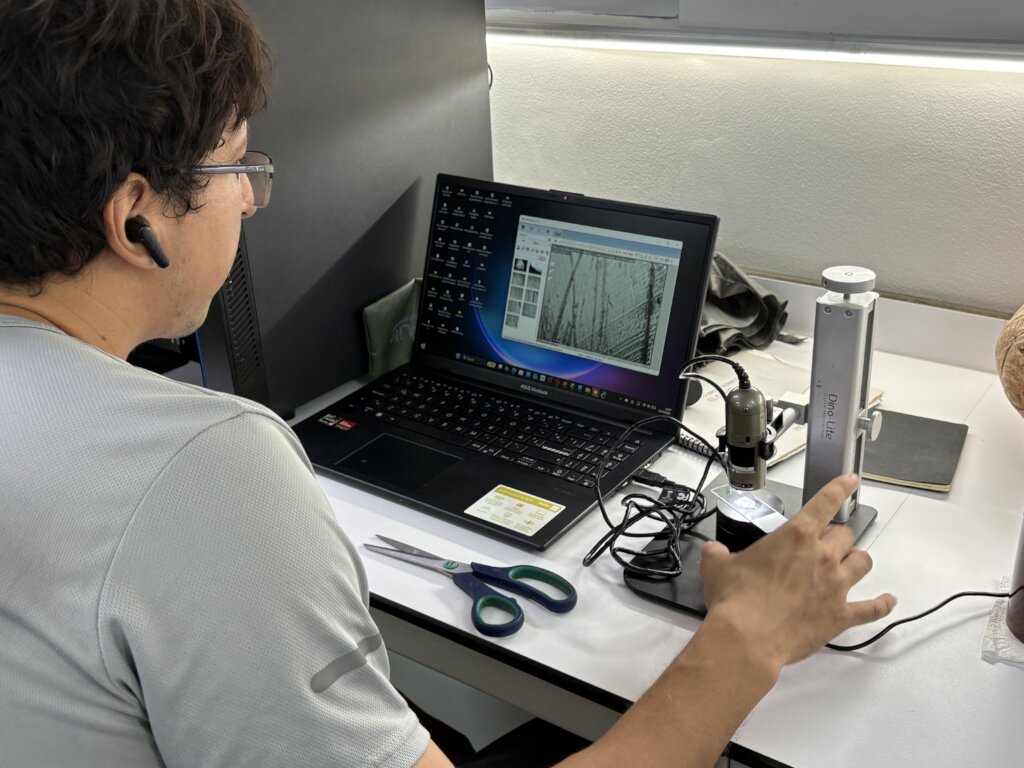
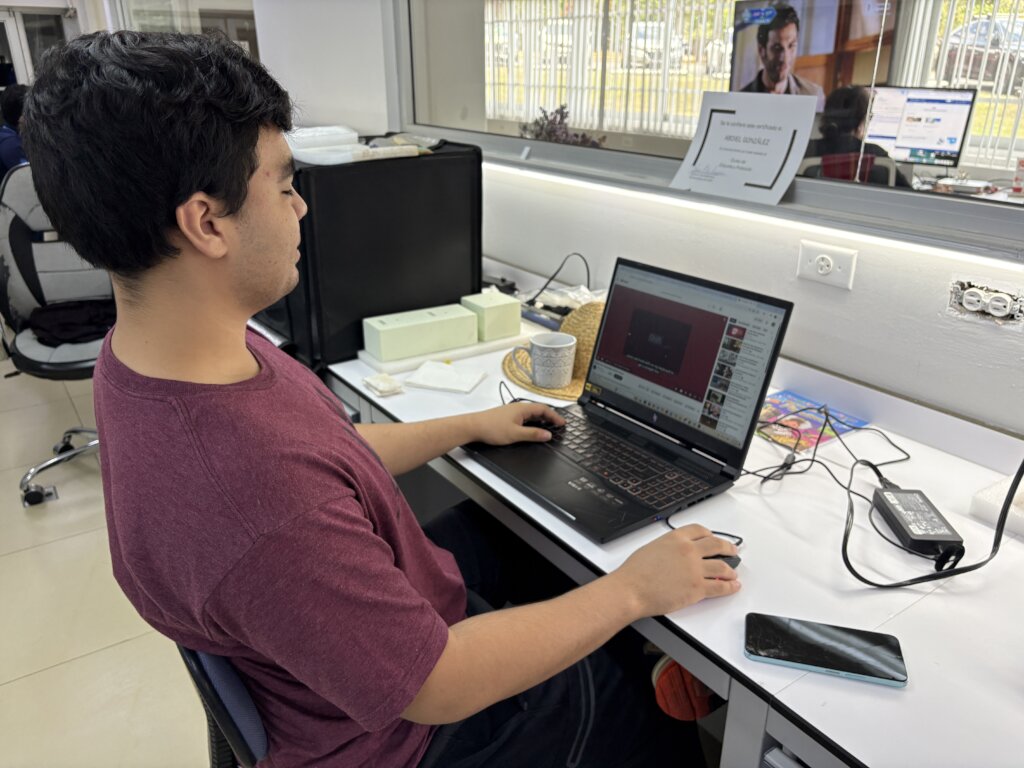
After the excavation season ends, the work continues in the laboratory of the Foundation. This includes conducting presentations, working on academic articles and students working on their graduation thesis projects.
Fundacion El Caño members Julia Mayo Torné, Carlos Mayo Torne, Alexa Hancock, and Abdiel González will be presenting an investigation titled “Local Metallurgy and Interregional Interactions in the Mortuary Goldwork of El Caño (750-1100 CE), Panama” at the 91st Annual Meeting of the Society of American Archaeology in San Francisco, California.
Also, the article “Evidence of Emerald Long-Distance Exchange in the Isthmo-Colombian Area” by members of Fundación El Caño and Technological University of Panama was recently published online by Cambridge University Press in Latin American Antiquity.
Gabriel C., Abdiel G., and Gabriel D., anthropology students at the Faculty of Humanities of the University of Panama, are all working on finishing their their thesis projects required for graduation. They are being mentored by Drs. Julia and Carlos Mayo in their projects. Gabriel C. is studying the origins of the gold the artifacts found in El Caño are made from. Abdiel G. is studying how the artifacts are physically made. Gabriel D. is doing a project related to the ceramics found in El Caño and focused on the purple color found on many ceramics.
Project reports on GlobalGiving are posted directly to globalgiving.org by Project Leaders as they are completed, generally every 3-4 months. To protect the integrity of these documents, GlobalGiving does not alter them; therefore you may find some language or formatting issues.
If you donate to this project or have donated to this project, you can receive an email when this project posts a report. You can also subscribe for reports without donating.



Support this important cause by creating a personalized fundraising page.
Start a Fundraiser