By Alexa Hancock | Project Leader
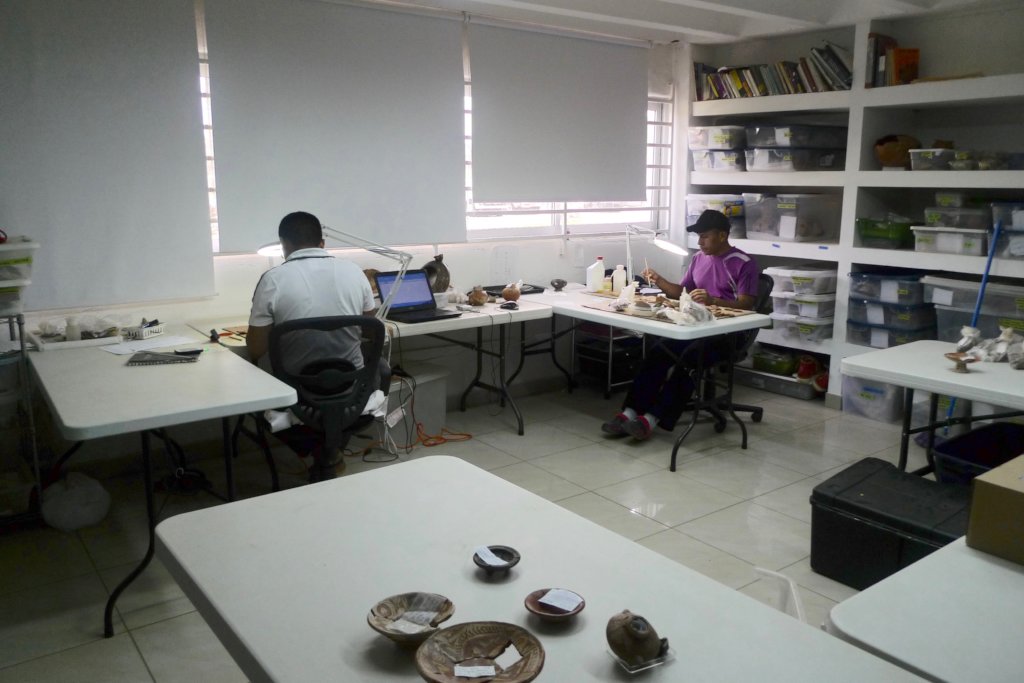
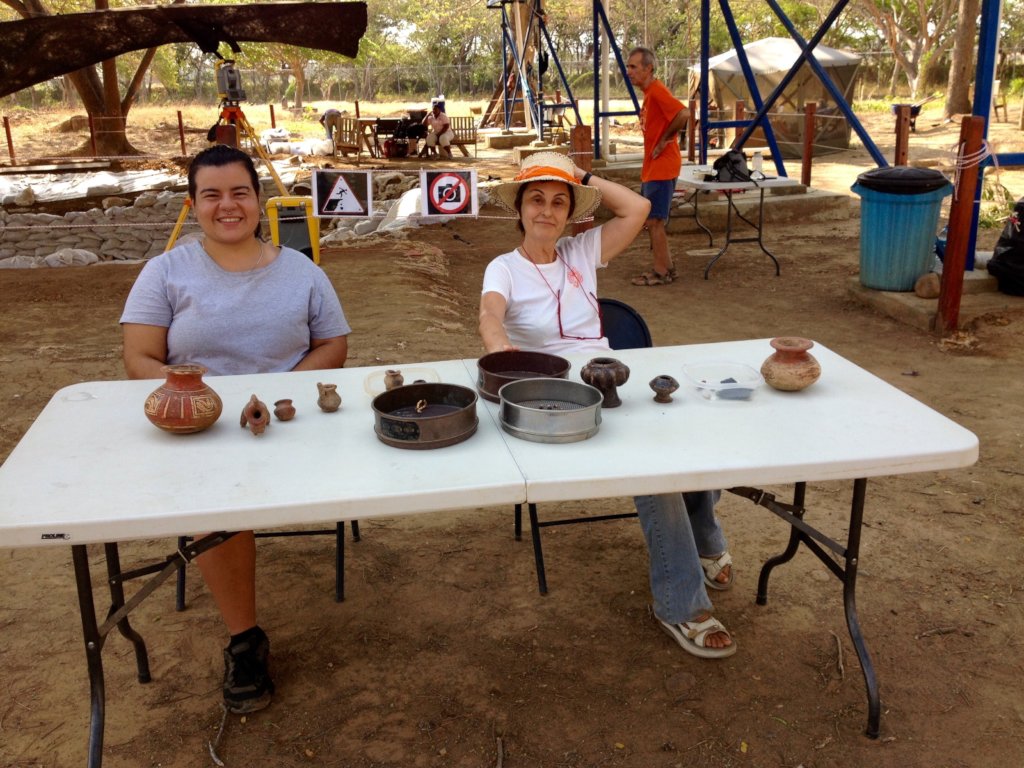
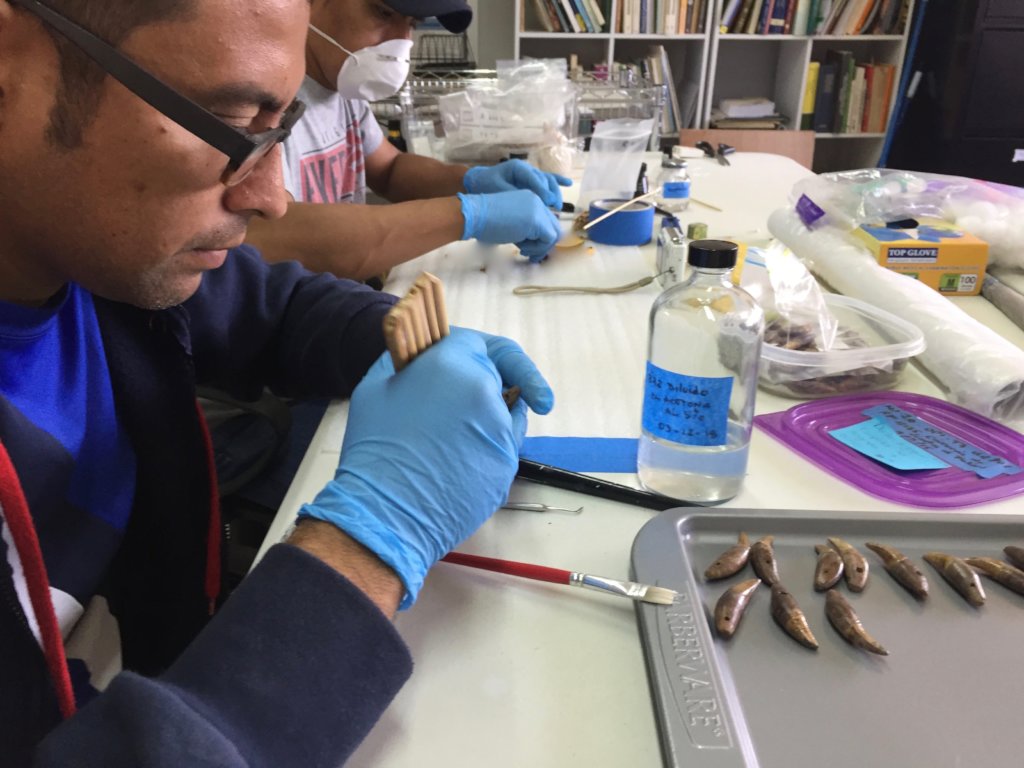
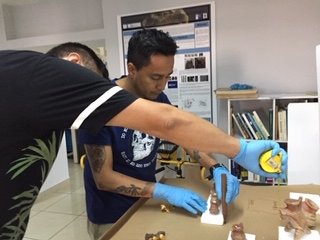
The Fundación El Caño (FEC) team continuously works on the cleaning, drawing and restoration of archaeological materials. Various ceramic jars and bowls were cleaned and restored. These artifacts had no record in the project’s online data repository of the project (ODA), so new records were opened for them in the system.
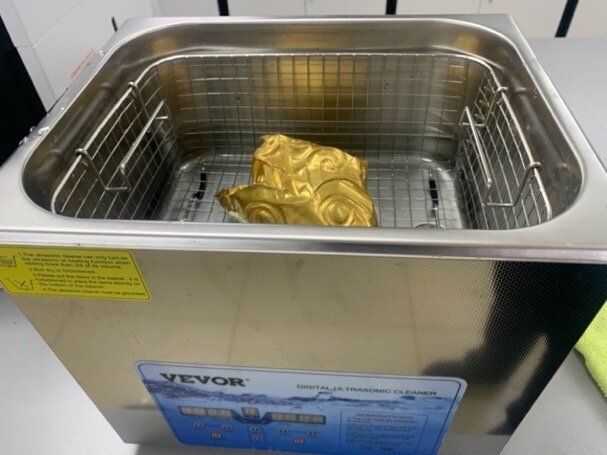
Additionally, 107 artifacts were selected to be digitized by the Global Digital Heritage Foundation (GDH) in 2023. Work has been done to clean and restore part of the selected artifacts. The breast plate assigned registry number AU13285 found in unit UE509 of tomb T9 was one artifact selected for this project. The breast plate is bent and to rescue the design on it a measured drawing was made. It was then vectorized with the free software Inkscape, developed by Inkscape Developers, GNU General Public License, Copyright © 2022. Vector illustration allows you to create designs and illustrations with exact precision. It also allows you to increase, decrease and modify the size and color of illustrations without losing sharpness. The breast plate was also cleaned using the 40KHZ ultrasonic cleaner. The cleaning was done with water at room temperature, power setting 1, for 1 minute. During the ultrasonic cleaning the equipment transmits ultrasonic waves to separate the soil that is adhered. After washing, the breast plate was dried with a conventional hair dryer.
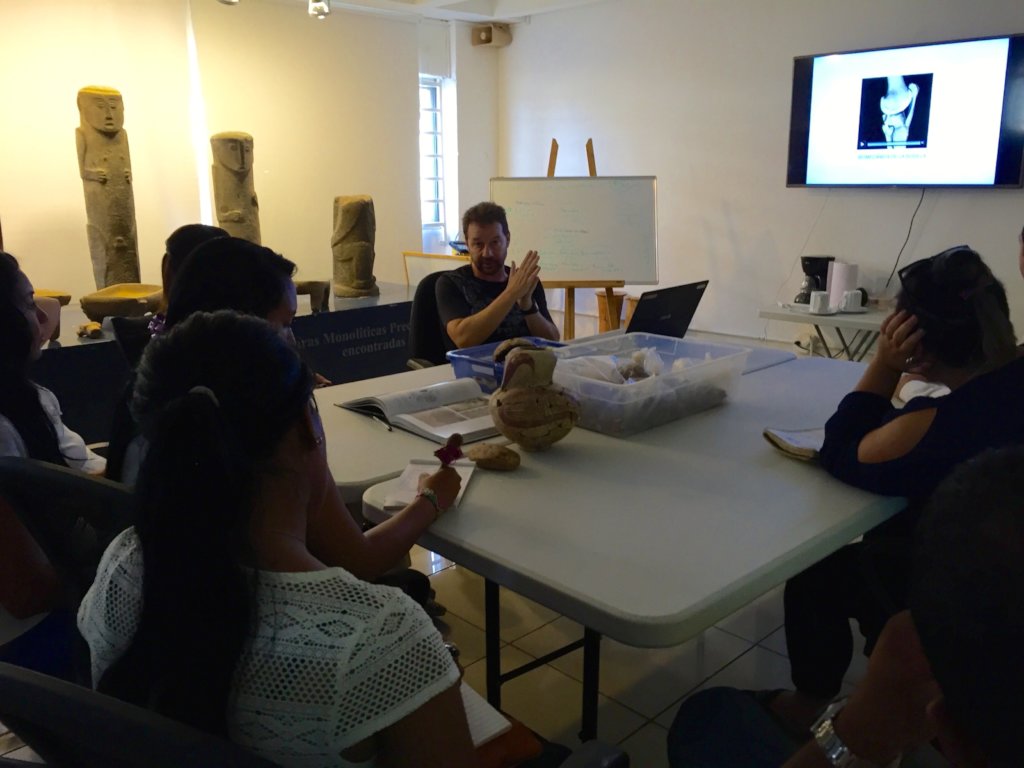
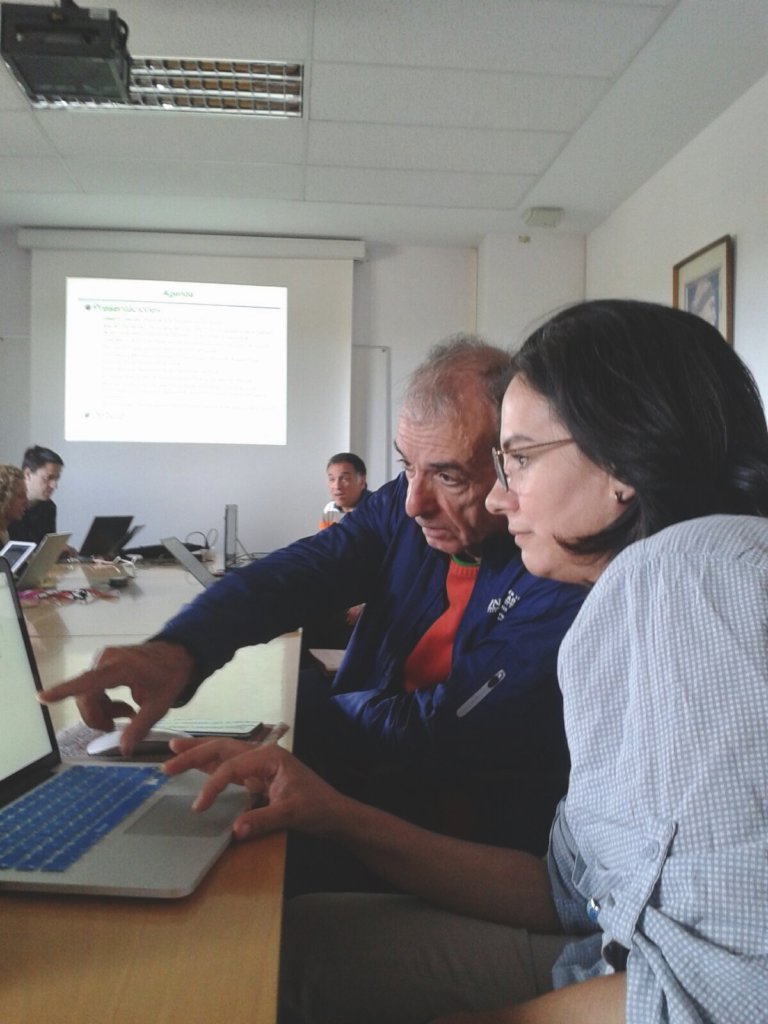
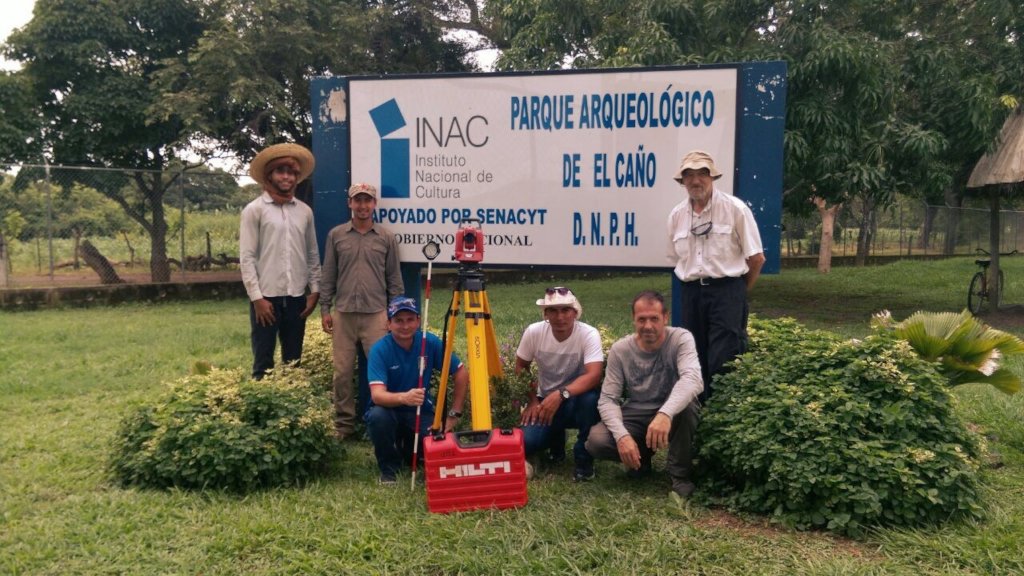
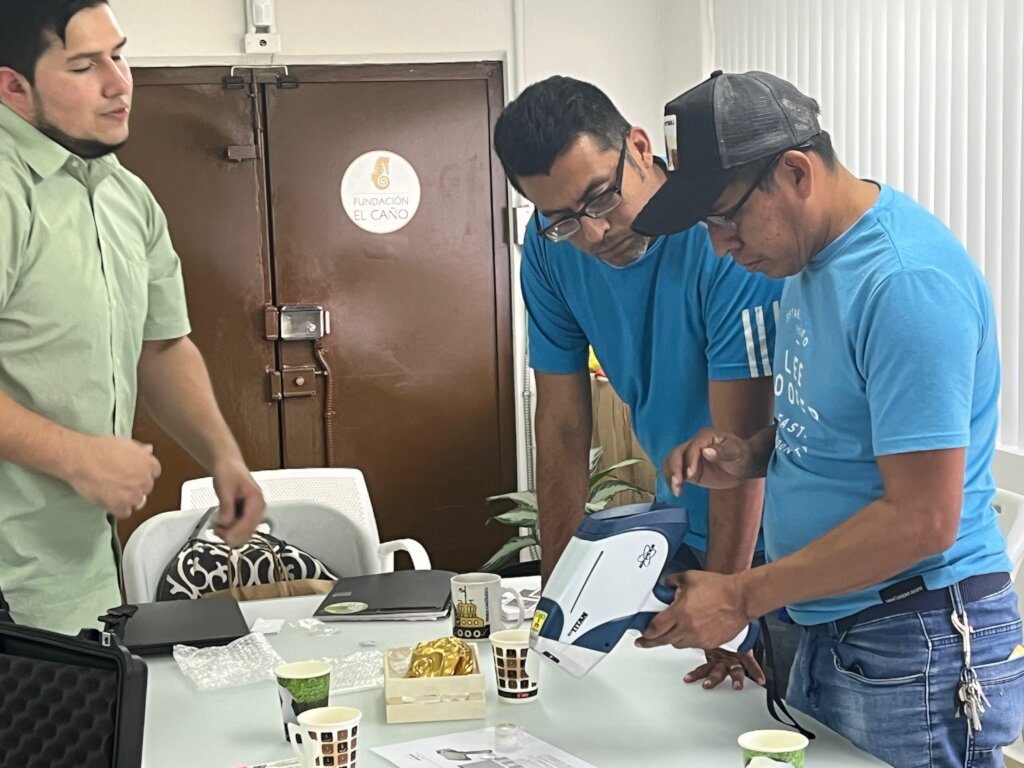
The FEC purchased an X-ray fluorescence spectrometer (XRF) with funds from the National Secretariat of Science, Technology and Innovation (SENACYT). An XRF spectrometer analyzes the elemental composition of materials such as stones and metals, among others. This tool will be used to analyze artifacts recovered from the necropolis of El Caño to scientifically identify the findings and their provenance. The training was given by Mr. Gómez, representative of Orgoma S.A., distributor of Bruker products for Panama, to members of the team and Mr. Ceballos, a biologist from the Smithsonian Tropical Research Institute (STRI).
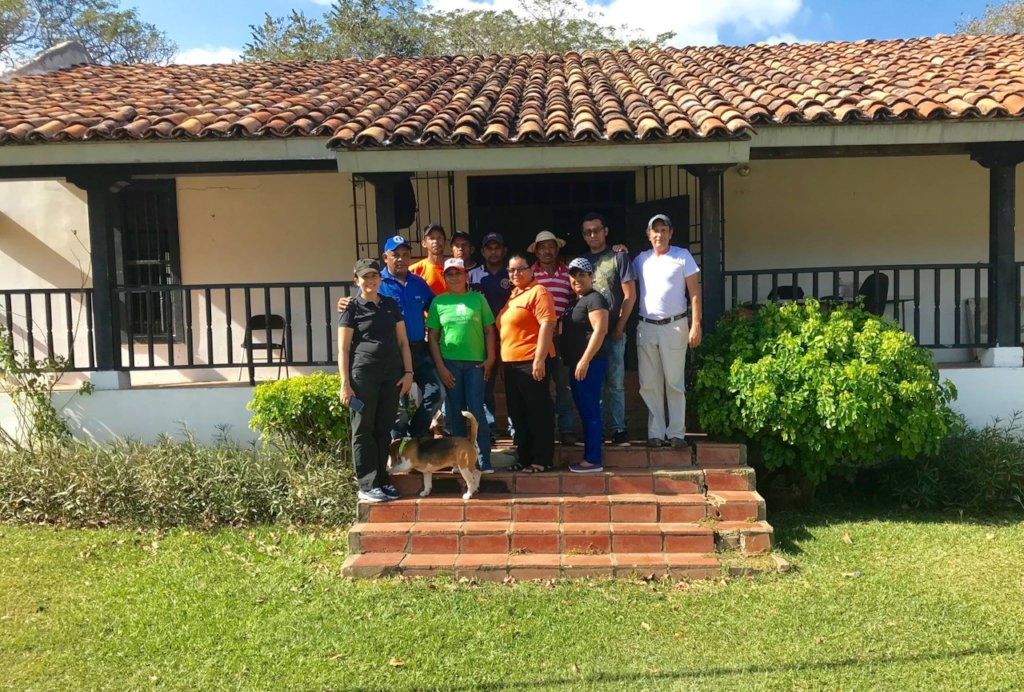
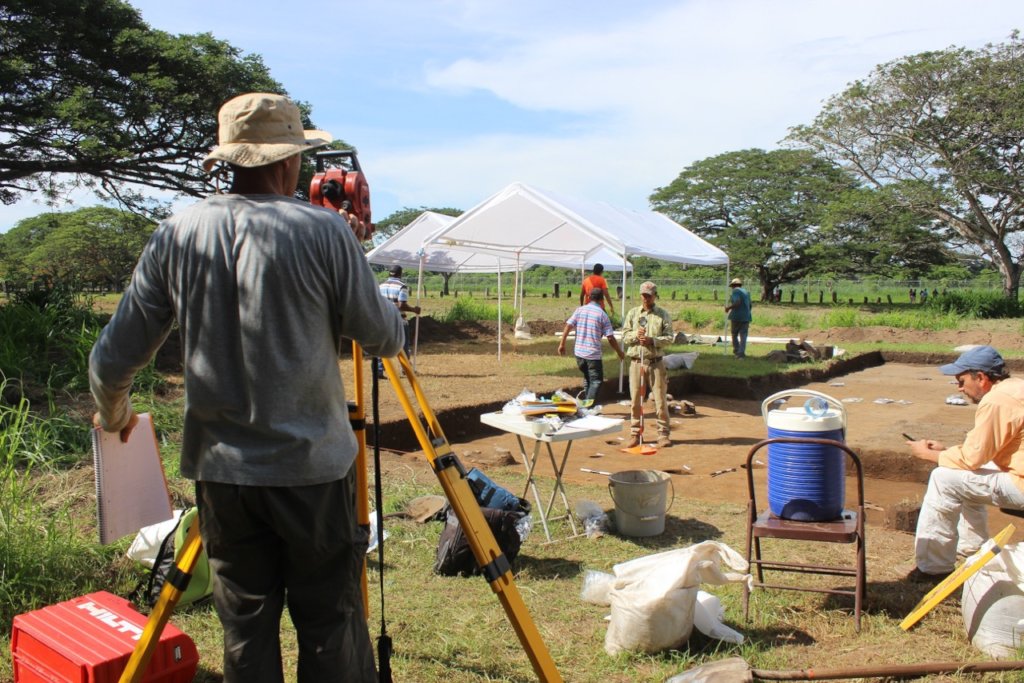
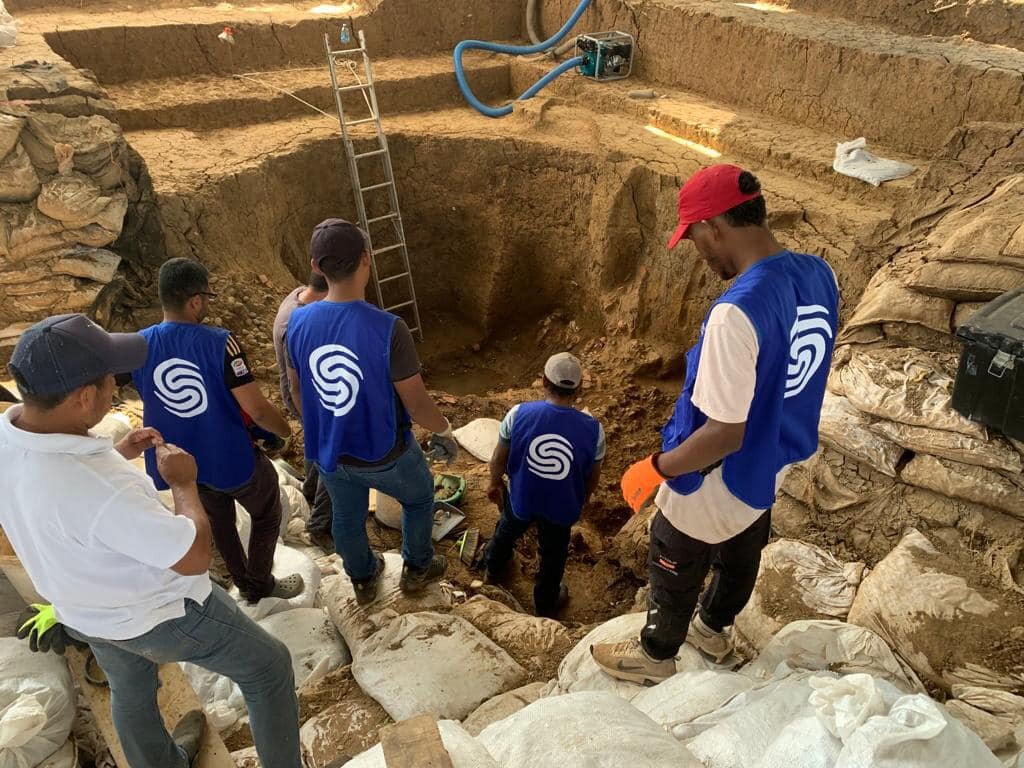
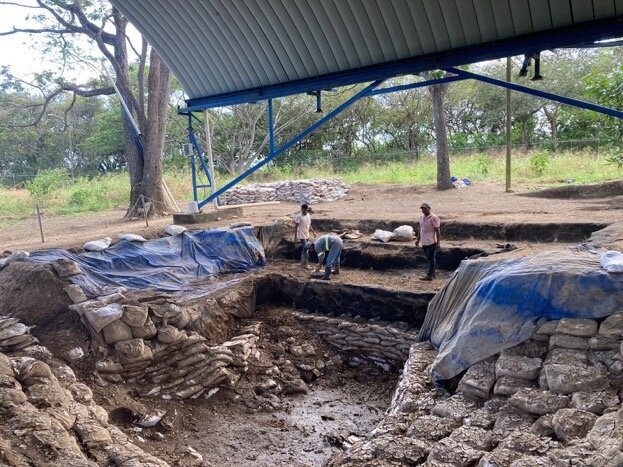
In preparation for the 2023 excavation campaign manual workers were hired who were tasked with removing the water from the excavation, cleaning the surroundings, the roof, the water channels and downspouts of the roof. In addition, they removed some of the sacks that had been placed inside the excavation in April 2022 in order to protect its walls. The bags of earth are being placed close to the excavation since they could be useful at the end of the campaign for when the area will have to be backfilled. In addition to working on the excavation, they scraped, resurfaced and painted the El Caño Museum with the help of the museum staff.
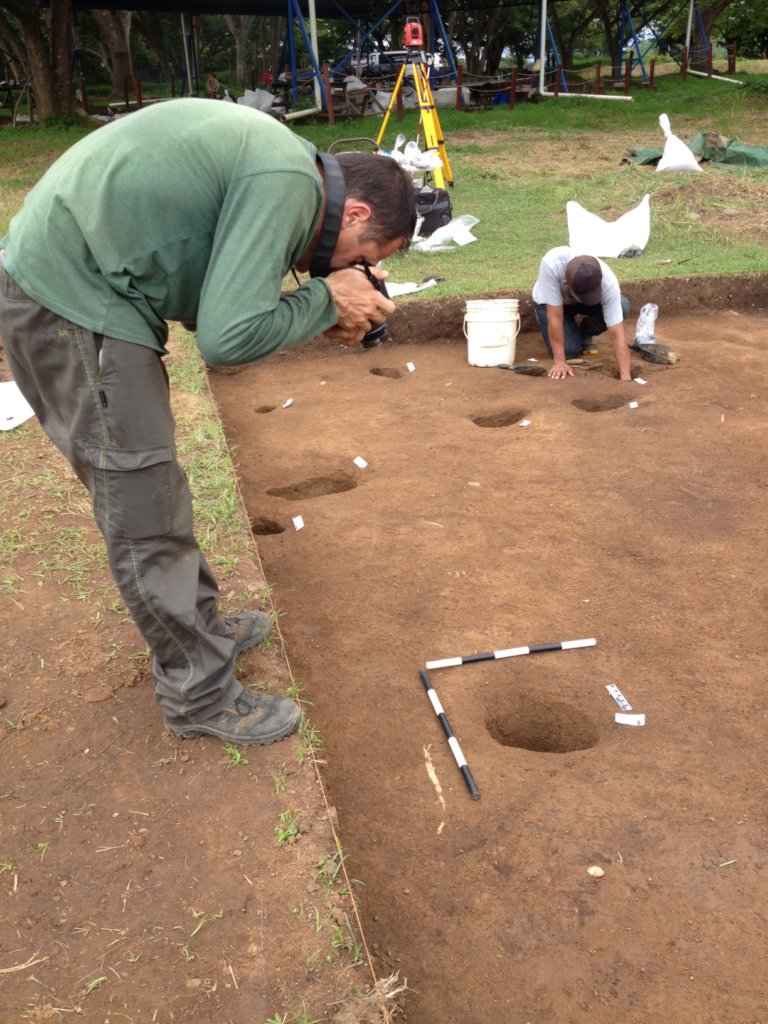
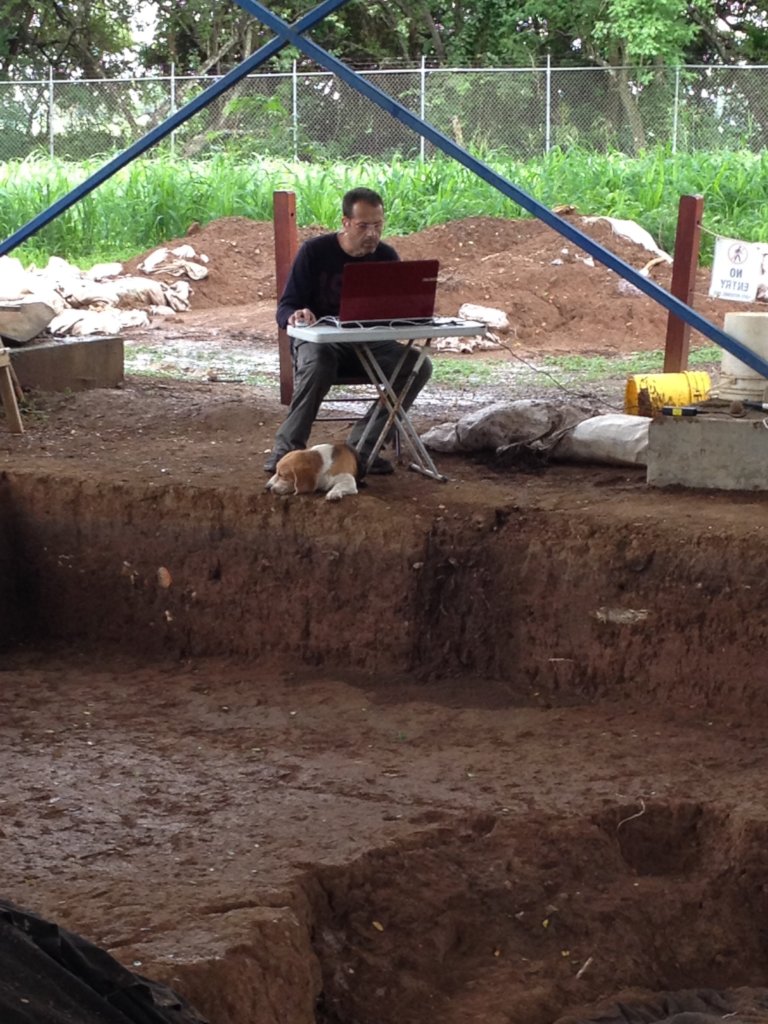
This year the water table was much higher than in previous years. It was located at 3.60 meters from the surface. The tomb burial we were working on this year is below that level, at a point where the ground is saturated with water. In order to excavate it, we had to lower the water table, something that we achieved, temporarily, by making a drainage well next to it and removing the water out of it using a pump. We say temporarily because once we stop pumping, the water will return to the previous level.
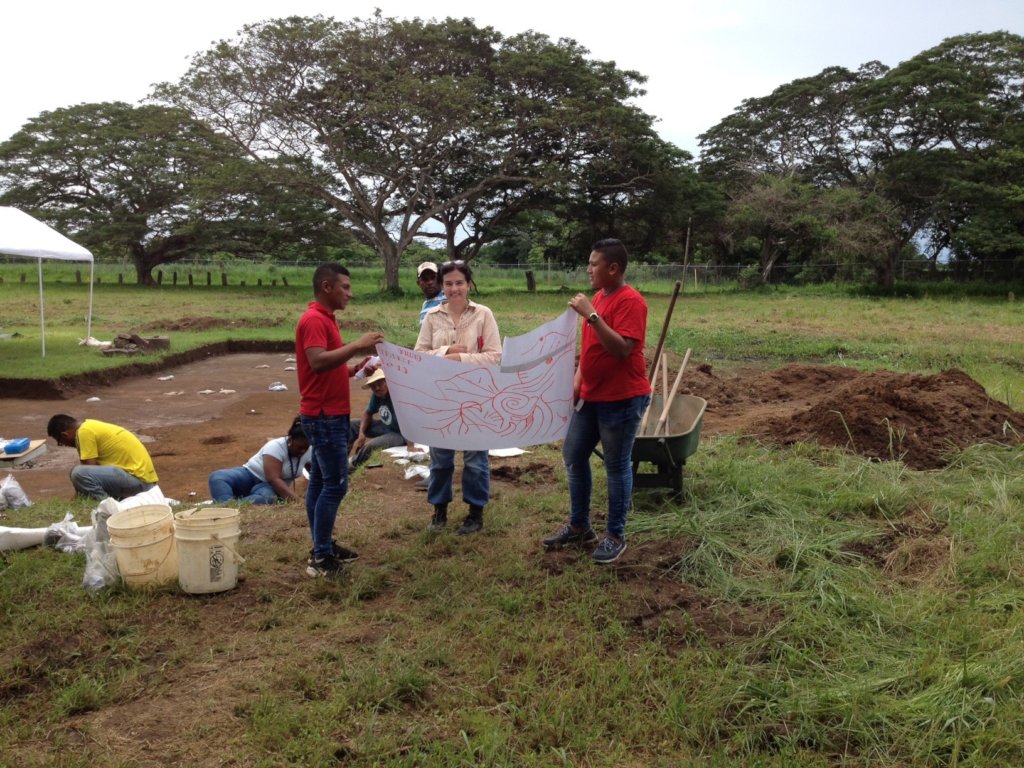
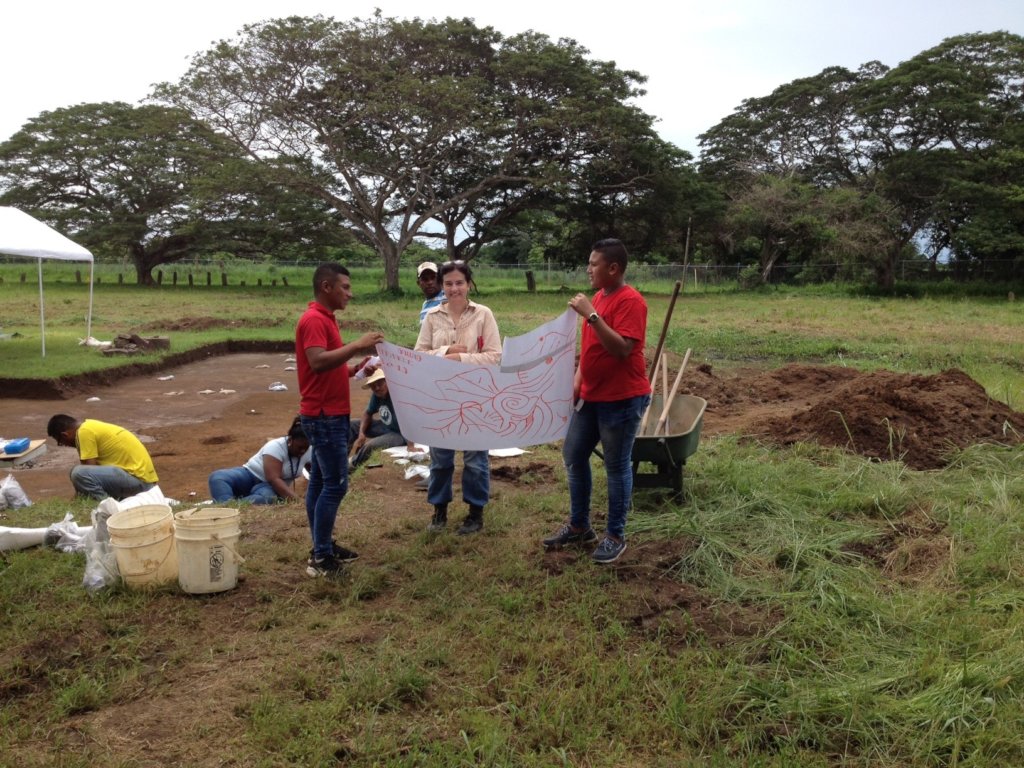
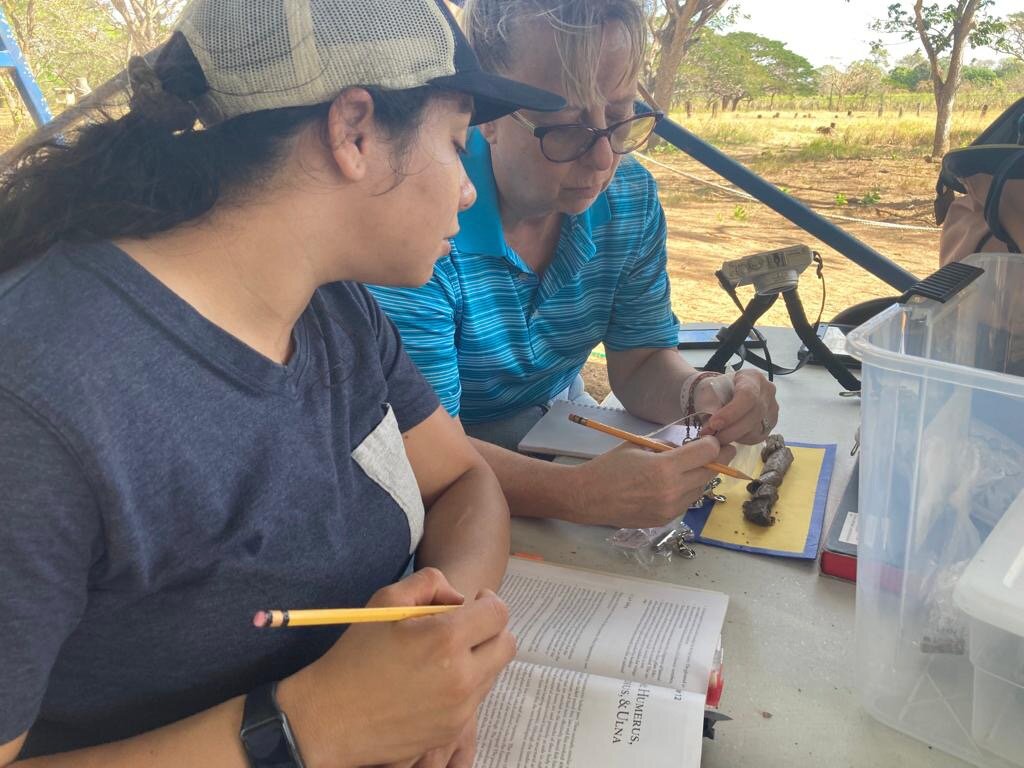
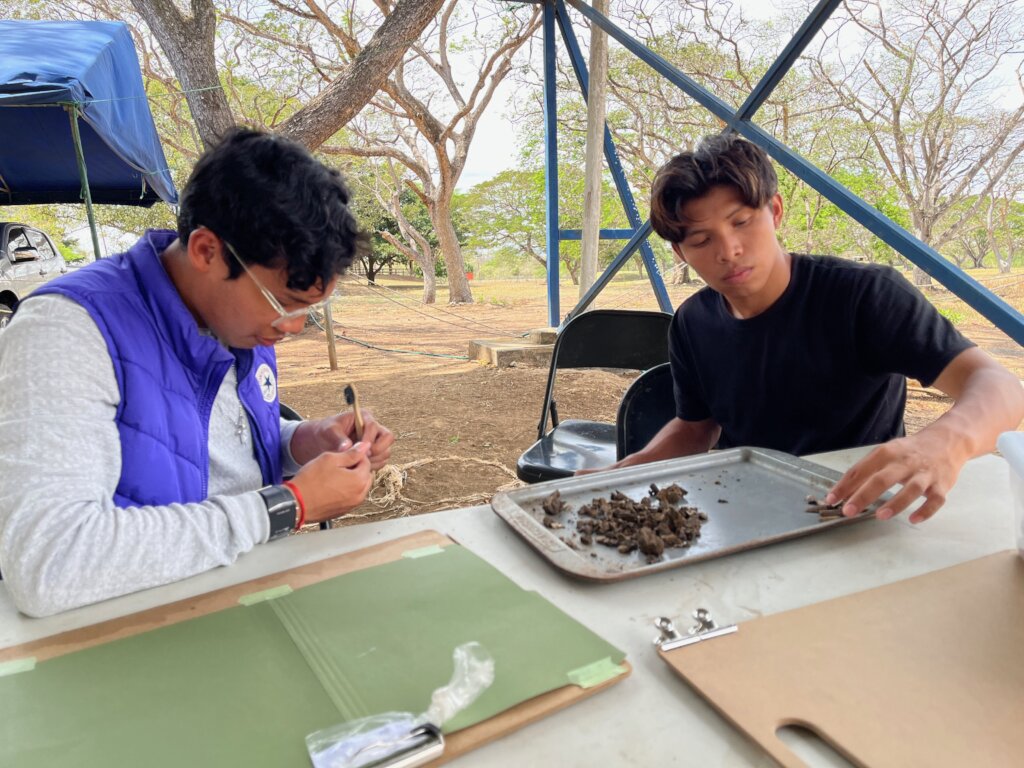
During this year´s excavation season three university students worked in El Caño with the FEC team. These students, Tiara, a student at the Universidad Autónoma de Chiriquì, Facultad de Humanidades, Licenciatura Geografía e Historia, and Gabriel and Josué, both students of Licenciatura Geografía e Historia at the Universidad de Panamá, spent time learning about ceramics and cleaning protocols, human bone cleaning and identification methods, photographing and documenting all of the findings and excavation-related protocols.
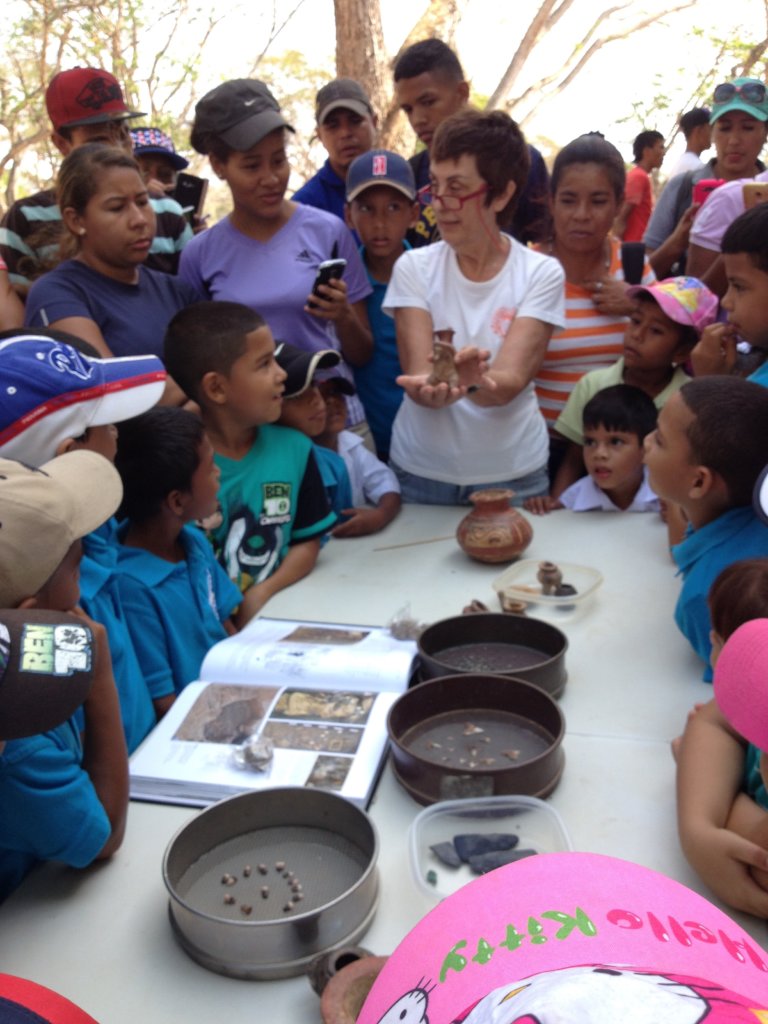
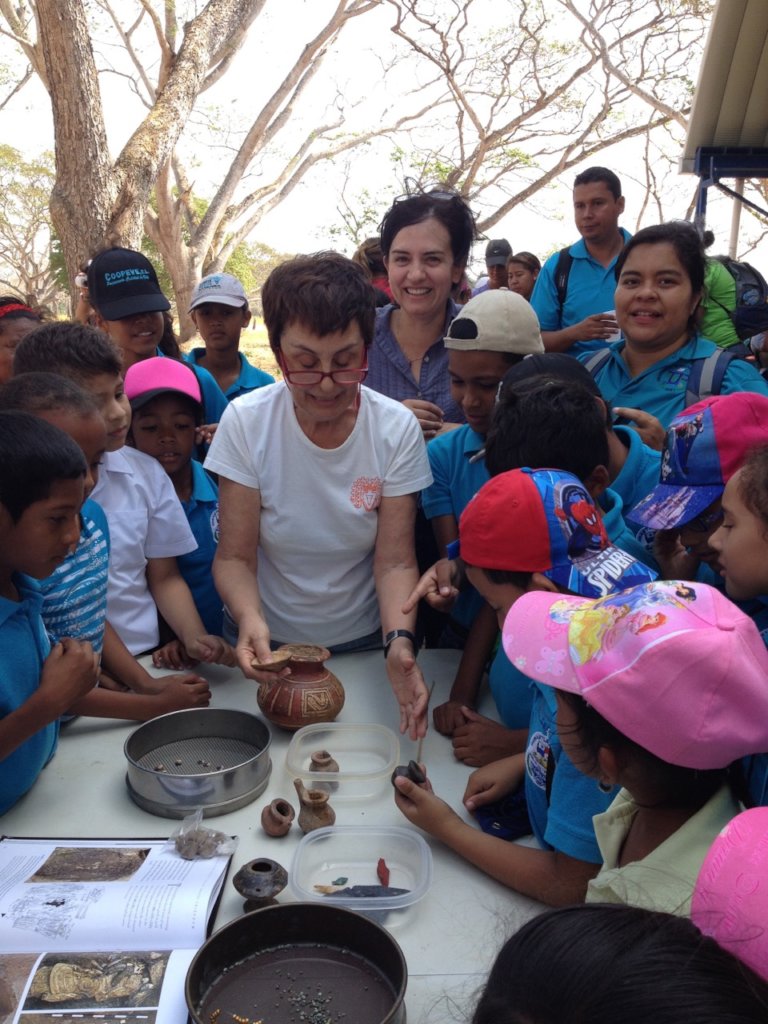
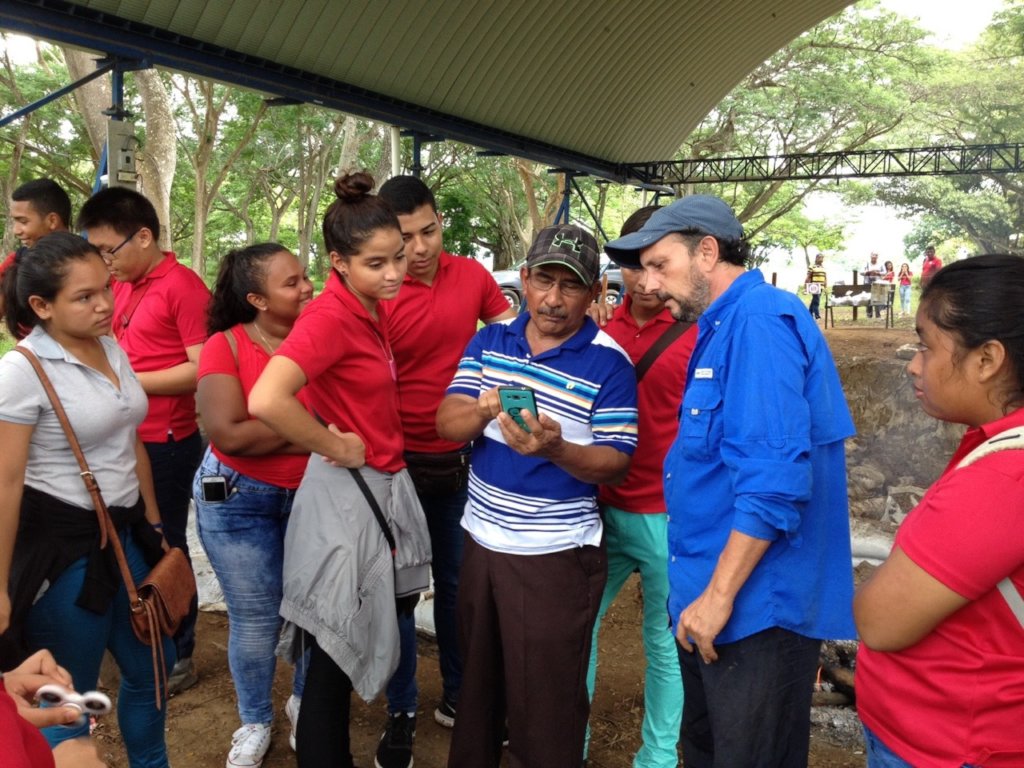
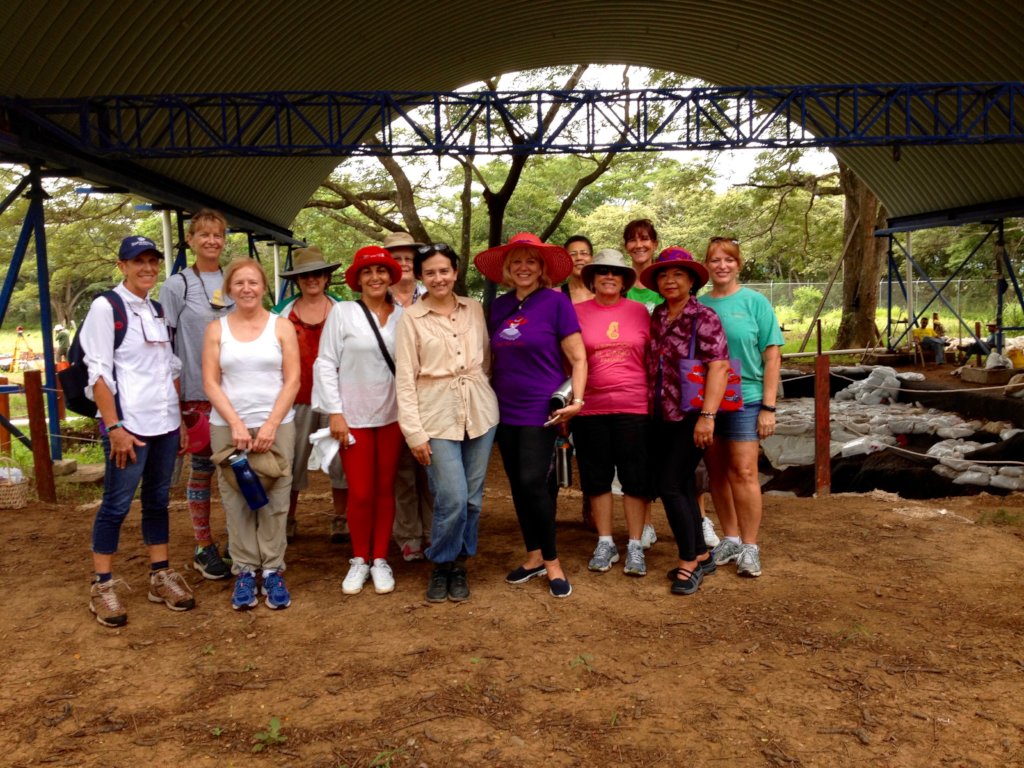
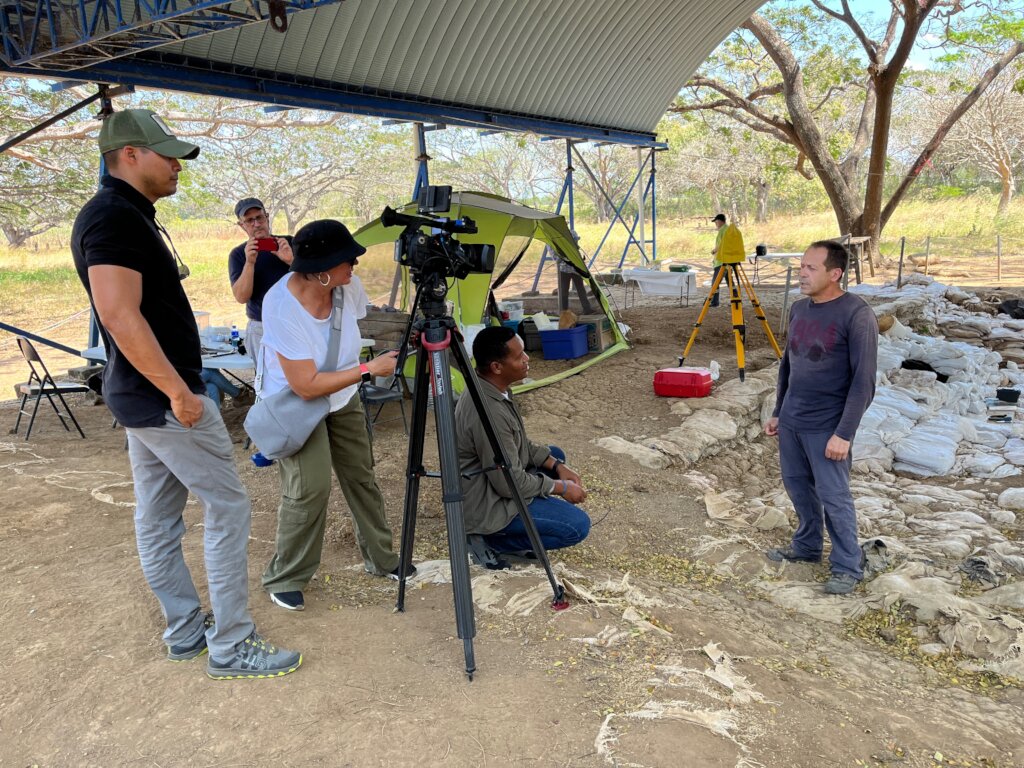
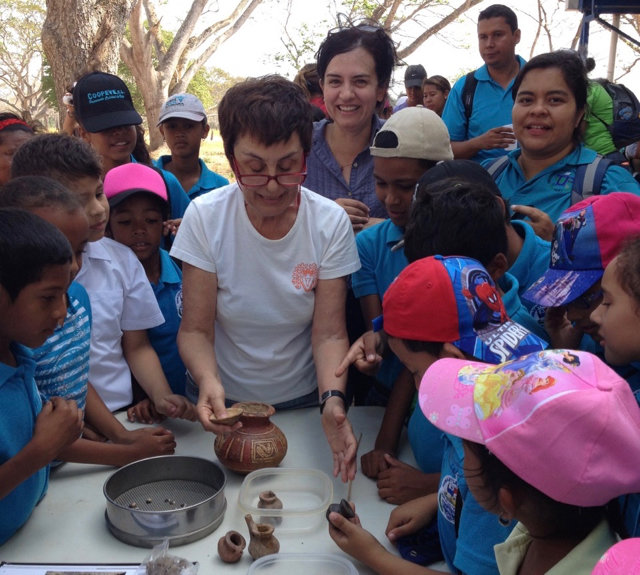
During the 2023 excavation season we had the pleasure of receiving more than two thousand visitors and students from various schools and universities, organizations and news media. During the visits we shared information about the excavation, finds and contexts, as well as excavation protocols and procedures.
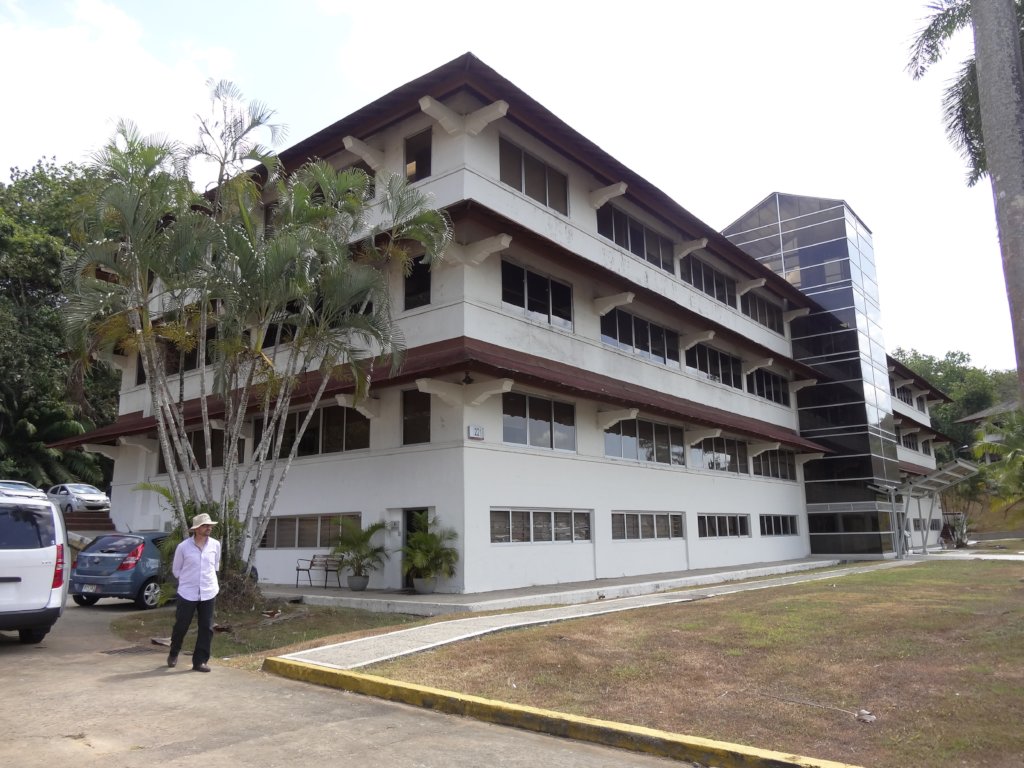
Work was completed to close the excavation in anticipation of starting a new campaign at the beginning of the next dry season. The FEC team will now return to work in the laboratory at the Ciudad del Saber. There we will clean, conserve and analyze this season's findings. In the laboratory our work is focused on conservation and reconstruction of the artifacts in addition to academic research.
Links:
Project reports on GlobalGiving are posted directly to globalgiving.org by Project Leaders as they are completed, generally every 3-4 months. To protect the integrity of these documents, GlobalGiving does not alter them; therefore you may find some language or formatting issues.
If you donate to this project or have donated to this project, you can receive an email when this project posts a report. You can also subscribe for reports without donating.



Support this important cause by creating a personalized fundraising page.
Start a Fundraiser