By Alexa Hancock | Project Leader
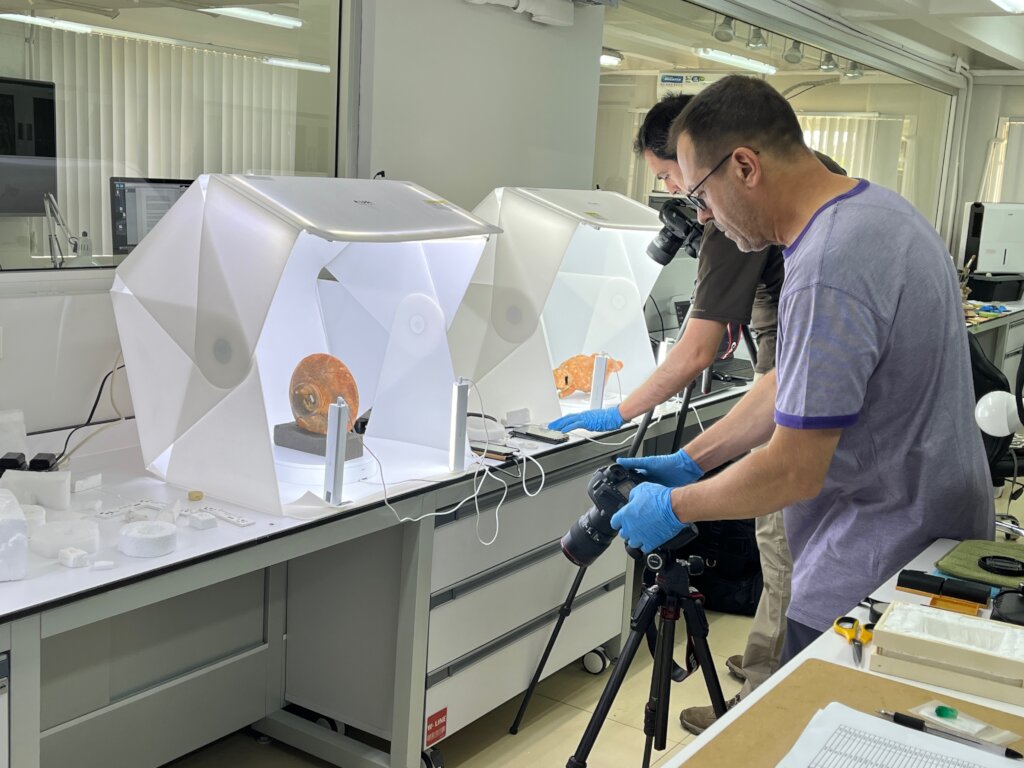
One of the major projects that Fundación El Caño was involved in this quarter was a project with Global Digital Heritage (GDH). GDH is a not-for-profit private research and education organization that uses technology such as 3D virtualization, geospatial informatics to document and preserve global and natural heritage. They provide 3D models and digital data to governments, regional institutions, museums, local scholars and the public. GDH worked with the FEC to image artifacts recovered from the El Caño Necropolis.
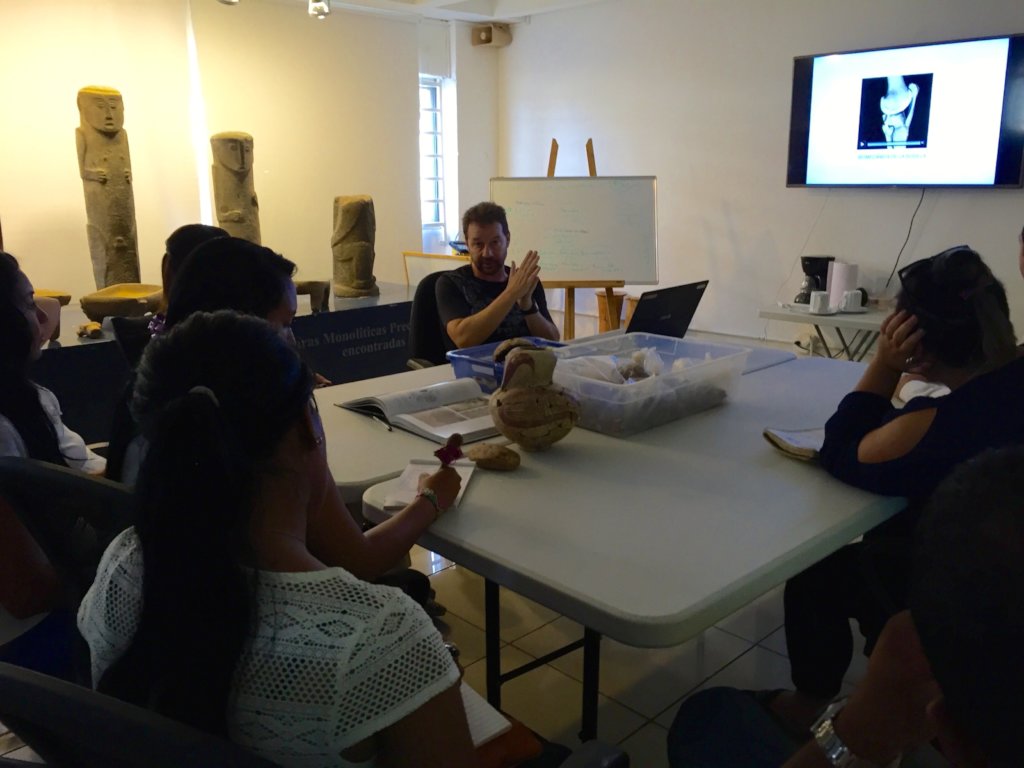
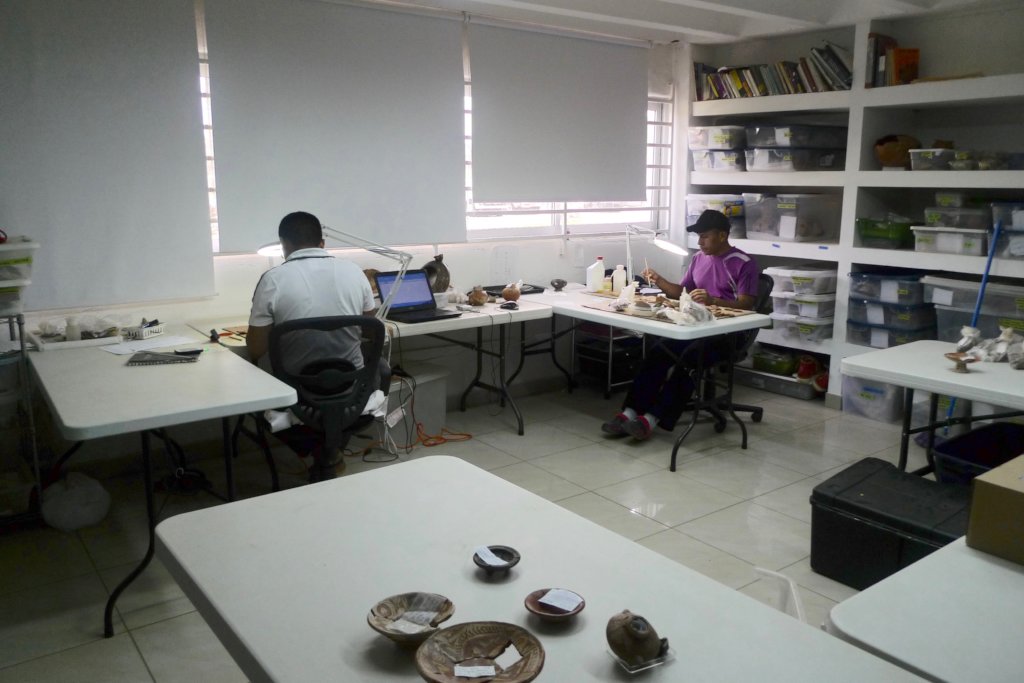
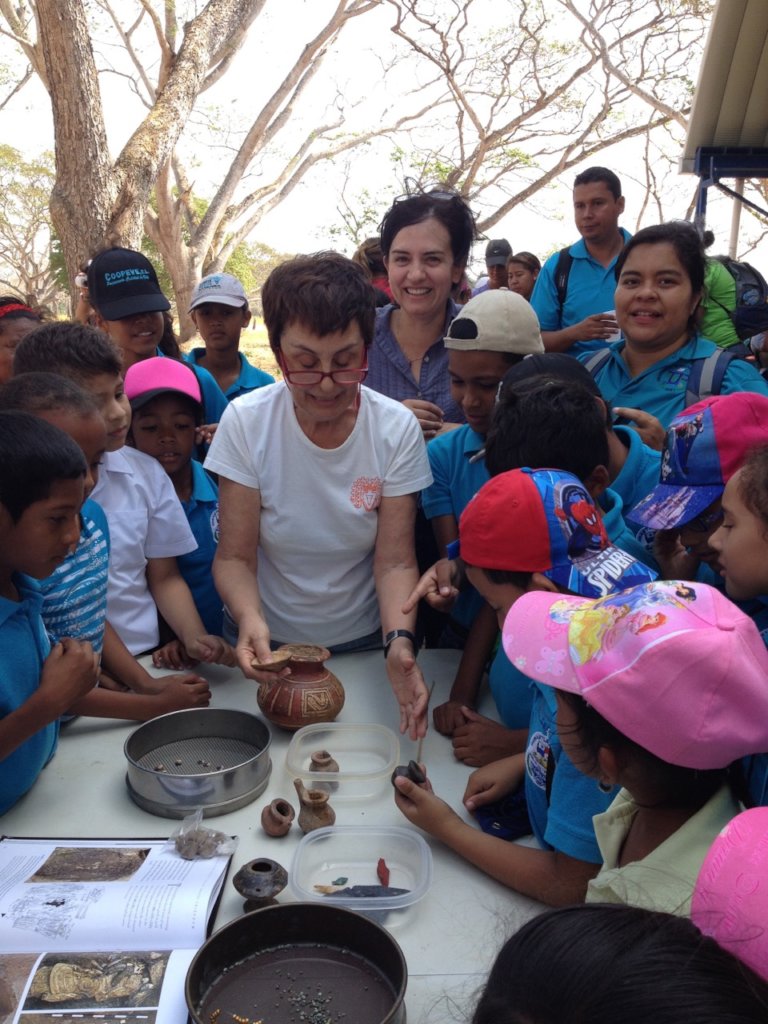
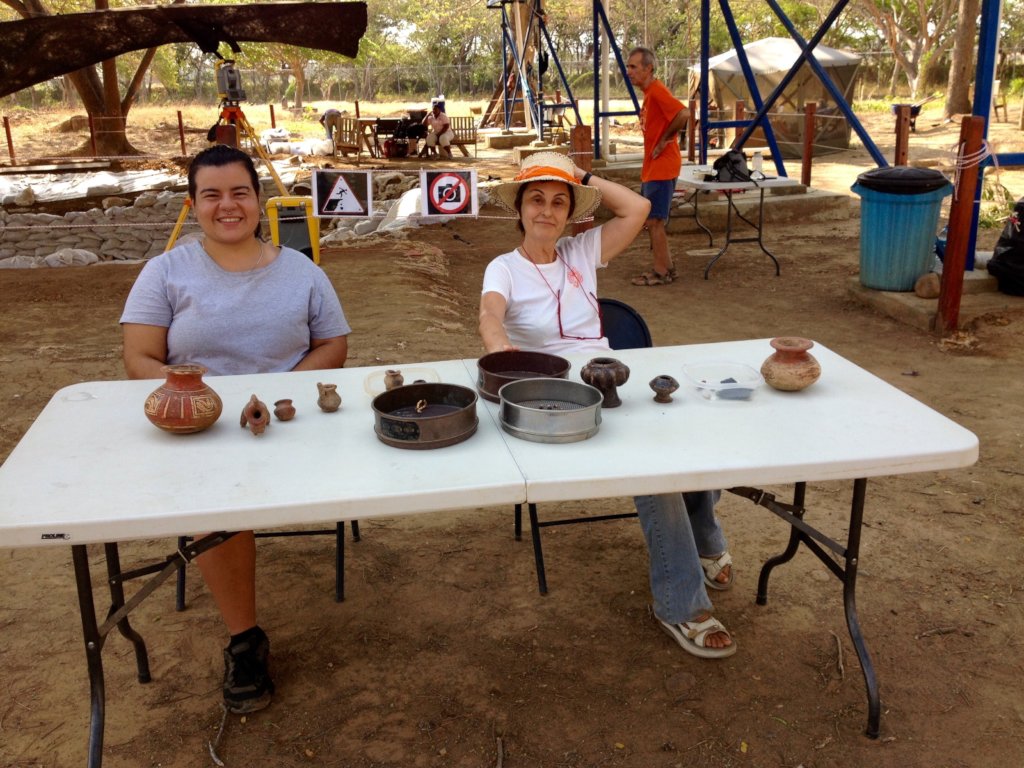
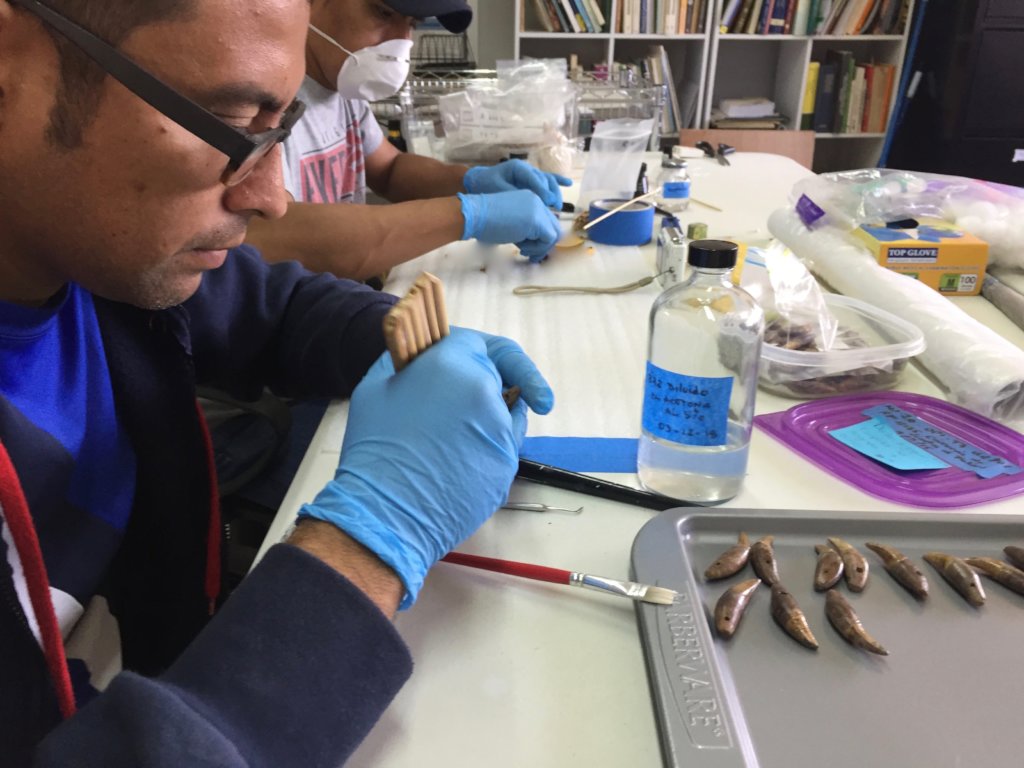
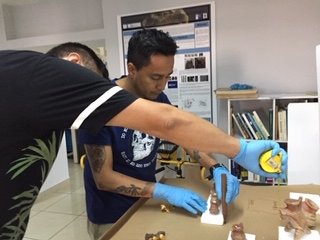
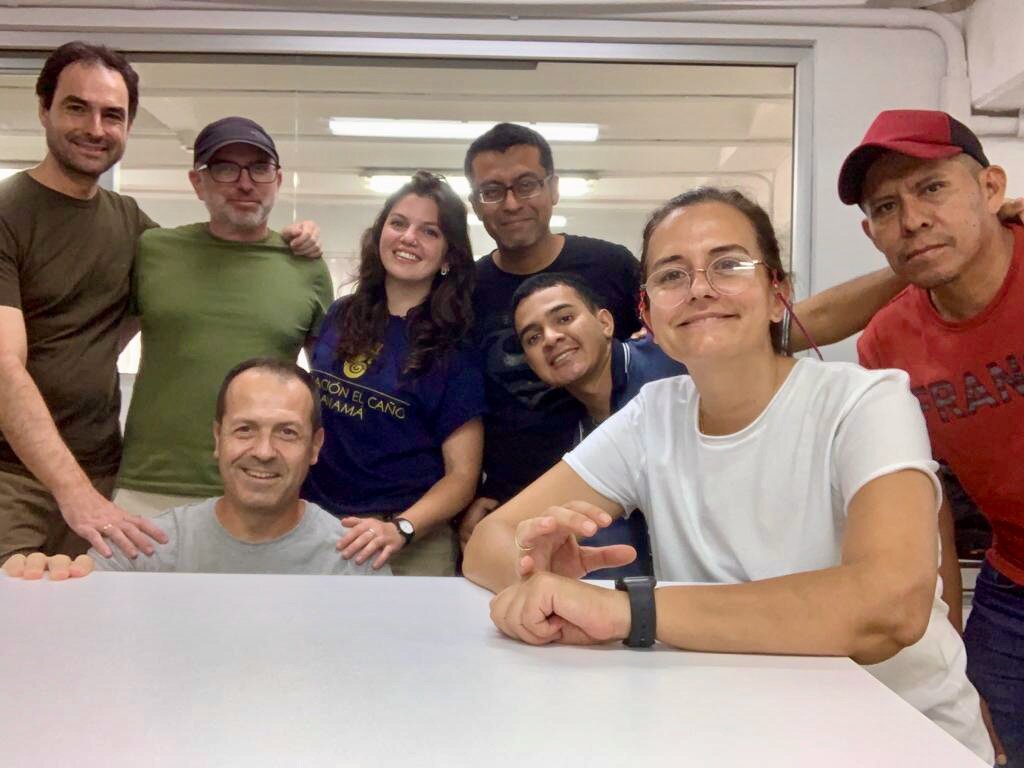
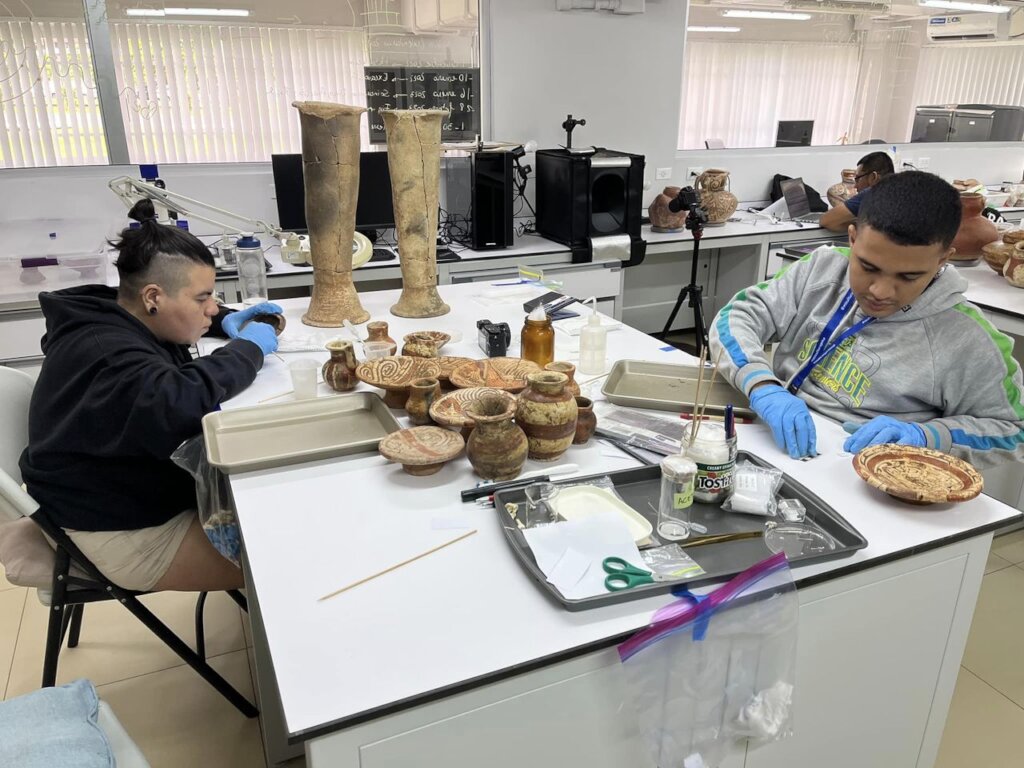
In preparation for the project, members of FEC worked on selecting and cleaning the artifacts that will be imaged. Along with team members, students from the University of Panama and the University of Alcalá, Spain, assisted in preparing and cleaning the artifacts.
The equipment GDH uses includes Canon Cameras 5D Mark IV with Canon lenses of various types and sizes. In addition to the cameras, they use an Artec Leo and Artec EVA-S (Space Spider) Scanners. The artifacts are mounted on Foldio360 turntables that are set up in light boxes and the cameras are mounted on Manfrotto go190 tripods. The cameras are set to take continuous photos as the artifacts rotate on the turntables. The scanners are handheld to allow for continuous image capturing of the artifacts.
The images and photographs are all processed in various computer programs that allow for the creation of 3D models. Once all the images are completely processed, which will be in a few months, they will be made available to the public thought both the Global Digital Heritage platform and the El Caño Foundation repository of data. GDH was able to scan and photograph 720 artifacts in 11 days.
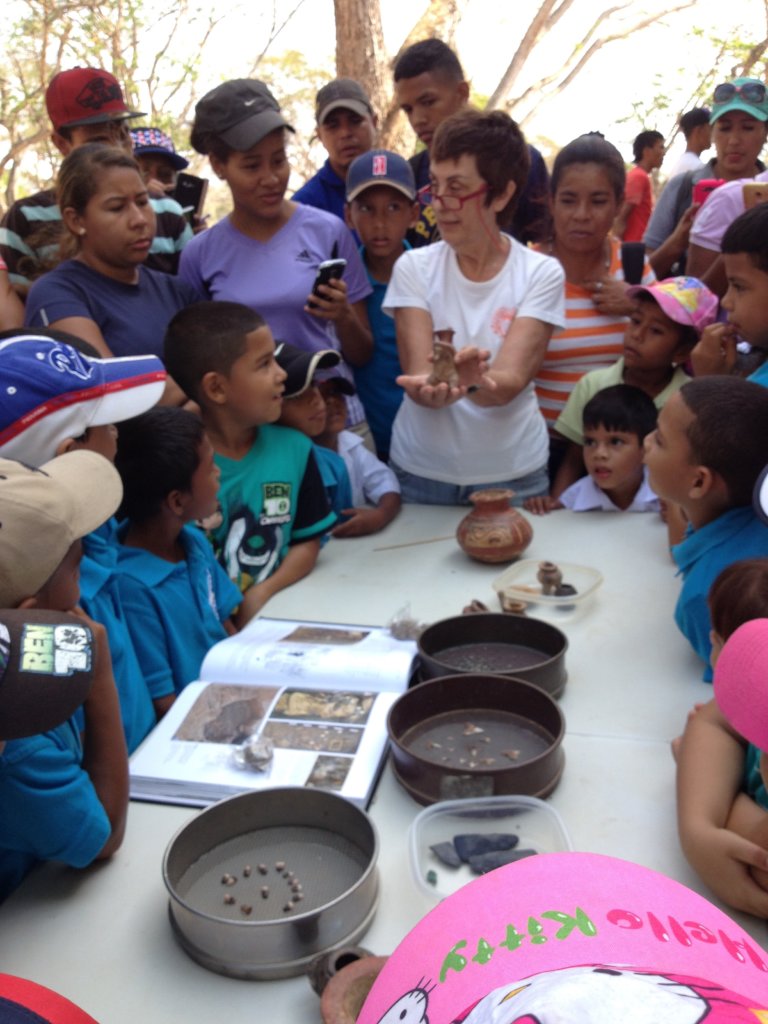
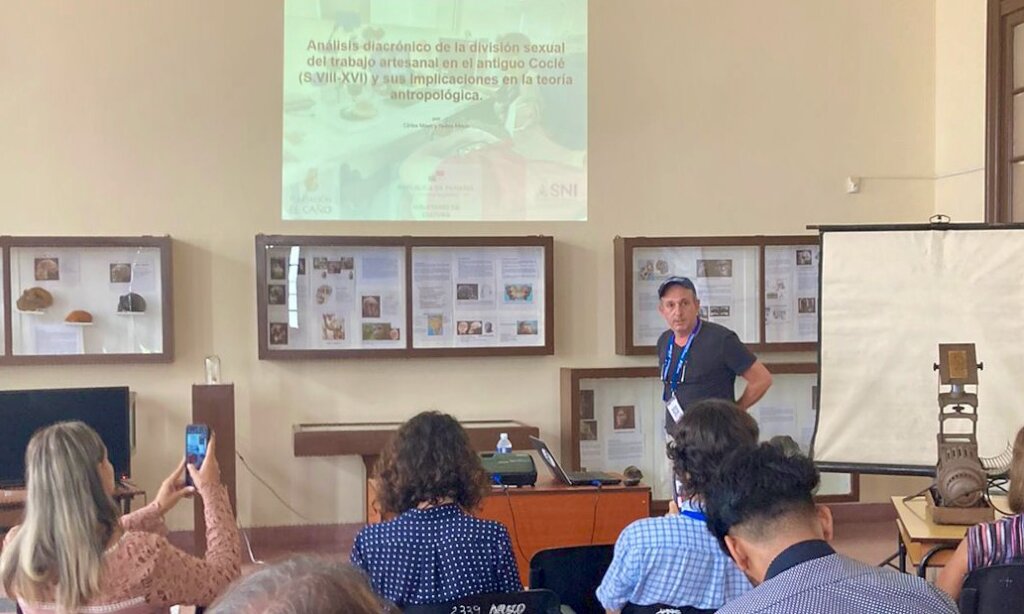
In addition to the project with GDH, team members continued to present the advances and findings of their ongoing research. Dr. Carlos Mayo presented a research paper at the Museo Antropológico Luis Montane in the context of the international scientific convention Saber UH organized by the University of Havana. He presented the investigation titled “DIACHRONIC ANALYSIS OF THE SEXUAL DIVISION OF HANDICRAFT LABOR IN THE ANCIENT COCLE (VIII-XVII CENTURY) AND ITS IMPLICATIONS FOR ANTHROPOLOGICAL THEORY.”
Dr. Carlos Mayo, along with Jesús Herrerín, Department of Life Sciences, Faculty of Science, Universidad Autónoma de Madrid, Alcalá de Henares, Spain, Yadixa Mayin Mayin del Valle Guardia, Instituto del Patrimonio Cultural del Pueblo Guna and Smithsonian Tropical Research Institute, Panama City, Panama, published a companion article to what he presented in Havana, titled “FINGERPRINTS AND CERAMICS: IDENTITY APPROACH OF POTTERS IN ANCIENT COCLÉ (780 - 1020 AD)” in the magazine Scielo.
Dr. Carlos Mayo also presented “Analysis of a group of translucent green stones found at the El Caño site, Panama” in a virtual conference hosted by the Jade Museum in Costa Rica.
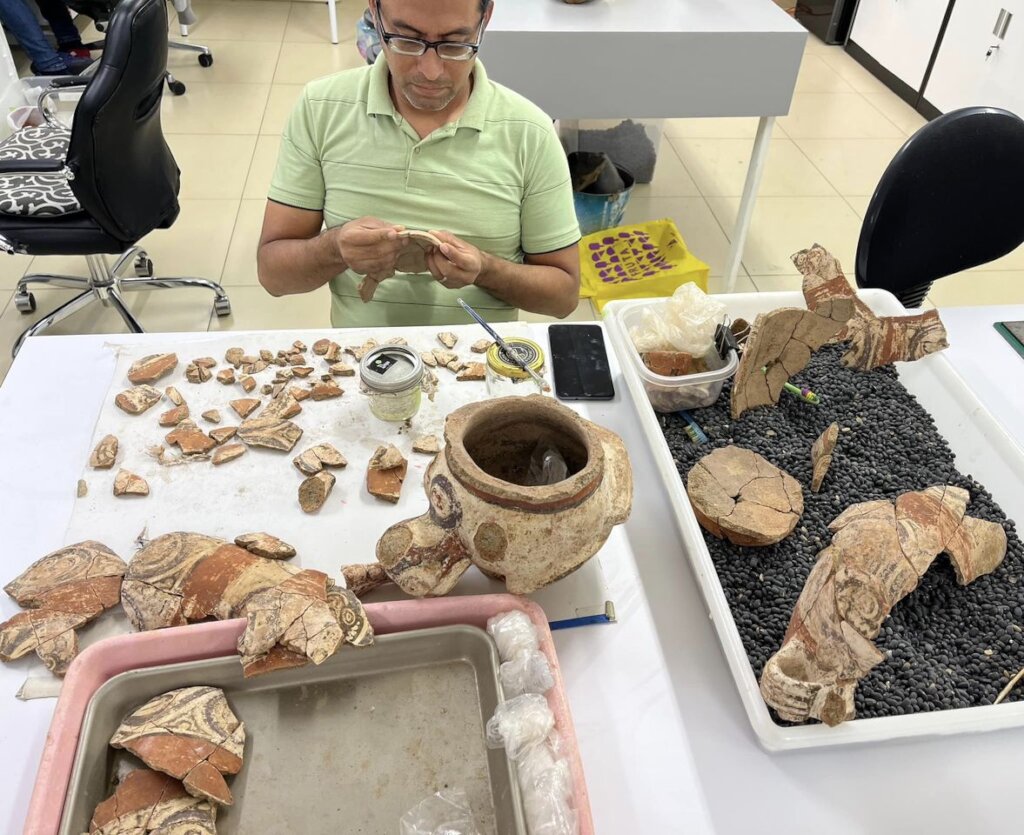
Ongoing activities at Fundación El Cano included the restoration and conservation of the artifacts. Many of the ceramics recovered from the El Caño Necropolis fractured into pieces over time due to the weight of the soil and the movement of the internal structure of the tomb. While most of the pieces of a ceramic artifact may be recovered, reconstructing it is a detailed, time-consuming process. Pieces are fitted back together and then a compound adhesive used to hold the ceramic pieces together.
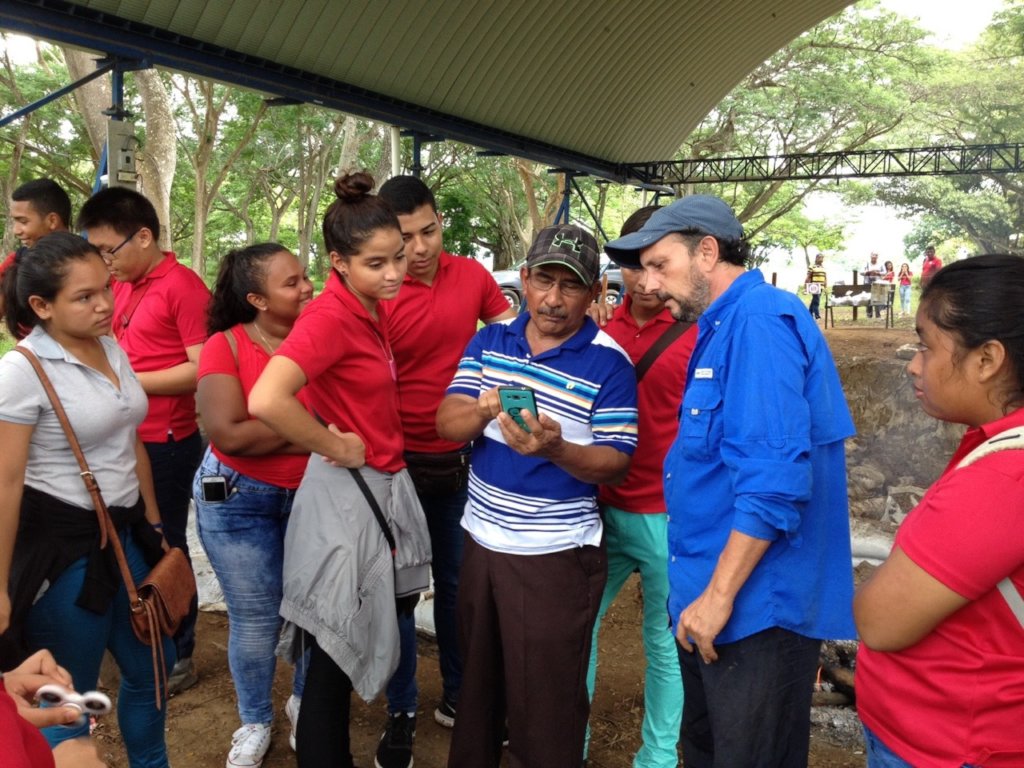
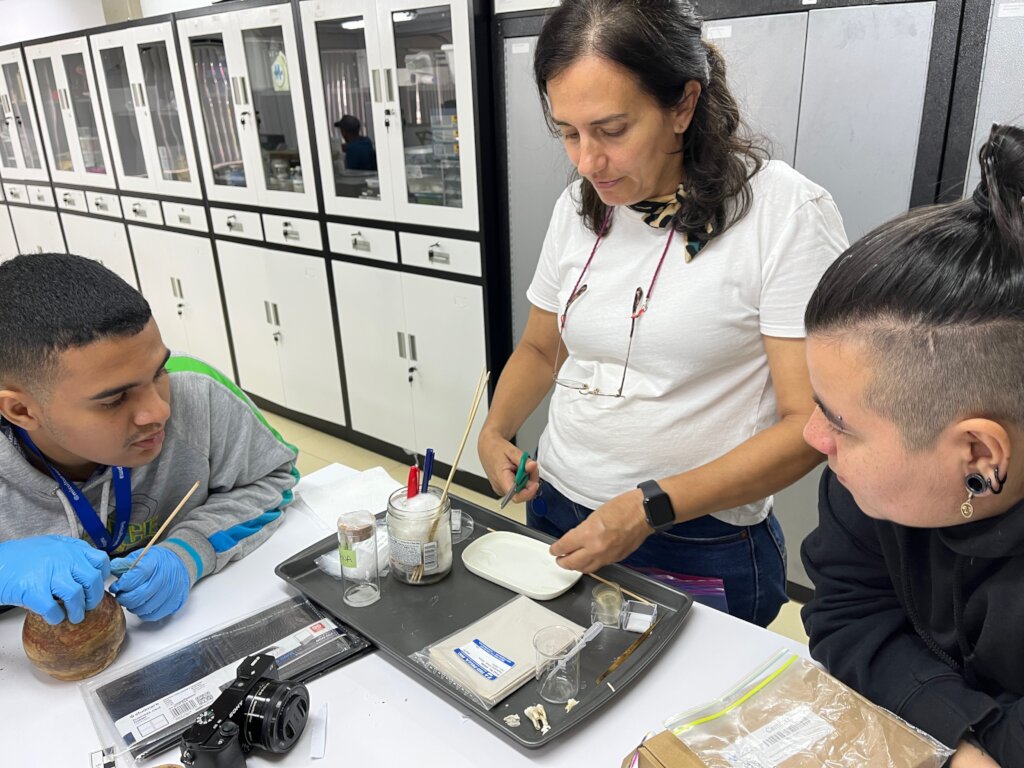
Gabriel, a first-year student in the anthropology program at the University of Panama, spent time with team members at the Fundación El Caño-Centro de Investigaciones Antropológicas del Istmo learning about packaging and labeling of archaeological artifacts. Gabriel and Katherinne, the student from the University of Alcalá, were also shown the correct procedure in taking imprints of tool marks from different artifacts using acetate tape.
Project reports on GlobalGiving are posted directly to globalgiving.org by Project Leaders as they are completed, generally every 3-4 months. To protect the integrity of these documents, GlobalGiving does not alter them; therefore you may find some language or formatting issues.
If you donate to this project or have donated to this project, you can receive an email when this project posts a report. You can also subscribe for reports without donating.



Support this important cause by creating a personalized fundraising page.
Start a Fundraiser