By Alexa Hancock | Globalgiving project leader
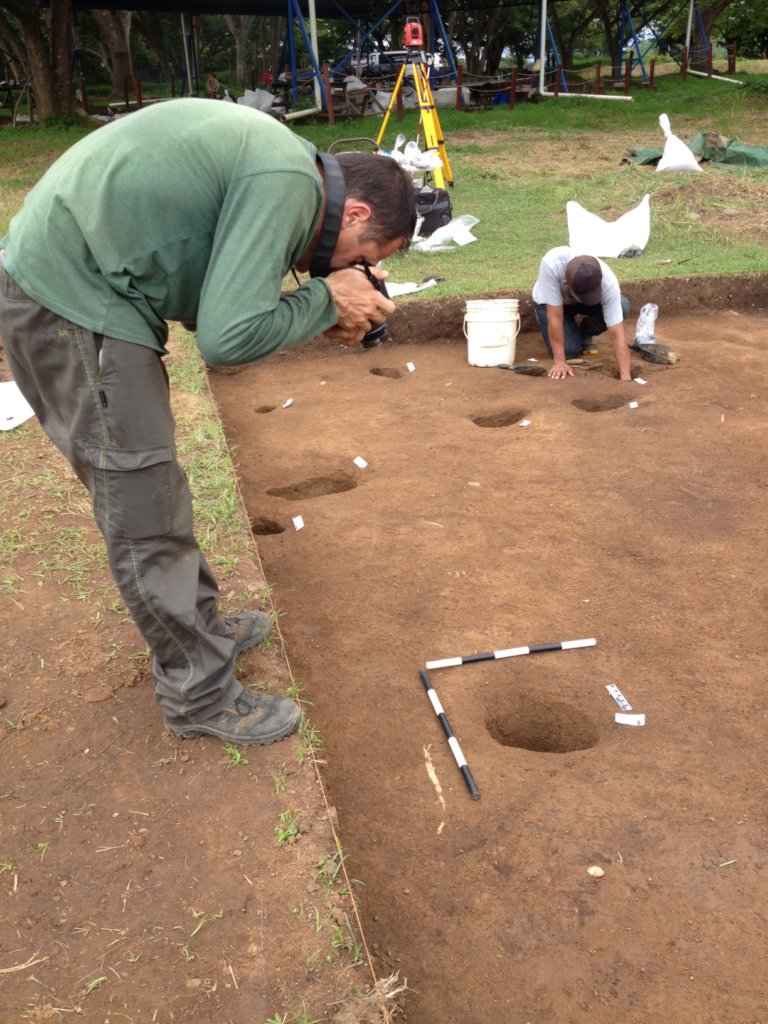
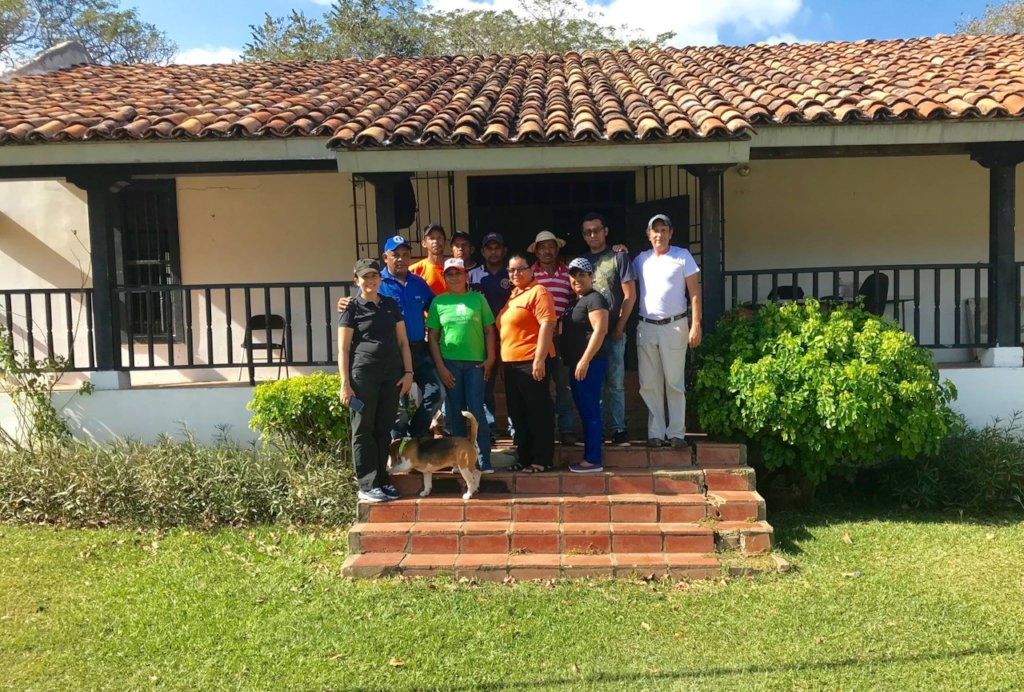
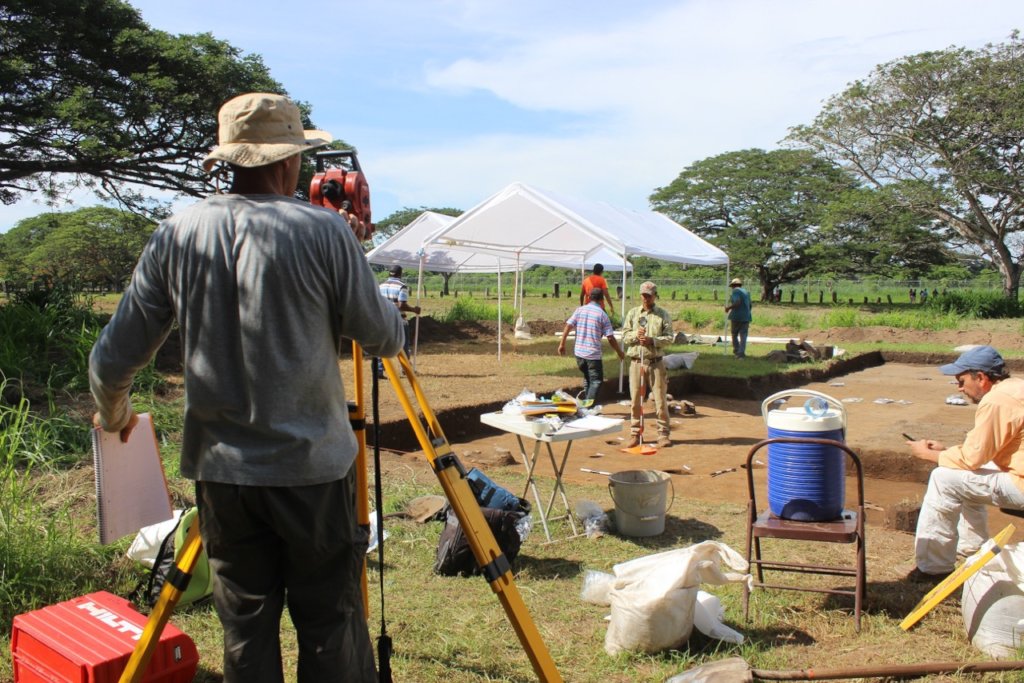
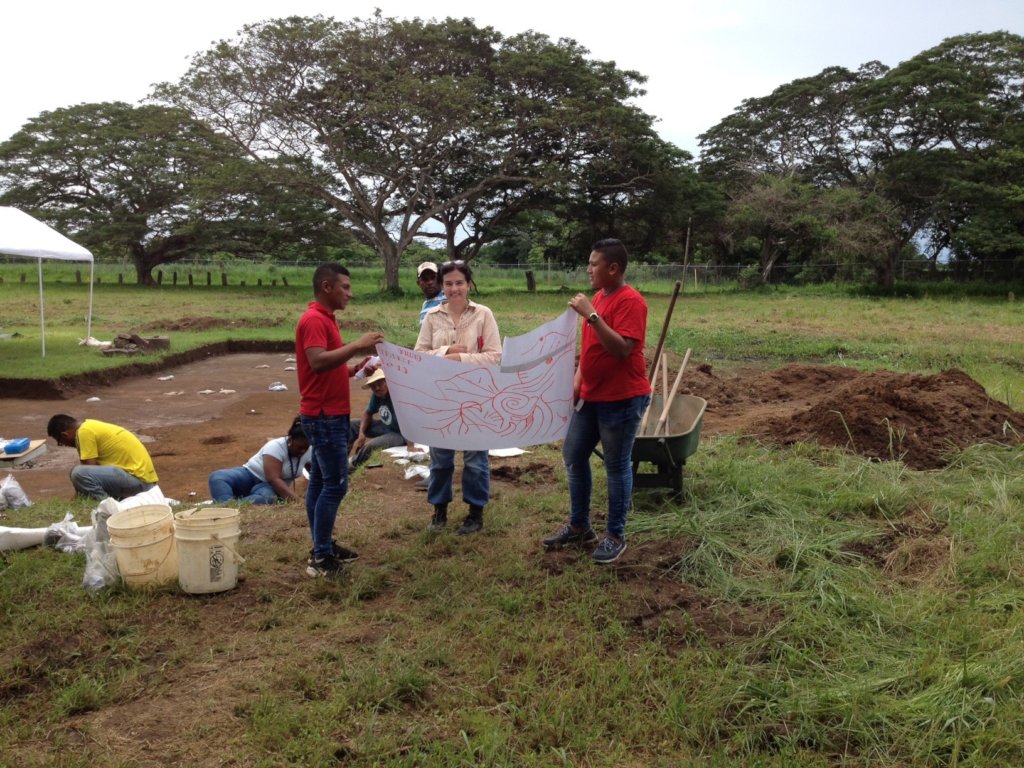
Since closing the excavation season in March, the Fundación El Caño has been continuing their various investigations and disseminating information about their research.
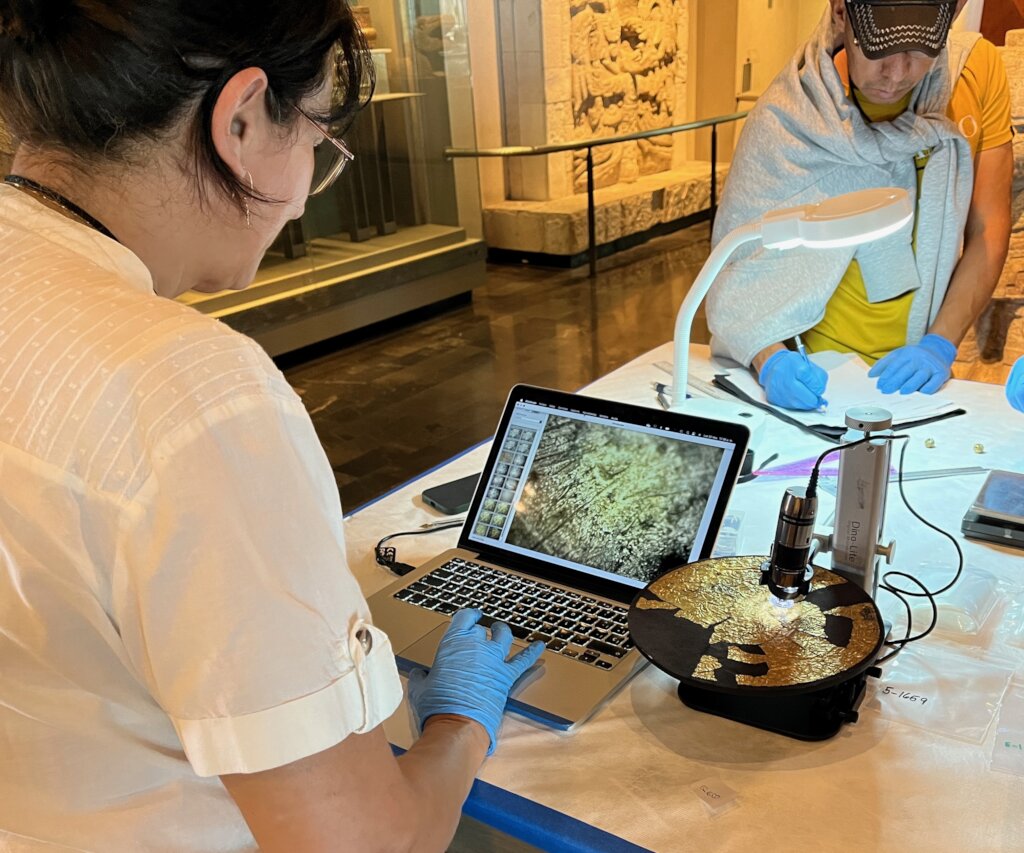
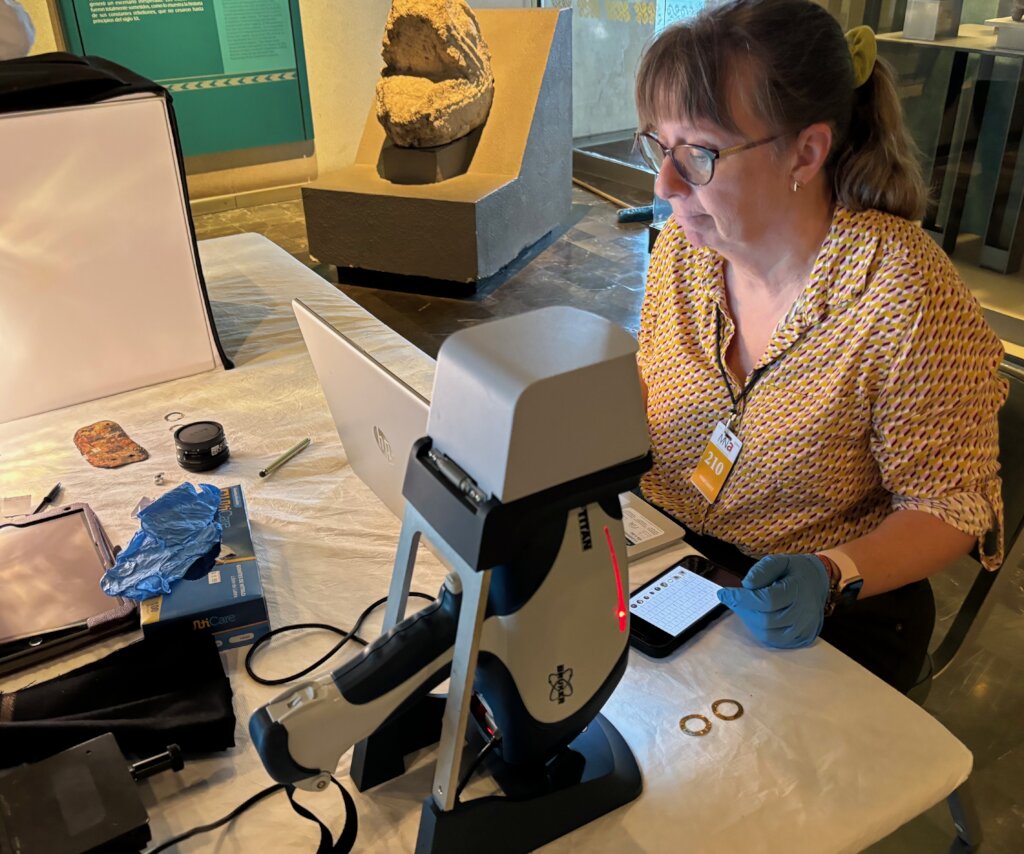
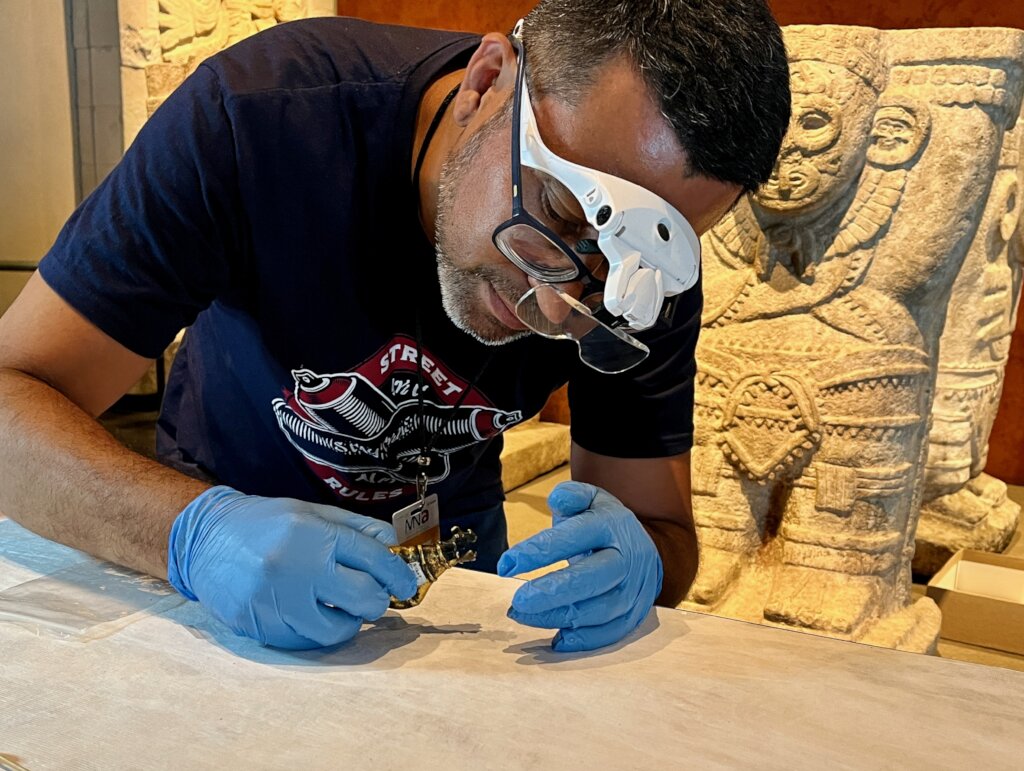
The project that was begun last year, involving tracing the exchange of goods along the isthmus, is ongoing. Dr. Julia Mayo and other members of the Fundación El Caño- Centro de Investigaciones Arqueológicas del Istmo (FEC-CIAI), traveled to Mexico City, to work with materials of possible Isthmian origin currently in the custody of the National Museum of Anthropology (MNA). The work at the MNA consisted of analyzing fifty-eight artifacts found in the Gran Cenote of the Maya city of Chichén Itzá, belonging to metallurgical groups with a wide distribution in the Isthmus of Panama.
The artifacts were selected for study after observing the stylistic resemblance with other artefacts found in archaeological sites in Panama, especially in El Caño and Sitio Conte, two places where tessellated mosaic mirrors have been found that, according to our research, seem to be of Maya origin.
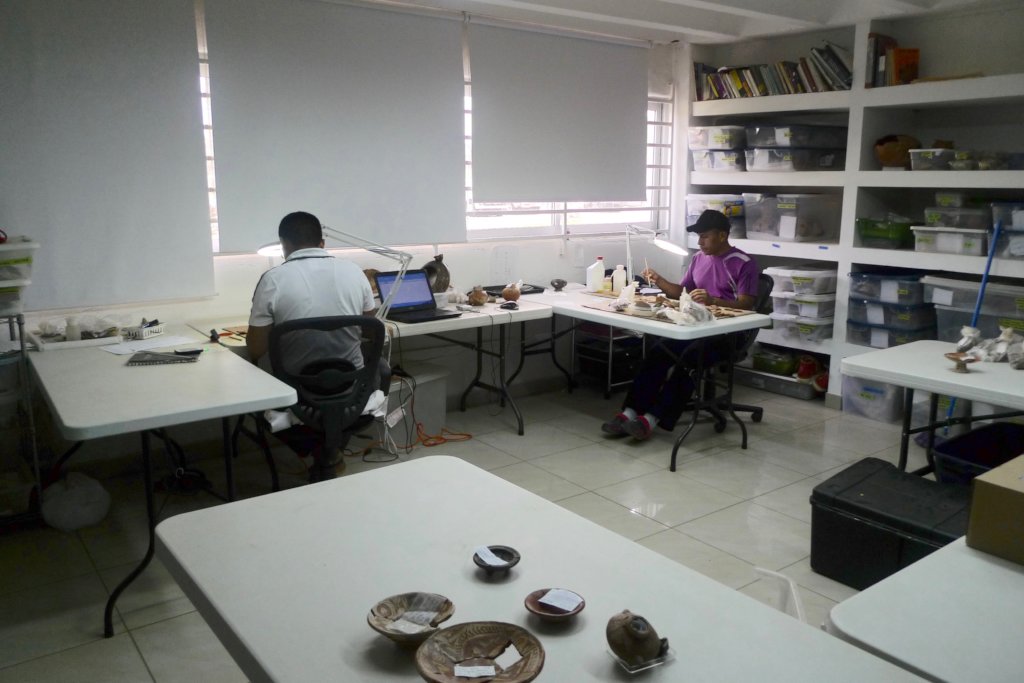
To certify their provenance, an analysis of the metallic elements was carried out utilizing a portable X-Ray Fluorescence (pXRF) spectrometer. The manufacturing marks on the surface were characterized by direct observation under the microscope or through impressions made of the surface of these artifacts.
The hypothesis is that the tessellated mosaic mirrors and metal artifacts may have been part of an exchange network between the chiefdoms of the Isthmus and the Maya kingdoms. The analysis of the artifacts from the Gran Cenote aims to demonstrate that they come from the Isthmus.
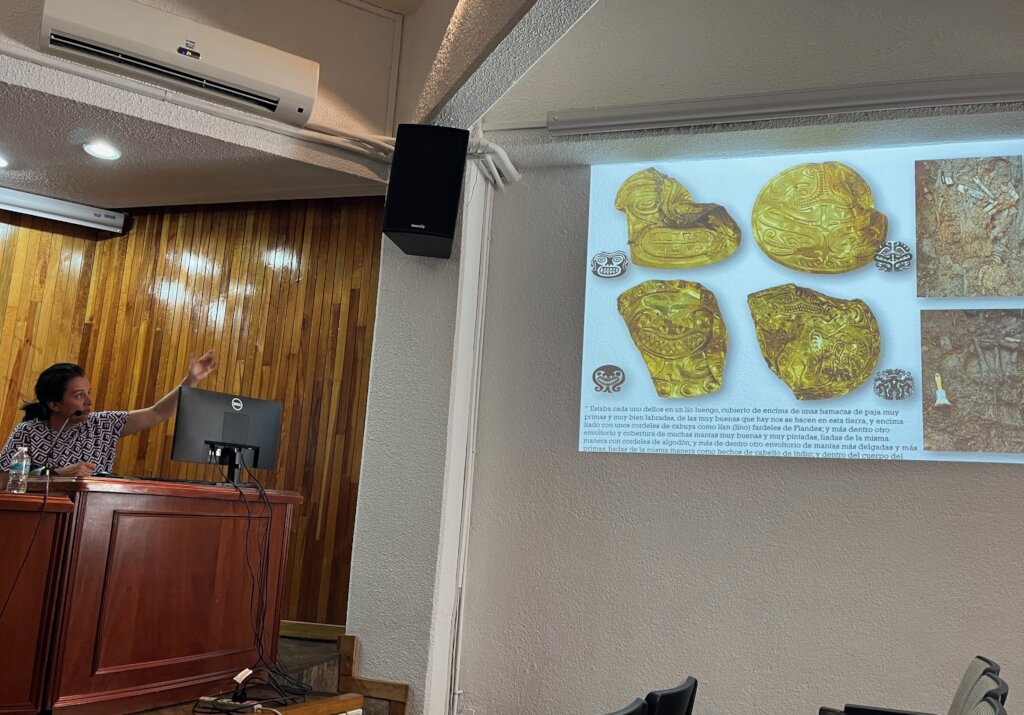
Dr. Mayo was also invited by the Universidad Nacional Autónoma de México (UNAM) to give a postgraduate course, "Approach to the archaeology of the Isthmus-Colombian zone and the study of ancient societies through the analysis of materials found in funerary contexts". The work at the MNA was done in conjunction with the course at the UNAM. Julia and Dr. Carlos Mayo were also invited to give presentations at the Museo del Templo Mayor.
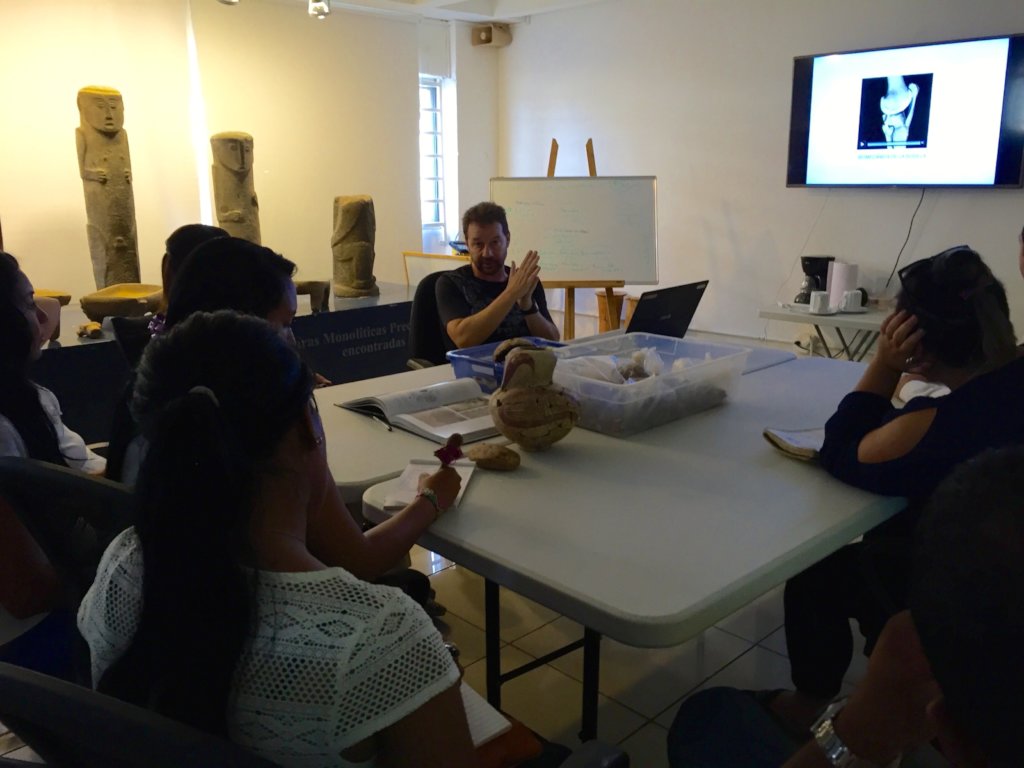
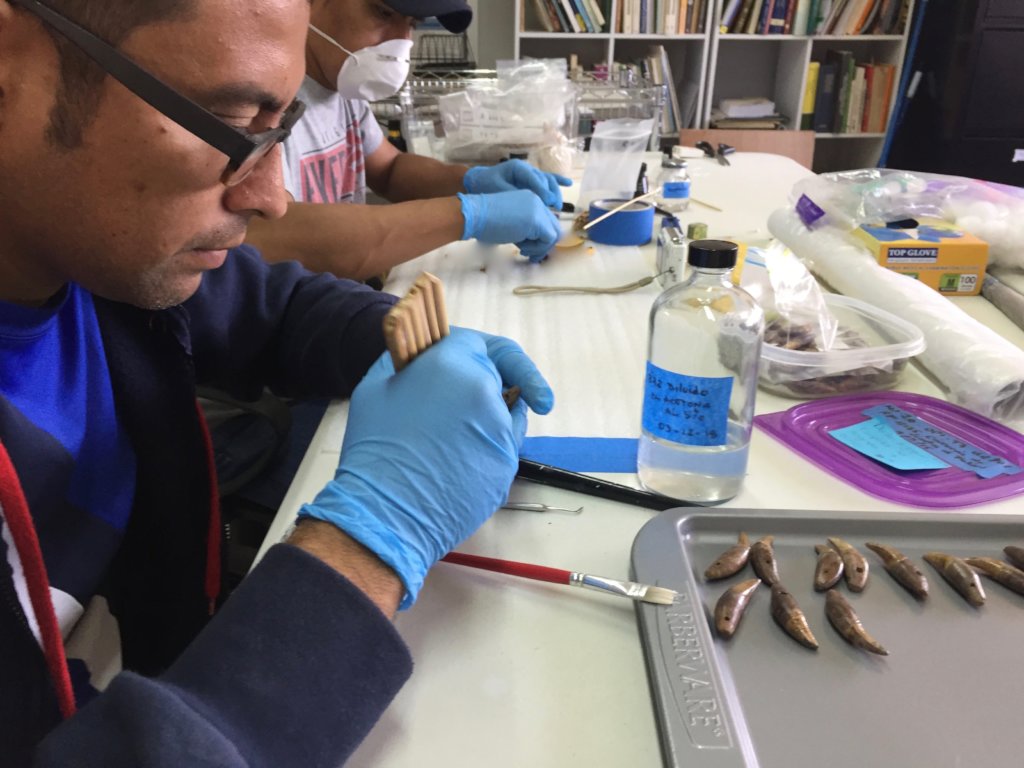
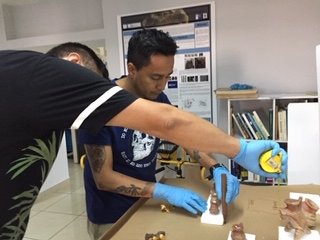
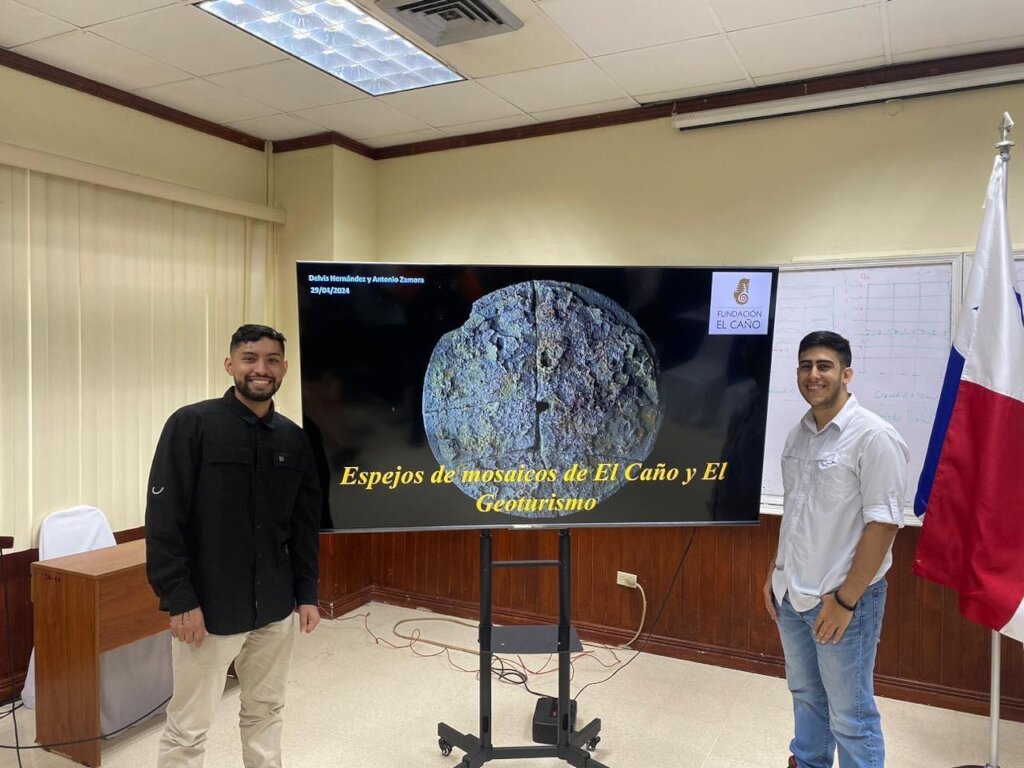
Two geology students from the Universidad Tecnológica de Panamá, Antonio and Delvis, have been participating in the exchange of goods project in identifying the different types of rocks and related materials used in the creation of the mirrors and other artifacts recovered from El Caño. They have been conducting experimental archaeology in order to identify which rocks leave which types of manufacturing marks on different materials to help identify the processes used to create the artifacts. Antonio and Delvis participated in a seminar organized at their university to discuss the contributions of geology and tourism. They presented El Caño as a site of geological as well as archaeological interest and spoke briefly about the research they are doing at the FEC-CIAI, on the nature and origin of the stone bases of the tesserae mosaic mirrors found at El Caño.
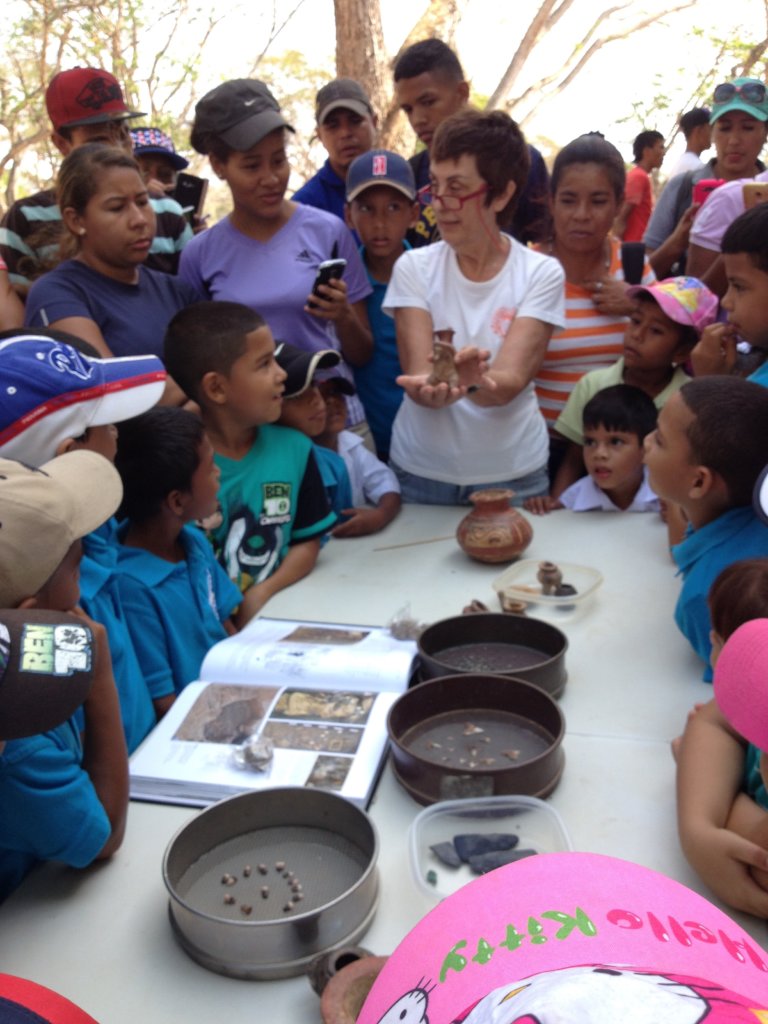
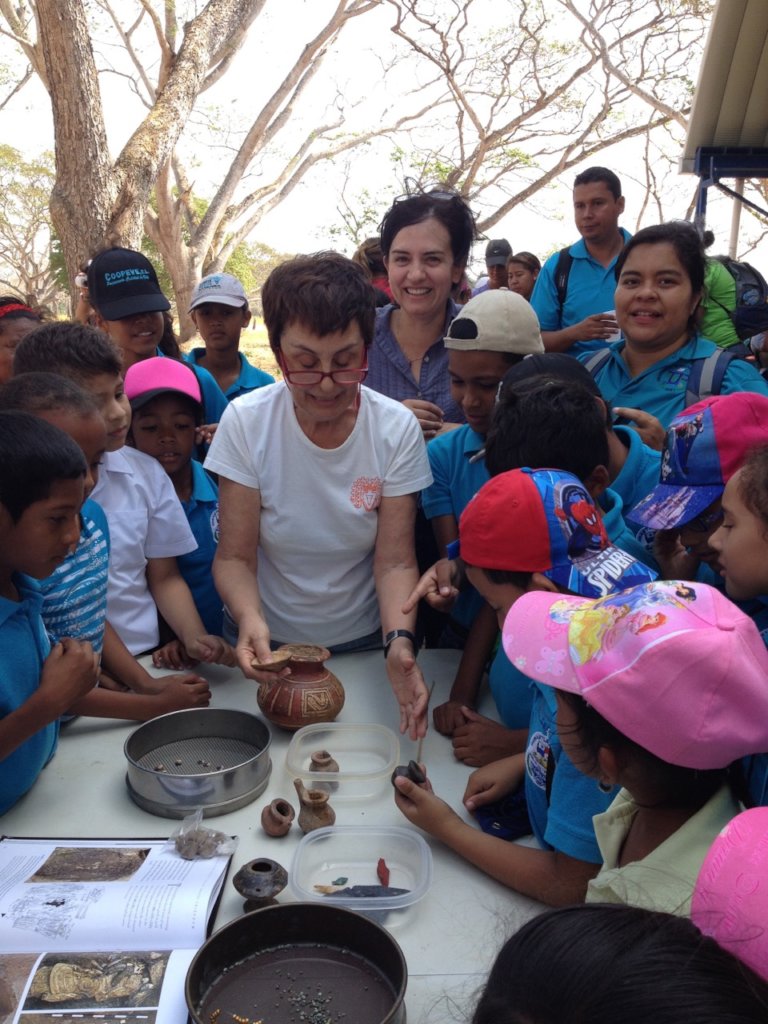
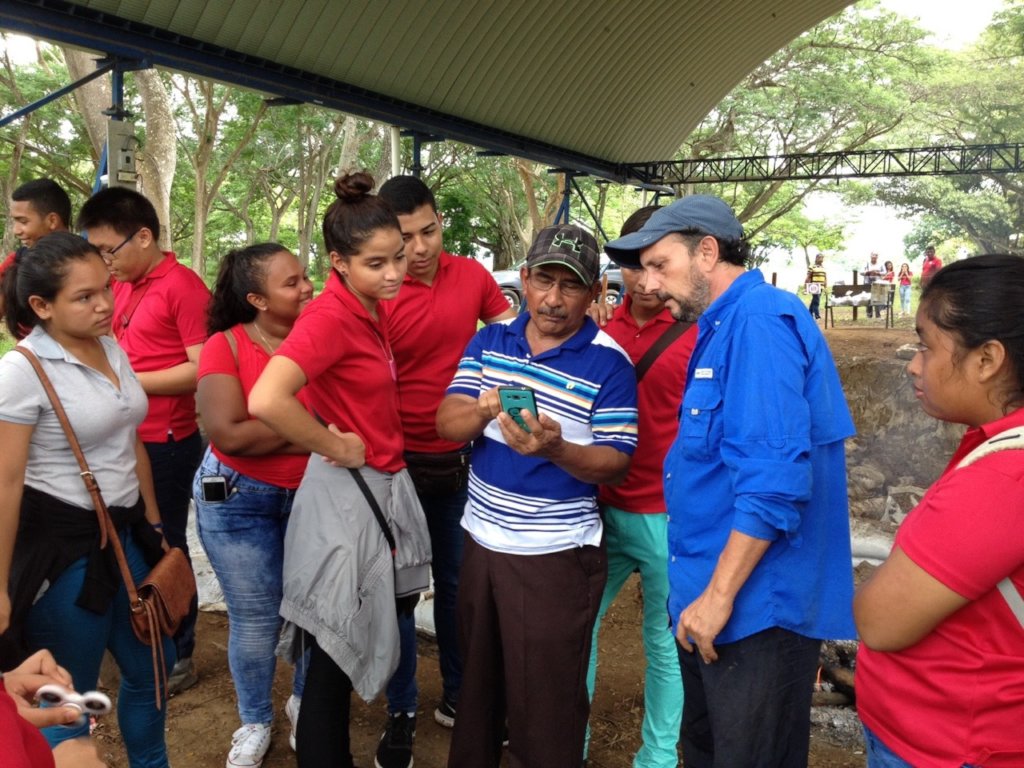
Several team members participated in scientific conferences as well as presentations to local and civic groups as well as giving interviews through radio and print media as part of the aspect of sharing the research and findings by the Fundación.
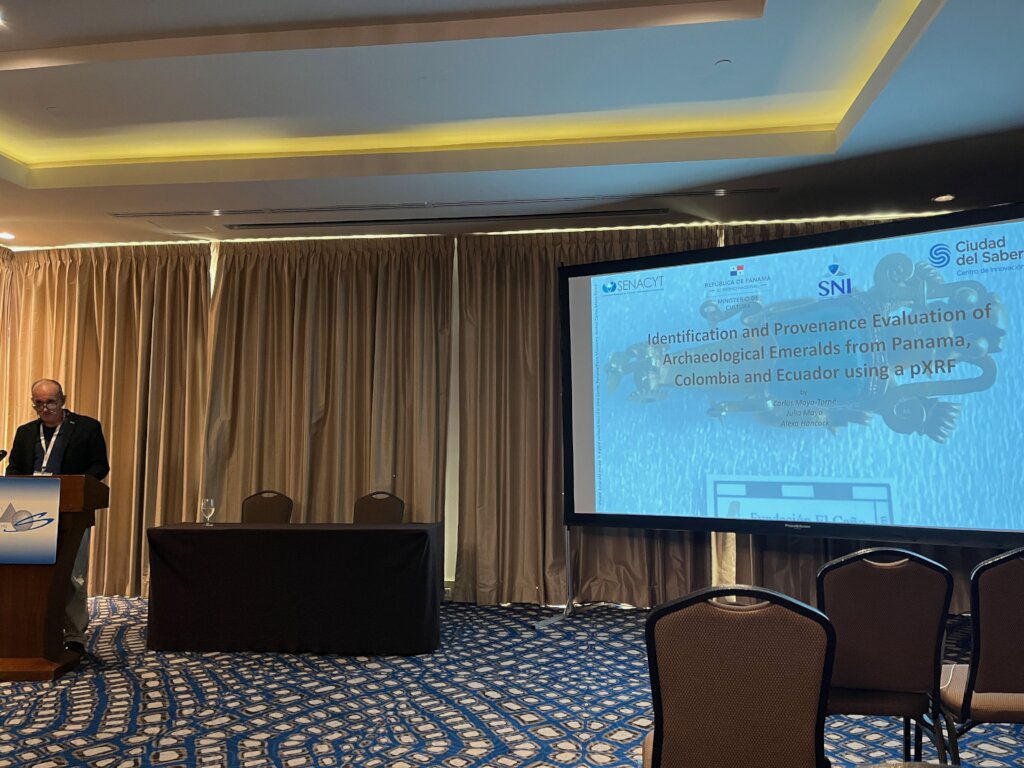
Dr. Carlos Mayo presented “Identification and Provenance of Archaeological Emeralds from Panama, Colombia and Ecuador using a pXRF” at the Pan American Ceramics Congress and Ferroelectrics Meeting of Americas 2024 in Panama City. This presentation discussed the findings of the analysis done on the emeralds discovered in El Caño as a part of the overall exchange of goods project.
Both Doctor Julia Mayo and Doctor Carlos Mayo participated in the 89th annual conference of the Society for American Archaeology in New Orleans, Louisiana. Julia submitted a poster titled “Preliminary Results of the Physio-Chemical Analysis and Manufacturing Traces of the Tesserae Mirrors from El Caño, Gran Coclé Archaeological Tradition (750-1100 CE). Carlos submitted a poster titled “Long-Distance Exchange of Emeralds in the Isthmo-Colombian Area”, with co-authors Julia Mayo Torné, Alfredo Campos, Eliecer Ching and Hannah Fernández. As a part of the conference, Julia gave a presentation during the the symposium “Centralizing Central America: New Evidence, Fresh Perspectives, and Working on New Paradigms”.
The National Secretariat of Science, Technology and Innovation (SENACYT), who since 2005 has financed several archaeological projects in the province of Coclé, including the investigation of the provenance of artifacts found in El Caño, published articles and videos about the findings related to the discoveries of tomb T9. The videos can be found on the Fundación El Caño YouTube channel, the link found on our web page.
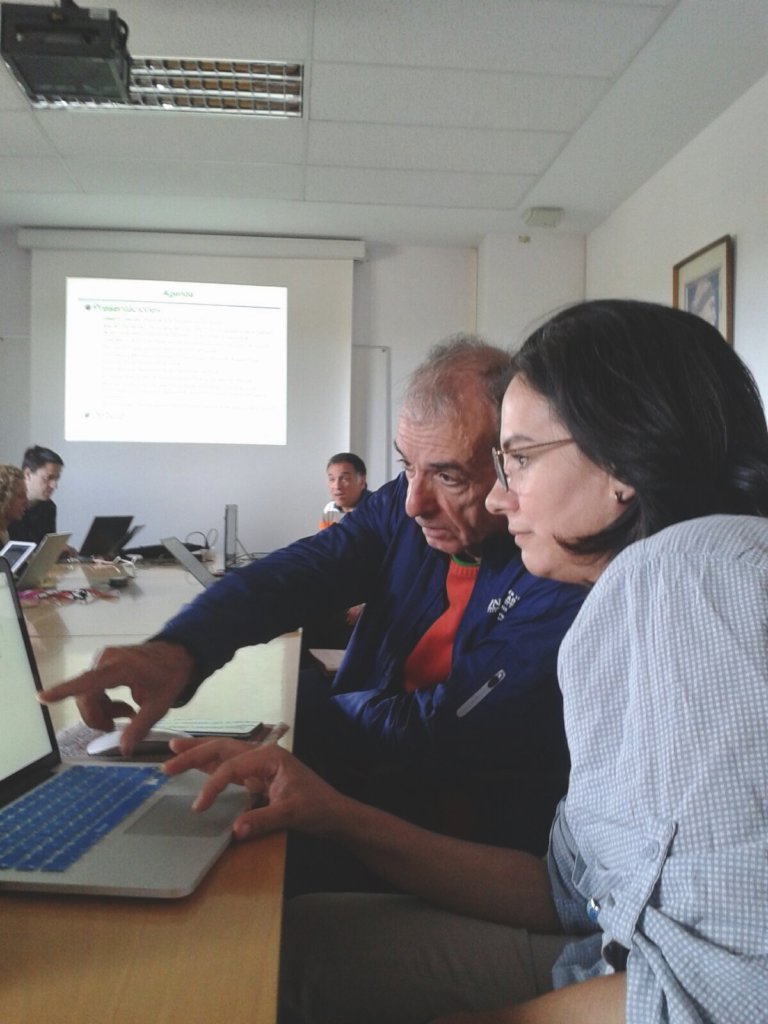
As a part of the collaboration between the El Caño Foundation and Global Digital Heritage, Dr. Julia Mayo participated in the Global Digital Heritage World Conference in Sigüenza, Spain. During her presentation Dr. Mayo discussed the artifacts from El Caño that were digitized by Global Digital Heritage and can be seen by the general public.
Both Dr. Julia Mayo and Anthropologist Alexa Hancock participated in radio interviews on radio station Cool 89.3 FM to talk about the recent findings in El Caño, one in Spanish and one in English.
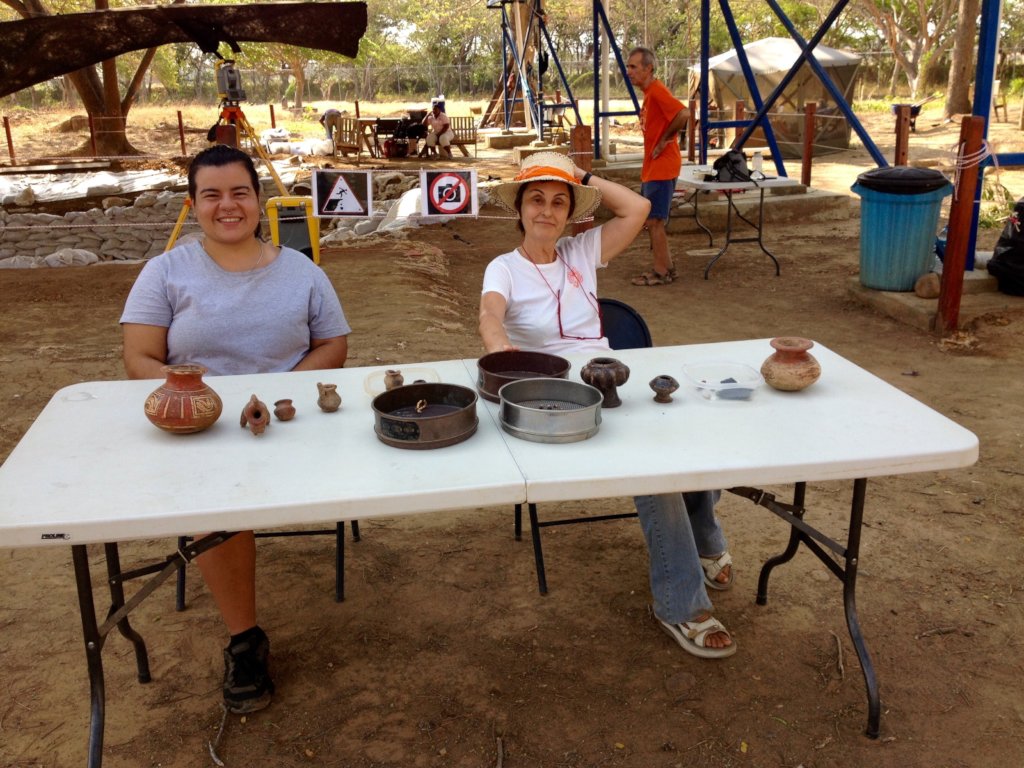
As a part of the outreach to the public, the Panamanian Ministry of Culture arranged various events and activities in commemoration of International Museum Day. Dr. Carlos Mayo gave a lecture at the regional museum of Aguadulce as a part of one of the events. The Ministry also arranged a one-day exhibit of some of the artifacts from tomb T9 in the new Museum of History of the Republic.
Links:
Project reports on GlobalGiving are posted directly to globalgiving.org by Project Leaders as they are completed, generally every 3-4 months. To protect the integrity of these documents, GlobalGiving does not alter them; therefore you may find some language or formatting issues.
If you donate to this project or have donated to this project, you can receive an email when this project posts a report. You can also subscribe for reports without donating.



Support this important cause by creating a personalized fundraising page.
Start a Fundraiser