By Julia Mayo | Project Leader
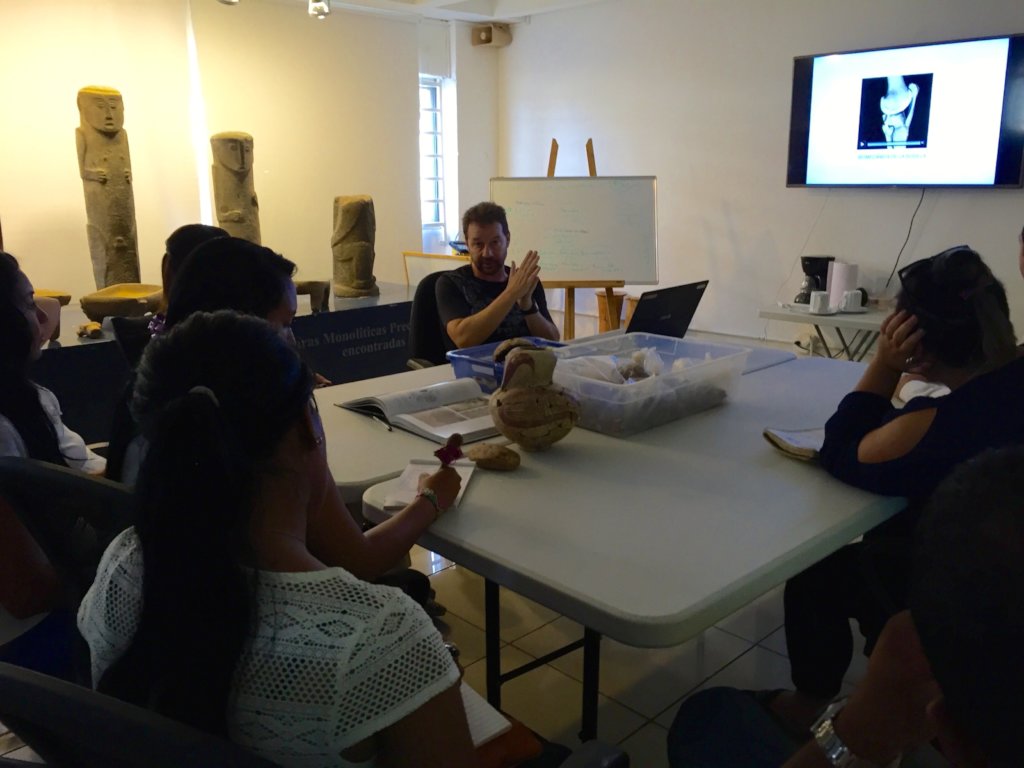
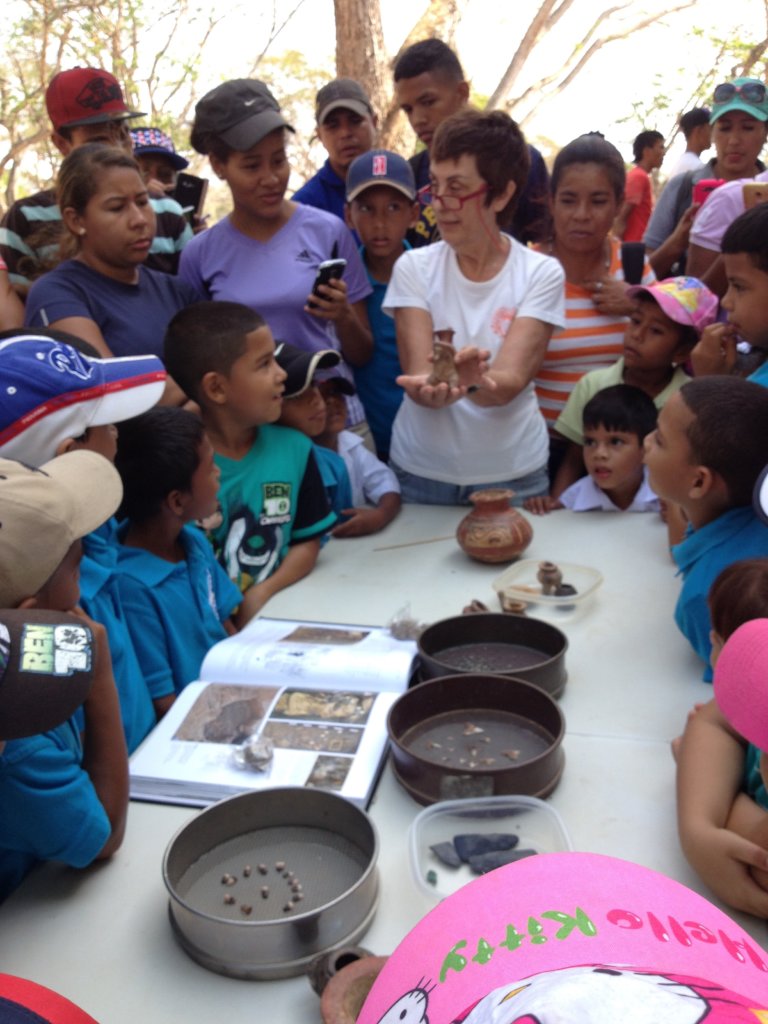
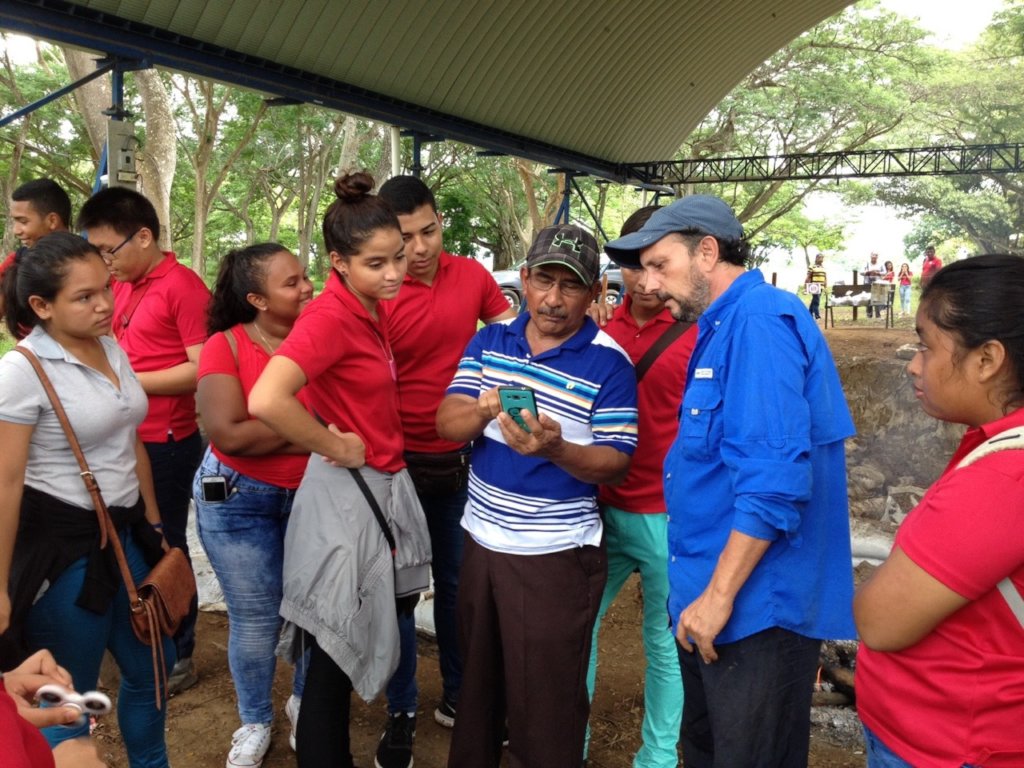
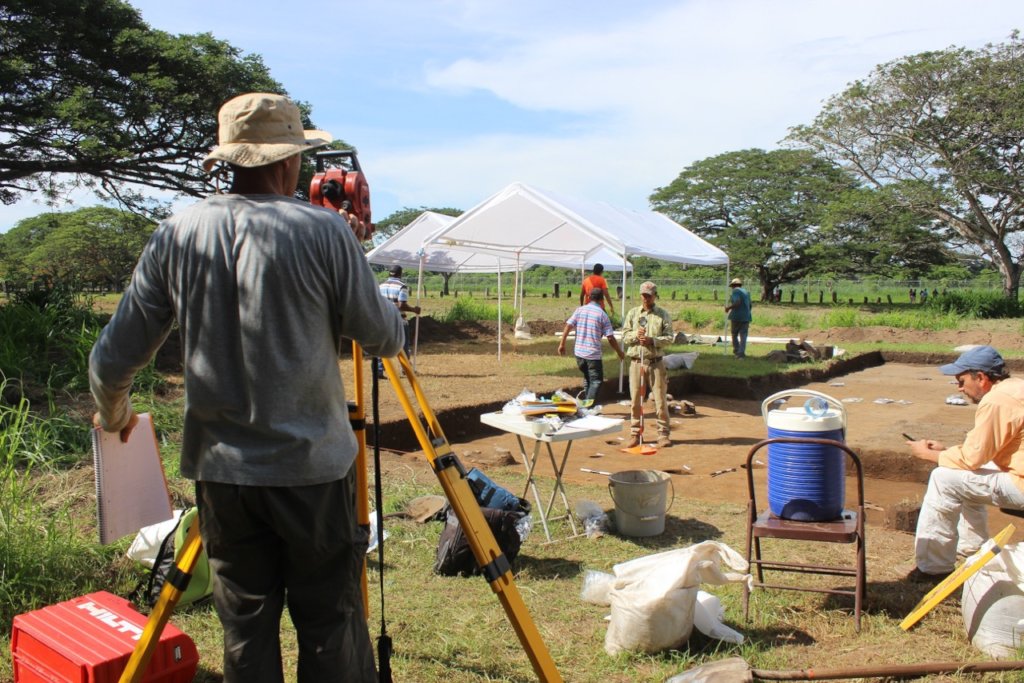
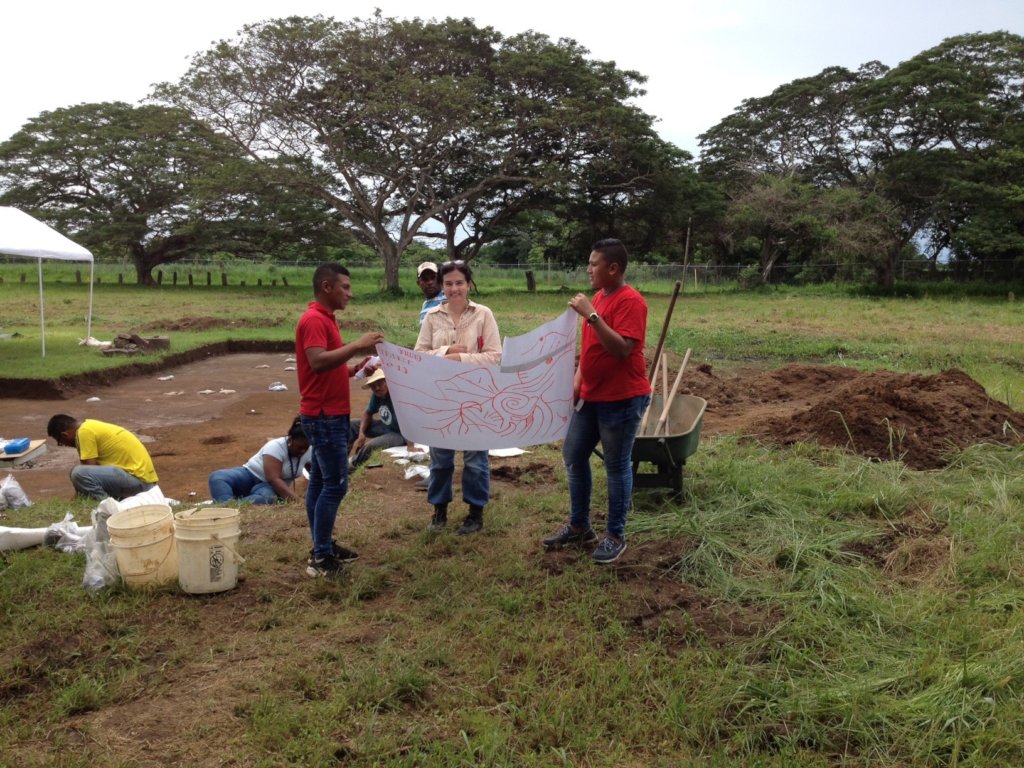
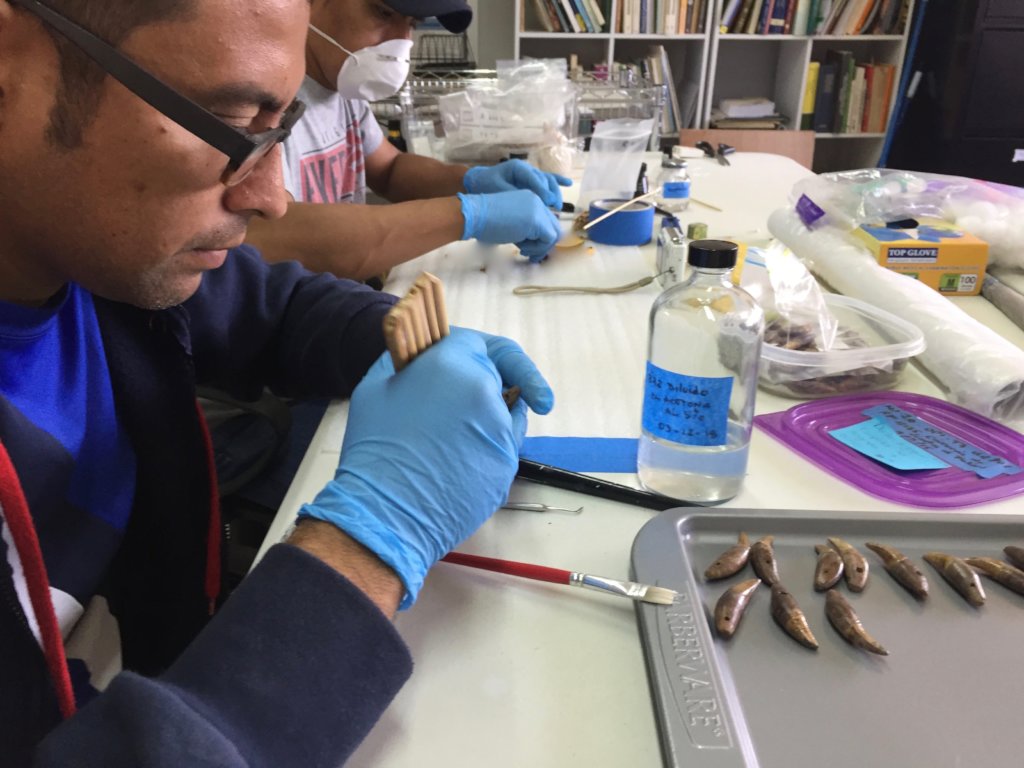
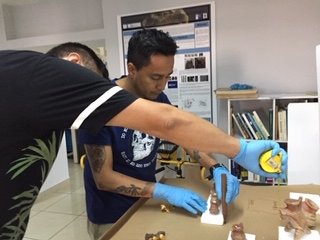
During the past four months Doctor Julia Mayo and Doctor Carlos Mayo along with several of the university students interning with the Fundación El Caño participated in a number of events that allowed them to share updates on various investigations being conducted by the team.
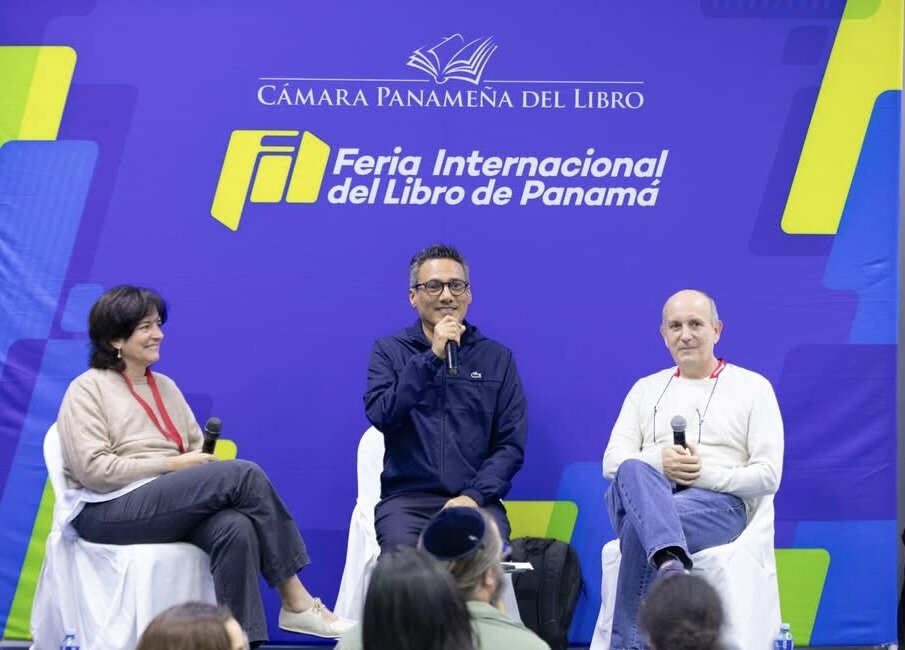
The Fundación El Caño collaborated with the City of Knowledge to publish a book about the exhibition “The Last Flight of the Shaman”, which took place in November of 2024. Julia and Carlos both participated in the unveiling of the book, with the editor from the City of Knowledge, Walo Araújo, at the annual book fair at the Atlapa Convention Center in Panama City. The three of them discussed the development of the book and took questions from the public attending the event.
On August 23rd, Dr. Julia Mayo participated in the symposium “Conservation and Protection of Panama’s Cultural Heritage”, organized by the InterAmerican University of Panama. She presented: “Gold, Ancestors, Rituals, and Sacred Spaces: Recent Discoveries in El Caño”. This was an opportunity for students and members of the public to learn about recent findings related to Panamanian culture.
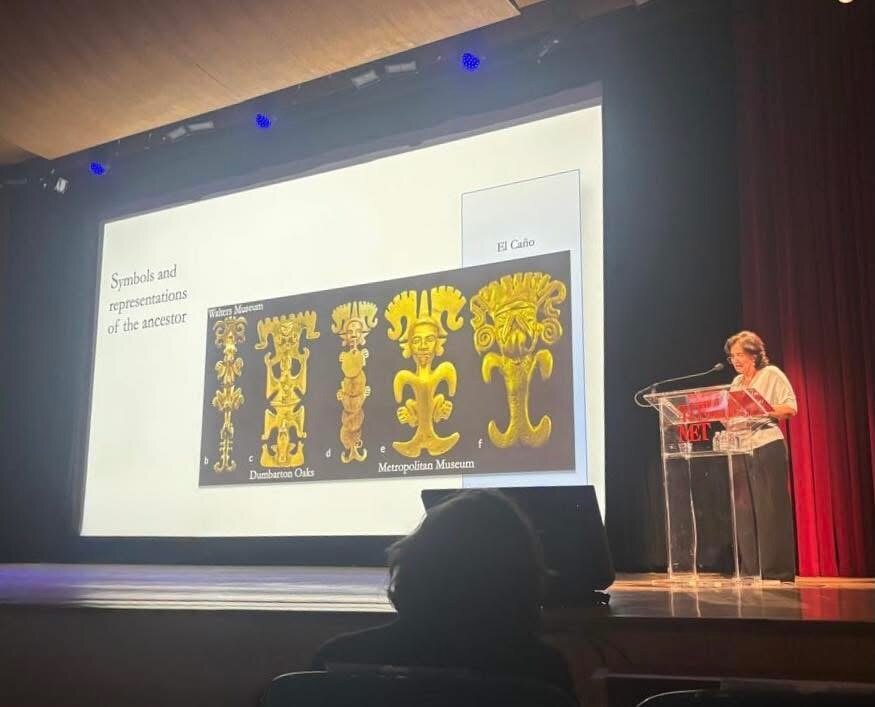
On September 13, 2025, Julia also spoke at The Met Museum in NYC during the "New Discoveries/New Directions in the Archaeology of the Ancient Americas" symposium. Her talk, “The El Caño Archaeological Site: Rituals, Ancestors, Gold and Power in Ancient Panama,” explored fascinating insights into the ancient Coclé people. Dr. Mayo shared how the Coclé honored their ancestors through elaborate burial rituals, including special preparations of the high-status individuals, leaving offerings, and using symbolic artifacts rich in meaning. This was a powerful look at how gold, belief, and community shaped ancient Panama’s past.
In addition to participating in public events to share information about the work of the Fundación El Caño, a number of articles written by team members were published.
Yadixa Mayin Del Valle Guardia published her bachelor’s thesis, “Study of Dulegan Fingerprint Patterns (Dermatoglyphs) in Panama and the Creation of a Paleodermatoglyph Reference Model YDG” in the University of Panama’s journal SOCIETAS! This research involved the study of the fingerprints of the indigenous populations the Nasos and Bribri, Ngäbe and Buglé to determine if there are dimorphism differences.
The article “Stylistic and Chemical (pXRF) Characterization of Grave Goods Found in Tomb 9 at El Caño, Panama (770–950 CE)” by Carlos Mayo-Torné, Julia Mayo Torne and Mercedes Guinea Bueno has been published in the recent edition of ARQUEOLOGÍA IBEROAMERICANA.
The article “Analysis of Pigments Used in Ceramic Decoration from El Caño, Panama (600–1520 CE)” by Carlos Mayo, Geraldín Martínez, Matthieu Ménager and Jorge Ceballos has just been published in the latest issue of the Caribbean Journal of Science. This study explores the materials and techniques used to decorate ancient ceramics uncovered at El Caño.
Dr. Carlos Mayo-Torné recently published a review of the book “Painting the Cosmos: Art and Iconography of the Ceramics of Ancient Panama” by Alan Grinnell, edited in the University of New Mexico. The review appears in the latest issue of the Revista Colombiana de Antropología.
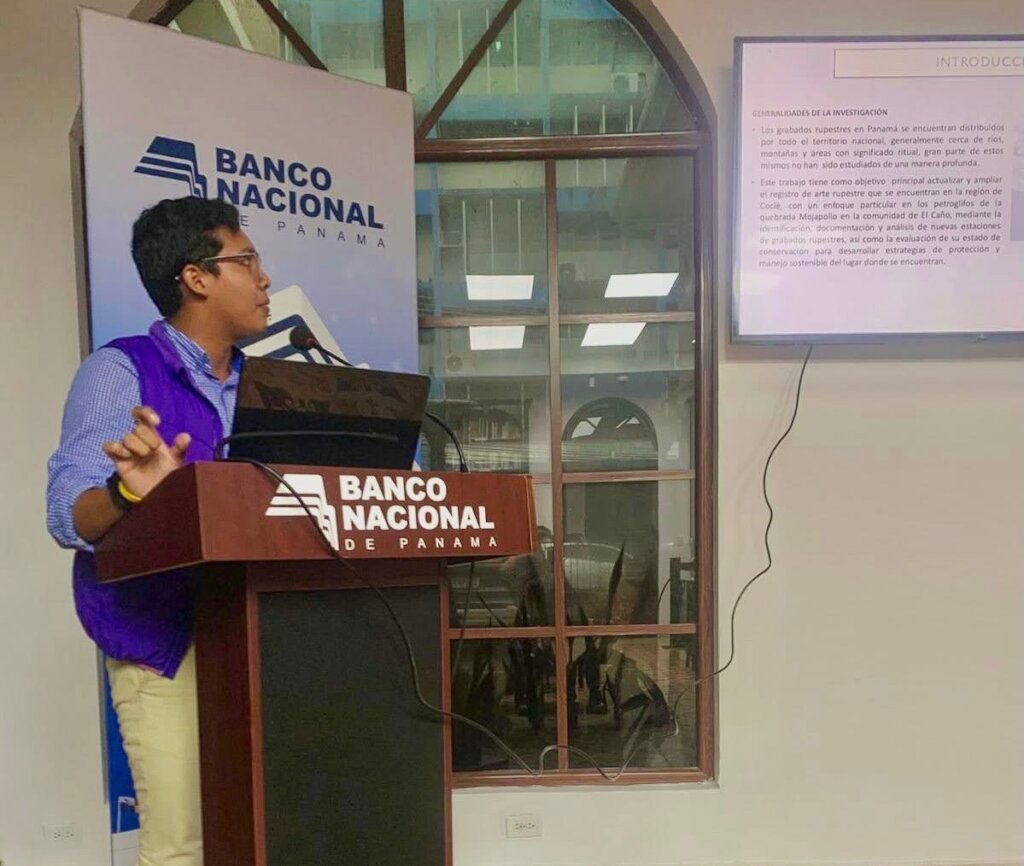
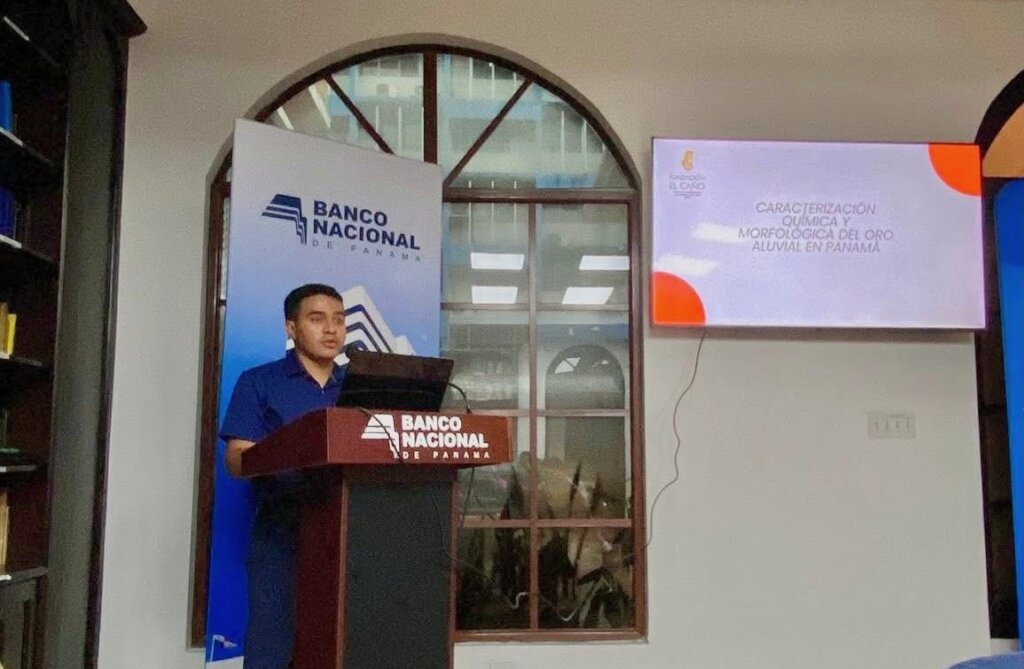
Several university students have on going research projects they are doing in relation to the El Caño necropolis. Gabriel R. and Gabriel C., two students from the University of Panama, took the stage at the Jornadas Académicas 2025, organized by the Centro de Investigaciones Históricas, Antropológicas y Culturales - AIP (CIHAC) and held at the emblematic Banco Nacional de Panamá - Casa Museo. Both are currently developing their thesis projects in collaboration with Fundación El Caño and had the opportunity to present their research to an academic audience.
Gabriel R. is working on updating the record of rock art in the Coclé region. His project focuses on the systematic documentation of petroglyphs in Quebrada Mojapollo, El Caño, with the aim of enriching and expanding knowledge about this archaeological heritage. Gabriel C. developed the thesis entitled “Chemical and morphological characterization of Panamanian alluvial gold”, a study that analyzes the physical-chemical properties of alluvial gold in order to better understand its origin and possible geological sources.
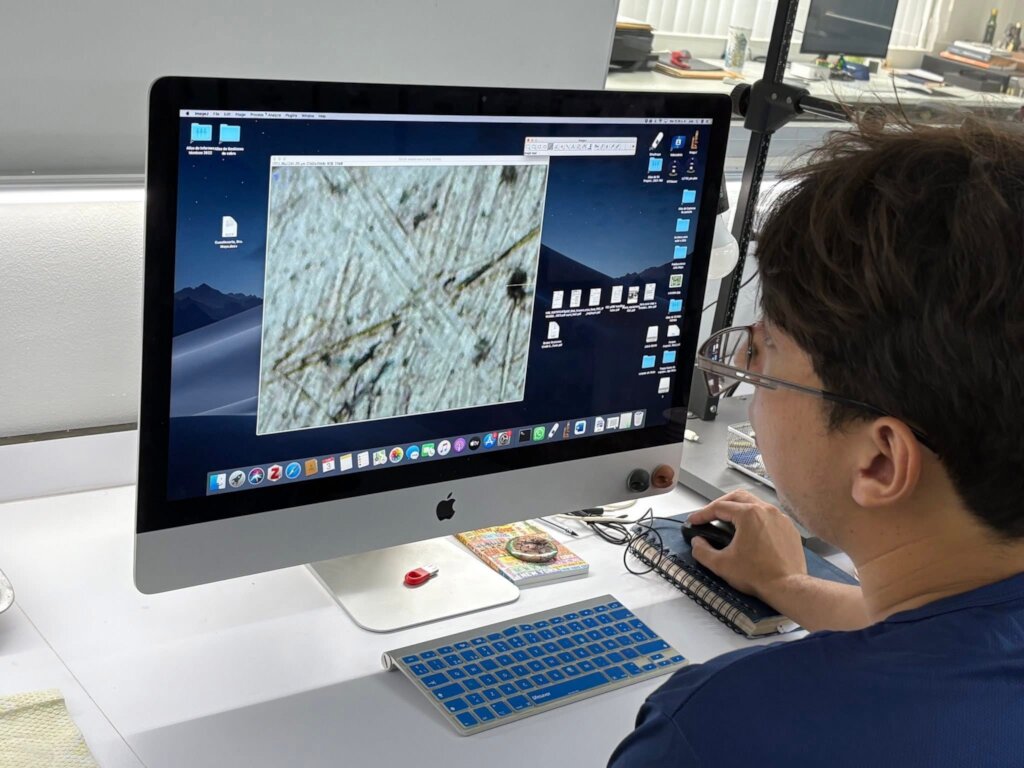
Abdiel, an anthropology student at the University of Panama, is working on a thesis entitled “Physical characterization of the manufacturing traces of gold artifacts from the archaeological site of El Caño”. Ancient societies used stone tools to work different materials. The stones selected to manufacture these tools had particular textures that, when used, were transferred to the modified materials, leaving marks known as manufacturing traces. The shape and dimensions of these traces (their width) make it possible to identify the type of stone tool used. From the identification of the tools, it is possible to recognize the workshops where the artifacts were manufactured.
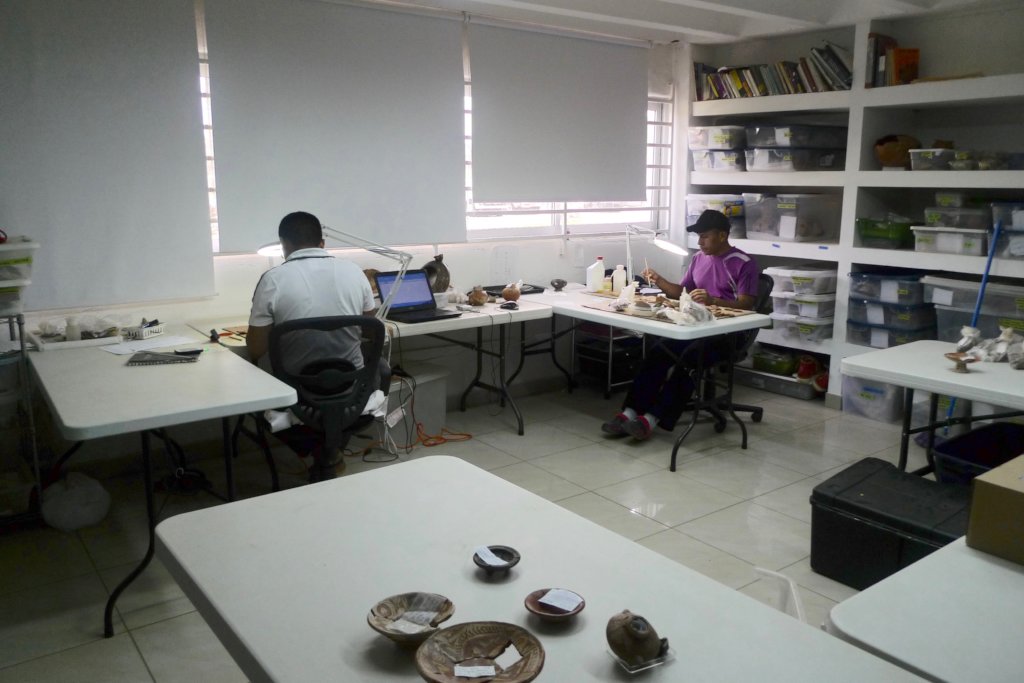
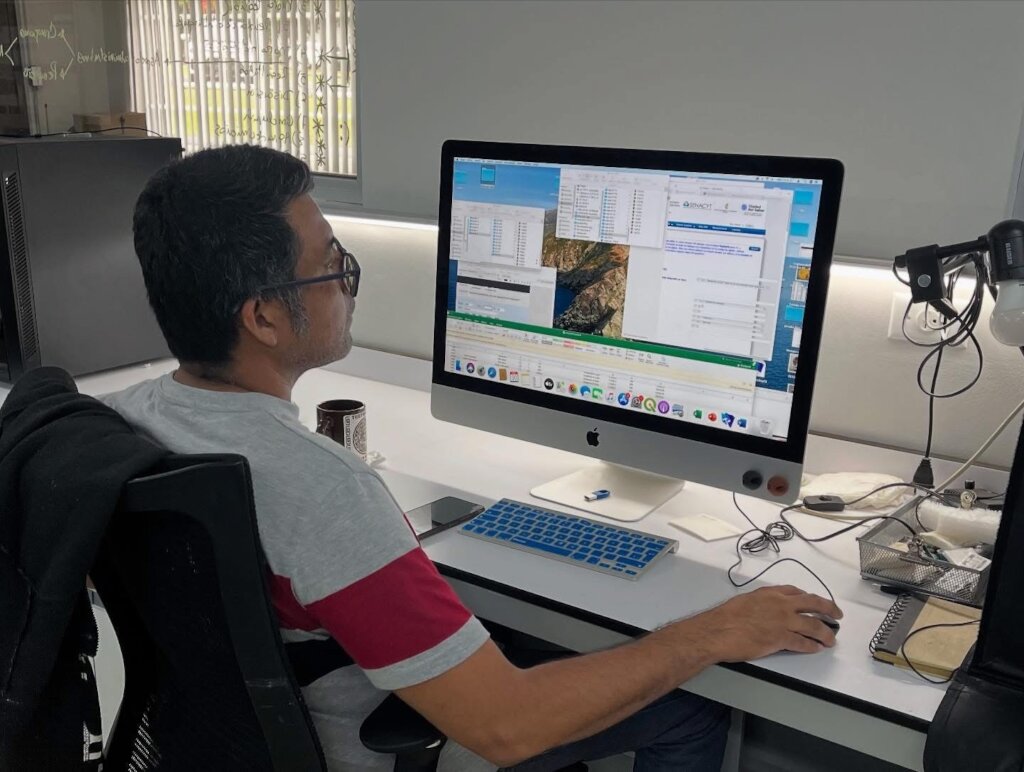
Elías, an anthropology student at the University of Panama, is developing his thesis project involving finds from the El Caño archaeological site. His project, “Management plan for the ceramic collection of Tomb 9,” seeks to preserve and organize one of the most important pre-Hispanic collections in Panama. His work consists of elaborating a field and laboratory management plan, conserving and registering the ceramic pieces, designing an archaeological database with the Filemaker program and creating an illustrated technical and stylistic catalog. This project aims to protect the ceramic heritage of El Caño and facilitate its study for future research.
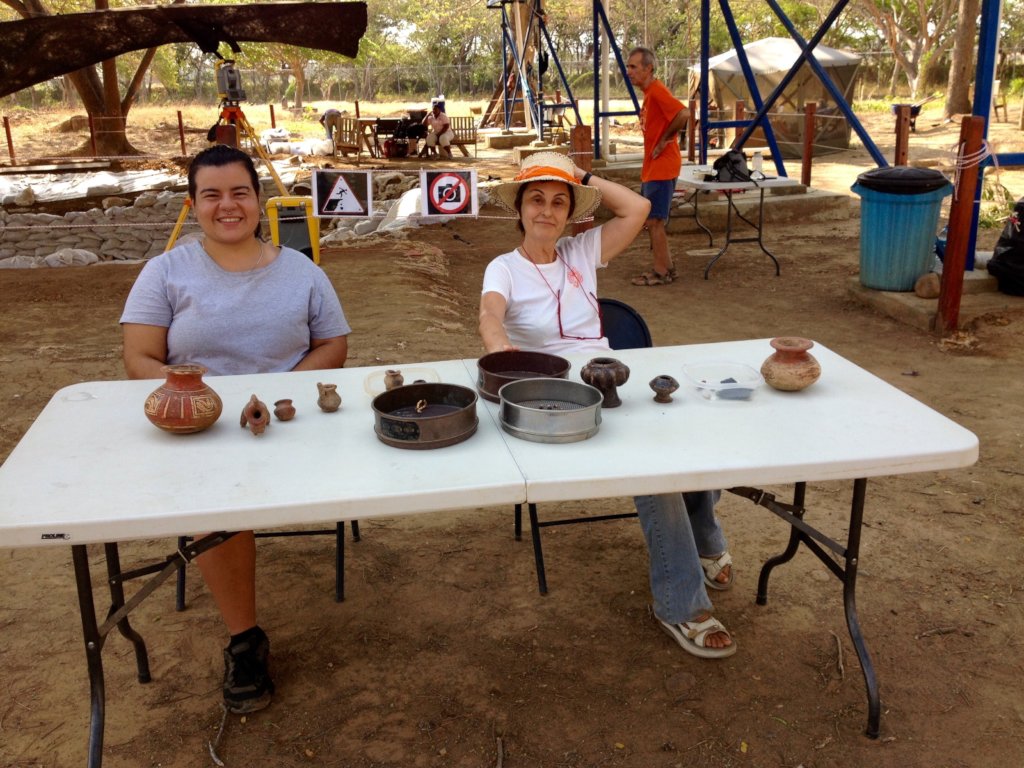
Amalie, a Ph.D. candidate in archaeological anthropology at the University of Kansas, recently visited the El Caño Foundation to continue her fascinating research into ancient Coclé ceramic art. During her stay, Amalie recorded 42 ceramic vessels featuring crab designs—part of her ongoing thesis work to understand how crab imagery was used across pre-Columbian sites in the Greater Coclé region, especially around Parita Bay. These pieces came from various tombs at the El Caño site, including bowls, plates, effigy vessels, and pouring jars. The well-preserved and well-documented nature of the El Caño collection makes it a key part of Amalie’s project, especially since many museum pieces lack specific archaeological context. Amalie’s work will help uncover how these ancient artists used crabs not just as decoration, but as meaningful symbols woven into the region’s cultural history.
Gabriel D., an anthropology student at the University of Panama, is developing his thesis at the Fundación El Caño. His research seeks to discover the secrets behind the pre-Hispanic ceramics of the Gran Coclé region, analyzing the chemical and mineral composition of purple and blue pigments. He is studying the variability in the use of raw materials for the elaboration of ceramics in sites of the archaeological region of Gran Coclé, using Fourier Transform Infrared (FTIR), a non-destructive technique that uses infrared light to study materials without damaging them. Gabriel is also using Scanning Electron Microscopy / Energy Dispersive Spectroscopy (SEM EDS) and X-Ray Diffraction (XRD).
Links:
Project reports on GlobalGiving are posted directly to globalgiving.org by Project Leaders as they are completed, generally every 3-4 months. To protect the integrity of these documents, GlobalGiving does not alter them; therefore you may find some language or formatting issues.
If you donate to this project or have donated to this project, you can receive an email when this project posts a report. You can also subscribe for reports without donating.



Support this important cause by creating a personalized fundraising page.
Start a Fundraiser