By Peter Serete | Program Coordinator
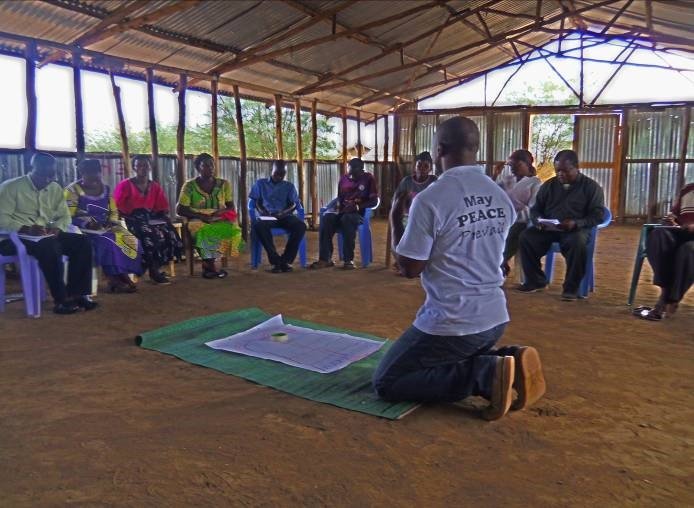
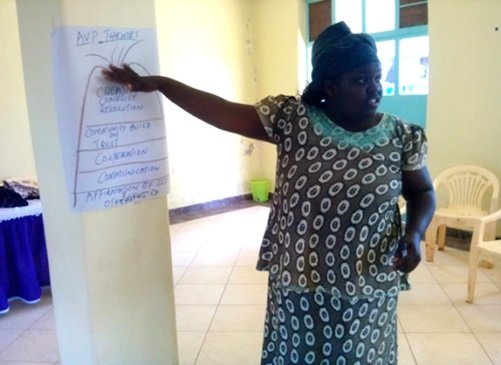
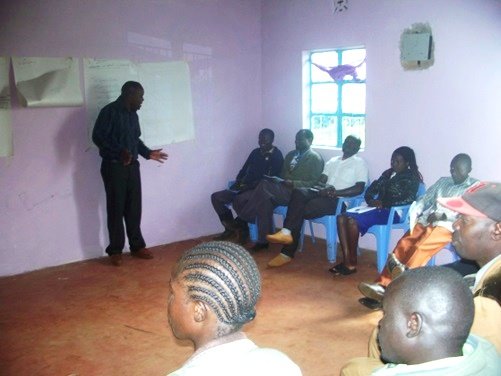
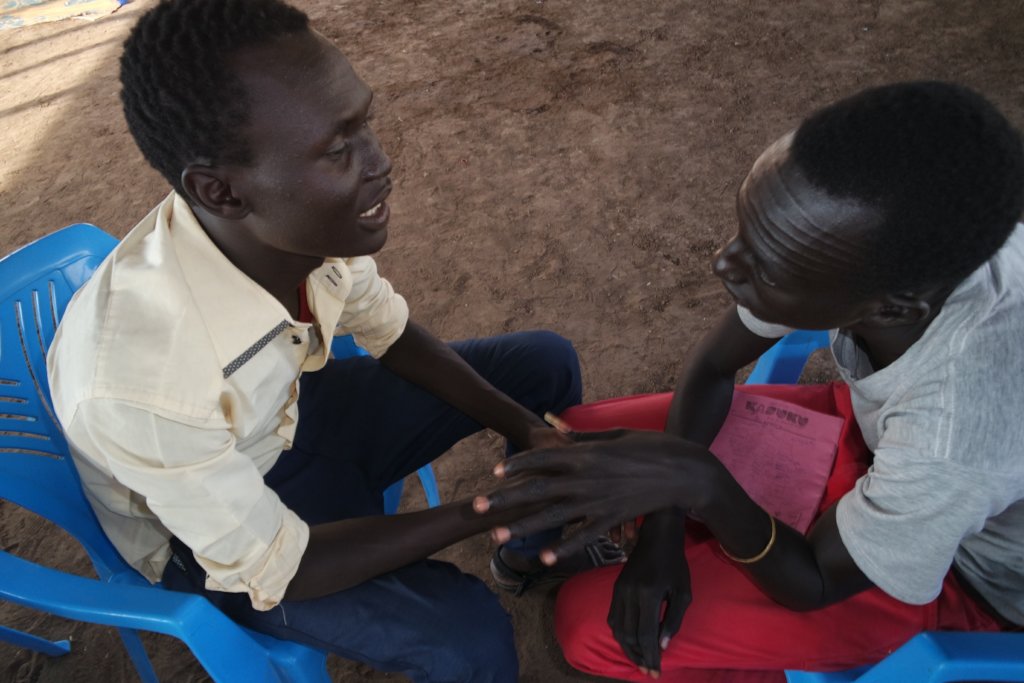
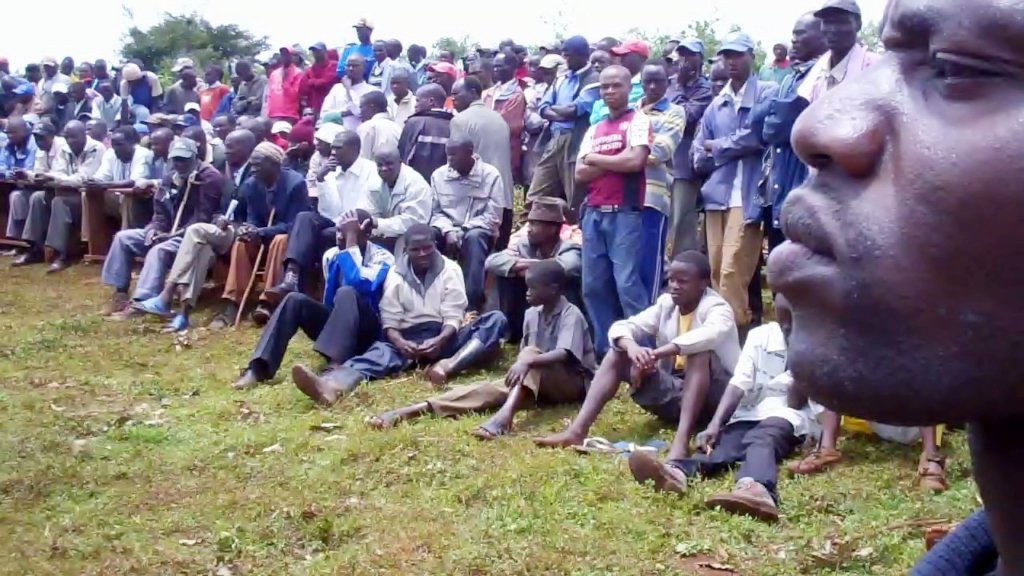
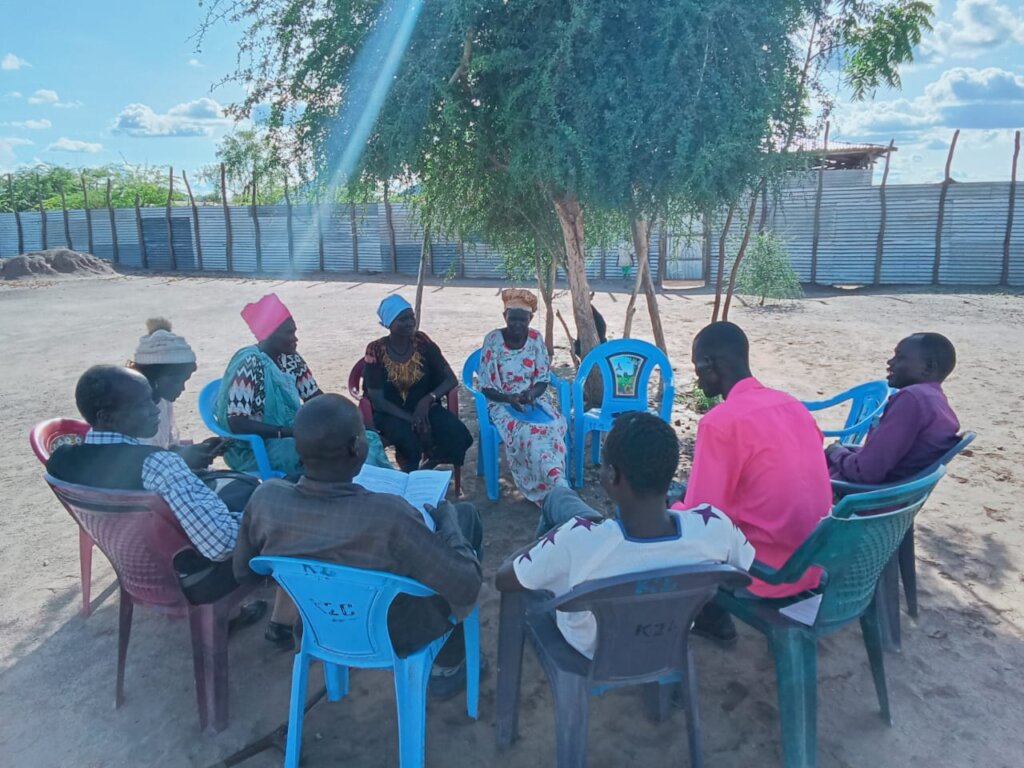
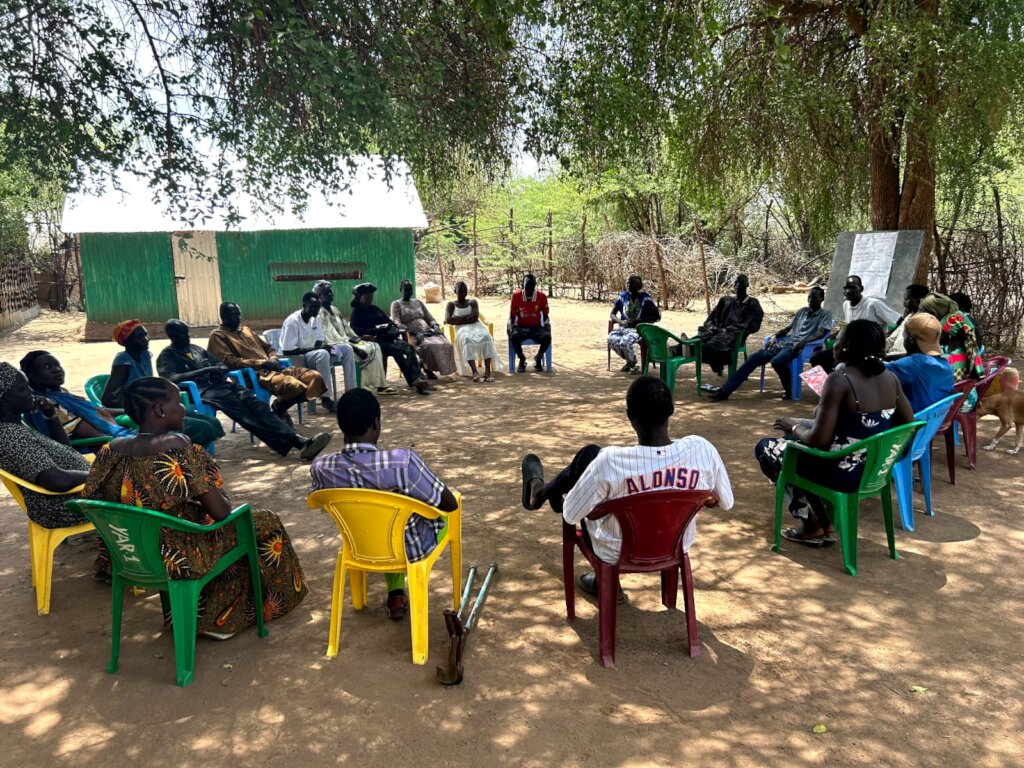
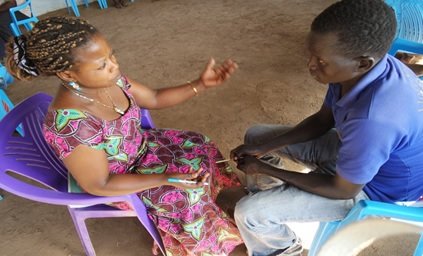
In response to the worsening humanitarian crisis in Kakuma Refugee Camp and Kalobeyei Settlement, our organization Transforming Community for Social Change (TCSC)conducted six Listening Sessions aimed at supporting refugees who are increasingly vulnerable due to food insecurity, lack of healthcare access, and disrupted education. The sessions targeted 150 participants drawn from previous AVP (Alternatives to Violence Project) and HROC (Healing and Rebuilding Our Communities) trainings. 67 women (30 and above years), 55 men (30 and above year) 45 youth (18-30 years) 2 People with disability. A total of 168 refugees participated in the Listening sessions.These sessions were implemented amid growing desperation in the camp following the withdrawal of several aid agencies, exacerbated by the ripple effects of American sanctions affecting African countries, including interruptions in USAID funding. The situation is especially dire for women and youth who have lost not only material support but also safe spaces for advocacy and healing.Listening Sessions, a tool developed in Kenya following the 2007 post-election violence, provided a structured environment for participants to share their pain, reflect on personal and communal challenges, and begin the journey toward healing. Each session included guided empathy exercises, storytelling, and referrals for deeper trauma care and conflict resolution.
“When we were receiving food, we could at least eat twice a day. Now with just rice and sorghum and no cooking oil, I sometimes go two days without food. I came here for protection, but even my body is no longer safe,” shared Elizabeth, a 34-year-old mother of three from South Sudan. “But this session reminded me I am not alone.”
“I saw pictures of two young men killed during the protest on my daughter’s phone,” said Peter, a HROC facilitator from South Sudan. “We were just standing in solidarity with the women. Since then, I have had nightmares and feared leaving my shelter. This session helped me speak for the first time. I cried in front of strangers and they didn’t judge me.”
Fatuma, a Congolese refugee in Kalobeyei settlement scheme, added, “Back home, we are taught never to speak about emotions. Here, I saw women and men listening to each other, and it made me believe that healing is possible. This space means a lot to me.”
These testimonies are a powerful reminder that listening is not passive—it is active healing. Participants were not only heard but also connected to follow-up services such as counselling, trauma healing groups, and peacebuilding programs under AVP and HROC.
The Listening Sessions have proven to be an essential intervention during this critical time. They offer more than temporary relief; they lay the foundation for long-term resilience and community restoration. Participants emerged with a renewed sense of dignity, hope, and solidarity.We are committed to expanding these sessions and deepening the support we offer, but we urgently need prayers, support, partnership, and solidarity to continue. As one participant concluded, “What we need now is not just food—we need to be seen, to be heard, and to be healed.”
Project reports on GlobalGiving are posted directly to globalgiving.org by Project Leaders as they are completed, generally every 3-4 months. To protect the integrity of these documents, GlobalGiving does not alter them; therefore you may find some language or formatting issues.
If you donate to this project or have donated to this project, you can receive an email when this project posts a report. You can also subscribe for reports without donating.



Support this important cause by creating a personalized fundraising page.
Start a Fundraiser