By Martha Houle | Senior Resource Development Officer
Background
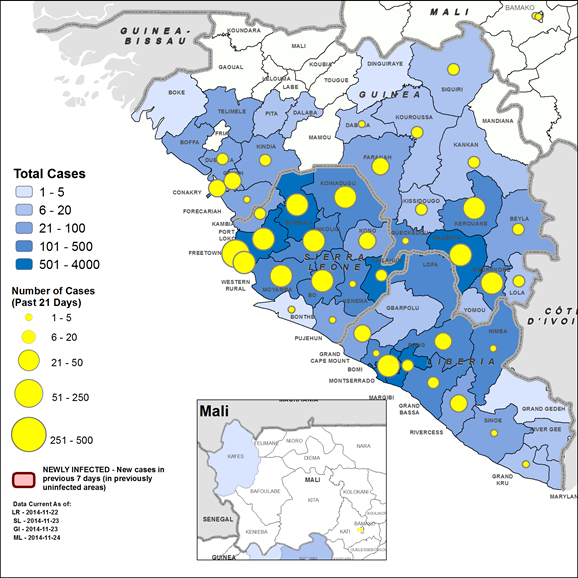
The World Health Organization’s December 10th Ebola Situation Report cites 17,942 total suspected, probable or confirmed Ebola cases and 6,388 deaths, mostly in West Africa. The case fatality rate across the three most-affected countries in patients is approximately 72%; in hospitalized patients the case fatality rate is lower, 60%.
International Medical Corps: Acting as First Responders
“We’re now six months into the Ebola crisis and it’s still in full throttle. We’re going to need far more manpower, expertise and resources to stem the flow and help many more patients to recover. And people must be kept aware. This virus is still raging here. People must stay informed.” – Sarata Silla, Head Nurse charged with recruiting, training and coordinating the work of nursing staff at International Medical Corps’ two Ebola Treatment Centers in Lunsar and Makeni, Sierra Leone.
Need #1: Treatment – 4 Ebola Treatment Centers
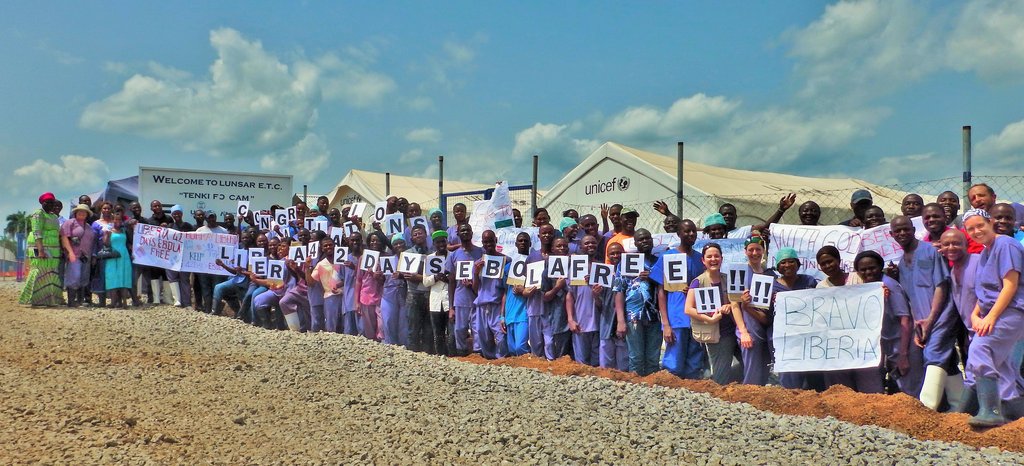
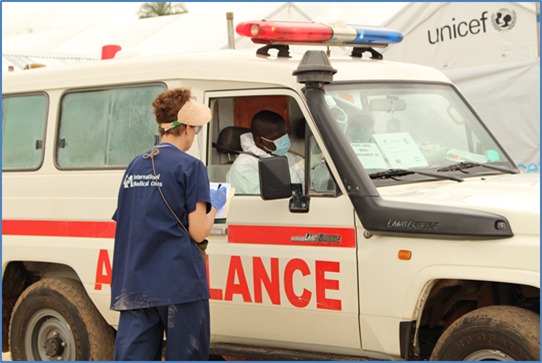
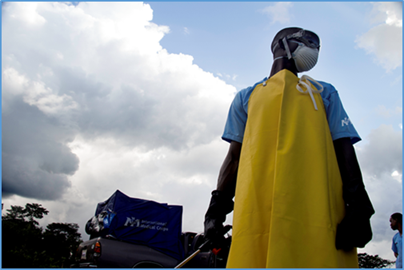
The global community has been very responsive to the Ebola crisis in West Africa. Thanks to the generosity of government and private donors, International Medical Corps operates three Ebola Treatment Centers in Bong and Margibi Counties in Liberia, and in Lunsar, Sierra Leone. Our first Center opened in Bong County on September 15th and our fourth will open in Sierra Leone in the town of Makeni, in mid-December. They are strategically located for maximum impact, and at full capacity they can offer a total of 320 beds to admit, diagnose and treat suspected, probable and confirmed Ebola cases—meeting about 10% of the total need in the region. With 1,250 beds available, Liberia has been able to meet more than 70% of its identified need, but Sierra Leone, with only 406 beds, is still short 1,094 beds. Our Centers provide access to care for 1.5 million people around the clock, and each employ about 200 clinical, logistics and technical personnel, 90% of whom are local. We have also provided Ambulances to safely transport patients to and from the Centers; help us reach patients in remote communities; enhance our capacity to trace and collect suspected and confirmed cases; support burial teams; and provide additional capacity to the Ministry of Health’s District Medical Teams as we work side by side to thwart the spread of this disease.
The situation requires a fast, but also a flexible approach. We are basing our response to the outbreak in each country not only on epidemiology, but also on its unique context and specific needs.
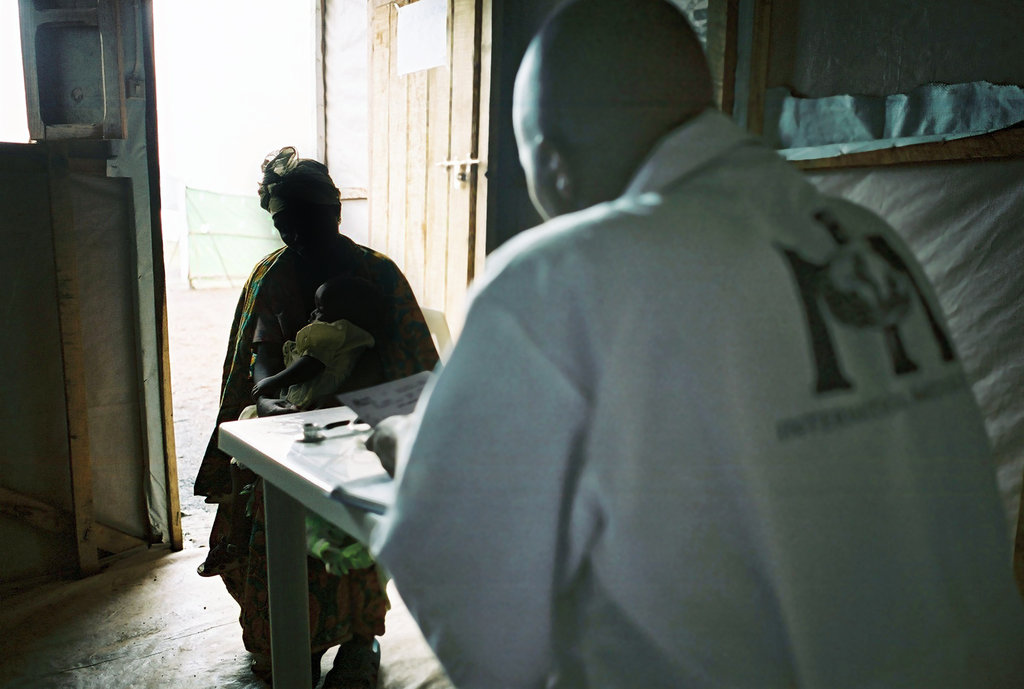
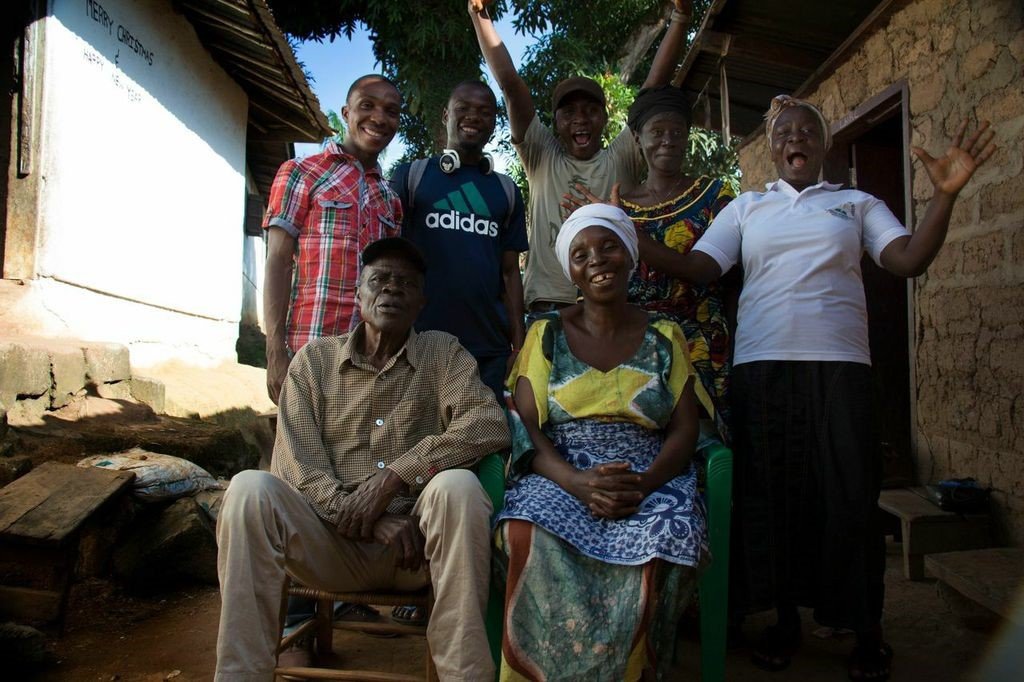
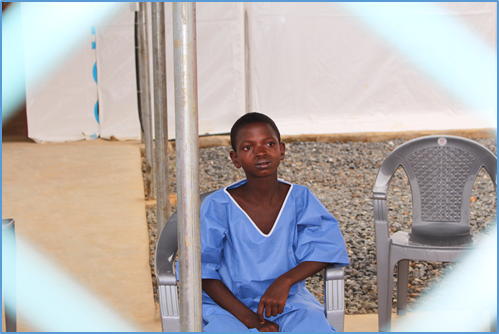
Comfort, a Liberian scrub nurse, was lucky. When she got infected with the “nurse killer” where she worked at Phebe Hospital in Bong County, she was terrified. Five of her fellow nurses had already died of Ebola. When she arrived at International Medical Corps’ Ebola Treatment Center, just a couple of kilometers away, Comfort was certain she too wouldn’t survive. She kept thinking, “Ebola kills and there is no medicine for it.” She was right. But Treatment Centers can save about 40% of their patients by controlling blood pressure and with hydration and nourishment. Today, Comfort is one of our many success stories. She is working for International Medical Corps as a nurse, at the Center that saved her.
“When I enter a place with people with Ebola, I know I cannot get it again. I’m free now—I’m happy. I can help patients, talk to them, counsel them, tell them how to be safe.”
Need #2: Training – 7-10 Day Course Offered at 2 Centers
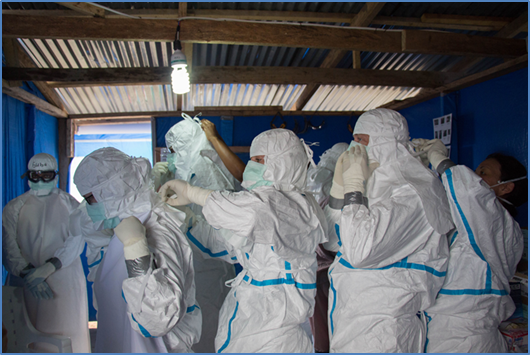
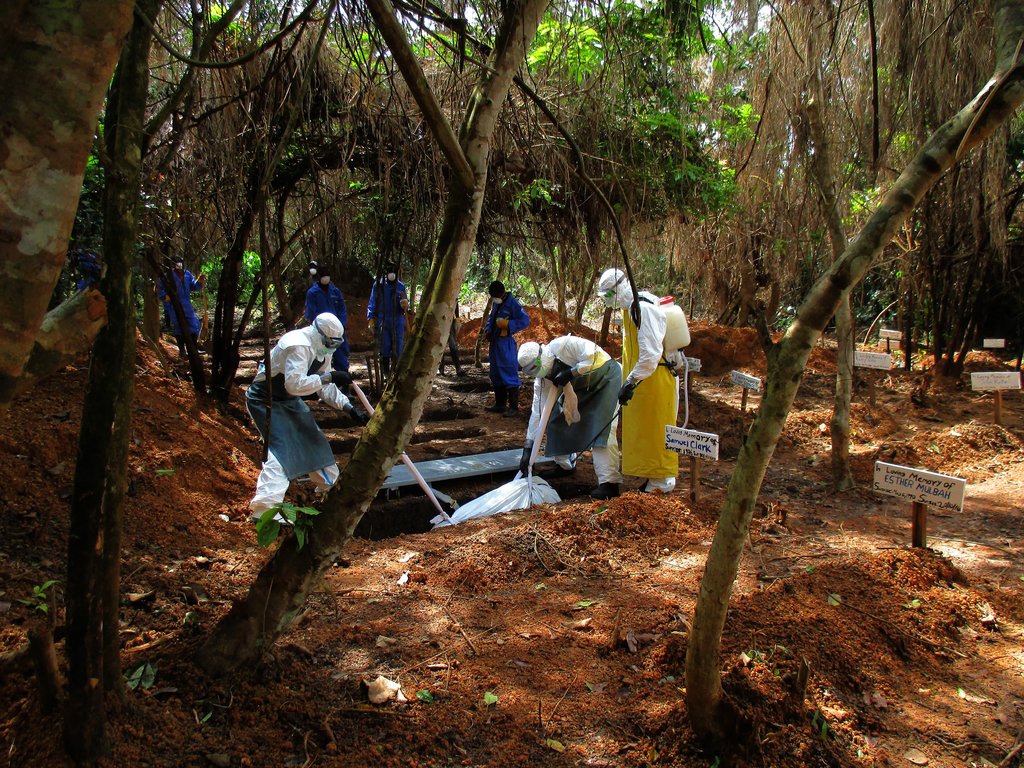
Staff safety and competence are of primary importance in this outbreak, as out of 620 health workers infected with Ebola in West Africa, 345 have died. In Liberia, Ebola is called “nurse killer” because of the number of doctors and nurses who have died from the disease. The region can ill afford this loss. Liberia and Sierra Leone, with only 187 doctors in 2012 for a combined population of 10.2 million, have a critically small health workforce. (By way of comparison, Croatia and Denmark together, with the same population, had 31,287 doctors in 2012.) Training is key. To rapidly scale up the number of frontline health workers with the skills equipped to fight this disease, in early November we began offering our standardized Ebola training course, the Multi-Agency Training Collaborative Curriculum (MATCO), to members of International Medical Corps and partner organizations. This 7-10 day course draws on expertise and technical content provided by the World Health Organization, Centers for Disease Control and Prevention, and Doctors Without Borders (MSF). Topics include the use of personal protective equipment, patient transport, admission, triage, psychosocial support for staff and patients, quality assurance, infection protection and control, case management, and management of the dead. To date, we have trained more than 250 frontline healthcare workers, 130 workers in Bong County, Liberia and 120 in Lunsar, Sierra Leone. Certification requires an additional four weeks of hands-on training in an Ebola Treatment Center for non-clinical trainees. International Medical Corps has plans to make this curriculum and materials available online, with open access.
International Medical Corps’ goal is to train 3,500 clinical and technical staff to help in the fight against Ebola in the next months, ensuring their safety even as they work to save the lives of others. Liberia’s Ministry of Health and Social Welfare and Sierra Leone’s Ministry of Health and Sanitation create the participant lists in collaboration with international organizations. Many of these organizations are operating or are in the process of launching their own Ebola Treatment Centers in other parts of Liberia and Sierra Leone, and include: Liberia’s Ministry of Public Works, the U.S. Public Health Service, the International Rescue Committee, Heart to Heart International, Partners in Health, the German Red Cross, the German Armed Forces, the Swedish Civil Contingencies Agency, AmeriCares, Save the Children International, the International Organization for Migration, the American Refugee Committee, and the Women and Health Alliance. In addition to clinical and psychosocial support staff, the MATCO curriculum is used to train the technical staff who ensure proper sanitation and hygiene, and the ambulance drivers who ensure safe transport throughout the community.
Need #3: Support – Mobile Teams
International Medical Corps makes available extensive experience and expertise to our many partner organizations across Liberia and Sierra Leone in order to have the greatest impact possible. In addition to our formal training program using the MATCO curriculum, our Mobile Support Teams bring invaluable and much-needed assistance to the staff and managers of the new Ebola Treatment Centers opening throughout Liberia and Sierra Leone, especially in the rural areas. Our Teams consist of 4-8 professionals, with a training and quality assurance director, doctors, nurses, epidemiologists, psychosocial workers, water and sanitation engineers, and logisticians. Their primary role is to assist MATCO-trained managers after they open Ebola Treatment Centers operated by partner organizations, helping to ensure compliance with protocols that keep staff and communities safe, and provide surge support as needed. In the first few weeks after a new Center opens, a Mobile Support Team works with its senior frontline staff, both national and international, for quality assurance and quality improvement in the areas most needed.
Need #4: Community Outreach – Triage-and-Referral Centers
To re-establish trust in health systems that have been badly battered by the Ebola outbreak, to build their capacity to identify and refer suspected Ebola patients to nearby Treatment Centers, and to begin the process of building the health system forward, International Medical Corps has launched a new initiative: establishing triage-and-referral centers in strategic communities. Our first partners in this outreach are Phebe and C. B. Dunbar Hospitals in Bong County, Liberia, and 28 primary care clinics in four health districts in Sierra Leone. Many health facilities closed following the outbreak from a combination of sickened and dying doctors and nurses, and fear among the populace that they also could contract the virus. The result has been a secondary crisis in access to health care for common ailments and for emergencies. With a network in place of safe, isolated spaces and a specially trained local workforce at community health facilities, the most isolated Ebola cases can be identified and referred to a nearby Ebola Treatment Center—bringing an end to this devastating epidemic.
The Global Community: Making a Long-Term Commitment
“I’ve always worked to develop local capacity, which is what attracted me most to International Medical Corps. In addition to treating Ebola patients in Sierra Leone, my work here centers on training local health care workers in infection prevention and control in an incredibly challenging setting. [International Medical Corps] will leave behind a group of skilled and talented staff who will strengthen the health system here and improve the country’s ability to respond to future outbreaks. Their contribution is already extraordinary.” – Dr. Ramona Sunderwirth, International Medical Corps Volunteer and Director of the Global Health Division of Emergency Medicine at Mount Sinai St. Luke’s Hospital, New York City
The global community—the United Nations, the Food and Agriculture Organization, the World Bank—agrees. Getting Ebola under control in West Africa will require a sustained investment of time and resources. We must not lose sight of the continued need to increase access to primary and secondary health care in the region so that fewer people die of Ebola, but also from malaria, complications in childbirth, and other preventable diseases, now and in the future. We must think beyond the present, and begin to rebuild the decimated healthcare system forward better by bolstering faltering infrastructure. In the meantime, we must ensure that local health workers continue to be adequately trained to identify Ebola patients, have adequate supplies and resources to isolate patients and also protect themselves, and have access to referral networks to nearby Ebola Treatment Centers to effectively treat patients and stop this outbreak as quickly as possible. In an analogy put forward by others, the wounds of the civil wars are still fresh and deep, and the countries’ immune systems, represented by their scant 187 doctors at the beginning of the Ebola crisis, have been hit hard—just like the victims of Ebola themselves. The international community needs to come to their aid.
With generous support from GlobalGiving as well as other donors, International Medical Corps and our partners from around the world aim to restore self-reliance to Liberia and Sierra Leone.
Project reports on GlobalGiving are posted directly to globalgiving.org by Project Leaders as they are completed, generally every 3-4 months. To protect the integrity of these documents, GlobalGiving does not alter them; therefore you may find some language or formatting issues.
If you donate to this project or have donated to this project, you can receive an email when this project posts a report. You can also subscribe for reports without donating.