By Davis Nordeen | Resource Development Assistant
The fight against Ebola in West Africa lasted nearly two years after being announced in March 2014. The latest data from the World Health Organization reports 28,616 confirmed cases of Ebola across the three hardest-hit West African countries—Guinea, Liberia and Sierra Leone—since the start of the outbreak, with 11,310 deaths. At least 499 nurses, doctors, midwives and other health workers lost their lives to Ebola – many infected by their patients as they cared for them.
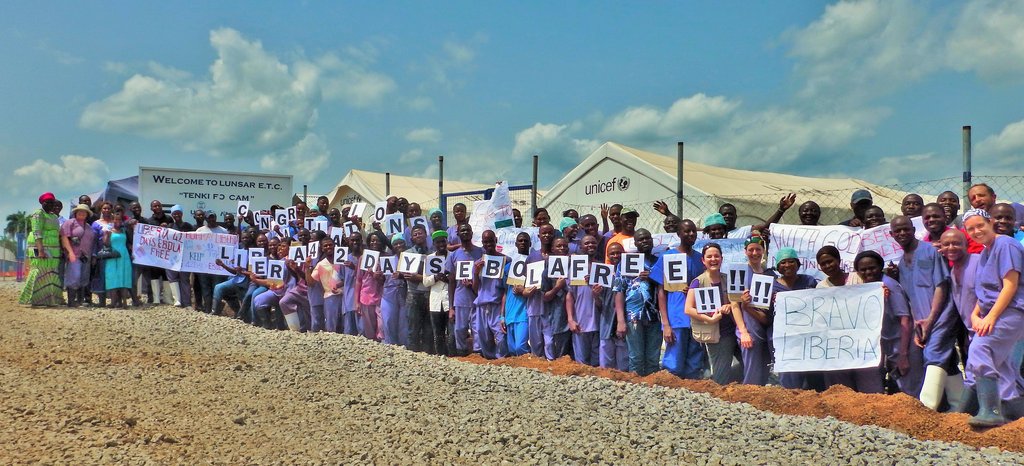
On November 7, 2015, Sierra Leone was declared to have reached a “break in transmission,” and the World Health Organization announced the same achievement for Guinea on December 29, 2015. While all three countries experienced brief resurgences of the disease in 2016, since June 9, 2016, they have all been declared and remained Ebola-free.
Despite this achievement, Ebola’s impact on the region cannot be understated. In addition to the loss of life, the disease crippled local health care systems, disrupted and destroyed livelihoods and communities, and left survivors with range of medical, social and psychological challenges.
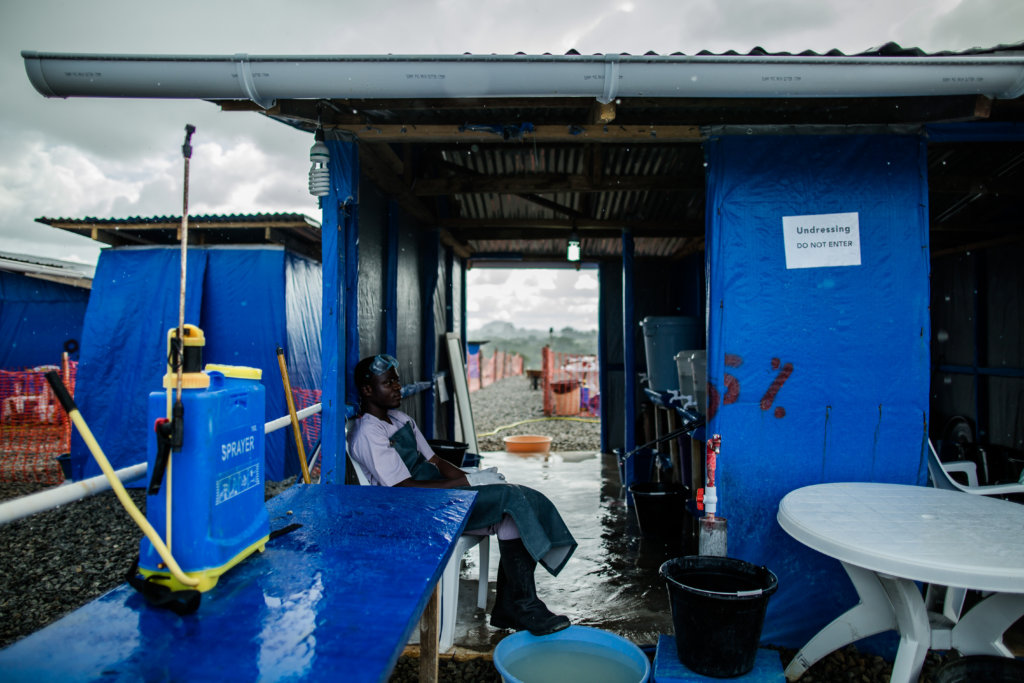
International Medical Corps was at the forefront of the crisis across the region, operating five Ebola Treatment Centers, training thousands of frontline health workers in infection prevention and control, collaborating with the Ministries of Health to put improved preparedness and response mechanisms in place, and supporting global efforts to prepare for future outbreaks, led by the World Health Organization and the U.S. Centers for Disease Control and Prevention.
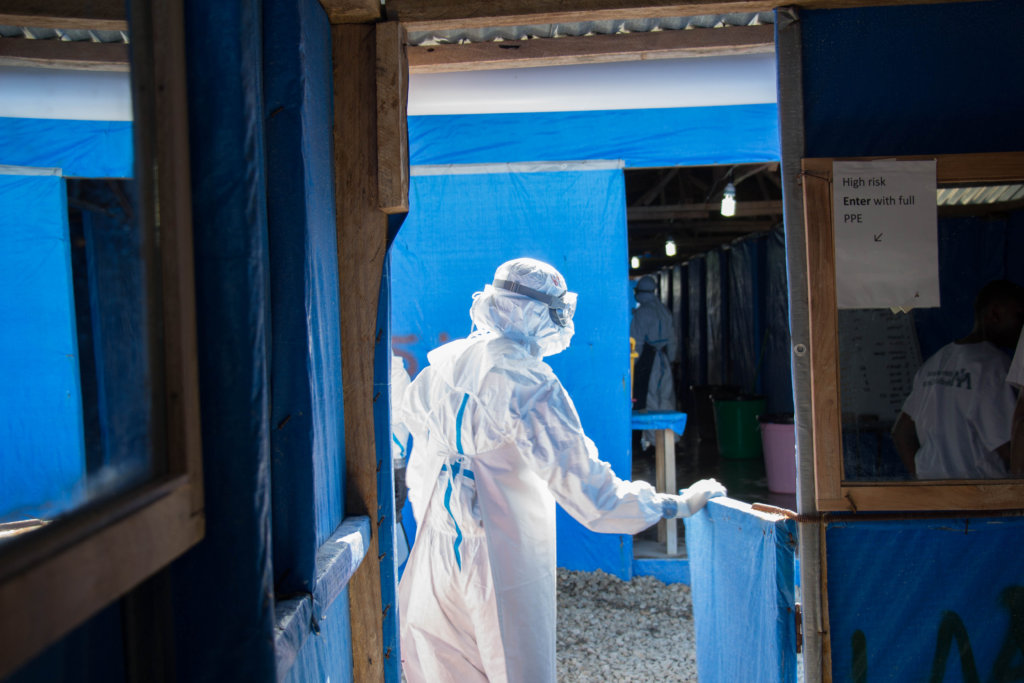
On September 15, 2014, we opened our first Ebola Treatment Center (ETC) at one of the epicenters of the global health crisis and a regional crossroads for travelers in the region: Bong County, Liberia. During the peak of the outbreak, International Medical Corps screened some 2,600 suspected Ebola victims at our five ETCs—the second ETC in Liberia, in Margibi County, and three in Sierra Leone’s Northern Province. In total, during the crisis, these five ETCs treated 461 confirmed positive Ebola cases, about 51% of whom survived and were discharged upon recovery.
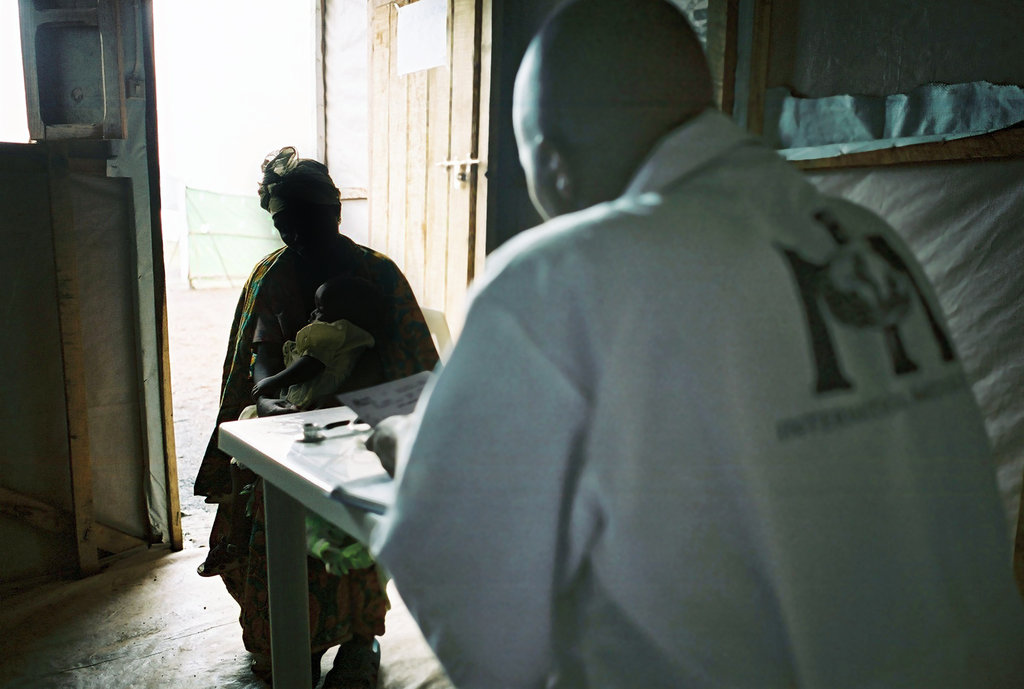
A secondary health crisis developed as communities became afraid to go to their local health centers. Many feared disappearing into an off-site ETC if they were suspected Ebola cases or being infected by the health workers themselves, and many facilities closed from lack of personnel or because they could not provide protection from infection. As a result, many services such as routine maternal care, care for infectious diseases like pneumonia, care for injuries, and immunizations for children came to a halt.
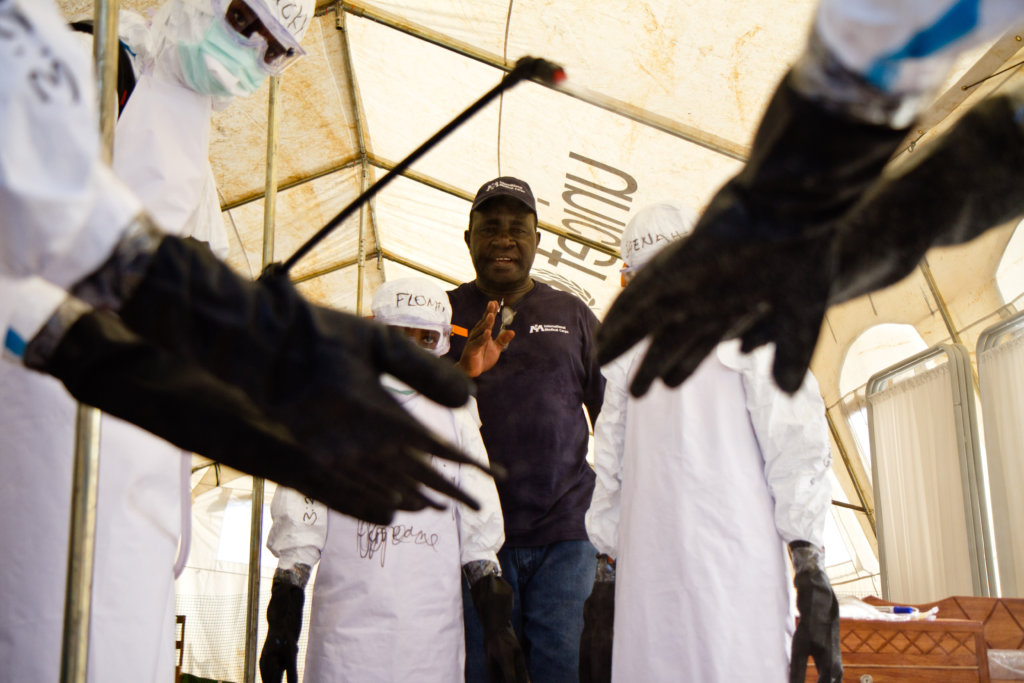
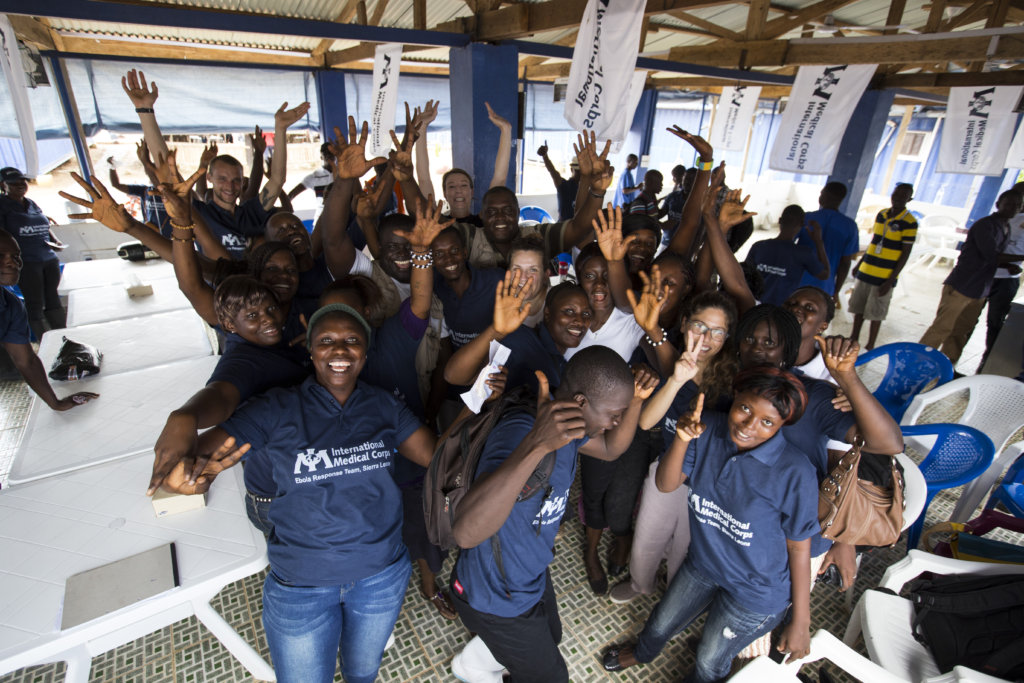
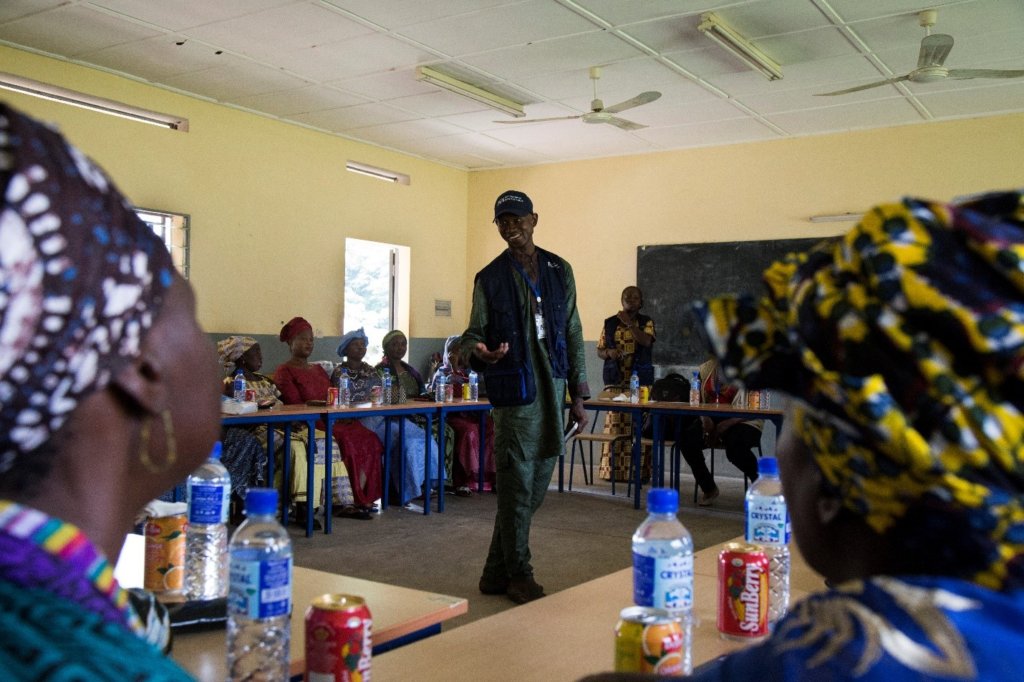
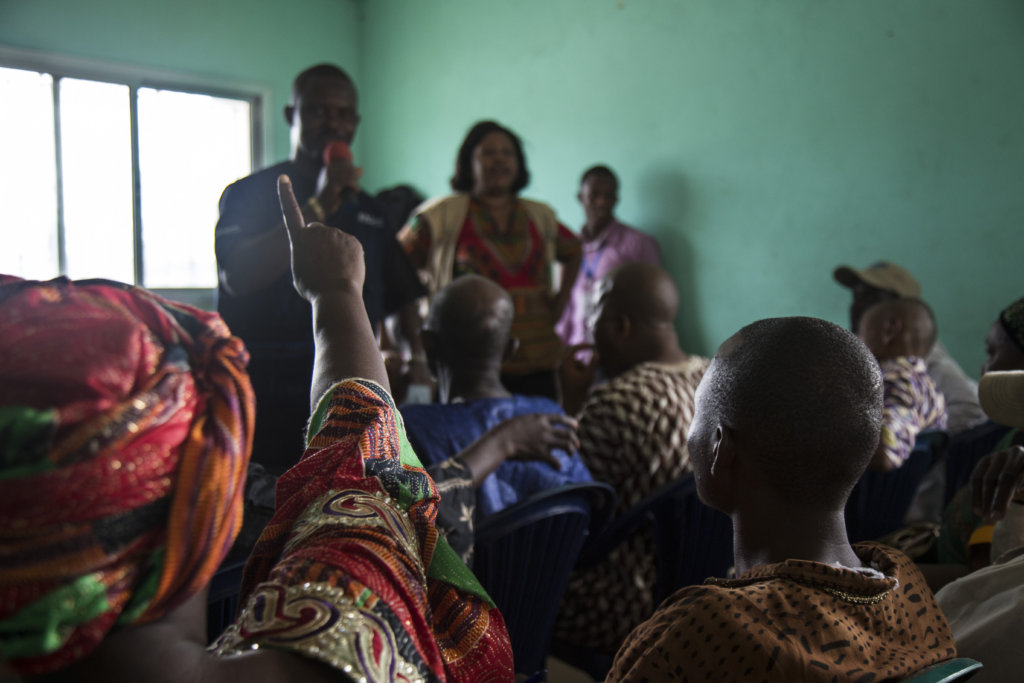
Over a period of 18 months, International Medical Corps leveraged its experience with Ebola treatment to reach more than 4,300 health workers with training in Ebola prevention, safety, screening, treatment, and case management practices; primary health care; water, sanitation, and hygiene (WASH) topics; maternal and child health; mental health; and psychosocial support services. Together with the creation of rapid response teams and screening-and-referral units in Guinea, Liberia and Sierra Leone, these trainings helped reopen health facilities and integrate safe practices into the governments’ preparedness and response protocols.
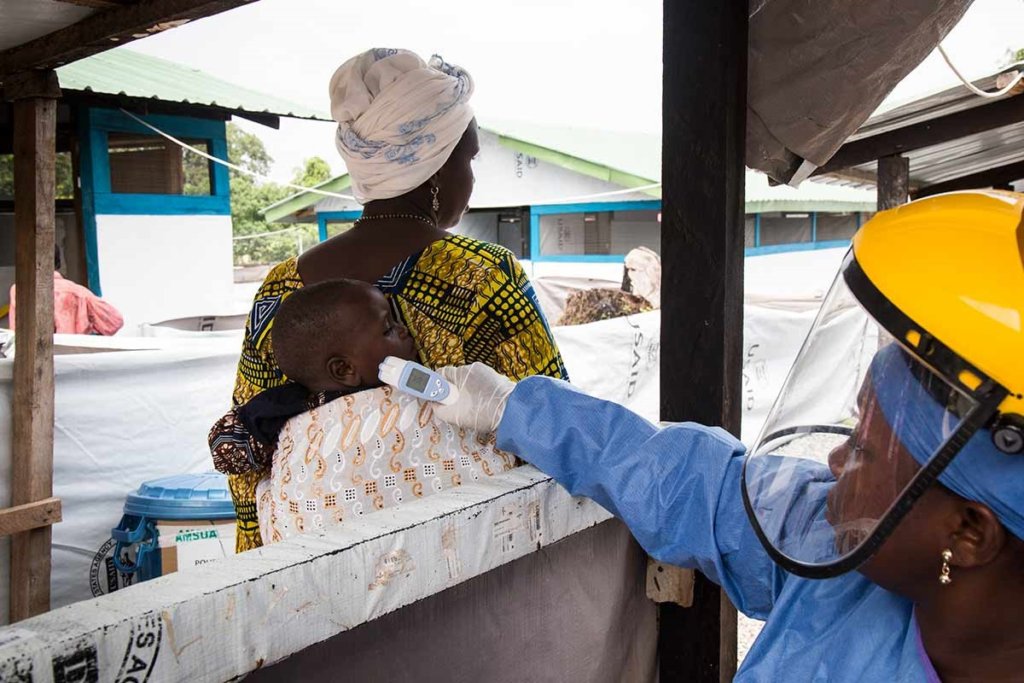
Screening-and-referral units are triage facilities located at the entrance of health facilities, where trained staff can screen all patients, visitors and staff entering the facility for possible infectious disease. International Medical Corps teams collaborated closely with governments across the region to design, develop and establish 28 screening-and-referral units at health centers and hospitals in Liberia, Sierra Leone and Guinea. By early 2016, the facilities had screened more than 653,787 patients, visitors, and staff in Liberia, 184,374 in Guinea, and 12,710 in Sierra Leone. In addition to identifying suspect cases of Ebola, these efforts aimed to restore confidence in local health systems, bring patients back to health facilities, and improve hospitals’ and clinics’ ability to implement infection prevention and control measures.
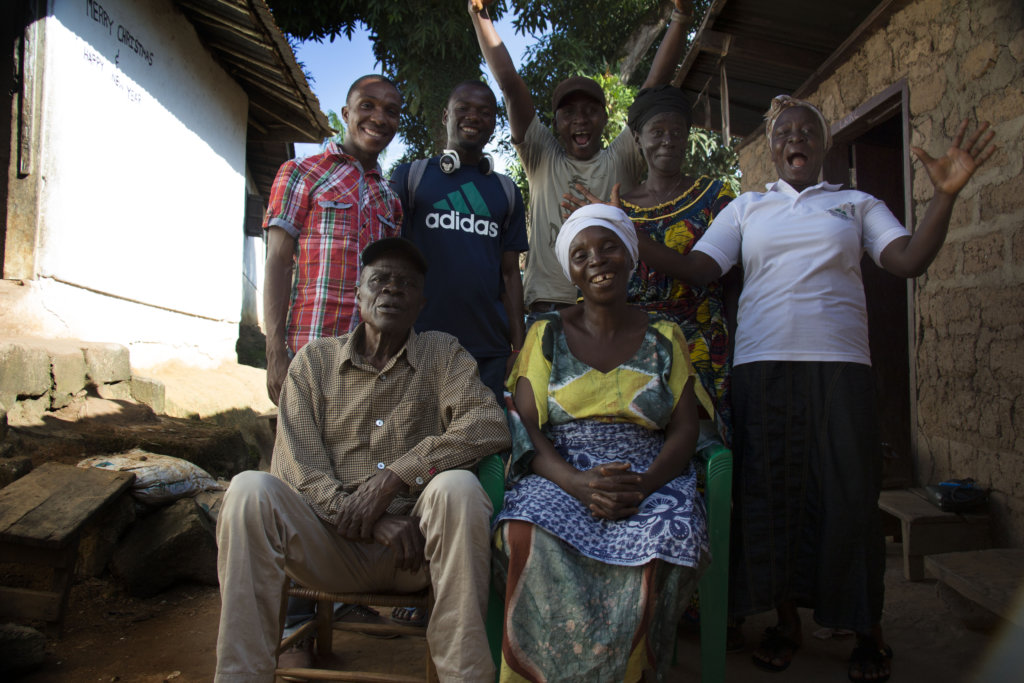
After Liberia, Guinea, and Sierra Leone were declared Ebola-free in mid-2016, new challenges emerged to complicate the road to recovery. Of the approximately 17,000 survivors, many face additional medical and psychosocial symptoms that are still not fully understood, including eye problems, chronic pain, persistence of the virus in some bodily fluids, psychological distress, and ongoing stigma in the survivors’ communities.
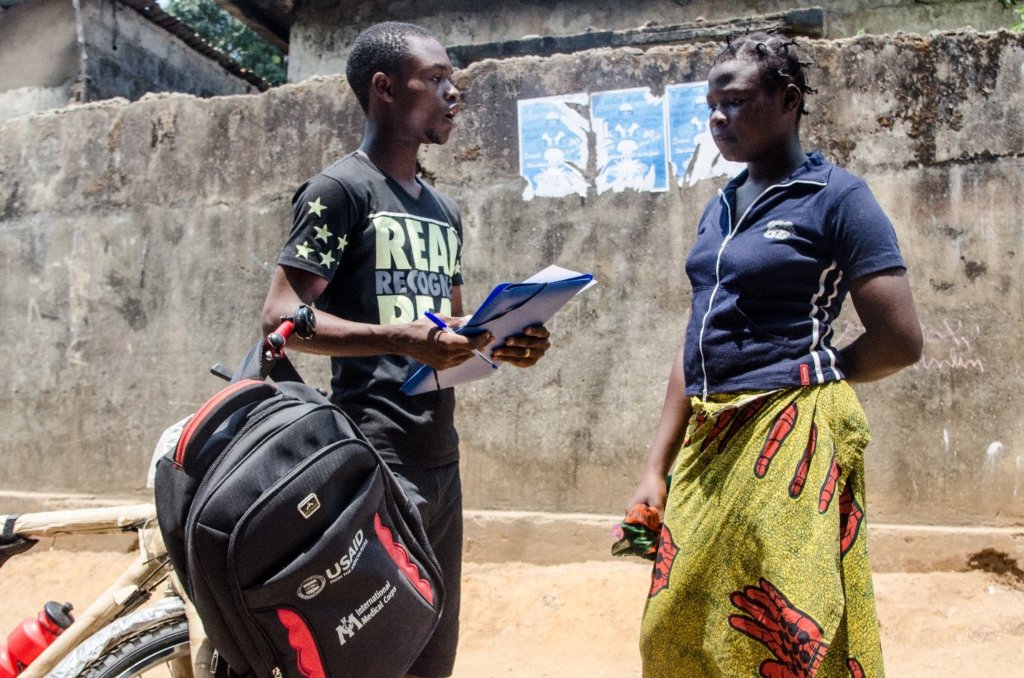
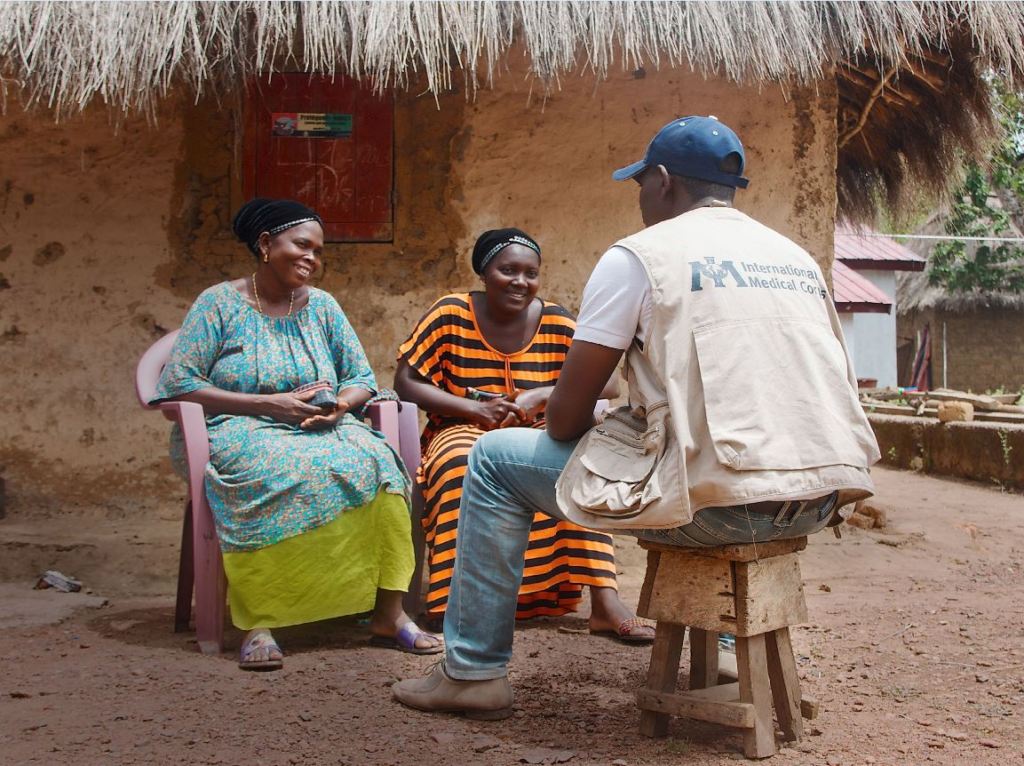
To serve survivors and help prevent future outbreaks in Sierra Leone and Guinea, International Medical Corps has been providing consultations, running community-based survivor support and Ebola surveillance groups, supporting bodily fluid testing, distributing pharmaceuticals and medical equipment, and spreading awareness about survivor stigma and Ebola prevention. In 2016, International Medical Corps established Lumley Survivor Clinic in Freetown, Sierra Leone, which has provided 625 general consultations to Ebola survivors. Most recently, we launched a project in Conakry, Kindia and Nzérékoré in Guinea to provide 952 Ebola survivors with access to health care specialists like rheumatologists, ophthalmologists and mental health professionals.
International Medical Corps’ work fighting the Ebola outbreak focused on the most affected countries — Liberia, Sierra Leone and Guinea, but we also worked with the Ministries of Health in Guinea-Bissau and Mali to provide training and implement preparedness efforts to help prevent the spread of the disease into both those countries.
Throughout our entire response, International Corps has remained committed to four key tenets: getting to and maintaining zero Ebola cases; rebuilding and strengthening health-care systems; engaging communities in health promotion and behavior change to mitigate the risk of future outbreaks; and strengthening preparedness efforts at the local, regional and global levels by sharing best practices and lessons learned.
We want thank the GlobalGiving community for their loyal support over the past three years as we worked to stop the spread and resurgence of Ebola in West Africa and support the wellbeing of its survivors.
By Davis Nordeen | Resource Development Assistant
By Davis Nordeen | Volunteer, International Operations
Project reports on GlobalGiving are posted directly to globalgiving.org by Project Leaders as they are completed, generally every 3-4 months. To protect the integrity of these documents, GlobalGiving does not alter them; therefore you may find some language or formatting issues.
If you donate to this project or have donated to this project, you can receive an email when this project posts a report. You can also subscribe for reports without donating.