By Lori Brister | Resource Development Officer
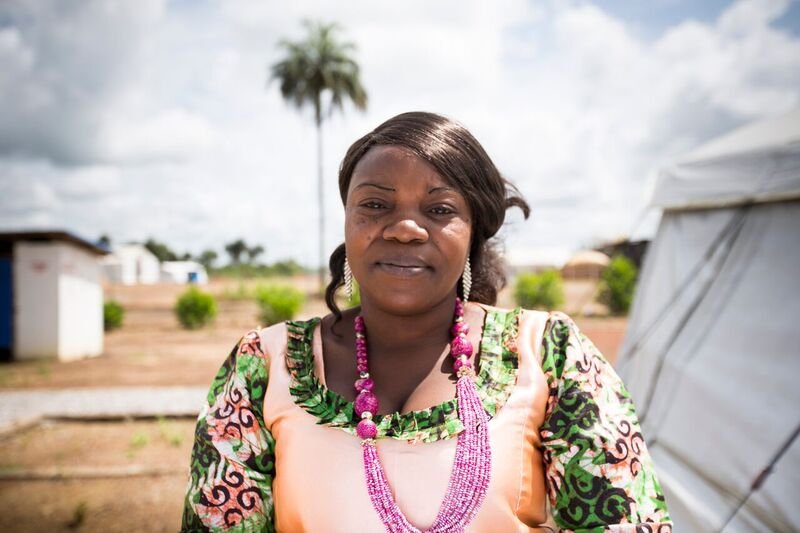
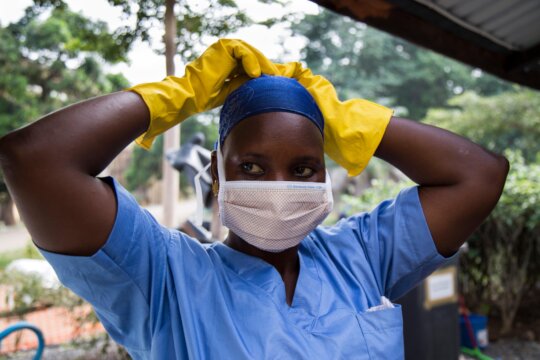
“When we first heard about Ebola, we thought it was to do with politics,” says Mariatu, a psychosocial worker in Sierra Leone. “We denied it. There were those who said it was witchcraft. While others said it was a curse that had been placed on some people. When my sister, who was a nurse, got very sick, I wondered whether it was indeed a curse. I cared for her. I washed her. I hugged her. I held her. I didn’t want her to die, but she did.”
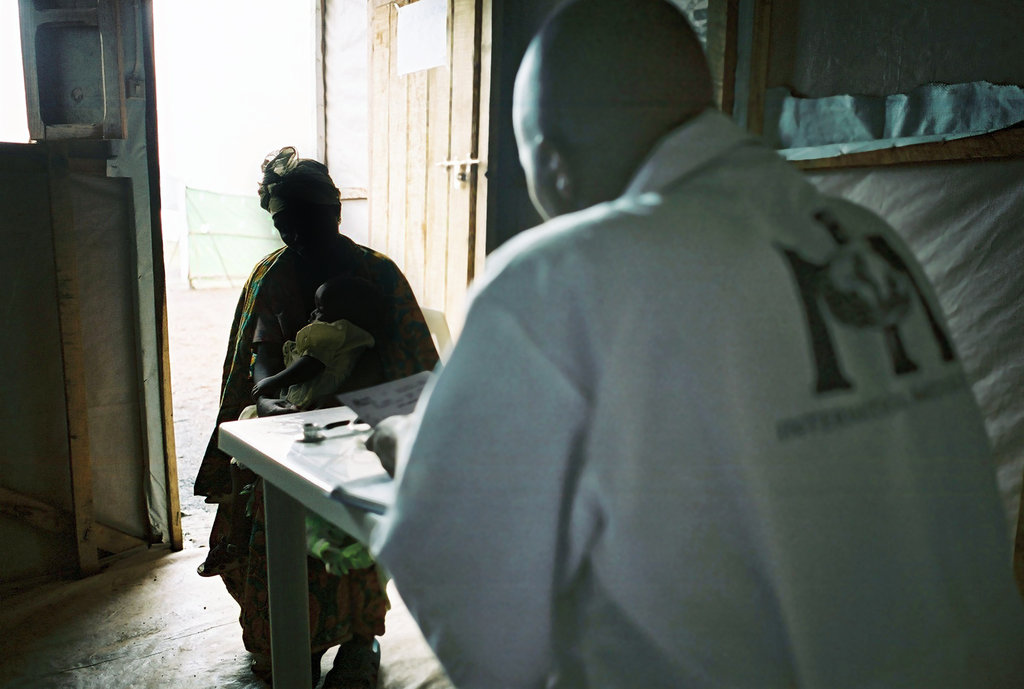
Two weeks later, Mariatu’s daughters fell ill with the same symptoms. She took them to the local hospital, but the doctor advised his staff not to touch the girls because they probably had Ebola. They were put in an empty hallway away from staff and other patients, and a few hours later, Mariatu’s eldest daughter passed away. Mariatu also became sick, and she and her youngest daughter were transferred to another hospital that was accepting Ebola patients. Miraculously, they both survived, but by the time they returned home, most of their neighbors were gone. “Our area was like a ghost town when we returned,” Mariatu says. “There are two houses nearby that are empty now. Everyone in those two houses passed away. Whole families were wiped out.”
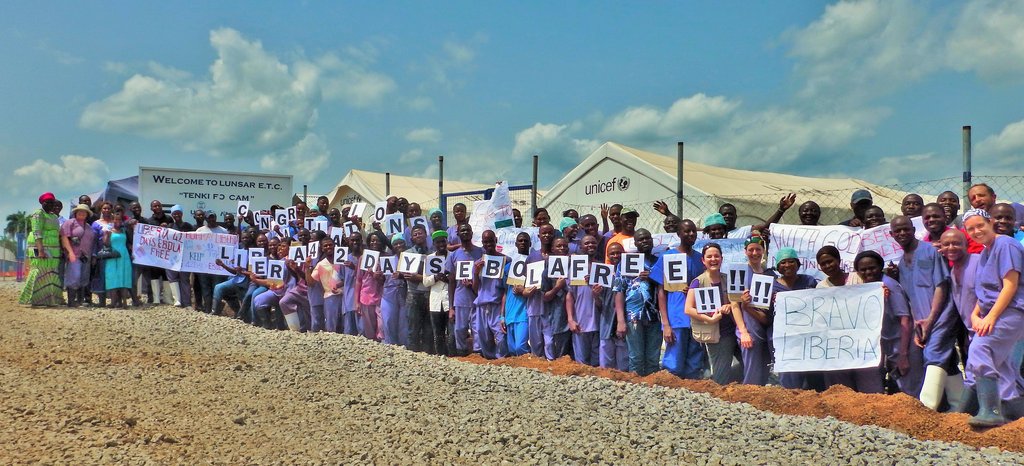
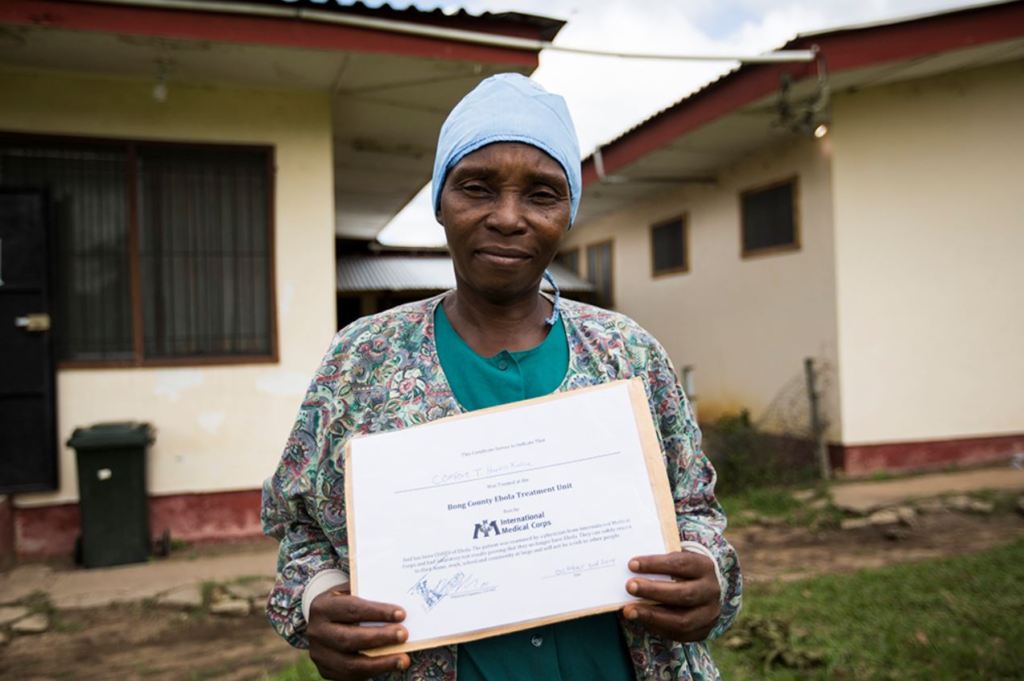
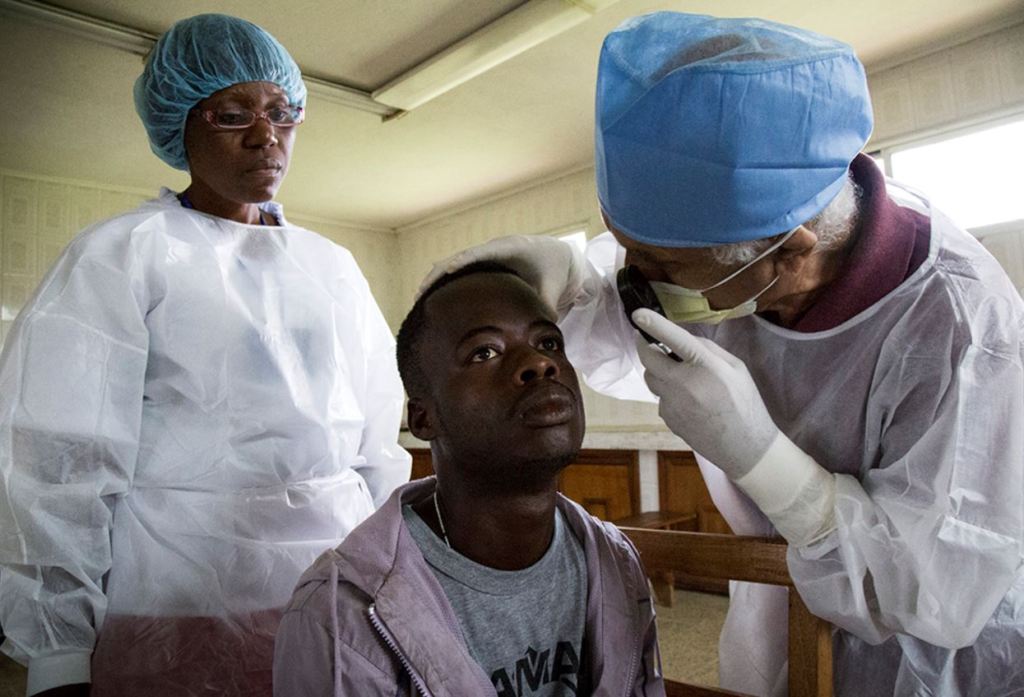
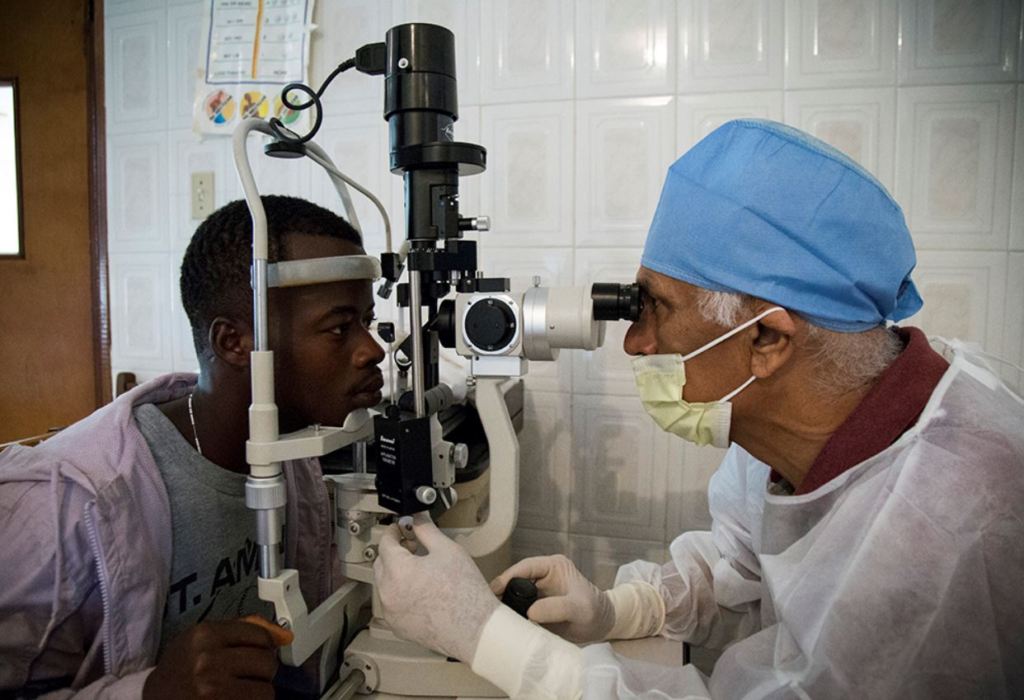
Throughout the outbreak, some 28,600 confirmed, probable and suspected cases of Ebola were reported across West Africa, and more than 11,000 people died. Many patients who survived the disease deal with ongoing medical complications, such as vision impairment and bone and joint pain, which are associated with post-Ebola syndrome, alongside the psychological trauma. Many people were overwhelmed by the grief of losing several family members at once, and they often felt guilty for surviving the disease when so many people did not.
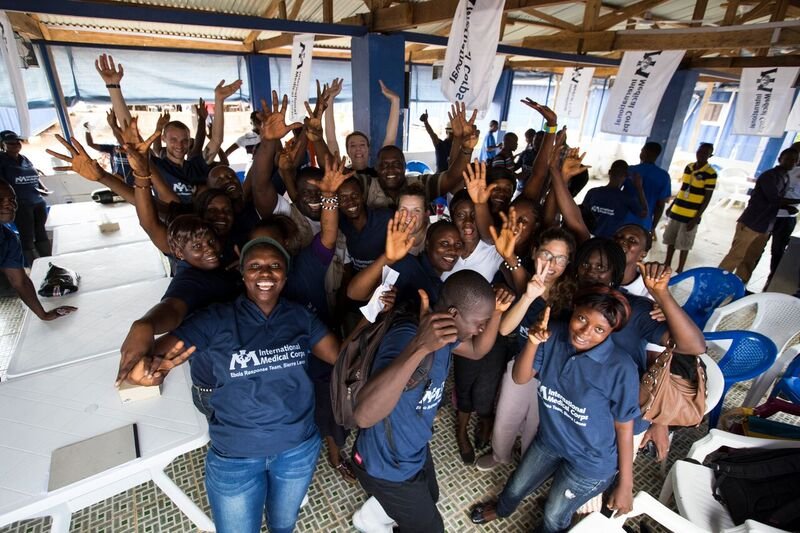
When International Medical Corps’ psychological coordinator asked to meet with survivors, Mariatu came forward. “I told them I was hurting and really stressed,” she said. “I told them that if they gave us jobs, survivors like me could be an example to other patients who are refusing medication and losing hope and the will to live.” Mariatu then began supporting International Medical Corps’ survivor care efforts, addressing psychosocial needs of patients and survivors. This work has helped Mariatu overcome her own despair. “It is very rewarding for me to have this opportunity because I can see the difference it makes,” she says. “I still miss my daughter, but I am learning to cope with the pain. If I had held onto that pain it would have killed me even if Ebola did not.”
We want to thank the GlobalGiving community for supporting International Medical Corps’ work with Ebola survivors.
By Lori Brister | Resource Development Officer
By Kimberly Laney | Resource Development Officer
Project reports on GlobalGiving are posted directly to globalgiving.org by Project Leaders as they are completed, generally every 3-4 months. To protect the integrity of these documents, GlobalGiving does not alter them; therefore you may find some language or formatting issues.
If you donate to this project or have donated to this project, you can receive an email when this project posts a report. You can also subscribe for reports without donating.