By Kimberly Laney | Resource Development Officer
It was March 18th, a regular Wednesday afternoon and everyone at the International Medical Corps office in Conakry, Guinea was involved in meetings, reports, and calls to ensure the post-Ebola program was running smoothly. Then, a call disrupted that routine at 4:23PM – three Ebola cases were confirmed. Another two were suspected. After a two-year battle with Ebola that sickened and killed thousands, it was news that would make many go silent, unsure of how to react.
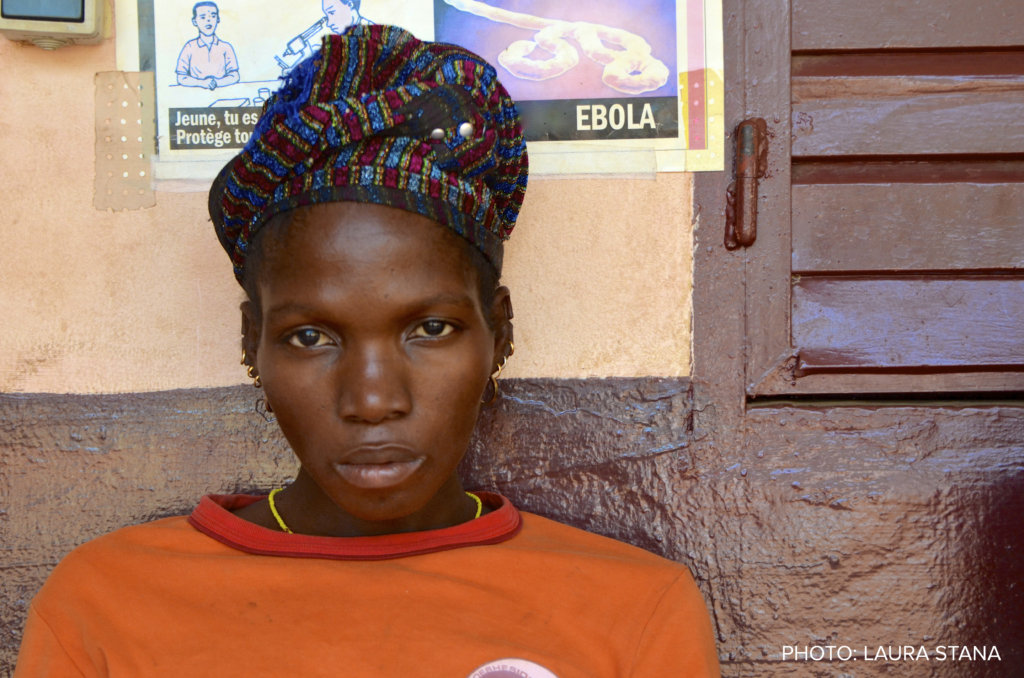
“Not our staff though. We get ready to respond.” Laura Stana, International Medical Corps’ Monitoring and Evaluation Coordinator in Guinea recalled of that day in March.
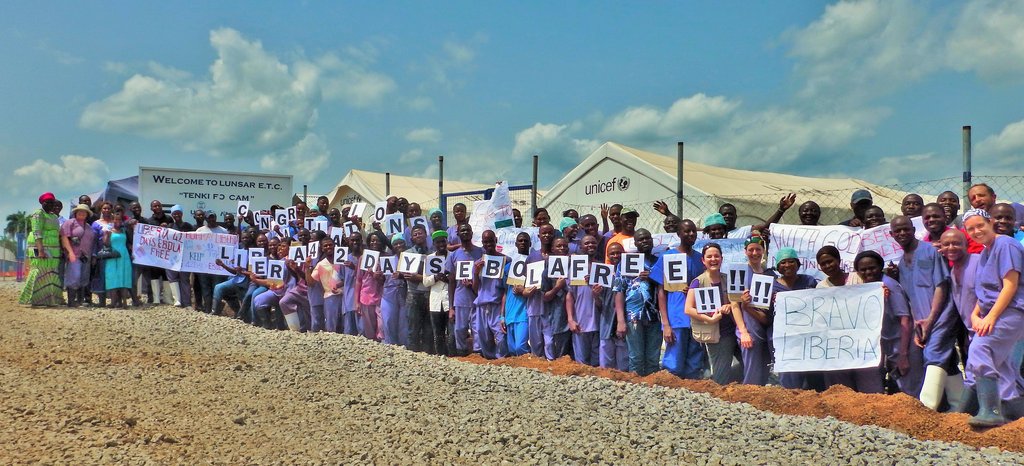
Since the beginning of the epidemic, the three most-affected countries – Liberia, Sierra Leone, and Guinea – have each reached the 42-day “Ebola-transmission free” mark at least once, sometimes twice, before discovering new chains of transmission. The most recent outbreak in Guinea left five people dead and put more than 800 people in quarantine. Likely as a result of this latest outbreak in Guinea, reports surfaced on April 1 in neighboring Liberia of the first new Ebola case since early December 2015.
We need to continue to invest in surveillance efforts to ensure that new cases and chains of transmission are quickly identified and isolated.
Growing evidence suggests that bodily fluids, such as semen in men, and breast milk and potentially vaginal fluid in women, can lead to transmission for far longer than originally anticipated—leading to the possibility that most, if not all, of the new Ebola cases are a result of survivor transmission. It is important for teams to integrate surveillance for future outbreaks into care of survivors, conducting strong community engagement and the building surveillance and response networks.
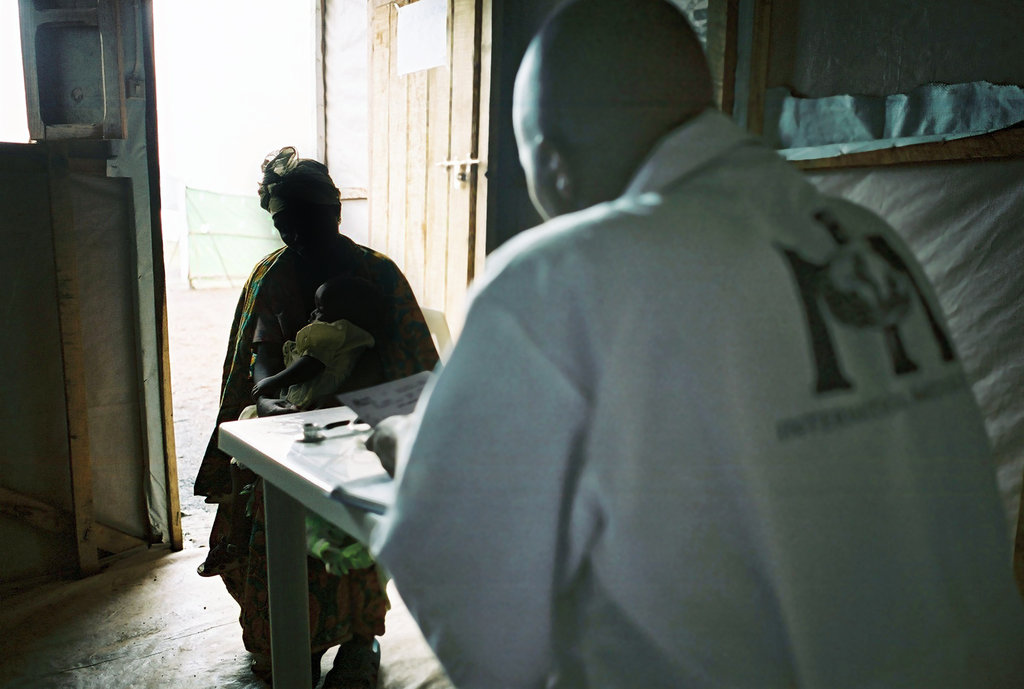
Today, survivor care support, prevention of additional transmission, and the Ministry of Health’s “ring surveillance” approach, which ties ongoing survivor health care with community-based surveillance, builds upon our mission to respond to localized outbreaks, provide infection prevention control services, and safely transfer patients to facilities equipped to treat Ebola.
In Guinea, this integrated approach complements post-Ebola programs implemented in partnership with the CDC, George Washington University and others. The approach includes education about how the Ebola virus is transmitted, safe semen transport and testing, counseling for those who decline testing, reproductive health education for men testing positive and their partners, distribution of prophylactics such as condoms and possible vaccination for partners and close relatives of men who test positive as a preventive measure. Teams emphasize a tracking system to ensure that men who test positive return monthly for testing until they have had two negative tests.
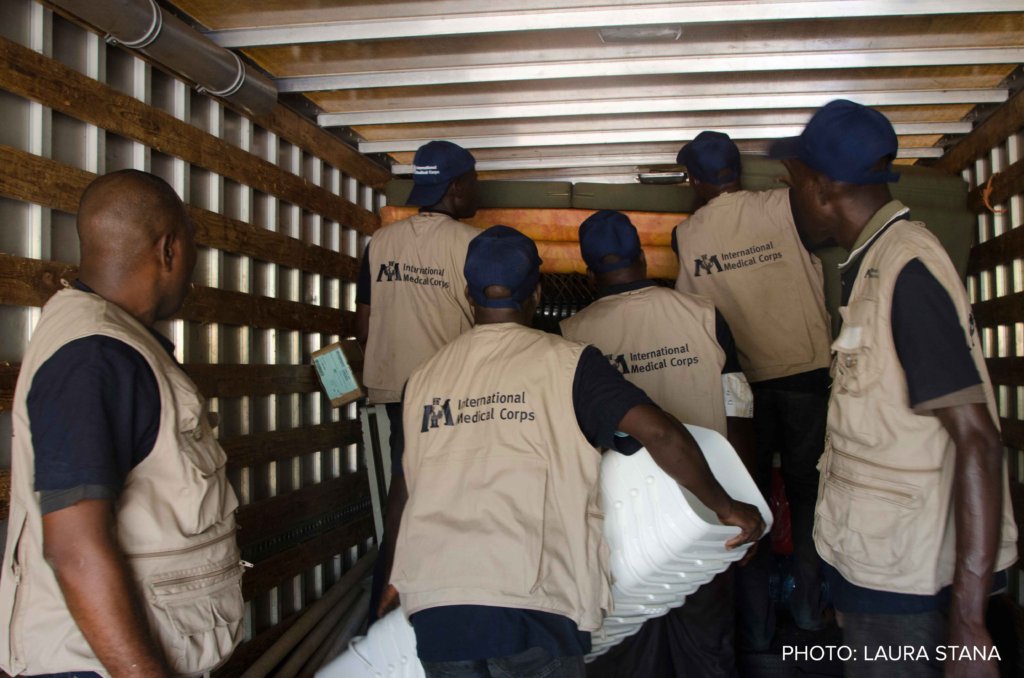
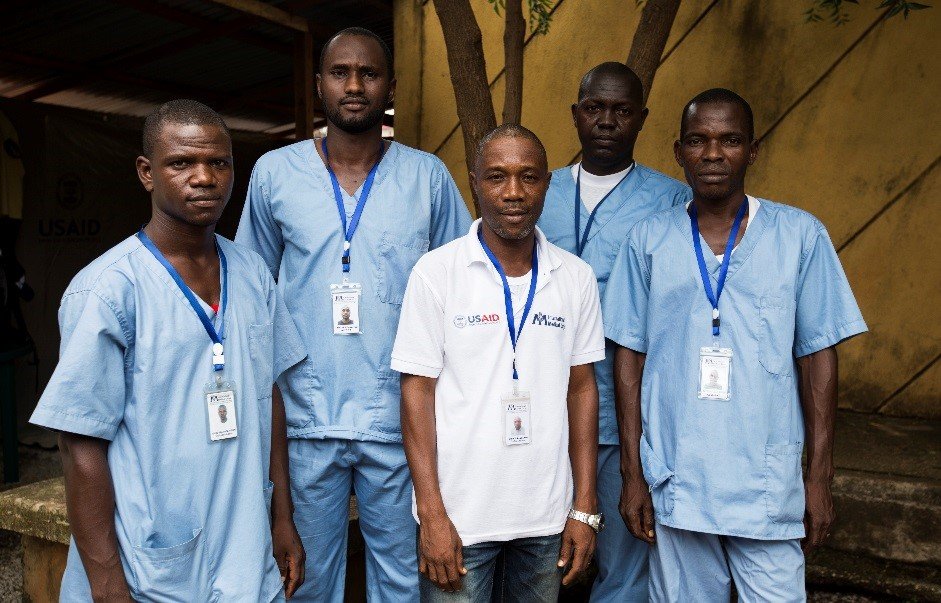
Laura in Guinea notes that, “As Ebola is resurfacing today, International Medical Corps remains prepared to respond to ensure the safety of the Guinean population in the most remote corners of the country. Even in what is regarded as the post-Ebola context, the Rapid Response Teams still conduct weekly simulations to remain prepared for a real intervention.”
She goes on to say that, “In the end, the deployment scenario was explored, but not enacted. At 9AM, the National Coordination for the Eradication of Ebola and humanitarian partners decided to respond via various agencies already located in immediate proximity to outbreak. We continue to make sure that we have the internal capacity to be the first there, no matter where. We are always ready to respond, as we were on March 18th.”
International Medical Corps thanks you and the GlobalGiving community for your continued support as we continue the fight against Ebola.
By Kimberly Laney | Resource Development Officer
By Robert Rutherford | Resource Development Officer
Project reports on GlobalGiving are posted directly to globalgiving.org by Project Leaders as they are completed, generally every 3-4 months. To protect the integrity of these documents, GlobalGiving does not alter them; therefore you may find some language or formatting issues.
If you donate to this project or have donated to this project, you can receive an email when this project posts a report. You can also subscribe for reports without donating.