By Kimberly Laney | Resource Development Officer
Nestled in the forests of north-central Liberia, Taylor-ta was a tight-knit village, home to some 1,120 people. It was this very closeness that allowed Ebola to take hold and tear them apart. The virus snuck quietly into Taylor-ta last November when a boy and his father came back from the capital, Monrovia. In a few days, the boy was sick and people from across the village came to help care for him. “When they brought the boy here no one knew about Ebola,” says Lucy Sumo, 48. “Everyone was helping him. But when he died, we got scared…Immediately after his death, those who helped him started getting sick.”
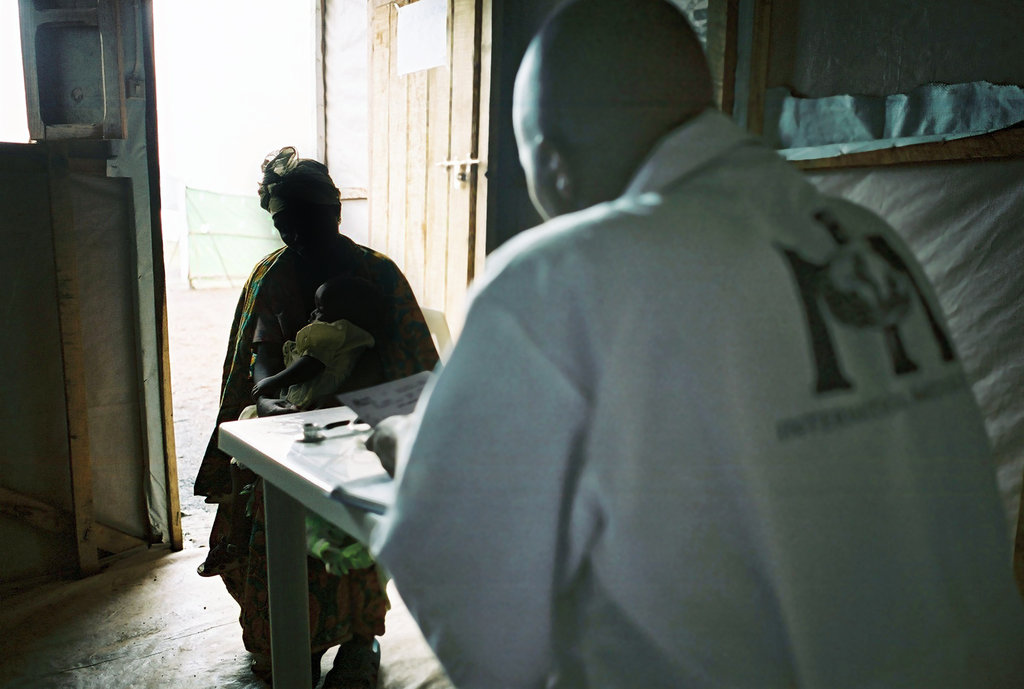
Many of these family friends were brought to the nearest Ebola Treatment Unit, which was run by International Medical Corps roughly 45 minutes away by car. Others never made it that far and died in their homes. In all, 24 people in Taylor-ta fell ill with Ebola. Only eight survived. For a community that describes itself as one family, every death was the loss of a loved one. Every new case sparked fears of who was next. As Ebola spread across Taylor-ta, people who used to share everything were driven further and further apart, their grief and anger at the relentless disease stubbornly and corrosively wedged between them.
Taylor-ta is one of the Ebola-ravaged towns where International Medical Corps is trying to help repair relationships that unraveled during the heartbreak and confusion of the outbreak. In what are called social reconnection groups, people come together to talk about what happened together with psychosocial professionals.
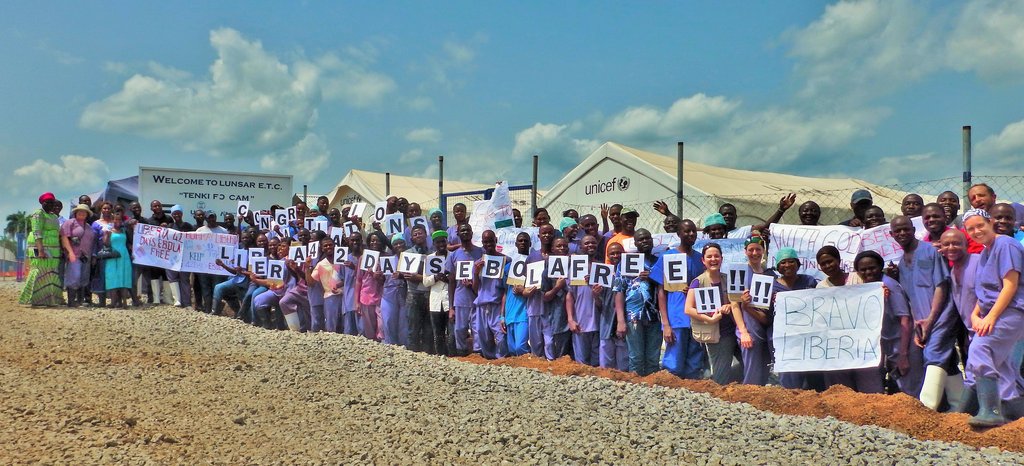
The current fight against Ebola is about more than treating patients and stopping the spread of the disease – it is about investing in people, fostering community recovery, training local healthcare workers in infection prevention and control, and helping rebuild healthcare systems across the region. International Medical Corps is now supporting a “durable zero” across the West Africa region because just as the World Health Organization declared an end to the current Ebola outbreak in West Africa, with Liberia the last country to get the all-clear, two new cases were confirmed in Sierra Leone. We expect that there will be flare-ups in the region for some time to come, which is why continued support for surveillance and response mechanisms is vital.
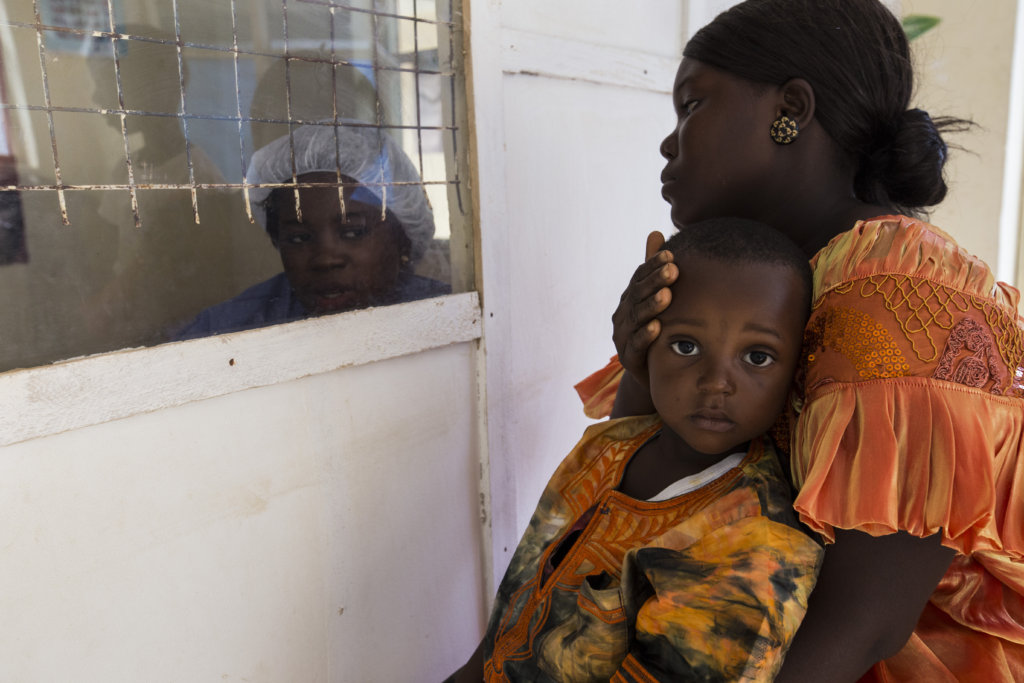
Psychosocial support is also key. “People are so sad,” says Sarah Diggen, a psychosocial staff member with International Medical Corps in Liberia. “Imagine if you lost all of your loved ones. This can create mental illness like depression.” Moreover, with an estimated 17,000 survivors, many facing not only stigma, but also health complications such as blindness, hearing loss and difficulty swallowing, continued care is critical.
International Medical Corps is extremely grateful for the unwavering support offered by GlobalGiving and other donors as we work to provide a comprehensive response against the deadly disease. Sarah says, “As long as you have life, you have hope.” As part of the global community, we work to not only offer health, but hope to those affected by Ebola in West Africa.
Project reports on GlobalGiving are posted directly to globalgiving.org by Project Leaders as they are completed, generally every 3-4 months. To protect the integrity of these documents, GlobalGiving does not alter them; therefore you may find some language or formatting issues.
If you donate to this project or have donated to this project, you can receive an email when this project posts a report. You can also subscribe for reports without donating.