By Davis Nordeen | Resource Development Assistant
Fatoumata arrived in Conakry, Guinea from Labé on a Tuesday for her grandson’s baptism. By the time she returned, two weeks had passed and her brother, a television crew and the Governor of Labé stood by the road, waiting to greet and escort her home. Fatoumata had survived Ebola. "I lost my children but I am here. I didn't die, so don't cry," Fatoumata told her crying brother as she stepped off the bus, beginning the harrowing journey that many Ebola survivors must face – reintegrating into society and recovering after losing those closest to them.
Fatoumata’s eldest daughter, Aissatou, was first misdiagnosed with malaria after her headaches and vomiting started to worsen, three days after her son’s baptism. As Aissatou’s symptoms accelerated, Fatoumata was determined to save her daughter, staying by Aissatou’s side in Conakry for a week seeking treatment at the Donka Hospital. Unfortunately, it was too late by the time it was discovered that Aissatou did not have malaria, but Ebola. Aissatou died in her mother’s arms at the door of the Taouyah Hospital, where they had gone as Aissatou’s state quickly deteriorated.
Over the next six days, Fatoumata went on to lose her granddaughter and her two-year-old daughter to Ebola just as she and her son-in-law were diagnosed with the disease and began treatment. Ultimately, Fatoumata and Aissatou’s husband recuperated but the wounds that Ebola left on their family will remain deep, painful and permanent.
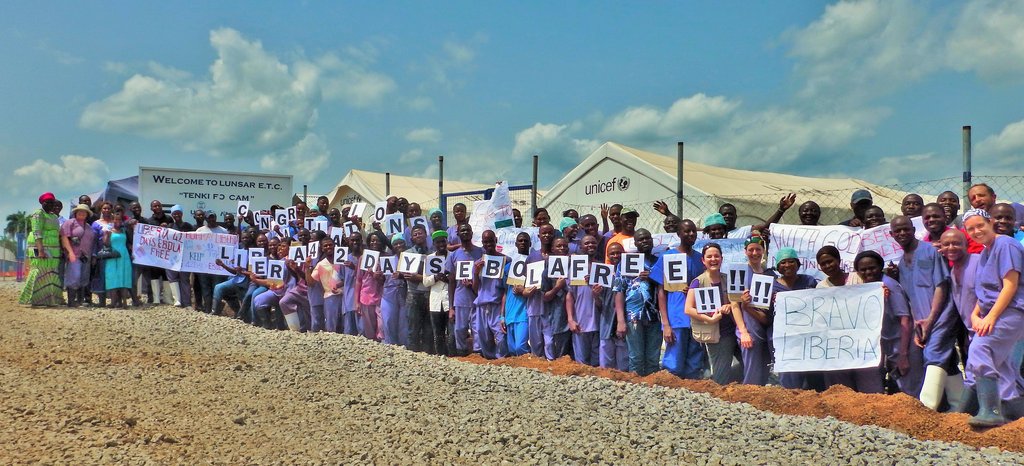
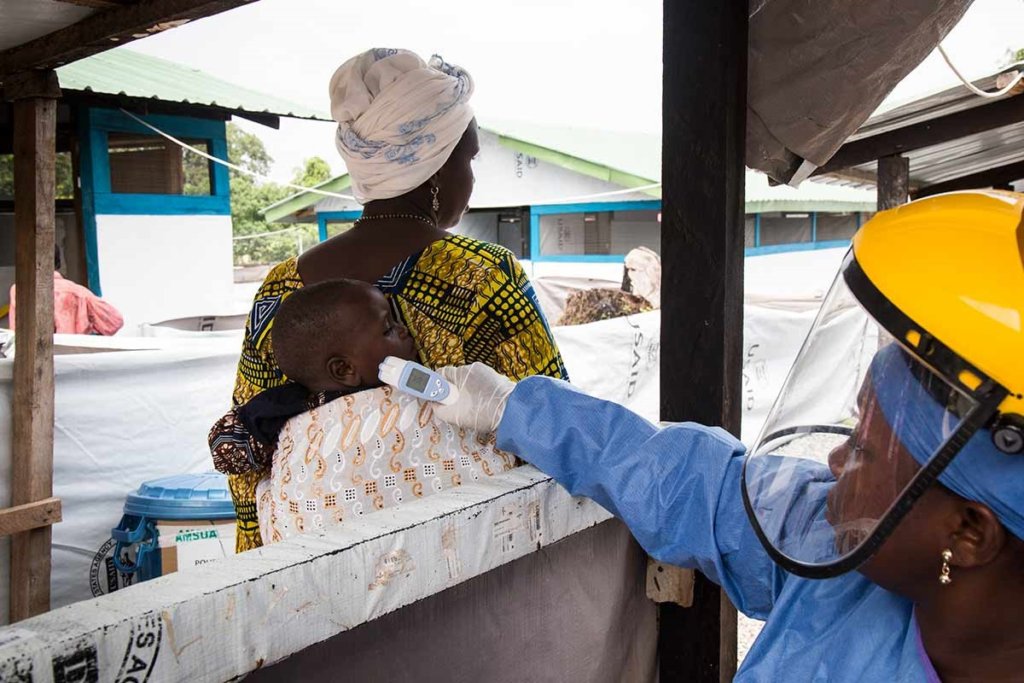
In February 2015, International Medical Corps was one of the first international organizations to respond to the Ebola outbreak in Guinea by treating Ebola patients and training health workers. Now we are helping the country’s health system and communities recover, preventing new Ebola infections to maintain its status of zero cases, and supporting survivors like Fatoumata with health care and psychosocial support.
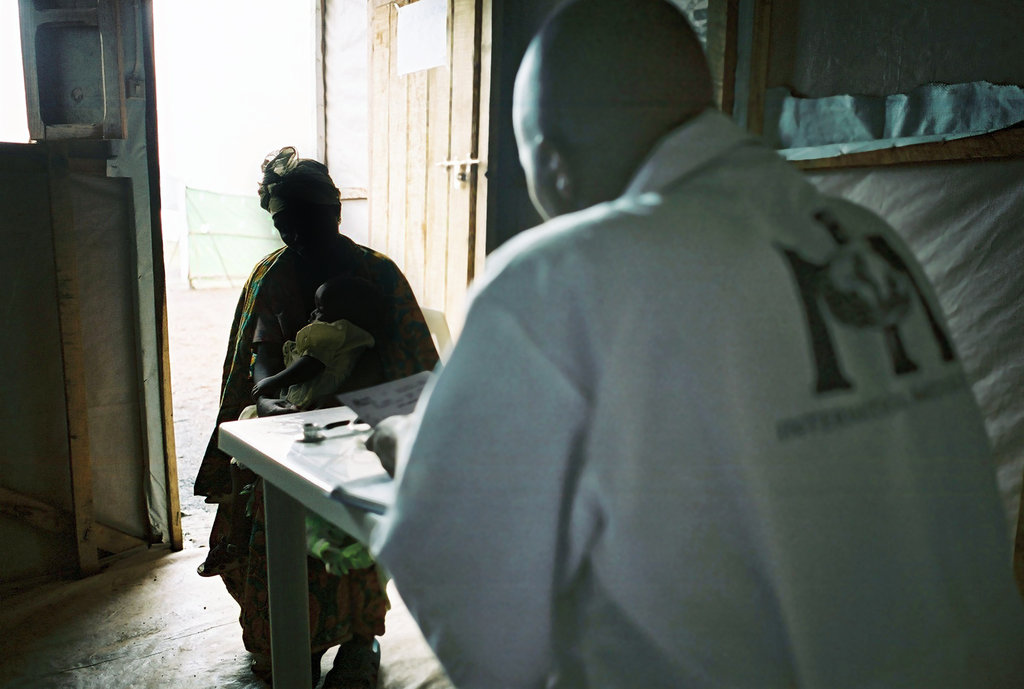
Over the next year we will provide 952 Ebola survivors in Conakry, Kindia and Nzérékoré with access to health care with specialists like rheumatologists, ophthalmologists and mental health professionals. Many of these survivors are experiencing both post-Ebola syndrome and social stigmas which affect their mental health.
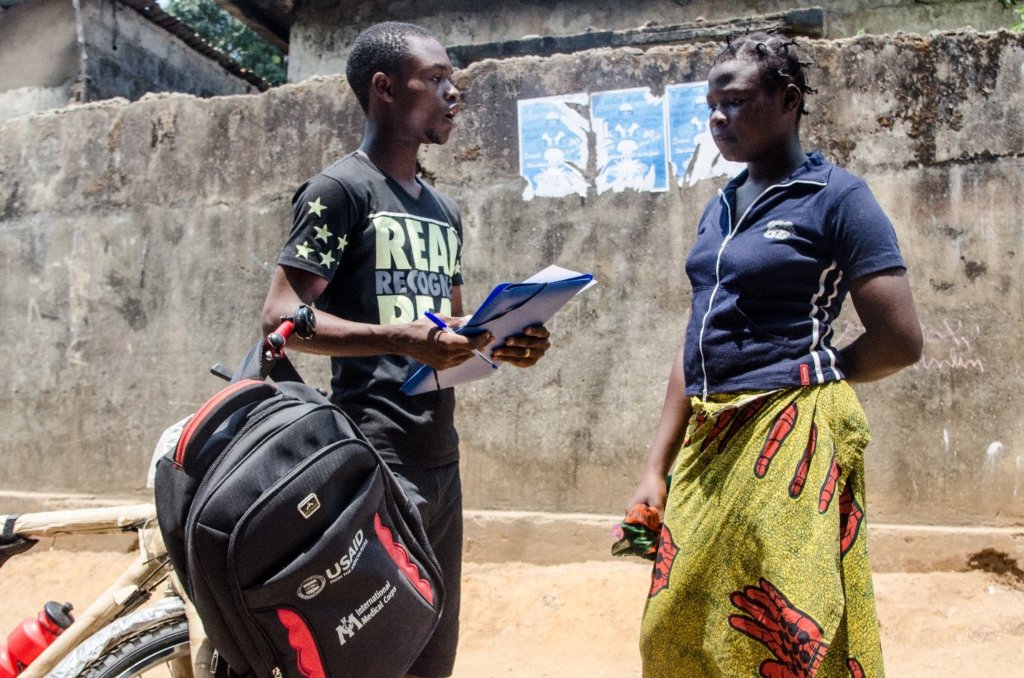
Our mental health and psychosocial services specifically will fill a critical healthcare gap as Guinea currently has no mental health outpatient facilities, no psychiatric hospitals, no psychologists, and approximately only 1 psychiatrist per 3,300,000 persons. International Medical Corps is also strengthening care over time for chronic conditions, monitoring survivors and their immediate contacts, and assisting in disease surveillance to ensure that suspect illnesses and deaths are rapidly and systematically reported and investigated.
A year after the outbreak, Fatoumata remarried and gave birth to a new daughter, also named Aissatou in remembrance of her sister. Today, Fatoumata feels happy and hopeful. “I am here and I’m alive,” she said smiling, reflecting on the past two years. Still, Fatoumata knows the road ahead will be challenging and thanks us for our support, “International Medical Corps helped me a lot: not just financially, but also—and also most importantly—they took care of me. I would sometimes call International Medical Corps officers to say I needed help because I felt sick, and there was always an answer straight away. I trust International Medical Corps and respect them. I still ask for help because I still need it. I want things to get better and I know they will, and I also know that I need the continued support of International Medical Corps.”
We thank you and the GlobalGiving community for your support as we continue to serve survivors of Ebola in Guinea and work to prevent future outbreaks.
Note: A photo of Fatoumata is not available
Project reports on GlobalGiving are posted directly to globalgiving.org by Project Leaders as they are completed, generally every 3-4 months. To protect the integrity of these documents, GlobalGiving does not alter them; therefore you may find some language or formatting issues.
If you donate to this project or have donated to this project, you can receive an email when this project posts a report. You can also subscribe for reports without donating.