By Robert Rutherford | Resource Development Officer
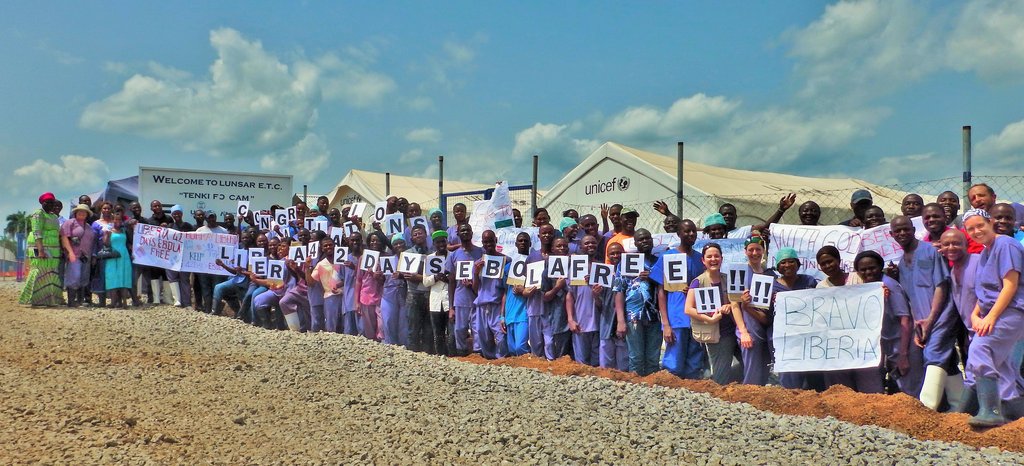
Over the last 14 months, the Ebola crisis has created a regional and international public health emergency which has stubbornly persisted much longer in Sierra Leone than in neighboring Liberia, a country that faced a comparable epidemic at the outset. The World Health Organization reports a total of 13,290 suspected, probable and confirmed cases in Sierra Leone as of July 29, 2015, close to half of the total of 27,748 confirmed, probable and suspected cases of Ebola across West Africa. A total of 11,279 have died across the region. The crisis has taken a devastating toll on health systems in particular: 510 health workers have perished and only recently have most health facilities reopened to the public.
While much work remains to be done, and despite this evidence of tremendous suffering, there is reason to hope for an ending when looking at virus transmission rates in Sierra Leone over the last six months: on January 14, 2015, the World Health Organization reported 769 new Ebola cases in Sierra Leone in the preceding 21 days; on July 29, only 20.
International Medical Corps is currently working to end the Ebola crisis in Guinea, Guinea-Bissau, Liberia, Mali and Sierra Leone, and is one of a handful of international NGOs that is treating Ebola patients in West Africa. We are committed to getting to zero cases, and to rebuilding and strengthening the local and regional health systems; engaging community members in recovery through outreach and education programs; and bolstering local, regional and national preparedness. In total, we have nearly 1,550 staff working on the ground in West Africa for the Ebola response, including 1,390 local staff. International Medical Corps manages five Ebola treatment centers – two in Liberia and three in Sierra Leone – which can provide not only isolation and care for Ebola patients, but also psychosocial support; to date, we have screened more than 2,130 patients through these centers.
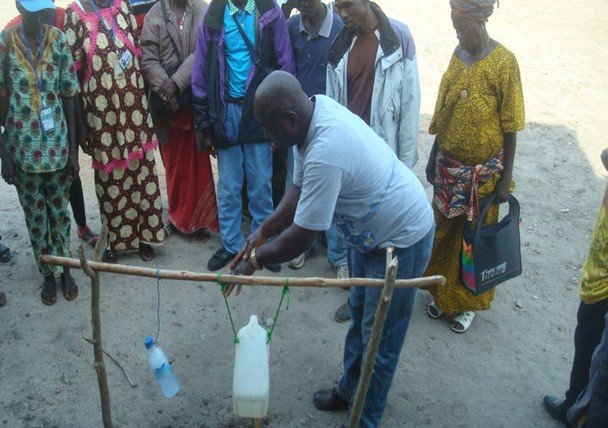
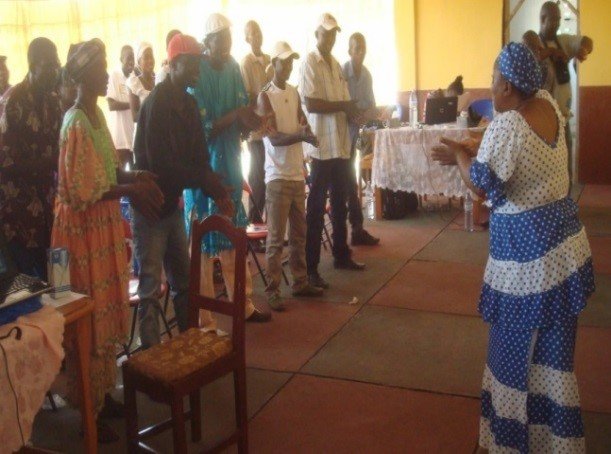
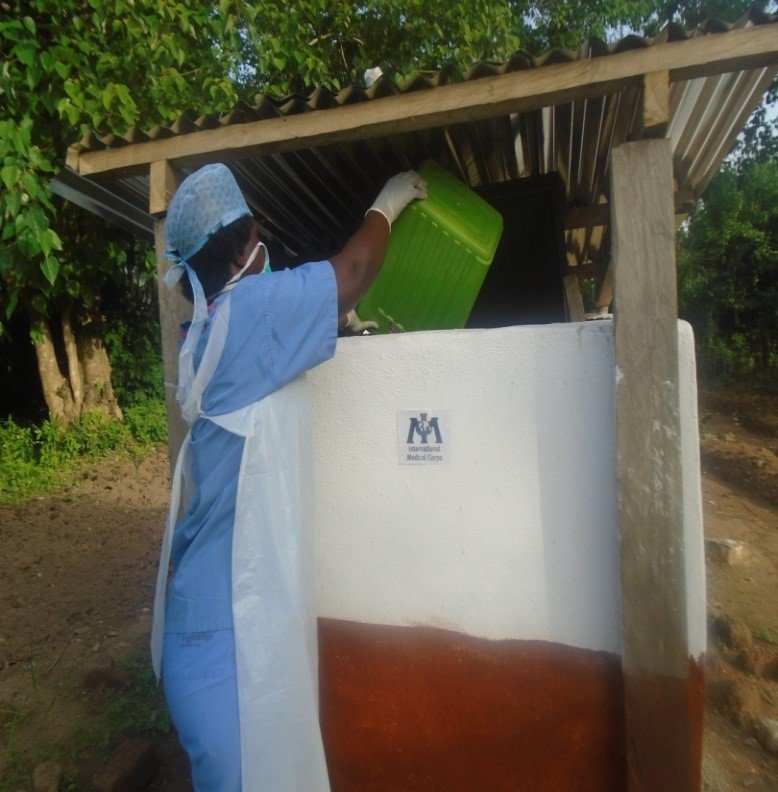
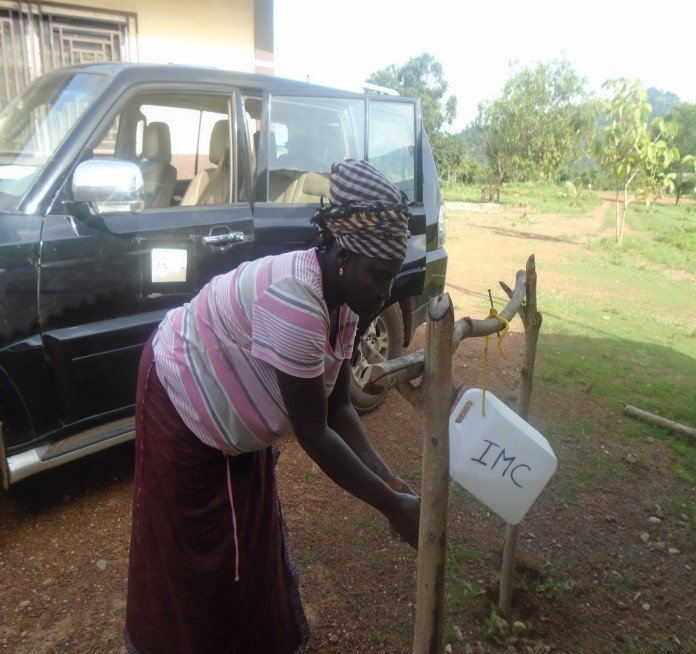
With the rapid and generous support of GlobalGiving and other donors, International Medical Corps led a community-based initiative to reactivate primary health care services in Sierra Leone, helping to bring patients back to health facilities and strengthen the health system for the future. The project took an integrated approach, including capacity-building and infrastructure development at the health facility level; improvements to community and household water, sanitation and hygiene infrastructure and hygiene education; and prevention messaging for families, among other activities. Combined, these activities helped respond to Ebola and build capacity for future outbreaks, and brought families back to the health facilities.
International Medical Corps’ primary health care reactivation project targeted health workers and communities in four districts of Sierra Leone, and was part of a larger effort in coordination with the Ministry of Health and Sanitation (MoHS) to combat Ebola and prepare communities for future outbreaks.
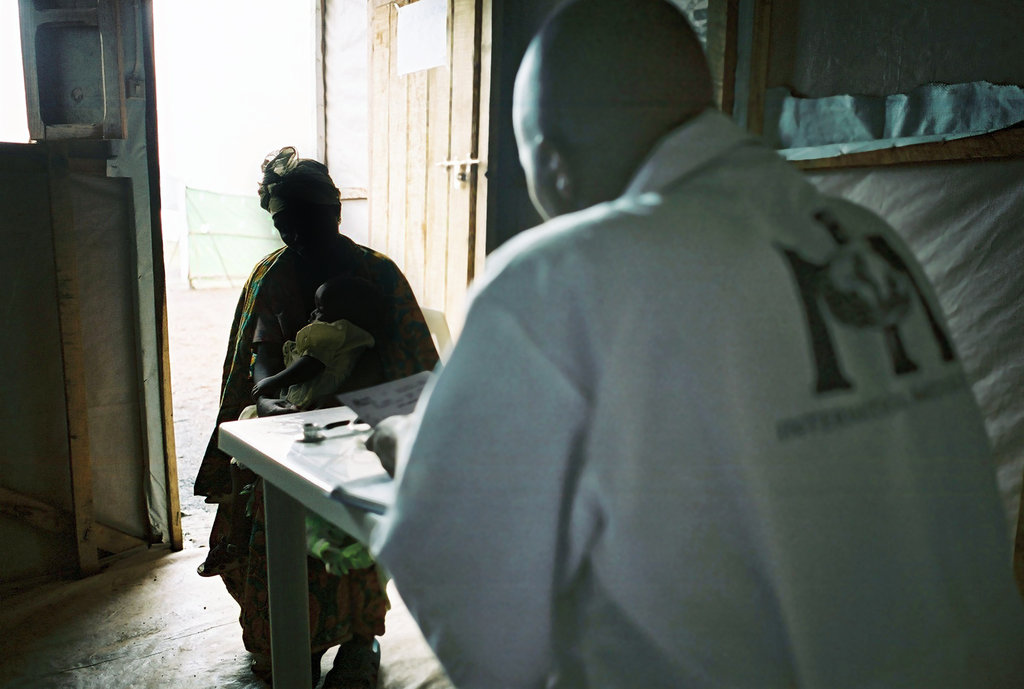
Communities continue to be devastated by the crisis. Many lost confidence in the health system with the death of health workers, and a secondary health crisis emerged with the closing of health facilities in the wake of the Ebola outbreak. Even as they reopened, the injured, pregnant women and people ill with common diseases like malaria, pneumonia and diabetes still didn’t seek treatment for fear of infection, eliminating the public health gains achieved in these countries over the past decade.
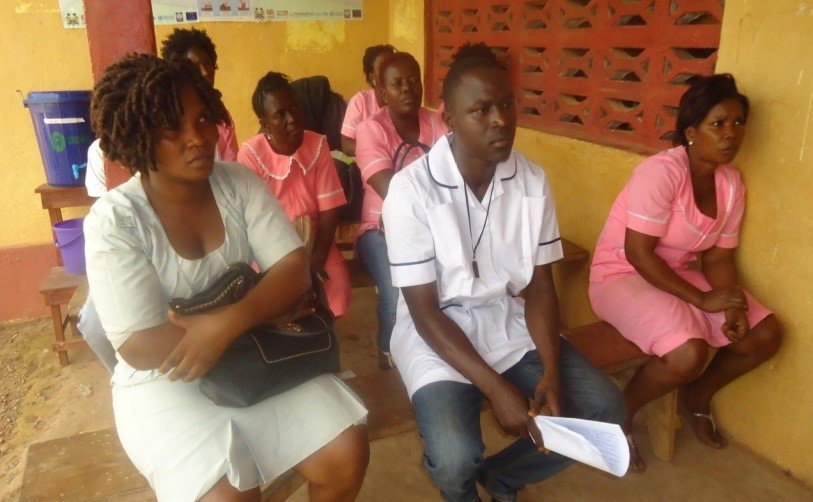
The goal of International Medical Corps’ project was to restore confidence in Sierra Leone’s community-based primary health care facilities by building health worker capacity to treat common illnesses and to identify and refer potential Ebola cases, and by providing training and equipment for their protection. The project included a concerted effort to reach out to communities to sensitize them on the importance of good hygiene and of infection prevention and control behaviors, and of utilizing government health services. Rebuilding trust in the health system with comprehensive projects such as this one is a powerful tool for ending the ongoing transmission of the Ebola virus.
International Medical Corps and the MoHS chose to reactivate 37 Peripheral Health Units (PHUs) located in some of the districts hardest hit by the Ebola crisis – exceeding the initial target of 27 PHUs by nearly 40 percent. In total, this project reached 171,482 direct beneficiaries and 1.5 million indirect beneficiaries in Bomboli, Tokolili, Koinadugu and Kailahun Districts, and achieved the following targeted outcomes:
The support of GlobalGiving and other generous donors made it possible for International Medical Corps to train staff and communities, rehabilitate and supply facilities, and conduct outreach activities that are restoring confidence in Sierra Leone’s community-based health system. As a result, this intervention helped fight the Ebola outbreak -- while stemming the impact of the secondary health crisis it caused.
Project reports on GlobalGiving are posted directly to globalgiving.org by Project Leaders as they are completed, generally every 3-4 months. To protect the integrity of these documents, GlobalGiving does not alter them; therefore you may find some language or formatting issues.
If you donate to this project or have donated to this project, you can receive an email when this project posts a report. You can also subscribe for reports without donating.