![Refugee arrival point]()
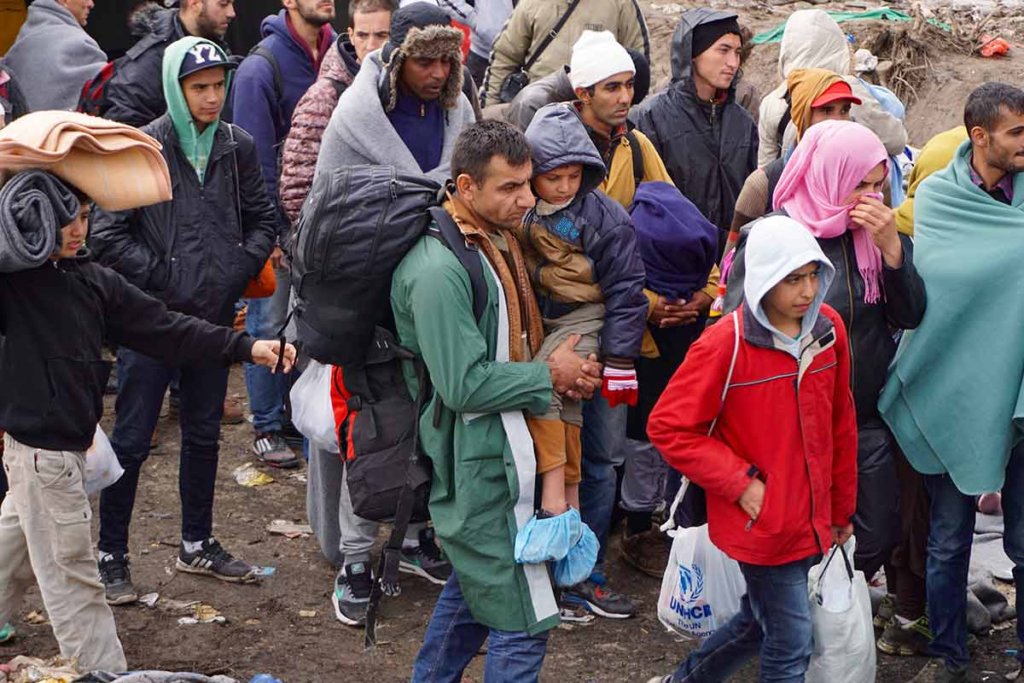
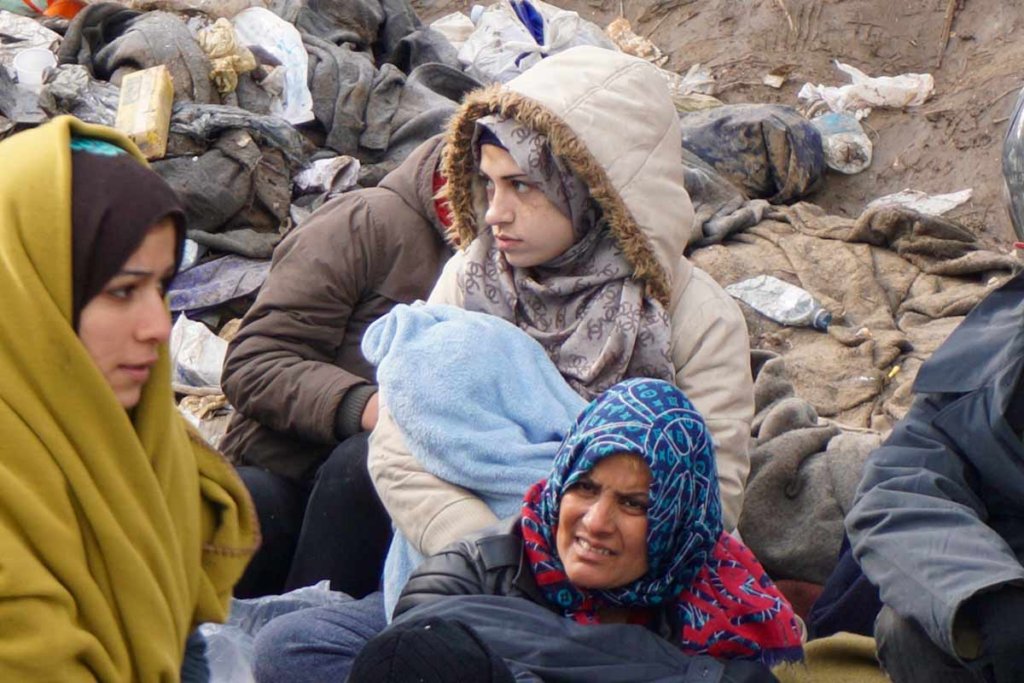
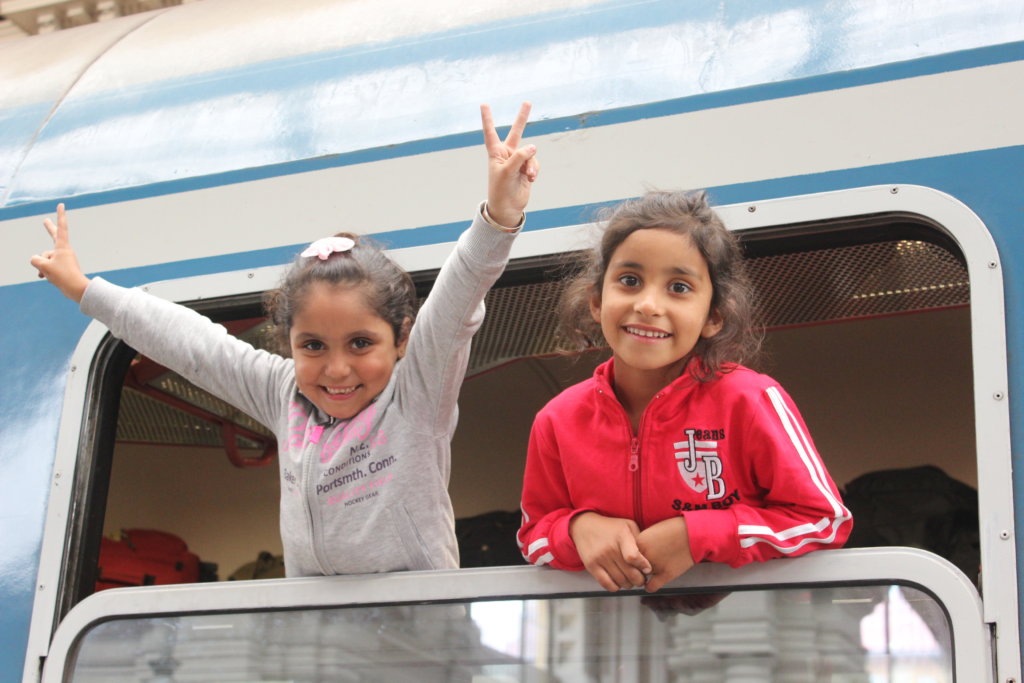
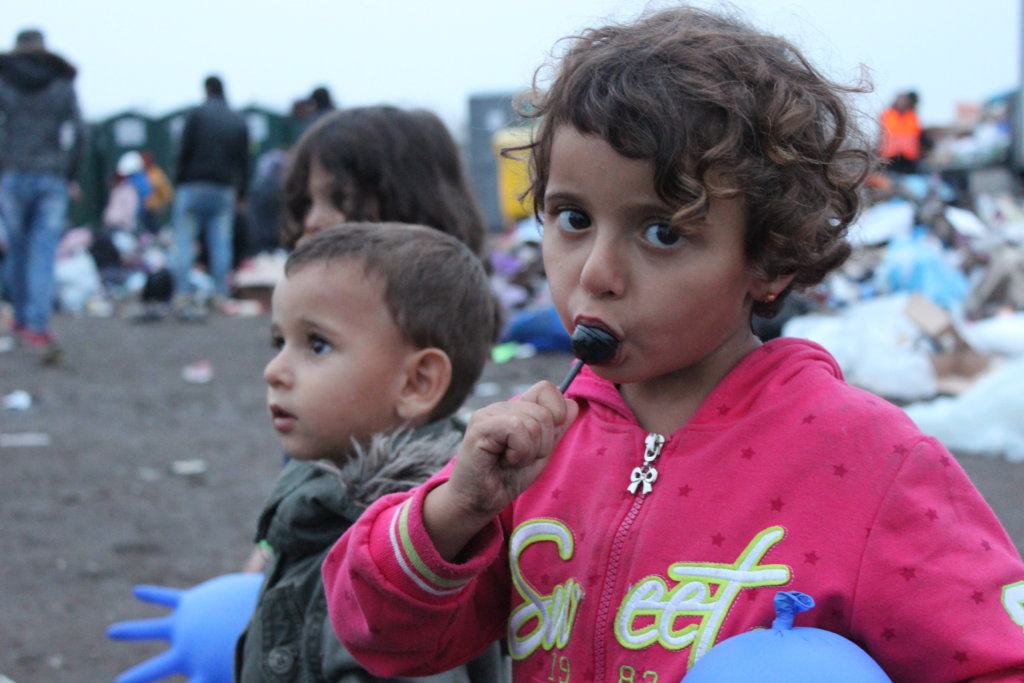
Refugee arrival point
The number of migrant and refugee arrivals to Europe via the Mediterranean Sea in 2015 has now surpassed 500,000—more than twice the number of arrivals in all of 2014 and more than eight times the number of arrivals the previous year. The average daily rate of arrivals also increased in September compared to August, as the onset of fall creates a sense of urgency for people attempting the sea crossing before the waters become even more treacherous, with higher winds and colder temperatures.
As European leaders work toward regional solutions to the refugee and migrant situation, tensions continue to flare between transit countries in the absence of a common approach. The Government of Hungary has indicated pending plans to seal its border with Croatia, which would further impede refugees’ ability to reach other European countries. Hungary’s closure of its border with Serbia in mid- September diverted refugees into Croatia in search of an alternative route. On September 21, Hungary’s parliament passed legislation permitting the military to patrol the border, and for the military and police to use non-lethal weapons against people who cross the border without permission in six border counties where the government has declared a state of crisis. Despite Hungary’s stance, Croatia has continued to transfer refugees to its border with Hungary, which in turn has transported them onward to Austria.
Mobile Medical Unit Begins Operating in Serbia
International Medical Corps is partnering with a local organization to provide medical care and psychosocial support to refugees and migrants transiting Serbia en route to other destinations. According to the Government of Serbia, more than 200,000 people have entered Serbia since the beginning of 2015; approximately 540 have expressed intentions to seek asylum in the country.
International Medical Corps and its local partner have begun operating a mobile medical unit (MMU) staffed by a doctor, nurse, psychologist, and interpreter. The team also has Arabic-language capability, given the high percentage of Arabic speakers among the refugee population. The MMU operates in coordination with Serbia’s Commissariat for Refugees and local health centers to identify appropriate areas of operation and needed assistance.
International Medical Corps in Greece
International Medical Corps has deployed a team to Greece to support a new program with a local organization to address needs resulting from the refugee influx. On September 30, International Medical Corps visited an Athens day care center managed by its local partner, where the organization is providing medical care and psychosocial support to refugees and migrants who have arrived via the Greek Isles and are transiting Greece on the way to other destinations. With supplies donated to International Medical Corps, its local partner distributed approximately 145 hygiene kits that contained basic hygiene supplies for refugees in transit. International Medical Corps and its local partner plan to distribute additional hygiene kits in reception centers, including on the Greek islands, where local resources are particularly strained.
Assisting Refugees in Mediterranean Coastal Areas of Turkey
In Turkey, International Medical Corps plans to utilize well-established partnerships with local organizations to ensure that people transiting through and settled on the coastal areas of Izmir and the Bodrum Peninsula have sufficient access to medical care and basic services. International Medical Corps has identified several needs among refugees in these locations, which are common launching points for the journey across the Mediterranean Sea. Health issues include respiratory tract infections; gastrointestinal diseases; chronic diseases; dermatological diseases, particularly among children; minor trauma; and a need for obstetric care. Hygiene supplies are a priority need, given a lack of access to sanitation facilities aside from local businesses and clinics. Food is also a significant need, particularly in Bodrum.
International Medical Corps is building on its existing program supporting refugees in Turkey to respond to needs emerging as part of the Mediterranean refugee and migrant crisis. Since December 2014, International Medical Corps and a local partner have operated a multi-service center in Izmir; International Medical Corps will provide referrals to the center and other similar locations where refugees can access medical care and other services. International Medical Corps will also utilize existing and new local partnerships to distribute food, winter clothing, blankets, and other critical supplies. Additional support from International Medical Corps will include capacity building and technical guidance, such as on mental health and psychosocial support, for local partners responding to the crisis.
It is with the support of GlobalGiving and other donors that International Medical Corps is able to continue responding to this continually evolving crisis. Thank you so much for your continued efforts in meeting this urgent need!
![Refugee arrival point]()
Refugee arrival point
![Distribution of supplies]()
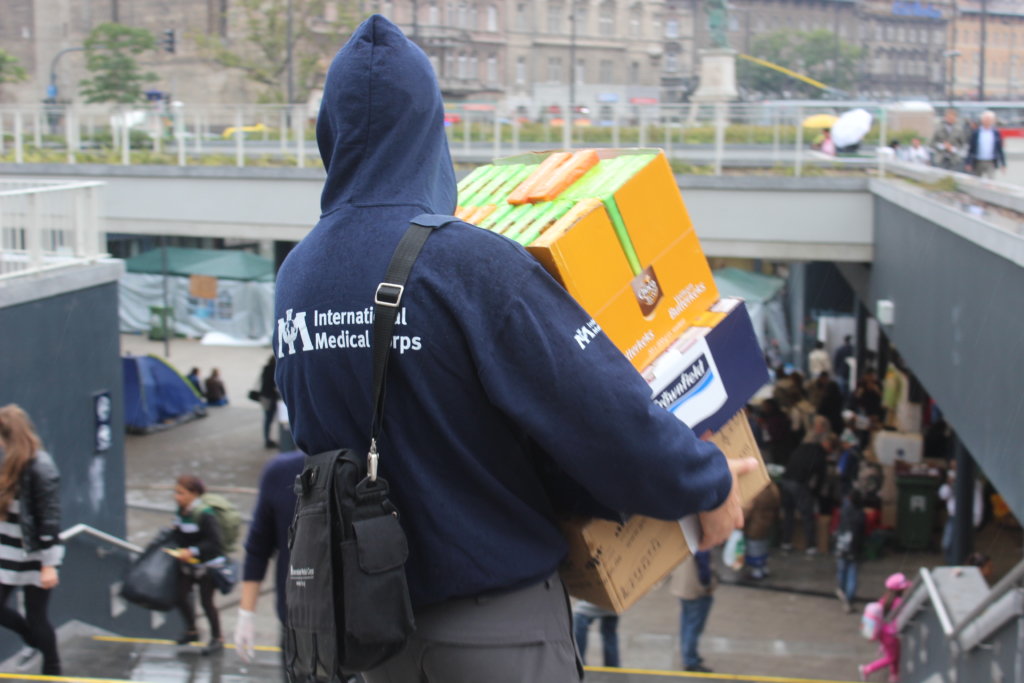
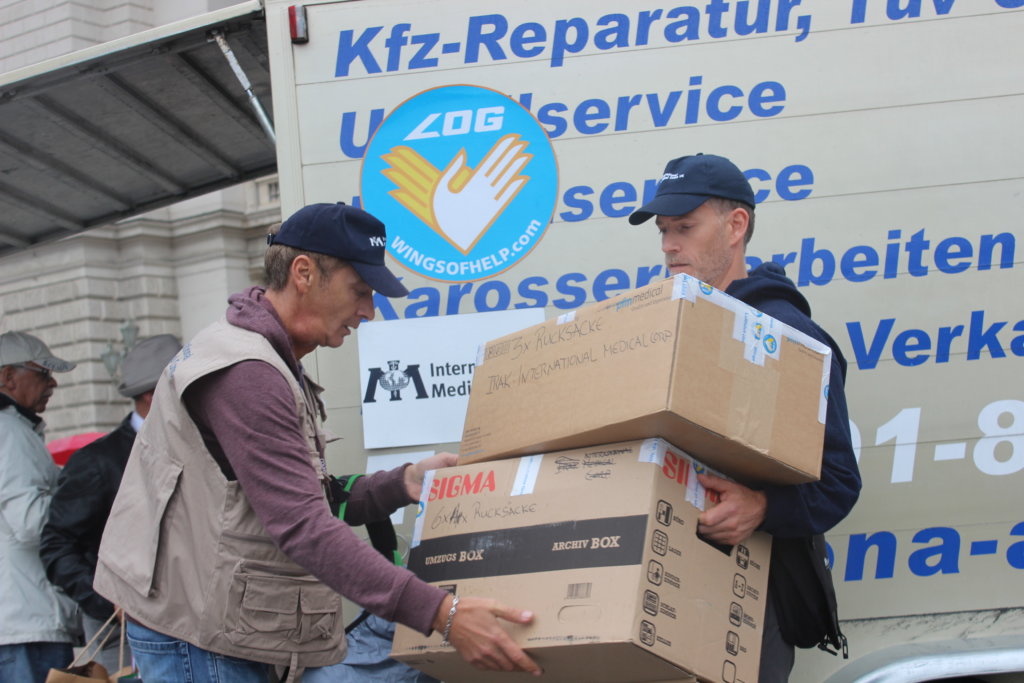
Distribution of supplies
![Distribution of supplies]()
Distribution of supplies
![Share on Twitter]()
![Share on Facebook]()