By Lori Brister | Resource Development Officer
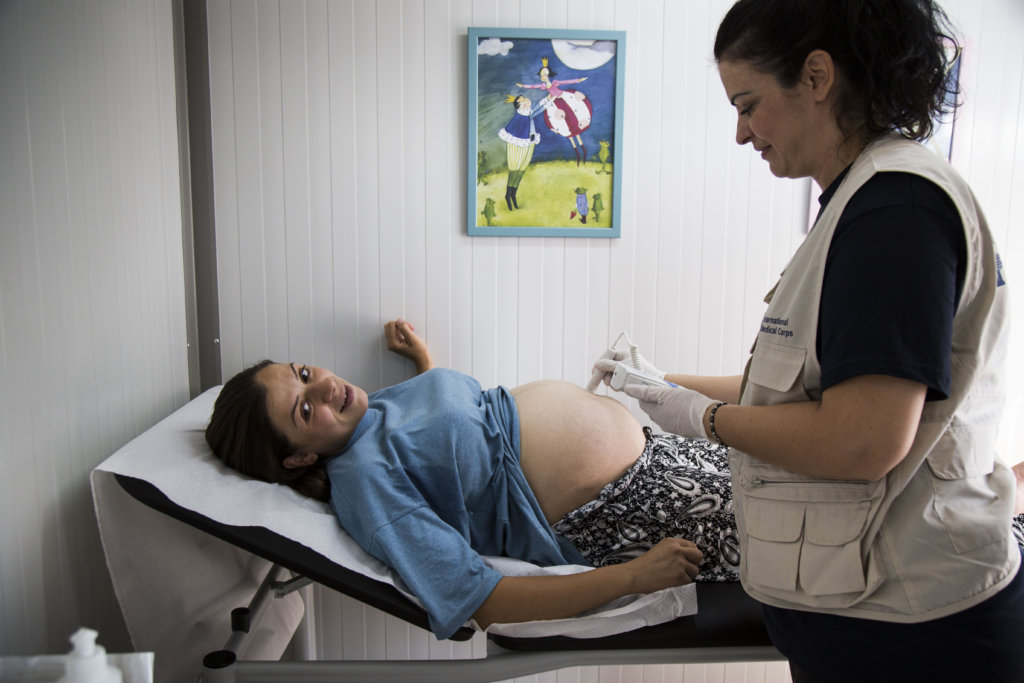
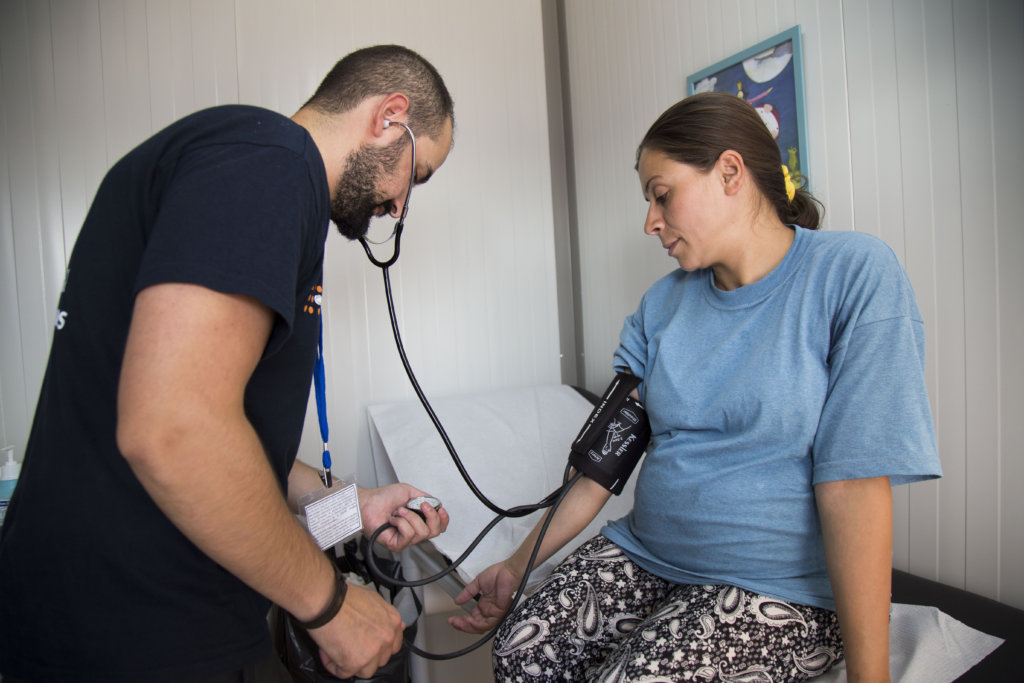
International Medical Corps’ emergency response to the refugee crisis in Europe has now concluded. We partnered with international agencies and local organizations to bring urgent humanitarian relief to refugees and migrants in Greece, Serbia and Croatia. Along with our partners, our teams provided emergency care to 30,171 refugees and migrants as they disembarked on the shores of Lesvos. Some 6,600 patients received health care through our mobile medical units, and 622 people received reproductive health consultations, including antenatal, postnatal and gynecological care, as well as family planning services.
To continue supporting International Medical Corps’ humanitarian response to the Syrian refugee crisis, please visit our “Support Azraq Refugee Camp in Jordan” project at https://www.globalgiving.org/projects/support-azraq-refugee-camp/.
Finding Hope: Teaching Refugee Children about Good Hygiene
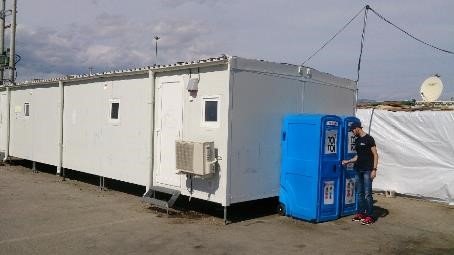
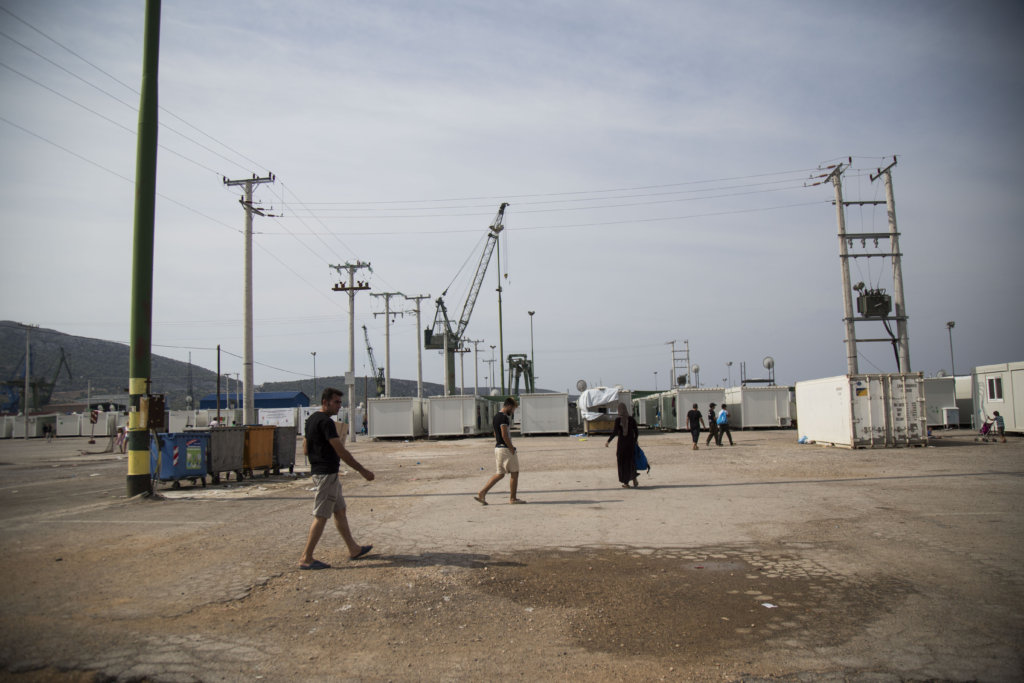
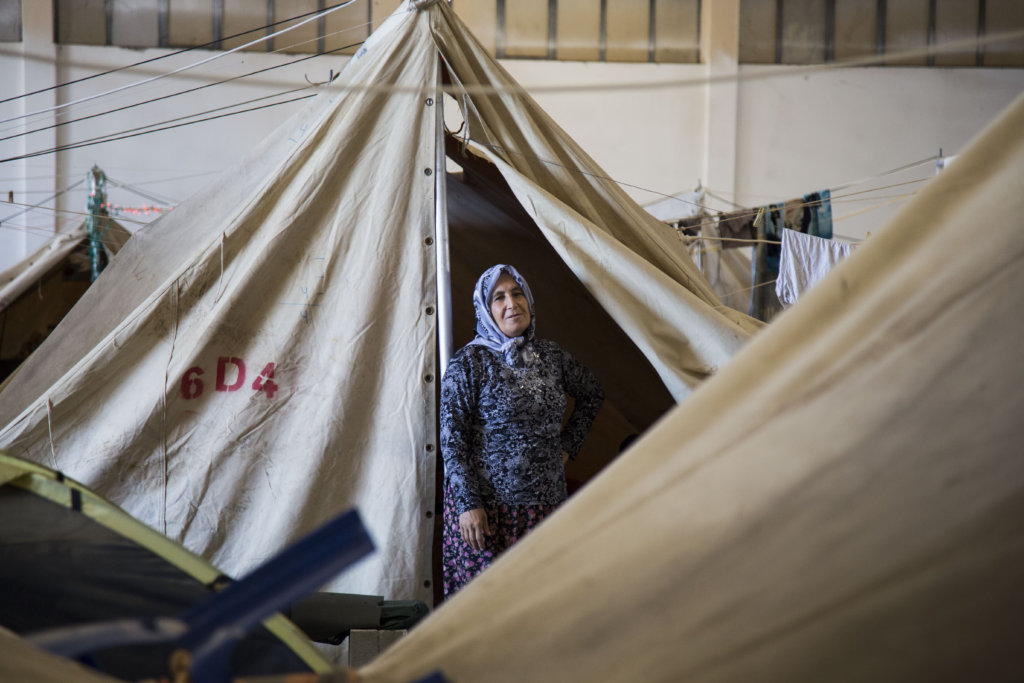
Dayaa left his home in Homs, Syria to escape the horrors of civil war and find a better life in Turkey. When he was unable to find a job, he made the journey across the Mediterranean Sea before settling at the informal camp at Piraeus Port, near Athens. Dayaa noticed that there were dozens of children living in the camp without any access to education or recreational activities. Working with a team of friends, Dayaa gathered 50 children together for English classes. Only a month and half later, the Piraeus Port camp closed, and all the refugees were transferred to other camps, including the Skaramagas Camp, the largest refugee camp on Greece’s mainland.
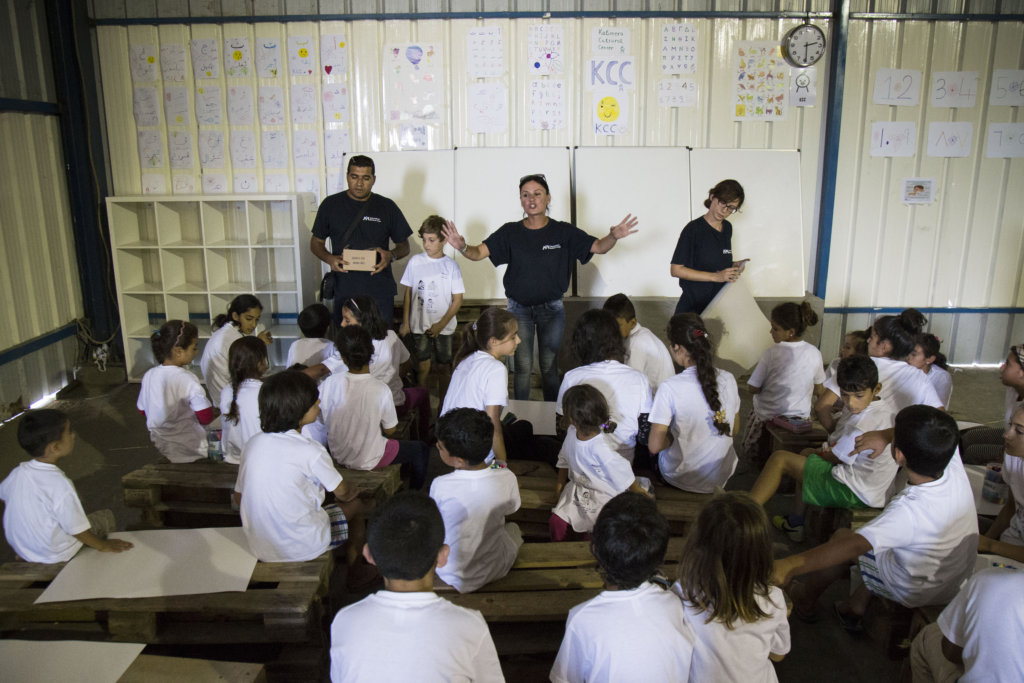
Once in Skaramagas Camp, Dayaa and his team founded the Hope School, where refugees volunteer to teach young children, dividing classes by the children’s native tongue—primarily Arabic, Kurdish and Farsi. In the summer of 2016, International Medical Corps began working with Hope School to provide hygiene promotion and training. “We became friends,” Dayaa said. “International Medical Corps is committed to this work.”
International medical Corps has been on the frontlines of the crisis in Syria since it began, working with refugees in neighboring countries and internally displaced men, women and children. Since 2011, more than 4.9 million Syrians have fled their homes to seek refuge in neighboring countries, and more than 1.3 million refugees from Syria—as well as other conflict-ridden places such as Iraq and Afghanistan—traversed the Mediterranean Sea to reach Europe. Today, some 62,000 persons of concern remain in Greece.
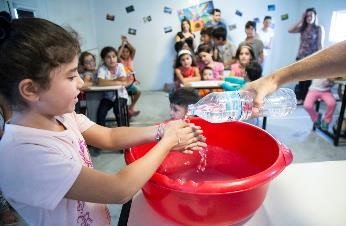
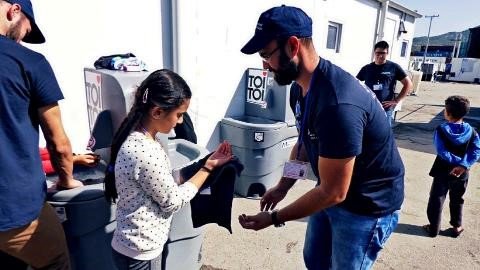
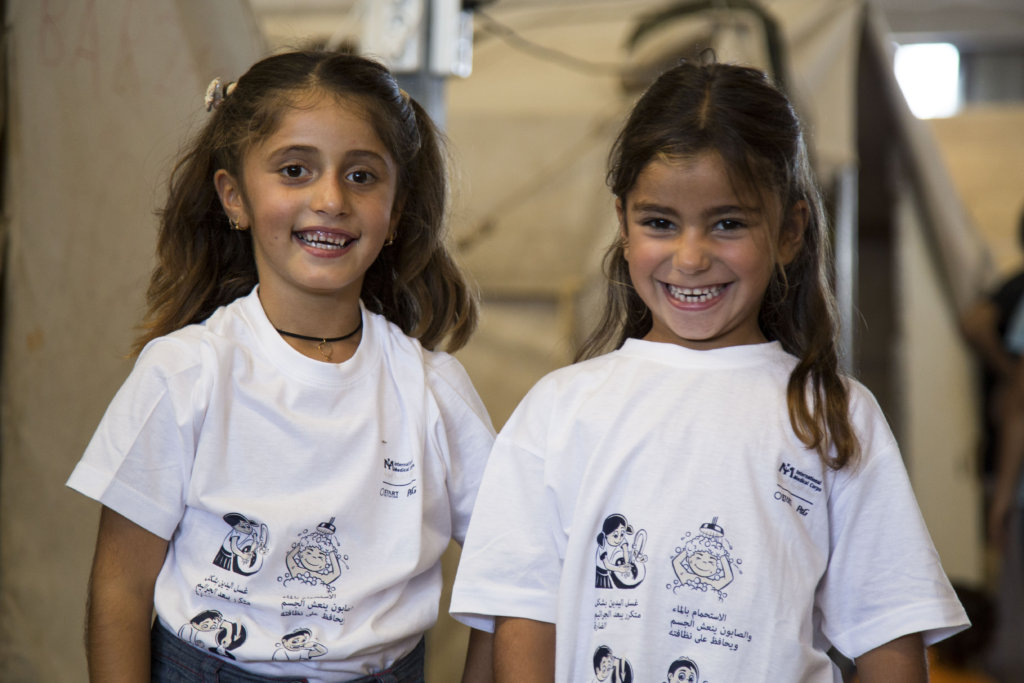
When the desperate refugees began making the perilous journey across the sea, our teams followed. Since the fall of 2015, we have provided primary and reproductive care, mental health and psychosocial support, gender-based violence prevention and response, and urgently needed relief materials. Our teams also delivered some 67,000 hygiene items, including feminine pads, toothpaste, toothbrushes, diapers, soap, wet wipes and toilet paper, and we educated thousands of men, women, and children on the importance of proper sanitation, such as washing one’s hands with soap. Dimitris, one of our Water, Sanitation and Hygiene Officers, explained, “We took into consideration the real needs of the refugees, addressing gaps and conducting activities that met those needs.”
Today, almost 700 children between the ages of five and 13 attend Hope School in Skaramagas Camp. What started as informal English lessons held in a tent now has two classrooms and an office. International Medical Corps educated some 200 children and distributed more than 100 hygiene kits to students. Dimitri said, “My favorite part of my job was when children would tell me they applied what they learned in the hygiene promotion lessons, explaining to their parents when they should wash their hands.”
We would like to thank the GlobalGiving community for your support of International Medical Corps’ work with the refugees and migrants in Greece.
By Lori Brister | Resource Development Officer
By Lori Brister | Resource Development Officer
Project reports on GlobalGiving are posted directly to globalgiving.org by Project Leaders as they are completed, generally every 3-4 months. To protect the integrity of these documents, GlobalGiving does not alter them; therefore you may find some language or formatting issues.
If you donate to this project or have donated to this project, you can receive an email when this project posts a report. You can also subscribe for reports without donating.