By Lori Brister | Resource Development Officer
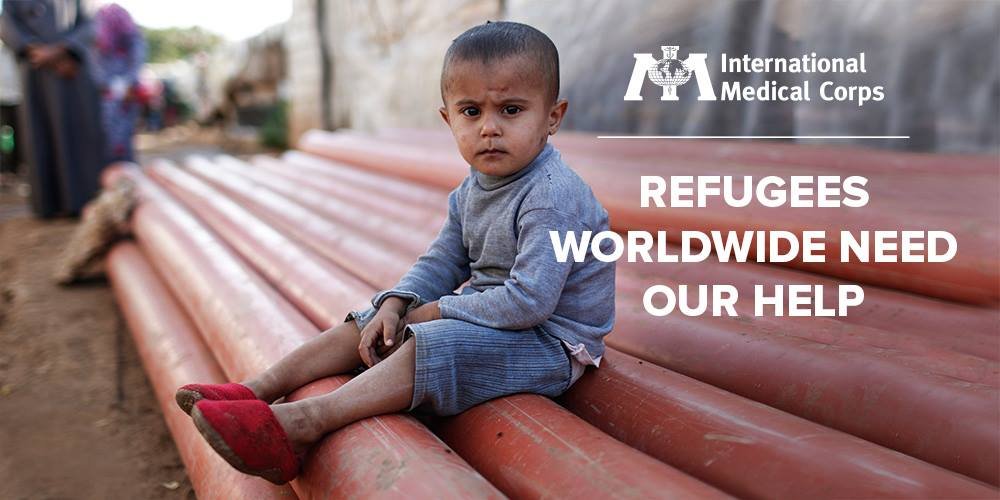
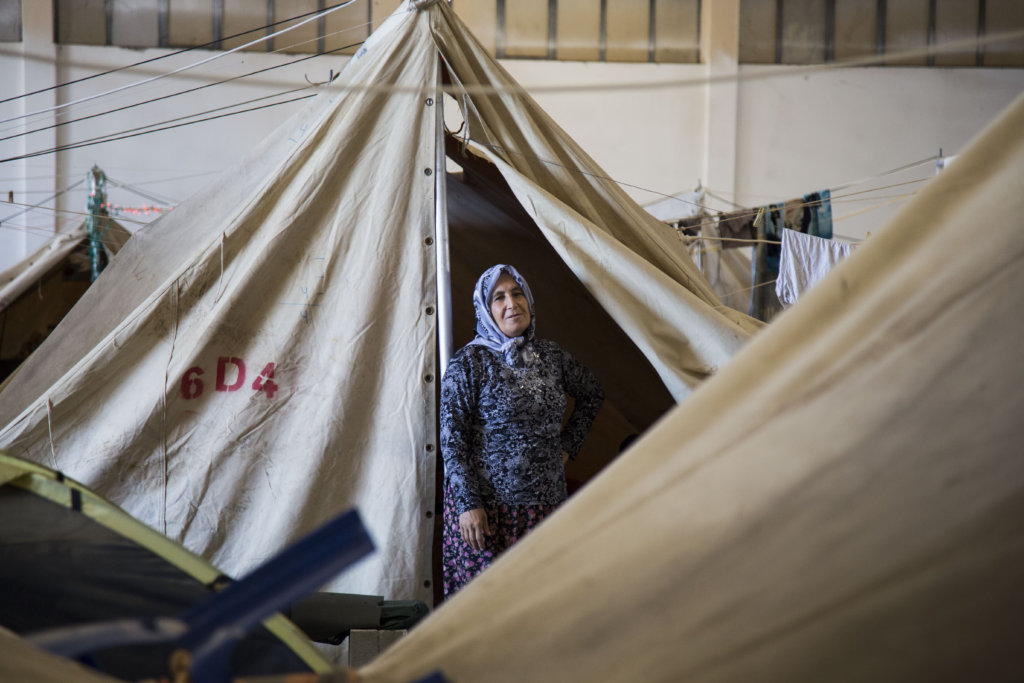
The children panic every time they hear an airplane or thunderclap. “They think they are going to be bombed,” their mother, Hana, explained. “Two bombs fell over our house. My small daughter was hurt by shrapnel.” Like nearly five million others, Hana and her family lost everything when they fled Syria’s brutal civil war. They crossed the Aegean Sea in a dinghy in the middle of the night, hoping to be reunited with Hana’s husband, who is receiving medical treatment in Germany. When the borders closed in March, Hana and her young children were stuck in Greece, without options and with little information or hope. Today, they live in an abandoned tobacco factory along with some 160 other people, mostly Syrian, their shelters divided by grey wool blankets strung up by a rope.
In some of the camps, families are allotted small tents, in others, row after row of ventilated container units line a barren gravel lot. While the structures vary from camp to camp, the people stranded in these camps have a few things in common, including a shared history of trauma. According to the UN Refugee Agency, there are some 59,000 refugees and migrants currently living in Greece, mostly in camps like Hana’s. Women and children make up around 59% of those living in limbo.
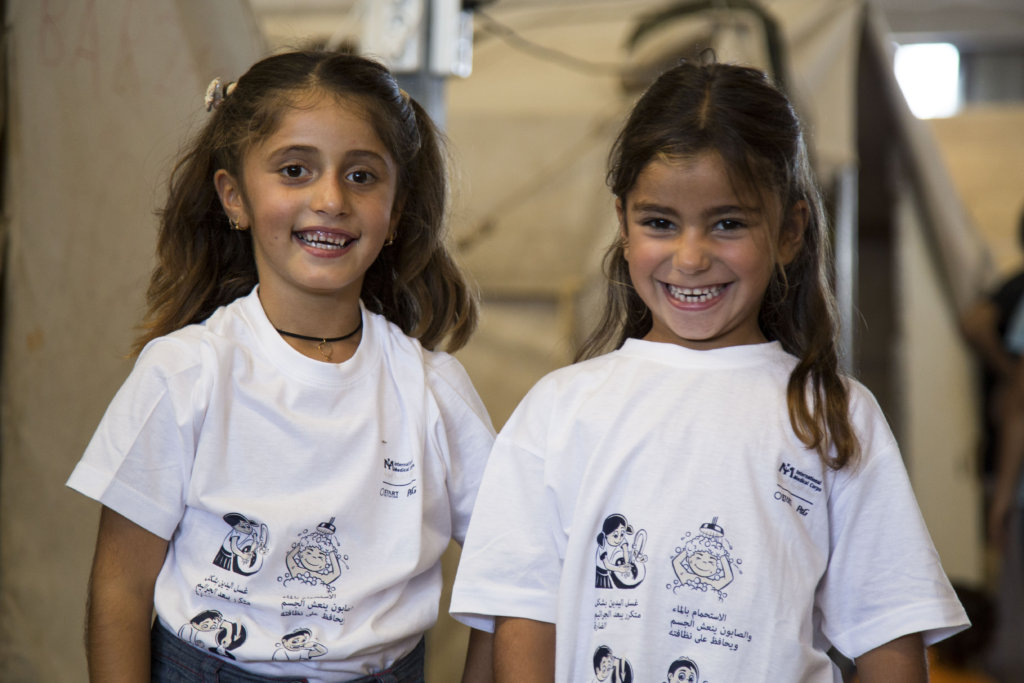
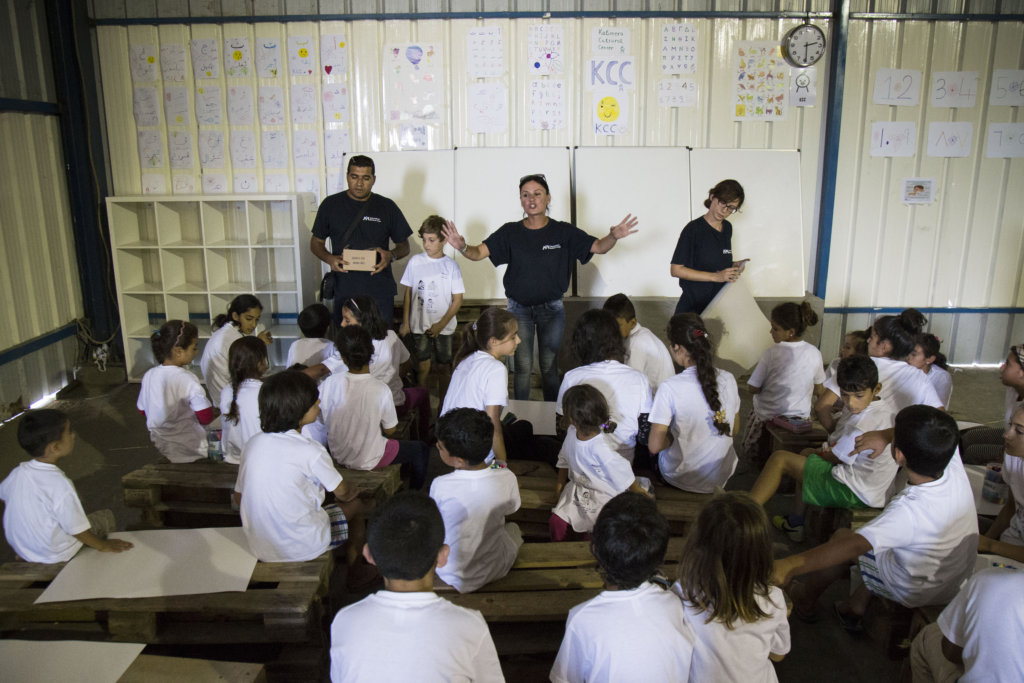
Dina Prior, International Medical Corps’ Country Director in Greece notes, “It’s critical that we care for their emotional and psychological needs, in addition to basic services, like clean water.” Psychosocial support is one of the key components of our response. Our teams are working to build the capacity of local psychosocial support staff, providing psychological first aid training. This training equips first responders to interact with the men, women, and children who have experienced stressful events. To support children’s mental health and well-being, we host programs that teach children valuable skills, including coping mechanisms and safe hygiene practices that empower children to play influential roles in their communities.
We are just getting started, and stories like Hana’s remind us how critical the need for psychological support is. Hasan, a refugee from Aleppo, Syria, described what he and so many refugees are experiencing: “I just want to sleep, but my mind won’t let me.” He added, “I am tired psychologically now. Every day there is a problem here. And then I remember Syria—and I am haunted by the ghosts.”
We want to thank the GlobalGiving community and other donors for supporting our work and helping refugees and migrants in Greece rebuild their lives.
Project reports on GlobalGiving are posted directly to globalgiving.org by Project Leaders as they are completed, generally every 3-4 months. To protect the integrity of these documents, GlobalGiving does not alter them; therefore you may find some language or formatting issues.
If you donate to this project or have donated to this project, you can receive an email when this project posts a report. You can also subscribe for reports without donating.